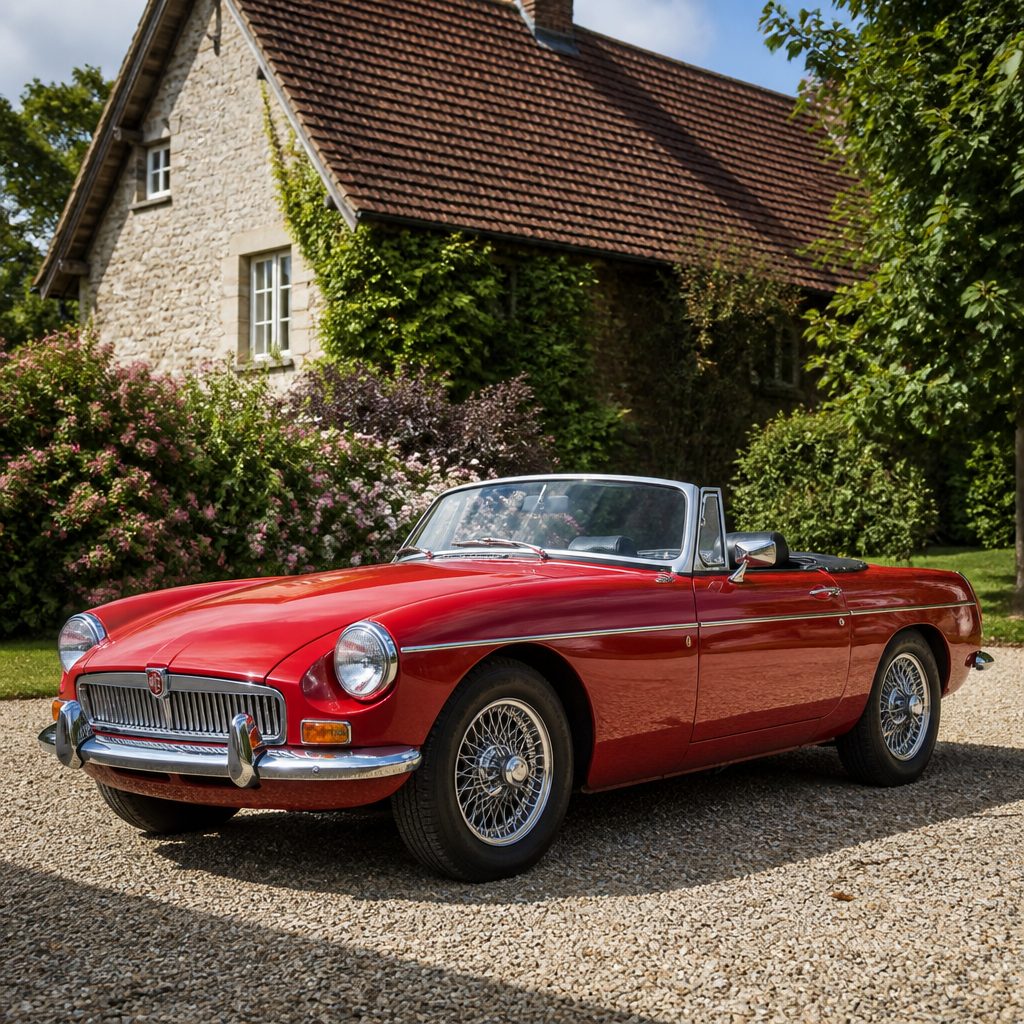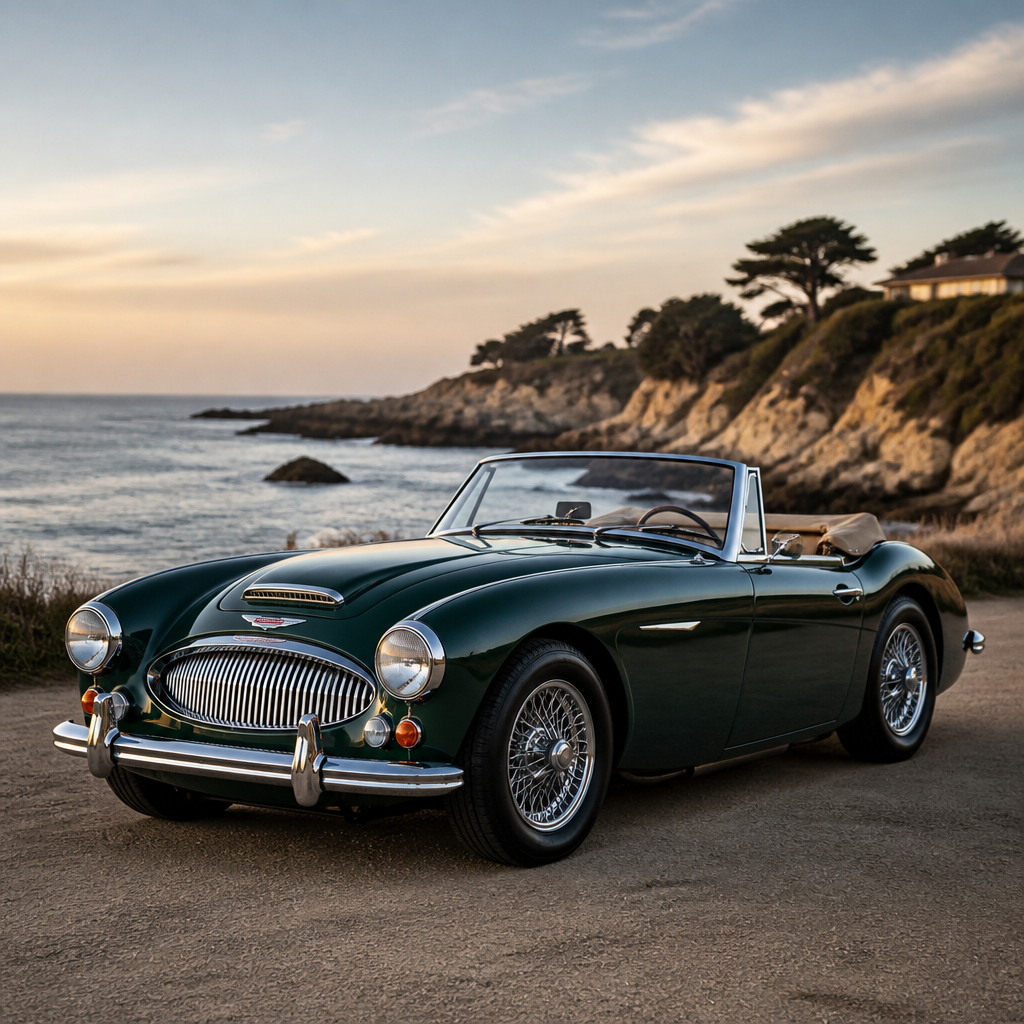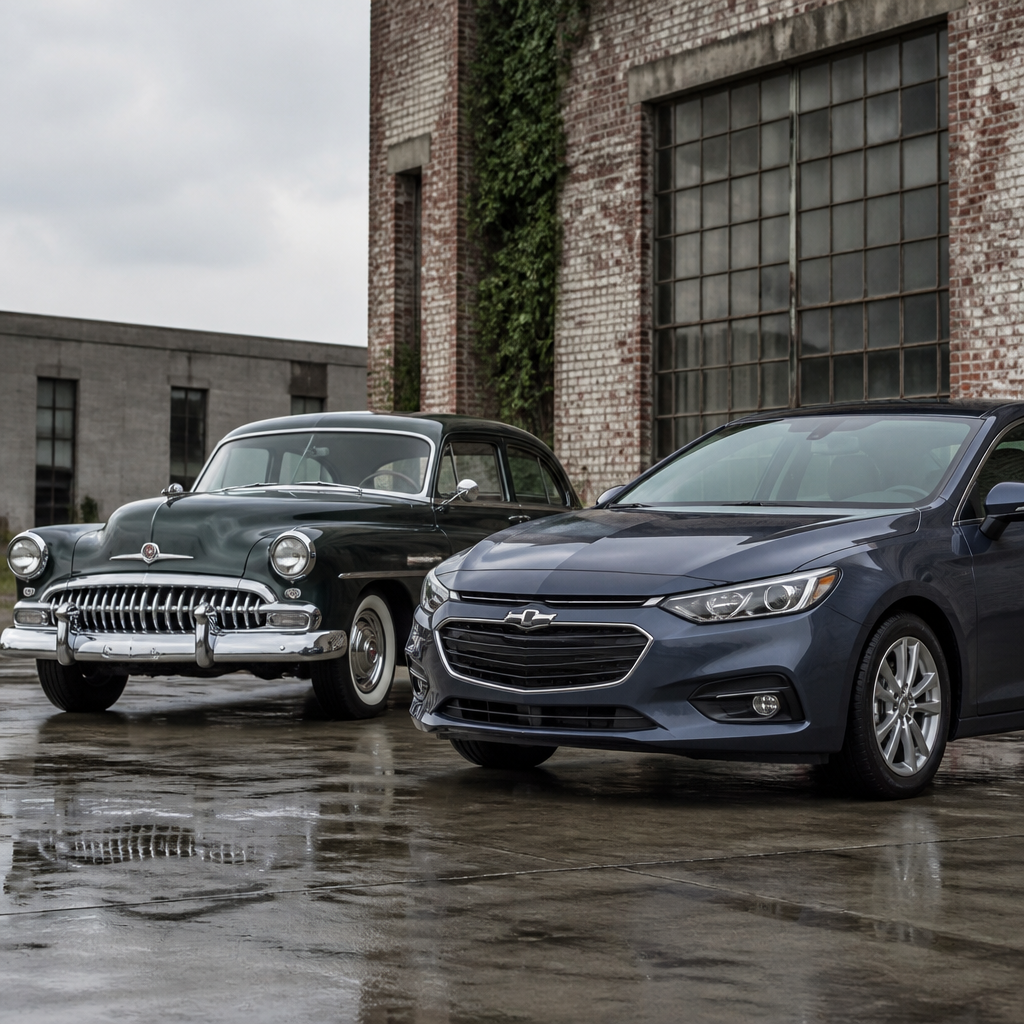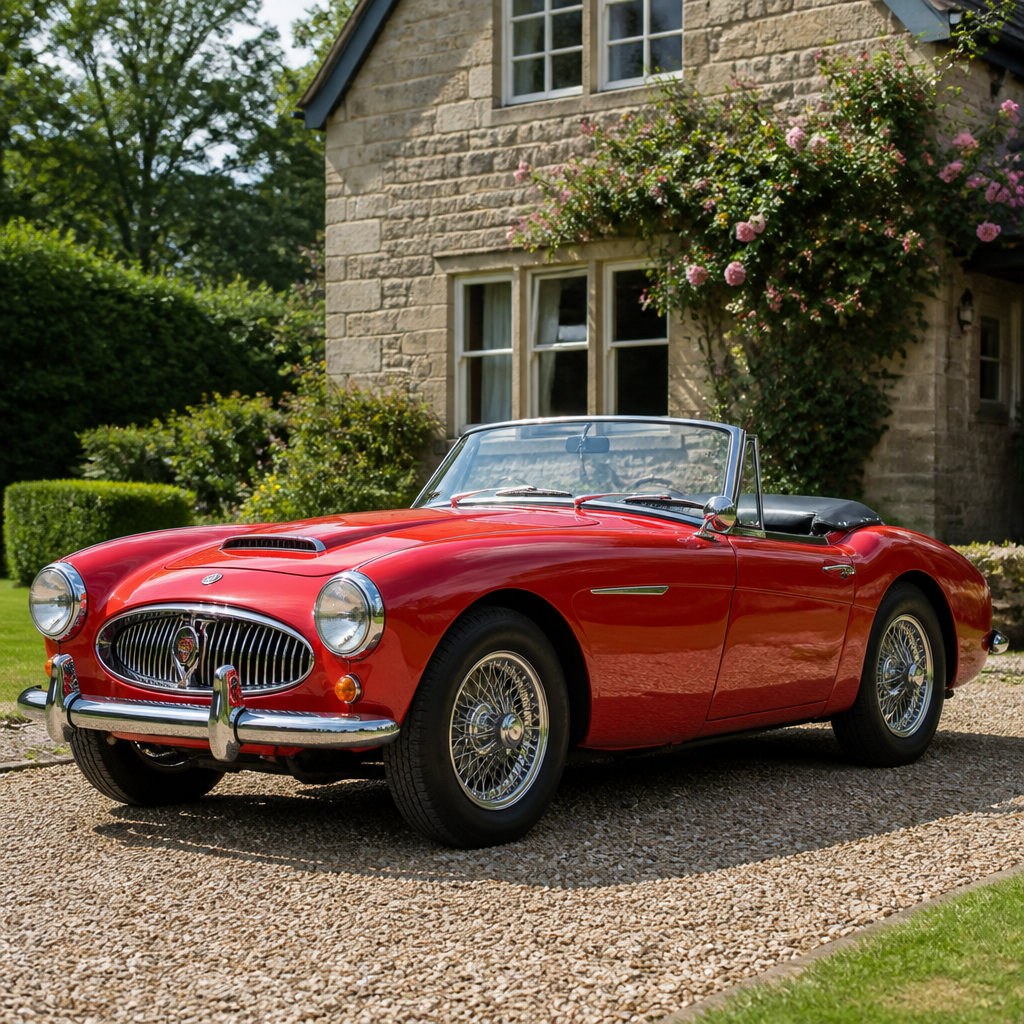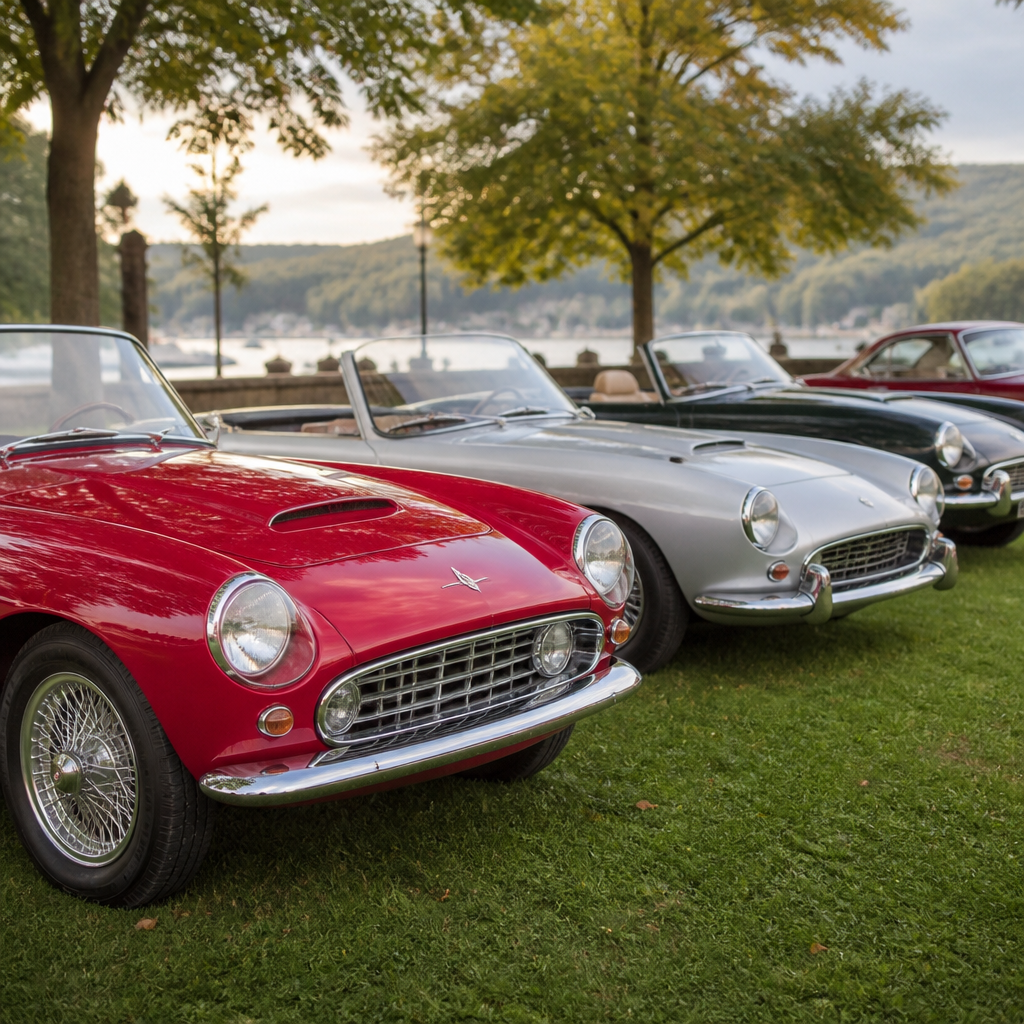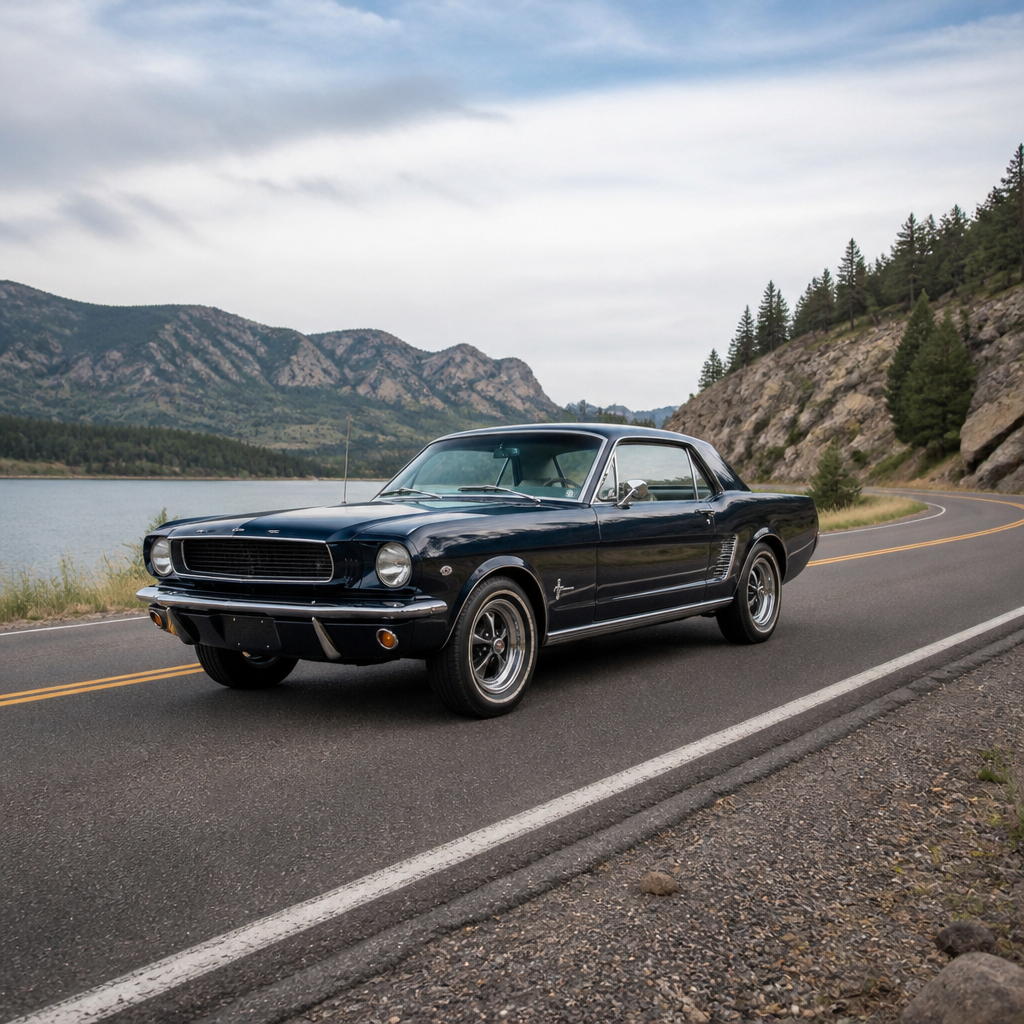
Daily driving a classic car sounds romantic for good reason: older machines deliver character, mechanical honesty, and a sense of occasion that most modern vehicles cannot match. In the classic car ownership world, “daily driving” means using a vintage vehicle as regular transportation rather than reserving it for weekend shows, fair-weather cruises, or occasional maintenance laps. A “classic car” usually refers to a vehicle at least twenty to twenty-five years old, though enthusiasts often draw a practical line between genuinely old cars, emerging modern classics, and collectible vehicles with limited production or cultural significance. I have helped owners buy, maintain, insure, and commute in classics, and the biggest lesson is simple: using one every day can be deeply rewarding, but it changes every part of ownership.
The question matters because daily use exposes the true strengths and weaknesses of an older car faster than hobby ownership ever will. A car that feels charming on Sunday can become exhausting by Thursday if parts availability is poor, the cooling system struggles in traffic, or the cabin leaks during storms. On the other hand, a well-sorted classic can turn routine errands into memorable experiences while building mechanical knowledge and owner confidence. For readers exploring classic car ownership, this hub covers the practical tradeoffs of daily driving a classic: reliability, costs, safety, comfort, maintenance demands, insurance considerations, weather exposure, and how to decide whether the idea fits your life rather than your fantasy.
Why People Daily Drive Classic Cars
The appeal starts with engagement. In many classics, steering is heavier, controls are more mechanical, visibility is better, and every sound tells you something meaningful about the car’s condition. Drivers often describe this as connection, but in practical terms it means you are participating in the machine rather than supervising software. A 1967 Volvo 122, a Mercedes-Benz W123 diesel, or an air-cooled Volkswagen Beetle can make a grocery run feel more satisfying because the experience is tactile and legible. You smell fuel on a cold start, hear valve train chatter, feel gearbox resistance, and learn the operating rhythm quickly.
There is also a philosophical advantage. Older cars are easier to understand, and many can be repaired with hand tools, workshop manuals, and patience. That simplicity appeals to owners who want transportation they can diagnose without proprietary scan tools or subscription-based service data. Daily use also keeps a classic healthier than long storage in some cases. Carburetors gum up when neglected, seals harden, batteries sulfate, and brake components corrode. Cars that are exercised regularly often reveal issues early, which makes maintenance more predictable.
Finally, some classics are genuinely usable. By the late 1970s through the 1990s, many vehicles had disc brakes, electronic ignition, decent heating and ventilation, and robust drivetrains. A fuel-injected Volvo 240, BMW E30, Jeep Cherokee XJ, or Mercedes W124 can still function credibly as a commuter if maintained correctly. The key is understanding that “usable” does not mean equivalent to a 2024 daily driver. It means workable with planning.
The Biggest Advantages of Daily Driving a Classic
The most obvious advantage is enjoyment. A classic turns transportation into a hobby without requiring extra time on the weekend. That matters more than non-enthusiasts realize. People who enjoy their cars tend to be more attentive to maintenance, cleanliness, and driving technique. You may arrive at work in a better mood because the commute itself provided value, not just transit. For many owners, this emotional return is the entire point of classic car ownership.
Another major benefit is mechanical familiarity. When you use a classic every day, you quickly learn normal oil consumption, charging behavior, warm-up patterns, idle speed, and brake feel. That baseline makes fault detection much easier. I have seen owners catch failing alternators, sticking thermostats, vacuum leaks, and wheel bearing issues early because the car’s behavior was familiar. In a lightly used collector car, small issues can hide for months.
Cost can also work in your favor, but only under specific conditions. If you buy a durable, depreciated classic with strong parts support, perform some labor yourself, and avoid collector-spec perfectionism, ownership can be cheaper than financing a newer vehicle. An old Ford Panther-platform sedan, a square-body pickup, or a Volvo 240 may cost less to buy than one year of payments on a new crossover. Registration can be inexpensive in some states, and parts for mass-produced classics are often plentiful through suppliers, salvage yards, and enthusiast networks.
Classic daily drivers also create community. Fuel stops become conversations. Local clubs, online forums, and marque specialists become practical resources, not abstract social groups. That network helps with sourcing obscure trim, locating specialists for carburetor tuning, or learning which aftermarket ignition modules actually last. In the best cases, daily driving a classic connects you to generations of owners who solved the same problems decades ago.
The Real Drawbacks You Cannot Ignore
Reliability is the issue most people underestimate. Even a fundamentally robust old car contains aged wiring, brittle rubber, tired bushings, worn switchgear, and decades of deferred maintenance by previous owners. Reliability in classics is rarely a single repair away; it is the accumulated result of sorting dozens of systems. A car may run beautifully for a month and then strand you because a condenser fails, a mechanical fuel pump weakens, or a thirty-year-old coolant hose splits in traffic.
Safety is the second major drawback, and it is not negotiable. Most older cars lack modern crash structures, side-impact protection, advanced seatbelt pretensioners, anti-lock braking calibration comparable to current cars, traction control, and airbags. Even when a classic feels solid, crash energy management may be far behind current standards established through decades of testing and regulation. Braking distances may be longer, headlights weaker, and wet-weather stability more demanding. Defensive driving helps, but it does not replace structural safety.
Comfort and convenience can wear you down over time. Noise, vibration, heat soak, vague ventilation controls, weak air conditioning, and manual steering become more frustrating when commuting in congestion or extreme weather. What feels nostalgic on a sunny Saturday can feel punishing after a twelve-hour workday. Parts support is another risk. Mechanical parts for common models may be easy to source, while trim, glass, interior components, and emissions equipment can be difficult, expensive, or unobtainable. One unavailable ignition switch or windshield seal can immobilize an otherwise solid car.
| Factor | Daily Driving Benefit | Daily Driving Risk | Best Mitigation |
|---|---|---|---|
| Reliability | Frequent use exposes issues early | Age-related failures can cause breakdowns | Baseline all fluids, hoses, ignition, belts, and charging components |
| Cost | No new-car payment on many models | Unexpected repairs can exceed monthly savings | Keep a repair reserve and buy cars with strong parts support |
| Safety | Better visibility in some older designs | Weaker crash protection and fewer driver aids | Use high-quality tires, belts, lighting upgrades, and defensive routes |
| Maintenance | Simpler systems can be owner-serviced | Frequent attention is often mandatory | Follow strict preventive intervals and inspect weekly |
| Weather | Regular use prevents storage-related issues | Rust, leaks, and corrosion accelerate quickly | Rustproofing, proper drainage, and seasonal driving limits |
Maintenance, Reliability, and the Sorting Process
If you want to daily drive a classic car successfully, the first step is not modification but baseline maintenance. I always advise owners to assume nothing unless records are exceptional. Replace fluids, belts, radiator hoses, vacuum lines, fuel hoses, filters, thermostat, and often the water pump if age is unclear. Inspect the charging system under load, rebuild or replace the carburetor if drivability is inconsistent, verify ignition timing, and confirm compression before investing in cosmetic improvements. On fuel-injected cars, vacuum integrity, grounds, relays, and sensor values matter more than random parts swapping.
Brakes and tires deserve special emphasis. Many classics are judged “reliable” because the engine starts, but daily reliability includes stopping straight, tracking predictably, and handling emergency maneuvers. Old brake hoses can collapse internally. Wheel cylinders seep. Master cylinders bypass pressure. Bias-ply tires or cheap reproduction rubber can transform a usable car into a dangerous one. A quality set of modern radial tires in the correct load rating often produces one of the biggest real-world improvements in safety and confidence.
The sorting process takes time. A classic that has sat for years usually needs staged recommissioning, not a quick tune-up. Heat cycles reveal leaks, regular driving exposes weak electrical connections, and small drivability issues become obvious only during repeated cold starts, highway cruising, and stop-and-go traffic. Owners who budget for six to twelve months of sorting usually have a better experience than those expecting instant dependability.
Safety, Comfort, and Everyday Practicality
Can you safely daily drive a classic car? Yes, but only with honest limits. Later classics from the 1980s and 1990s generally offer a better compromise than cars from the 1950s or 1960s because they often include crumple-zone thinking, head restraints, dual-circuit brakes, fuel injection, and improved cabin ergonomics. A stock 1991 Mercedes W124 or 1994 Volvo 940 is fundamentally more suitable for regular commuting than a 1965 Mustang, even if both are appealing. Suitability is about survivability, predictability, and fatigue reduction, not style.
Practical upgrades can help without undermining character. Better halogen headlamps, relays for lighting circuits, three-point seatbelts where safely engineered, fresh weatherstripping, modern tires, rebuilt suspension dampers, and improved cooling fans make a meaningful difference. Air conditioning can sometimes be converted to modern refrigerant standards, though system efficiency depends on condenser size, compressor condition, and cabin insulation. Sound deadening and fresh door seals can reduce fatigue on long drives.
Still, there are hard limits. You cannot retrofit a vintage shell into a modern crash-tested platform, and no brake upgrade erases the consequences of being rear-ended by a heavy SUV while sitting in a small unibody from 1972. Owners must choose routes, travel times, and usage patterns intelligently. Some use the classic for city commuting but avoid interstate rush hour. Others daily drive seasonally and switch cars during winter or monsoon months. Practicality often depends less on the car itself than on the environment around it.
Costs, Insurance, and Choosing the Right Car
How much does it cost to daily drive a classic car? The honest answer is that purchase price is only the entry fee. A cheap classic can become expensive quickly if it needs suspension, cooling, fuel system, and electrical work all at once. Fuel economy is often worse than in newer cars, and consumables such as seals, trim clips, and weatherstripping add up. Insurance can be tricky because many agreed-value collector policies restrict mileage, require secure storage, or exclude regular commuting. Standard insurance may be available, but valuations may not reflect the true replacement cost of a well-kept classic.
The smartest strategy is buying the right platform. Prioritize cars with strong owner communities, reproduced parts, straightforward mechanical design, and broad specialist knowledge. In practice, that often means mainstream European, American, or Japanese models with high production numbers. The best daily driver classic is rarely the rarest or most glamorous one. It is the one with available brake parts, clear service procedures, known weak points, and realistic operating costs. Think Volvo 240, Mercedes W123 or W124, BMW E30, Ford F-Series, Chevrolet C/K, or a well-kept Lexus LS400 if your definition of classic includes early modern-era cars.
Before committing, build a simple ownership plan. Price the car, inspect for rust, estimate immediate maintenance, verify glass and trim availability, call insurers, and identify at least one local specialist. Then decide whether you need a backup vehicle. For many people, the best version of daily driving a classic is not using it as an only car, but as a frequent primary with a modern fallback. If that approach fits your budget and habits, you get most of the joy with far less risk.
Daily driving a classic car can be one of the most satisfying ways to experience classic car ownership because it transforms an old vehicle from an object into a working companion. The benefits are real: richer driving feel, stronger mechanical understanding, community, and in some cases manageable ownership costs. The downsides are just as real: weaker safety, constant maintenance pressure, weather exposure, parts delays, and the risk that one small age-related failure can interrupt your week.
The right decision comes down to honesty. Choose a car with proven durability, excellent parts support, and safety features appropriate to your roads. Baseline the mechanical systems before trusting it, budget for sorting, and accept that reliability is earned, not assumed. If you want the classic experience without daily stress, keep a backup vehicle. If you are prepared for the tradeoffs, start with a practical model, maintain it rigorously, and let this hub guide your next steps into confident daily classic ownership.
Frequently Asked Questions
Is it realistic to use a classic car as a daily driver?
Yes, it can be realistic, but whether it is practical depends on the specific car, your expectations, and how prepared you are for the tradeoffs. A well-sorted classic can absolutely handle regular commuting, errands, and normal road use, especially if it is a durable model with strong parts availability and a simple mechanical design. Many older cars were built to be used every day, and when properly maintained they can still serve that purpose. That said, daily driving a classic is very different from living with a modern car. You are usually giving up conveniences such as advanced climate control, modern sound insulation, strong crash protection, fuel injection, anti-lock brakes, traction control, and the kind of turnkey reliability most drivers now take for granted.
The biggest factor is condition. A classic that has been restored or consistently maintained is much more likely to succeed as a daily driver than a project car that still has unresolved electrical, cooling, or fuel system issues. Your local climate matters too. Regular use in extreme heat, freezing temperatures, heavy rain, or salted winter roads can make daily driving much harder and can accelerate wear and corrosion. Your commute matters as well. A short, low-stress drive on secondary roads is usually easier on an old car than long high-speed freeway runs in modern traffic.
In other words, the idea is realistic, but only when approached honestly. If you want modern reliability with classic looks, you may be happier with a carefully upgraded car or a newer vehicle inspired by vintage styling. If you want the genuine classic experience, daily driving is possible, but it requires patience, mechanical awareness, and a willingness to accept inconvenience as part of the charm.
What are the biggest advantages of daily driving a classic car?
The biggest advantage is the driving experience itself. Classic cars tend to feel mechanical, direct, and engaging in a way that many newer vehicles do not. You often hear more of the engine, feel more of the road, and play a more active role in the driving process. That sense of involvement can turn even a routine trip to work or the grocery store into something memorable. For many enthusiasts, this is the main reason daily driving a classic remains so appealing. It adds personality and ritual to everyday transportation.
There is also a strong emotional and cultural appeal. A classic car has character, visual presence, and often a story behind it. It stands out in parking lots full of anonymous crossovers and commuter sedans. People notice it, ask questions, share memories, and respond to it in a way they rarely do with newer cars. That can make ownership more rewarding because the vehicle becomes more than transportation; it becomes part of your identity and part of a broader enthusiast community.
Another advantage is mechanical simplicity. Many classic cars are easier to understand and repair than modern vehicles packed with sensors, modules, and software. For owners who enjoy turning wrenches, this can be a major benefit. Routine maintenance may be more frequent, but it is often more approachable. In some cases, a classic can also make financial sense if you already own it outright, insurance is affordable through an agreed-value or collector-friendly policy, and you are comfortable handling basic repairs yourself. Still, the advantages are strongest for drivers who value experience over convenience. A classic rewards involvement, not passivity.
What are the main disadvantages of using a classic car every day?
The main disadvantages are reliability, safety, comfort, and wear. Even the best classic cars are older machines with aging components, and age affects everything from rubber seals and wiring to fuel systems and brake hydraulics. Parts can fail without much warning simply because they are old. Frequent use can expose weak points quickly, and what starts as a charming old-car quirk can become frustrating when you need to be somewhere on time. A daily-driven classic often demands more preventive maintenance and more tolerance for occasional inconvenience.
Safety is another major concern. Most classic cars were built before modern crash standards became the norm. They may lack airbags, side-impact protection, anti-lock brakes, stability control, modern lighting performance, and even basic features such as three-point seat belts in some cases. They also tend to be smaller and less structurally sophisticated than modern traffic around them. That does not make them unusable, but it does mean you should think carefully about where, when, and how often you drive one, especially in dense urban traffic or at sustained highway speeds.
Comfort can also be a real issue in daily use. Older cars often have weaker heaters, marginal air conditioning, noisier cabins, less supportive seats, slower wipers, dimmer headlights, and fewer conveniences overall. Fuel economy may be poor, cold starts may be temperamental, and stop-and-go traffic can highlight heavy steering, weak cooling, or less refined transmissions. Finally, there is the simple reality that daily driving puts miles, weather exposure, and wear on a vehicle that may be increasingly valuable or hard to replace. For some owners, that loss of preservation value becomes the biggest downside of all.
How can you make a classic car more dependable for regular transportation?
The best approach is to start with maintenance, not modifications. Before relying on a classic every day, make sure the fundamentals are solid. That means inspecting or renewing the cooling system, ignition components, belts, hoses, fuel lines, battery cables, brake system, suspension bushings, wheel bearings, tires, and charging system. Many reliability problems in classic cars come from deferred maintenance rather than bad design. A car that idles poorly, overheats in traffic, leaks fuel, or has inconsistent electrical behavior should be sorted thoroughly before it is expected to commute regularly.
Once the basics are addressed, carefully chosen upgrades can improve dependability without ruining the car’s character. Electronic ignition is a popular example because it can improve starting and reduce tune-up frequency. An upgraded radiator or electric fan may help in hot climates or traffic. Better tires, halogen or LED-compatible lighting upgrades, improved seat belts, and refreshed brakes can make a classic safer and easier to live with. Some owners also add discreet charging upgrades, modern relays, or a more reliable fuel delivery setup. The goal should be usability, not overcomplication.
It also helps to adopt the mindset of a pilot rather than just a driver. Carry basic tools, spare fuses, fluids, belts, and emergency contacts. Learn the sounds, smells, and normal behavior of the car so you can catch problems early. Build a maintenance schedule instead of waiting for breakdowns. If possible, have a backup transportation plan, because even a well-prepared classic may occasionally need unexpected attention. Dependability in a daily-driven classic does not come from wishful thinking. It comes from preparation, inspection, and a willingness to stay ahead of age-related issues.
Does daily driving a classic car reduce its value or make ownership more expensive?
Often, yes. Daily driving usually increases ownership costs and can affect value, although the impact depends on the car’s rarity, condition, originality, and market position. More frequent use means more fuel, more maintenance, more wear items, and more exposure to weather, road debris, careless parking incidents, and corrosion. Tires, brakes, suspension parts, ignition components, and fluids will all need attention more often than they would on a lightly used weekend car. If you outsource repairs, labor costs can add up quickly, especially if the car requires specialist knowledge.
Value is a more nuanced issue. For a highly original, low-mile, collectible example, heavy daily use can absolutely hurt long-term desirability by adding miles, increasing cosmetic wear, and encouraging non-original repairs or modifications. On the other hand, a driver-grade classic that is already restored, tastefully updated, or not especially rare may lose relatively little value from regular use if it is maintained well. In fact, some buyers prefer a proven, sorted driver to a car that has spent years sitting. The key difference is whether the car is being used responsibly and cared for properly.
Insurance and storage also matter. Some collector insurance policies limit annual mileage or exclude routine commuting, so you may need a more conventional policy with different pricing and coverage terms. If you live in an area with harsh winters or no secure parking, preserving the car becomes harder and potentially more expensive. Ultimately, daily driving a classic is rarely the cheapest way to own one, but for many enthusiasts it is the most meaningful. The question is not just whether it costs more. It is whether the experience justifies the cost, wear, and commitment for your particular situation.