Owning a vintage automobile can be deeply rewarding, but the most expensive classic cars to maintain quickly teach a hard financial lesson: purchase price is only the opening cost. In classic car ownership, maintenance means far more than oil changes and brake pads. It includes preventive service, specialist labor, hard-to-find parts, corrosion repair, trim restoration, upholstery preservation, paint correction, and the ongoing work needed to keep an aging machine safe, reliable, and authentic. When enthusiasts talk about costs of ownership, they are usually combining annual servicing, unexpected repairs, storage, insurance, tires, fuel, and periodic major restorations into one realistic picture.
This topic matters because many buyers still underestimate how sharply maintenance costs rise when a car has complex engineering, limited parts supply, low production numbers, or a fragile reputation. I have seen owners buy the right classic at the wrong budget, then defer work until a manageable issue becomes a five-figure problem. A hand-built Italian grand tourer, a V12 luxury sedan, or an early fuel-injected sports car can consume more money in one year of catch-up service than a well-sorted muscle car costs to run over five. Understanding which cars are expensive to maintain, and why, helps buyers choose wisely, negotiate better, and plan ownership without surprises.
As a hub for costs of ownership, this guide explains the major cost drivers behind high-maintenance classics, identifies the models that consistently generate the largest bills, and shows how owners can control risk without compromising the experience. If you are comparing a Jaguar E-Type to a Mercedes-Benz 600, a Ferrari 308 to a Rolls-Royce Silver Shadow, or an air-cooled Porsche 911 to a carbureted Aston Martin, the underlying question is the same: what will it really take to keep the car healthy year after year? The answer starts with engineering complexity, parts availability, labor intensity, and the standard of originality you expect.
What Makes a Classic Car Expensive to Maintain?
The most expensive classic cars to maintain usually share four traits. First, they contain complicated systems for their era, such as multiple carburetors, mechanical fuel injection, self-leveling suspension, twelve-cylinder engines, or hydraulic accessories. Second, they require specialist knowledge. A local general repair shop may competently service a small-block Chevrolet, but it should not be rebuilding Bosch mechanical injection on a Mercedes-Benz 300SL or synchronizing six Weber carburetors on a Ferrari V12. Third, parts supply is limited. Some components are reproduced, but many must be rebuilt, sourced used, or fabricated. Fourth, cosmetic and structural work is often more expensive than drivetrain work because rust repair, brightwork refinishing, wood restoration, and correct interior trimming are labor heavy and difficult to rush.
Condition also changes the economics. A fully sorted classic can seem costly at purchase, yet still be cheaper overall than a tired example. In the shop, deferred maintenance compounds quickly. Old cooling hoses burst after long storage, stale fuel damages carburetors, brake fluid absorbs moisture and corrodes internal components, and neglected electrical grounds trigger mysterious faults. Cars that sit too long often cost more to recommission than regularly driven cars cost to preserve. That is why experienced buyers insist on service records, compression numbers, leak-down results, rust inspection photos, and evidence that the previous owner addressed known weak points rather than polishing around them.
Classic Cars Known for the Highest Maintenance Costs
Some models appear repeatedly in real ownership discussions because their upkeep is predictably expensive. The Mercedes-Benz 600 is a prime example. Its high-pressure hydraulic system operates windows, seats, trunk, and other functions, and leaks or failed components can become extensive restoration projects. The Jaguar V12 E-Type and XJ12 deliver smooth, charismatic performance, but heat management, cooling system integrity, carburetion or injection tuning, and tight engine bay access drive labor costs upward. Ferrari models from the 1970s and 1980s, including the 308, 328, and 400-series cars, often require specialist valve services, timing belt work, and careful attention to fuel and ignition systems; neglect makes them far more expensive.
Rolls-Royce and Bentley models, especially the Silver Shadow and T-series, are another major category. Their sophisticated hydraulic braking and suspension systems were derived from licensed Citroën concepts and demand expert care. Parts are available through specialists, but labor is rarely cheap. Aston Martin classics can be even costlier because production numbers were low, body and trim parts are scarce, and correct restoration standards are exacting. Air-cooled Porsche 911s are more manageable than many exotics, yet they still become expensive when valve guide wear, broken head studs, oil leaks, chain tensioner issues, or rust enter the picture. Early Maseratis, Facel Vegas, Bristol models, and coachbuilt Italian cars often sit at the top of the risk scale because of rarity alone.
| Model | Main Cost Driver | Why Bills Escalate |
|---|---|---|
| Mercedes-Benz 600 | Hydraulic systems | Specialist rebuilds, leak tracing, rare components |
| Jaguar E-Type V12 | Cooling and engine access | Labor-heavy service and heat-related failures |
| Ferrari 308/328 | Engine-out or major belt service on some versions | Specialist labor and strict maintenance intervals |
| Rolls-Royce Silver Shadow | Hydraulic brakes and suspension | Complex diagnosis and expensive parts sourcing |
| Aston Martin DBS/V8 | Low-volume parts and hand-built construction | Trim, body, and engine work carry premium rates |
| Air-cooled Porsche 911 | Engine rebuild quality | Machine work and correct parts quickly add up |
Mechanical Systems That Turn Ownership Into a Budget Challenge
Engines are only one part of the story. Cooling systems are among the biggest hidden expenses because overheating damages head gaskets, cylinder heads, and sometimes blocks. On older Jaguars and Ferraris, a clogged radiator or tired fan circuit can trigger cascading repairs. Fuel systems are another pain point. Carburetors dry out, accelerator pumps fail, floats stick, and ethanol-blended fuel attacks older rubber components if the car is not updated thoughtfully. Mechanical fuel injection systems, such as Bosch Kugelfischer or early Bosch injection variants, can be brilliant when correct and very expensive when they are not.
Electrical systems age badly in any collector car that was stored poorly. Corroded connectors, brittle insulation, weak grounds, and outdated fuse arrangements create intermittent faults that consume diagnostic hours. Suspension and braking systems also matter. Hydropneumatic or self-leveling systems can transform ride quality, but one leaking line or failing pump often reveals a chain of deferred repairs. Even simple rubber components become expensive because bushings, mounts, and seals are often hidden behind major disassembly steps. Transmission work is equally variable. A common American automatic can be rebuilt economically; a rare ZF manual gearbox or period transaxle may require specialist parts, long wait times, and a rebuilder with exact model knowledge.
Body, Interior, and Trim Costs Often Exceed Mechanical Repair
Many first-time buyers assume an engine rebuild will be their biggest expense. In practice, body, paint, and trim restoration often cost more. Rust is the dominant financial threat in classic car ownership because it spreads silently into floors, rockers, chassis rails, cowl sections, windscreen surrounds, and suspension pick-up points. Proper repair means cutting out affected metal, fabricating or fitting replacement panels, ensuring correct alignment, sealing cavities, and refinishing entire sections so the work disappears. On monocoque cars, corrosion is both structural and cosmetic, which multiplies labor.
Chrome plating, stainless trim straightening, wood veneer repair, leather retrimming, and correct carpeting can each become specialty projects. A Rolls-Royce interior restored to factory standards is not remotely comparable to reupholstering a common sedan. Likewise, repainting a hand-formed aluminum-bodied Aston Martin or an Italian coupe with complex curves demands exceptional preparation time. Originality adds another layer. Correct grain vinyl, Wilton wool carpets, Connolly-style leather appearance, proper fasteners, date-coded glass, and factory-correct finishes matter to serious collectors. If you are building a driver, you can choose practical substitutes. If you want strong resale in the upper market, authenticity usually costs more.
Parts Availability, Specialist Labor, and the Real Cost of Expertise
Parts supply determines whether a problem is inconvenient or financially painful. For popular American classics such as first-generation Mustangs, C10 trucks, and Tri-Five Chevrolets, aftermarket support is so strong that many repairs are straightforward. By contrast, limited-production European luxury and exotic models often depend on small specialist networks. A rubber seal might be available only from one marque expert. A switch may need rebuilding rather than replacement. A missing trim piece can trigger months of searching across owner clubs, autojumbles, and overseas suppliers.
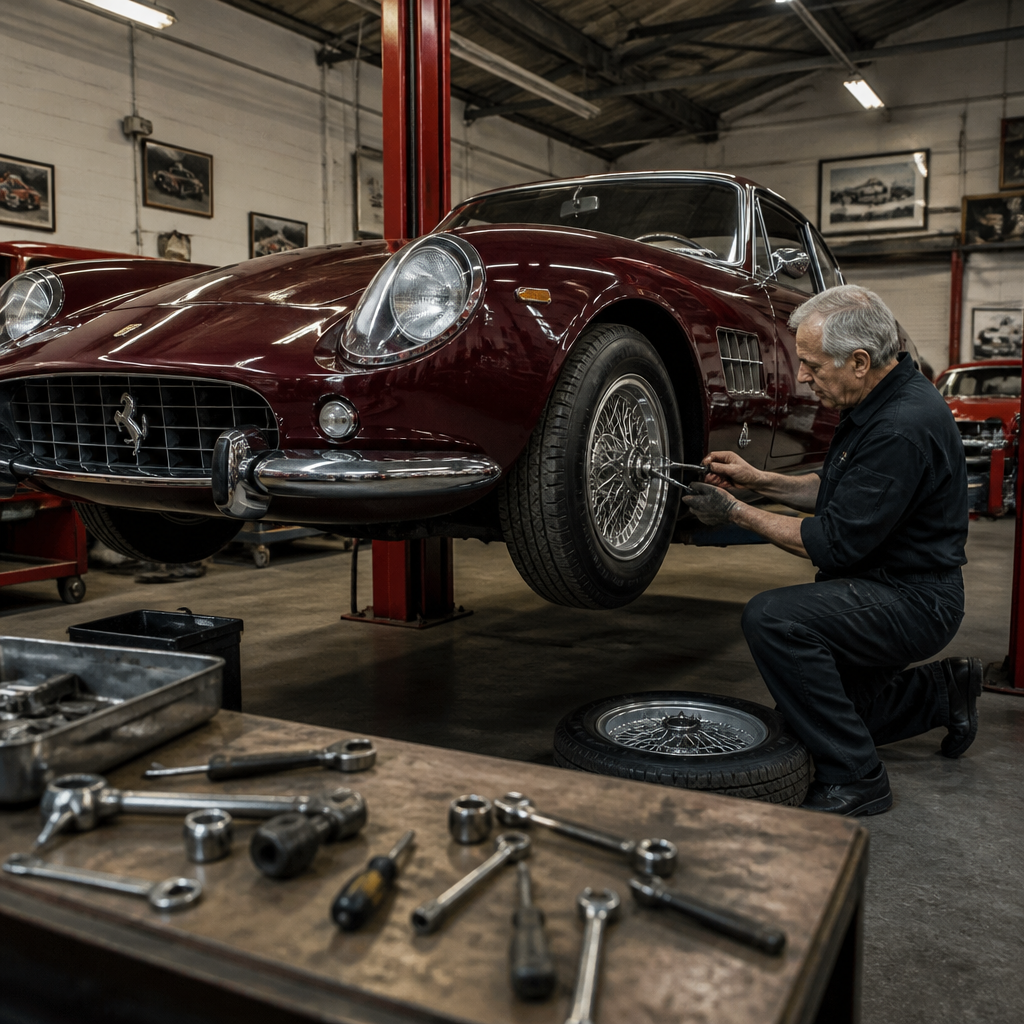
Labor rates also vary sharply by skill level. In my experience, the cheapest shop rarely saves money on a complex classic. An experienced marque specialist diagnoses faster, understands model-specific failure patterns, and knows where reproduction parts fit poorly or create later issues. That expertise is expensive, but it prevents repeat work. This is especially true with carburetor balancing, ignition curve setup, chassis alignment on older suspension geometries, and leak diagnosis on hydraulic or pneumatic systems. The same logic applies to machine work. A correct flat-six Porsche rebuild, Ferrari head service, or Jaguar IRS overhaul requires procedures and tolerances that generalist rebuilders may not follow.
How to Estimate Ownership Costs Before You Buy
The safest way to estimate costs of ownership is to break them into annual baseline costs and periodic major-event costs. Baseline costs include fluid changes, tune-ups, brake service, tires, battery maintenance, detailing, storage, registration, and agreed-value insurance. Major-event costs include clutch replacement, engine rebuilds, paint correction, suspension renewal, hydraulic overhaul, rust repair, and interior restoration. Buyers should build a three-year forecast, not just a first-year budget, because many expensive classics look affordable until a major service lands in year two.
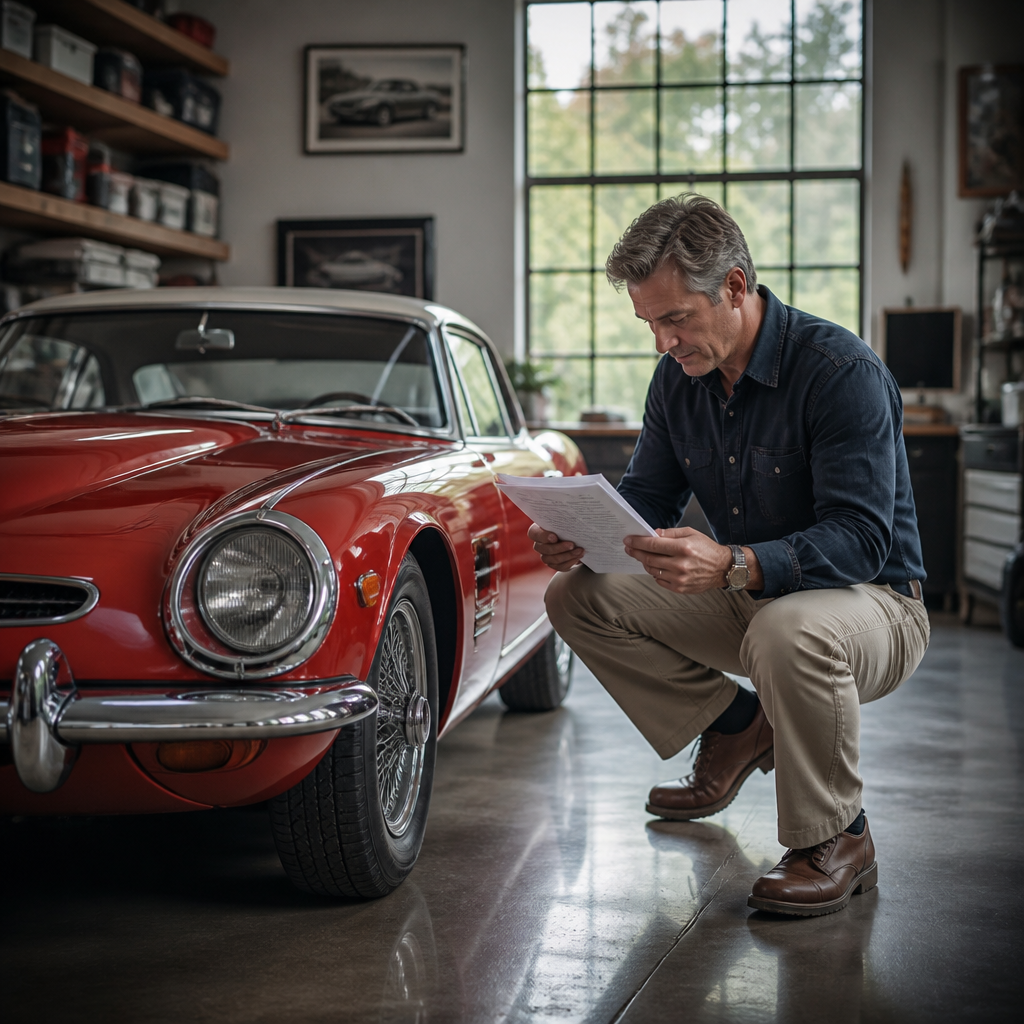
A pre-purchase inspection by a specialist is non-negotiable. Ask for compression and leak-down testing where appropriate, lift photos of underbody corrosion, evidence of accident repair, date codes on tires and hoses, charging-system output, and a road test from cold start through full operating temperature. Review records for recurring issues rather than isolated invoices. If a Silver Shadow has repeated hydraulic work, ask what remains original. If an air-cooled 911 has had top-end work, ask whether head studs, chain tensioners, oil return tubes, and valve guides were addressed together. Good buying decisions come from understanding systems, not admiring cosmetics.
Smart Ways to Reduce Maintenance Costs Without Buying the Wrong Car
Cost control starts with model selection. Within nearly every classic category, there is a simpler variant that preserves most of the character with fewer financial hazards. A six-cylinder Jaguar E-Type is generally less complex than a V12. A Mercedes-Benz W113 Pagoda is often more manageable than a 600. A carbureted Porsche 911SC or later 3.2 Carrera can be easier to own than earlier, rarer performance variants if authenticity to a certain era is not essential. Buy the best documented example you can afford, not the cheapest running car you can find.
Use preventive maintenance aggressively. Replace aging hoses, belts, fuel lines, ignition consumables, and tires before failure. Drive the car regularly enough to keep seals lubricated, batteries charged, and fuel systems clean. Store it in a dry, temperature-stable space and use a knowledgeable shop that can create a maintenance calendar. Join model-specific clubs because they shorten the learning curve on parts sources and known weaknesses. Most important, match the car to your purpose. If you want frequent, low-drama driving, do not choose a rare, intricate grand tourer that punishes inactivity and demands concours-level spending. Choose a classic that fits your budget, your patience, and your actual use case.
The most expensive classic cars to maintain are not always the rarest or most valuable; they are the ones whose complexity, parts scarcity, and deferred care combine into repeated high labor bills. Cars such as the Mercedes-Benz 600, Rolls-Royce Silver Shadow, V12 Jaguars, older Ferraris, Aston Martins, and some air-cooled Porsches can be wonderful to own, but only when buyers understand the full costs of ownership. Mechanical work, body restoration, specialist diagnostics, and authenticity requirements all shape the real budget.
The central lesson is simple: buy on condition, documentation, and support network, not emotion alone. A sorted example with records is usually cheaper than a bargain project, and a simpler model often delivers more driving pleasure per dollar than a prestigious but fragile alternative. Use this hub as your starting point for evaluating maintenance risk, service planning, storage needs, insurance choices, and restoration strategy across the classic car ownership journey. Before you purchase your next vintage car, build a realistic three-year budget and book a specialist inspection. That single step can save you tens of thousands and lead to far better ownership.
Frequently Asked Questions
Why are some classic cars so much more expensive to maintain than others?
The biggest reason is complexity combined with rarity. Many of the most expensive classic cars to maintain were advanced for their time, which means they often used specialized engines, hand-built components, unusual suspension systems, intricate electrical layouts, or low-production coachwork that is difficult to repair correctly today. When a car was built in limited numbers, replacement parts are naturally scarcer, and scarcity drives cost. Even basic service items can become expensive if they must be sourced from specialty suppliers, imported from overseas, or rebuilt rather than replaced.
Labor is another major factor. A typical modern repair shop may be able to handle routine work on an ordinary older car, but high-end classics often require marque specialists who understand model-specific quirks, factory specifications, and originality standards. That kind of expertise commands premium hourly rates, and jobs usually take longer because parts may need to be custom-fitted, fabricated, or restored instead of simply swapped out. On top of that, luxury and performance classics often have more cylinders, more carburetors, more trim, more leather, and more systems to inspect, adjust, and preserve. In practical terms, the cars that cost the most to maintain are usually the ones that combine rarity, engineering complexity, limited parts supply, and high expectations for authenticity.
Which maintenance costs surprise first-time classic car owners the most?
Most first-time owners expect to budget for fluids, tune-ups, tires, and perhaps occasional brake work. What catches them off guard are the secondary and hidden costs that come with age. Fuel systems often need attention because old tanks rust internally, carburetors gum up, fuel lines deteriorate, and seals dry out. Electrical systems can also become a recurring expense, especially on classics with aging wiring, corroded connectors, weak grounds, or hard-to-diagnose charging issues. These are not glamorous restorations, but they are essential if the car is going to start reliably and operate safely.
Cosmetic preservation is another huge surprise. Chrome plating, wood trim refinishing, leather repair, seat re-stuffing, weatherstripping replacement, and period-correct paint correction can cost far more than people expect. Rust repair is particularly notorious because what looks like a small bubble in paint may conceal extensive corrosion underneath. Once disassembly begins, owners sometimes discover damaged floor pans, rocker panels, frame sections, or hidden structural issues. Then there are storage and prevention costs: battery tenders, climate-controlled storage, proper covers, regular exercise drives, fuel stabilizers, and specialty insurance. The real lesson is that the ownership cost of a classic car is not just about fixing what breaks; it is about continuously slowing the effects of time.
Are European luxury and exotic classics generally more expensive to maintain than American classics?
In many cases, yes, although there are exceptions. European luxury and exotic classics often carry higher maintenance costs because they were engineered with more complexity, built in smaller production numbers, and supported today by narrower parts networks. A vintage Ferrari, Maserati, Jaguar, Bentley, Rolls-Royce, Mercedes-Benz flagship, or Aston Martin can require specialist tools, brand-specific knowledge, and expensive imported parts. Engines may involve multiple carburetors, intricate timing setups, aluminum components, dry-sump systems, or hand-fitted pieces that raise both parts and labor costs. Even routine work can become expensive if access is difficult or if service procedures are unusually time-intensive.
American classics, by contrast, can sometimes be less expensive to keep running because many were produced in larger numbers and benefit from stronger aftermarket support. Parts availability for certain Mustangs, Camaros, Corvettes, and full-size domestic cars can be relatively good compared with low-volume European grand tourers. However, “American” does not automatically mean “cheap.” Big-block muscle cars, rare trim packages, convertibles, luxury land yachts with vacuum-operated accessories, and low-production special editions can still be extremely expensive to restore and maintain properly. The better way to think about it is not country of origin alone, but the combination of rarity, engineering sophistication, and parts support. A common domestic coupe may be affordable to maintain, while a coachbuilt European flagship can become a significant ongoing financial commitment.
How can you estimate the true maintenance budget before buying a classic car?
The smartest approach is to research ownership costs model by model rather than relying on broad assumptions. Start by identifying the exact year, engine, body style, and specification you are considering, because maintenance needs can vary dramatically even within the same model line. Then speak with specialist mechanics, owners’ clubs, restorers, and reputable forums to learn what regularly fails, what parts are difficult to source, and what major services typically cost. Ask direct questions about engine rebuild pricing, transmission overhauls, suspension restoration, electrical repairs, rust repair, and interior refurbishment. These categories often define the difference between an affordable hobby car and a financially draining one.
A pre-purchase inspection is non-negotiable. It should be performed by someone who knows that make and model, not just a general mechanic. A proper inspection can reveal compression issues, leaks, corrosion, poor past repairs, missing trim, incorrect parts, weak charging systems, degraded bushings, and signs of accident damage. You should also review service records carefully. A well-documented classic with evidence of regular maintenance is often cheaper in the long run than a cosmetically attractive example with a vague history. Finally, build a reserve fund beyond the purchase price. As a practical rule, buyers should expect immediate post-purchase expenses even on a “good” car, because deferred maintenance is common. The true budget is purchase price plus catch-up maintenance plus annual preservation costs.
What can owners do to reduce maintenance costs without hurting a classic car’s value?
The best cost-control strategy is preventive care. Classic cars become expensive when small issues are ignored long enough to damage major systems. Regular fluid changes, cooling system checks, brake inspections, battery maintenance, and careful storage can prevent much larger repair bills later. Keeping a car clean and dry matters more than many owners realize, because moisture is one of the biggest enemies of old metal, wiring, trim, and upholstery. If the vehicle sits for long periods, periodic exercise drives and proper storage preparation can help prevent fuel degradation, seal drying, flat-spotted tires, and stuck mechanical components.
It also helps to buy the best example you can afford rather than the cheapest one available. A neglected bargain often becomes more expensive than a well-maintained premium example once rust, mechanical wear, and missing parts are addressed. Owners can save money by using trusted specialists for complex work and handling only appropriate basic tasks themselves, such as battery tending, visual inspections, and cleaning. Documentation is valuable too. Keeping detailed maintenance records protects resale value and helps mechanics diagnose issues efficiently. Finally, be careful with modifications. Some upgrades, such as improved cooling, discreet electronic ignition, or safer fuel components, may increase reliability without seriously affecting value, but poorly chosen alterations can create new problems and reduce authenticity. The goal is not simply to spend less; it is to spend wisely so the car remains reliable, correct, and enjoyable to own.