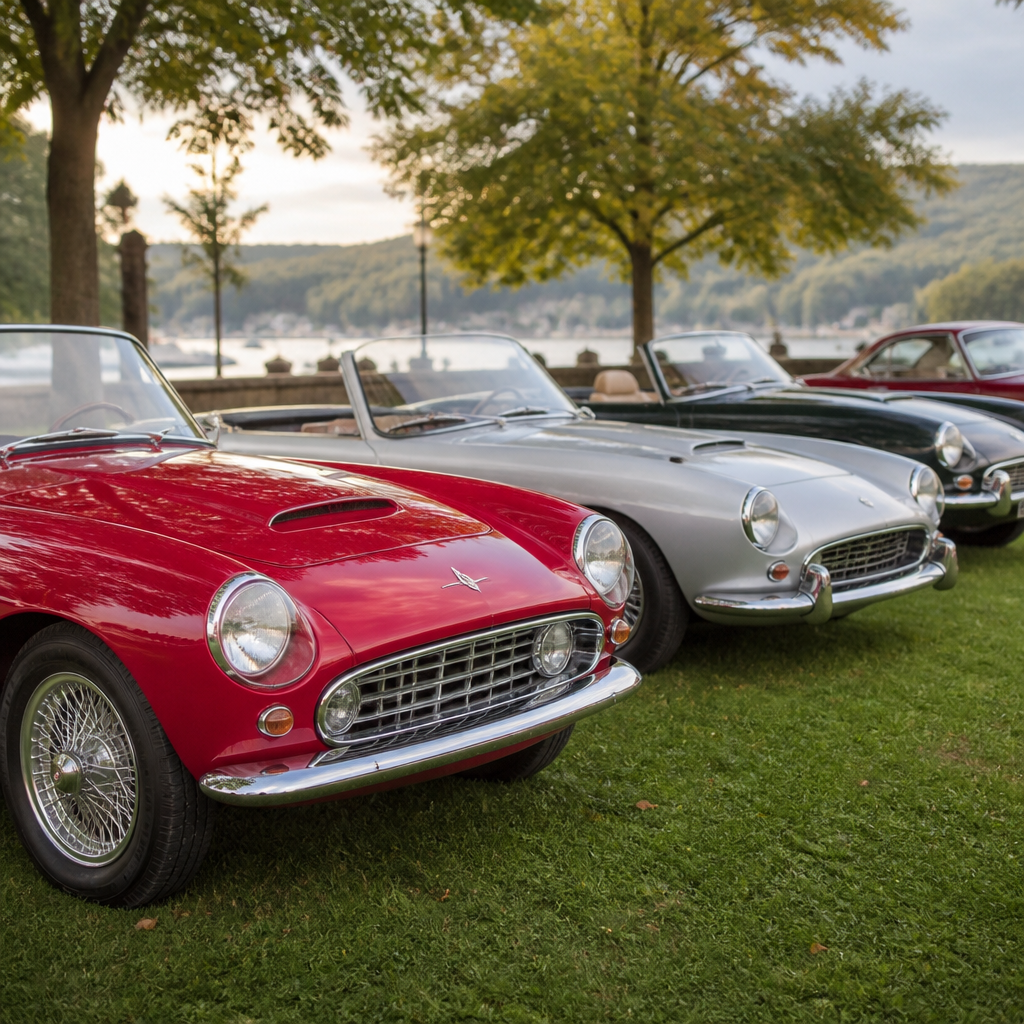

Total cost of ownership is the full financial picture of keeping a classic car, not just the purchase price. It includes acquisition, transport, registration, storage, insurance, maintenance, restoration, fuel, tires, taxes, financing, and eventual resale value. In practical terms, it answers a simple question: what will this car really cost me over the years I own it? For anyone entering classic car ownership, that question matters more than horsepower figures, auction hype, or social media glamour, because an affordable purchase can become an expensive commitment within months.
In the classic car world, costs are rarely linear. A driver-quality 1968 Mustang coupe may appear cheaper to own than a concours-level Jaguar E-Type, yet deferred maintenance, rust repair, and parts availability can erase that gap quickly. I have seen first-time buyers spend carefully on the car itself, then get surprised by enclosed shipping, pre-purchase inspection fees, title corrections, carburetor tuning, brake hydraulics, and storage upgrades. Estimating total cost of ownership means accounting for both predictable expenses and irregular events that experienced owners know will eventually arrive.
This matters because classic cars behave differently from modern daily drivers. They require specialist labor, age-sensitive components, and more preventive maintenance. They may appreciate in value, but appreciation is not guaranteed, and carrying costs continue whether the market rises or stalls. A realistic estimate helps you choose the right vehicle, set a reserve fund, avoid overbuying, and enjoy the hobby without financial strain. It also creates a better basis for comparing models, negotiating with sellers, and planning the level of use you want, from weekend cruising to show participation or long-distance touring.
At its core, total cost of ownership combines direct annual expenses, periodic capital expenses, and the ownership exit value. Direct annual expenses include insurance, registration, fuel, fluids, routine service, and storage. Periodic capital expenses include paintwork, engine rebuilds, transmission repair, upholstery, and tire replacement. Exit value is what you recover when you sell. A useful estimate measures all three over a defined period, usually three, five, or ten years, then converts that number into an annual and per-mile cost. That framework gives classic car ownership real financial clarity.
Start with the purchase price, transaction costs, and immediate catch-up work
The first layer of total cost of ownership is acquisition cost, and it always exceeds the advertised price. Buyers should include sales tax where applicable, title and registration fees, buyer’s premiums at auction, bank wire fees, transport, and pre-purchase inspection costs. For a $30,000 classic purchased through an auction house with a 10 percent buyer’s premium, the actual invoice can jump to $33,000 before taxes or shipping. Add $1,200 for enclosed transport, $400 for inspection, and a few hundred for document handling, and the all-in acquisition cost may land closer to $36,000.
Immediate catch-up work is the second part of acquisition. Even well-kept classics often need baseline service because age, inactivity, and unknown maintenance histories create risk. I usually advise owners to assume they will perform fluids, filters, belts, hoses, battery evaluation, brake inspection, tire date-code review, and a full safety check right away. On carbureted cars, fuel-system cleaning and ignition tuning are common. On cars with long storage histories, cooling-system service, wheel-cylinder replacement, or tank cleaning may be necessary. That first wave often costs from $1,000 to $5,000, and on neglected examples it can be far higher.
This is why purchase price alone is a poor decision tool. A cheaper project car can require immediate structural rust repair, wiring fixes, and trim replacement that exceed the upfront savings. A more expensive, documented car with receipts, compression numbers, and recent service may produce a lower total cost of ownership despite the higher entry price. When comparing candidates, estimate the purchase transaction and first-90-day work as a combined number, because that is the real amount needed to put the car into safe, reliable use.
Build a yearly operating budget for the costs that always return
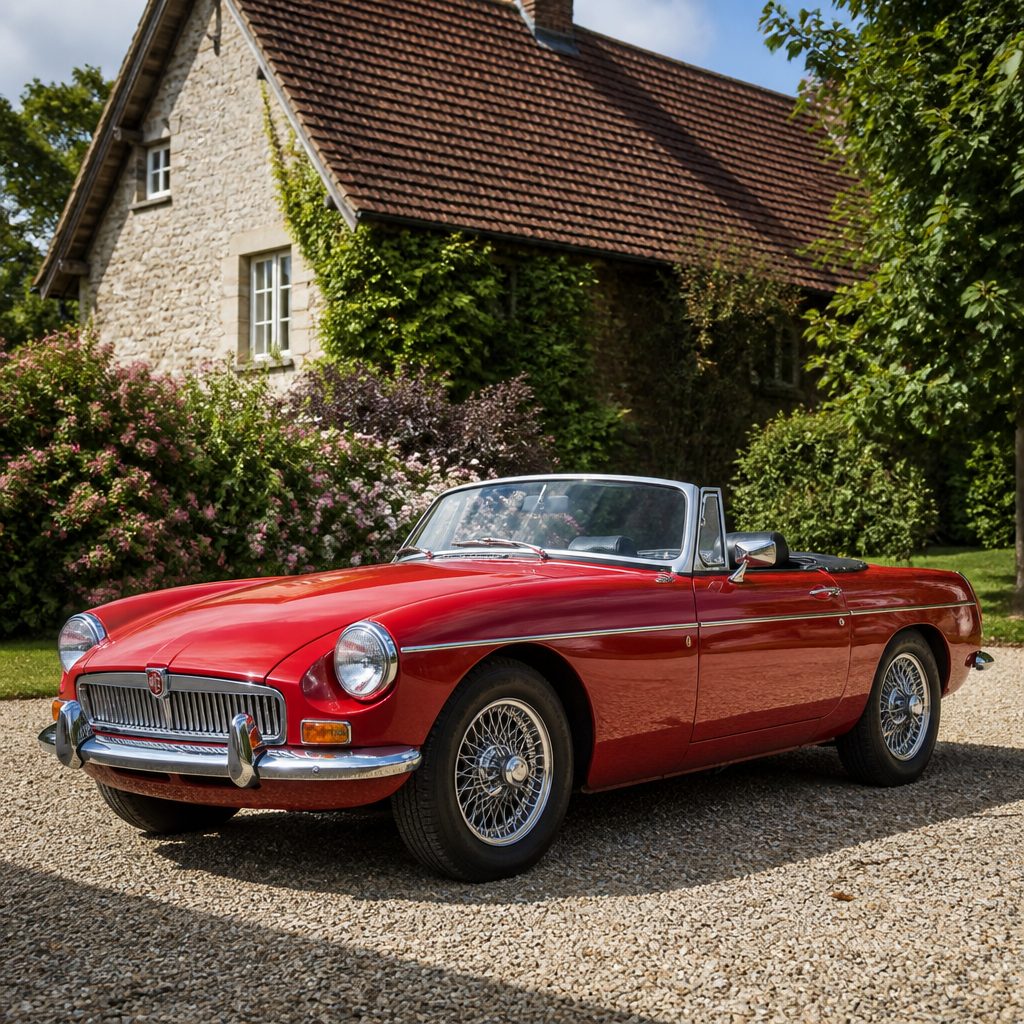
After acquisition, ownership settles into recurring annual expenses. These are the costs that come back whether the car is driven often or sparingly. Insurance is usually first. Agreed-value policies from specialist insurers such as Hagerty, Grundy, or American Collectors can be cost-effective, but premiums vary by vehicle value, garaging, mileage limits, location, and driver record. A modestly valued MGB may cost a few hundred dollars per year, while a six-figure air-cooled Porsche can cost several thousand, especially in storm-prone or theft-prone regions.
Registration, inspection, and taxes also matter. Some states offer historical plates with lower fees and use restrictions; others impose annual emissions or safety requirements that affect costs. Storage is another major line item. If you already have a secure, dry garage, storage may appear free, but climate control, dehumidification, battery maintenance, and floor protection still have costs. If you rent space, monthly fees can quickly rival insurance. I have worked with owners in urban markets paying $250 to $600 per month for secure indoor parking, which adds $3,000 to $7,200 annually before the key is even turned.
Fuel, fluids, battery maintenance, and routine service should be budgeted conservatively. Older cars may need premium fuel, lead substitute in some cases, or more frequent oil changes because they are driven infrequently and accumulate moisture. Brake fluid should be flushed regularly, tires age out before they wear out, and batteries suffer during storage. If you drive 2,000 miles per year, fuel may be manageable, but annual maintenance still remains. Budgeting by mileage alone underestimates the needs of a classic. Time-based service intervals matter just as much as distance.
| Cost category | Typical annual range | What drives the number |
|---|---|---|
| Insurance | $300 to $3,000+ | Agreed value, location, mileage caps, theft risk |
| Registration and taxes | $50 to $1,500 | State rules, plate type, assessed value |
| Storage | $0 to $7,200 | Home garage versus rented indoor space |
| Routine maintenance | $500 to $2,500 | Service complexity, fluids, tune-ups, inspections |
| Fuel | $300 to $2,000 | Miles driven, fuel grade, engine efficiency |
To estimate your yearly operating budget, total these recurring items using your own location, driving habits, and vehicle type. Then add a contingency line of at least 10 to 20 percent. Classics produce small surprises: a failed voltage regulator, a leaking wheel cylinder, a stuck thermostat, or a cracked exhaust hanger. These are not restoration events, but they are normal ownership realities and should be planned for from the start.
Account for maintenance, wear items, and the big repairs owners underestimate
Routine maintenance is only one piece of classic car ownership costs. Wear items and major mechanical repairs are where many estimates fail. Tires are a good example. Even if tread is deep, age cracking and flat spotting can make replacement necessary every six to eight years, sometimes sooner. Period-correct tires for a classic Mercedes SL or Corvette may cost substantially more than ordinary modern tires, and certain sizes have limited supply. Brakes, shocks, bushings, hoses, and engine mounts also deteriorate with age regardless of mileage.
Then there are infrequent but expensive repairs. Engine rebuilds, gearbox overhauls, cooling-system replacements, clutch jobs, differential work, and electrical harness repairs can each add four figures or more. A small-block V8 rebuild might range widely depending on machining, parts quality, and local labor rates. An automatic transmission overhaul on a domestic classic may be manageable; a manual gearbox rebuild on a European sports car can be significantly more expensive due to specialist knowledge and parts sourcing. If the car has fuel injection, air suspension, or early electronics, diagnostic labor may be higher than buyers expect.
Parts availability changes the equation dramatically. Popular models like the first-generation Ford Mustang, Chevrolet Camaro, MGB, and classic Volkswagen Beetle benefit from broad aftermarket support. Rare trim pieces, model-specific glass, or matching-number components for lower-production cars can be costly and time-consuming to source. Labor rates matter too. General repair shops may charge less, but a specialist who knows SU carburetors, Bosch mechanical injection, Lucas wiring, or Triumph overdrives often saves money by diagnosing correctly the first time. In cost planning, I separate routine maintenance from reserve repairs and fund both independently.
A practical method is to create a rolling reserve based on condition. For a sorted driver-quality car, setting aside 5 to 10 percent of the vehicle’s value annually is reasonable. For an older, less-documented, or lightly restored car, 10 to 15 percent is safer. That reserve will not be spent every year, but when a radiator fails, brake booster leaks, or rear main seal starts dripping, the money is already assigned. This approach turns unpredictable repairs into expected ownership costs.
Include restoration, cosmetics, and originality decisions in your long-term plan
Cosmetic and restoration expenses are often discretionary, but they belong in total cost of ownership because most owners eventually make appearance, comfort, or originality decisions. Paint correction, chrome replating, weatherstripping, seat upholstery, dashboard restoration, and interior trim replacement all affect long-term cost. Full paintwork is especially expensive because good results depend on body preparation, rust repair, panel alignment, and labor hours. A low quote for paint usually excludes the very work that determines finish quality and durability.
Rust is the cost multiplier every classic car buyer should respect. Surface rust may be manageable, but corrosion in floors, rockers, frame rails, trunk pans, or suspension pick-up points quickly escalates into fabrication, welding, and refinishing bills. The visible bubble under a fender edge can conceal extensive damage underneath. That is why inspection by a marque specialist is worth the fee. I have seen owners buy shiny cars that needed tens of thousands in metal work because the estimate focused on cosmetics instead of structure.
Originality choices also change spending. Some owners want factory-correct finishes, date-coded components, and judged-show accuracy. Others prioritize usability with electronic ignition, upgraded cooling, radial tires, modern audio hidden in period housings, or front-disc brake conversions. Neither path is inherently wrong, but each carries different costs and different effects on value. Concours-level restoration can absorb more than market value on many cars, while sympathetic upgrades may reduce some costs by improving reliability. Estimate these projects separately from routine maintenance so passion spending does not blur core ownership economics.
Factor in financing, depreciation or appreciation, and selling costs
Many classic car cost estimates ignore capital costs and exit costs, which leads to false optimism. If you finance the purchase, interest is part of total ownership cost. Specialty lenders may offer collector-car loans, but rates, down payments, and term lengths vary. Even when buyers pay cash, there is still an opportunity cost to tying money up in the vehicle rather than leaving it invested elsewhere. You do not need a perfect investment model, but you should acknowledge the cost of capital when comparing a classic purchase against other uses of the same funds.
Value movement works in both directions. Some models appreciate due to rarity, historical significance, and collector demand. Others flatten or decline, especially if restoration quality is poor, colors are unpopular, or maintenance records are missing. It is dangerous to rely on appreciation to justify ownership. Price guides from Hagerty, auction results from RM Sotheby’s, Gooding, Bonhams, or Bring a Trailer, and insurance agreed values can help establish a realistic range, but markets are cyclical. A car can rise in headline value while still delivering a poor net result after years of carrying costs.
Selling costs matter too. Auction commissions, listing fees, detailing, photography, minor reconditioning, and transport to the buyer all reduce what you recover. Private sales may return more, but they demand time, documentation, and buyer management. To estimate total cost of ownership accurately, project a conservative resale value and subtract realistic selling costs. Then use this basic formula: acquisition plus recurring costs plus repairs plus improvements plus financing and sale expenses minus net resale proceeds. That number, divided by years owned, gives a reliable annual ownership cost that supports sound decisions.
Use a hub-style ownership model to compare cars and plan confidently
Because this page is the hub for costs of ownership, the most useful next step is to break your estimate into linked categories: purchase and inspection, insurance, storage, maintenance schedules, restoration planning, and resale strategy. Build a simple spreadsheet with annual tabs and line items under each category. Assign known costs first, estimate reserves second, and separate essentials from optional upgrades. This structure makes it easy to compare two cars honestly, such as a cheaper project versus a documented driver, or a domestic V8 coupe versus a European grand tourer with higher parts and labor costs.
The main benefit of estimating total cost of ownership is confidence. You buy with eyes open, budget realistically, and protect the enjoyment that classic car ownership is supposed to deliver. Start with your target model, gather real numbers from insurers, transporters, parts suppliers, and local specialists, then build a three- to five-year estimate before making an offer. If you do that work now, you will choose better, negotiate better, and own better.
Frequently Asked Questions
What does total cost of ownership actually include for a classic car?
Total cost of ownership, or TCO, is the complete long-term cost of buying and keeping a classic car, not just the price you pay to bring it home. A proper estimate starts with acquisition costs such as the purchase price, buyer’s fees, inspections, title work, shipping, and sales tax. From there, you need to account for all the recurring and occasional ownership expenses that follow: registration, insurance, fuel, storage, detailing, routine maintenance, tires, battery replacement, fluids, brakes, and age-related repairs. For many classic cars, restoration work and deferred maintenance can become major budget items, especially if the car needs mechanical sorting, rust repair, upholstery work, or paint correction.
A realistic TCO estimate also includes costs that owners often overlook. These can include financing interest, specialty tools, club memberships, winter storage, towing coverage, and the time-sensitive replacement of parts that age out even when the car is not driven much. Taxes and fees can vary by state or country, and imported vehicles may involve customs charges or compliance work. On the other side of the equation, you should also factor in eventual resale value. A car that costs more to buy upfront but holds value well can sometimes be less expensive to own than a cheaper example that constantly needs work and depreciates further. In short, TCO gives you the full financial picture of ownership over the time you plan to keep the car.
How do I estimate total cost of ownership before I buy a classic car?
The best way to estimate TCO before purchase is to build a simple ownership model based on your expected holding period, annual mileage, and the specific condition of the car you are considering. Start by setting a time frame, such as three, five, or ten years. Then list every known upfront cost: purchase price, transport, pre-purchase inspection, registration, taxes, and any immediate repairs needed to make the car safe and reliable. If the car has known issues, do not treat them as minor footnotes. Price them out in advance using real parts and labor estimates from specialist shops familiar with that make and era.
Next, estimate annual operating costs. Insurance for a classic can be affordable under agreed-value policies, but it depends heavily on storage, mileage limits, driver history, and appraised value. Maintenance should be based on age and complexity, not optimistic assumptions. Older cars often need regular fluid changes, ignition tune-ups, carburetor work, suspension refreshing, and replacement of rubber components, seals, hoses, and fuel system parts. Add storage costs if you do not have secure indoor space, and include tires even if tread looks fine, since age alone can make them unsafe. Finally, estimate resale value conservatively. Use recent auction results, private-sale listings, and market trends for comparable cars in similar condition. The basic formula is straightforward: total all purchase and ownership costs over your expected time period, then subtract expected resale proceeds. That number gives you a practical ownership cost estimate grounded in reality rather than enthusiasm.
Why is the cheapest classic car often the most expensive to own?
The lowest purchase price is often attached to the car with the highest hidden costs. In the classic car market, a cheap entry point frequently means deferred maintenance, poor-quality prior repairs, rust, missing records, worn interiors, electrical problems, or mechanical systems that need immediate attention. These issues can quickly erase any savings from a low initial price. A bargain car that needs suspension work, cooling system repairs, tires, fuel system cleaning, and a brake overhaul can consume thousands very quickly, and that is before any cosmetic restoration begins.
By contrast, a more expensive but properly sorted car with service records, strong compression, clean bodywork, and a known maintenance history often delivers a much lower total cost of ownership. You are paying not only for the car itself, but also for work already completed correctly. This matters because restoration and specialist labor are expensive, and some parts are hard to source. Once a project expands into paint, rust repair, upholstery, chrome, or engine rebuilding, budgets can escalate beyond the difference between a rough example and a good one. The lesson is simple: judge a classic car by total ownership cost, not just asking price. The car that looks expensive on day one may be the financially smarter choice over five years.
Which ownership costs do first-time classic car buyers most commonly underestimate?
First-time buyers usually focus on purchase price and maybe insurance, but they often underestimate the cumulative impact of smaller recurring costs and the unpredictability of age-related repairs. Storage is a major one. A classic car kept outside will generally deteriorate faster, and secure indoor storage can be a meaningful monthly expense. Insurance can also be misunderstood; while specialty policies can be cost-effective, they may require mileage limits, garage storage, appraisals, or usage restrictions. Transport costs are another surprise, especially if the car is bought out of state or at auction and needs enclosed shipping.
Maintenance and parts availability are where many budgets break down. Even a car that runs well at purchase may need immediate baseline servicing because you cannot safely assume the previous owner stayed on schedule. Tires are frequently overlooked because they may have plenty of tread, yet still be too old to trust. Fuel system cleaning, brake hydraulics, rubber bushings, cooling components, and electrical fixes are common early ownership expenses. New owners also underestimate registration fees, taxes, tool purchases, and specialist labor rates. If the car is financed, interest costs belong in the TCO calculation as well. Most importantly, beginners often fail to include a contingency reserve. With classic cars, unexpected expenses are not unusual events; they are part of the ownership experience. A smart estimate includes a repair buffer so one surprise does not derail the entire budget.
How should resale value affect my total cost of ownership calculation?
Resale value should be treated as a core part of TCO, because it can materially change what a car truly costs you to own. The right way to think about it is not as guaranteed profit, but as a future offset to your ownership expenses. If you buy a well-documented, desirable model in strong condition, maintain it properly, and avoid poor modifications, you may preserve a significant portion of your investment. That does not mean ownership is free, but it does mean the net cost can be lower than expected. In some cases, a car with strong market demand and stable values can outperform a cheaper alternative that continues to absorb repair money and sells at a discount later.
That said, resale value should always be estimated conservatively. Markets move, tastes shift, and restoration spending is not always recovered dollar for dollar. Condition, originality, provenance, color combination, maintenance history, and timing all influence what the next buyer will actually pay. It is wise to model several scenarios: optimistic, realistic, and cautious. If the numbers only work under the most favorable resale assumption, the ownership plan is probably too fragile. A disciplined TCO estimate uses resale value as one component of the equation, not as a justification for overspending. Buy the best car you can reasonably afford, maintain it carefully, keep records, and assume the market owes you nothing. That approach leads to more accurate planning and fewer expensive surprises.