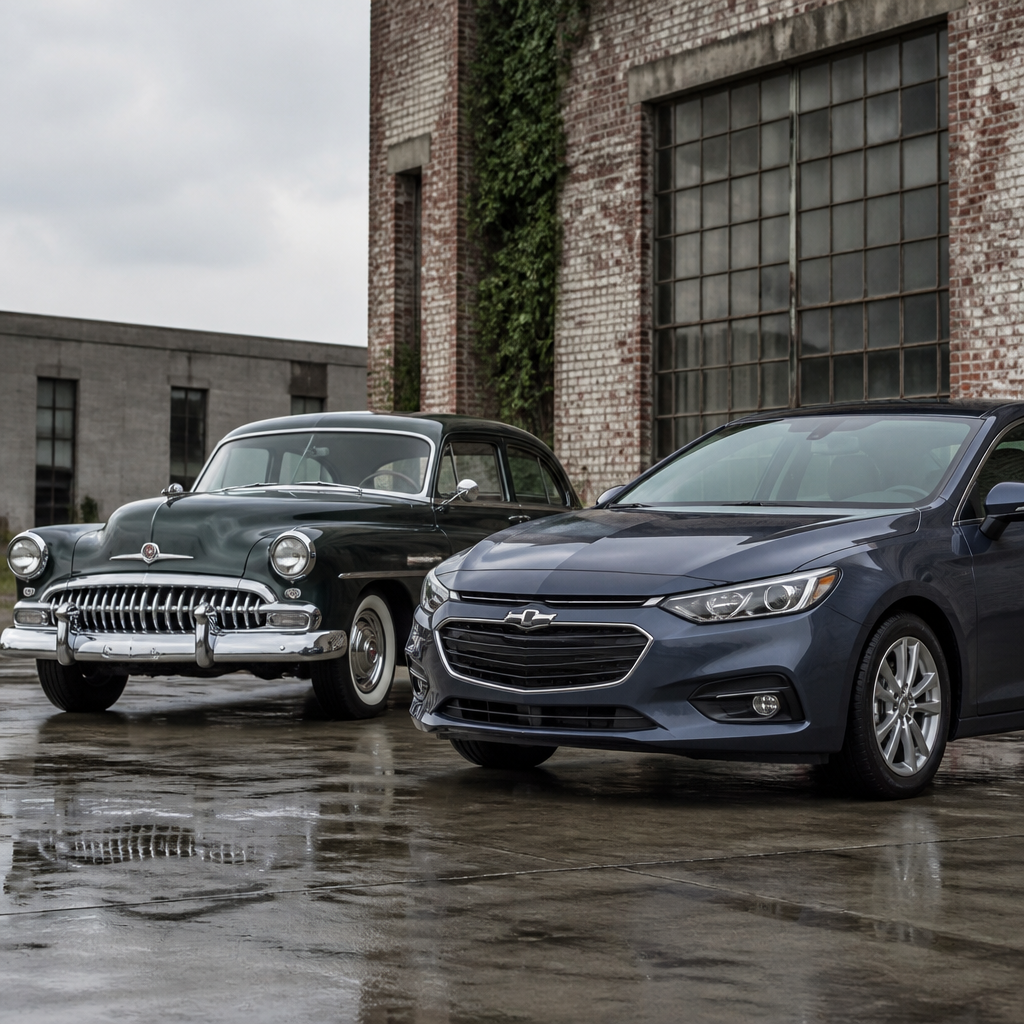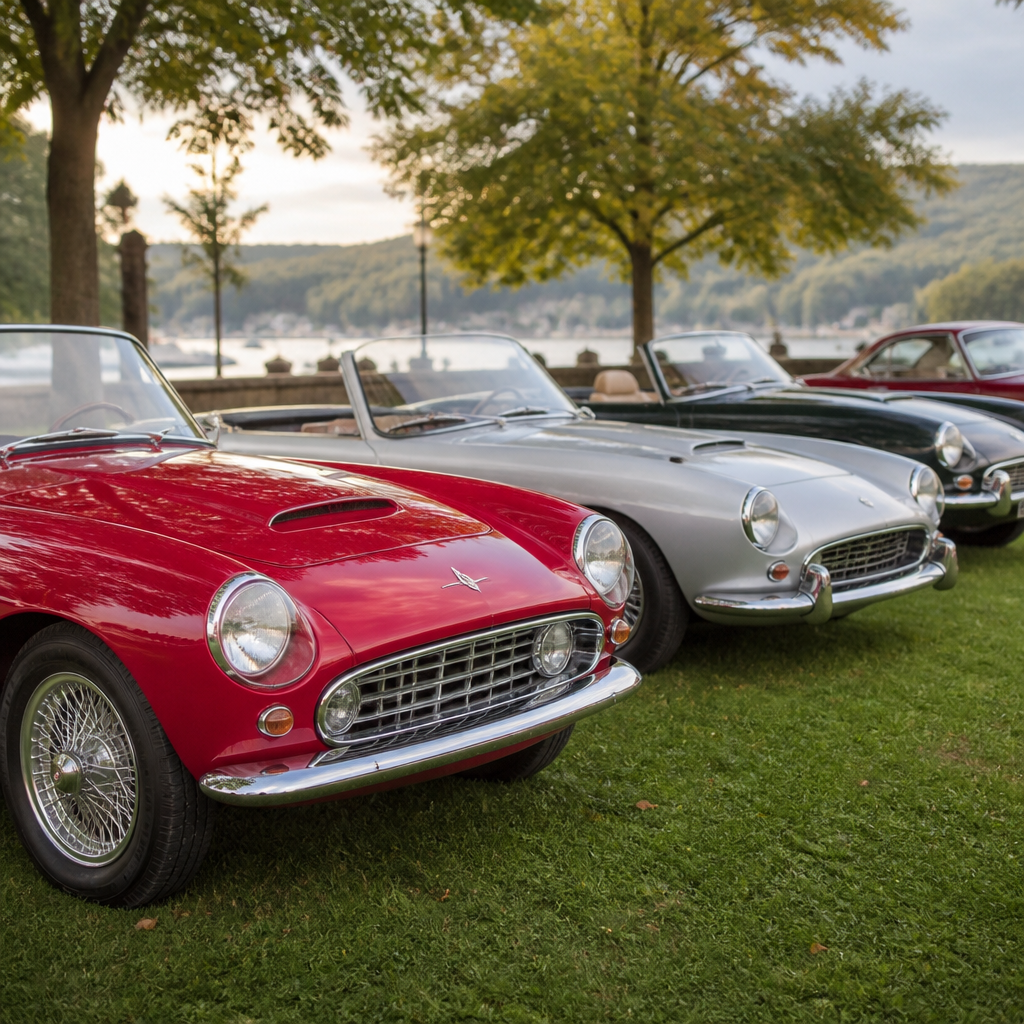
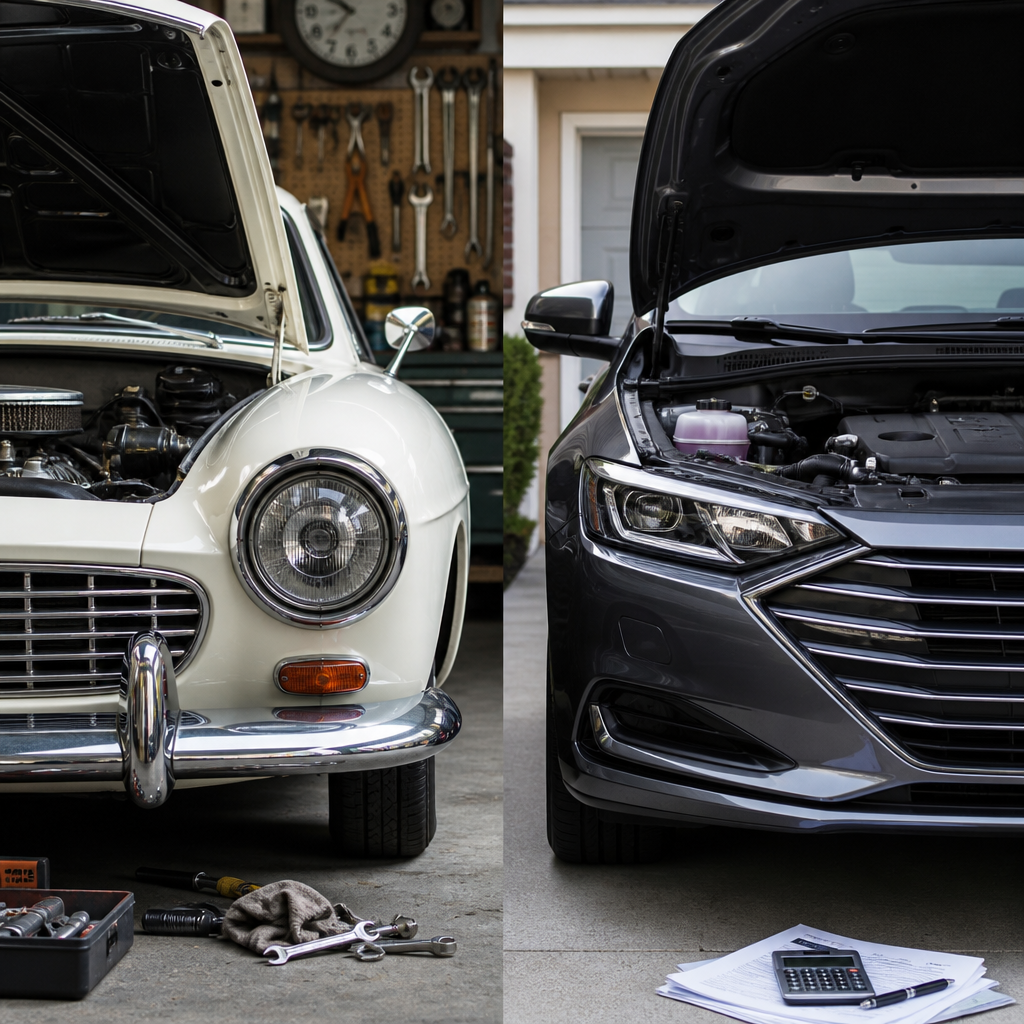
Classic car ownership vs modern car costs is not a simple nostalgia-versus-practicality debate. It is a financial, mechanical, and lifestyle calculation that changes dramatically depending on purchase price, insurance class, mileage, storage, parts access, and how much work an owner can do personally. In my experience working with long-term owners, restoration shops, and valuation guides, people usually underestimate two things at once: the ongoing cost of keeping an older vehicle reliable, and the quiet but relentless depreciation and complexity costs built into many newer cars. A clear comparison starts with definitions. A classic car is typically an older vehicle valued for historical interest, design, rarity, or enthusiast demand, often insured under limited-use policies and maintained with preservation in mind. A modern car is a current or late-model vehicle designed around safety regulations, emissions compliance, electronics integration, and everyday convenience. Costs of ownership include acquisition, financing, registration, insurance, fuel, routine maintenance, repairs, storage, depreciation, taxes, and the opportunity cost of time. This matters because buyers often focus on sticker price alone. The real answer lies in total cost of ownership over five to ten years, and that answer is rarely intuitive.
Purchase Price, Financing, and Depreciation Shape the Real Starting Point
The first major difference between classic car ownership and modern car costs is how money moves after the sale. A modern car usually has a higher initial transaction price, often financed at market interest rates, then loses value quickly in the first years. According to widely used valuation patterns tracked by Kelley Blue Book, Edmunds, and dealer auction data, many mainstream new vehicles lose a substantial share of their value in the first three to five years, even when reliability is strong. That depreciation is a real ownership cost whether or not the owner notices it monthly.
Classic cars behave differently. Some entry-level classics, such as late 1970s and 1980s coupes or trucks, may be bought for less than a newer used commuter car. Higher-demand examples like air-cooled Porsche 911s, first-generation Ford Broncos, or 1960s muscle cars can require significant upfront cash, but they often do not depreciate in the same way. In some market segments, values remain stable for years if the car is kept original, rust-free, and well documented. That does not make a classic cheap. It simply means the cost profile is front-loaded and less tied to depreciation.
Financing is another divider. Modern cars are easy to finance but interest adds materially to ownership cost. Classics are often harder to finance conventionally, which pushes many buyers toward cash purchases, specialty lenders, or home equity funds. The result is that modern ownership feels affordable month to month while classic ownership often demands larger reserves up front. For a hub page on costs of ownership, this is the first principle: depreciation punishes modern cars, while condition risk punishes classics.
Maintenance and Repair Costs Depend More on Complexity Than Age Alone
People often assume old cars are always more expensive to maintain. That is only partly true. A classic car usually needs more frequent attention because its seals, hoses, carburetors, ignition components, bushings, and cooling systems are older by design. Even a well-restored car can require periodic tinkering. Valve adjustments, timing checks, fluid seepage, and age-related rubber failure are normal realities. If the owner can do basic work, costs stay manageable. If every issue goes to a specialist, labor becomes the biggest expense quickly.
Modern cars need less routine tinkering but carry greater diagnostic and component complexity. Direct injection systems, turbochargers, advanced automatic transmissions, ADAS sensors, infotainment modules, electric parking brakes, and emissions hardware raise the cost of failure events. I have seen a late-model luxury sedan produce a four-figure repair bill for sensor calibration after a relatively minor front-end incident. By contrast, a classic truck with a points ignition issue may be fixed in an afternoon with simple tools and inexpensive parts, assuming no hidden rust or wiring damage.
The key distinction is predictability. Classic maintenance tends to involve visible, mechanical wear. Modern repair costs often arrive suddenly through integrated systems that require scan tools, software procedures, and dealer-level parts pricing. Owners comparing classic car ownership vs modern car costs should ask not only, “How often will it need work?” but also, “Can I control the work scope, source parts competitively, and use independent specialists?” Those questions matter more than model year alone.
Insurance, Registration, and Storage Can Reverse Assumptions
Insurance surprises many first-time classic owners in a good way. Agreed-value policies from companies such as Hagerty, Grundy, or American Collectors can be far less expensive than standard insurance on a modern daily driver, especially when the vehicle is garaged, driven sparingly, and not used for commuting. The reason is actuarial. Limited annual mileage, careful ownership patterns, and collector behavior usually reduce claim frequency. In exchange, insurers impose usage restrictions and documentation requirements. A classic used like a normal commuter usually does not qualify for the best rates.
Modern cars, especially newer SUVs, EVs, and performance models, often cost more to insure because replacement values are higher and repairs are more expensive. Recent industry reporting has also shown that camera systems, radar units, and battery-related claims can lift premiums. Registration fees vary by state or country, but older vehicles sometimes qualify for historic plates or reduced fees. Those savings are real but usually modest compared with bigger categories like storage and maintenance.
Storage is where classic ownership can quietly become expensive. A collectible vehicle kept outdoors deteriorates faster, suffers UV damage, risks water intrusion, and becomes more vulnerable to theft. Proper indoor storage, battery maintenance, tire care, and climate moderation all protect value. If the owner already has a secure garage, this cost may be nearly zero. If indoor storage requires renting space, annual ownership cost rises meaningfully. Many modern cars can live outside year-round with little effect on value beyond normal wear.
Fuel, Usability, and Convenience Costs Affect Daily Economics
Fuel economy remains one of the clearest wins for modern vehicles. Most classic cars were built before today’s expectations for efficiency, emissions control, and aerodynamic refinement. Carbureted V8s, older automatics, and short gearing can make fuel consumption substantial. A weekend-use pattern softens the impact, but once a classic is driven frequently, fuel costs grow quickly. Modern compact cars and hybrids can reduce fuel expense dramatically, while EVs may lower energy cost further depending on electricity rates and charging habits.
Usability also has a cost dimension. Air conditioning that works poorly, limited crash protection, weak headlights, manual brakes, non-overdrive transmissions, and parts of the driving experience that enthusiasts enjoy can feel tiring in daily use. If a classic car cannot comfortably handle commuting, long highway trips, or family duties, the owner may need a second vehicle. That changes the comparison entirely. A classic rarely replaces every transportation function without compromise.
Modern cars save money through convenience. Remote diagnostics, long oil-change intervals, reliable cold starts, navigation, corrosion protection, and broad service networks reduce downtime. Time is a cost. Missed work, delayed travel, towing, and waiting for specialty parts all belong in a serious ownership budget. When people say a classic is cheaper because there is no car payment, they often ignore the value of predictable daily operation.
Total Cost of Ownership by Use Case
The smartest way to compare costs is by ownership scenario rather than emotion. A weekend collector car, a daily commuter, a project vehicle, and a family hauler produce very different numbers. The table below shows typical patterns owners should expect when evaluating classic car ownership vs modern car costs.
| Ownership scenario | Classic car cost pattern | Modern car cost pattern | Most important risk |
|---|---|---|---|
| Weekend hobby use | Lower insurance, possible stable value, higher age-related upkeep | Higher depreciation, lower incidental mechanical attention | Deferred maintenance on the classic |
| Daily commuting | Fuel, reliability, and weather exposure increase cost sharply | Usually lowest total disruption and best efficiency | Unexpected electronic repair on the modern car |
| DIY enthusiast ownership | Labor savings can make classics economical | Special tools and software limit home repair savings | Project sprawl and unfinished repairs |
| Shop-dependent ownership | Specialist labor can become expensive fast | Predictable service, but major repairs are costly | Labor rates in both categories |
| Investment-minded buyer | Potential value retention if buying the right model and condition | Most mainstream models depreciate | Overpaying for a “restored” classic |
In practice, the cheapest path is often not a pure classic or pure modern choice. It is a stable modern daily driver paired with a carefully chosen classic that is bought right, stored correctly, and driven enough to stay healthy. That pairing separates utility from hobby spending and makes budgeting more honest.
Parts Availability, Specialist Labor, and Restoration Risk
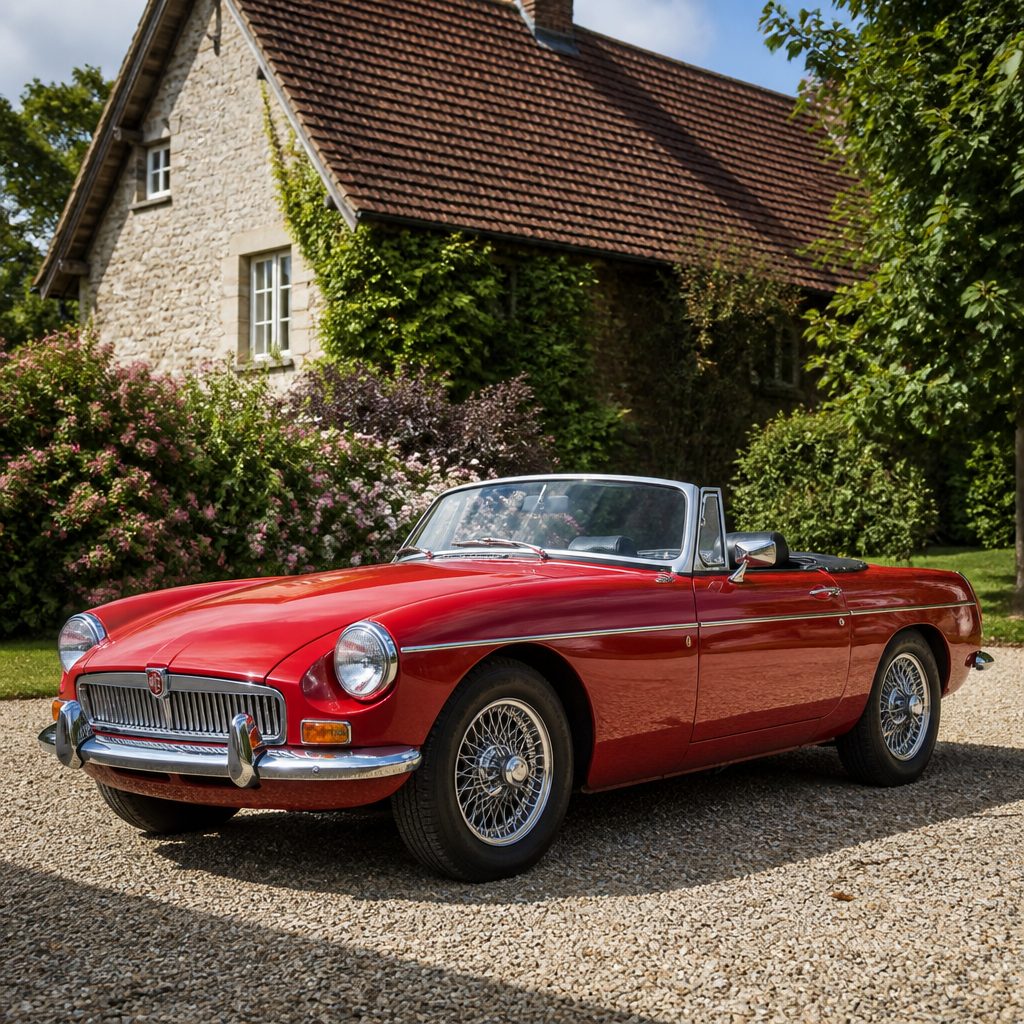
Parts availability can help or hurt both categories. For popular classics such as the MGB, classic Mini, Chevrolet C10, or first-generation Mustang, reproduction support is strong. Mechanical parts, trim pieces, and even body panels can be sourced from established suppliers. That keeps some ownership costs surprisingly manageable. However, rare models, low-production European cars, and vehicles with one-year-only components can turn a simple repair into a global parts search. Shipping, fabrication, and waiting time all add cost.
Modern cars usually benefit from broad OEM and aftermarket supply chains during the first years, but replacement assemblies are often sold as units rather than repaired at the component level. That raises costs. A failed infotainment screen, mechatronic transmission unit, or adaptive headlight can be much more expensive than an older analog equivalent. Independent shops may also need subscription access to service information or coding tools, which is one reason labor rates on newer vehicles continue to climb.
Restoration risk deserves direct attention because it distorts classic ownership budgets more than any other factor. A solid, running, documented classic bought at a fair market price is often cheaper than a bargain project that needs paint, rust repair, upholstery, glass, chrome, engine work, and wiring. I have seen owners spend two or three times the car’s finished value trying to rescue an incomplete project because they priced only visible flaws. Rust in structural areas, poor previous repairs, and missing trim are budget killers. A pre-purchase inspection by a marque specialist is not optional. It is cost control.
How to Decide Which Ownership Model Makes Financial Sense
If the question is purely economic, a reliable used modern car usually wins as transportation. It offers safer crash structures, predictable service intervals, broad parts support, and fewer weather-related compromises. For most households, that is the right baseline answer. But the calculation changes when the classic is not replacing a daily driver. A classic can make financial sense as a second vehicle when purchase discipline is strong, mileage is limited, storage is available, and the owner values stable or appreciating assets more than frictionless convenience.
Start with a five-year budget. Include purchase taxes, financing costs if any, insurance, registration, fuel, annual maintenance, likely repairs, storage, detailing, tires, and a contingency reserve. For classics, add inspection costs, catch-up maintenance, and known weak points for the exact model. For modern cars, add estimated depreciation and at least one major repair category after warranty. Compare total outlay, not monthly payment.
The best buying strategy is simple. Buy the best-condition classic you can afford, not the cheapest entry point. For a modern car, buy the most reliable model that fits your use case, and avoid over-optioned examples if long-term repair cost matters. Ownership costs follow condition, complexity, and usage more than badges or romantic assumptions.
Classic car ownership vs modern car costs comes down to purpose, discipline, and honesty about how the vehicle will be used. Classics can deliver lower depreciation, lower collector-car insurance, and the possibility of value retention, but they demand storage, mechanical attention, and careful buying. Modern cars provide efficiency, convenience, safety, and predictable transportation, yet they often carry steep depreciation and expensive technology-driven repairs. The wrong classic becomes a restoration money pit. The wrong modern car becomes a depreciating appliance with costly electronic failures. The right choice depends on whether you need dependable daily mobility, a hobby asset, or both. For most readers building a realistic costs-of-ownership plan, the clearest path is to separate transportation needs from enthusiast goals, then budget each category fully. Use this hub as your starting point, review model-specific cost guides, and run a five-year total cost estimate before you buy. That one step will save more money than any negotiation tactic.
Frequently Asked Questions
Is owning a classic car actually cheaper than owning a modern car?
Sometimes, but only in very specific situations. A classic car can look cheaper on paper because it may have no monthly finance payment, lower annual registration costs in some areas, and access to specialty insurance policies that cost far less than full-coverage insurance on a newer vehicle. That can create the impression that an older vehicle is automatically the budget-friendly choice. In reality, the total cost depends on how the car is used, how well it was restored or maintained before purchase, and how much repair work the owner can handle without paying shop labor rates.
A modern car usually costs more upfront or through financing, and insurance premiums can be higher because replacement values, safety technology, and repair complexity are all greater. However, modern vehicles generally require less day-to-day attention, start reliably in more conditions, and go longer between major repairs. They also tend to deliver better fuel economy, need less frequent tuning, and benefit from easier parts availability. Those savings add up, especially for people who drive regularly.
Classic cars shift the cost structure rather than eliminating it. Instead of a loan payment, owners often face ongoing maintenance, unexpected failures, age-related deterioration, fluid leaks, carburetor or ignition issues, rust prevention, and the need for proper storage. If a vehicle needs bodywork, trim restoration, interior refurbishment, or hard-to-find mechanical parts, costs can rise very quickly. In other words, a classic can be cheaper than a modern car when it is bought well, driven moderately, stored correctly, and maintained proactively. It is usually not cheaper when someone buys an affordable project car and expects modern reliability without modern repair budgets.
What are the biggest hidden costs of classic car ownership?
The two biggest hidden costs are deferred maintenance and the cumulative effect of age. Many buyers focus on the purchase price and obvious cosmetic condition, but older cars often carry years of neglected upkeep that does not reveal itself during a short inspection or test drive. Rubber hoses, bushings, seals, fuel lines, wiring, weatherstripping, brake components, cooling systems, and suspension parts can all be at the end of their service life even if the car looks presentable. A classic that starts and drives may still need thousands of dollars in work to become truly dependable.
Storage is another major hidden expense. A classic car kept outdoors deteriorates much faster. Paint, chrome, seals, interior materials, and electrical systems all suffer from moisture, sunlight, and temperature swings. Owners who do not already have a garage may need to rent secure indoor storage, and that cost changes the ownership equation immediately. The same is true for rust prevention and seasonal care. A vehicle that is rarely driven still requires battery maintenance, tire care, fluid checks, and periodic operation to avoid developing more problems from sitting.
Parts access can also catch owners off guard. For some classics, routine maintenance parts are easy to source and reasonably priced. For others, model-specific trim, original interior pieces, body panels, rare engine components, or correct hardware may be expensive, delayed, or simply unavailable without searching specialty suppliers, salvage networks, or enthusiast forums. Labor is another hidden factor. Even simple jobs can take longer on old cars because fasteners seize, previous repairs were done poorly, and factory specifications may not match what is actually on the car. If you cannot do at least basic maintenance yourself, labor costs can turn a seemingly affordable classic into a very expensive hobby.
How does insurance compare between a classic car and a modern car?
Insurance is one of the few categories where classics can have a real financial advantage, but that advantage depends on how the vehicle is used. Many classic car owners qualify for specialty insurance policies with agreed value coverage. That means the insurer and owner establish the car’s value in advance, which can be far better than standard actual cash value coverage if the vehicle is damaged or stolen. Premiums are often surprisingly low because these policies assume limited mileage, careful ownership, secure storage, and occasional-use driving rather than daily commuting.
That said, specialty insurance comes with restrictions. Policies may limit annual mileage, require garage storage, prohibit regular commuting, or impose conditions about who can drive the car. If an owner wants to use a classic as a daily driver, insurance options may be more limited and sometimes more expensive than expected. The car may also need an appraisal or supporting documentation to justify its value, especially if it has been restored or modified. Owners who do not understand the policy terms may assume they are fully covered, only to discover that usage violations or undervaluation create problems during a claim.
Modern cars usually have more straightforward insurance structures, but premiums are often higher because repair costs are much higher. Advanced driver-assistance systems, sensors, cameras, specialized paint work, and expensive body panels all increase claim severity. A minor collision in a modern car can trigger a surprisingly large repair bill. So while modern cars often cost more to insure, they may provide broader practical usability. The key point is that classic car insurance can be cheaper, but only if the owner’s usage pattern fits the policy. Cheap premiums do not automatically mean low total ownership cost.
Are classic cars more expensive to maintain than modern cars?
In most cases, yes, especially if you rely on professional shops for everything. Classic cars are mechanically simpler, which leads many people to assume they are automatically cheaper to maintain. Simplicity helps with diagnosis and do-it-yourself repair, but age changes the equation. Older vehicles need more frequent attention, more preventive maintenance, and more tolerance for minor issues that modern cars largely eliminated. Ignition tuning, carburetor adjustments, cooling system monitoring, fluid seepage, brake checks, and electrical troubleshooting are all more common ownership realities with classics.
Modern cars are more complex, but they are engineered for longer service intervals, better cold starts, better corrosion protection, and more consistent drivability. You may eventually face a large bill for electronics, transmission work, turbo components, or emissions-related repairs, but many owners go years with little more than oil changes, tires, brakes, and routine scheduled service. That predictability matters. It is often easier to budget for a modern car because maintenance occurs in a more standardized pattern.
With classics, one repair often leads to another. Replacing a radiator hose may expose a weak water pump. Fixing brakes may reveal bad wheel cylinders, brittle lines, or worn master cylinder seals. Solving fuel delivery issues may uncover tank contamination or failing fuel pump components. None of this means classics are bad financial choices. It means they reward owners who buy the best example they can afford, learn the platform, develop supplier relationships, and set aside a maintenance reserve. A classic can be manageable and enjoyable, but it rarely behaves like a low-effort transportation appliance.
Who is better suited for a classic car versus a modern car from a cost perspective?
A classic car is usually the better fit for someone who sees ownership as part transportation, part hobby, and part long-term stewardship. From a cost perspective, the best classic-car owner is someone with realistic expectations, access to secure storage, flexible transportation alternatives, and at least some willingness to do minor maintenance or troubleshooting. It also helps to have patience. Classic ownership is often less about avoiding cost and more about controlling cost through knowledge, planning, and careful buying. Someone who can inspect a car properly, recognize model-specific weak points, and budget for inevitable catch-up work has a much better chance of making the numbers work.
A modern car is usually the better fit for someone who prioritizes reliability, daily usability, fuel efficiency, and predictable monthly budgeting. If missing work because of a no-start issue would create serious problems, or if there is no extra time for tinkering, a newer vehicle is typically the smarter financial choice even if the purchase price is higher. The higher cost often buys convenience, safety technology, fewer surprise breakdowns, better heating and air conditioning, and easier service access. For many households, those practical benefits outweigh any romantic appeal of older machinery.
In the end, the right choice depends on how the vehicle will be used. If it is a weekend car, second vehicle, or passion purchase, a classic can make sense and even hold value better than some modern cars. If it must perform flawlessly every day with minimal effort, modern cars usually win the cost argument over time. The most expensive mistake is not choosing one category over the other. It is buying a car that does not match your actual budget, storage situation, mechanical ability, and tolerance for inconvenience.