Selling a classic car for the most money starts with choosing the right market, preparing the car properly, and understanding what buyers actually pay for rarity, originality, and documentation. In the classic car world, “most money” does not simply mean the highest asking price. It means the strongest net return after fees, transport, detailing, photography, repairs, and the time your car sits unsold. I have worked with private sellers, auction consignments, and dealer trade-ins, and the pattern is consistent: the best result comes when the selling method matches the car. A numbers-matching muscle car, a well-preserved European grand tourer, and a driver-grade pickup do not belong in the same sales channel. This matters because the gap between a smart sale and a rushed one can be tens of thousands of dollars. A well-marketed classic with service records, factory documentation, and a credible valuation often attracts serious buyers quickly, while the same car listed casually with poor photos and vague history gets discounted. If you want to sell your classic car for the most money, you need a plan that combines pricing discipline, presentation, and placement.
The best place to sell depends on the car
The first question sellers ask is simple: where should I sell my classic car? The correct answer depends on value, rarity, condition, and buyer type. Broadly, your options are private sale marketplaces, enthusiast auction platforms, live collector-car auctions, consignment dealers, and direct sale to a dealer or broker. Each channel rewards different strengths. A highly documented Porsche 911 with recent paint correction, a compression test, and a thick records file may perform best on an enthusiast-focused online auction because bidders understand originality and maintenance history. A local 1966 Mustang coupe in driver condition may bring a stronger net result through a private sale because fees are lower and the buyer pool is wide. A seven-figure Ferrari or Shelby with known provenance often belongs at a premier live auction where established collectors compete in person and marketing reaches the right audience.
Condition language matters here. Concours, excellent, good, and driver-quality are not marketing adjectives; they shape where buyers expect to shop. Premium cars do best where inspection reports, specialist photography, and bidder confidence are built into the process. Entry-level classics can get lost in those same venues if fees consume too much of the upside. I have seen sellers place ordinary cars into premium channels expecting premium money, only to discover that sophisticated bidders price those cars even harder than private buyers do. The venue does not create value on its own. It amplifies the value already supported by the car’s story, specification, and proof.
Private sale marketplaces can produce the highest net
For many owners, a private sale is the best way to sell a classic car for the most money because it avoids large seller commissions. If your car has broad appeal, clear ownership history, and a realistic price, private marketplaces can deliver the strongest net proceeds. The advantage is simple: you control the listing, the communication, and the negotiation. The downside is equally clear: you must handle inquiries, vet buyers, arrange inspections, and manage payment securely. Popular channels include Facebook Marketplace for local reach, Craigslist in some regional markets, marque-specific forums, and enthusiast classified sites such as Hemmings. For air-cooled Porsche, vintage BMW, British roadster, and American muscle communities, enthusiast forums still matter because buyers there know option codes, factory colors, and common problem areas.
Private sale works best when the car is easy to understand. A documented C3 Corvette, first-generation Bronco, or Chevrolet C10 with tasteful upgrades can attract strong demand if the ad is complete. Include VIN, engine details, trim level, restoration scope, ownership timeline, title status, and known flaws. Serious buyers punish omissions. If rust exists, show it. If the engine is not original, say so. Transparency increases final price because it reduces the buyer’s risk discount. Sellers often overfocus on polish and underinvest in documentation; in practice, a binder with receipts, photos of restoration work, and independent inspection notes can add more confidence than another weekend of waxing.
Online auctions reach national buyers fast
Online auction platforms have changed classic car selling because they combine national reach with a deadline. When a car is desirable and the reserve is sensible, competition can push bidding higher than a static classified ad. Bring a Trailer is the most visible example, while Cars & Bids serves newer enthusiast vehicles and selected modern classics. These platforms reward seller responsiveness. During the auction, bidders ask about paint meter readings, underbody condition, cold starts, leakdown numbers, title history, and service intervals. Sellers who answer quickly, post underside photos, and upload video walkarounds build momentum. Sellers who disappear lose confidence and money.
I have found online auctions work especially well for cars with enthusiast followings and easy-to-verify specs: E30 M3s, Toyota Land Cruisers, split-window Volkswagens, Fox-body Mustangs, and analog-era Mercedes models. They are less forgiving for cars with murky stories, inconsistent restoration quality, or overambitious reserves. Remember that auction excitement can help, but it does not erase red flags. A poor repaint, replacement body shell, title discrepancy, or weak compression test will surface in comments. That is useful, because national exposure finds the highest-paying informed buyer, but only if your car survives scrutiny. If you want maximum exposure and a clear sale timeline, online auction platforms are often the strongest choice.
Live auctions suit elite cars and exceptional stories
Major live auctions such as Mecum, Barrett-Jackson, RM Sotheby’s, Gooding Christie’s, and Bonhams play a distinct role. They are not automatically the best place for every classic car, but for rare, high-value, or celebrity-linked examples, they can produce extraordinary results. Why? Because serious collectors attend with financing, transport, and advisors already arranged. The event itself creates urgency, and the auction house marketing team can package provenance, restoration credentials, and historical significance in a way private sellers usually cannot. This is where a Hemi ’Cuda, documented COPO Camaro, or coachbuilt Aston Martin can outperform expectations.
Fees and selection standards are the tradeoff. Seller commissions, entry costs, transport, detailing, and reserve negotiations can be substantial. Some auctions are no-reserve heavy, which can be excellent for top-tier cars in hot categories but risky for average examples. The televised excitement buyers see at headline events does not mean every consigned car sells above market. I have seen middle-tier cars underperform because they crossed at the wrong time slot or lacked the documentation expected by that audience. Before consigning, ask about past sales of the same model, average sell-through rate, buyer premium structure, reserve flexibility, photography, catalog placement, and who the likely buyers are. A live auction is best when the car is rare enough that the right room matters.
Consignment dealers and brokers trade margin for convenience
Consignment is attractive for owners who want professional presentation without managing the sale themselves. A good specialty dealer can photograph the car correctly, field calls, arrange financing, and expose the vehicle to repeat buyers. For certain cars, particularly restored American classics, vintage trucks, and entry-to-mid-level European collectibles, that convenience has real value. Reputable dealers know how to stage a car, write accurate descriptions, and identify what will concern buyers before the first inquiry arrives. If the dealer has a strong showroom presence and a real mailing list, not just inventory parked online, they may create more buyer confidence than a private seller can.
The cost is margin. Dealer commissions vary, and some stores also expect you to approve reconditioning, detailing, or small repairs before listing. That can help if the work genuinely improves saleability, but ask for line-item estimates and agree on a minimum net number in writing. A broker is different from a consignment dealer because they may market the car without taking physical possession. That can work for specialized cars and discreet sales, but the quality of brokers varies widely. Check references, verify recent completed transactions, and avoid anyone who promises a price without discussing condition, originality, and comparable sales. Convenience is useful, but it should never replace market evidence.
How to choose the right channel
Use this framework when deciding where to sell your classic car:
| Sales channel | Best for | Main advantage | Main drawback |
|---|---|---|---|
| Private sale | Broad-appeal classics under strong owner control | Highest potential net after low fees | More work, more buyer screening |
| Online auction | Documented enthusiast cars with national demand | Deadline and competitive bidding | Public scrutiny and fees |
| Live auction | Rare, high-value, or story-rich cars | Elite audience and event-driven urgency | Higher costs and timing risk |
| Consignment dealer | Owners prioritizing convenience | Professional marketing and handling | Commission reduces net |
| Direct dealer sale | Quick exits, estate sales, project cars | Fast, simple transaction | Lowest payout in most cases |
If you are unsure, compare three things before listing anywhere: recent sold prices, total fees, and likely time to sale. Those three numbers usually reveal the best option.
Preparation raises price more than most owners expect
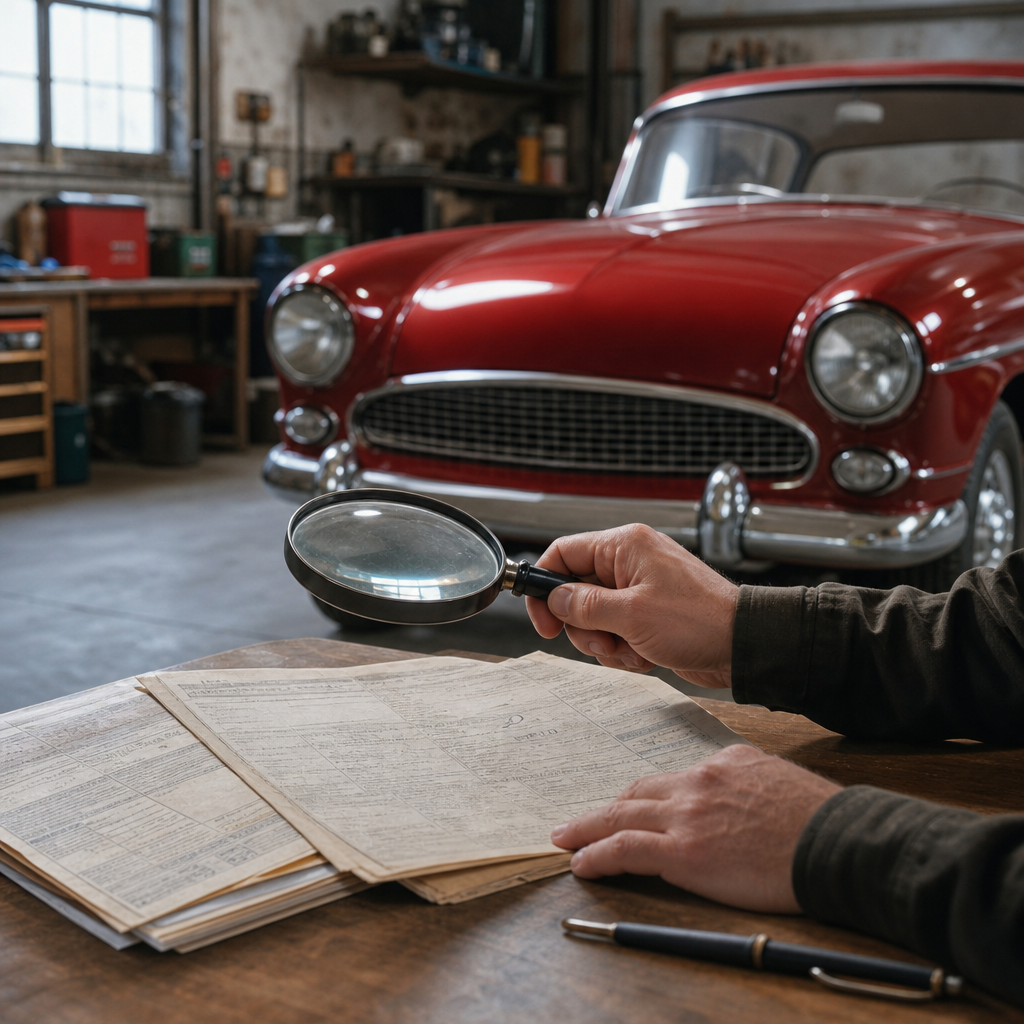
Before listing, prepare the car as if a skeptical appraiser will inspect it tomorrow. The highest-paying buyers do not just purchase a vehicle; they purchase confidence. Start with a full detail, paint decontamination, interior cleaning, and engine-bay tidy-up. Fix inexpensive defects that create doubt: dead bulbs, nonworking gauges, torn weatherstripping, weak battery, dirty fluids, and mismatched tires. Then gather every record you have: title, registrations, window sticker, build sheet, Marti Report, Porsche Certificate of Authenticity alternatives, Jaguar Heritage Trust certificate, service invoices, restoration photos, judging sheets, and spare keys. If your car is rare enough, commission a pre-sale inspection from a recognized specialist. A compression and leakdown test on a vintage 911 or big-block Corvette can reassure buyers immediately.
Photography is not optional. Shoot the car in soft daylight and include front, rear, both sides, all four corners, interior, seats, dash, trunk, engine, undercarriage, VIN tags, stampings, wheels, glass, and any flaw worth noting. Add cold-start, idle, driving, and walkaround video. The goal is not to hide imperfections; it is to eliminate uncertainty. I have watched mediocre cars outperform expectations because the seller documented them honestly and completely. Buyers pay more when they feel they already know the car.
Pricing, negotiation, and safe closing
Pricing a classic car correctly requires sold comparables, not wishful asking prices. Use Hagerty Price Guide, auction archives from Bring a Trailer and major houses, Hemmings sold listings when available, and marque forums. Adjust for originality, options, engine, color, documentation, and restoration age. A factory four-speed, limited-slip differential, desirable color combination, or matching hardtop can materially change value. So can rust repair quality, replacement drivetrains, or a non-original interior. Set an asking price that leaves room to negotiate but still signals seriousness. Cars priced far above market become stale, and stale listings invite low offers.
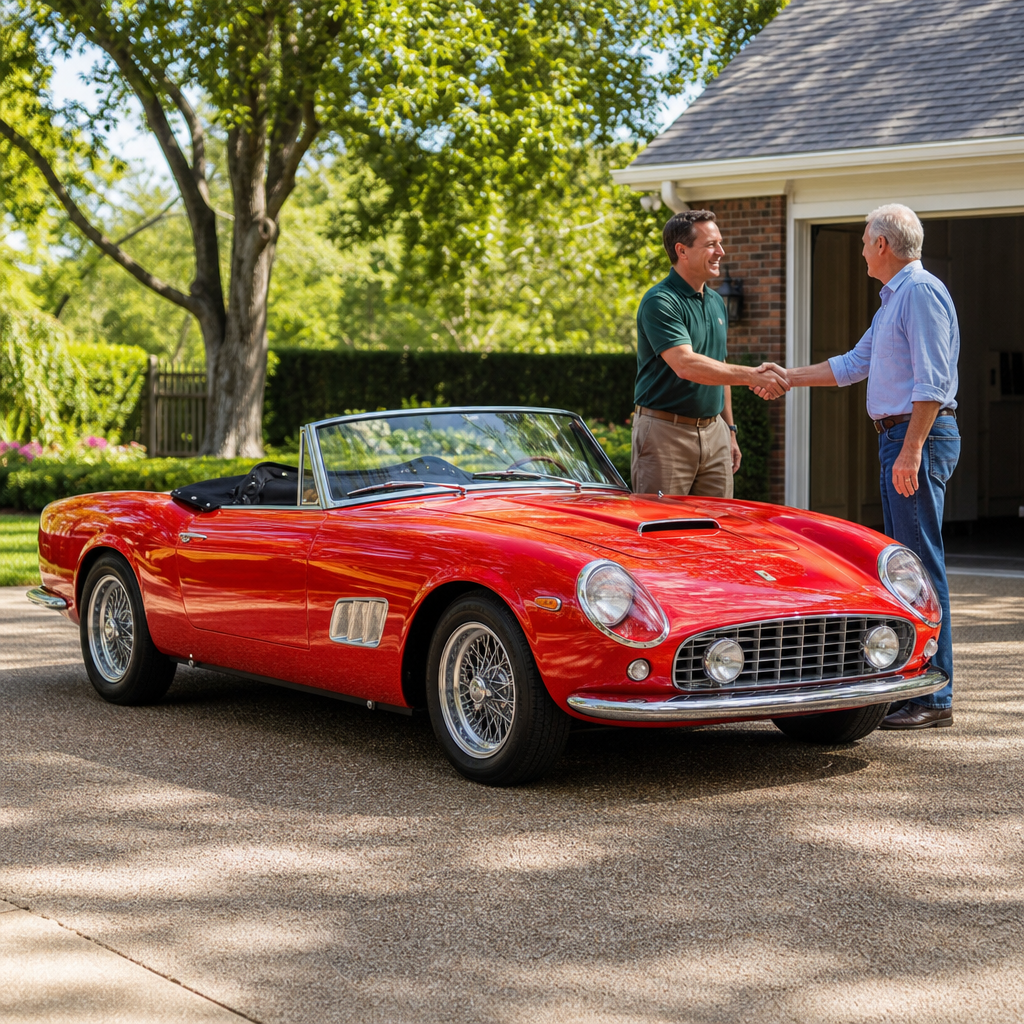
When inquiries come in, qualify the buyer early. Ask whether they have funds in place, need shipping, or want an inspection. Be polite, but keep control of the process. Meet in secure locations if the car is stored privately, verify insurance before test drives, and never release the car until funds clear. For high-value transactions, bank wire transfer is standard, often completed at the buyer’s or seller’s bank. Use a bill of sale, confirm title transfer rules in your state, and document odometer disclosure if required. If the buyer is overseas, understand export paperwork and insist on verified funds before the car reaches a port.
The best place to sell your classic car for the most money is the venue that matches the car, presents it with proof, and reaches buyers who understand its value. For many owners, that means a private sale or online auction supported by excellent photos, complete records, and an honest description. For rare, high-end, or historically important cars, a major live auction or respected specialist broker may justify the added fees because the audience is stronger. What does not work is guessing. Sellers leave money on the table when they price from emotion, hide flaws, or choose a channel based on convenience alone.
As the hub for selling a classic car, this page gives you the framework: identify the right market, prepare the car thoroughly, document everything, and negotiate with discipline. Those steps consistently outperform quick listings and vague ads. If you are ready to move forward, start by assembling your records, reviewing recent sold comparables, and deciding which sales channel fits your specific car. That groundwork is what turns interest into real money.
Frequently Asked Questions
Where can I usually sell a classic car for the most money?
The best place to sell a classic car for the most money depends on the car itself, the strength of the documentation, and how patient you are willing to be. In many cases, a well-qualified private buyer will produce the highest gross sale price because there is no middleman margin built into the deal. A private enthusiast looking for a specific year, engine, color combination, or survivor-quality example may pay more than a dealer because they are buying to keep and enjoy the car, not to resell it for profit. That said, private sales also require the most effort. You have to create the listing, answer questions, filter out non-serious buyers, arrange inspections, handle negotiations, and manage payment and title transfer carefully.
Specialized classic car auctions can also bring strong money, especially for rare, highly desirable, investment-grade, or beautifully restored vehicles with broad appeal. Auctions work best when there is competitive bidder interest and when the car presents extremely well with excellent photos, records, and a compelling story. The tradeoff is that auction sales come with fees, transport costs, and some uncertainty. A high-profile auction can create excitement and strong bidding, but it can also result in a disappointing hammer price if the right buyers are not in the room or if market timing is off.
Dealers and consignors offer convenience and speed, but usually not the highest net return unless they have a waiting client for your exact car. A dealer trade-in is often the lowest-money option because the dealer must leave room for reconditioning, marketing, overhead, and profit. A consignment dealer can sometimes outperform a private seller if they have a strong reputation, showroom traffic, financing options, and a buyer list for your specific marque. The key is to compare net proceeds, not just advertised prices. The highest asking price on a website means very little if the car sits for months, requires repeated price cuts, or racks up storage and prep costs before it finally sells.
How do I know whether a private sale, auction, or dealer consignment will give me the best net return?
To figure out which sales channel gives you the best net return, start by calculating your likely proceeds after every cost, not just the selling price. Sellers often focus on the top-line number and overlook the money that disappears through detailing, mechanical sorting, photography, listing fees, auction commissions, transport, storage, and buyer concessions after inspection. If you sell privately for a little more but spend months dealing with no-shows, paying for improvements, and eventually discounting the price, your final outcome may be worse than a faster, cleaner sale through a reputable specialist.
A good way to compare options is to build a simple side-by-side estimate. For a private sale, include cleaning, professional photos, advertising, your time, any pre-sale repairs, and your realistic final negotiated sale price. For auction, include consignment fees, seller commissions, transport to the venue, entry costs, reserve-related terms, and the possibility that the car may not meet reserve or may sell under pressure. For dealer consignment, review the commission structure, required prep work, storage fees, insurance responsibility, and whether price reductions are controlled by you or by the consignor. For a direct dealer purchase or trade-in, assume the lowest gross price but also the least hassle and fastest closing.
The right answer also depends on the type of classic car you own. A highly original, documented, numbers-matching car with broad collector demand may benefit from a targeted auction or marque-specific marketing. A solid driver-quality car may perform better in a private sale because knowledgeable buyers want to inspect it carefully and negotiate directly. A niche car with limited appeal may do best with a specialist dealer who already knows the buyer base. In other words, the most money usually comes from matching the car to the right audience, then choosing the selling method that protects your net proceeds while minimizing unnecessary friction.
What makes a classic car worth more to buyers when it is time to sell?
Buyers generally pay the most for classic cars that combine authenticity, condition, documentation, and market desirability. Originality matters a great deal in many segments of the collector market. Numbers-matching drivetrains, factory-correct colors, original body panels, original interior components, and period-correct options can all influence value significantly. That does not mean every modified car is less valuable, but modifications usually help only when they are high-quality, well-documented, and in line with what the market wants. In many cases, originality is easier to monetize than personalization.
Documentation is another major value driver. Service records, restoration receipts, ownership history, factory paperwork, window stickers, build sheets, judging sheets, and photo records of restoration work help buyers feel confident about what they are purchasing. Confidence reduces negotiation pressure. When buyers can verify mileage claims, ownership history, and the quality of prior work, they are often willing to pay more because the risk is lower. In contrast, vague descriptions and missing paperwork tend to invite lower offers, even when the car looks attractive in photos.
Condition also has layers. A shiny exterior alone does not guarantee top value. Serious buyers pay attention to body integrity, panel fit, rust history, undercarriage quality, engine health, transmission performance, suspension condition, brake operation, interior originality, and how the car drives when cold and warm. Presentation matters because it shapes first impressions, but mechanical honesty matters because that is what prevents the deal from falling apart after an inspection. Finally, the car must fit current demand. Some vehicles are desirable because they are rare, but rarity by itself does not always equal high value. The strongest prices usually go to cars that are both scarce and actively sought after by a motivated buyer base.
Should I spend money on repairs, detailing, or restoration before selling my classic car?
Usually, you should spend money only where there is a clear return on investment. Basic detailing, paint correction, interior cleaning, fluid leaks cleanup, and fixing small cosmetic distractions often make sense because they improve presentation without changing the car’s character. A clean, well-sorted car photographs better, shows better, and gives buyers confidence that it has been cared for properly. Minor mechanical fixes can also be worthwhile if they remove obvious objections, such as a dead battery, non-functioning lights, poor idle, worn belts, or easily corrected fuel and ignition issues. These are the kinds of flaws that cause buyers to assume there may be bigger hidden problems.
Major restoration work is a different story. Full paint jobs, engine rebuilds, interior retrims, and extensive bodywork rarely return dollar-for-dollar value unless the car is an especially important example and the work is done to a very high standard. More often, sellers overspend trying to “finish” a car for market and then learn that buyers would rather evaluate the car as-is than pay retail for someone else’s fresh restoration decisions. In the classic car market, poor-quality or overly shiny last-minute work can actually hurt value because experienced buyers may wonder what is being covered up.
The smarter approach is to prepare the car honestly and strategically. Clean it thoroughly, organize the records, correct simple defects, make it safe and presentable, and be transparent about anything you choose not to fix. If there are known issues, document them and price accordingly. In many cases, a truthful, well-presented driver or survivor sells better than a hastily restored car with unanswered questions. The goal is not to create a perfect car overnight. The goal is to remove avoidable deal-killers and present the vehicle in a way that supports trust, strong offers, and a smooth transaction.
How should I price my classic car so I do not leave money on the table or scare buyers away?
Pricing a classic car correctly requires more than checking a few online listings and picking the highest number. Asking prices are easy to find, but sold prices are what matter. You want to study recent completed sales for cars that match yours as closely as possible in year, make, model, drivetrain, body style, originality, options, restoration quality, mileage, and documentation. A numbers-matching, factory-color car with records should not be priced the same as an incomplete example with replacement components and unknown history. Likewise, a concours-level restoration belongs in a different pricing category than a weekend driver.
It also helps to understand buyer psychology. If you price far above the market, serious buyers may ignore the listing altogether rather than try to negotiate from an unrealistic starting point. That can cause your car to sit, grow stale, and eventually require larger price cuts. On the other hand, pricing too low may create immediate interest but cost you real money. The sweet spot is a credible, market-supported number that leaves a little room for negotiation without making buyers feel that the car is inflated. Strong presentation, complete records, and a transparent description give you more pricing power because they separate your car from the many listings that look good at first glance but fall apart under scrutiny.
One of the best strategies is to decide in advance what number truly matters: your minimum acceptable net, not your ideal fantasy price. Once you know your target net, you can back into a listing price based on the sales channel and expected negotiation. You should also be realistic about timing. If you need to sell quickly, your best price today may be lower than your best price with six months of patient marketing. Selling for the most money is