Selling a classic car is rarely a simple transaction. It is part valuation exercise, part documentation project, part marketing campaign, and part negotiation. Unlike selling a late-model commuter vehicle, selling a vintage Mustang, air-cooled Porsche, tri-five Chevy, or postwar British roadster requires you to understand provenance, condition grading, originality, buyer psychology, and the channels where serious collectors actually shop. I have helped owners prepare and list everything from driver-quality 1960s coupes to concours-level restorations, and the same lesson comes up every time: the best sale happens when preparation is disciplined, pricing is evidence-based, and the listing answers buyer questions before they ask them.
A classic car generally refers to an older vehicle valued for rarity, design, historical significance, enthusiast demand, or collector appeal. In practice, the market spans several tiers. Some cars are approachable hobby vehicles worth under $20,000. Others are blue-chip collectibles that trade privately, through marque specialists, or at major auction houses. “Selling a classic car” means more than putting a price on it. It means documenting history, confirming title status and matching numbers where relevant, assessing mechanical condition honestly, selecting the right venue, presenting the car professionally, and managing offers without damaging trust.
This matters because the spread between a poor sale and a strong sale can be enormous. Missing service records, weak photos, vague descriptions, hidden rust, or unrealistic pricing can cut interest immediately. Conversely, organized records, compression test results, underside photos, and a transparent description often attract better buyers and stronger bids. The process also protects you. Clear paperwork, lawful disclosures, secure payment handling, and a documented transfer reduce the risk of fraud, chargebacks, title disputes, and post-sale conflict. Whether you are downsizing a collection, settling an estate, flipping a project, or letting go of a long-term keeper, a structured plan will help you sell faster and with fewer surprises.
Understand What You Are Selling Before You Name a Price
The first step is to define the car precisely. Year, make, model, trim, engine, transmission, body style, factory options, and production details all influence value. A 1967 Chevrolet Camaro RS/SS is not valued like a base six-cylinder coupe, and a numbers-matching 1973 Porsche 911S commands different attention than a later engine-swap car. Before listing anything, verify the VIN, body tags, engine stampings, gearbox codes, and date-correct components if those details matter for your model. For many collectors, originality is not a bonus; it is the central value driver.
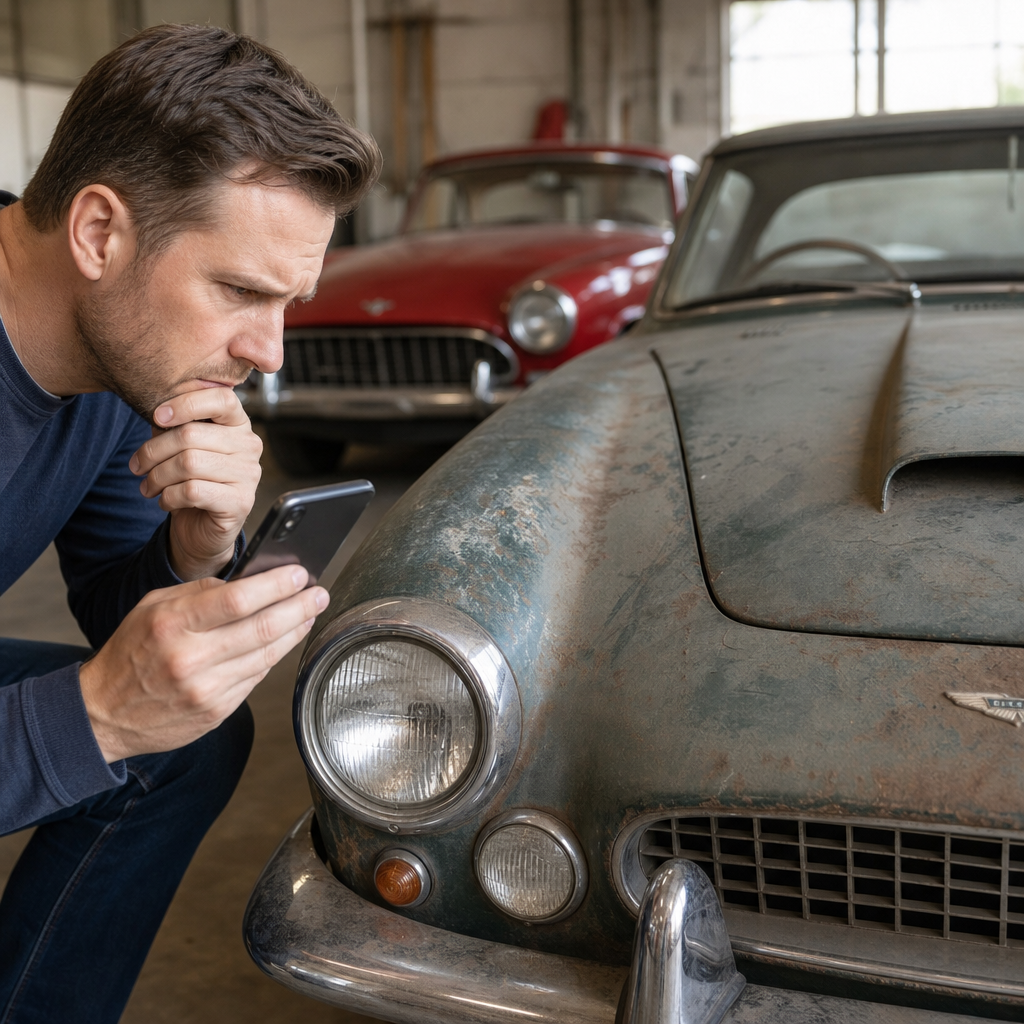
Then assess condition in collector-car terms. Most buyers think in categories such as concours, excellent, very good, good driver, fair, or project. Be realistic. Fresh paint does not erase poor panel gaps, incorrect trim, or rust repair hidden under undercoating. A car can present beautifully online and still be a compromised example in person. I advise sellers to walk through the car as if they were inspecting someone else’s purchase: cold start behavior, oil leaks, brake feel, steering play, electrical functions, glass date codes, tire age, tool kit completeness, jack, manuals, and spare wheel condition all matter.
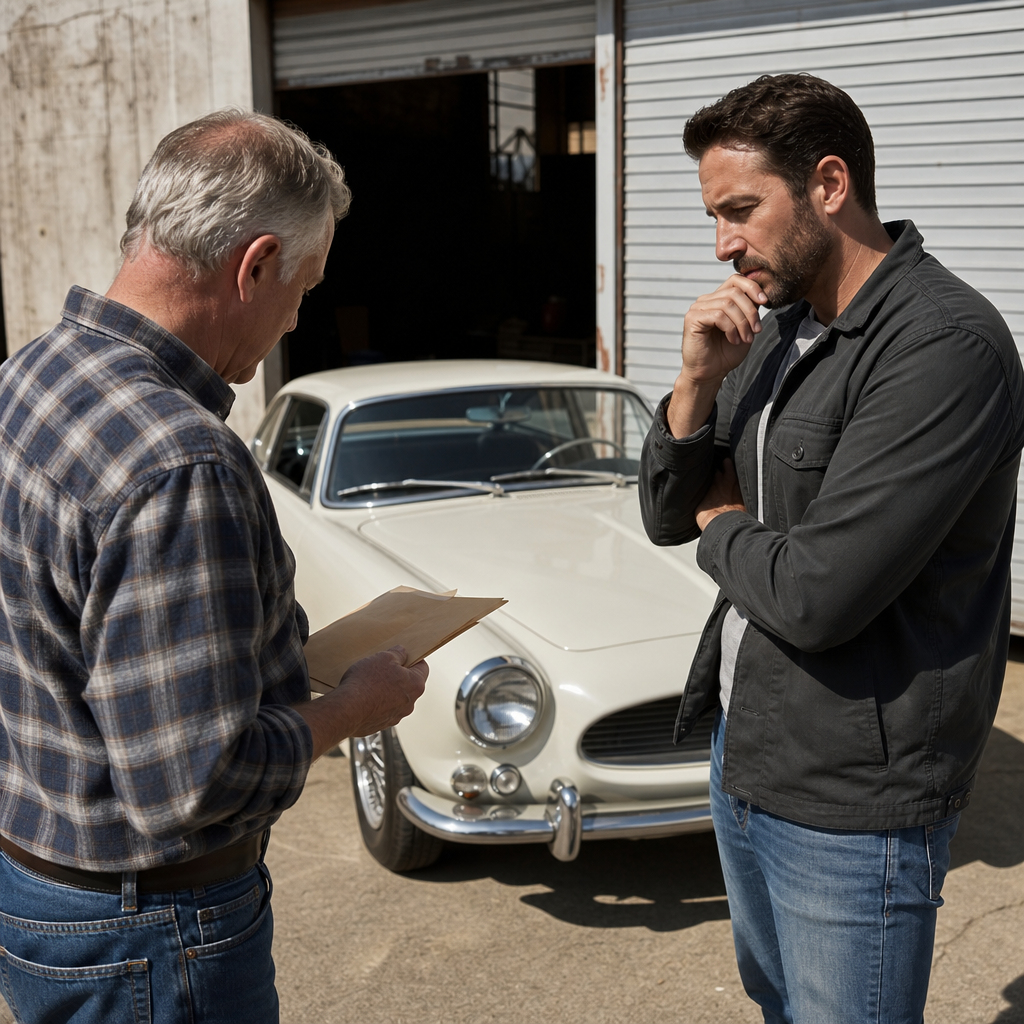
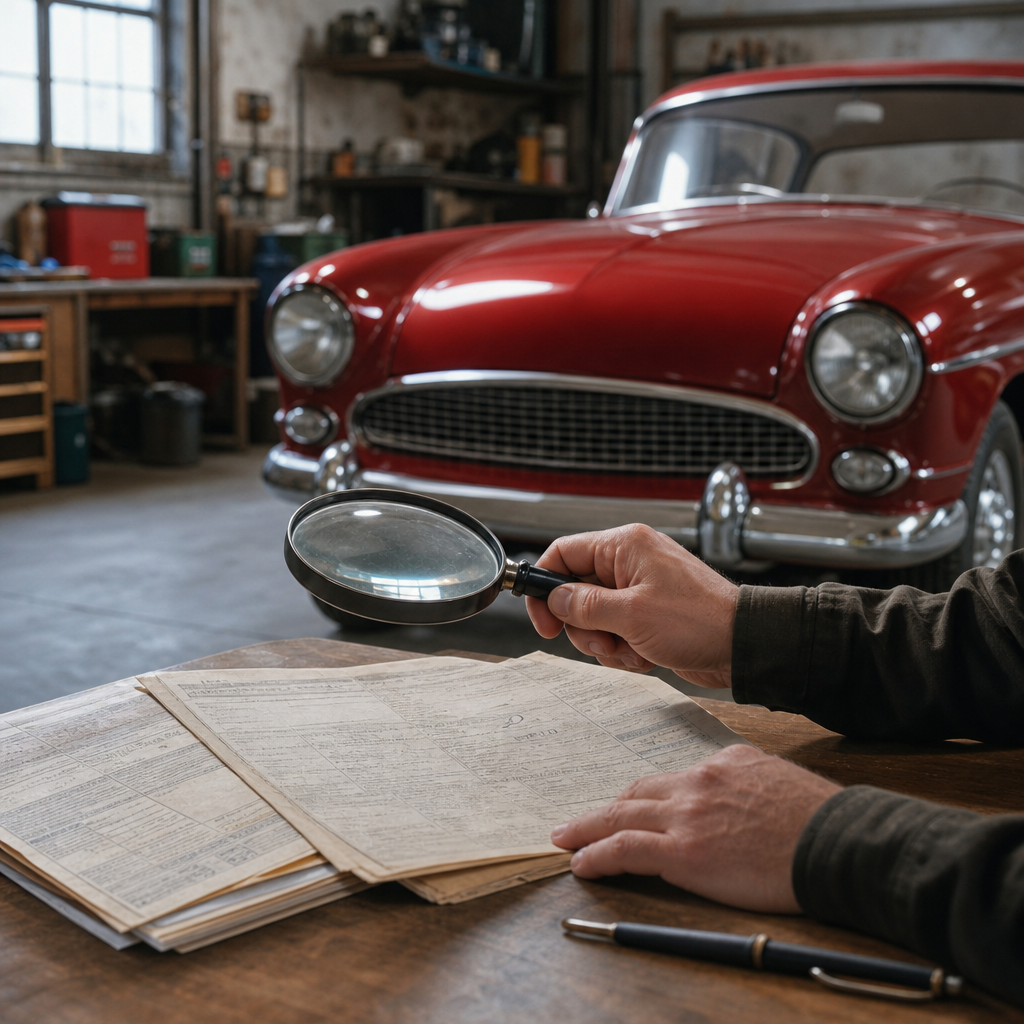
Documentation is part of the product. Gather the title, registration, service invoices, restoration receipts, ownership history, photos from restoration work, appraisal reports, build sheets, warranty cards, and any judging sheets from marque clubs. For some models, a Marti Report, Porsche Certificate of Authenticity equivalent documentation, Jaguar Heritage Trust record, or BMW archive confirmation can materially support value. Buyers pay for certainty. If you can prove mileage history, engine originality, and the quality of past work, you reduce perceived risk and improve your negotiating position.
Price the Car Using Market Evidence, Not Hope
The best asking price comes from current comparable sales, not from money spent on restoration and not from the highest unsold listing you found online. Start with completed sales on Bring a Trailer, Cars & Bids for newer collectibles, Hemmings, marque forums, Mecum, RM Sotheby’s, Bonhams, and Barrett-Jackson results where applicable. Then filter those comps carefully. Compare body style, engine, transmission, originality, color, restoration quality, ownership story, documentation, and known flaws. A factory big-block four-speed car is not a fair comp for a small-block automatic, even if the two look similar in photos.
Condition adjustments must be explicit. If your car needs synchro work, has non-original paint color, missing emissions equipment, or old restoration bubbling at the lower fenders, discount accordingly. If it has fresh engine-out service, award-winning restoration photos, rare factory air conditioning, or a recently rebuilt fuel injection system, note the premium. Price guidance tools such as Hagerty Valuation Tools can help establish a baseline, but they are only a starting point. The real market is what informed buyers are paying this quarter, in your car’s exact specification tier.
Reserve strategy matters too. If selling at auction, set a reserve only after understanding fees and bidder behavior. A reserve that is too high suppresses momentum and signals that the seller is unrealistic. For private listings, leave room for negotiation but avoid padding the ask by 20 percent. Serious buyers know the market. A car priced correctly gets calls in the first week. A car priced emotionally sits, the listing goes stale, and eventually buyers expect a discount because they assume something is wrong.
Prepare the Car So Buyers Can Say Yes Quickly
Preparation is not the same as over-restoration. The goal is to present the car honestly, cleanly, and mechanically credibly. Start with a thorough detail: paint correction if appropriate, gentle cleaning of engine bay surfaces, vacuuming, leather treatment, glass polishing, wheel cleaning, and removal of personal items. On survivor cars, avoid making the car look artificially glossy or hiding age that enthusiasts value. A patinated Land Cruiser or unrestored Alfa often sells better when it looks preserved rather than cosmetically overworked.
Next, fix high-confidence issues that create outsized doubt. Dead horns, inoperative gauges, sticking windows, burned-out bulbs, and fluid leaks make buyers wonder what else was neglected. Address basic service items if overdue: oil and filter, brake fluid, coolant where applicable, battery condition, and tire pressures. If the car has sat, fresh fuel system service may be wise. On carbureted cars, poor cold starts and fuel smell can kill enthusiasm during inspection. If the car has known major issues you will not fix, document them clearly and adjust price rather than hoping they go unnoticed.
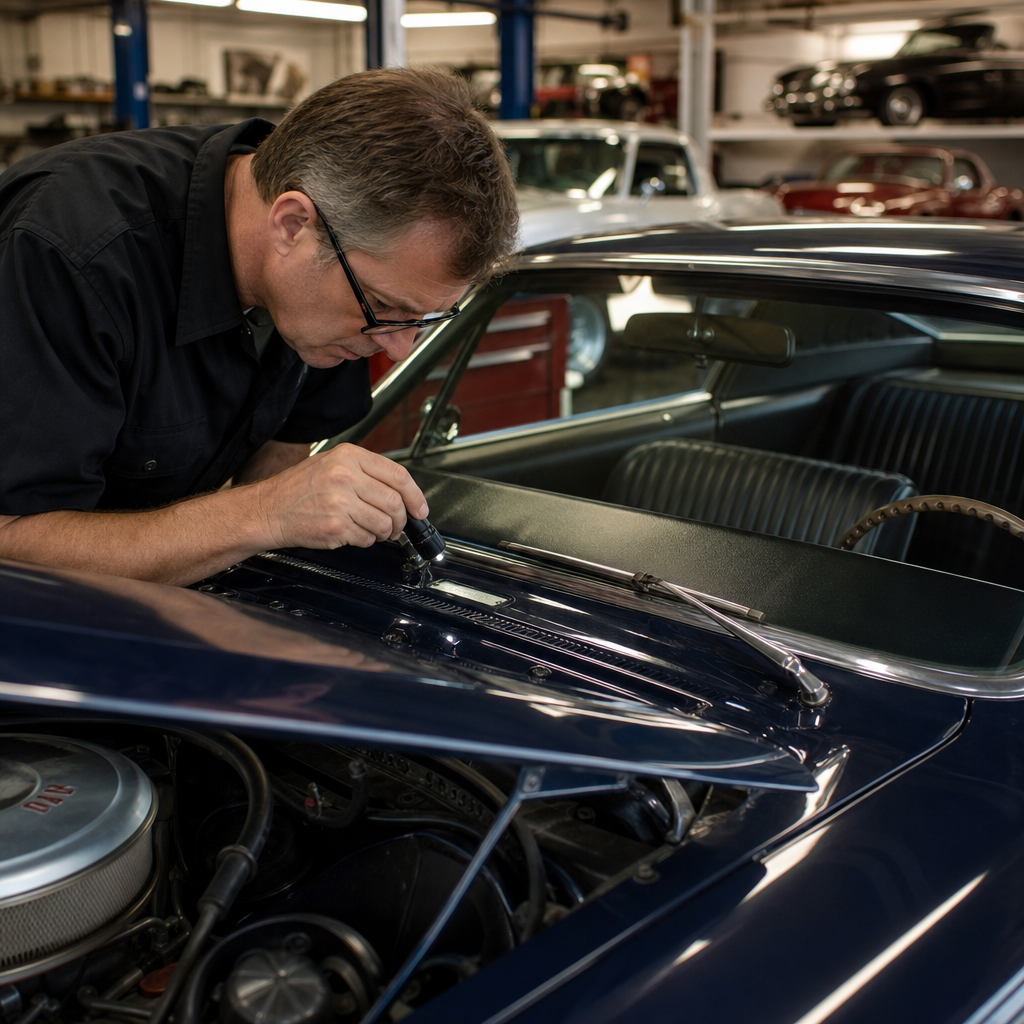
Independent inspections can pay off. A pre-sale inspection from a respected specialist, compression and leak-down numbers for performance cars, or a paint-meter reading set for restored cars can reduce friction dramatically. I have seen buyers move from cautious to committed once they saw a specialist invoice confirming strong oil pressure, healthy compression, and no structural rust in common trouble spots. Spending a few hundred dollars before listing can save weeks of tire-kicker conversations and strengthen your position during negotiation.
Choose the Right Sales Channel for Your Car
Different cars belong in different marketplaces. A local classified ad may work for a driver-quality 1966 Mustang coupe, but a well-documented 1989 Porsche 911 Speedster or split-window Corvette deserves a national audience. The right channel depends on value, rarity, buyer profile, urgency, and how much effort you are willing to invest. Broadly, your options are private sale platforms, enthusiast auction sites, consignment dealers, traditional live auctions, and direct sale to a dealer or broker.
| Sales channel | Best for | Main advantage | Main drawback |
|---|---|---|---|
| Private listing sites | Drivers, mid-market classics, knowledgeable sellers | Lower fees and direct negotiation | More time spent screening buyers |
| Online enthusiast auctions | Well-photographed cars with strong stories | National exposure and competitive bidding | Outcome depends heavily on listing quality and timing |
| Consignment dealers | Sellers who want convenience | Dealer handles marketing and showings | Commission reduces net proceeds |
| Live auctions | Rare, high-value, or highly emotional cars | Fast sale and major audience reach | Fees, transport costs, and reserve risk |
| Dealer or broker buyout | Quick exits, estates, unfinished projects | Speed and minimal hassle | Usually the lowest net price |
For many sellers, an online auction works well because it forces market discovery and creates urgency. But it only works if the car is photographed thoroughly and described with precision. Consignment is useful when you lack time, storage, or sales experience, but vet the dealer’s contract, insurance, fee structure, and floor-plan terms carefully. Some specialty dealers are excellent marketers; others let inventory sit. If your goal is maximum price, not maximum convenience, private sale or a strong online auction usually outperform a quick wholesale transaction.
Create a Listing That Answers Every Buyer Question
The listing is where strong sales are won. Start with clear, searchable basics in the title: year, make, model, trim, and a core value point such as “numbers-matching,” “frame-off restoration,” “survivor,” or “no reserve” when accurate. In the description, lead with what the car is, why it matters, and the headline facts a buyer wants first: mileage, ownership duration, title status, drivetrain originality, restoration summary, major recent service, and known flaws. Buyers should not need to message you to learn whether the title is clean or whether the gearbox was rebuilt.
Photos should be comprehensive and consistent. Include front three-quarter, rear three-quarter, profile, all four corners, roof, hood, trunk, interior wide shots, seats, dash, gauges lit, odometer, engine bay, VIN plate, stamping photos, wheel close-ups, tire date codes, undercarriage, suspension pick-up points, floor pans, trunk floor, battery tray, lower fenders, rocker panels, and any blemishes. Natural light works best. Avoid dramatic filters. Video should include a cold start, idle, walkaround, driving footage, and close-up sound of the engine once warm.
Most importantly, disclose faults plainly. If the paint has microblisters, the clock is inoperative, second gear balks when cold, or the convertible top has a small tear, say so. Transparency builds confidence. Experienced collectors expect an older car to have imperfections; what they will not tolerate is discovering omitted problems after traveling to inspect it. A complete listing acts like a qualifying tool. It deters unrealistic shoppers and attracts the buyer who appreciates exactly what the car is.
Manage Inquiries, Inspections, and Negotiation Professionally
Once the listing is live, respond quickly and consistently. Serious buyers often contact multiple sellers on the same day. If you take two days to answer basic questions, you may lose a qualified lead. Create a simple package you can send immediately: photo album link, scan of records, list of recent work, start-up video, and a written summary of known issues. This saves time and signals that you are organized. It also reduces repetitive back-and-forth with casual inquiries.
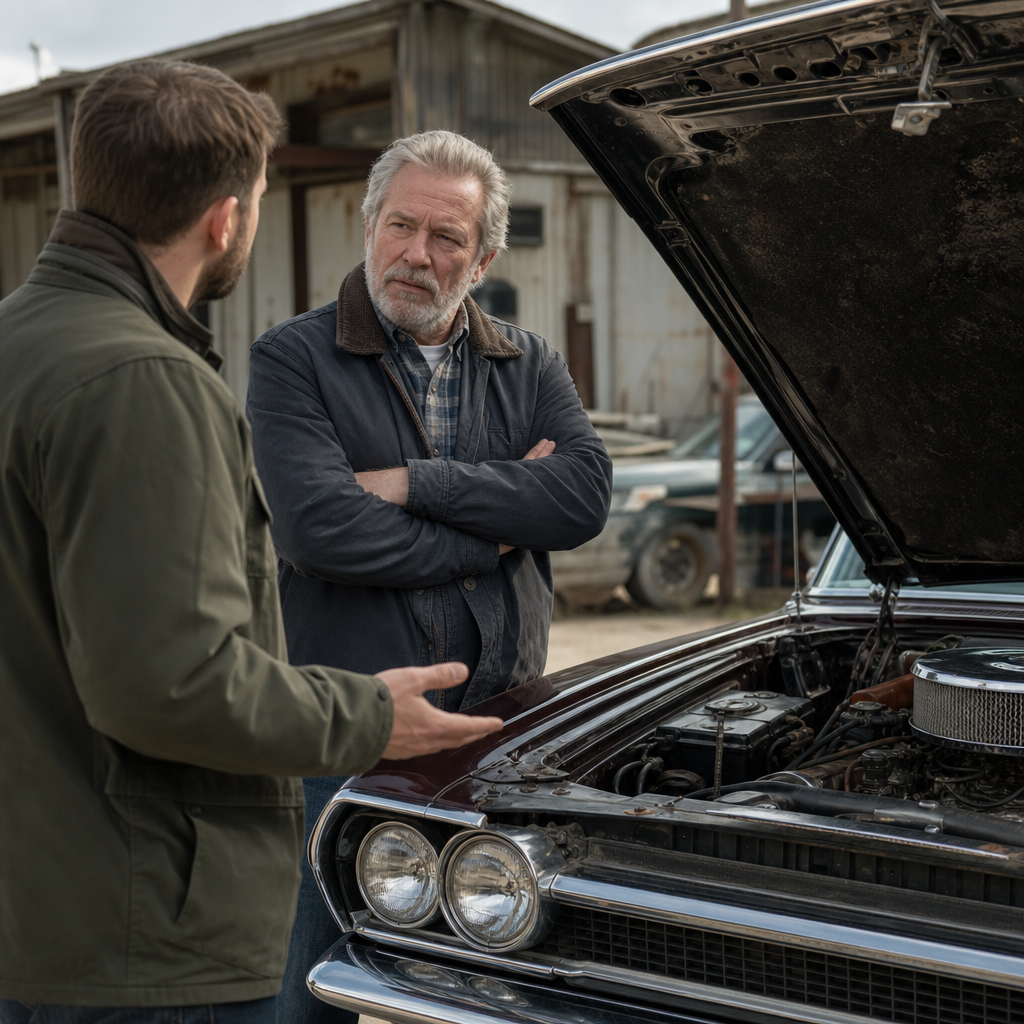
Qualify buyers before scheduling inspections or test drives. Ask whether they have owned classic cars before, whether they have arranged funds, and what specific questions they still need answered. For higher-value vehicles, verify identity and proof of funds before allowing a road test. Meet in a safe, public-facing location when possible, or at a reputable specialist shop where a pre-purchase inspection can happen on a lift. During inspections, let the car speak for itself. Do not hover, and do not minimize issues a mechanic points out. Confident sellers earn trust by being calm and factual.
Negotiation works best when anchored in evidence. If a buyer cites flaws, discuss them openly and refer back to comparable sales, receipts, and inspection findings. Decide in advance your walk-away number, ideal price, and what terms matter besides dollars, such as timing, wire transfer before pickup, or inclusion of spares. Many deals collapse not over price, but over uncertainty around deposit terms, transport responsibility, title transfer timing, or missing parts promised informally. Put terms in writing, even for enthusiast-to-enthusiast sales.
Close the Sale Safely and Protect Both Parties
The safest payment method for significant amounts is a bank wire transfer that clears before the car and title leave your control. Cash can work for lower-value transactions but creates security and counting issues. Cashier’s checks are common but should be verified directly with the issuing bank, ideally during banking hours, before releasing anything. Avoid overpayment schemes, third-party escrow offers from unknown services, and buyers who push unusual urgency. Fraud in collector-car sales is real because values are high and emotions run strong.
Use a bill of sale that includes the VIN, sale price, date, odometer disclosure if required, “as-is” language where lawful, and signatures from both parties. Sign the title exactly as your state requires. If there is a lien, resolve it before listing whenever possible; lien payoffs can slow or derail deals. Remove plates if your jurisdiction requires it, cancel insurance only after the transfer is complete, and keep copies of all documents, correspondence, and wire confirmation. If the buyer is shipping the car, photograph its condition at pickup and share that set with the carrier and buyer.
Interstate and international sales add complexity. Emissions exemptions, import eligibility, customs paperwork, and port handling can affect timing and buyer confidence. If you are selling overseas, work with established exporters or brokers familiar with EPA and DOT age-based rules, container loading, and marine insurance. Clarity here prevents delays and protects your reputation. A smooth closing is not just administrative; it is the final proof that you handled the sale professionally from start to finish.
Selling a classic car successfully comes down to disciplined preparation and honest execution. Define the car accurately, document its history, inspect it with a critical eye, and price it from actual market data. Then choose the channel that fits its value and your goals, build a listing that answers every important question, and manage buyers with clear communication and firm process. These steps reduce wasted time, attract better inquiries, and support stronger final numbers.
The biggest advantage is confidence for both sides. Buyers pay more when uncertainty is lower, and sellers avoid regret when the sale is based on evidence rather than guesswork. In the collector market, trust is a pricing factor. The owner who can show matching numbers documentation, underside photos, recent specialist service, and a clean title package almost always stands in a better position than the owner who says, “It’s all there somewhere.” Good presentation is not cosmetic spin; it is proof that the car and the transaction have been handled seriously.
If you are preparing to sell, start by assembling your records, photographing the car thoroughly, and building a comp sheet from recent sales. That groundwork will shape every next step and help you sell your classic car faster, safer, and for a price the market can support.
Frequently Asked Questions
1. How do I determine the right asking price for a classic car?
The right asking price starts with objective research, not guesswork or emotional attachment. Classic car values depend on far more than year, make, and model. Buyers look at originality, restoration quality, matching-numbers status, documentation, production rarity, color combination, provenance, recent service history, and overall condition. A numbers-matching, well-documented car with desirable options will often command a very different price than a similar-looking example with replacement components, older cosmetic work, or incomplete history.
Begin by reviewing recent comparable sales rather than active listings alone. Asking prices can be optimistic, but completed sales give a more realistic picture of what buyers are actually paying. Compare your car against examples with similar drivetrains, restoration level, mileage, ownership history, and condition grade. Auction results, marque-specific forums, enthusiast groups, dealer inventories, and collector-car valuation guides can all help establish a realistic range. If your car is unusual or especially valuable, a professional appraisal may also be worthwhile.
Be honest about condition. A car that presents well in photos may still be valued lower if it has rust repair, non-original trim, repaint issues, interior wear, or mechanical needs. Conversely, a well-preserved survivor with excellent records may outperform a freshly restored car of lesser authenticity. Price strategically based on your selling timeline. If you want maximum value and can wait for the right buyer, price near the top of the justified range. If speed matters, price more competitively. The goal is to set an asking price that attracts serious inquiries without leaving obvious money on the table.
2. What documents should I gather before listing a classic car for sale?
Documentation can have a major impact on both buyer confidence and final sale price. At minimum, you should have a clear title in your name and any registration records needed to transfer ownership in your state. Beyond that, serious classic car buyers want to see the story behind the vehicle. Gather service records, restoration receipts, ownership history, original manuals, factory literature, warranty booklets, build sheets, window stickers, heritage certificates, judging sheets, and any awards the car has received at shows.
If the car has undergone restoration work, organize receipts by category, such as engine, paint, upholstery, suspension, chrome, electrical, and bodywork. Buyers appreciate a clear timeline showing when major work was completed and by whom. If you have photos documenting restoration stages, include them. They help validate the quality of the work and can reassure buyers that repairs were done properly rather than hidden under fresh paint. If the car is represented as matching numbers or highly original, be ready to provide engine, transmission, and chassis stampings, along with supporting documentation when available.
A clean, organized documentation package makes your listing stronger and your negotiation position much better. It tells buyers you are serious, transparent, and knowledgeable. It also reduces friction during due diligence, especially for out-of-state or remote buyers who cannot inspect the car immediately. Even if your documentation is incomplete, present what you have clearly and honestly. Gaps are not necessarily deal-breakers, but misrepresentation can be. In the classic car market, trust is often just as valuable as polish.
3. Where is the best place to sell a classic car?
The best place to sell a classic car depends on the vehicle itself, the price range, and the type of buyer you want to reach. For driver-quality cars and popular enthusiast models, online marketplaces with large collector audiences are often effective because they provide broad exposure and attract motivated shoppers. Marque-specific forums and enthusiast communities can be even better for niche vehicles, because the audience already understands the model, common value drivers, and what makes one example special.
For higher-end cars, rare models, or vehicles with exceptional provenance, specialty auctions and established classic car dealers may be strong options. Auctions can create urgency and expose the car to a large pool of buyers, but fees and timing matter, and the final price can vary depending on event quality, reserve strategy, and market mood that day. Consignment dealers can handle marketing, showings, and buyer screening, which is helpful if you lack time or experience, but their commission reduces your net proceeds. Private-party sales usually offer the best chance at maximizing price, but they also require more effort in preparing the car, communicating with prospects, and managing paperwork safely.
In many cases, the smartest strategy is to match the selling channel to the car. A nicely sorted vintage Mustang or tri-five Chevy may do very well on enthusiast-focused online platforms. A rare air-cooled Porsche with extensive history may attract stronger offers through a premium auction venue or marque specialist. Whatever channel you choose, prioritize audience quality over raw traffic. The best listing platform is the one that puts your car in front of informed, financially capable buyers who appreciate what they are looking at.
4. How should I prepare and market my classic car to attract serious buyers?
Preparation starts with presentation, but it should never cross into concealment. Clean the car thoroughly, inside and out, including the engine bay, undercarriage, trunk, glass, and wheels. Correct minor issues if they are cost-effective and clearly worthwhile, such as replacing burned-out bulbs, fixing loose trim, addressing fluid leaks, or servicing items that make the car easier to inspect and drive. However, avoid over-restoring or spending heavily on improvements that may not return value. Buyers generally prefer a well-sorted, honestly represented car over one that has been superficially refreshed to distract from deeper problems.
Your listing should function like a professional presentation. Use high-quality photos taken in good light, with clean backgrounds and multiple angles. Include exterior views, interior details, gauges, seats, carpets, trunk, engine bay, wheels, underside if possible, VIN tags, stampings, and close-ups of any flaws. A walkaround video, startup video, and driving video can further increase credibility. In the description, be specific and transparent. Mention the drivetrain, restoration history, known defects, recent maintenance, modifications, originality, matching-numbers status if applicable, and what documentation comes with the car. Avoid vague phrases that sound evasive, such as “needs nothing” or “easy project,” unless you can fully support them.
Serious buyers respond to clarity and confidence. The more complete and honest your presentation is, the less time you will waste with casual shoppers and unrealistic offers. A strong listing answers most of the obvious questions before they are asked. It should help a buyer understand not only what the car is, but also why it deserves your asking price. In the classic market, good marketing is not hype. It is accurate storytelling backed by photos, records, and consistency.
5. How do I handle negotiations, inspections, and payment safely when selling a classic car?
Negotiation begins long before the first offer arrives. If your price is supported by market data, documentation, and a strong listing, you will be in a much better position to negotiate from facts rather than emotion. Expect serious buyers to ask detailed questions about originality, rust, ownership history, paintwork, drivability, and records. Answer directly and consistently. If the car has flaws, disclose them early. Doing so builds trust and prevents last-minute renegotiation after an inspection uncovers what should have been disclosed from the start.
Pre-purchase inspections are standard in the collector-car world, especially for remote buyers. A legitimate buyer may want an independent shop, marque expert, or appraiser to inspect the vehicle. This is normal and often helps move the deal forward. Agree on reasonable logistics, but make sure the inspection process is structured clearly. The buyer typically pays for the inspection, and the car should remain insured and under your control until funds clear. If test drives are involved, verify the driver’s identity, confirm proof of funds for higher-value vehicles, and ride along whenever practical.
For payment, prioritize security over convenience. Bank wire transfers are common for classic car transactions, especially at higher price points. Cash may be acceptable for smaller deals, but large cash transactions can create unnecessary risk. Certified checks can still require verification, so do not release the car or title until funds are fully confirmed by your bank. Use a bill of sale that clearly states the terms, vehicle identification number, sale amount, mileage disclosure if required, and “as-is” condition where legally appropriate. If the buyer is shipping the car, release it only after payment has cleared and all transfer documents are signed. A careful, documented process protects both parties and helps ensure the sale closes cleanly.