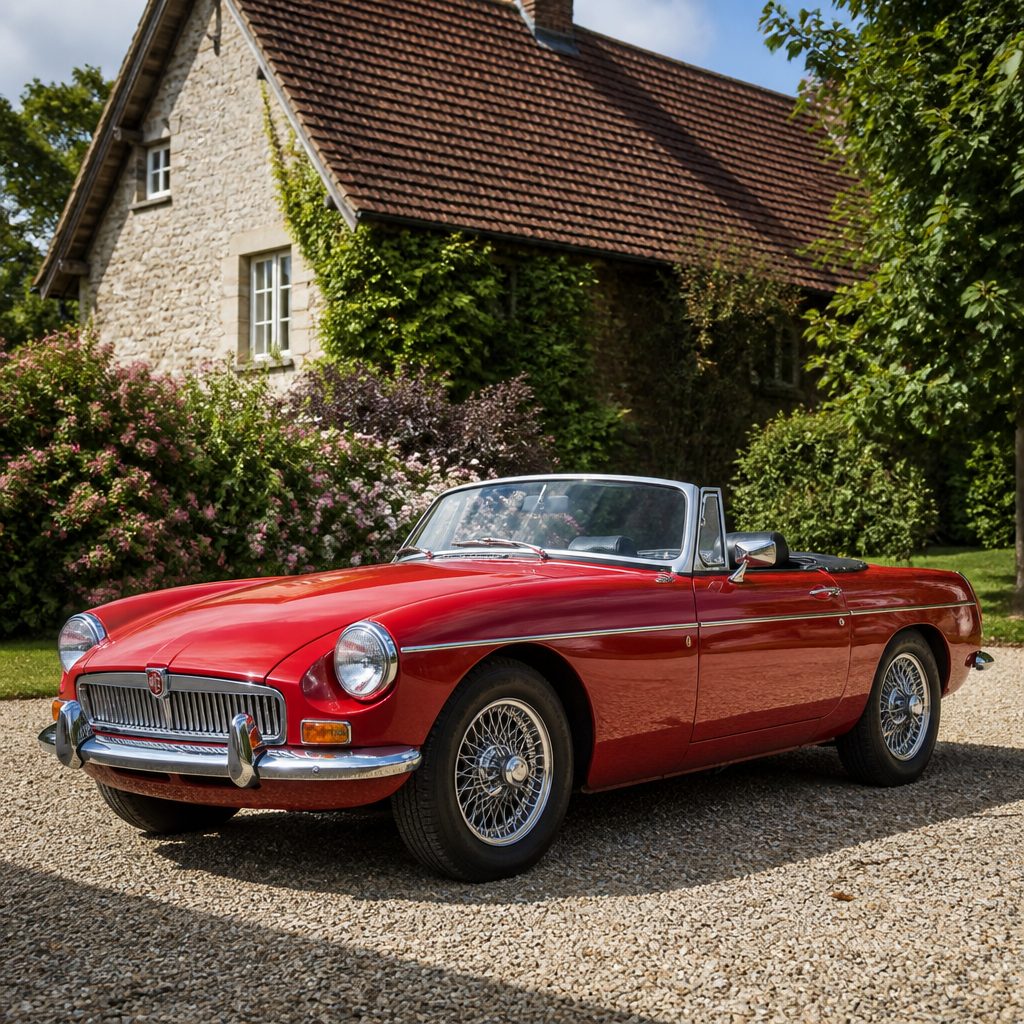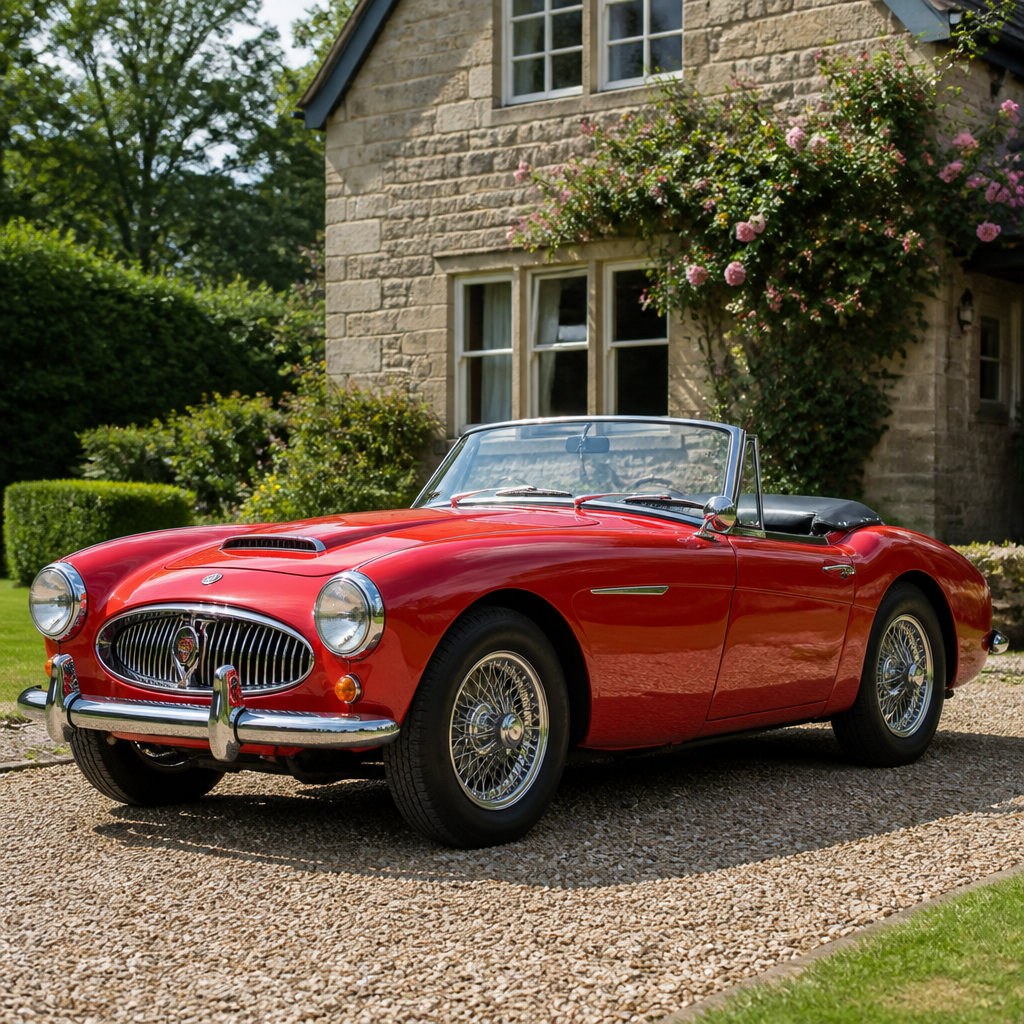
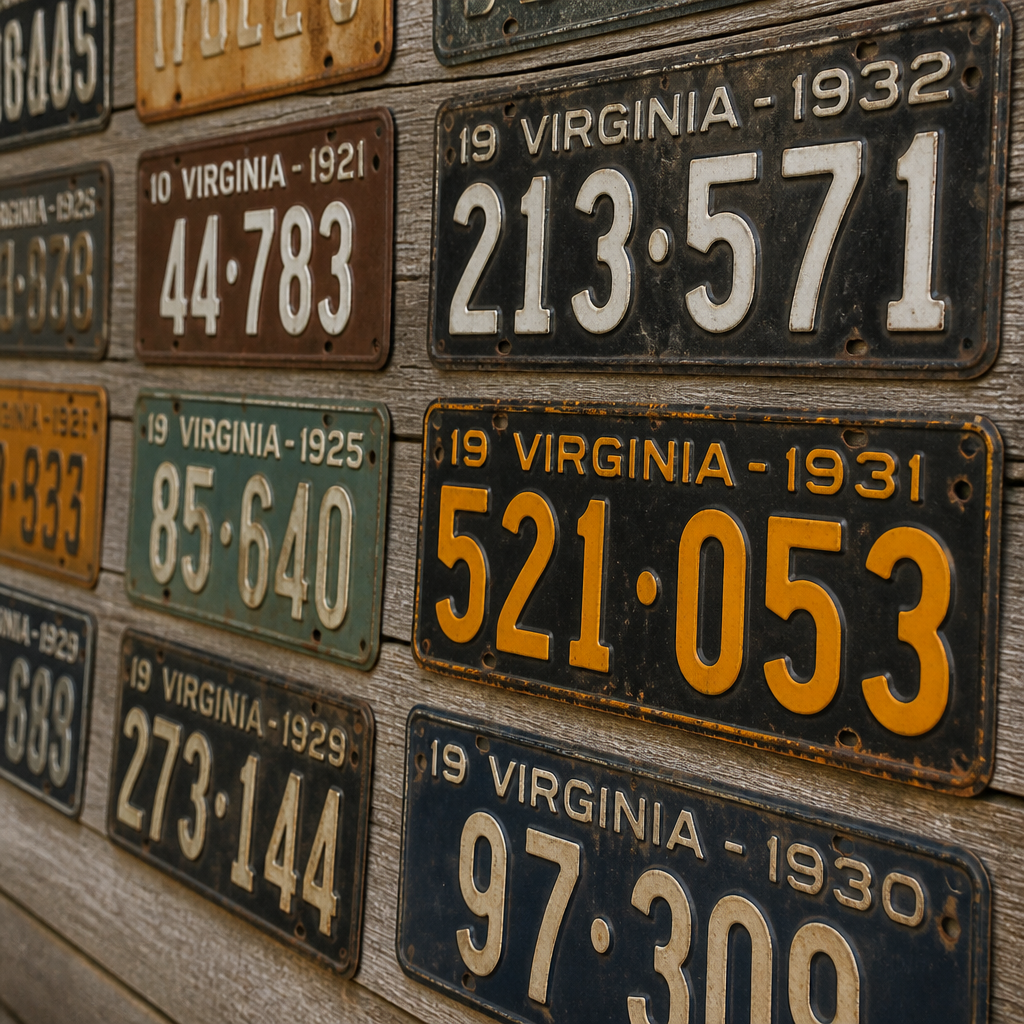
Antique license plates are special vehicle registration plates issued for older automobiles that qualify under a state’s age, use, and preservation rules. In classic car ownership, they sit at the intersection of registration, insurance, taxation, and legal road use, which is why understanding them is essential before buying, restoring, or driving an older vehicle. I have helped owners title barn finds, correct broken paper trails, and move cars from standard registration into antique or historic status, and the same confusion appears every time: people assume an old car simply becomes “antique” by age alone. In practice, antique license plates are governed by state law, usually through a motor vehicle code that defines a qualifying vehicle by age threshold, originality, intended use, and sometimes collector status.
The core term matters. An antique vehicle is not always the same as a classic, historic, collector, or vintage vehicle. States use these labels differently, and the registration category attached to each term controls what plate you receive, how often you renew it, and whether you can commute, run errands, or use the vehicle commercially. In many states, antique registration offers lower fees and less frequent renewals, but those benefits come with strict limits on mileage or purpose of use. Some states allow exhibition, club events, maintenance drives, and parades only. Others permit occasional pleasure driving. A few tie eligibility to model year or require the vehicle to be maintained as a collector item rather than a daily driver.
This matters because the wrong assumption can create legal and financial problems. If you register a car with antique plates and then use it for regular transportation, you may violate registration rules, invalidate agreed-value collector insurance terms, or face citations after an accident. Antique plates can also affect emissions testing, annual safety inspections, property tax treatment, and transfer paperwork. For owners building a long-term classic car plan, antique registration is a strategic decision, not just a cosmetic one. It influences how you title the car, insure it, store it, document modifications, and eventually sell it. As the hub for registration and legal requirements in classic car ownership, this guide explains what antique license plates are, who qualifies, how state rules differ, what benefits and restrictions apply, and how to choose the correct registration path with confidence.
How antique license plates are defined under state law
Antique license plates are state-issued registration plates for older vehicles that meet a legally defined age and use standard. The exact definition varies by jurisdiction, but most states set a minimum age of 20, 25, or 30 years. The age threshold usually runs from the vehicle’s model year, not the date of restoration or purchase. For example, in a state using a 25-year rule, a 1999 vehicle may qualify in 2024, while a 2001 vehicle does not. That sounds simple, yet the real legal distinction is not age alone. Statutes often add conditions stating that the vehicle must be maintained for exhibition, historical interest, educational use, or participation in club activities.
Some states create separate categories for antique, historic, and classic plates. Pennsylvania, for instance, distinguishes antique and classic registration based on age, condition, and the extent of modification. Virginia uses antique registration with broad age eligibility but pairs it with use restrictions that owners often overlook. Texas offers specialty registration paths tied to former military vehicles, classic passenger vehicles, and custom cars. These categories are not interchangeable. The title status remains the legal identity of the vehicle, while the plate class determines operational privileges. That distinction becomes important when an owner buys a restored Mustang, installs modern brakes and fuel injection, and assumes the car still qualifies under every historic category.
Another important concept is year-of-manufacture registration, often called YOM plates. In states that allow it, an owner may display an original plate from the vehicle’s model year once the plate number is approved and linked to the current registration record. YOM use is not the same as antique registration, though the two are often connected. A 1967 Chevrolet may wear approved 1967 plates while still being legally registered under an antique program. Owners like YOM plates for authenticity, but the underlying legal status still depends on current state registration rules, not the metal plate’s age.
Eligibility requirements: age, originality, title status, and documentation
To obtain antique plates, an owner typically must prove four things: the vehicle meets the age threshold, the applicant has valid ownership, the vehicle fits the registration class, and required supporting documents are complete. Ownership proof usually starts with a clean title in the applicant’s name, although some states accept older registrations, bonded titles, or court-ordered title corrections for vehicles with missing paperwork. In restoration cases, I have seen more delays caused by title defects than by mechanical issues. If a seller signed the title incorrectly, if the VIN on the frame differs from the paperwork, or if a decades-old out-of-state registration was never converted properly, the antique plate application may stop immediately.
Originality rules vary. Some states require the vehicle to be substantially maintained in factory-correct or period-correct condition. Others allow safety upgrades and modest modifications while still classifying the car as antique or historic. A stock 1955 Ford Fairlane usually presents no issue. A heavily modified 1955 Ford with a late-model drivetrain, altered frame, and custom bodywork may need street rod, reconstructed, or custom vehicle registration instead. That is why owners should read both the registration statute and any agency guidance notes, because the public-facing form often oversimplifies what the law actually requires.
Documentation can include photographs, odometer disclosure exceptions, proof of insurance, safety inspection records where applicable, and affidavits about intended use. Some motor vehicle agencies ask for front, side, and rear photos to verify condition. Others require certification that the vehicle will not be used for general transportation. If the vehicle came from a non-title state or from an estate, additional records such as probate documents or bills of sale may be required. The safest approach is to build a complete paper file before visiting the DMV or mailing an application.
| Requirement Area | What States Commonly Ask For | Why It Matters |
|---|---|---|
| Vehicle age | 20, 25, or 30 years from model year | Determines basic eligibility for antique registration |
| Ownership proof | Title, prior registration, bill of sale, VIN verification | Confirms lawful transfer and prevents fraud |
| Vehicle condition | Photos, inspection, originality statement | Separates antique vehicles from custom or reconstructed builds |
| Insurance | Liability coverage, sometimes collector policy details | Supports legal operation and may align with limited-use rules |
| Use certification | Affidavit for exhibitions, parades, maintenance drives | Establishes compliance with restricted-use statutes |
Benefits of antique plates and the tradeoffs owners must accept
The main benefits of antique license plates are lower registration costs, longer renewal periods, and administrative simplicity. Many states charge a one-time fee or offer multi-year registration instead of annual renewal. Some exempt antique vehicles from emissions testing, especially when the car predates modern onboard diagnostics. In several states, antique registration can also reduce or eliminate annual inspection requirements, though safety inspection exemptions are not universal. For owners with a well-maintained hobby vehicle that travels limited miles, these benefits save money and time every year.
There is also a practical ownership benefit that first-time collectors underestimate: antique registration creates a clean compliance framework for a car that is not used like a normal car. If your 1966 Cadillac leaves the garage for a local cruise night, club meet, occasional exercise drive, and a yearly show, standard registration may be more than you need. Antique plates align the legal status of the vehicle with its actual use. They can also support collector insurance underwriting because insurers such as Hagerty, Grundy, and American Collectors often expect limited, hobby-oriented use and secure storage.
The tradeoff is restriction. Antique plates are usually a privilege category, not a discount version of unrestricted registration. States may prohibit commuting, school runs, regular shopping trips, or business use. Some define permitted use narrowly; others leave room for “occasional pleasure driving,” which sounds flexible but can become ambiguous during enforcement. If you are stopped on a weekday morning in traffic heading toward your office, explaining that the drive is for maintenance may not persuade an officer or insurer. Owners should assume that antique registration is best for vehicles with another daily-use car available in the household.
Another tradeoff is resale and transfer planning. A buyer may love the antique plate on a car at auction, but plate transfer rules vary widely. In some states the plate stays with the owner, not the vehicle. In others, an approved YOM plate assignment cannot simply pass to the next buyer without new review. That means antique registration adds value mainly through lower operating costs and legal fit, not because the plate itself automatically transfers as an asset.
Use restrictions, inspections, insurance, and enforcement realities
Use restrictions are where antique registration becomes a legal compliance issue rather than a simple DMV form. States commonly permit travel to and from exhibitions, car club events, parades, service appointments, fuel stops related to those trips, and occasional drives necessary to maintain operability. Some specify testing, repair, and demonstration to prospective buyers. Others cap annual mileage directly or indirectly through insurance underwriting. If a statute uses broad language, agencies and insurers still look at the overall pattern of use. A vehicle parked daily at an office complex is hard to defend as occasional hobby use.
Inspection rules can be equally nuanced. Emissions exemptions are common for pre-OBD vehicles, but safety requirements may still apply. Lights, brakes, tires, horn, windshield wipers, and glass condition remain common enforcement points, even when annual inspection is waived. Antique does not mean roadworthiness standards disappear. I always advise owners to think beyond minimum legality: if a car cannot stop straight, hold fuel safely, and display clear lighting, it is not ready for public roads regardless of registration class.
Insurance deserves careful coordination. Collector policies often rely on stated storage conditions, limited annual mileage, driver eligibility, and proof that each licensed household driver has a regular-use vehicle. If your antique plate restricts use to shows and maintenance drives, but your insurance application says “occasional pleasure use,” you need those terms to align. After a claim, mismatched usage descriptions create avoidable friction. Keep copies of the registration statute, policy declarations, and any underwriting correspondence in the same file.
Enforcement is inconsistent but real. Some owners drive for years without issue; others face scrutiny after a traffic stop, parking complaint, or collision investigation. The key point is that compliance matters most when something goes wrong. An accident lawyer, insurer, or state investigator will not care that “everyone does it” if your registration class clearly prohibited the trip you were on.
How to apply, avoid common mistakes, and choose the right registration path
The application process usually starts with verifying title accuracy and reading your state’s exact antique, historic, or classic vehicle statute. Then confirm whether the car’s condition matches the category. Gather your title, insurance, photos, VIN verification if required, and any affidavit on intended use. If your state offers YOM plates, verify plate format eligibility before buying an expensive set online. Submit the application exactly as instructed, because small errors such as unsigned forms, mismatched VIN digits, or missing weight information can cause long delays.
Common mistakes are predictable. Owners apply before resolving title issues. They assume a modified vehicle still qualifies as antique. They ignore use restrictions because a seller told them the plates are “good forever.” They buy collector insurance without reading mileage and storage conditions. They also fail to plan across the broader ownership timeline. Registration interacts with sales tax, title branding, inspection schedules, local parking rules, and estate transfers. As the hub page for registration and legal requirements, this is the central principle: every compliance choice around a classic car should be made as a system, not one form at a time.
If you want maximum flexibility, standard registration may be the better choice even for an older car. If you want lower cost for a show vehicle with limited use, antique plates often make sense. If the vehicle is substantially altered, explore custom, street rod, or reconstructed categories. The right decision depends on how you will actually use the car, not on the cheapest fee.
Antique license plates are a legal registration class for older vehicles, not merely decorative tags for classic cars. They can lower costs, simplify renewals, and match the way hobby vehicles are really used, but they also impose real limits on driving, documentation, and insurance alignment. Age eligibility, title quality, originality, inspection rules, and intended use all shape whether antique registration is appropriate. Because states define antique, historic, classic, and collector vehicles differently, owners should rely on the exact statute and agency guidance in their jurisdiction rather than forum advice or seller claims.
The biggest benefit of understanding antique plates is avoiding expensive mistakes before they happen. When registration status, vehicle condition, and insurance terms are consistent, classic car ownership becomes easier to manage and far less risky. When they conflict, even a routine drive can create unnecessary exposure. Review your state DMV rules, compare them against how you truly plan to use the vehicle, and choose the registration path that fits both the law and your ownership goals.
Frequently Asked Questions
What is an antique license plate, and how is it different from a standard plate?
An antique license plate is a special registration plate issued for an older vehicle that meets a state’s legal requirements for age, condition, and intended use. In most states, the vehicle must be a certain number of years old—often 20, 25, or 30 years—and it usually must be maintained primarily as a collector, hobby, or exhibition vehicle rather than used as everyday transportation. That distinction is what separates antique registration from standard registration. A standard plate is designed for regular road use with few restrictions, while an antique plate is tied to a vehicle’s historic or collectible status and often comes with limitations on how, when, and why the car can be driven.
From a practical standpoint, antique plates can affect much more than the appearance of the car. They may change registration fees, renewal intervals, inspection requirements, emissions obligations, insurance expectations, and even tax treatment in some jurisdictions. Some states offer a one-time or long-term registration structure for antique vehicles, while others still require periodic renewals. Just as importantly, many states restrict antique-plated vehicles to parades, club events, maintenance drives, exhibitions, testing, and occasional pleasure use. That means an owner cannot assume an antique plate is simply a cheaper version of regular registration. It is a different legal category, and the vehicle owner has to understand the rules before putting the car on the road.
What qualifies a vehicle for antique license plates?
Eligibility usually comes down to three core issues: the vehicle’s age, its condition or preservation status, and the way it will be used after registration. Age is the easiest requirement to identify, but even that varies by state. One state may define an antique vehicle as 25 years old, another may use 20 years, and another may classify vehicles under labels such as antique, historic, collector, or horseless carriage. Because the terminology is not uniform, owners should always verify the exact category their state uses instead of relying on a general rule they found online or heard from another enthusiast.
Condition also matters. Some states require the vehicle to be substantially original, restored to period-correct condition, or preserved as a collectible automobile. Others are more flexible and focus mostly on age and use. If a vehicle has been heavily modified, it may still qualify in some places, but in others it may fit better under a classic, street rod, or custom registration category instead of antique registration. Use restrictions are often the deciding factor. A state may allow antique registration only if the vehicle is not used for commuting, routine errands, or general daily transportation. In other words, a 30-year-old car does not automatically qualify just because it is old. The owner may need a clean title, proof of insurance, photographs, affidavits, inspection forms, and supporting records showing the vehicle belongs in a collectible registration class.
What are the benefits and drawbacks of registering a car with antique plates?
The biggest advantages are usually lower registration costs, a registration class tailored to collector ownership, and in some states reduced inspection or emissions requirements. For many enthusiasts, antique registration also better matches the vehicle’s actual use. If the car comes out for weekend events, club gatherings, seasonal drives, and occasional maintenance runs, an antique plate may make far more sense than maintaining full standard registration. It can also help align the vehicle with agreed-value or collector-car insurance, which often assumes limited annual mileage and hobby use rather than daily driving. In short, antique registration can simplify ownership and lower ongoing costs when the vehicle truly functions as a collectible.
The drawbacks are just as important. Antique plates usually come with restrictions, and those restrictions can create real legal and insurance problems if the owner treats the car like a normal daily driver. A plate that saves money may also limit commuting, unrestricted mileage, nighttime use in some cases, or operation outside specific hobby-related purposes. If a vehicle is in an accident while being used in a way that violates registration or insurance terms, the consequences can extend beyond a traffic citation. There may be coverage disputes, questions about lawful operation, or issues during a claim investigation. That is why owners should think of antique plates as a status with responsibilities, not just a discount. The right choice depends on how the car will actually be used, not just how old it is.
Can you legally drive a car with antique license plates every day?
Usually, no—or at least not without risk. In most states, antique registration is not intended for unrestricted everyday use. The exact wording varies, but the permitted uses commonly include exhibitions, tours, club activities, parades, occasional pleasure driving, and travel related to repairs, maintenance, testing, or storage. Daily commuting to work, regular school drop-offs, routine shopping, or using the vehicle as your primary transportation often falls outside what antique registration was designed to allow. Some states phrase the restrictions broadly, while others spell them out in detail. Either way, the owner should read the statute, administrative rule, or DMV guidance carefully rather than relying on assumptions.
This issue matters because “everyone does it” is not a legal defense. If the car is stopped, involved in a crash, or reviewed during an insurance claim, the actual use of the vehicle can become very important. A collector policy may also contain mileage or use limits that mirror the registration category. If you want to drive the vehicle frequently and without purpose-based restrictions, standard registration may be the safer and cleaner option even if it costs more. Owners should match the registration type to real-world use, not idealized hobby use. If there is any doubt, it is worth confirming the rules with the state motor vehicle agency and the insurer before relying on antique plates for broad road use.
What paperwork and legal issues should owners expect when applying for antique license plates?
Owners should expect the application process to revolve around title status, proof of ownership, insurance, identity documents, and evidence that the vehicle meets the state’s antique requirements. In a straightforward case, that may mean submitting a valid title, registration application, proof of insurance, odometer or vehicle information forms if required, and the antique plate application itself. Some states also require photographs of the vehicle, a statement describing its intended use, or certification that it will not be operated as general transportation. If the owner wants to use a year-of-manufacture plate or a historically appropriate original plate, there may be a separate approval process to confirm that the plate is authentic, legible, and not already in active use.
The legal complications usually arise when the vehicle has a broken paper trail. That is common with barn finds, inherited cars, project vehicles bought decades ago, or older cars that changed hands informally without proper title transfers. Before antique registration is even possible, the owner may need to resolve title defects, probate issues, VIN discrepancies, old liens, missing assignments, or out-of-state documentation problems. In some cases, the vehicle may need a VIN inspection or a bonded title process before it can be registered in any category at all. This is why antique plates should be seen as the final step in a larger compliance process, not the first one. A collector vehicle can be mechanically perfect and still not be legally ready for the road until the ownership documents, registration class, and insurance all line up correctly.