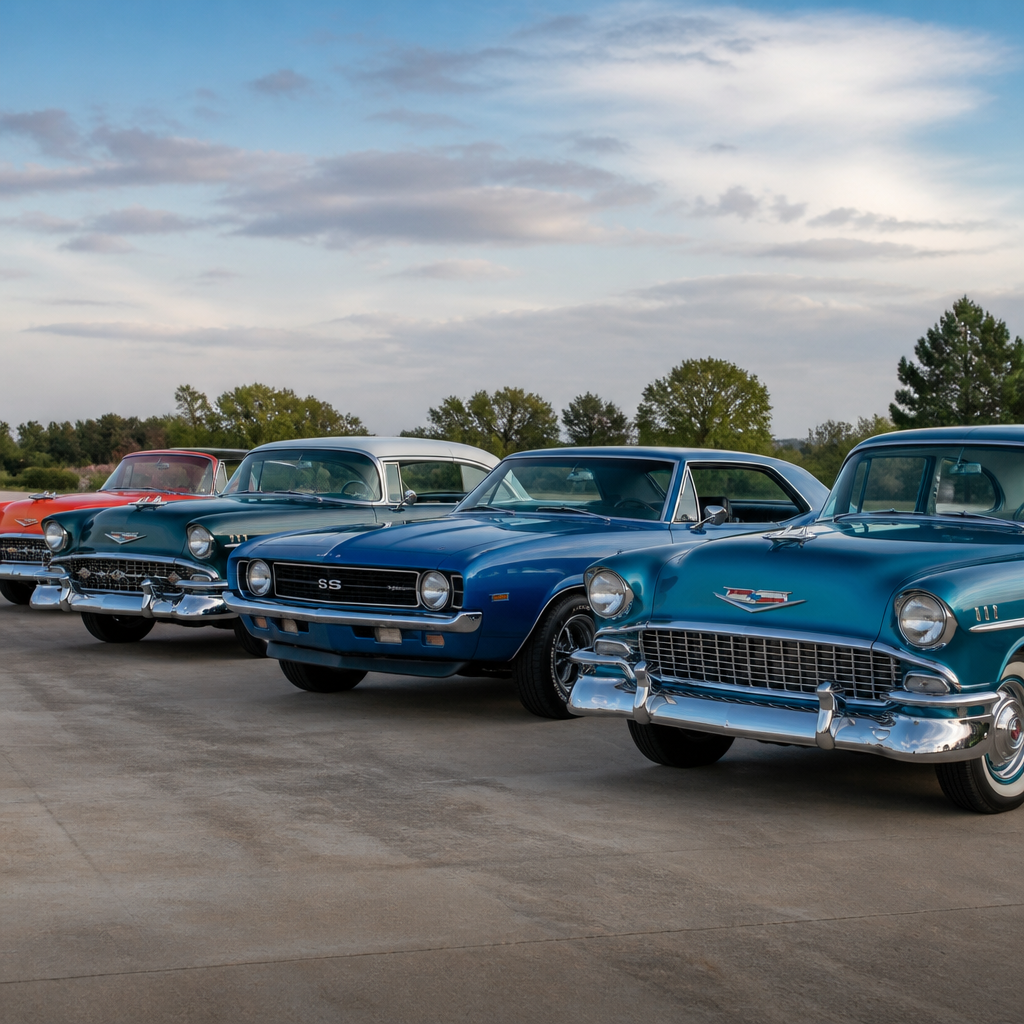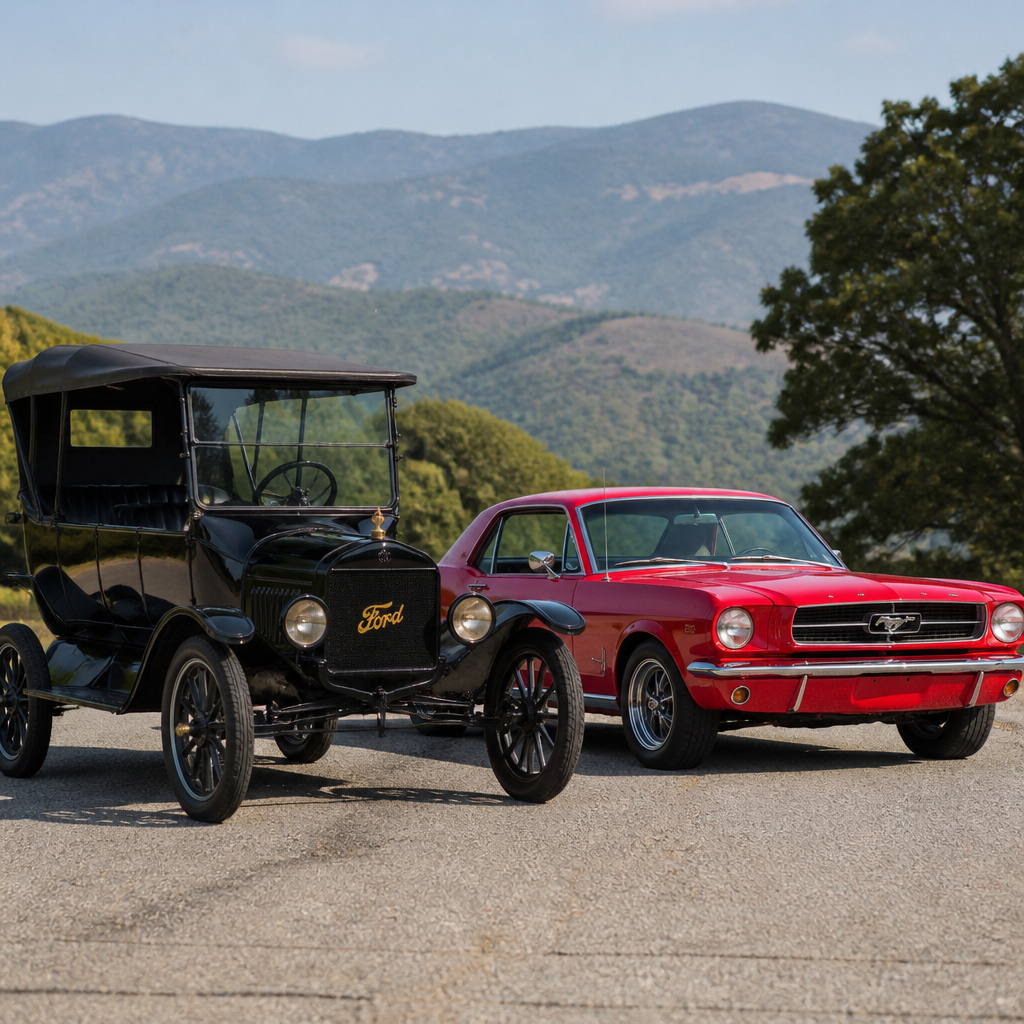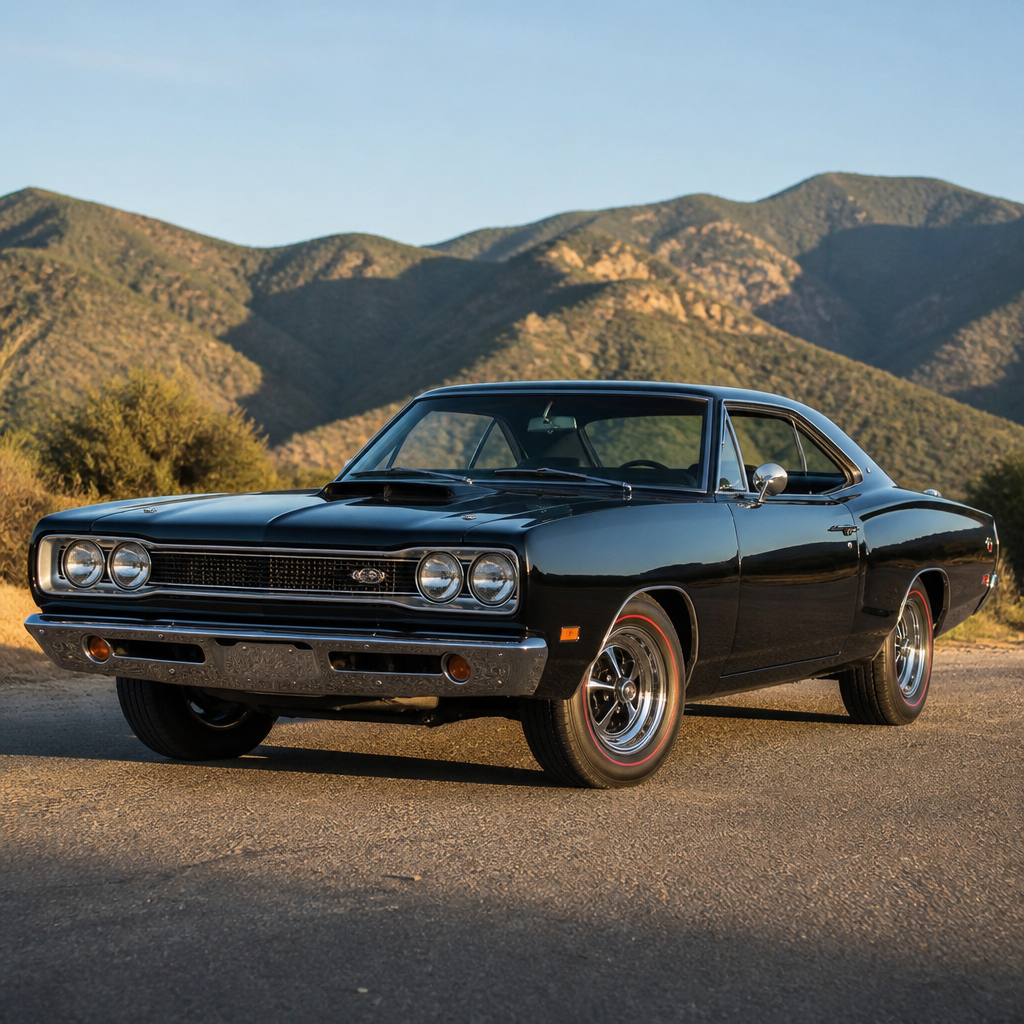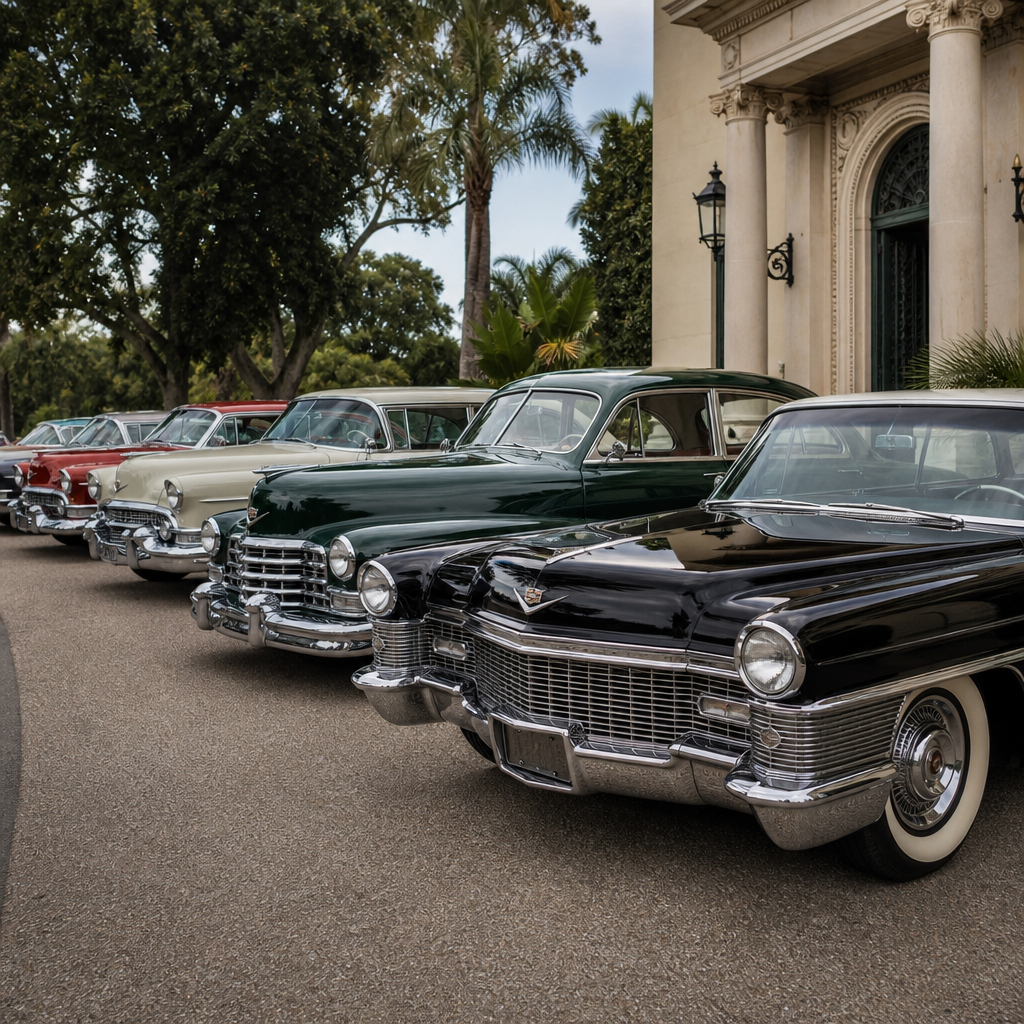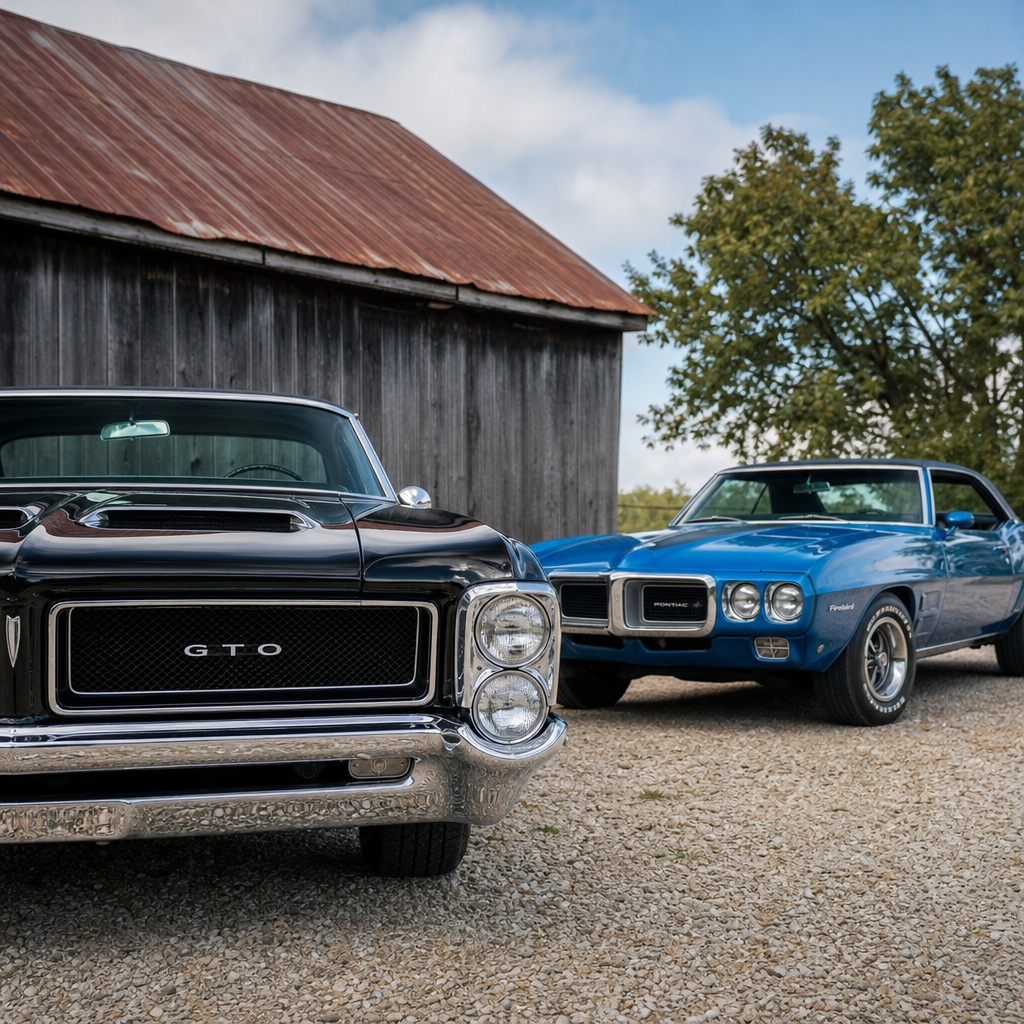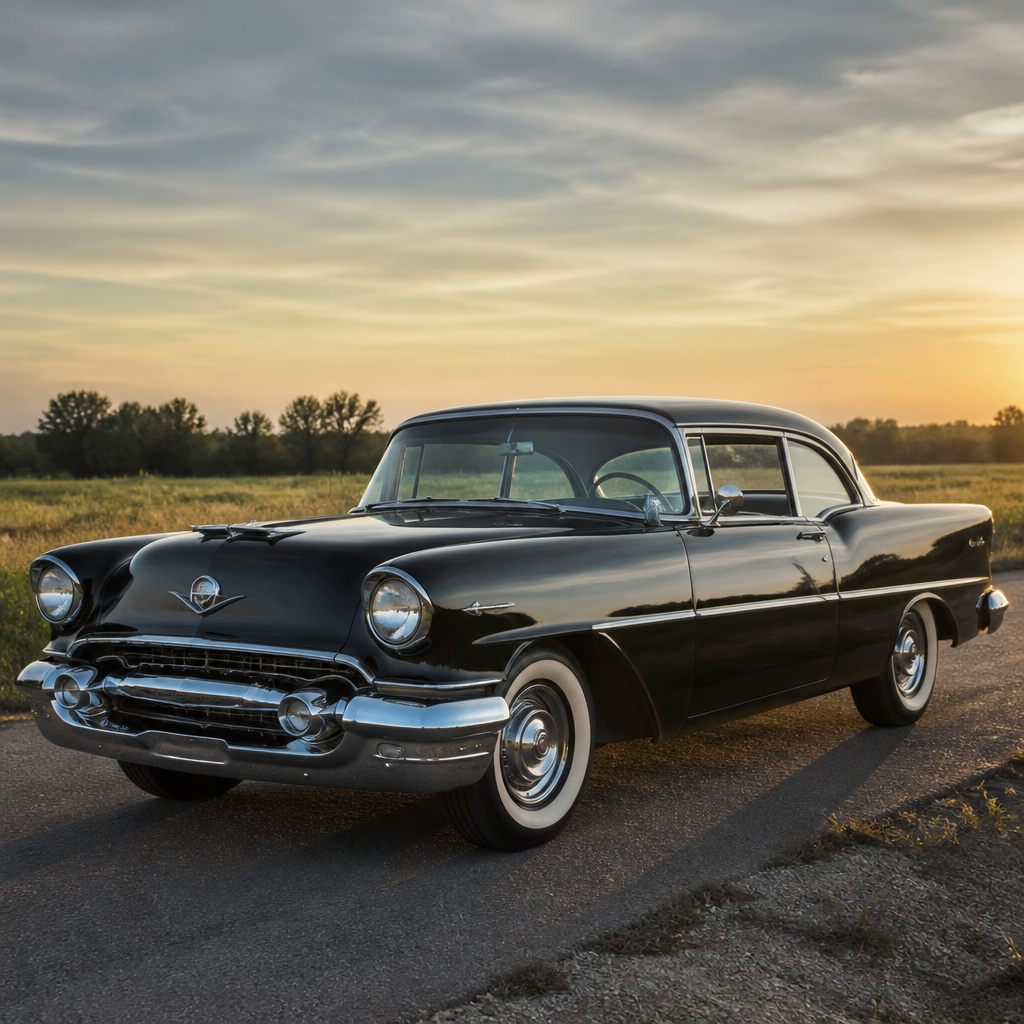
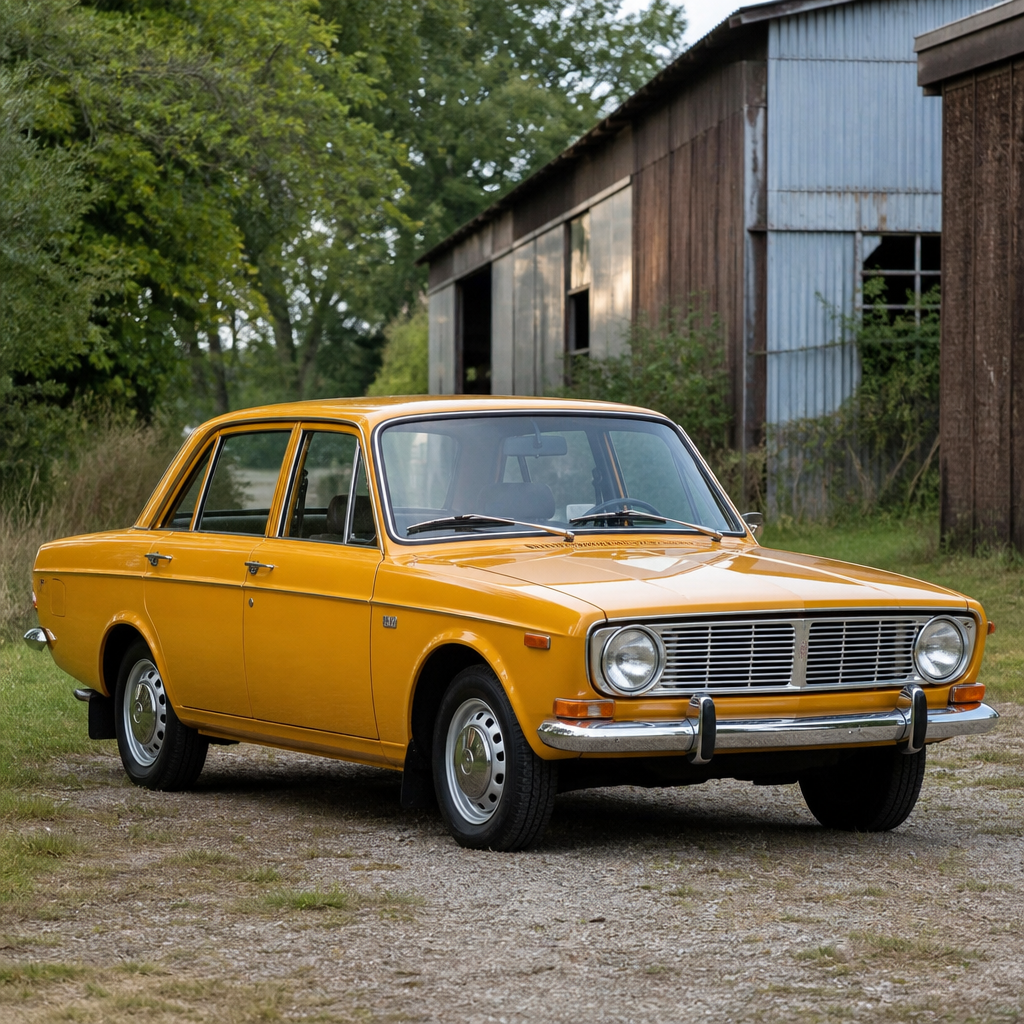
The best budget-friendly classic cars no one talks about are rarely the headline auction stars, yet they often deliver the strongest mix of style, mechanical simplicity, and attainable ownership. In the classic car world, “budget-friendly” usually means more than a low purchase price. It also includes parts availability, insurance costs, ease of home maintenance, and the likelihood that a car can be enjoyed without a six-figure restoration budget. “Underrated classics” are the models overshadowed by more famous rivals: the cars parked in the next row from the Mustang, Camaro, 911, or E-Type, often ignored despite offering comparable character.
I have spent years around driver-grade classics, club events, and private sales, and the pattern is consistent. Buyers chase familiar nameplates, while less celebrated models remain accessible longer. That matters because the entry point to classic car ownership has shifted. As air-cooled Porsches, early Broncos, and first-generation muscle cars moved sharply upward in value, newcomers started looking for alternatives that still provide analog steering feel, chrome-era styling, and straightforward engineering. The good news is that the market still contains excellent choices hiding in plain sight.
This hub article covers underrated classics comprehensively by focusing on the cars that offer genuine value, why they stay overlooked, and how to evaluate them intelligently. It is designed as a starting point for deeper research across the broader Classic Car Models & Brands topic, especially if you are comparing coupes, sedans, wagons, personal luxury cars, and smaller sports cars. If you want an affordable entry into vintage motoring without buying something disposable or obscure beyond support, these are the models worth understanding first.
The key idea is simple: popularity and quality are not the same thing. Some of the best budget-friendly classic cars come from strong brands and proven platforms, but they lack a halo image. That gap creates opportunity for buyers who value usability over bragging rights. Below are the categories, models, and buying principles that separate a cheap old car from a smart classic purchase.
What Makes an Underrated Classic a Smart Buy
An underrated classic becomes a smart buy when it combines three things: low relative demand, solid mechanical support, and a driving experience that still feels distinct today. Many buyers focus almost entirely on badge prestige, but long-term satisfaction usually comes from use. Can you source brake parts easily? Is the engine shared with higher-volume models? Do trim pieces exist through clubs, specialists, or donor cars? Is the car welcome at local events even if it is not blue-chip? Those practical questions matter more than auction hype.
Cars stay underrated for predictable reasons. Sometimes they were built in large numbers, which suppresses scarcity. Sometimes they were marketed as “personal luxury” instead of pure performance, so they never gained hero status. In other cases, they arrived at the wrong time, such as the emissions era of the 1970s, and their reputation froze even though many remain pleasant cruisers now. I regularly see buyers dismiss entire decades without distinguishing between genuinely compromised models and durable, enjoyable survivors.
The best overlooked examples tend to sit one step away from the icon. Think Mercury instead of Ford, Oldsmobile instead of Chevrolet, Plymouth instead of Dodge, or Volvo instead of a German premium coupe. That relationship often means shared components and easier service while values remain lower because the public fixates on the more famous sibling. For anyone building a shortlist of underrated classics, this is one of the strongest patterns in the market.
American Coupes and Sedans That Deserve More Attention
Among American classics, the 1965–1973 Mercury Cougar is one of the clearest value plays. Early Cougars share much with the first-generation Mustang, yet they usually trade at lower prices in equivalent condition. The styling is cleaner and more mature, with hidden headlamps and a longer-wheelbase feel that suits touring. Small-block V8 parts are abundant, trim support is decent through specialists, and the car has enough enthusiast backing to avoid orphan status. If an early Mustang has become too expensive, a Cougar often provides the same era, much of the same hardware, and a noticeably calmer market.
The 1968–1972 Oldsmobile Cutlass and Cutlass Supreme also deserve stronger attention. Chevelle values pulled many GM A-body shoppers upward, but the Cutlass remains a practical route into the same general formula of rear-wheel drive, V8 power, and broad parts support. In my experience, these cars strike an unusually good balance between comfort and mechanical familiarity. They are not as relentlessly chased as SS-badged Chevrolets, which is exactly why driver-quality examples can still make sense.
Another forgotten winner is the 1971–1976 Dodge Dart and Plymouth Duster family, especially slant-six and small-block V8 cars. These models are simple, compact by classic Detroit standards, and mechanically durable. The slant-six has a deserved reputation for longevity, while 318-powered versions offer easy ownership without the premium attached to big-block Mopars. They are excellent choices for buyers who want an honest classic they can drive regularly rather than preserve under a cover.
Do not ignore full-size and near-luxury domestic models either. A 1960s Buick LeSabre, Pontiac Catalina, or Chrysler Newport can be remarkably affordable because the market privileges muscle and convertibles. Yet these larger cars often have strong road presence, relaxed highway manners, and robust drivetrains. Storage space, fuel use, and sheer size are tradeoffs, but if you want chrome-era style per dollar, few categories beat big American coupes and sedans.
European Bargains Beyond the Usual Icons
European classics are often assumed to be expensive, but that is only partly true. The trick is avoiding the obvious poster cars and focusing on models with solid engineering and club support. Volvo’s 1800ES and later 240 two-door models are prime examples. The 1800ES is no secret among informed enthusiasts, yet it still lives in the shadow of more glamorous GT cars. The 240 coupe and two-door sedan, meanwhile, offer boxy charm, exceptional parts availability, and some of the toughest drivetrains of the era.
The Mercedes-Benz W123 coupe and sedan remain some of the smartest traditional classics for practical owners. Diesel versions, especially the 240D and 300D, are celebrated for durability, while gasoline cars can be smoother and easier to live with in some markets. These cars were engineered to a standard few manufacturers matched in the 1970s and 1980s. Rust is the primary threat, along with deferred vacuum-system maintenance, but a solid W123 still feels substantial and usable in modern traffic.
For drivers who want something lighter, the Triumph Spitfire and MG Midget can still make sense if bought honestly. They are not rare, not especially fast, and not as valuable as bigger British sports cars, which is exactly the appeal. Parts supply is deep, communities are active, and the mechanical layout is approachable for home restorers. Their limitation is comfort and crash protection, so they work best as fair-weather hobby cars rather than all-purpose classics.
Another often-missed category is the 1970s and 1980s Alfa Romeo transaxle car, especially the Alfetta and Milano. These cars demand informed buying because maintenance history matters, but they offer steering feel and chassis balance that modern cars rarely replicate. They remain overshadowed by earlier Alfas, which keeps prices more approachable when rust and neglect are controlled.
Japanese Classics Still Under the Radar
The affordable Japanese classic market has tightened, but several models remain undervalued relative to their quality. The first is the Toyota Celica liftback and coupe from the 1970s and early 1980s. Celicas have the right proportions, strong reliability heritage, and excellent owner support, yet they are still cheaper than similarly styled Datsun Z cars. Four-cylinder cars may lack headline performance, but they are light, durable, and easy to enjoy on ordinary roads.
The Mazda RX-7, especially early FB models, is another standout. Rotary maintenance scares off some buyers, which is why values have stayed comparatively reasonable outside exceptional survivors. A properly maintained rotary is not mysterious; it simply requires correct tuning, good compression, and owners who understand warm-up behavior and oil consumption. The payoff is low weight, sharp steering, and a driving character unlike piston-engine rivals.
Do not overlook the Datsun 510’s less glamorous relatives, such as the 710 or B210, when found unmodified. The 510 rightly became collectible, but smaller Datsuns still deliver period Japanese simplicity and strong club knowledge. Likewise, the second-generation Honda Prelude remains one of the most interesting front-drive classics available on a sensible budget. It combines precise controls, excellent visibility, and a design language that is becoming harder to find in unaltered condition.
| Model | Why It Stays Affordable | Key Strength | Main Watchout |
|---|---|---|---|
| Mercury Cougar | Overshadowed by Mustang | Shared parts and elegant styling | Rust and hidden trim costs |
| Oldsmobile Cutlass | Chevelle gets the attention | GM A-body support | Clone and badge confusion |
| Mercedes W123 | Seen as old transport, not a trophy | Durability and usability | Rust and vacuum issues |
| Toyota Celica | Z-car market steals demand | Reliability and balanced styling | Rust and missing interior pieces |
| Mazda RX-7 FB | Rotary reputation limits buyers | Lightweight handling | Poor compression from neglect |
How to Buy Without Turning a Bargain into a Money Pit
The fastest way to lose money on an underrated classic is to confuse low price with low total cost. Condition beats rarity nearly every time in this segment. A complete, running, rust-minimal car with ordinary paint is usually a better purchase than a glamorous project missing trim, glass, or interior-specific parts. Mechanical repairs are often manageable; bodywork and trim restoration are what destroy budgets. I tell first-time buyers to inspect the shell before falling in love with the badge.
Start with rust mapping. Check lower fenders, rocker panels, floor pans, trunk wells, windshield surrounds, battery trays, and rear window corners. Use a magnet carefully where filler is suspected. Look for mismatched undercoating, fresh seam sealer, and bubbling around trim clips. Then confirm driveline basics: compression, oil pressure where applicable, transmission shift quality, brake feel, cooling-system behavior, and charging voltage. On carbureted cars, rough cold starts are not automatically serious, but inconsistent idle after warming can indicate vacuum leaks or tired ignition components.
Documentation matters even for cheap classics. A folder showing past registration, service receipts, and known ownership history can save thousands in diagnostic time. Join model-specific clubs before buying, not after. The best communities maintain buyer’s guides, interchangeable-parts lists, and registries of trusted suppliers. Resources such as the Hagerty Price Guide, Hemmings classifieds, Bring a Trailer results, and marque forums help establish realistic values, but always compare cars by condition level rather than headline asking prices.
Finally, buy for the way you will actually use the car. Weekend cruising, local shows, family drives, and light touring each favor different models. If you need easy entry, power brakes, and highway composure, a compact British roadster may disappoint. If you want nimble back-road fun, a giant 1960s coupe can feel detached. The best budget-friendly classic is the one you can maintain, store, insure, and enjoy consistently.
Why This Subtopic Matters for the Wider Classic Car Hobby
Underrated classics matter because they keep the hobby open. When every conversation centers on rising auction prices, people assume meaningful ownership is out of reach. In reality, many lesser-known coupes, sedans, and sports cars still offer authenticity without speculative pricing. They also preserve automotive diversity. If enthusiasts buy only the most famous models, the historical record narrows, and entire branches of design and engineering fade from view.
This hub exists to organize that overlooked landscape. From here, readers can branch into deeper guides on budget American intermediates, overlooked European touring cars, forgotten Japanese coupes, practical classic wagons, and model-specific buying checklists. The main benefit is confidence: once you understand why certain classics stay affordable and how to inspect them properly, you can shop with discipline instead of chasing myths. Start by building a shortlist, study parts support and rust patterns, and then inspect the best-condition examples you can find. The smartest classic buy is usually the one nobody in the room thought to mention first.
Frequently Asked Questions
What makes a classic car truly budget-friendly beyond the purchase price?
A genuinely budget-friendly classic car is not simply one with a low asking price. In practice, affordability is determined by the full ownership picture: replacement parts, labor demands, insurance rates, fuel needs, storage concerns, and how easy the car is to maintain at home. A cheap classic can become expensive very quickly if it needs rare trim pieces, model-specific mechanical parts, or specialist restoration work that only a handful of shops can handle. That is why experienced enthusiasts look at total cost of ownership, not just the number on the windshield.
Some of the best overlooked classics stay affordable because they were produced in decent numbers, share components with more common models, and use relatively simple engineering. Cars with carbureted inline-sixes, small-block V8s, or straightforward rear-wheel-drive layouts are often easier and cheaper to keep on the road than low-production models with unusual drivetrains or hard-to-source electronics. Insurance can also be surprisingly reasonable on lesser-known classics because they may not carry the high market values of headline collector cars. In other words, the smartest budget buys are often the cars that let you spend more time driving and less time chasing impossible parts or funding a never-ending restoration.
Why are some classic cars considered underrated even if they are good-looking and enjoyable to own?
Many underrated classics live in the shadow of more famous siblings, rivals, or halo models. A car might be handsome, durable, and rewarding to drive, but if it was sold next to a higher-performance version or launched in an era dominated by a bigger automotive legend, it can be overlooked for decades. This happens often with base-engine coupes, mid-level trims, and cars from brands that do not get as much collector attention as the obvious names. Enthusiasts tend to focus on the dream versions, while perfectly usable and attractive alternatives remain under the radar.
Market perception also plays a huge role. Collector demand is often driven as much by nostalgia, status, and auction visibility as by objective quality. If a model was never heavily promoted as an icon, it may never develop the inflated pricing seen elsewhere. That is actually good news for buyers who value real-world enjoyment over bragging rights. An underrated classic can offer period styling, analog driving feel, mechanical honesty, and solid parts support without the premium attached to better-known badge names. These are often the cars savvy buyers seek out because they represent value in a market where attention can distort pricing.
How can I tell whether an affordable classic is a smart buy or a future money pit?
The key is to separate cosmetic charm from structural and mechanical reality. A smart buy usually has strong bones: solid frame or unibody condition, manageable rust, complete trim, and a drivetrain that either runs well or can be rebuilt economically. A money pit, on the other hand, often looks tempting because of a low purchase price but hides expensive rust repair, missing model-specific parts, poor previous restoration work, or electrical problems that take endless hours to sort out. Rust is especially critical because body and structural repairs can quickly exceed the value of many budget classics.
Before buying, inspect the floors, trunk, lower fenders, rocker panels, suspension mounting points, and any known weak spots for that model. Confirm that hard-to-find trim, glass, interior pieces, and badging are present, because these are often more difficult to replace than engines or brakes. Ask whether the car has documentation, maintenance records, and evidence of recent work such as fuel system service, brake overhaul, cooling system repairs, and ignition updates. If possible, get a pre-purchase inspection from a shop familiar with older cars. The best budget-friendly classic is not the cheapest one listed online; it is the most complete and mechanically honest example you can afford.
Are lesser-known classic cars harder to find parts for and maintain?
Not always. In fact, many underappreciated classics are easier to maintain than their reputation suggests, especially if they share engines, transmissions, brakes, or suspension components with more common vehicles from the same manufacturer. That kind of parts interchangeability is one of the biggest advantages in the affordable classic market. A lesser-known coupe or sedan may not have endless reproduction body panels available, but if its core mechanicals were widely used, routine maintenance can remain simple and cost-effective for years.
The real difference usually comes down to separating mechanical parts from cosmetic parts. Mechanical items such as filters, belts, hoses, ignition components, water pumps, and brake hardware are often obtainable through specialist suppliers, enthusiast forums, and vintage parts networks. Cosmetic pieces like trim moldings, grille inserts, seat fabrics, and model-specific interior panels can be harder to source. That does not necessarily make the car a bad choice; it just means buyers should prioritize complete cars over heavily incomplete projects. For someone comfortable with basic home maintenance, an underrated classic with sturdy mechanicals and a strong owner community can be one of the most practical ways into vintage car ownership.
What should a first-time buyer focus on when choosing a budget-friendly classic no one talks about?
A first-time buyer should focus on condition, support, and usability rather than rarity alone. It is easy to be drawn to an unusual badge or obscure model, but the better starter classic is usually one that starts easily, stops confidently, has decent parts support, and can be driven regularly without drama. Look for a car with a healthy engine, predictable transmission behavior, solid brakes, stable cooling system performance, and minimal rust. You want something that lets you learn the classic car experience gradually instead of forcing you into a full restoration from day one.
It also helps to choose a model with a knowledgeable community behind it. Owner groups, forums, parts vendors, and service literature make a major difference, especially for first-time buyers. A well-supported but overlooked classic can teach you basic maintenance, help you build confidence, and keep costs under control. Think about how you plan to use the car as well. A weekend cruiser, local show car, and occasional back-road driver all have different needs. If you buy with realism, prioritize completeness over hype, and leave room in the budget for immediate maintenance after purchase, an underrated classic can be one of the most enjoyable and financially sensible entries into the hobby.