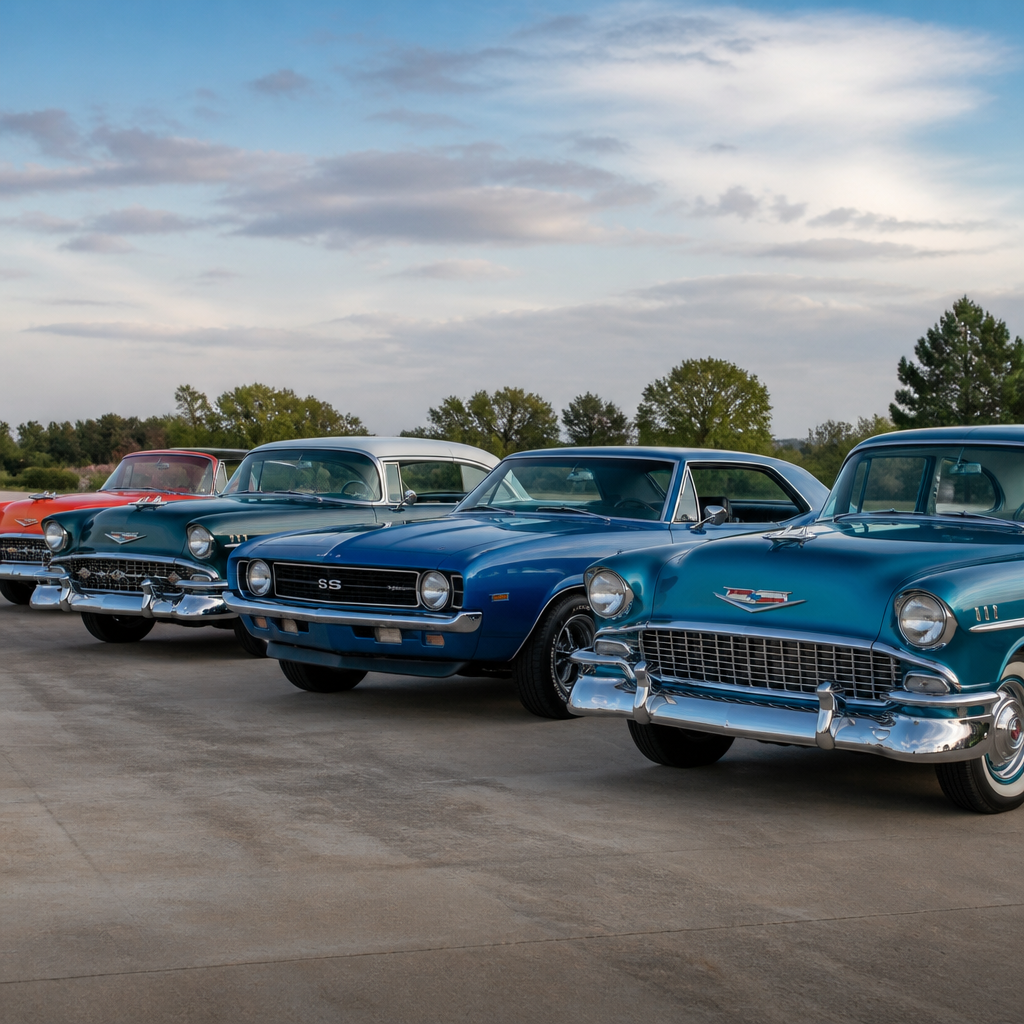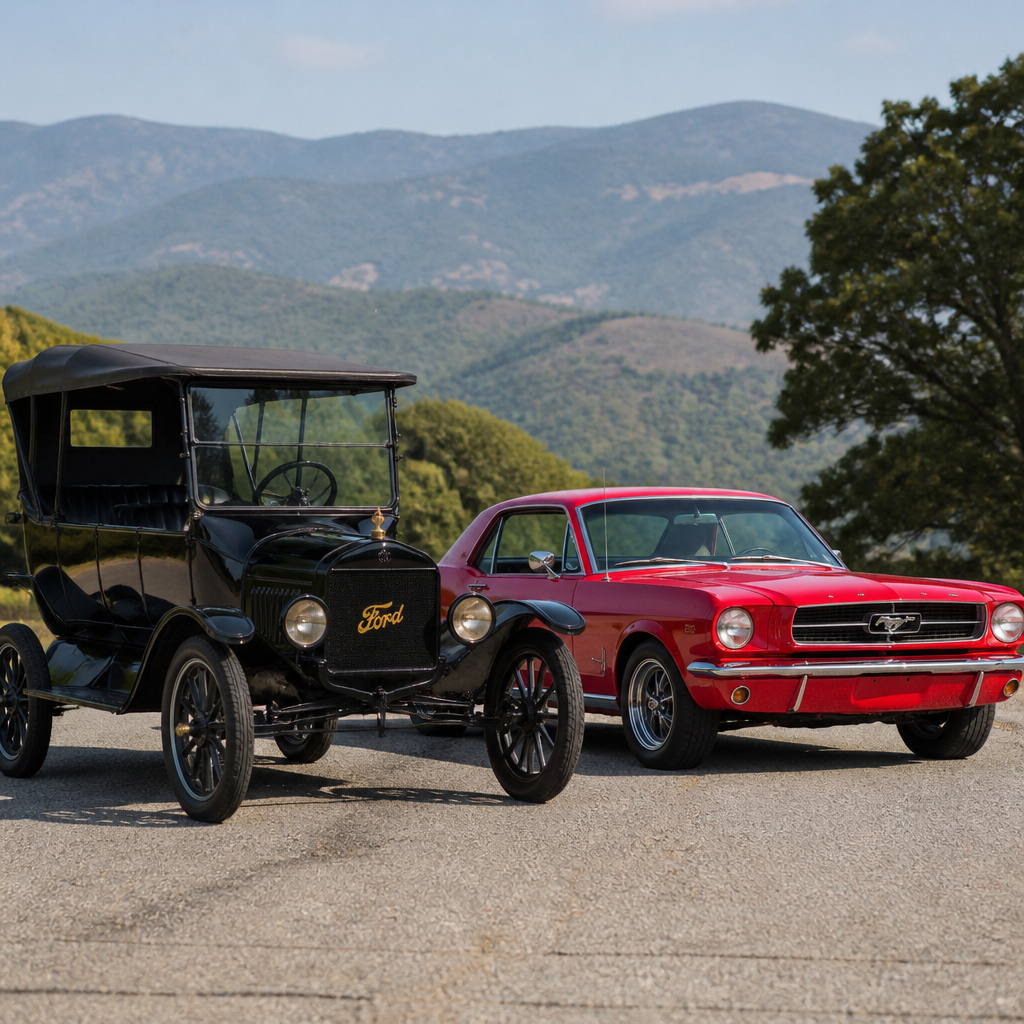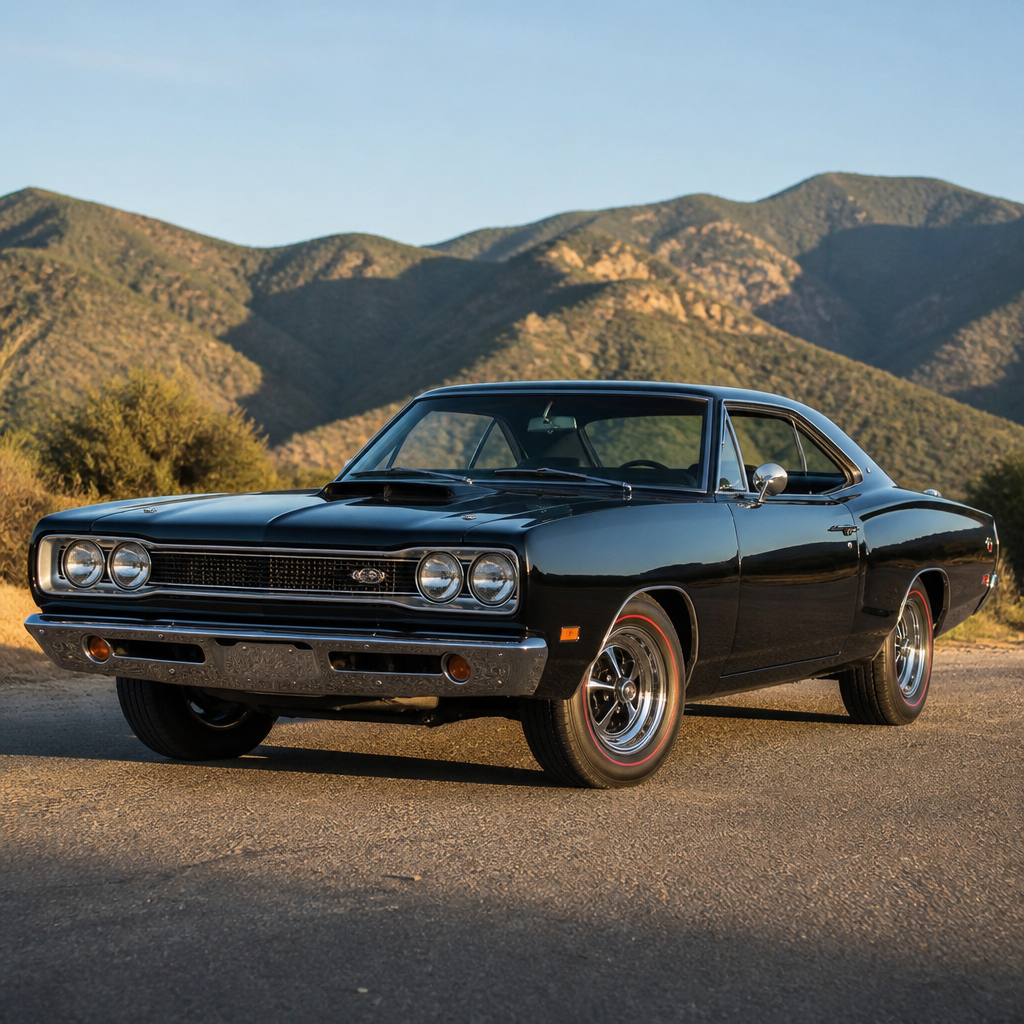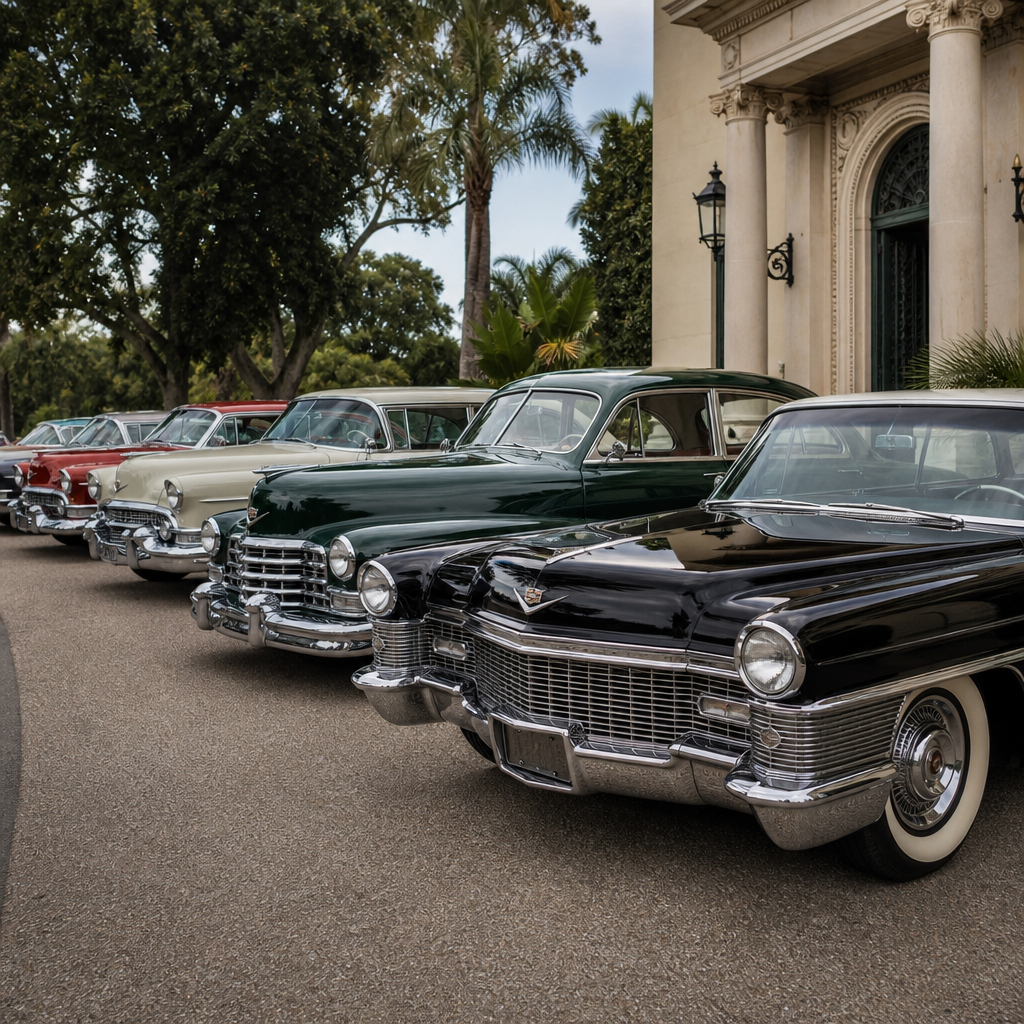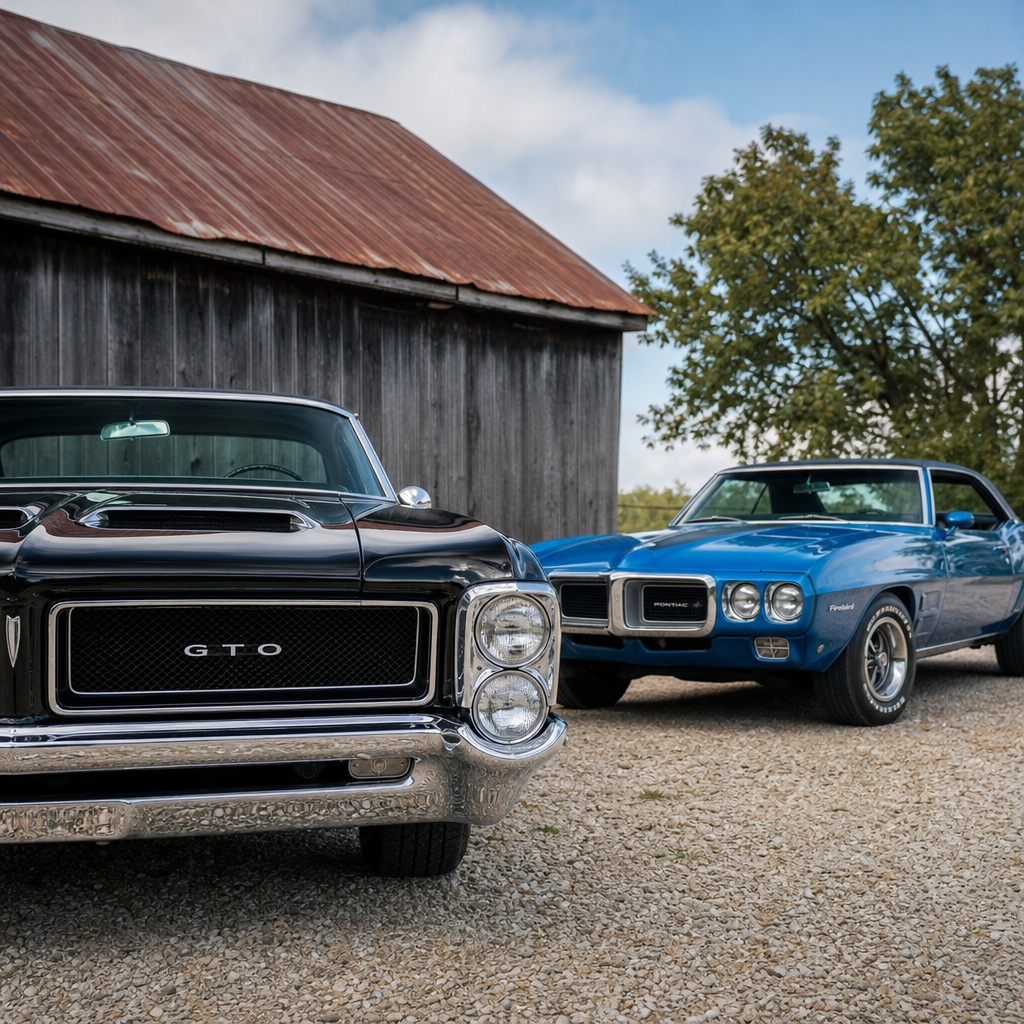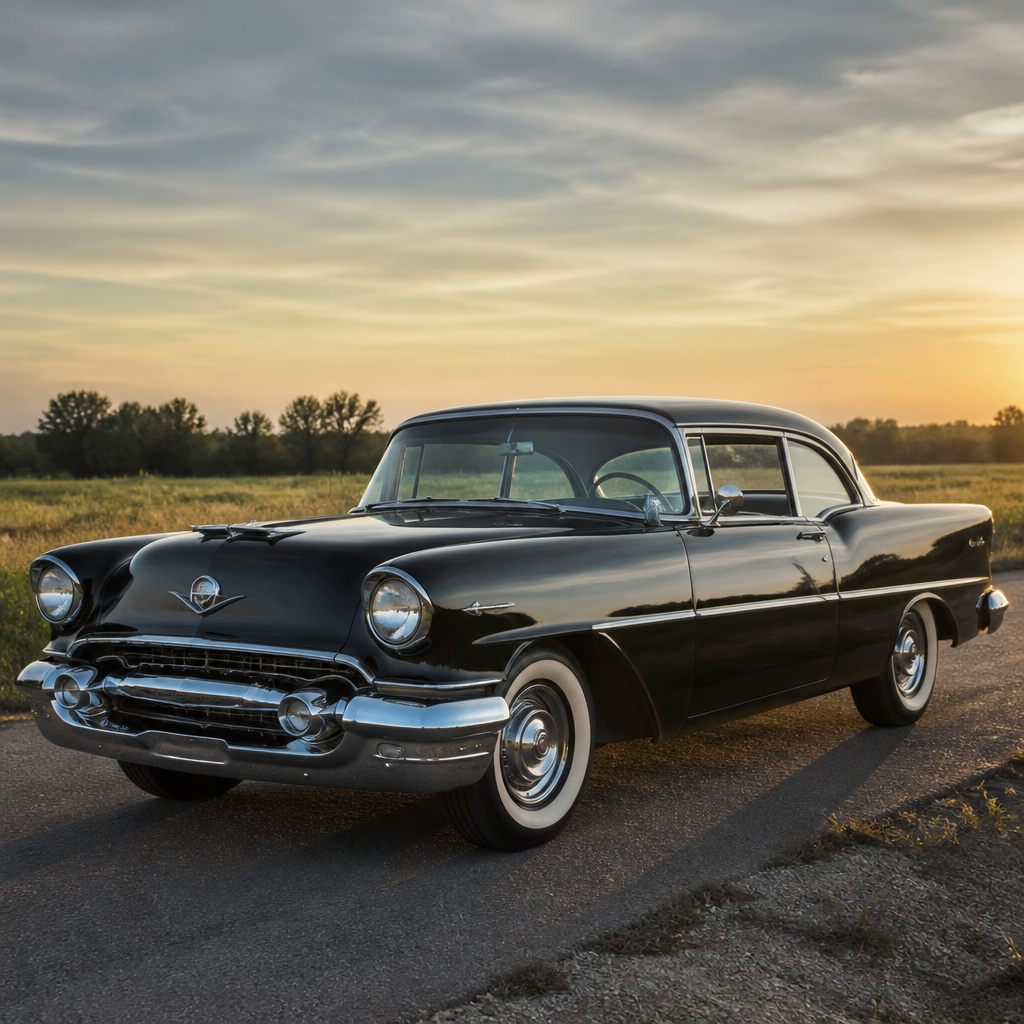
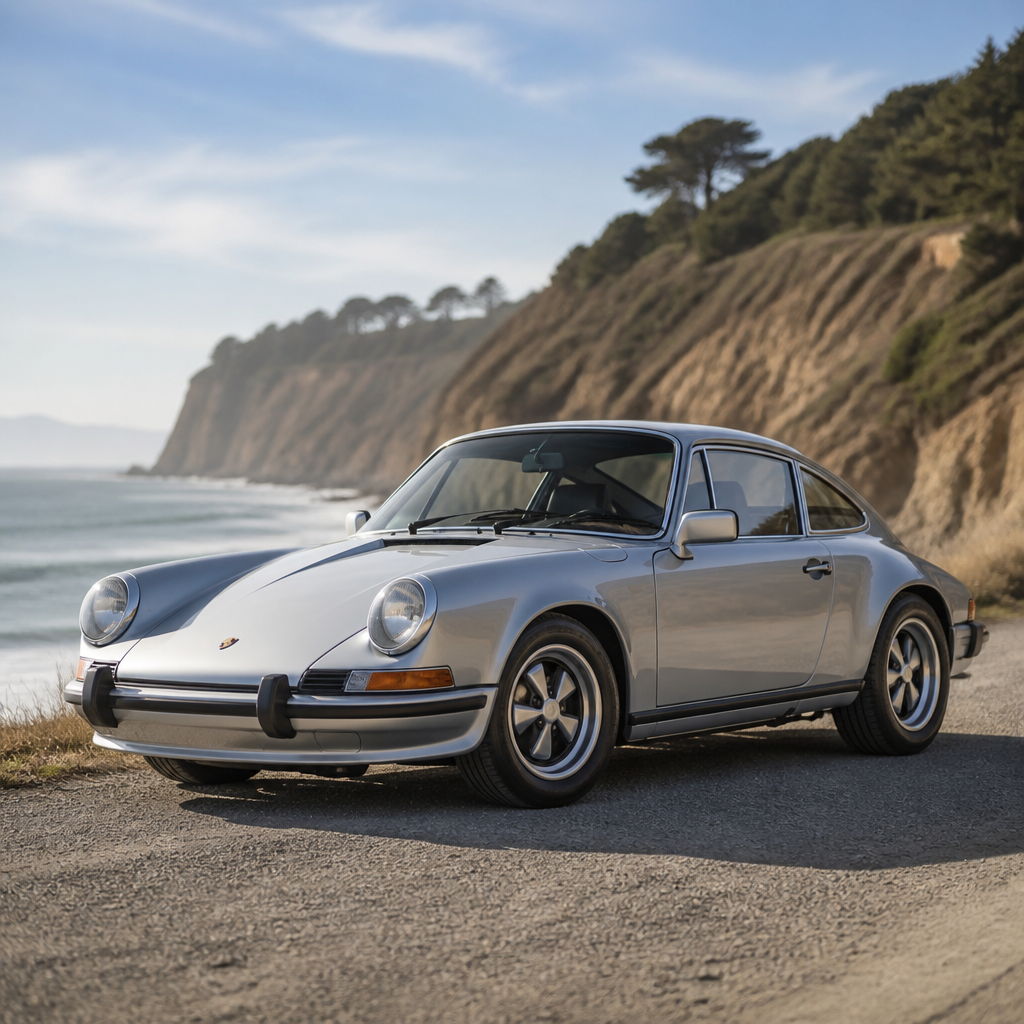
Classic cars that are rising in value quietly occupy one of the most interesting corners of the collector market because they combine historical significance, usable ownership, and the possibility of appreciation without the headline prices attached to blue-chip icons. In this context, underrated classics are older vehicles with genuine enthusiast appeal that remain overlooked relative to their engineering, rarity, design, or cultural importance. I have watched this pattern for years across auctions, private sales, marque forums, and restoration shops: values often move first where mainstream attention is weakest. By the time a model becomes obvious, much of the easy upside is already gone. That is why understanding underrated classics matters. Buyers want cars they can enjoy, insure, maintain, and eventually sell without being trapped in speculative hype. Sellers want to recognize when a once-ignored model has crossed into serious collector territory. This hub article explains which classic car segments are quietly strengthening, why certain models rise before others, and how to identify the next wave within the broader world of classic car models and brands.
The phrase rising in value quietly does not mean every old car is an investment, and it does not suggest guaranteed returns. It means some vehicles show steady increases in transaction prices, stronger parts support, more club activity, and growing buyer demand before the general public notices. In practice, that often includes cars from the late 1960s through the 1990s, especially limited-production trims, analog sports coupes, honest luxury sedans, and historically important Japanese and European models. Condition, documentation, originality, and specification still drive pricing. A base car with rust and missing records rarely outruns a well-kept example, even in a hot segment. Yet I have repeatedly seen buyers overlook strong candidates simply because they are not the poster cars everyone expects. That gap between perception and reality creates opportunity. For anyone exploring underrated classics, this guide serves as a starting point, showing where value is building and what signals separate a future collectible from a used old car.
Why underrated classics appreciate before the market notices
Classic car values usually rise through a predictable chain. First, knowledgeable enthusiasts begin preserving specific models because they recognize engineering merit, motorsport lineage, or scarcity. Then specialist media, clubs, and auction listings start documenting cleaner examples and firmer asking prices. After that, younger buyers who grew up around the cars enter their peak earning years and pull demand upward. Finally, broader collectors notice the trend. The reason some classics climb quietly is simple: they have a strong ownership story before they have a strong headline. A BMW E24 635CSi, for example, spent years in the shadow of the M6, yet clean six-cylinder grand tourers became more desirable as buyers priced out of top-tier M cars sought style, mechanical accessibility, and period character.
The same process has happened with many Japanese performance cars. For years, first-generation Mazda RX-7s, Toyota Supra Mk3 Turbos, and clean Acura Integras were treated as affordable enthusiast cars rather than serious collectibles. Then attrition reduced the number of unmodified survivors. As original examples became harder to find, values increased not because of sudden hype alone but because the supply of correct cars had been shrinking for years. In my experience, quiet appreciation usually reflects a basic market truth: surviving quality matters more than production totals. A car can be built in large numbers and still become valuable if most examples were modified, neglected, crashed, or rusted away.
What makes an underrated classic a strong value candidate
The best underrated classics share several measurable traits. They come from respected brands with established enthusiast ecosystems. They have a clear identity, whether that means a famous engine family, a distinctive body style, a milestone design, or a special homologation link. They also offer usable ownership. Cars rise more steadily when owners can source parts, join active clubs, and drive them regularly. Vehicles that are impossible to restore or painful to maintain may become rare, but rarity alone does not create broad demand.
Originality is another critical factor. Collector buyers increasingly pay premiums for unmodified paint colors, factory interiors, matching drivetrains, dealer literature, and documented maintenance. I have seen two visually similar cars sell thousands apart because one retained factory wheels, emissions labels, service books, and trim pieces that are difficult to replace correctly. Specification matters too. Manual transmissions, desirable color combinations, limited-slip differentials, sport packages, and period options can move a car from ordinary to sought after. This is especially true for 1980s and 1990s models, where many buyers want the exact configuration they admired when new.
| Segment | Why Values Are Moving | Examples to Watch |
|---|---|---|
| Japanese analog sports cars | Unmodified survivors are scarce, younger collectors are active, parts support remains strong | Mazda RX-7 FB, Toyota Supra Mk3, Acura Integra GS-R |
| German grand tourers and sedans | Top halo models became expensive, drawing buyers to adjacent trims with similar character | BMW E24 635CSi, Mercedes-Benz W124 coupe, Audi Coupe Quattro |
| American specialty trims | Nostalgia is growing, V8 drivability remains attractive, rare option combinations matter | Fox-body Mustang SSP, Chevrolet Caprice 9C1, Buick Reatta |
| British and Italian sleepers | Styling and heritage are recognized again, restoration knowledge is improving | Jaguar XJS facelift cars, Alfa Romeo GTV6, Fiat 124 Spider |
Japanese underrated classics gaining ground
Japanese collector cars are no longer a niche, but many important models still lag behind their significance. The first-generation Mazda RX-7 is a prime example. It is light, beautifully proportioned, and central to Mazda’s rotary identity, yet it long remained affordable because later turbocharged Japanese performance cars dominated attention. Clean, stock RX-7s now command far more respect, especially low-mileage GSL-SE cars with fuel injection and four-wheel disc brakes. Buyers have realized that early analog driving feel and simple packaging are not being repeated in modern cars. As a result, exceptional examples are quietly appreciating.
The Toyota Supra Mk3 has followed a similar arc. For years it was dismissed because the Mk4 became the celebrity. Yet the Mk3 introduced a more mature grand touring character, available turbo power, and sophisticated technology for its era. Enthusiasts who actually drive these cars understand their appeal, particularly in turbocharged manual form with removable sport roof panels. The problem has never been merit; it has been survival. Original interiors crack, electronics need careful sorting, and many cars were modified. That attrition now favors documented survivors. The same principle applies to the Acura Integra GS-R and Nissan 300ZX non-turbo manuals: buyers priced out of flagship Japanese performance icons are moving into adjacent models with strong identity and realistic entry costs.
German sleepers with collector momentum
German classics often appreciate quietly because the market creates a steep hierarchy. The top homologation specials and M, AMG, or RS variants generate headlines, while excellent second-tier models climb with less noise. The BMW E24 635CSi is one of the clearest cases. It delivers the shark-nose design, robust straight-six power, and elegant long-distance driving experience associated with the era, but for years it lived in the shadow of the M6. Once M-car prices surged, buyers began re-evaluating the 635CSi on its own merits. Strong service histories, rust-free bodies, and original interiors now matter enormously, and the best examples have moved upward.
Mercedes-Benz W124 coupes and wagons also fit the pattern. These cars represent peak overengineering in the minds of many owners, with durable drivetrains, vault-like construction, and understated styling. The coupe in particular offers rarity without visual excess. I have seen demand build around six-cylinder cars with sportline features because buyers want old Mercedes quality without the running costs and market pressure attached to top V8 halo models. Audi’s Coupe Quattro is another model to watch. It benefits from the broader appeal of Audi’s all-wheel-drive heritage, yet remains more accessible than the original Ur-Quattro. As awareness of period Audi design and engineering grows, these coupes are attracting serious interest from collectors who value analog control and historical context.
American classics beyond the obvious muscle car names
When people think about appreciating American classics, they often jump straight to big-block muscle cars, first-generation Broncos, or air-cooled Corvettes. Those markets are well known. The quieter stories sit a step to the side. Fox-body Mustangs, once simply cheap V8 fun, have become increasingly collectible, particularly preserved LX 5.0 cars, SSP police-package cars, and low-mileage special editions. Their appeal comes from simplicity, tuning culture, and generational nostalgia. The key shift is that buyers now pay a premium for untouched cars because so many were raced, modified, or stripped of original equipment.
Another overlooked category is the full-size performance or fleet-derived sedan. The Chevrolet Caprice 9C1 police package has developed a following among collectors who appreciate factory heavy-duty engineering and cultural relevance. Buick’s Reatta, while never a mainstream auction star, is gaining interest as buyers look for distinctive 1980s American design with manageable ownership costs. Even certain late 1970s and 1980s personal luxury coupes are stabilizing and rising when preserved exceptionally well. These are not universal investment picks, but the best survivors can command surprising money because they occupy a narrow lane of authenticity. In undervalued American classics, condition and story often matter more than broad model recognition.
European niche models that deserve closer attention
Several European cars have moved from cheap enthusiast curiosities to legitimate collectibles without dramatic headlines. The Alfa Romeo GTV6 is a textbook example. Its transaxle layout, sonorous V6, and competition pedigree have always made it special, but rust, deferred maintenance, and limited mainstream understanding kept values subdued. Today, properly sorted cars are significantly harder to buy than many people assume. As collectors rediscover analog European driver’s cars, the GTV6 stands out for character and rarity.
The Jaguar XJS is another misunderstood classic. Early cars had a mixed reputation, but later facelift examples benefited from improved reliability, stronger parts availability, and more refined presentation. They still offer genuine grand touring comfort, distinctive styling, and V12 or six-cylinder appeal at prices below many comparable-status classics. Fiat 124 Spiders, Saab 900 Turbos, and Volvo 1800ES models also show how niche enthusiasm can become a durable market. Each has a devoted owner base, recognizable design language, and a practical ownership path through club support and specialists. These cars rise quietly because buyers discover them one at a time, often through actual driving rather than speculation.
How to buy before values run ahead of reality
The smartest way to approach classic cars that are rising in value quietly is to buy quality, not a rumor. Start with ownership records, rust inspection, and model-specific weak points. Rust remains the single most expensive problem in most classic purchases, especially around structural sections, suspension pickups, floors, and window channels. Mechanical issues are often easier to solve than body decay. Always verify VIN tags, engine codes where relevant, paint labels, and option data. If the market favors originality, missing factory pieces can erase the value gap you thought you found.
Use multiple pricing sources rather than one listing site. Compare auction results, insurer valuation tools, marque forums, and specialist dealers. Hagerty valuation data, Bring a Trailer result histories, and model-specific registries can reveal whether appreciation is broad or limited to exceptional examples. I also recommend budgeting for immediate baseline service after purchase, including fluids, belts, tires, hoses, and brake hydraulics. Quietly appreciating classics are best owned with patience. Buy the model you understand, maintain it properly, store it well, and track the market without chasing every spike. If you want to go deeper into this subtopic, build from this hub by researching model-specific guides, buyer checklists, and brand histories for the exact underrated classics that fit your budget and taste. The opportunity is still real, but the winners will be the buyers who combine enthusiasm with disciplined selection.
Frequently Asked Questions
What makes a classic car rise in value quietly instead of becoming an obvious collector favorite?
A classic car usually rises in value quietly when it has strong fundamentals but lacks the hype that pushes headline-grabbing models into the spotlight. That often means it offers real enthusiast appeal through engineering quality, distinctive styling, limited production, motorsport links, or cultural relevance, yet it has spent years overshadowed by more famous alternatives. In the collector market, attention tends to concentrate around the obvious icons first, while adjacent models with many of the same strengths remain comparatively affordable. Over time, informed buyers begin to recognize that gap, and values start climbing steadily rather than explosively.
Another reason appreciation happens quietly is usability. Many underrated classics are cars people can actually drive, maintain, and enjoy without treating them like museum pieces. They may have good parts availability, simpler mechanical systems, and a more approachable ownership experience than six- or seven-figure trophy cars. That makes them attractive to a wider pool of enthusiasts, especially buyers who want both lifestyle value and investment potential. When demand broadens this way, prices can move upward in a healthy, sustained pattern without dramatic auction headlines.
Market psychology also plays a major role. Collectors eventually reassess vehicles that were once dismissed as too common, too new, too niche, or not prestigious enough. As original examples become harder to find and nostalgia deepens among the generation that grew up with them, these cars begin to look undervalued relative to their peers. That is usually the point where “quiet appreciation” becomes visible. It rarely starts with speculation alone; it starts when buyers decide the car deserved more respect all along.
How can I identify an underrated classic car before values move up significantly?
The best way to identify an underrated classic early is to look for a disconnect between intrinsic quality and current market pricing. Start by asking a simple question: does the car offer something meaningful that the market is not fully rewarding? That could be advanced engineering for its era, a respected drivetrain, low production numbers, a particularly attractive design, or a meaningful place in brand history. If a car has those characteristics but still trades far below more celebrated contemporaries, it deserves closer attention.
It also helps to study the ownership ecosystem around the car. Strong enthusiast communities, active owners’ clubs, dedicated parts suppliers, and increasing restoration activity are all positive signs. These factors suggest the model has lasting support and emotional relevance, which matter greatly in the long term. Watch how often truly original, well-preserved examples come to market and whether the best cars are starting to command noticeable premiums. A market usually strengthens from the top down, with excellent cars moving first while average cars lag behind.
Pay attention to generational demand as well. Cars often begin appreciating when buyers reach the stage of life where they have disposable income and want to reconnect with the vehicles they admired in their youth. Auction results, specialist dealer inventories, enthusiast forums, and private-sale conversations can all reveal this shift before mainstream media notices it. In many cases, the earliest signal is not a single record price but a pattern: fewer good cars available, stronger bidding on clean examples, and less negotiation room for sellers. That is often how quiet appreciation begins.
Which factors matter most when buying a classic car for both enjoyment and long-term value?
If you want a classic that is enjoyable to own and has credible appreciation potential, condition should be at the top of your list. A great car in the right specification will usually outperform a mediocre example of a more famous model. Originality, documented maintenance, rust-free structure, matching numbers where relevant, and high-quality paint and interior presentation all matter. Mechanical health matters just as much, because deferred maintenance can erase any perceived value advantage very quickly. In the classic market, buying the best example you can comfortably afford is usually smarter than buying a cheaper project that consumes time and money.
Specification is the next major factor. Enthusiasts and collectors tend to value the most desirable engines, transmissions, trim levels, and factory options, especially when those details align with how the car was regarded when new. Limited-production variants, special performance packages, and period-correct colors can make a significant difference over time. However, the sweet spot is often not the rarest possible version, but the one with the strongest blend of desirability, usability, and broad market appeal. A car that many people want is often easier to sell and more resilient in changing market conditions.
Finally, buy with your head and your heart. The most satisfying classic purchases are cars you genuinely want to drive, learn about, and maintain. Market trends can help guide your choices, but passion still underpins the collector world. If the car has a compelling story, a loyal enthusiast following, and a strong reputation for design or engineering, those qualities tend to support long-term value. Enjoyment is not separate from investment logic here; it is often part of the reason certain cars quietly become more valuable in the first place.
Are quietly appreciating classic cars safer buys than high-profile blue-chip models?
In many cases, yes, but “safer” needs to be understood in relative terms. Quietly appreciating classics can be appealing because they often enter the market at much more accessible price points, which limits downside compared with heavily publicized blue-chip cars that may already reflect years of hype. When a classic still looks undervalued relative to its quality, rarity, and significance, it may have more room to grow naturally. That kind of appreciation is often supported by genuine enthusiast demand rather than pure financial speculation, and that can make the market less fragile.
That said, lower-profile cars carry their own risks. They may have thinner buyer pools, less transaction data, and greater sensitivity to condition and provenance. A famous model can sometimes be easier to sell simply because more people recognize it instantly. With an underrated classic, the margin between a desirable, collectible example and a hard-to-sell one can be much narrower. If the car has poor documentation, questionable originality, rust issues, or an unpopular specification, it may not benefit from the broader upward trend in the same way top examples do.
The most balanced view is that quietly rising classics can offer attractive risk-adjusted opportunities if you buy selectively and realistically. Focus on quality, historical relevance, and ownership support rather than trying to chase the next overnight sensation. Blue-chip cars may offer prestige and established status, but overlooked models often provide better value, more approachable entry points, and a richer ownership experience per dollar spent. For many enthusiasts, that combination is exactly what makes them so compelling.
What ownership mistakes can hurt the value of an underrated classic car the most?
The biggest mistake is buying without fully understanding condition. Cosmetic charm can hide expensive structural problems, especially rust, accident damage, poor previous restorations, or neglected mechanical systems. Because quietly appreciating classics often succeed on the strength of authenticity and preservation, hidden issues can seriously undermine future value. A thorough pre-purchase inspection by a marque specialist is essential. Spending money on expert evaluation up front is almost always cheaper than discovering major flaws after the purchase.
Another common mistake is over-restoring, modifying, or “improving” a car in ways the market does not reward. Enthusiasts may appreciate tasteful upgrades for drivability, but collectors usually place the highest value on originality, correctness, and period-appropriate presentation. Non-original engines, modern interior alterations, incorrect paint colors, and poorly documented changes can limit appeal when it is time to sell. Even when modifications are reversible, they can create doubt about how the car was used and maintained. If long-term value matters, preserve factory character wherever possible and keep records of everything you do.
Poor stewardship after purchase can be just as damaging. Incomplete service history, long periods of inactivity, improper storage, and neglected small repairs all chip away at value over time. Classic cars reward consistent care. Fluids, seals, rubber components, electrical systems, and interior materials all deteriorate if the car sits or if maintenance is deferred. The owners who protect value best are the ones who drive their cars enough to keep them healthy, store them properly, document every service item, and address problems before they become major expenses. In a market where the best examples lead appreciation, disciplined ownership is often what separates a rising asset from an average old car.