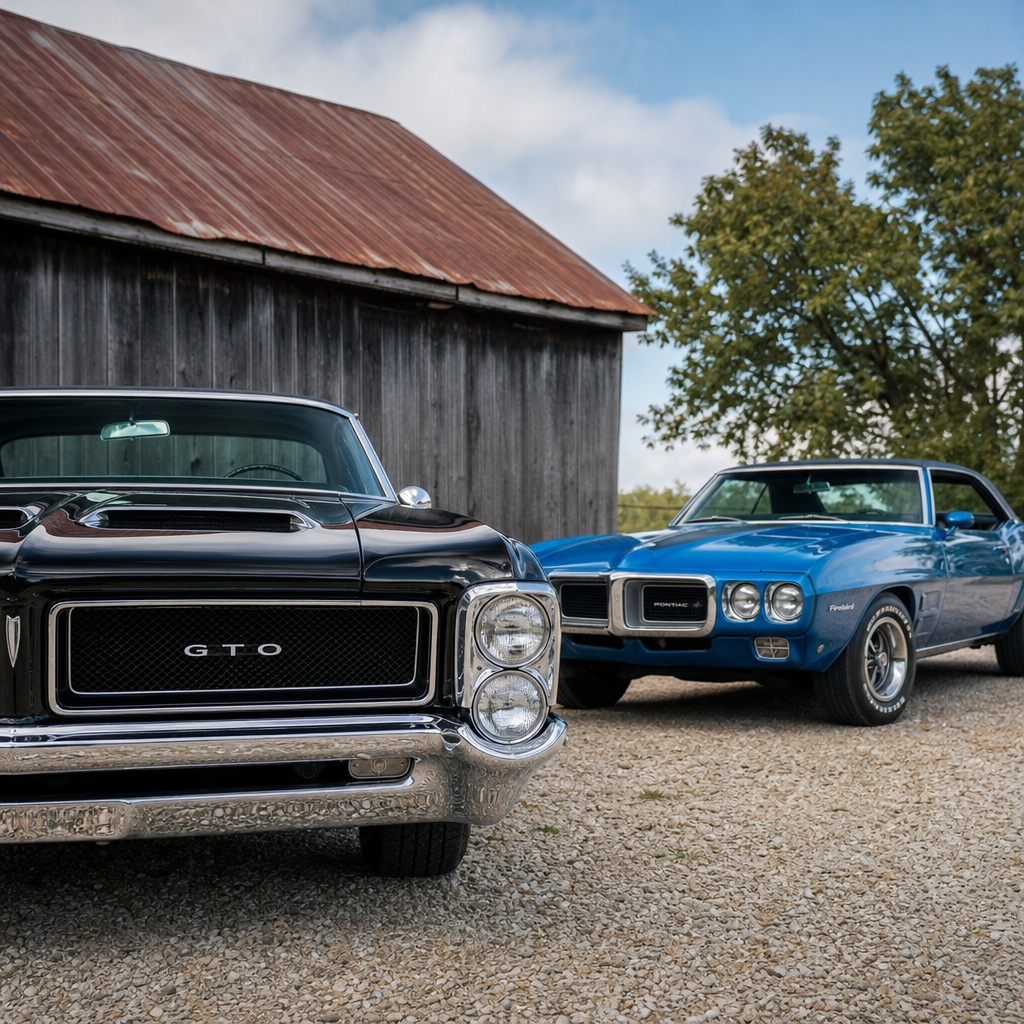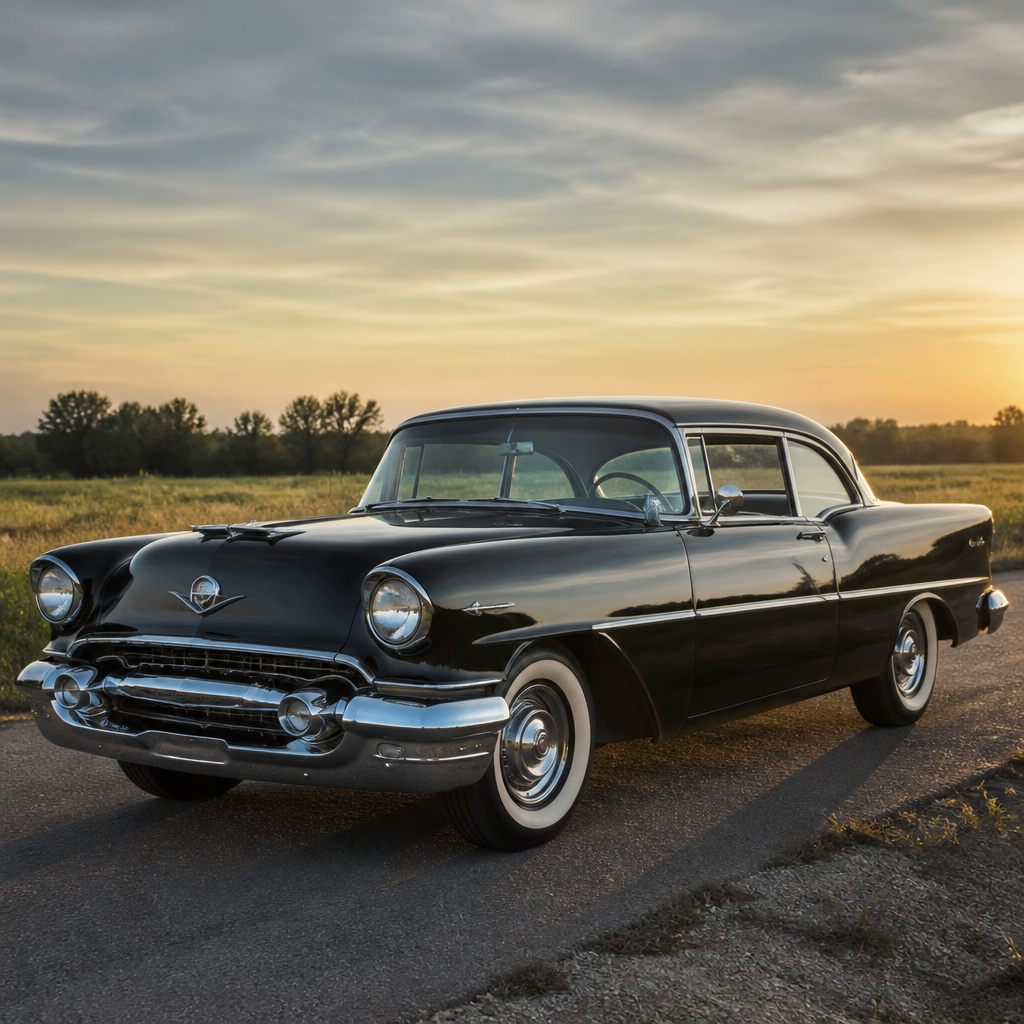
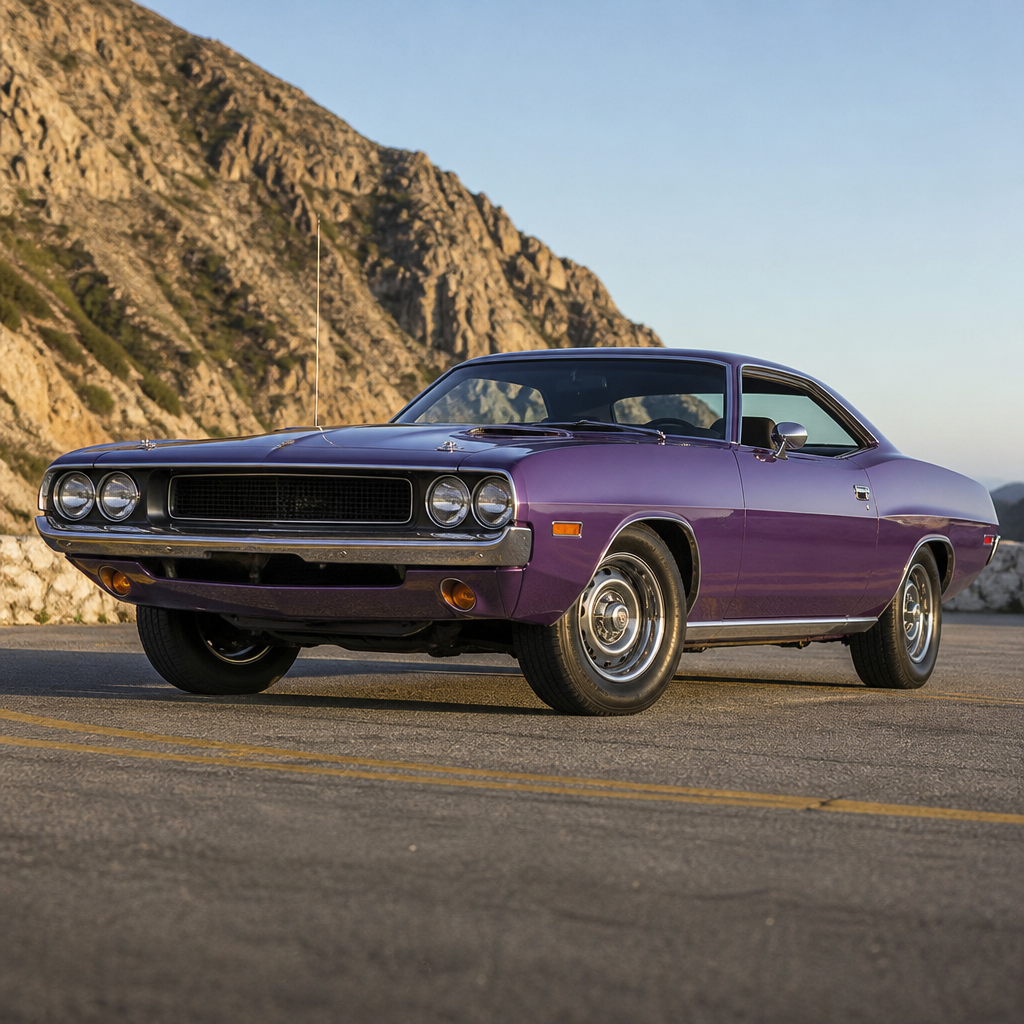
Rare muscle cars with limited production runs occupy a special corner of automotive history because they combine big-engine performance, brand mythology, and true scarcity in a way few collector vehicles can match. In the classic car world, a muscle car generally refers to an American-built intermediate or compact car fitted with a large-displacement V8 and engineered for straight-line speed, aggressive styling, and accessible performance. A limited production run means the manufacturer built the model, trim, or homologation variant in unusually small numbers, often because of racing rules, insurance pressure, emissions regulations, dealer experimentation, or simple market uncertainty. When those factors overlap, the result is a car that is not just fast, but historically important.
I have spent years reviewing factory records, auction catalogs, restoration notes, and registry data, and the pattern is consistent: rarity alone does not make a muscle car desirable, but rarity paired with a documented performance purpose usually does. That is why buyers, restorers, and historians pay close attention to low-volume factory combinations, dealer-built specials, and one-year-only packages. These vehicles tell the deeper story behind the horsepower wars of the 1960s and early 1970s, the regulatory squeeze that followed, and the creative engineering that emerged when automakers tried to keep performance alive.
This hub page on concept and rare cars under the broader classic car models and brands category explains which rare muscle cars matter most, why their production numbers were low, how collectors judge authenticity, and where concept cars fit into the same conversation. It also serves as a practical map for further research. If you are comparing a Chrysler Hemi coupe to a COPO Chevrolet, wondering whether a Boss 429 is rarer than an LS6 Chevelle, or trying to understand why a concept car influences values even when it never reached full production, this guide gives you the framework. The goal is straightforward: define the field clearly, identify the landmark examples, and show how scarcity, provenance, engineering, and cultural impact work together to make certain muscle cars truly rare.
What makes a muscle car rare
A rare muscle car is not simply an old high-horsepower car with low surviving numbers. In serious collector terms, rarity begins with original production volume, not attrition. A 1970 Plymouth Hemi ‘Cuda was rare because just a very small number were built with the 426 Hemi from the factory, not because many ordinary Barracudas later disappeared. The same principle applies to the 1969 Chevrolet Camaro ZL1, the 1970 Buick GSX Stage 1, and the 1969 Ford Mustang Boss 429. The base models were common enough to define an era; the top-engine or homologation versions were intentionally scarce.
There are several paths to limited production. One is homologation, where automakers built a minimum number of street cars to qualify parts or engines for racing. Ford’s Boss 429 exists largely because NASCAR competition demanded it. Another path is central office or fleet ordering, as seen with Chevrolet’s COPO program, which allowed select dealers to bypass normal engine restrictions. A third is market filtering: high price, insurance rates, and shrinking emissions compliance reduced demand for cars such as the Pontiac Trans Am Ram Air IV. Finally, some rare muscle cars came from dealer conversions, regional packages, or pilot builds that never expanded nationally.
Collectors also separate genuine rarity from inflated claims. Paint color rarity is not the same as model rarity. A one-of-one combination can be interesting, but it does not automatically carry the same market significance as a known performance flagship with factory documentation and broad enthusiast recognition. In practice, the strongest rare muscle cars usually have four things: a named engine or package with verified output, a documented production total, a clear place in brand history, and support from registries, parts suppliers, and judging standards.
Landmark examples from the golden era
The late 1960s and early 1970s produced the rare muscle cars most enthusiasts immediately recognize. The 1969 Chevrolet Camaro ZL1 sits near the top of the list. Chevrolet officially rated its all-aluminum 427 at 430 horsepower, but period testing and engine architecture strongly suggest actual output was higher. Only 69 were built through the COPO system, making it both a factory-engineered drag weapon and one of the best documented low-production Camaros ever made. Its rarity is not anecdotal; it is supported by serial records and decades of registry work.
The 1969 Ford Mustang Boss 429 is another defining example. Ford built it to homologate the semi-hemispherical 429 engine for NASCAR, and Kar Kraft handled the extensive modifications needed to fit the engine into the Mustang chassis. Production remained low across 1969 and 1970, and the car’s significance comes from more than numbers. It represents a direct intersection between racing regulation and street-car engineering, which is exactly the kind of story that strengthens long-term collectibility.
Mopar’s rarest offerings are equally important. The 1970 Plymouth Hemi ‘Cuda and 1970 Dodge Challenger R/T with the 426 Hemi have become blue-chip collector cars because their production was tiny and their image has only grown stronger over time. Convertible versions are especially scarce and command extraordinary auction results when numbers-matching drivetrains, broadcast sheets, and original body tags are present. These cars are not merely desirable because they are Mopars; they sit at the final high-water mark before emissions controls and insurance costs changed the market.
General Motors produced several low-volume standouts beyond the ZL1. The 1970 Buick GSX Stage 1 offered massive torque and understated brutality, while the 1970 Oldsmobile 4-4-2 W-30 delivered highly engineered performance through ram air induction, lightweight components, and careful tuning. Pontiac’s 1969 Trans Am Ram Air IV and 1970 GTO Judge Ram Air IV models remain especially prized because they combine strong visual identity with scarce high-output engine options. In each case, the rarest versions are the ones where documentation proves the factory installed the top mechanical package.
Production numbers and notable examples
Production totals are central to any discussion of rare muscle cars, but they need context. A car with 500 units built can be more significant than one with 50 if it transformed a brand, dominated racing, or established a mechanical benchmark. Still, numbers provide the starting point for valuation, restoration strategy, and market visibility. The table below highlights several widely recognized low-production muscle cars and why they matter to collectors today.
| Model | Model Year | Approximate Production | Why Collectors Care |
|---|---|---|---|
| Chevrolet Camaro ZL1 | 1969 | 69 | COPO-built, aluminum 427, drag racing pedigree |
| Ford Mustang Boss 429 | 1969 | 859 | NASCAR homologation, Kar Kraft modifications |
| Plymouth Hemi ‘Cuda | 1970 | Very low factory totals by body style | 426 Hemi, end-of-era icon, huge auction demand |
| Dodge Challenger R/T Hemi | 1970 | Limited by engine and body style | Shared E-body prestige, highly documented rarity |
| Pontiac Trans Am Ram Air IV | 1969 | Extremely limited | Top-spec Pontiac performance in a debut-year package |
| Buick GSX Stage 1 | 1970 | Few hundred | Exceptional torque, one-year visual identity |
Approximate figures are useful, but serious buyers always verify exact counts by body style, transmission, engine code, and market destination. Convertible, automatic, and export combinations can change rarity dramatically. Published data from marque experts, factory invoices, build sheets, and organizations such as the Pontiac Historic Services archive or the NCRS and MCA communities often provide the clearest path to certainty. In real transactions, a car’s paperwork can matter almost as much as the car itself.
Dealer specials, COPO cars, and overlooked rarities
Some of the most fascinating limited-production muscle cars did not emerge from standard brochure ordering. They came through back channels, racing-minded dealers, or internal programs that bent corporate rules without fully breaking them. Chevrolet’s COPO system is the best-known example. It allowed select dealers to order combinations not normally available to retail customers, including big-block Camaros designed for drag racing. The COPO 9561 Camaro with the iron-block 427 and the even more extreme ZL1 illustrate how dealer initiative could produce cars that now rank among the rarest factory Chevrolets.
Dealer-built performance cars add another layer of complexity. Models associated with names like Yenko, Baldwin-Motion, Nickey, and Dana are often discussed alongside factory limited-production muscle because they were created in tiny numbers and delivered with serious performance intent. However, the market distinguishes between factory-authorized packages, dealer-installed conversions, and later tribute builds. Original invoices, dealer paperwork, drivetrain stampings, and period-correct components are what separate an investment-grade car from an attractive replica.
Overlooked rarities also deserve attention. Not every rare muscle car brings seven-figure prices or mainstream media coverage. Cars like the Mercury Cyclone Spoiler II, AMC Rebel Machine, and AMC Hurst SC/Rambler remain historically important because they reflect how smaller brands and niche divisions responded to the same horsepower race. In many cases, these cars are rarer than the headline models from Ford, Chevrolet, or Mopar, but their collector values can lag because brand ecosystems, parts support, and buyer familiarity are not as strong. That gap sometimes creates opportunity for informed collectors who prioritize significance over trend.
Concept cars and why they matter in this hub
Concept cars belong in any serious rare muscle car hub because they often preview the styling, engines, and market direction that later shape limited-production performance models. A concept car may never enter volume production, but it can establish the design language, aerodynamic themes, hood treatments, or performance identity that define a future halo car. In the muscle car era, show cars and experimental builds gave manufacturers a way to test public reaction before committing to expensive tooling or specialized performance packages.
Concept and rare production cars intersect in three ways. First, concepts build mythology. If a dramatic fastback prototype or supercharged show car captures public imagination, the eventual production version enters the market with a stronger story. Second, concepts preserve abandoned ideas. Some features that appeared first on concept cars later returned in homologation specials, pace cars, or anniversary editions. Third, concept cars influence collector demand by expanding the historical narrative around a model line. Even when a concept never became street legal, it can increase interest in related production cars by showing what the brand intended at its most ambitious.
For readers exploring this subtopic in depth, the practical takeaway is simple: study concepts not as isolated curiosities but as context. If you are researching rare Mustangs, Camaros, Mopars, Pontiacs, or AMCs, concept material helps explain why certain colors, scoops, spoilers, stripe packages, and powertrain ideas appeared when they did. In restoration circles, factory photos, auto show press releases, and design studio records can also clarify whether an unusual feature is historically grounded or the result of later modification.
How collectors authenticate and value rare muscle cars
Authenticity is everything in the rare muscle car market because scarcity creates incentives for cloning, rebodying, and restamping. I have seen buyers focus too heavily on paint and chrome while overlooking the documents and stampings that determine whether a car is a true factory example. The first checks usually include the VIN, cowl or fender tag, engine pad stamping, transmission code, rear axle identification, casting dates, and hidden body numbers where applicable. These details must align logically with assembly dates, plant practices, and known option combinations.
Documentation standards vary by brand. Pontiac collectors often rely on Pontiac Historic Services records. Chevrolet communities may use NCRS-level scrutiny, original protect-o-plates, and known COPO registries. Mopar buyers look for broadcast sheets, fender tags, and Govier-style verification. Ford experts review Marti Reports, buck tags, and Kar Kraft details on Boss 429 cars. A premium car should also show consistency in weld patterns, spot weld locations, seam sealer, stamp fonts, and date-coded glass, wheels, carburetors, and distributor components.
Condition still matters, but provenance can outweigh restoration quality. A well-preserved survivor with original drivetrain and clear paper trail often deserves more confidence than a beautifully restored car with unresolved identity questions. Auction houses such as Mecum, Barrett-Jackson, and RM Sotheby’s have elevated visibility for these cars, but buyers should remember that headline prices usually reflect elite examples with strong documentation, rare option sets, and expert presentation. Before purchasing, study marque-specific registries, consult recognized experts, and compare the car against factory literature and known authentic survivors.
Rare muscle cars with limited production runs remain compelling because they distill the best parts of classic American performance into a finite, documentable set of machines. They are powerful, visually distinctive, and historically grounded in racing, engineering ambition, and market change. The most important examples, from the Camaro ZL1 and Boss 429 to Hemi E-bodies, Ram Air Pontiacs, GSX Stage 1s, and COPO specials, are not valuable by accident. They matter because their scarcity was tied to a purpose, and that purpose is still legible today in the hardware, paperwork, and stories attached to each car.
As a hub for concept and rare cars within classic car models and brands, this page should help you sort signal from noise. Start with production totals, then verify why the run was limited. Study homologation history, dealer ordering systems, and concept-car influence. Learn the authentication standards for each brand before you judge value. Most of all, remember that the best rare muscle cars reward careful research. They are not just collectibles; they are case studies in how Detroit built excitement under constraint.
If you are building knowledge or planning a purchase, use this hub as your starting point and continue into model-specific guides, registry resources, and restoration references. The deeper you go, the easier it becomes to recognize which rare muscle cars are merely uncommon and which are truly significant.
Frequently Asked Questions
What makes a muscle car “rare” when so many classic models are already collectible?
A rare muscle car is not simply an old performance car that has become desirable over time. True rarity usually comes from a combination of low production numbers, special factory equipment, limited availability, and historical significance. In the muscle car world, that often means a model was produced in very small quantities because it was built to satisfy homologation rules, offered only as a short-lived package, restricted to certain dealerships, or ordered with a very specific engine-and-transmission combination that few buyers selected when new.
That distinction matters because not every collectible muscle car is genuinely scarce. Some famous models were built in relatively high volumes, even if surviving examples are hard to find today. By contrast, a limited-production muscle car may have been rare from the moment it left the assembly line. Cars such as the Plymouth Hemi ’Cuda convertible, Chevrolet Camaro ZL1, Ford Boss 429 Mustang, and certain COPO or Yenko variants are prized not just because they are fast or visually dramatic, but because very few were made in the first place.
Condition, originality, and documentation also influence how rarity is perceived. A car may have had a low initial build count, but if it has lost its original engine, transmission, trim tags, or factory paperwork, some of its uniqueness in the collector market can be diminished. In short, rarity in muscle cars is about more than age or popularity. It is the intersection of authentic scarcity, performance pedigree, factory intent, and cultural impact.
Why do limited-production muscle cars command such high values at auctions and in private sales?
Limited-production muscle cars bring strong prices because they appeal to several categories of buyers at once. Collectors value them for scarcity, enthusiasts want them for the driving experience and historical importance, and investors often see them as blue-chip assets within the classic car market. When a vehicle combines low build numbers with a legendary engine, recognizable styling, and documented originality, it becomes especially attractive in competitive sales environments.
Another major factor is that these cars represent a specific and highly celebrated era of American performance. The late 1960s and early 1970s are often viewed as the golden age of muscle, when automakers pushed displacement, horsepower, and image to remarkable levels. Models produced in tiny numbers from that period often serve as halo cars for entire brands. Owning one is not just about having transportation or even a fast classic; it is about possessing a tangible piece of automotive mythology.
Documentation plays an enormous role in value as well. Broadcast sheets, window stickers, original invoices, build records, matching-numbers drivetrains, and recognized registry listings can elevate a rare muscle car from desirable to elite. Buyers paying top dollar want confidence that the car is exactly what it claims to be. Because counterfeits and tribute builds exist, proven authenticity is essential. When rarity, condition, provenance, and market demand all align, values can rise dramatically and remain resilient even when broader collector trends fluctuate.
Which rare muscle cars are considered the most iconic examples of limited production runs?
Several models consistently stand out as icons because they combine extreme performance with exceptionally low production. The 1971 Plymouth Hemi ’Cuda convertible is often near the top of the list, especially because so few were built and even fewer survive. The 1969 Chevrolet Camaro ZL1 is another landmark car, famous for its all-aluminum 427 engine and ultra-low production count. The 1969 Ford Mustang Boss 429 also holds legendary status thanks to its NASCAR-driven engineering purpose and distinctive modifications required to fit its massive engine.
Other celebrated examples include COPO Chevrolets, Yenko Camaros and Novas, Shelby GT500 Super Snake variants, Dodge Coronet and Charger R/T models equipped with the 426 Hemi, and Pontiac GTO Judge models ordered with rare high-performance options. Some Buick GS and Oldsmobile 442 configurations also rank highly when equipped with uncommon engine packages and documented special-order features. In many cases, the rarest versions are not always the most widely recognized by casual fans, but they are deeply respected by knowledgeable collectors.
What makes these cars iconic is not just the production total. It is the full story behind them: why they were built, how they performed, what they represented in manufacturer rivalry, and how few people had the opportunity to buy one new. Their reputation has been shaped by period road tests, drag strip success, factory racing connections, and decades of enthusiast admiration. As a result, these cars occupy a unique place where engineering, performance, and scarcity meet.
How can buyers verify that a rare muscle car is authentic and not a clone or re-creation?
Authenticating a rare muscle car requires careful research and, ideally, expert involvement. The first step is to examine the vehicle identification number, trim tag, engine stampings, transmission codes, casting dates, axle markings, and other factory identifiers to make sure they align with the model, assembly plant, and production period. On truly rare cars, even small inconsistencies can raise major red flags. A legitimate example should show a logical relationship between its serial information and its original configuration.
Paperwork is just as important as physical inspection. Original build sheets, dealer invoices, window stickers, warranty booklets, protect-o-plates, historical registrations, restoration records, and ownership history can help establish credibility. Many rare muscle cars are also tracked by marque specialists, factory registries, and enthusiast organizations that maintain detailed records of known surviving vehicles. Consulting those sources can reveal whether a car is already documented, disputed, or previously altered.
Because values are high, the market includes many tribute cars built to resemble expensive originals. Some are honestly represented, while others are not. That is why serious buyers often hire a recognized appraiser, marque historian, or restoration expert familiar with the exact make and model. An expert can identify non-original stampings, replaced body panels, incorrect finishes, reproduction tags, and parts combinations that would be difficult for casual buyers to spot. For a rare muscle car, authentication is never a step to rush. A thorough inspection and documentation review can protect a buyer from a costly mistake and preserve long-term value.
Are rare limited-production muscle cars better to own as investments or to drive and enjoy?
The honest answer is that they can be both, but the balance depends on the specific car, its condition, and the owner’s goals. The rarest and most historically important examples often behave more like investment-grade collectibles than casual weekend drivers. Cars with very low production numbers, matching-numbers drivetrains, concours restorations, and major provenance are frequently maintained with preservation in mind because mileage, wear, and damage can directly affect market value. Owners of these top-tier cars may choose to drive them sparingly and focus on storage, maintenance, and show presentation.
That said, a muscle car’s appeal is rooted in experience as much as economics. The sound of a big V8, the raw acceleration, the mechanical simplicity, and the unmistakable visual presence are a large part of why people want these cars in the first place. Many collectors believe a rare muscle car should still be exercised and enjoyed responsibly, even if only on special occasions. Proper use, along with disciplined maintenance, can actually help keep systems functioning rather than allowing a car to sit unused for years.
From a financial perspective, buyers should avoid assuming guaranteed appreciation. The strongest values generally go to the most authentic, best-documented, and best-preserved examples, but markets can change. Insurance, climate-controlled storage, expert servicing, and restoration costs are all part of ownership. For many enthusiasts, the best approach is to buy the highest-quality example they can afford, protect its originality, and enjoy it thoughtfully. In that sense, the most rewarding ownership experience often comes from seeing a rare muscle car as both an important asset and a living piece of American performance history.