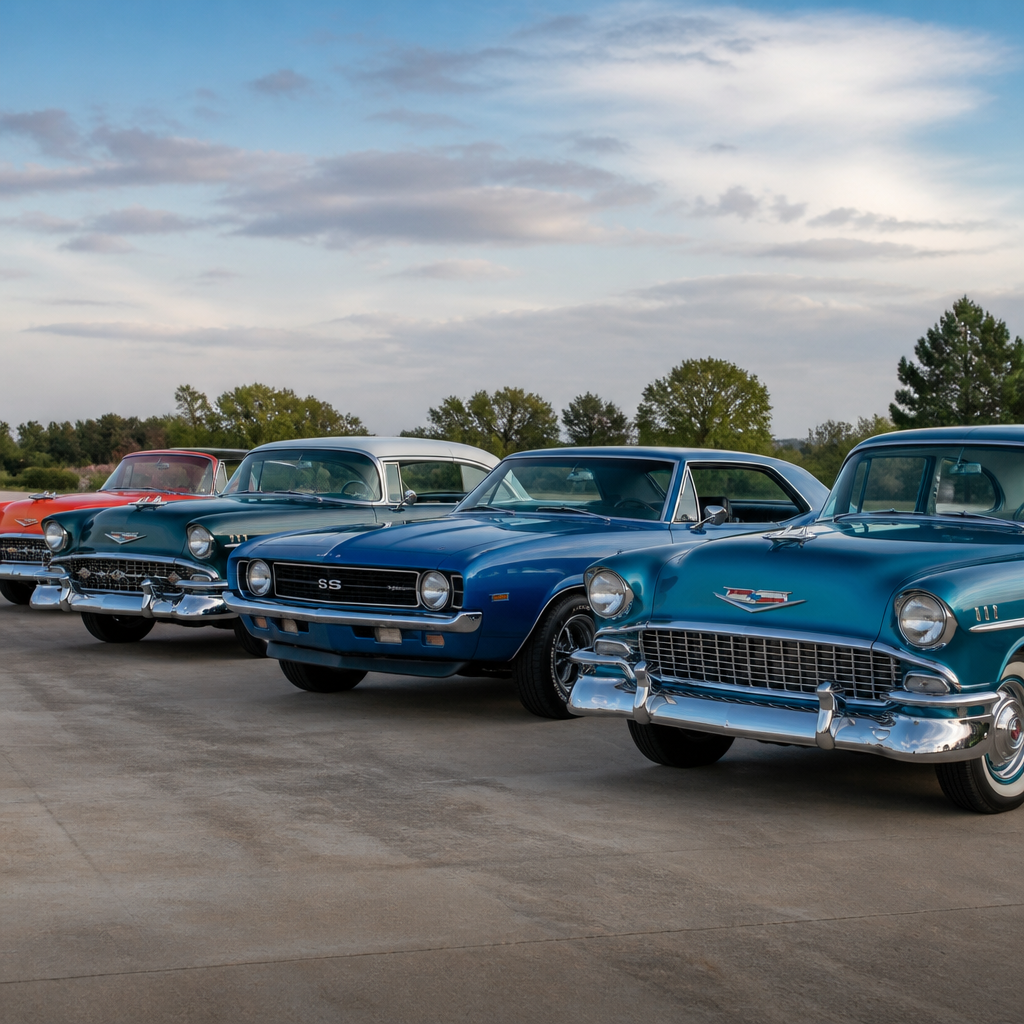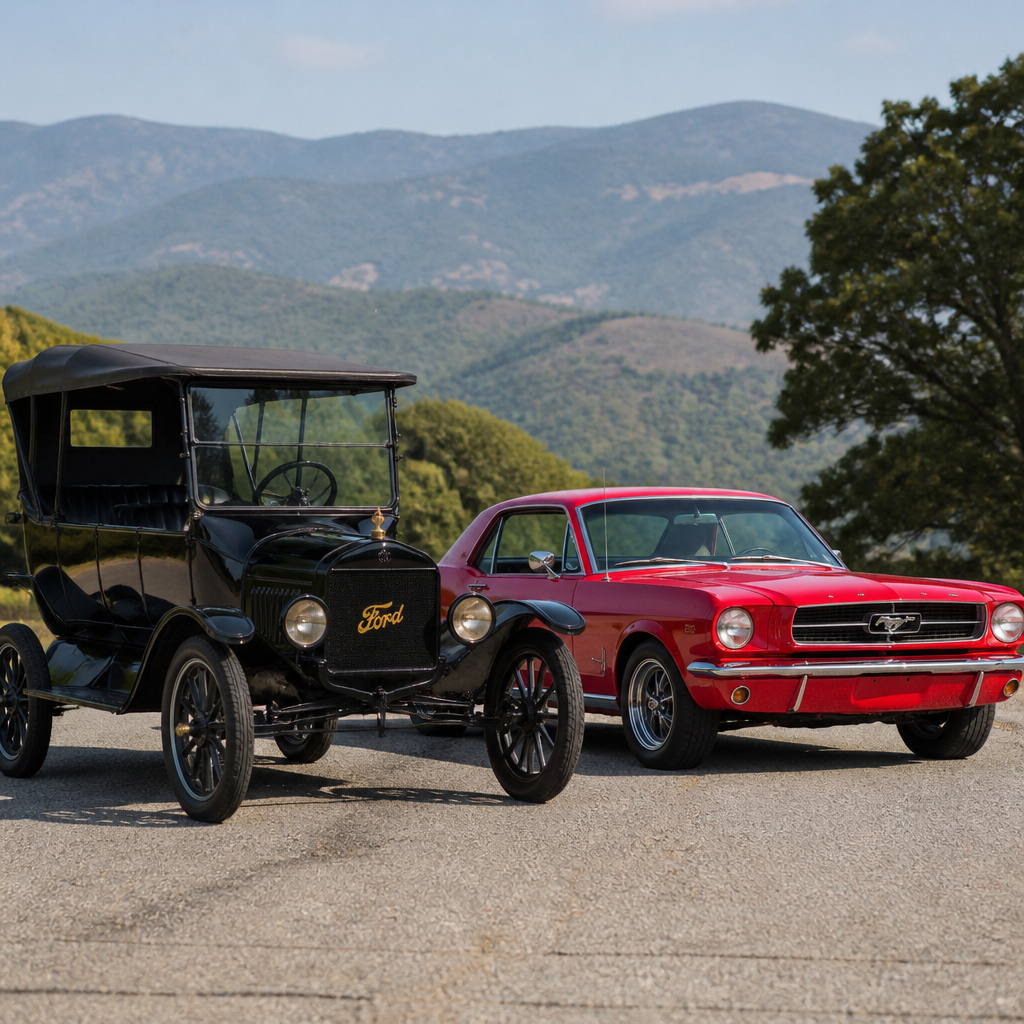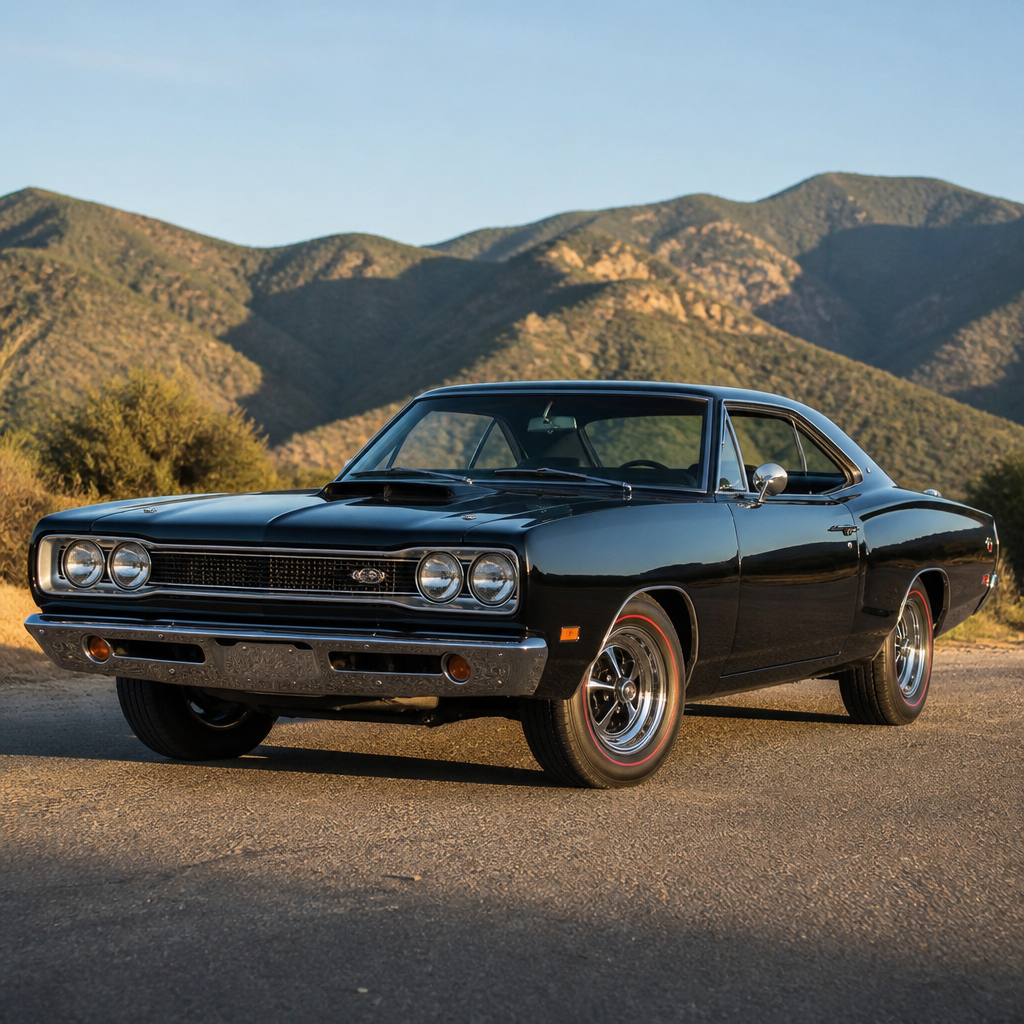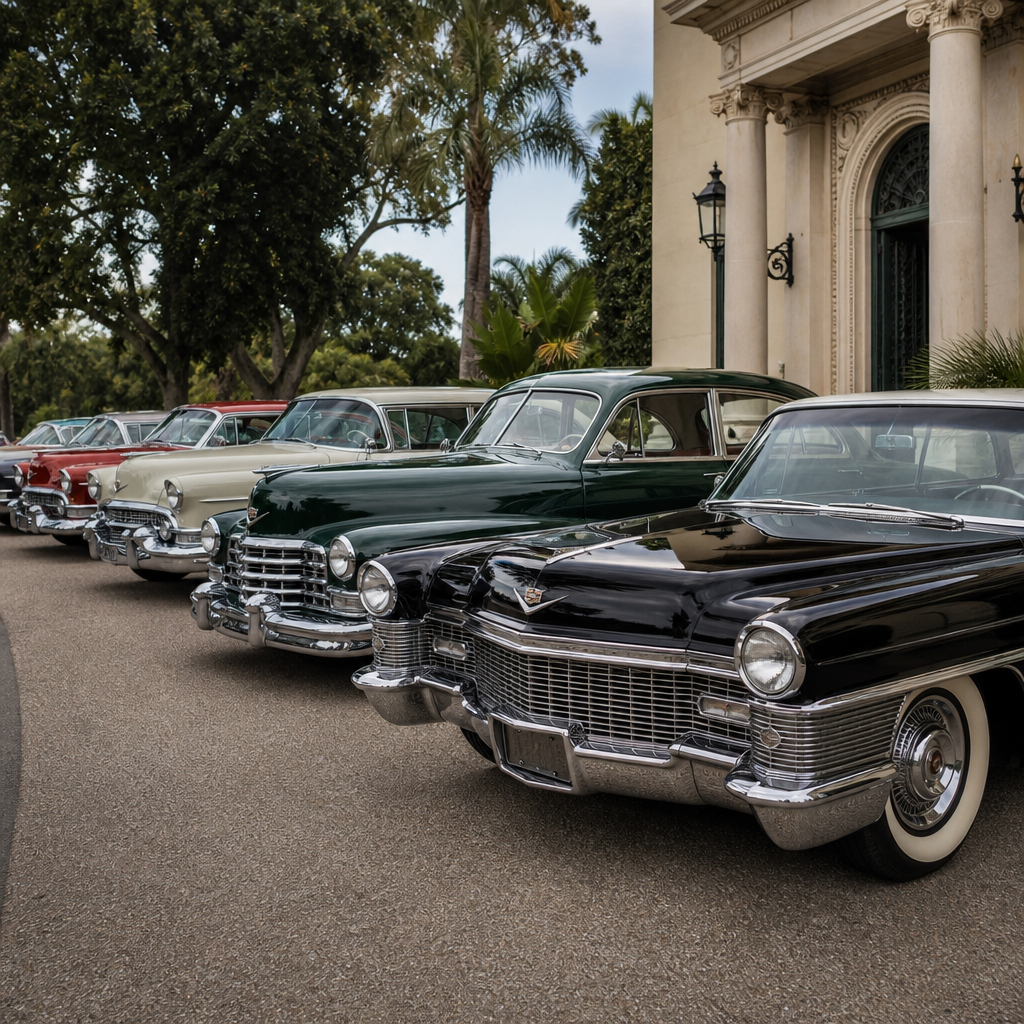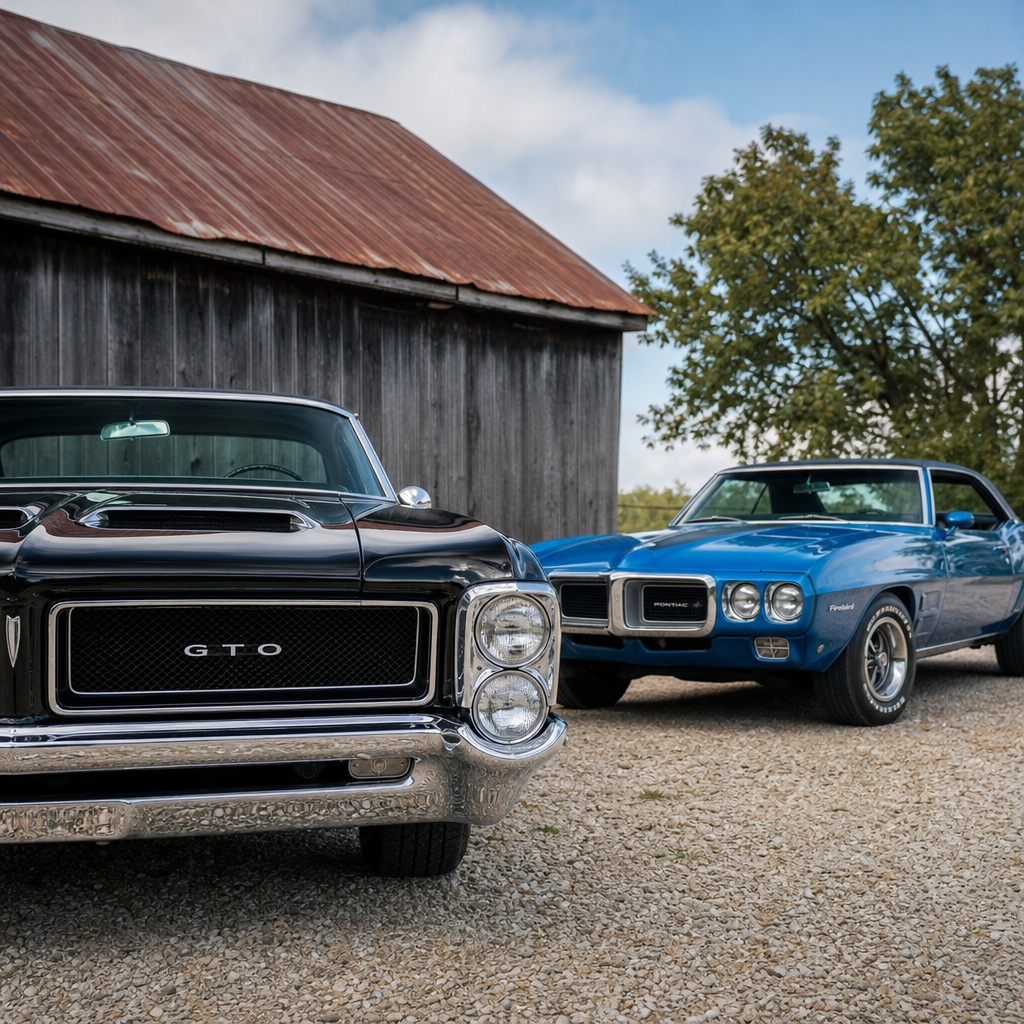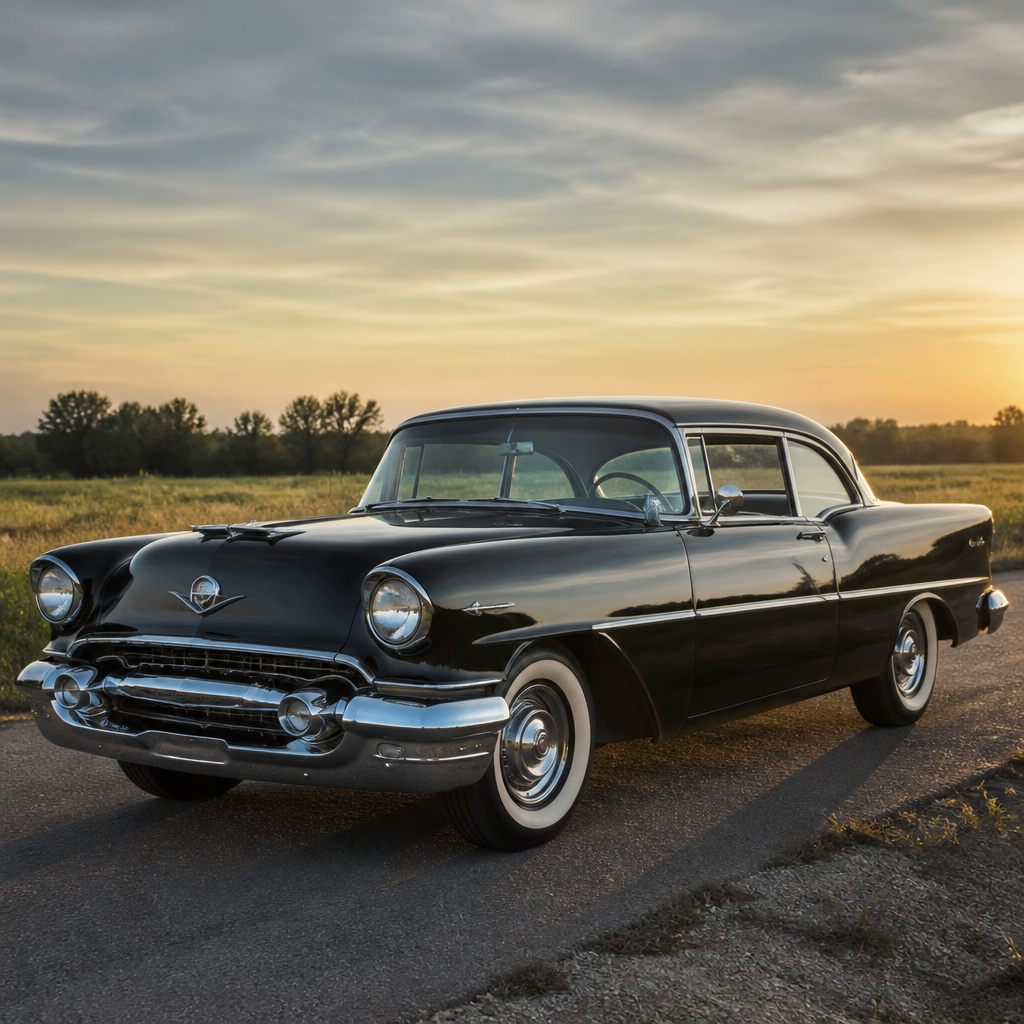
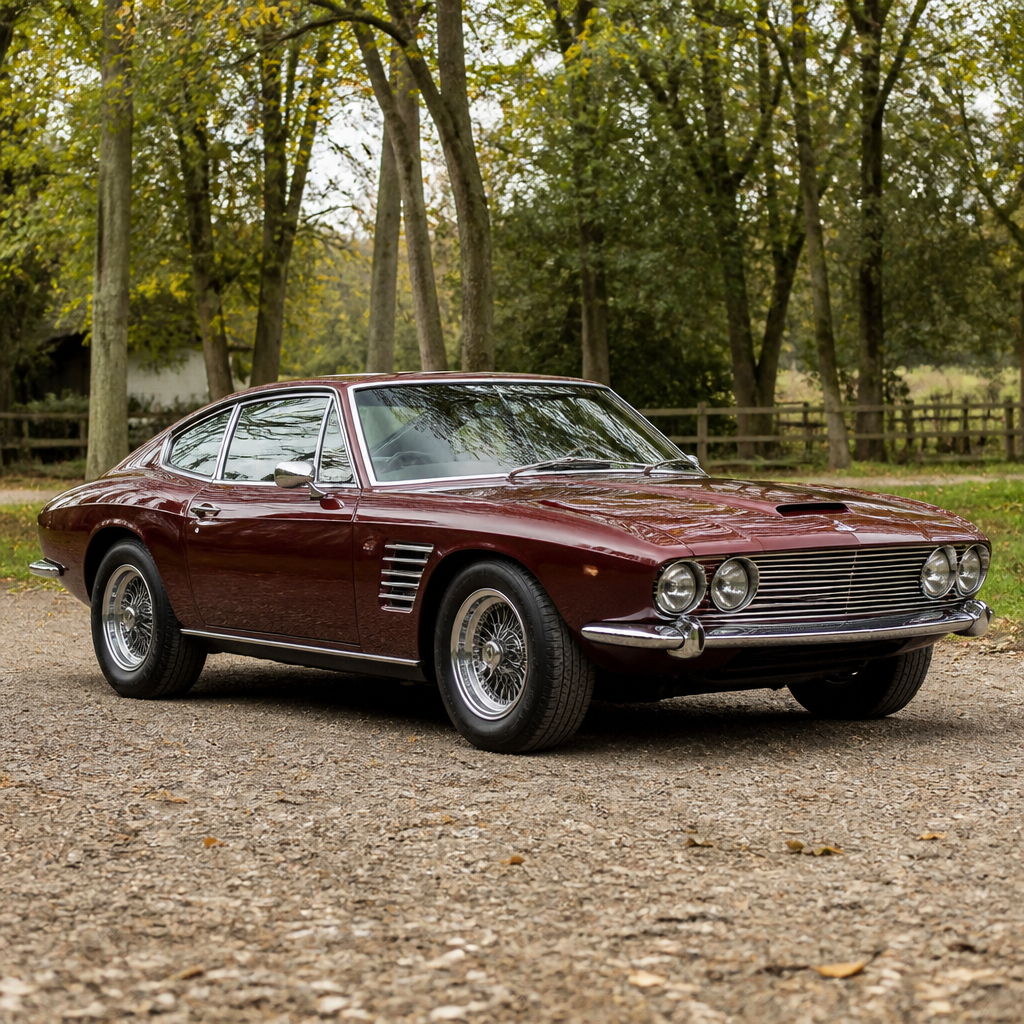
Rare but overlooked classic cars occupy a fascinating corner of automotive history: vehicles built in low numbers, sold with little fanfare, or overshadowed by famous rivals, yet rich in engineering, design, and cultural value. In the classic car market, “rare” does not always mean expensive, and “overlooked” does not mean insignificant. I have spent years around auctions, marque clubs, restoration shops, and private collections, and I have seen modest cars draw deeper conversations than blue-chip exotics because they reveal how manufacturers experimented, adapted, and sometimes quietly excelled.
Within the broader world of classic car models and brands, underrated classics form a practical subtopic for enthusiasts, collectors, and first-time buyers. They include forgotten coupes, orphaned sedans, unusual wagons, limited-production homologation specials, and regional models that never gained mainstream recognition. What ties them together is not a single era or nation, but a gap between historical merit and public attention. This hub article explains what makes a classic car overlooked, why these models matter, which examples deserve renewed interest, and how to evaluate them intelligently before buying, restoring, or featuring them in a collection.
Understanding this category matters because recognition often follows knowledge. When a model’s story becomes better known, values can rise, parts support can improve, and preservation becomes more likely. At the same time, overlooked classics often remain more attainable than headline models such as the Porsche 911, Jaguar E-Type, or first-generation Ford Mustang. For readers exploring underrated classic cars, this page serves as a starting point: a comprehensive overview of the traits, segments, and examples that define the category, plus clear guidance on what to research next. If you want distinctive classic cars with real character rather than predictable prestige, these are the machines worth studying.
What Makes a Classic Car Rare but Overlooked?
A rare but overlooked classic car usually shares three characteristics: low visibility, limited survival, and a weak public narrative compared with stronger competitors. Visibility refers to how often the model appears in media, auctions, club events, and enthusiast conversation. Survival matters because some cars were built in decent numbers but used hard, neglected, or scrapped, making well-preserved examples genuinely scarce today. Narrative is often decisive. A car without a racing story, celebrity ownership, or a dramatic launch can disappear from memory even when it is technically excellent.
In practice, rarity comes in different forms. Production rarity means few cars were built, as with specialist coachbuilt variants. Market rarity means a model was sold in one region and barely seen elsewhere, like certain Australian, Japanese, or continental European derivatives. Survivorship rarity appears when rust, mechanical fragility, or low resale value wiped out most examples. Overlooked status also has causes. Some cars lived in the shadow of halo products from the same brand. Others were introduced during fuel crises, labor unrest, emissions transitions, or quality-control problems that distorted their reputation for decades.
I have found that enthusiasts often confuse obscurity with mediocrity. That is a mistake. A car can be overlooked because it arrived at the wrong time, not because it was bad. The Lancia Fulvia Coupe, for example, never achieved the broad collector profile of an Alfa Romeo GTV in many markets, yet its narrow-angle V4 engine, front-wheel-drive layout, and rally pedigree make it one of the most intellectually interesting Italian classics of the 1960s and 1970s. The same pattern appears repeatedly across brands and eras.
Why Underrated Classics Matter to Collectors and Enthusiasts
Overlooked classic cars matter because they broaden the history of the automobile beyond familiar trophy models. They show how mainstream manufacturers solved engineering problems under real commercial pressure. They reveal regional tastes in size, packaging, and performance. They also preserve trim levels, body styles, and drivetrains that would otherwise vanish from the historical record. A well-kept Saab 99 Turbo, Peugeot 504 Coupe, AMC Javelin SST, or Rover P6 says something specific about the market conditions and design priorities of its moment.
For collectors, underrated classics can offer a stronger ratio of interest to cost. You may not get instant recognition at every cars-and-coffee event, but you often get superior originality, better documentation, and more engaging ownership for the same money. In my experience, these cars also invite more substantive discussion. Instead of repeating familiar facts, owners talk about fuel injection transitions, coachbuilder relationships, suspension geometry, federal bumper regulations, and how a given model influenced later vehicles. That depth is one reason these cars continue gaining respect.
There is also a preservation argument. The collector market naturally protects expensive icons, but lower-profile cars disappear unless informed owners save them. A mundane-looking but historically meaningful sedan can become extremely rare simply because nobody considered it collectible in period. Once trim, glass, or interior fabrics vanish, restoration becomes dramatically harder. Paying attention to underrated classic cars is therefore not only about finding value; it is about protecting overlooked chapters of motoring history before they become impossible to reconstruct accurately.
Overlooked Classic Cars by Segment and Era
Underrated classics appear across every major segment, and grouping them by type helps readers navigate the field. Compact sports coupes include cars such as the Sunbeam Rapier Fastback, Opel GT, and Volvo P1800ES, each distinctive yet often overshadowed by better-publicized peers. Executive sedans bring examples like the BMW E3, Citroen CX, and Mercedes-Benz W108 six-cylinder cars, which offered significant engineering depth but generally trail more fashionable coupes in collector attention. Grand tourers include the Iso Rivolta, Jensen Interceptor, and Bristol 411, all blending performance and exclusivity with varying degrees of market neglect.
Japanese classics deserve separate mention because many remain undervalued relative to their historical importance. The first-generation Mazda Cosmo, Nissan Cedric coupe variants, and Mitsubishi Galant GTO illustrate how Japanese manufacturers experimented with advanced engines, hardtop styling, and export strategies long before global recognition caught up. Likewise, overlooked American classics are not limited to muscle cars. Personal luxury coupes, upscale compacts, and performance sedans from AMC, Oldsmobile, Buick, and Mercury often contain surprising technical merit, from turbocharging to sophisticated chassis tuning.
| Model | Why It Is Overlooked | Why It Matters |
|---|---|---|
| Lancia Fulvia Coupe | Overshadowed by Alfa coupes and later Lancias | Advanced V4 engineering, rally success, delicate design |
| Rover P6 | Sedan shape lacks glamour in many markets | De Dion rear suspension, safety-focused structure, refined ride |
| Saab 99 Turbo | Lives in the shadow of the 900 Turbo | Early mainstream turbo pioneer with strong competition history |
| Peugeot 504 Coupe | Less famous than Italian GT contemporaries | Pininfarina styling, durability, excellent touring character |
| AMC Javelin SST | Mustang and Camaro dominate attention | Distinct design, Trans-Am credentials, brand rarity |
Era also matters. Cars from the late 1950s to early 1970s often benefit from chrome-era romance, but many 1970s and 1980s vehicles remain underappreciated because they sit between “true classics” and modern collectibles in the public imagination. That transitional period, however, produced landmark developments in emissions control, turbocharging, aerodynamics, hatchback practicality, crash safety, and electronic management. Many of today’s most rewarding finds come from that transitional era precisely because broad recognition has lagged behind historical significance.
Examples That Deserve Renewed Attention
The Rover P6 is one of the strongest examples of an overlooked classic. Introduced in 1963, it used advanced construction, inboard rear brakes, and a De Dion rear suspension setup that gave impressive ride composure. It won the first European Car of the Year award in 1964, yet many collectors still bypass it for sportier or more prestigious contemporaries. Properly sorted P6 models, especially the 2000 TC and V8 3500 variants, deliver a distinctive mix of engineering seriousness and everyday usability.
The Saab 99 Turbo deserves equal attention. Before turbocharging became a routine marketing feature, Saab treated forced induction as an integrated engineering solution rather than a gimmick. The 99 Turbo, launched in the late 1970s, helped normalize turbocharged road cars through durability testing, boost management development, and practical packaging. Because the 900 Turbo became the brand’s icon, the 99 Turbo often remains in the background. Yet from a historical standpoint, it is the purer and rarer milestone.
Another standout is the Peugeot 504 Coupe and Cabriolet. Styled by Pininfarina and mechanically related to the durable 504 sedan, these cars combined elegant proportions with long-distance comfort and unusually robust underpinnings. They never achieved the glamour premium attached to Italian GT cars, partly because the Peugeot badge lacked the same prestige in collector circles. That disconnect makes them especially compelling. You get coachbuilt style, excellent road manners, and a genuinely uncommon presence without paying for a far more obvious marquee name.
Among American underrated classics, the AMC Javelin deserves wider recognition. It entered the pony-car field against giant competitors with bigger budgets and stronger dealer networks, yet it developed real motorsport credibility in Trans-Am racing under Penske and Mark Donohue. Later Javelins combined aggressive styling with brand-level rarity that now works in their favor. The same goes for the Buick Riviera boattail and Oldsmobile Toronado: both once polarized buyers, and that very boldness now gives them stronger historical identity than many safer designs.
For readers interested in European front-wheel-drive innovation, the Citroen CX and Lancia Fulvia should be high on the list. The CX brought hydropneumatic suspension, remarkable aerodynamics, and interior design that still feels concept-car bold. The Fulvia brought precision handling, jewel-like engineering, and competition credibility. Neither is a casual purchase, because specialist knowledge matters, but both reward informed ownership with experiences that no generic blue-chip collectible can replicate.
How to Evaluate an Underrated Classic Before You Buy
Buying an overlooked classic requires a different method than buying a well-documented icon. Start with parts support, not romance. Determine whether trim, glass, rubber seals, interior materials, and model-specific mechanical components are available new, remanufactured, or used through clubs and specialists. A rare engine component can immobilize a car more effectively than a major rust repair bill. I always advise buyers to join owner forums and marque clubs before viewing any car, because those communities reveal recurring failure points that auction listings rarely mention.
Next, verify whether the car is rare in a good way or rare in a problematic way. Genuine significance comes from engineering, design, motorsport, cultural relevance, or representativeness within a brand’s history. Mere obscurity is not enough. A low-production trim package with no parts support and no collector base may stay illiquid for years. By contrast, a forgotten model with a strong specialist network can be an excellent long-term purchase even if headline values remain modest.
Condition hierarchy is crucial. For many underrated classics, the best car you can afford is still the cheapest path. Rust repair on obscure models quickly becomes uneconomic because fabrication is labor-intensive and donor panels are scarce. Originality also matters more than many newcomers expect. Since these cars are only now earning historical respect, factory-correct trim, colors, wheels, and interior details significantly affect future desirability. Documentation, period brochures, toolkits, service records, and known ownership history add disproportionate value because they help establish credibility in a market still forming consensus.
Market Trends, Restoration Reality, and Ownership Value
The market for overlooked classic cars tends to move unevenly. Recognition often begins with specialist enthusiasm, then spreads through club events, magazine features, online auctions, and social media exposure. Once buyers understand a model’s story, values can increase sharply, but not always across every variant. The best examples, rare body styles, and cars with impeccable provenance usually rise first. Average cars may remain affordable for years. That creates opportunity, but it also means buyers should choose with conviction rather than chasing speculative spikes.
Restoration reality deserves honesty. Some underrated classics are bargains only until work begins. Complex trim, unusual hydraulics, hard-to-source glass, or model-specific electronics can consume budgets quickly. The Citroen SM, for example, is deeply rewarding but technically demanding; the Volvo 1800ES is comparatively manageable; the Rover P6 sits somewhere in the middle depending on corrosion and parts sourcing. Ownership value therefore should be measured in experience, not just resale potential. The best overlooked classics feel distinctive every time you drive them, and that sustained engagement is their real advantage.
Use this hub as a launch point for deeper research into specific brands, eras, and body styles. Make a shortlist, study specialist buying guides, speak with owners, and inspect the best examples you can find. Rare but overlooked classic cars reward curiosity more than status seeking. If you want a classic with substance, originality, and room for discovery, start exploring the underrated models that history almost left behind.
Frequently Asked Questions
What makes a classic car both rare and overlooked?
A classic car becomes both rare and overlooked when it combines limited survival or low production with a weak public profile compared with more famous models from the same era. That can happen for several reasons. Some cars were built in genuinely small numbers because they were expensive, experimental, imported in limited quantities, or sold during a bad economic moment. Others were produced in respectable volumes but are still rare today because they were used hard, rusted away, or were never considered collectible enough to preserve. The “overlooked” part usually comes from the marketplace and the culture around it: a car may have been overshadowed by a better-known sibling, dismissed because it wore an unfashionable badge, or ignored because it never developed the racing pedigree or media mythology that drives mainstream collector attention.
In practice, rarity alone does not create desirability, and that is exactly why this category is so interesting. A car can be far scarcer than a headline auction star and still trade for a fraction of the price because fewer buyers understand its story. That does not make it insignificant. In fact, many overlooked classics are deeply important as design studies, engineering stepping stones, or reflections of changing tastes in their time. Some introduced advanced suspension layouts, unusual body construction, innovative drivetrains, or market concepts that later became common. Others capture a regional or social history that flashier collector cars simply do not. When enthusiasts talk seriously about rare but overlooked classics, they are usually talking about vehicles that reward knowledge: the more you learn, the more compelling they become.
Why do some rare classic cars stay affordable while others become expensive collector icons?
The price gap comes down to demand, not just supply. In the collector market, values rise when a car has a strong following, broad name recognition, easy parts support, a documented competition history, or a reputation that extends beyond specialist circles. A rare classic without those advantages may remain surprisingly affordable even if very few survive. Buyers tend to pay premiums for cars they already understand, for models that appear regularly in magazines and auctions, and for vehicles that are easy to show, insure, restore, and resell. If a model lacks that visibility, its rarity can remain hidden in plain sight.
There are also practical considerations. Overlooked cars often require more research, more patience, and more mechanical empathy than blue-chip classics. Replacement trim may be difficult to source, knowledgeable restorers may be scarce, and valuation can be less predictable because fewer comparable sales exist. That uncertainty limits the buyer pool, which keeps prices in check. At the same time, affordability should not be mistaken for a lack of merit. Some of the most rewarding classic car experiences come from cars that still sit below the speculative radar. They can offer originality, craftsmanship, historical importance, and real event eligibility without the financial pressure attached to famous six-figure collectibles. For experienced enthusiasts, that combination is exactly the appeal: you are buying substance, conversation, and character rather than simply chasing a market trend.
How can I identify an overlooked classic car with real historical or collector value?
The best approach is to look beyond badge prestige and study context. Start with production numbers, but do not stop there. Investigate how the car fit into its manufacturer’s history, whether it introduced notable engineering features, and whether it represented a turning point in design, performance, or market strategy. A model that was the first of its kind for a brand, the last hand-built variation, or a short-lived experiment can carry real significance even if it has not yet received broad collector attention. Period road tests, factory literature, club archives, and marque specialists are extremely helpful because they reveal how the car was perceived when new and why it may have faded from the spotlight later.
It is also important to evaluate survival rates, originality, and enthusiast infrastructure. Some cars were not especially rare when new but have become difficult to find in unmodified, rust-free, numbers-matching condition. That can matter more than official production totals. Pay attention to whether there is an active owners’ club, a specialist parts network, and a body of knowledge around proper restoration. Those things support long-term ownership and often signal that a model is beginning to earn renewed respect. Finally, look for cars that generate disproportionate interest from informed people. In my experience, when restorers, judges, long-time collectors, and marque historians keep stopping to talk about a supposedly modest car, that is often the clearest sign that it has deeper value than the market currently reflects.
Are rare but overlooked classic cars harder to restore and maintain?
They can be, but difficulty varies widely depending on the car and on the owner’s expectations. Mechanically, some overlooked classics are easier to live with than their reputations suggest because they share engines, transmissions, brakes, or suspension components with more common models. In those cases, the challenge is not basic drivability but finishing the car correctly. Trim pieces, interior fabrics, badging, glass, model-specific switches, and one-year-only body details are often where restorations become time-consuming and expensive. That is especially true for low-volume coachbuilt variants, limited-run coupes, orphan brands, and imported models with thin parts support.
The smartest way to approach restoration is to buy the most complete, best-documented example you can afford. Missing rare parts can cost more than major mechanical work, and chasing unavailable details can stall a project for years. Before buying, speak with owners’ clubs, parts specialists, and restorers who know the model well. Ask which components are unobtainable, what can be reproduced, and what compromises are generally accepted in the hobby. Also decide early whether your goal is a concours-correct restoration, a sympathetic preservation, or a reliable driver-quality refurbishment. For many overlooked classics, preservation can be the most historically honest and financially sensible route. A well-sorted, original car with patina and documentation often tells a stronger story than an over-restored example that has lost authenticity in the process.
What are the best reasons to buy a rare but overlooked classic car today?
The strongest reason is that these cars often deliver a richer ownership experience than their market values suggest. They invite curiosity, reward research, and stand apart from predictable collector choices. At shows and gatherings, an overlooked classic frequently attracts more meaningful conversation than a famous car everyone has seen before. People ask questions, share memories, and engage with the details because the car feels fresh rather than familiar. That kind of response is valuable, especially for enthusiasts who care about automotive history as much as status. You are not just displaying an object; you are preserving a story that might otherwise be lost.
There is also a strategic case for buying carefully chosen overlooked classics. Because “rare” does not automatically mean “expensive,” knowledgeable buyers can sometimes enter important corners of the hobby without paying blue-chip prices. That does not guarantee appreciation, and anyone shopping purely for investment should be cautious. Still, historically interesting, well-documented, and increasingly recognized models often benefit over time as scholarship improves and collector tastes broaden. More importantly, these cars can offer satisfaction that has little to do with speculation: distinctive design, unusual engineering, club camaraderie, and the pleasure of owning something genuinely uncommon. If you buy with patience, research thoroughly, and focus on condition, completeness, and provenance, a rare but overlooked classic can be one of the most rewarding purchases in the entire collector car world.