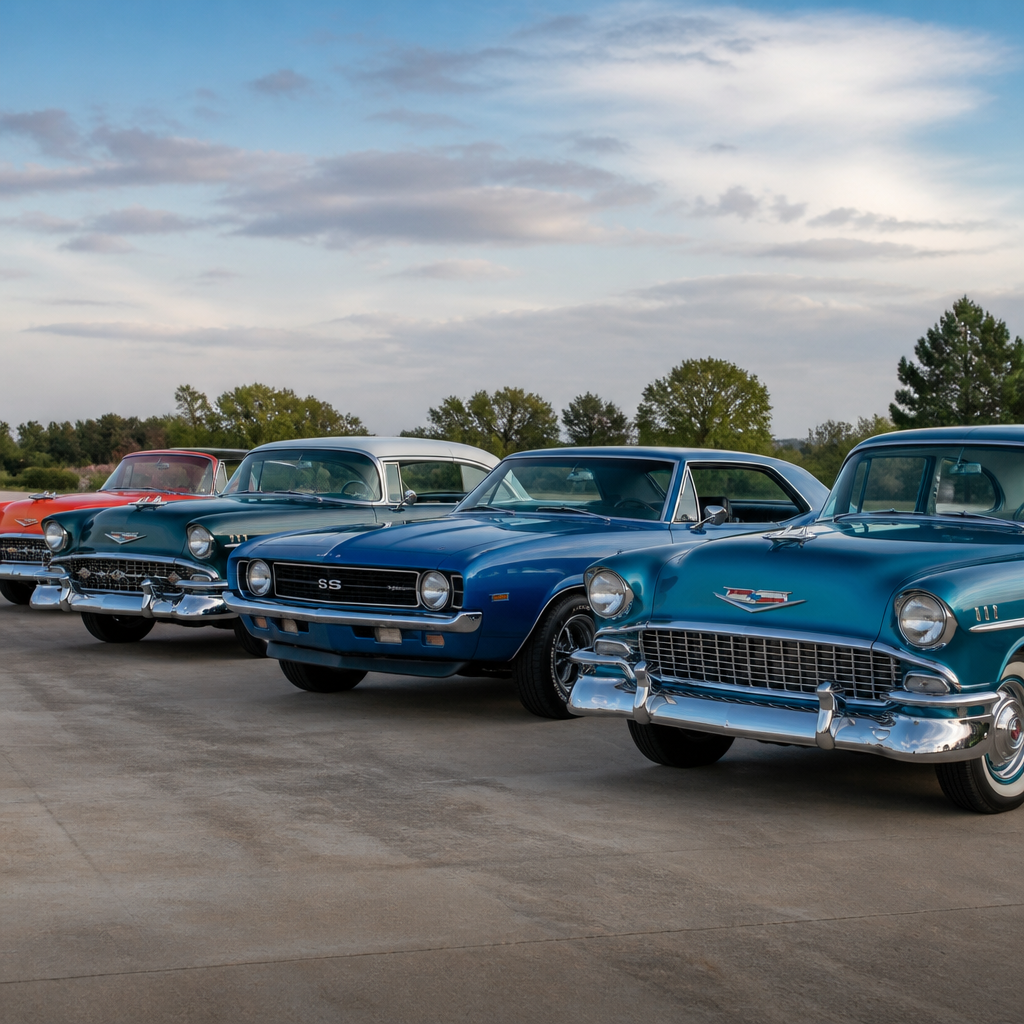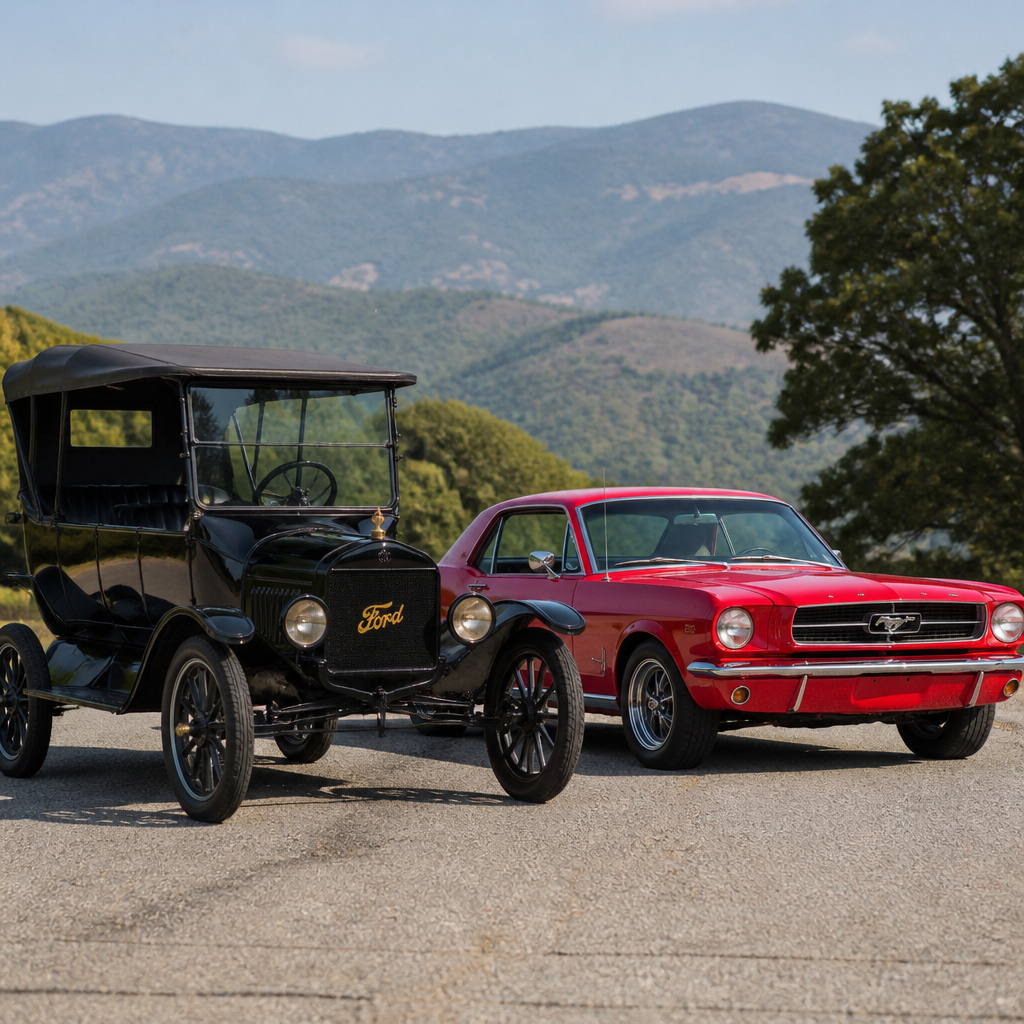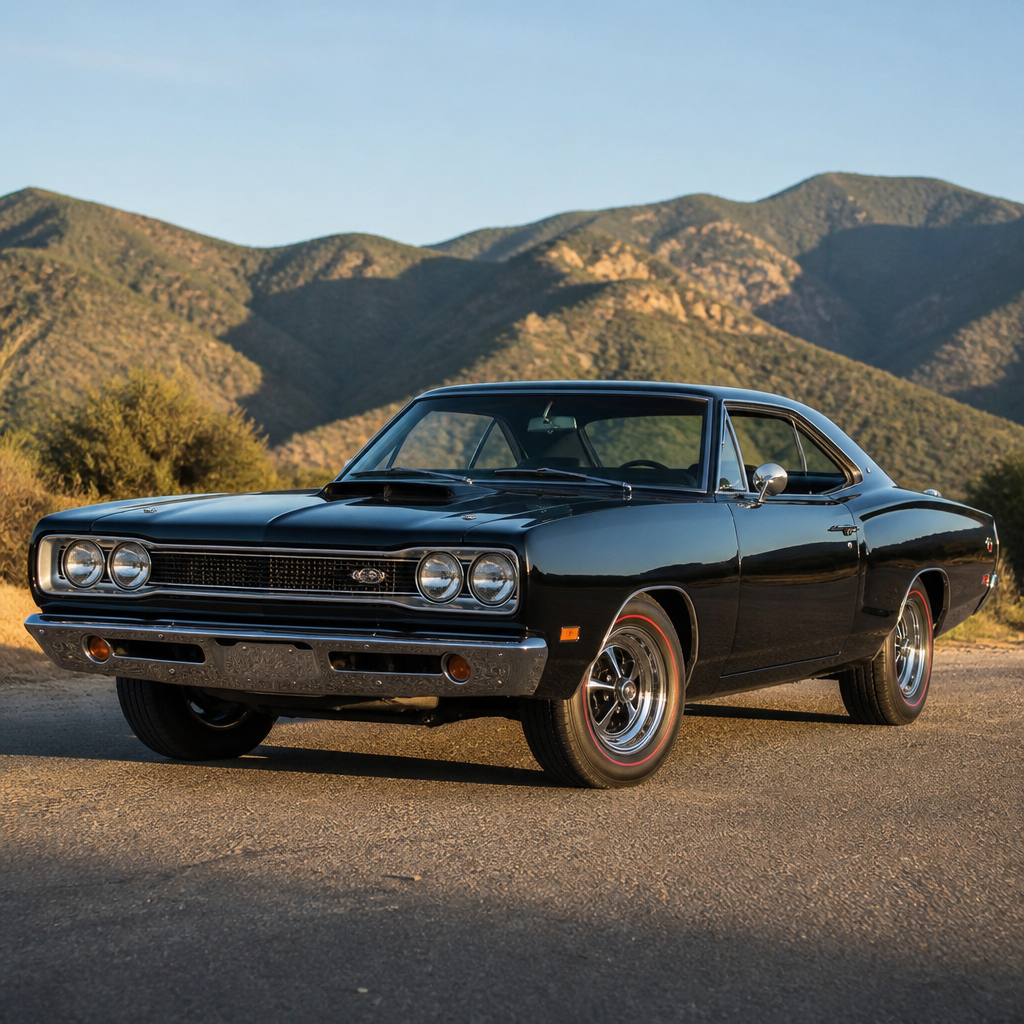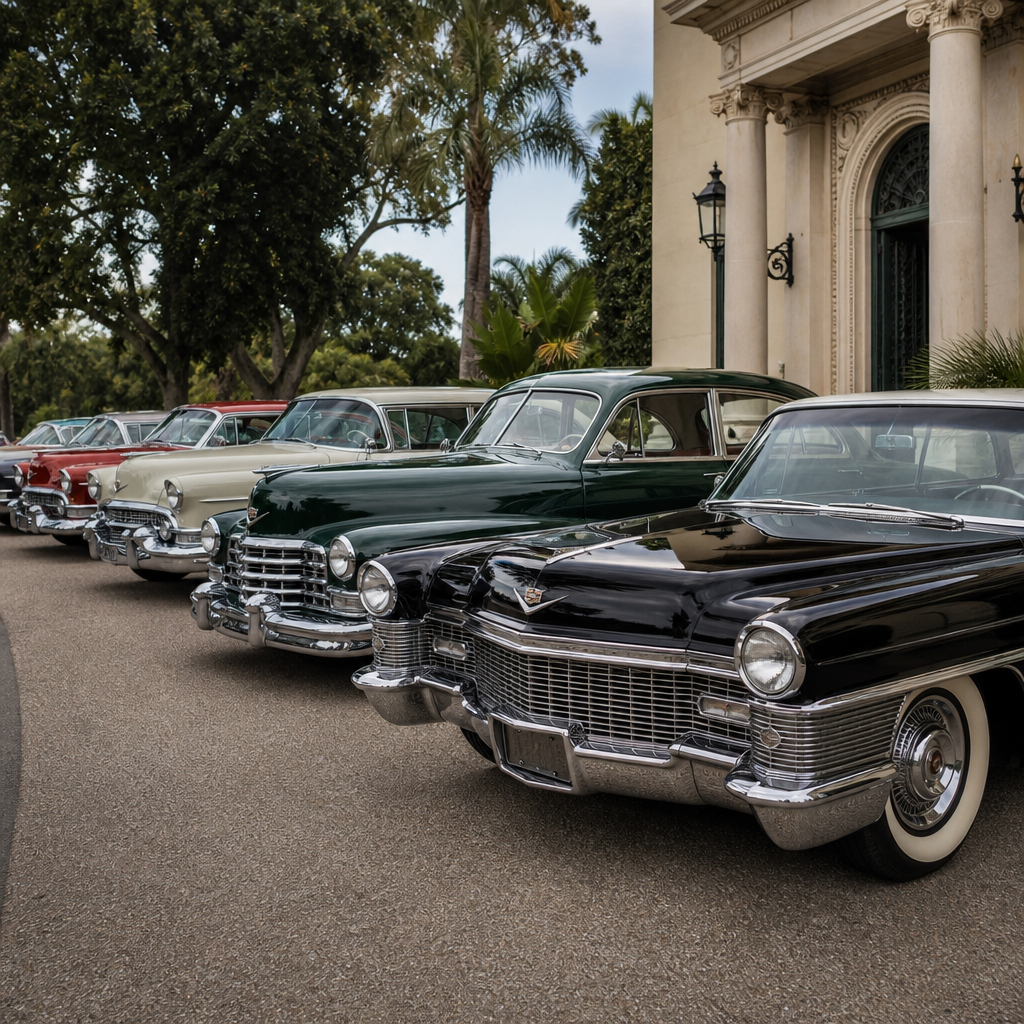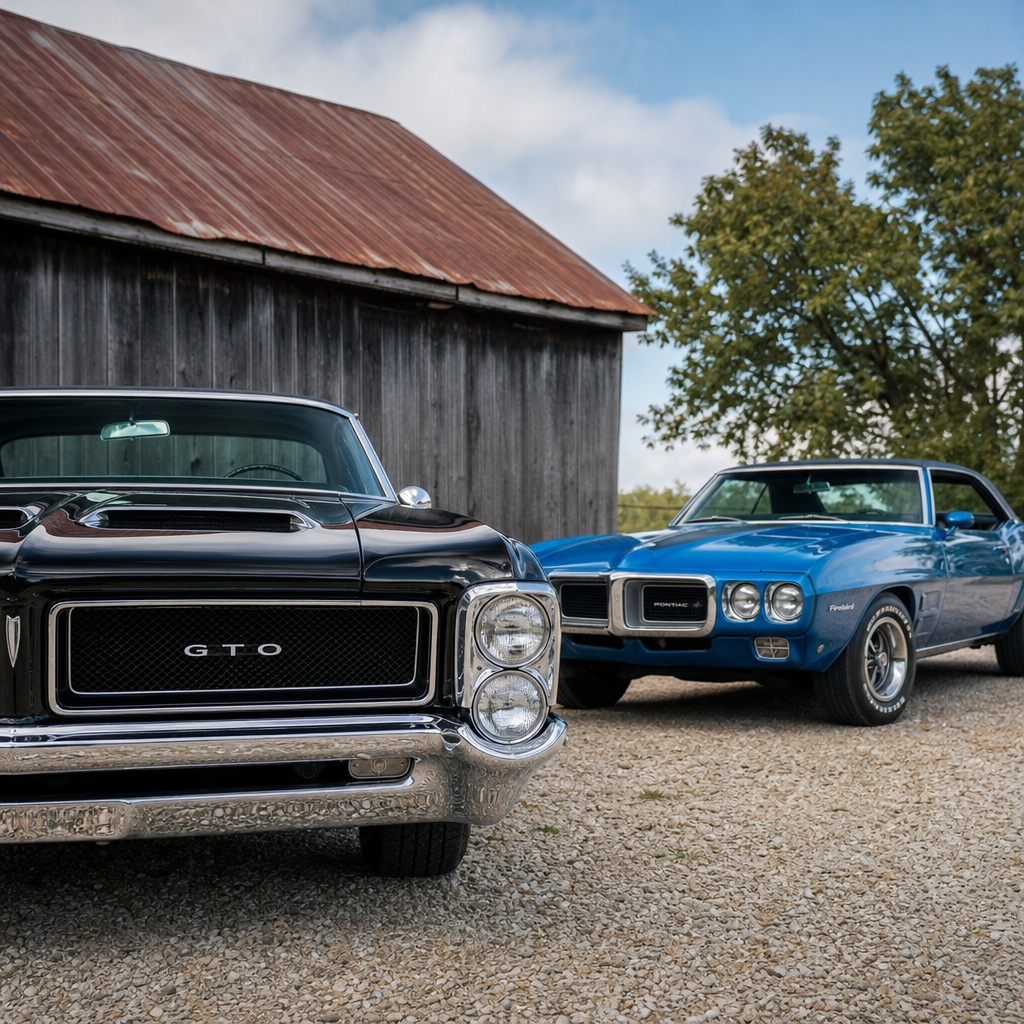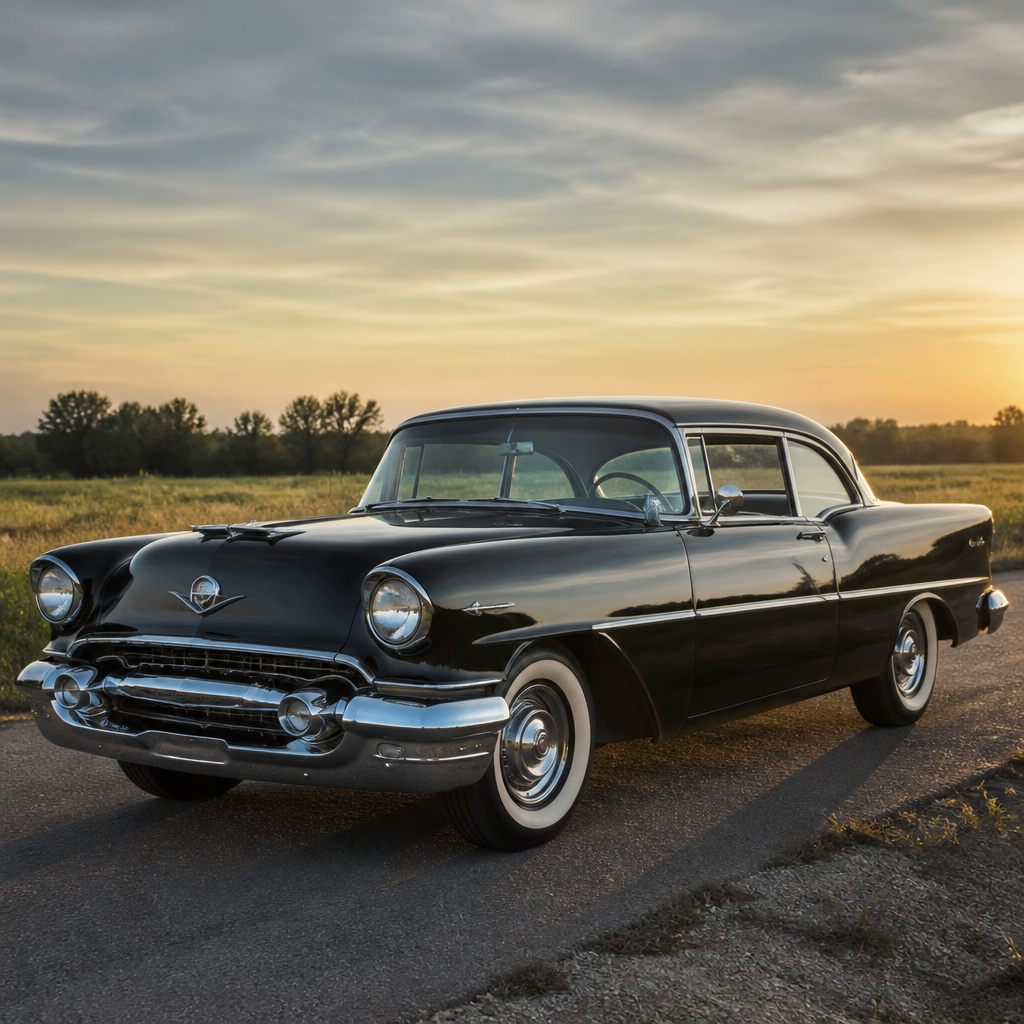
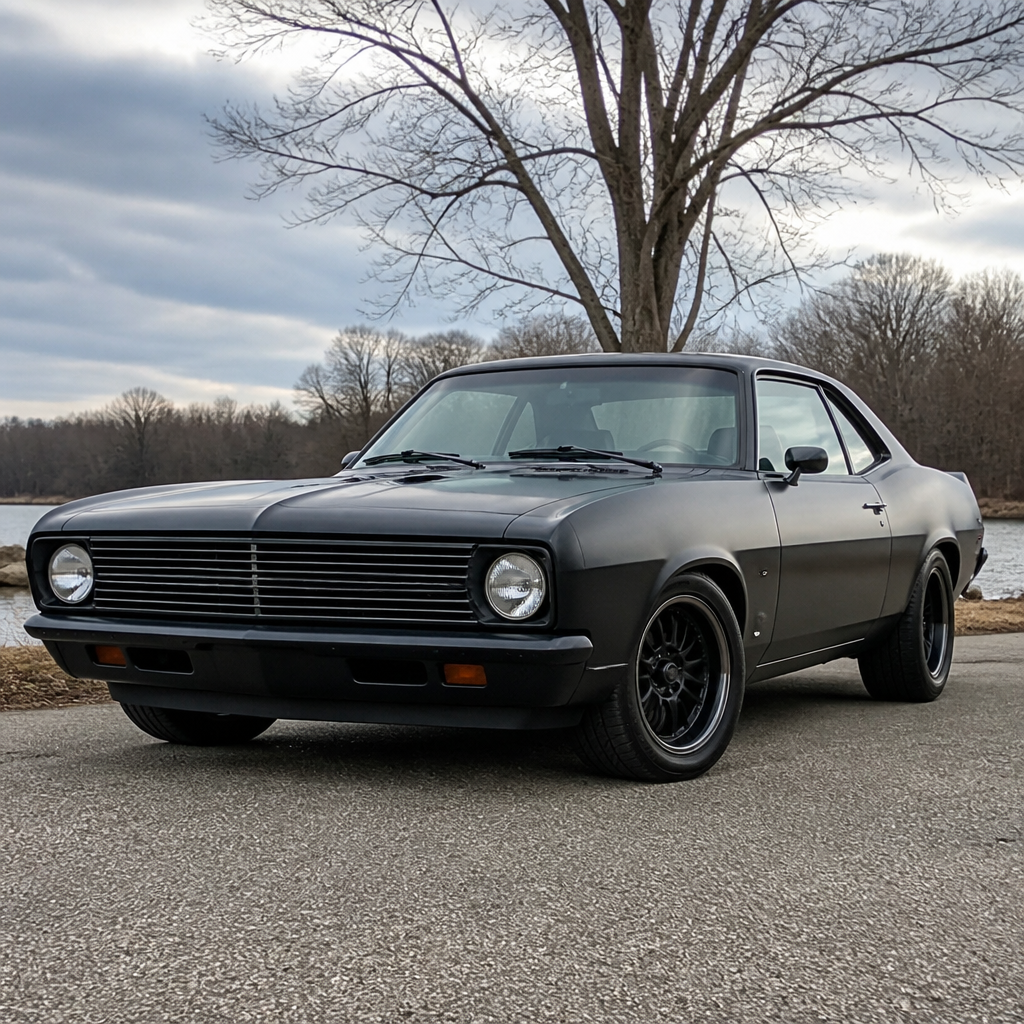
The best sleeper classic cars combine subtle styling, strong mechanicals, and an ownership story that rewards people who look past badge prestige. In classic-car terms, a sleeper is a vehicle that appears ordinary or underpowered but delivers surprising performance, engineering sophistication, rarity, or long-term collector appeal. An underrated classic is slightly broader: it may not be fast, yet it remains overlooked relative to its quality, historical importance, or driving experience. I have spent years around auctions, restoration shops, club meets, and private collections, and the same pattern appears repeatedly: buyers chase the obvious halo cars first, then later discover that the smartest purchases were often the models parked one row over. That matters because the market for famous classics has become expensive, while many lesser-known coupes, sedans, wagons, and personal luxury cars still offer attainable entry points. For enthusiasts building a collection under the wider Classic Car Models & Brands umbrella, understanding underrated classics is essential. This hub explains what makes a sleeper classic, which models deserve attention, how to judge value, and where these cars fit among American, European, and Japanese collector trends today.
What Makes a Sleeper Classic Car Worth Buying
A sleeper classic earns its reputation through contrast. The exterior may suggest practicality, conservatism, or modest output, but the car hides a stronger engine, advanced chassis tuning, unusual homologation roots, or exceptional real-world pace. Sometimes the sleeper effect comes from factory specification, such as a mid-size sedan fitted with a big-block V8. Other times it comes from a model family with forgotten engineering strengths, like fuel injection, independent suspension, or overbuilt drivetrains that enthusiasts ignored for decades. The key point is that a sleeper is not merely obscure. It must offer substance that the market has undervalued.
When I assess underrated classics, I look at five factors. First is performance relative to appearance. Second is parts support, because a bargain becomes expensive if trim, glass, or model-specific electronics are unobtainable. Third is historical context: was the car important to a brand, a market segment, or a technical transition? Fourth is owner experience, including drivability in modern traffic. Fifth is value spread between top examples and rough drivers. A wide spread often signals an active market with room to buy smart, restore carefully, and still avoid the inflated premiums attached to headline models.
Another sign of a good sleeper is misunderstood identity. Many classic buyers sort cars into simple categories: muscle, sports, luxury, economy. The most interesting sleepers sit between those labels. A luxury coupe with hidden big-engine performance, a family sedan with touring-car character, or a compact with giant-killing handling can all remain undervalued because they are harder to summarize. That ambiguity keeps prices reasonable long after experts have recognized the car’s strengths.
American Sleeper Classics That Still Fly Under the Radar
American underrated classics often come from periods when insurance rates, emissions rules, and changing tastes pushed manufacturers to blend performance into less obvious packages. The 1964–1967 Chevrolet Chevelle Malibu SS with small-block power, for example, is overshadowed by big-block SS396 cars, yet a well-sorted 327 car delivers balanced usability and easier maintenance. More of a true sleeper is the 1969–1972 Buick Skylark Gran Sport 350. Enthusiasts focus on GS 455 models, but the 350 cars look nearly identical, weigh slightly less, and remain far more approachable on price.
The 1983–1987 Chevrolet Monte Carlo SS is another strong hub-category example. It has become more appreciated, but it is still underrated beside first-tier muscle cars. Its appeal lies in instant parts availability, body-on-frame durability, rear-wheel-drive simplicity, and a recognizable NASCAR connection. For buyers who want V8 character without six-figure anxiety, it works. The same logic applies to the 1986–1987 Buick Regal T-Type and non-GNX turbo Regals. The GNX receives the headlines, but standard intercooled turbo Buicks offer much of the same forced-induction magic with lower acquisition cost.
Do not ignore full-size American sleepers. The 1994–1996 Chevrolet Impala SS has moved beyond bargain territory, yet relative to what it offers—Corvette-derived LT1 power, sinister styling, huge owner support—it still sits below many less usable classics. Older examples include the 1966–1969 Mercury Marauder and select Pontiac 2+2 models, both overshadowed by GTOs and more famous Fords. These cars matter in the underrated classics conversation because they reveal a consistent truth: when performance is wrapped in an unfashionable body style or secondary brand badge, values lag longer than they should.
European Sleeper Classics with Engineering Depth
Europe produced some of the best sleeper classic cars because many manufacturers embedded serious engineering in restrained designs. Mercedes-Benz is a prime example. The W108 and W109 sedans, especially the 280SE 3.5 and 300SEL variants, hide refined V8 power and impeccable high-speed stability beneath formal styling. Buyers often chase SL roadsters or Pagodas, leaving these sedans comparatively accessible. The W123 280E and W124 500E are no secret to informed enthusiasts, but in broader collector markets they still represent understated capability rather than show-car theater.
BMW sleepers deserve equal attention. The E12 530i and E28 535i sit in the shadow of M cars, yet they capture much of the same rear-drive balance and straight-six charisma with simpler ownership economics. I have seen more first-time collectors keep an E28 long term than an equivalent exotic because it can actually be used for weekend tours, occasional commuting, and club events without drama. Alfa Romeo offers similar opportunities through the Alfetta GTV and Milano/75, cars whose transaxle layout and sharp steering are appreciated by drivers even if the market has not elevated them like Spiders or early GTV coupes.
Jaguar’s XJ6 Series I and II also fit the sleeper category when bought carefully. They are elegant rather than aggressive, but the combination of independent rear suspension, disc brakes, and supple ride quality still feels sophisticated. Rust and deferred maintenance matter, of course, yet the best examples remind collectors that value is not always tied to celebrity. The same goes for Saab 900 Turbos and Volvo 240 Turbos. Both brands built practical cars with genuine enthusiast credentials, and both remain central when discussing underrated classic European performance.
Japanese Underrated Classics Are No Longer Secret, but Many Are Still Smart Buys
Japanese classics have matured from niche enthusiasm into a serious collector sector, yet several sleepers remain underappreciated compared with Skyline GT-Rs, Supras, and RX-7s. The first model I mention to buyers is the Datsun 510. It is not cheap anymore, but it still makes sense because of its motorsport pedigree, compact size, tuning support, and honest driving dynamics. If pricing feels too strong, look at the Datsun 610, 710, or even the 810/Maxima lineage, where straight-six smoothness and rarity create appeal without the same spotlight.
The Toyota Cressida is one of the best sleeper classic cars from Japan. Rear-wheel drive, excellent build quality, comfortable interiors, and engines related to more famous Toyota performance cars make it a natural bridge between luxury and tuner interest. The same is true of the first-generation Lexus GS 300 and LS 400, especially for younger collectors now recognizing 1990s analog-luxury engineering. Honda’s Prelude, particularly fourth-generation VTEC cars, remains undervalued relative to its chassis sophistication and daily usability. So does the Acura Legend coupe, a car that delivered premium engineering and elegant proportions before Japanese luxury badges became fully mainstream.
Mazda, Mitsubishi, and Isuzu also deserve space in this hub. The Mazda 929, Mitsubishi Galant VR-4, and Isuzu Impulse each offer distinct stories that are richer than their market values suggest. The Galant VR-4 in particular foreshadowed the Lancer Evolution formula with turbocharging and all-wheel drive, yet it remains substantially cheaper. That gap between significance and price is exactly what defines an underrated classic.
Body Styles and Segments Where Sleepers Hide Best
If you want to find underrated classics before prices surge, focus on segments the broad market usually overlooks. Four-door sedans are historically the strongest territory. Collectors tend to prize coupes and convertibles first, which leaves powerful or technically advanced sedans undervalued for longer. Wagons follow the same pattern, though select long-roof models have recently gained popularity. Personal luxury coupes, executive sedans, compact sport sedans, and homologation-adjacent trims also deserve close study.
The reason is psychological as much as mechanical. Buyers often imagine a classic car as a weekend toy, so practical shapes seem less romantic. Yet for actual ownership, those practical shapes can be better. They offer easier entry, more luggage room, often improved visibility, and lower insurance replacement stress because market attention is lower. A 1970s BMW sedan, 1980s turbo Buick, or 1990s Japanese executive saloon can deliver more use per dollar than a famous two-seat icon.
| Segment | Why It Gets Overlooked | Why It Can Be a Smart Sleeper Buy |
|---|---|---|
| Four-door sedan | Less glamorous than coupes | Better value, easier usability, hidden performance |
| Wagon | Seen as practical rather than collectible | Rarity, cargo space, strong enthusiast interest growth |
| Personal luxury coupe | Overshadowed by sports cars | Big engines, comfort, distinctive period styling |
| Executive saloon | Complex reputation and subtle looks | Excellent engineering, highway capability, understated presence |
| Homologation-adjacent trim | Collectors chase top halo version | Shared hardware and story at lower cost |
How to Evaluate an Underrated Classic Before You Buy
Buying well matters more with sleeper classic cars because the spread between a usable gem and a money pit is often enormous. Start with rust, always. Mechanical parts for many underrated classics are easier to source than body panels, trim, and glass. I have watched buyers save money on purchase price only to spend years hunting a single grille, taillamp, or quarter panel. Verify common corrosion areas by model: cowl drains, rocker panels, rear arches, floor pans, trunk seams, suspension pickup points, and windshield channels.
Next, assess originality versus sympathetic upgrades. A sleeper classic does not need to be untouched, but modifications should make sense. Factory-style wheel upgrades, electronic ignition conversions, modern tires, improved cooling, and discreet brake improvements can enhance reliability without hurting value. Poor wiring, cut dashboards, engine swaps with no documentation, and interior changes using incorrect materials usually reduce appeal. Documentation is especially important on underrated cars because the market relies heavily on informed buyers; service records and original literature help prove what the car is.
Then study ownership ecosystem. Does the model have an active club? Are reproduction parts available? Is there a specialist shop within practical distance? A rare car with no community can become exhausting. Finally, compare the car against adjacent models, not just itself. If a strong Alfa transaxle coupe costs less than a mediocre headline collectible, the smarter buy may be obvious. Value emerges through comparison, and that is where sleepers win.
Market Trends, Restoration Reality, and Long-Term Potential
Market behavior around underrated classics follows a familiar cycle. First, experts and longtime owners appreciate a model quietly. Second, social media and auction visibility bring broader attention. Third, the best examples rise sharply, while average cars lag. Fourth, parts prices and restoration costs catch up, narrowing the gap between bargain purchase and finished value. We are in that cycle now for many 1980s and 1990s sleepers, particularly German sedans, Japanese luxury cars, and analog turbo performance models.
That does not mean every overlooked car is an investment. Restoration economics remain unforgiving. Paint, chrome, upholstery, and bodywork can exceed market value quickly, especially on obscure models with limited trim supply. The best strategy is to buy the most complete, rust-free example you can afford. Mechanical recommissioning is usually predictable; cosmetic rescue is not. Survivors with original finishes, even imperfect ones, often make more sense than fully disassembled projects.
Long-term potential usually comes from a mix of generational nostalgia, usability, and documented significance. Cars tied to a turning point—fuel injection adoption, turbocharging, luxury-brand launches, touring-car competition, or a platform shared with famous halo cars—tend to age well. So do vehicles that younger enthusiasts remember from family driveways, magazine tests, or video games. A sleeper becomes mainstream collectible when enough people can finally articulate why it mattered all along.
Why This Underrated Classics Hub Matters for Collectors
The best sleeper classic cars reward curiosity. They offer performance without flash, history without inflated branding, and ownership experiences that often feel more authentic because expectations start lower. American mid-size V8s, European executive sedans, Japanese rear-drive luxury cars, overlooked wagons, and near-halo trims all prove the same point: the collector market still leaves genuine opportunities for informed buyers. If you evaluate rust first, verify parts support, understand each model’s historical role, and buy completeness over fantasy, underrated classics can deliver exceptional value and lasting enjoyment.
As a hub within Classic Car Models & Brands, this guide is the starting point for deeper research into specific marques, generations, and body styles. Use it to narrow your focus, compare segments, and identify the cars that match your budget and mechanical comfort level. Then study individual buyer’s guides, production histories, and restoration resources before making an offer. The smartest classic purchase is rarely the loudest one. Start building your shortlist of sleeper classics now, and you may find that the most rewarding car in the room is the one everyone else underestimated.
Frequently Asked Questions
What makes a classic car a true sleeper rather than just an underrated model?
A true sleeper classic car is defined by contrast: it looks modest, ordinary, or at least less exciting than the way it actually performs, drives, or is engineered. In other words, the appeal comes from understatement. A sleeper might share bodywork with a base family sedan, compact coupe, or understated executive car, yet hide a stronger engine, upgraded suspension, better gearing, or unexpectedly advanced chassis tuning. The whole point is that most people would not immediately recognize its capability from the styling alone.
An underrated classic is a broader category. It may be overlooked because it lacks badge prestige, sits in the shadow of more famous rivals, or has simply not yet received the collector attention it deserves. Some underrated classics are quick, but many are not. They earn respect through quality, reliability, rarity, design, innovation, or the way they drive in real-world conditions. So while all sleepers tend to be underrated to some extent, not all underrated classics are sleepers. The distinction matters because buyers chasing sleeper cars usually want surprise value, while buyers interested in underrated classics may care more about long-term ownership satisfaction, originality, or market upside.
For an article on the best sleeper classic cars, this difference helps frame the list properly. A strong sleeper entry should combine discreet styling with substance beneath the surface, whether that means hidden V8 power, a sophisticated European touring chassis, or a practical body style that disguises genuine pace. The best examples also carry an ownership story that rewards people who look beyond badge prestige and obvious collector trends.
Which qualities should buyers prioritize when choosing the best sleeper classic car?
The smartest buyers look beyond horsepower figures and focus on the complete package. The best sleeper classic cars usually balance subtle styling, mechanical credibility, parts support, and a compelling ownership experience. Performance matters, but it is only one part of the equation. A genuinely satisfying sleeper should feel special to drive, have a believable maintenance path, and still retain the discreet character that makes the genre appealing in the first place.
Start with mechanical specification. Look for strong engine families, durable transmissions, solid rear axles or well-engineered independent suspension setups, and proven braking systems. Factory performance variants often make the best sleepers because they combine stealth with proper engineering rather than relying on aftermarket upgrades of unknown quality. Cars with shared components from larger production models can be especially appealing because they often offer easier servicing and better parts availability than more exotic alternatives.
Condition is just as important as the badge or the spec sheet. Rust, poor repairs, missing trim, outdated modifications, and undocumented engine swaps can turn an affordable sleeper into an expensive project. Since many sleepers historically lived ordinary lives, survivors may have seen heavy use, deferred maintenance, or budget-minded repairs. A structurally sound, well-documented example is usually worth more than a supposedly rarer car with a questionable history. The ideal purchase is one that still feels understated but has been cared for by an owner who understood what made it special.
Finally, consider usability and collector trajectory. Some sleeper classics remain attractive because they are easy to drive, practical enough for touring, and welcomed at events without the anxiety that often comes with very high-value collector cars. Others offer a great story: an overlooked homologation tie-in, a forgotten luxury-performance sedan, or a lesser-known model that quietly outperformed more glamorous rivals in period. Those narratives matter because they often support future desirability. The best sleeper classic cars tend to be the ones that combine discreet looks, rewarding road manners, and a believable path to long-term enjoyment.
Are sleeper classic cars a good investment compared with more obvious collector vehicles?
They can be, but the strongest reason to buy a sleeper classic is usually value relative to experience rather than guaranteed financial return. Obvious collector cars often command premium prices because the market already recognizes their status. That means buyers are paying for reputation, visibility, and established demand. Sleeper classics, by contrast, may offer similar engineering depth, comparable road performance, or even greater rarity without the same inflated entry cost. That value gap is exactly why they attract informed enthusiasts.
From an investment perspective, sleepers can perform well when the market begins to appreciate qualities that were previously overlooked. This often happens when enthusiasts tire of paying top-level prices for headline models and start searching for alternatives with authentic period character. Cars that once seemed too ordinary can gain momentum if they have a strong drivetrain, an interesting production story, limited numbers, or a cult following among knowledgeable owners. In that sense, sleeper classics sometimes benefit from a delayed recognition curve.
That said, buying any classic solely as an investment is risky. The market does not always reward subtlety, and some sleepers remain niche because their appeal depends on enthusiast knowledge rather than broad nostalgia. Values are also heavily influenced by originality, documentation, condition, and brand perception. A clean, well-preserved sleeper from a respected manufacturer may see steady growth, while a heavily modified example or a car from a weaker support network may struggle even if it is enjoyable to own.
The best approach is to treat sleeper classics as passion assets with upside. If you buy a well-chosen example that you genuinely enjoy driving, maintaining, and talking about, you are already ahead of the game. If the wider collector market eventually catches up to what enthusiasts have known for years, that is a bonus. In most cases, sleeper classics reward owners first through experience and second through potential appreciation.
How important are originality and documentation when buying an underrated or sleeper classic car?
They are extremely important, often more than first-time buyers expect. With obvious blue-chip classics, market demand can sometimes overcome imperfections because the car’s desirability is already well established. Sleeper and underrated classics do not always enjoy that cushion. Their value often depends on credibility: original specification, correct components, known ownership history, period options, service records, and evidence that the car has not been poorly altered. Documentation helps prove that the car is special for the right reasons rather than merely presented as special by a seller.
Originality matters because sleeper cars derive much of their charm from factory understatement. A discreet high-performance sedan with its correct engine, wheels, trim, interior, and period equipment is far more compelling than one that has been turned into a generic modified project. Once a sleeper loses its subtle identity, it often loses the very thing that separates it from more obvious performance classics. Tasteful maintenance upgrades are one thing, but non-original paint colors, modern interiors, aftermarket body kits, and undocumented mechanical changes can weaken collector appeal.
Documentation also protects the buyer from expensive surprises. Service history can reveal whether known weak points have been addressed, whether major components are numbers-matching or period-correct, and whether restoration work was carried out properly. Build sheets, window stickers, manuals, registration history, and specialist invoices can all strengthen confidence. In the case of rare trim levels or performance variants, paperwork may be essential to verify that the car is authentic and not a tribute or clone.
That does not mean every worthwhile sleeper must be a concours-level time capsule. Many excellent ownership candidates have been sympathetically restored or improved for reliability. The goal is transparency. A documented, honestly presented car with sensible work completed is usually a safer and more enjoyable buy than an allegedly untouched example with gaps in its story. In this part of the market, a believable history often carries almost as much weight as the car itself.
What are the biggest mistakes people make when shopping for sleeper classic cars?
The biggest mistake is buying purely for the idea of a sleeper without understanding the specific model. Because these cars are subtle by nature, their value and desirability often depend on details that casual buyers miss. Two cars that look nearly identical can have very different engines, gearboxes, suspension setups, production numbers, or factory option packages. If you do not know exactly what makes a particular version special, it is easy to overpay for an ordinary model or overlook costly issues hidden beneath a tidy exterior.
Another common mistake is underestimating condition because the purchase price seems reasonable. Many sleeper classics appear to be bargains compared with headline collector cars, but restoration costs do not care whether the badge is prestigious. Rust repair, trim sourcing, upholstery work, engine rebuilding, and electrical sorting can quickly exceed the car’s market value if the wrong example is bought. Since some sleepers spent years being treated as used cars rather than collectibles, deferred maintenance is especially common. A cheap project can become the most expensive route into ownership.
Buyers also make the error of chasing modifications instead of factory integrity. It is tempting to assume that more power automatically means a better sleeper, but heavily modified classics often become harder to insure, harder to value, and harder to sell. They can also lose the discreet, well-engineered character that made them interesting. Unless the upgrades are well documented and professionally executed, originality or period-correct specification is usually the safer path for both enjoyment and long-term appeal.
Finally, many shoppers ignore the ownership ecosystem. Before buying, it is wise to research parts availability, club support, specialist knowledge, and common mechanical weaknesses. Sleeper classics are most rewarding when there is a clear path to maintaining them properly. The ideal car is not just an obscure performance bargain on paper; it is a model you can realistically preserve, drive, and explain with confidence. That combination of subtle style, strong mechanicals, and a satisfying ownership