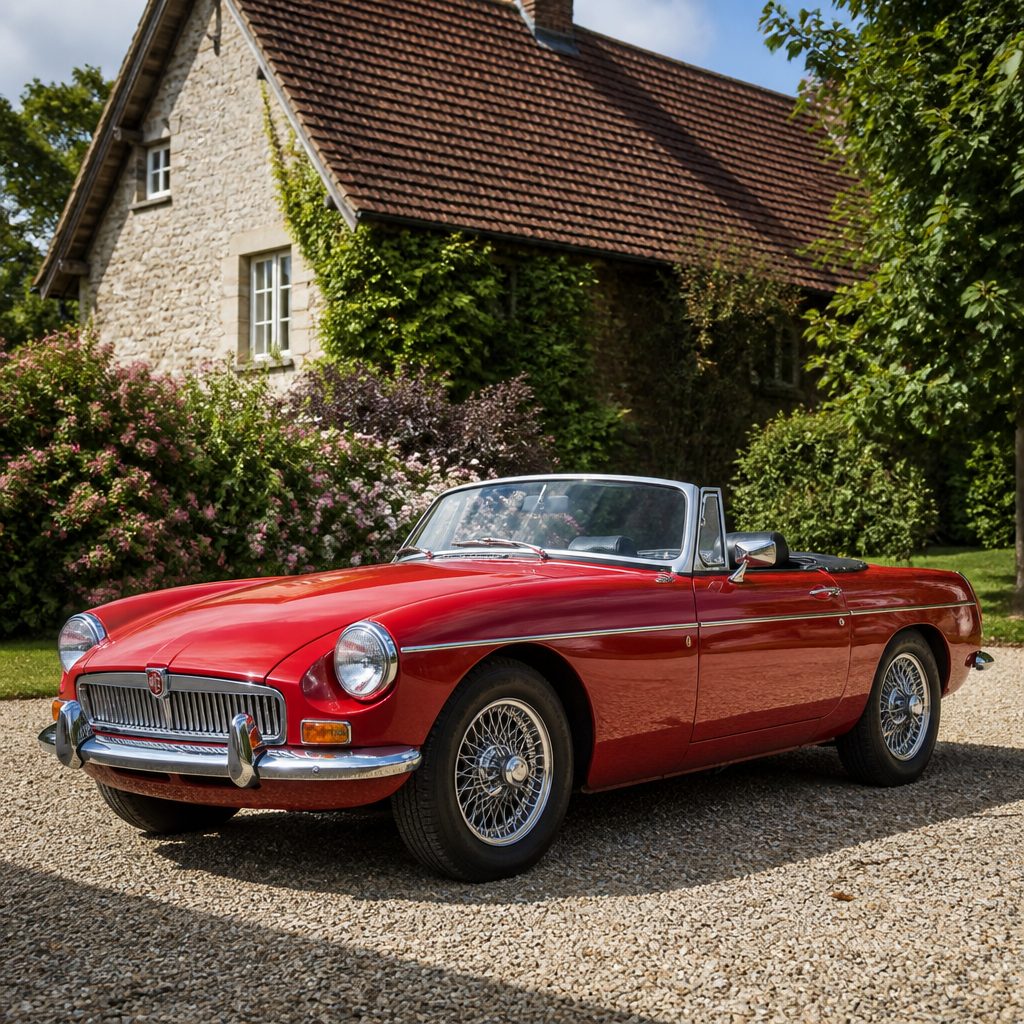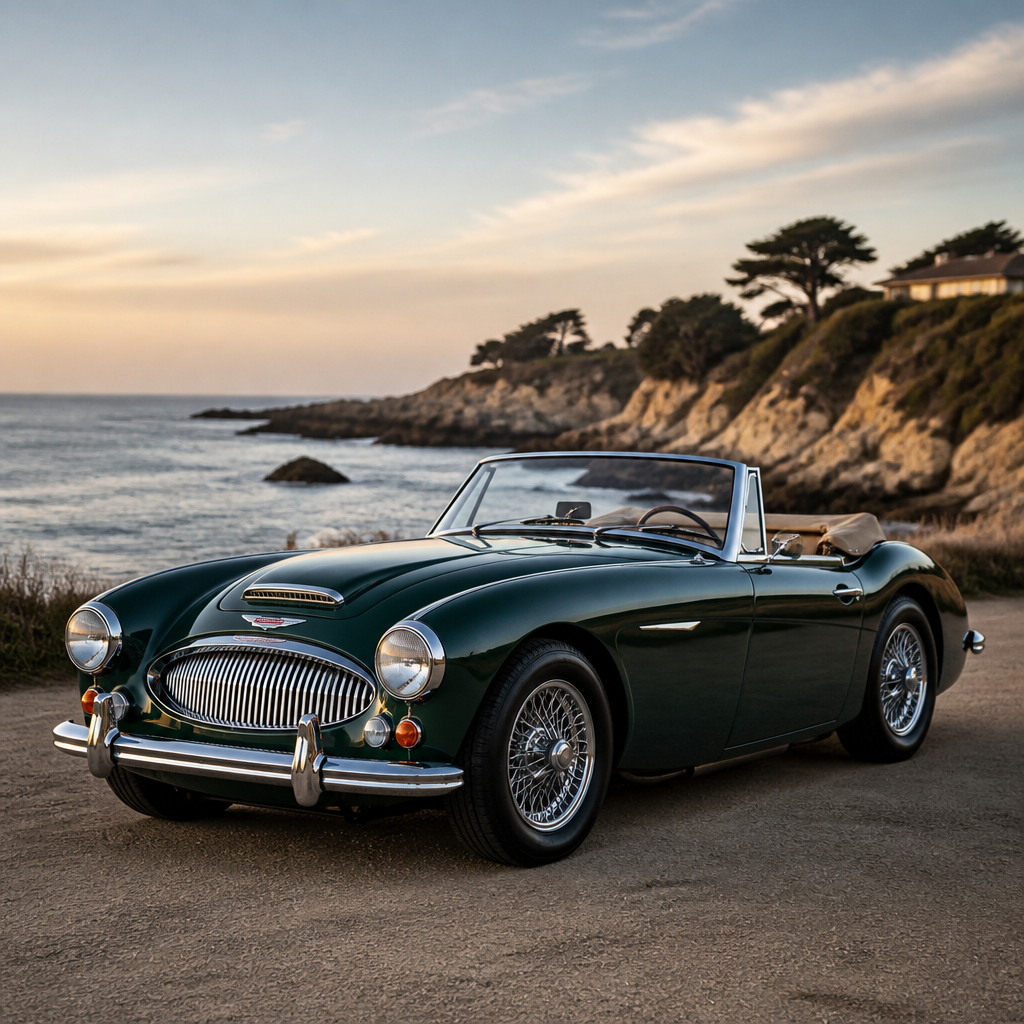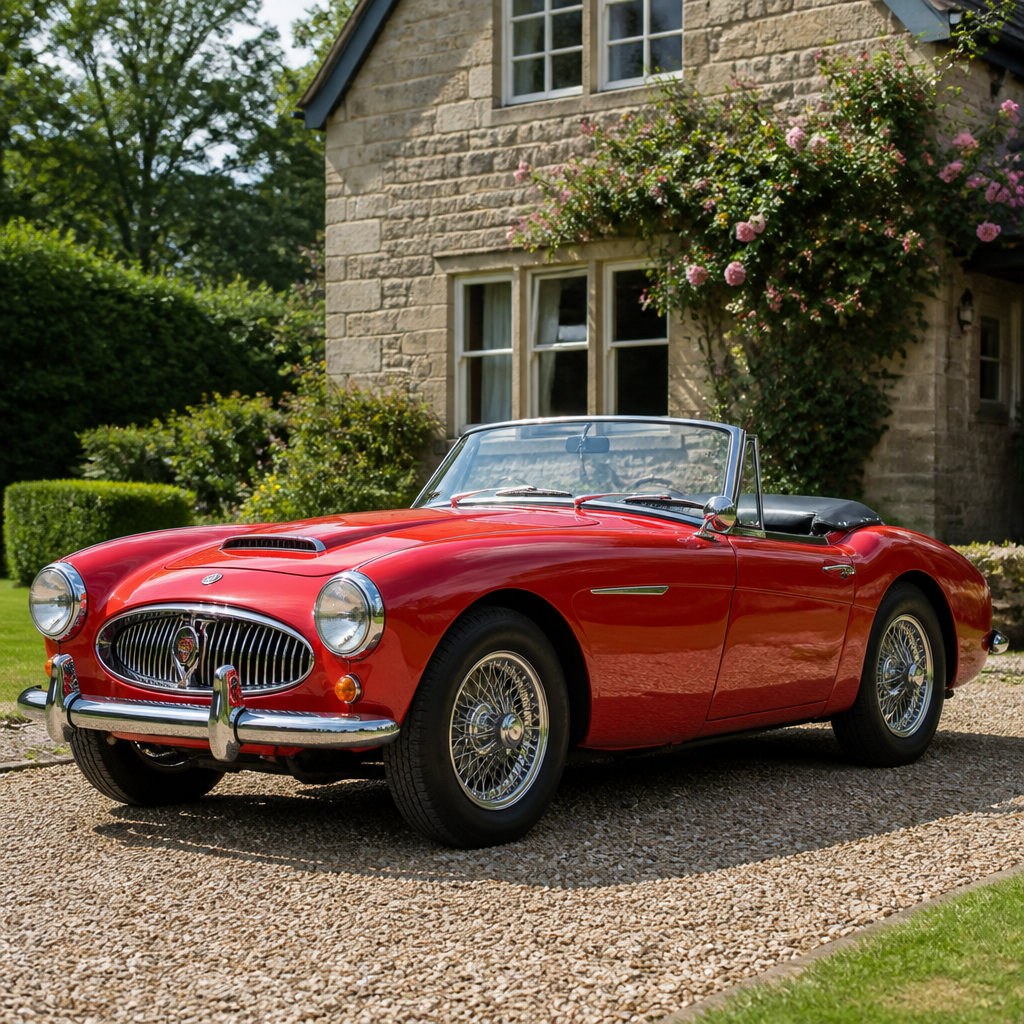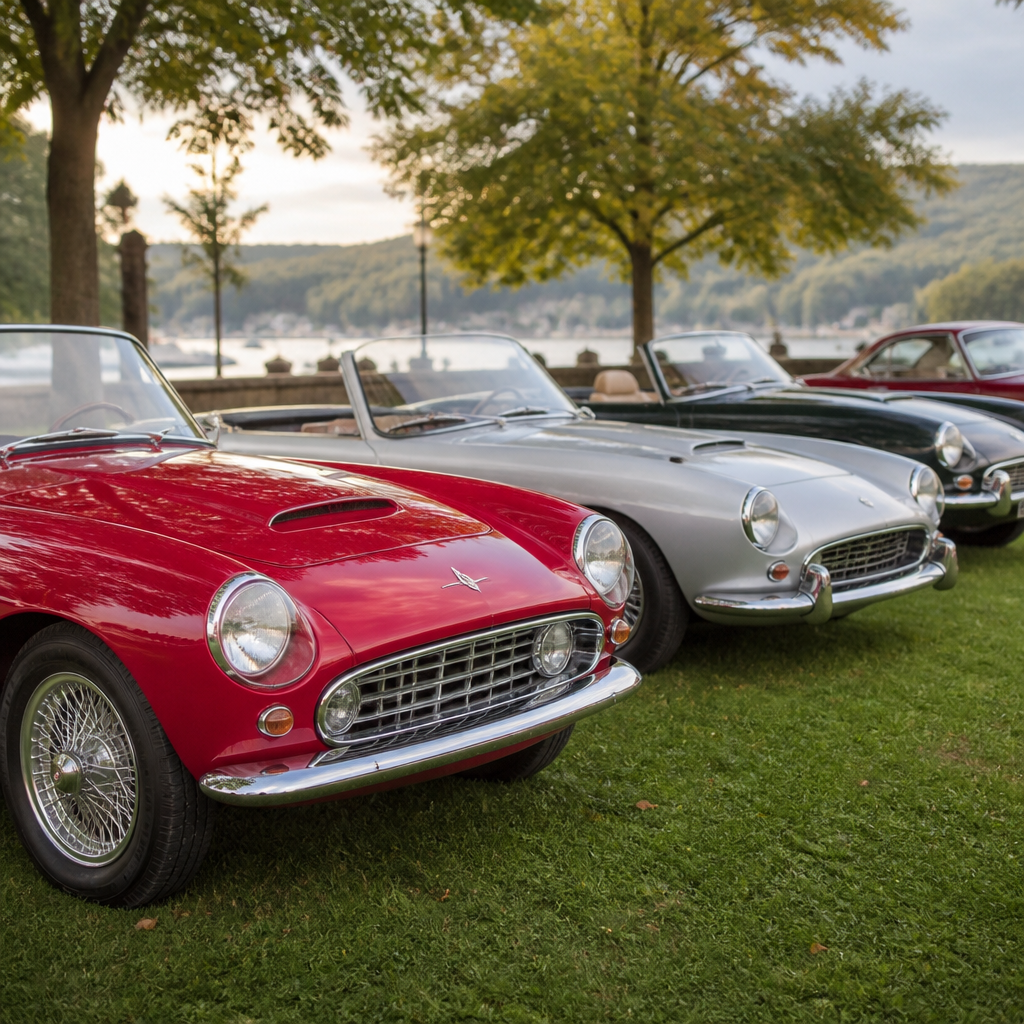

Insurance costs and maintenance costs are the two budget lines that most often determine whether classic car ownership feels rewarding or financially draining. In the classic car world, both terms sound straightforward, but owners regularly underestimate how differently they behave over time. Insurance costs are the premiums, deductibles, agreed value fees, storage-related requirements, and claim conditions tied to protecting the vehicle. Maintenance costs are the routine service, preventive work, age-related repairs, parts sourcing, specialist labor, and restoration-related expenses needed to keep the car safe, usable, and authentic. I have helped owners budget for British roadsters, air-cooled Porsches, and domestic muscle cars, and the same lesson repeats: a low premium does not mean low ownership cost, and a cheap project car rarely stays cheap once deferred maintenance surfaces.
This matters because classic cars do not follow normal used-car economics. A modern commuter loses value while service intervals stay predictable. A classic may appreciate, yet ownership costs remain irregular and heavily condition-dependent. One year you pay for oil, brake fluid, and a policy renewal; the next year you face carburetor rebuilding, wiring faults, rust repair, and a jump in insured value after a market reassessment. Owners who understand the relationship between insurance and maintenance make better buying decisions, choose realistic storage plans, and avoid underinsuring vehicles that have become more expensive to repair. As the costs of ownership hub within classic car ownership, this guide explains how these two expenses differ, where they overlap, what drives each one higher, and how to build a budget that survives real-world use rather than optimistic spreadsheet assumptions.
What Insurance Costs Actually Cover in Classic Car Ownership
Classic car insurance is not simply standard auto coverage applied to an older vehicle. In most cases, specialist insurers structure policies around limited annual mileage, secure storage, documented condition, and agreed value rather than actual cash value. That distinction is critical. Agreed value means you and the insurer establish the payout amount in advance, usually based on photos, appraisals, market comps, and restoration records. If the car is totaled, the claim is settled at that agreed number, subject to policy terms. Actual cash value policies are riskier for classics because they often undervalue rare, restored, or rapidly appreciating models.
Premiums depend on more than the car’s market value. Insurers look at garaging, zip code, driver age, driving record, anti-theft devices, club membership, mileage restrictions, and whether the vehicle is used for shows, pleasure drives, or occasional commuting. I have seen two nearly identical 1967 Mustangs insured at very different rates because one lived in a locked suburban garage and the other in a shared urban storage facility. Some policies also include spare parts coverage, automobilia coverage, roadside assistance for flatbed towing, and flexibility for restoration-in-progress vehicles. Owners should read exclusions carefully, especially around unattended parking, track use, and drivers not listed on the policy.
What Maintenance Costs Really Include Beyond Routine Service
Maintenance costs in classic car ownership go far beyond oil changes and annual tune-ups. A realistic maintenance budget includes fluids, filters, belts, hoses, tires, brake hydraulics, suspension bushings, battery replacement, cooling system service, ignition components, fuel system cleaning, and periodic adjustment work common on older mechanical designs. Many classics also require preventive replacement of age-sensitive components even when mileage is low. Rubber hardens, seals shrink, wiring insulation becomes brittle, and stale fuel damages carburetors or injectors. Cars that sit too long often cost more to recommission than regularly driven cars cost to maintain.
Labor costs also behave differently with classics. A technician can replace parts on a modern sedan by following standardized procedures and using readily available components. On a classic, diagnosis may be slower, replacement parts may need cross-referencing, and fitment problems are common with reproduction components. Rust, prior modifications, and undocumented repairs add more hours. For that reason, maintenance estimates should always include a contingency. On many vintage European cars, access alone drives labor upward; on many domestic classics, parts may be cheaper but body, trim, and interior restoration can become the larger expense. Maintenance is therefore a mix of predictable service and unpredictable correction of age, neglect, and scarcity.
Insurance Costs vs Maintenance Costs: The Core Differences
Insurance costs are primarily risk-transfer costs; maintenance costs are asset-preservation costs. You pay insurance to protect against catastrophic loss, liability, theft, fire, weather damage, and certain accident scenarios. You pay maintenance to reduce breakdown risk, preserve originality, maintain drivability, and support long-term value. One expense is contractual and recurring on a scheduled basis. The other is operational and often lumpy, arriving in bursts when a latent issue finally reveals itself. That is why owners are often surprised that the car with the cheapest annual premium becomes the most expensive vehicle in the garage over five years.
The relationship between the two becomes clear when you examine outcomes. Good maintenance can lower claim likelihood by reducing fire risk from aging fuel lines, tire failure from old rubber, or accidents caused by weak brakes and worn suspension. Insurance, however, generally does not pay for wear and tear, mechanical breakdown, corrosion, or poor workmanship discovered after purchase. If a neglected cooling system overheats and damages the engine, that is usually a maintenance problem, not an insurance event. If a garage fire destroys the car, that falls on the insurance side. Owners should treat them as complementary costs rather than interchangeable expenses.
| Cost Area | Insurance Costs | Maintenance Costs |
|---|---|---|
| Primary purpose | Protects against financial loss from covered events | Keeps the car safe, reliable, and value-stable |
| Payment pattern | Monthly, quarterly, or annual premium | Routine small costs plus irregular large repairs |
| Main drivers | Agreed value, storage, mileage, location, driver profile | Condition, rarity, labor rates, parts access, prior neglect |
| Usually covered? | Accidents, theft, fire, some weather damage | No; owner pays directly |
| Owner control | Moderate through policy choice and risk reduction | High through inspections, preventive work, usage habits |
What Drives Insurance Costs Higher or Lower
Several factors push classic car insurance premiums up or down, and owners should understand each before shopping for coverage. Vehicle value is obvious, but repair complexity matters too. A hand-built Italian coupe with scarce trim pieces may cost more to insure than a more valuable but better-supported American classic because claims are harder to settle and repairs are more specialized. Storage is another major lever. Locked private garages nearly always price better than open carports or street parking. Mileage caps matter as well; a five-thousand-mile pleasure-use policy usually costs less than a plan allowing more frequent road use.
Documentation can reduce friction and improve outcomes. Clear photos, receipts, restoration records, independent appraisals, and a written inventory of modifications help support agreed value and speed claims handling. Membership in recognized clubs sometimes unlocks discounts because insurers associate enthusiast ownership with careful use. Deductible selection changes the premium, but owners should not choose a deductible so high that a moderate loss becomes effectively self-insured. The strongest strategy is to align the policy with actual use. If you attend distant rallies, say so. If the car is under restoration, seek a carrier that specifically covers project cars and parts in storage.
What Drives Maintenance Costs in the Real World
The biggest maintenance cost driver is starting condition. A well-sorted car bought from a meticulous owner often costs less over three years than a cosmetically shiny bargain with weak records. Pre-purchase inspections are indispensable because they reveal compression issues, rust in structural areas, fluid leaks, accident repairs, charging-system weakness, suspension wear, and poor previous workmanship. I have watched buyers save thousands by walking away from cars with fresh paint covering filler and corrosion. A specialist inspection fee is minor compared with one metal repair invoice.
Usage patterns also matter. Cars driven regularly and properly warmed up often behave better than cars parked for months between brief starts. Long storage without fuel stabilization, battery maintenance, and climate control accelerates deterioration. Parts availability is another variable. Some models benefit from excellent aftermarket and club support, such as first-generation Mustangs, MGBs, and classic Beetles. Others depend on remanufactured, used, or new old stock parts that are expensive and inconsistent in quality. Labor rates follow expertise. The shop that understands SU carburetors, Bosch mechanical fuel injection, or Lucas electrics may charge more per hour, but usually finishes faster and with fewer repeated failures.
How to Budget Total Costs of Ownership as a Hub Strategy
For a classic car ownership budget, separate fixed, variable, and reserve categories. Fixed costs include insurance premium, registration, storage, and basic tools or battery tender subscriptions. Variable costs include fuel, fluids, seasonal service, event travel, detailing, and tire wear. Reserve costs are the most important and the most ignored. This is the sinking fund for clutch replacement, cooling-system overhaul, brake hydraulics, electrical troubleshooting, weatherstripping, and surprise failures. A useful rule is to hold an annual reserve equal to at least 10 to 20 percent of the vehicle’s purchase price for driver-grade classics, though rare cars or recent projects may require more.
As a hub for costs of ownership, this framework should connect naturally with related planning topics: pre-purchase inspection costs, storage and garage setup, restoration budgeting, depreciation versus appreciation, seasonal maintenance schedules, and spare parts strategy. The key is not to ask whether insurance or maintenance is more important. Both are essential, but they answer different risks. Insurance protects the balance sheet when something sudden happens. Maintenance protects the machine from predictable aging and neglected wear. Owners who budget only for the premium are planning for headlines, not reality. Owners who spend heavily on maintenance while carrying weak coverage are preserving value without adequately protecting it.
Common Ownership Scenarios and Their Cost Profiles
A weekend cruiser usually has the lowest insurance stress and a moderate maintenance profile. Limited mileage, secure storage, and occasional fair-weather use often qualify for affordable specialist coverage. Maintenance still matters because low-use cars develop stale fuel, dry seals, and battery issues. A show car may have low mechanical wear but higher insured value, which can raise premiums. Detailing, paint correction, and concours-correct replacements can become meaningful ownership costs even when the car travels little. A road-trip classic sits at the opposite end: more miles, greater breakdown exposure, and more frequent service intervals. Owners should consider upgraded roadside assistance, more conservative tire replacement, and thorough cooling and charging-system preparation.
Project cars create the widest gap between insurance assumptions and maintenance reality. Many owners insure them cheaply while underestimating metalwork, trim restoration, engine machining, and parts hunting. In some cases, the restoration-in-progress parts inventory becomes substantial enough to need dedicated coverage. Modified classics bring another cost profile. Upgrades such as electronic ignition, disc brake conversions, or modern radiators can improve reliability and safety, yet custom work sometimes complicates underwriting and may require declared modification lists and revised agreed values. The best ownership plan matches the car’s purpose, actual condition, and risk tolerance rather than relying on generic advice from auctions or social media.
Insurance costs and maintenance costs should be evaluated together because they shape the true economics of classic car ownership more than the purchase price alone. Insurance is the cost of protecting against low-frequency but high-impact events, and maintenance is the cost of preventing high-frequency wear from turning into expensive failure. Owners who understand that difference make smarter decisions about which car to buy, where to store it, how often to drive it, and when to involve specialists. They also avoid the common mistake of comparing one annual premium with one annual service invoice and assuming they have captured total ownership cost.
The practical takeaway is simple. Buy the best-condition car you can verify, insure it on agreed value terms that match real market replacement cost, document everything, and maintain a dedicated reserve for inevitable age-related work. If you are building out your classic car ownership budget, use this page as the starting point for every related cost decision, from inspection and storage to restoration and parts strategy. Review your policy, review your maintenance records, and adjust your ownership plan before small gaps become expensive problems.
Frequently Asked Questions
What is the main difference between insurance costs and maintenance costs for a classic car?
Insurance costs and maintenance costs affect classic car ownership in very different ways, even though both are essential parts of the budget. Insurance costs are the expenses tied to financial protection. These usually include the premium, deductible, agreed value coverage, policy endorsements, storage requirements, mileage restrictions, and the conditions that apply if you ever need to file a claim. In other words, insurance is designed to protect you from major financial loss caused by theft, fire, weather damage, accidents, or other covered events. It is a contractual cost, and while it may feel predictable month to month or year to year, it can change based on the vehicle’s value, where and how it is stored, your driving record, and how often the car is used.
Maintenance costs, by contrast, are the direct expenses of keeping the car operational, safe, and in good mechanical condition. That includes routine service like fluid changes, tune-ups, brake work, tires, belts, hoses, battery replacement, and preventive inspections. It also includes wear-and-tear items and the occasional larger repair when age, inactivity, or mechanical failure catches up with the vehicle. Unlike insurance, maintenance is not simply protection against risk; it is the active cost of preserving the car’s reliability and condition. For many classic car owners, maintenance is less predictable than insurance because older vehicles can go from needing very little one year to requiring significant work the next, especially if parts are hard to source or labor requires specialist expertise.
The most important practical distinction is that insurance helps when something unexpected and covered happens, while maintenance is what you pay to reduce the chance of avoidable problems and to keep the car roadworthy. A well-managed ownership budget treats them separately, because they behave differently over time. Insurance tends to be structured and policy-driven. Maintenance tends to be cyclical, condition-driven, and often underestimated.
Which usually costs more over time for a classic car: insurance or maintenance?
In many cases, maintenance costs exceed insurance costs over the long term, especially for classic cars that are driven regularly or require ongoing preservation work. Insurance premiums for collectible vehicles can sometimes be surprisingly reasonable if the car is stored properly, driven limited miles, and insured under a specialized agreed value policy. Owners often assume insurance will be the biggest expense because it is a recurring bill, but maintenance has a way of accumulating through routine service, preventive repairs, aging components, specialty labor, and parts scarcity.
That said, the answer depends heavily on the car, its condition, and how it is used. A well-sorted classic that lives in a climate-controlled garage and only comes out for occasional weekend drives may have manageable maintenance costs for several years, making insurance feel like the larger annual line item. On the other hand, a car with deferred service, aging rubber, corrosion concerns, carburetor issues, electrical gremlins, or hard-to-find parts can quickly generate maintenance bills that outpace insurance by a wide margin. The same is true for owners pursuing originality, because factory-correct parts and marque-specific specialists often cost more than standard repair work.
Another factor is the difference between visible and hidden spending. Insurance is easy to track because it shows up as a scheduled premium. Maintenance can be deceptive because it often arrives in bursts: a set of tires, suspension refresh, brake overhaul, fuel system cleaning, cooling system work, and battery replacement may all happen within a relatively short period. Over a five- or ten-year ownership window, those bursts can add up substantially. For that reason, experienced owners usually build a maintenance reserve in addition to paying for insurance, rather than assuming a low-use classic will remain inexpensive simply because it is driven less.
Why do classic car owners often underestimate maintenance costs more than insurance costs?
Classic car owners often underestimate maintenance because the need for upkeep is not always visible until components begin to fail. With insurance, the cost is formal, quoted in advance, and renewed on a schedule. You know your premium, deductible, and policy terms before you commit. Maintenance does not work that way. Older vehicles can look excellent cosmetically while hiding age-related issues in seals, gaskets, hoses, bushings, wiring, fuel lines, brake hydraulics, and cooling systems. Even a car that is rarely driven still ages, and inactivity can create its own problems such as dried seals, stale fuel, corrosion, flat-spotted tires, and sticking brakes.
Another reason maintenance is underestimated is that many buyers focus on the purchase price and immediate appearance rather than the car’s service history and mechanical baseline. A classic that starts, idles, and presents well at sale may still need a full round of preventive work to become truly dependable. New owners are often surprised by the cost of “catch-up maintenance,” which can include replacing old fluids, rebuilding carburetors, servicing ignition components, refreshing suspension parts, checking wheel bearings, upgrading cooling reliability, and addressing safety-related wear. None of those jobs may seem dramatic on their own, but together they can reshape the ownership budget quickly.
Parts availability also drives underestimation. Modern cars usually benefit from abundant replacement parts and standardized service procedures. Classics do not always offer that convenience. Some parts must be rebuilt, refurbished, imported, or sourced through enthusiast networks. Labor can also be more expensive because technicians familiar with vintage systems are harder to find. This means maintenance costs are not just about frequency; they are also about complexity and access. Owners who budget only for oil changes and occasional tune-ups tend to discover that preserving a classic properly requires a much more proactive and realistic financial plan.
Can spending more on maintenance help reduce insurance-related risk or costs?
Yes, strong maintenance habits can reduce insurance-related risk, although they do not always translate directly into dramatically lower premiums. A well-maintained classic car is generally less likely to suffer preventable mechanical failures that could contribute to accidents or roadside incidents. Proper brake service, tire condition, steering integrity, lighting function, fuel system health, and cooling reliability all matter from a safety standpoint. While insurers primarily calculate premiums using factors such as agreed value, storage, usage limits, location, and driver history, the underlying condition of the car still plays an important role in overall risk exposure.
Maintenance also matters when it comes to claim outcomes and valuation support. If a classic is damaged, detailed records showing consistent care, professional service, restoration work, and parts investment can help establish that the vehicle was responsibly maintained and that its condition justified its insured value. Owners who keep receipts, inspection reports, restoration photos, and service logs are often in a stronger position when discussing repairs, replacement parts, or the pre-loss quality of the vehicle. Good documentation does not replace proper coverage, but it can make the ownership and claims experience much smoother.
There are also indirect insurance benefits to disciplined maintenance. Cars that are garage-kept, regularly inspected, fitted with battery disconnects or fire extinguishers, and protected from fuel leaks or electrical faults may present fewer practical risks overall. Some insurers may not offer a premium discount specifically for routine maintenance, but they do look favorably on responsible storage and limited-use patterns that typically go hand in hand with careful upkeep. The bigger financial truth is this: good maintenance will not eliminate insurance costs, but it can reduce the chance that neglect turns into a much more expensive event involving damage, downtime, or a denied expectation about the car’s condition.
How should owners budget realistically for insurance costs versus maintenance costs?
The most effective way to budget is to treat insurance and maintenance as two separate categories with different planning rules. Insurance should be budgeted as a fixed or semi-fixed annual ownership expense. Start by understanding the premium, deductible, agreed value amount, mileage restrictions, storage requirements, and any special endorsements. Do not look only at the headline premium. A lower-cost policy may come with stricter claim conditions or weaker valuation terms, which can become costly if the car is ever damaged. For classic cars, the quality of coverage is often just as important as the price.
Maintenance should be budgeted as both a routine annual amount and a reserve fund for irregular needs. Routine maintenance covers predictable items such as fluids, filters, tune-up components, battery service, tire aging checks, brake inspections, and seasonal preparation. The reserve fund is what protects you from the real-world nature of classic ownership: water pump failures, fuel system issues, electrical repairs, suspension wear, clutch problems, cooling upgrades, and age-related component replacement. A good rule is to assume that even a healthy classic will need periodic catch-up work, especially in the first few years after purchase unless service history is exceptionally complete.
Owners should also match the budget to the car’s purpose. A show car stored carefully and driven sparingly may justify a relatively higher emphasis on insurance structure and cosmetic preservation. A driver-quality classic used for tours and weekend trips may need a larger maintenance reserve because real-world use exposes weak components more quickly. In either case, a realistic budget includes annual insurance, expected routine service, and an emergency maintenance cushion. That approach prevents the common mistake of seeing insurance as the “ownership cost” while treating maintenance as occasional bad luck. In truth, both are standard parts of classic car ownership, but maintenance is the category most likely to surprise owners who do not plan ahead.