Selling a classic car successfully starts long before you write the listing. It begins with preparation: confirming what the car is, documenting its condition, correcting avoidable issues, and presenting it in a way that earns buyer confidence. In the collector market, confidence affects price as much as rarity. Two cars with the same year, model, and engine can sell thousands apart because one is organized, accurately described, and ready for inspection, while the other raises questions. I have helped owners sell everything from driver-grade muscle cars to concours-level European classics, and the pattern is consistent: the best results come from methodical preparation, not last-minute polishing.
A classic car generally means an older vehicle valued for age, design, engineering, motorsport history, cultural significance, or limited production. In practice, buyers divide classics into broad tiers: project cars, drivers, restored cars, survivor cars, and investment-grade examples. Preparation for sale means aligning your car with the right tier and proving that classification with records, photos, and mechanical transparency. This matters because classic car buyers are not just purchasing transportation. They are buying provenance, usability, originality, and future maintenance risk. Every missing receipt, unresolved leak, incorrect VIN stamp, or vague ownership history creates friction that lowers offers.
This article serves as the hub for selling a classic car. It covers the core steps every seller should handle before choosing where to advertise, setting an asking price, or negotiating with buyers. You will learn how to assess condition honestly, assemble documentation, decide which repairs make financial sense, detail the car properly, photograph it for maximum credibility, and prepare for inspections, test drives, shipping, and title transfer. If you want strong sale results, these are the foundational tasks. They support every related topic in buying and selling classic cars, from valuation and listing strategy to fraud prevention and closing the deal cleanly.
Confirm identity, originality, and paperwork before anything else
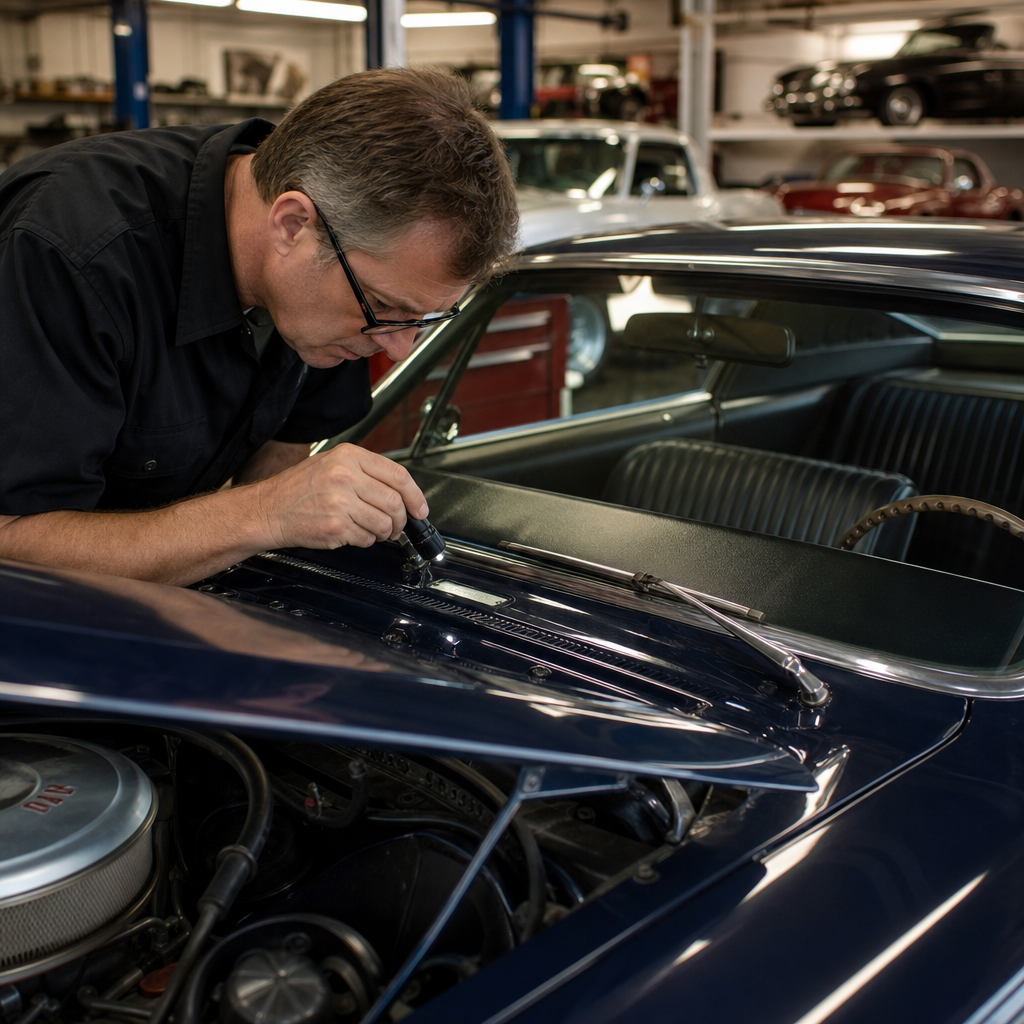
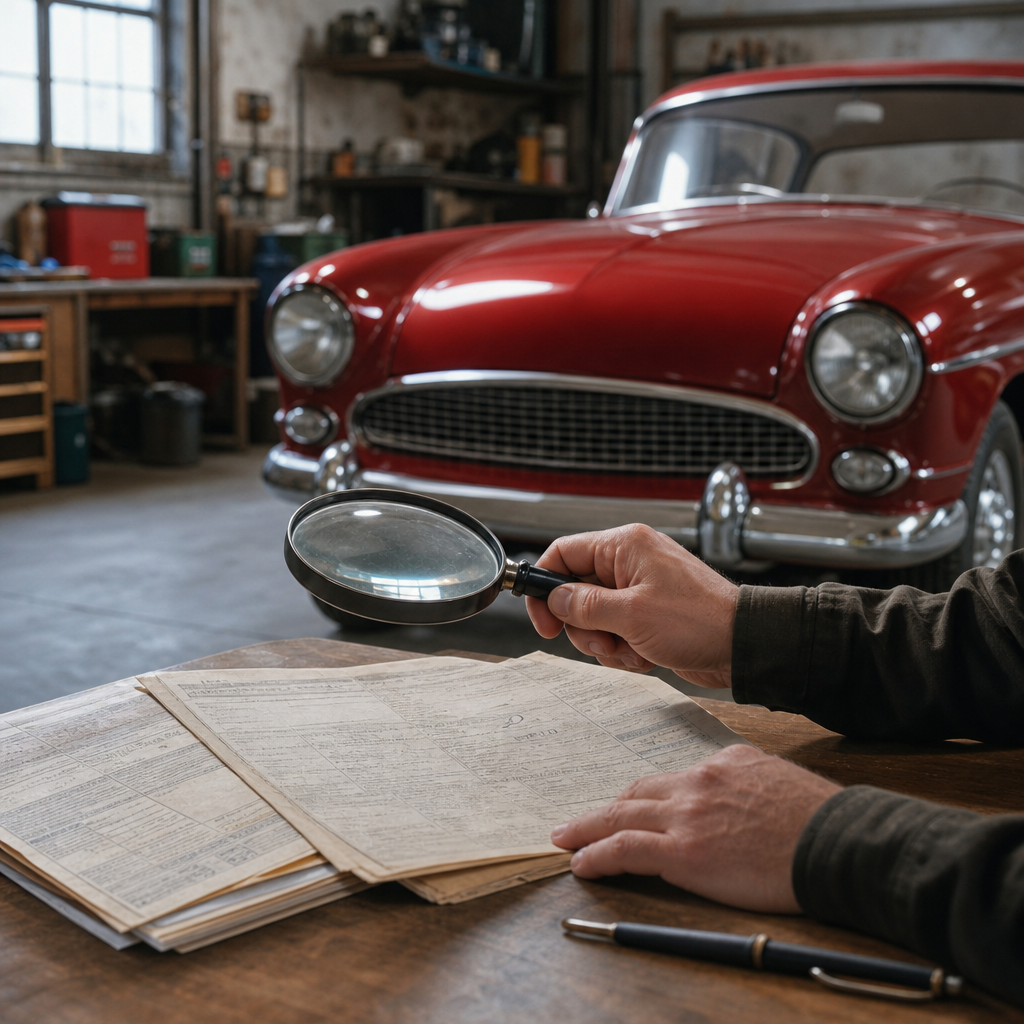
The first step in preparing your classic car for sale is verifying identity. Buyers will check the VIN, chassis number, engine number, trim tag, body plate, and any model-specific production codes. On American cars, that may mean decoding a fender tag or cowl tag. On European classics, it can include matching chassis and engine stamps, Kardex data, or heritage certificates from marques such as Porsche, Jaguar, Mercedes-Benz, or British Motor Industry Heritage. If the car is represented as numbers-matching, verify it before you say it. A wrong suffix stamp or replacement block disclosed late can cost far more than the effort required to confirm it upfront.
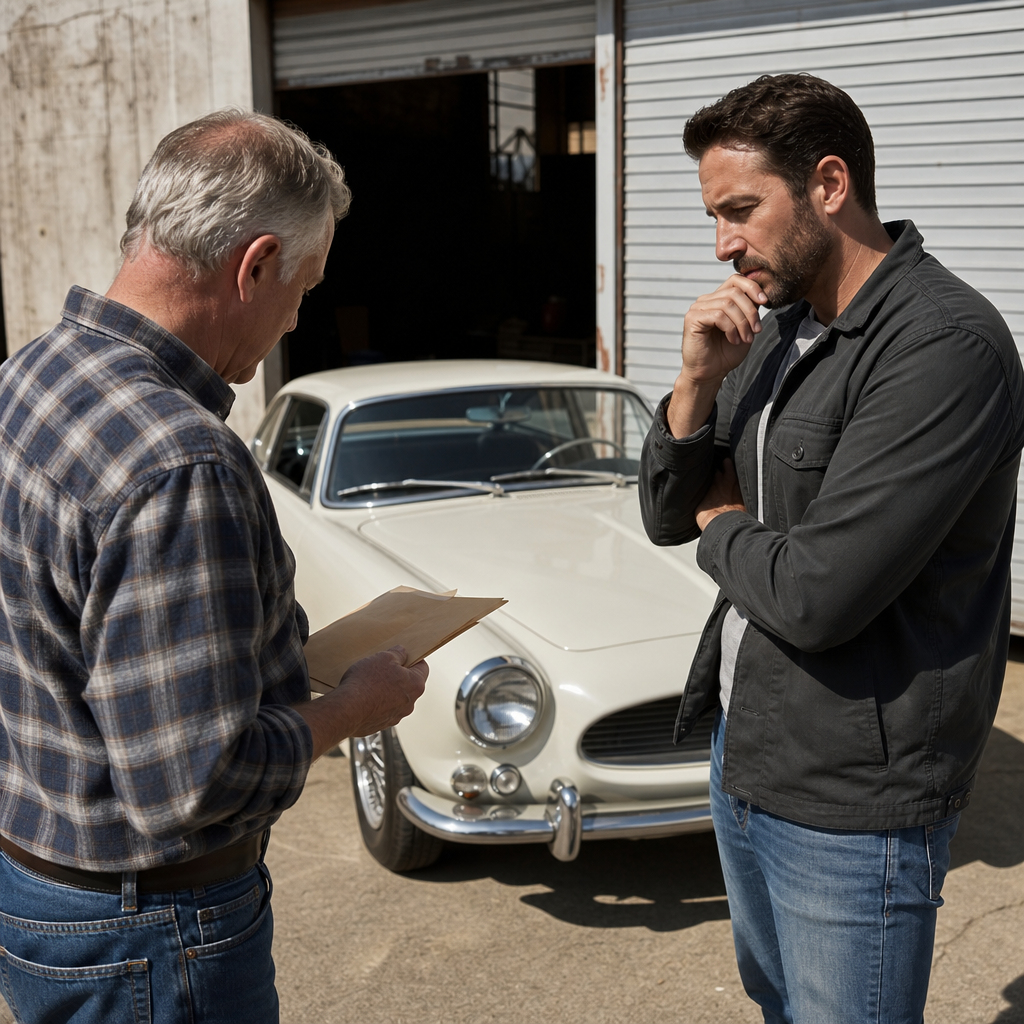
Paperwork is equally important. Gather the title, registration, lien release if applicable, emissions exemption paperwork where required, service invoices, restoration receipts, ownership history, manuals, tool roll documentation, spare keys, and judging sheets if the car has shown at marque events. If the vehicle was restored, create a simple chronological binder showing who performed the work, when it was done, and what parts were used. I have seen buyers increase offers immediately when a seller produces organized records because records reduce uncertainty. If there are gaps in history, state that clearly. Honesty about missing information builds more trust than trying to imply completeness that is not there.
If your state has title quirks for older vehicles, resolve them before listing. Some classics are sold under prior registrations, bonded titles, or estate paperwork; these issues often delay payment and transport. Confirm that the VIN on the title matches the car exactly, including prefixes and model-year formatting. If the car has a financing payoff, contact the lender early. A clean, transferable title is one of the strongest sales tools you can have.
Assess mechanical condition with a buyer’s eye
Classic car buyers expect imperfections, but they do not want surprises. Perform a thorough mechanical review before the car goes to market. Start with safety-critical systems: brakes, tires, steering, suspension, lights, horn, wipers, and seatbelts if fitted. Then evaluate drivability: cold start behavior, idle quality, charging voltage, oil pressure, operating temperature, clutch engagement or automatic shift quality, and any smoke on startup, acceleration, or deceleration. On carbureted cars, note choke operation and hot restart behavior. On fuel-injected classics, check for vacuum leaks, brittle hoses, and proper sensor function if the system uses early electronic management.
Compression and leak-down testing can be valuable on higher-value cars, especially if buyers are likely to ask. A recent fluid service, documented tune-up, and inspection by a reputable specialist can reassure remote buyers. Use a shop that knows the marque. A generic repair order saying “runs good” carries little weight, but an invoice from a recognized air-cooled Porsche specialist or a British car restorer has credibility. Do not over-restore mechanically just to chase top dollar. Focus on items that affect safety, inspection results, and confidence. Fix active fluid leaks, charging problems, hard starting, and obvious exhaust issues. Leave major restoration decisions to the next owner unless the economics clearly support the work.
Road-test the car yourself under realistic conditions. Drive it cold, in traffic, at highway speed if appropriate, and after a full heat soak. Write down what the car does well and what it does not. That list becomes the basis for an accurate listing and avoids inconsistent answers when buyers ask detailed questions.
Decide which repairs and improvements add value
Not every repair increases sale price. The rule I use is simple: correct issues that block a sale, undermine trust, or make the car appear neglected. A small investment in the right places often produces a better return than expensive cosmetic work. Fresh fluids, a battery replacement, proper tire pressures, corrected lighting faults, and a professional carburetor adjustment can transform first impressions. Replacing cracked fuel lines, old belts, perished coolant hoses, and failing trunk or door seals also signals responsible ownership. These are practical, buyer-facing improvements.
By contrast, a full respray, engine rebuild, or interior retrim rarely returns dollar-for-dollar unless the car is a top-tier collectible and the work is completed to a known standard. Partial cosmetic work can even hurt value if it creates questions about hidden rust or collision damage. For survivor cars, preservation is often worth more than unnecessary restoration. Original paint with measured wear, factory spot welds, date-coded glass, and aged but authentic upholstery can be a stronger selling point than a shiny but inaccurate refurbishment.
| Preparation task | Typical cost impact | Buyer perception | Usually worth doing? |
|---|---|---|---|
| Fluid service and tune-up | Low to moderate | Shows maintenance and reliability | Yes |
| Fixing lights, horn, gauges, wipers | Low | Reduces inspection and safety concerns | Yes |
| Replacing worn tires with correct-size quality tires | Moderate | Improves safety and drivability | Usually |
| Spot paintwork on visible defects | Moderate | Can help or raise originality concerns | Case by case |
| Full repaint before sale | High | Only helps if done to excellent documented standard | Rarely |
| Major engine or transmission rebuild | High | Useful if needed, but often not recovered fully | Case by case |
Keep every receipt for work completed during preparation. Buyers want proof, not promises. If a repair was recommended but you chose not to perform it, note that too. Transparency makes negotiation cleaner because the buyer understands exactly what is included in the price.
Clean, detail, and present the car without disguising it
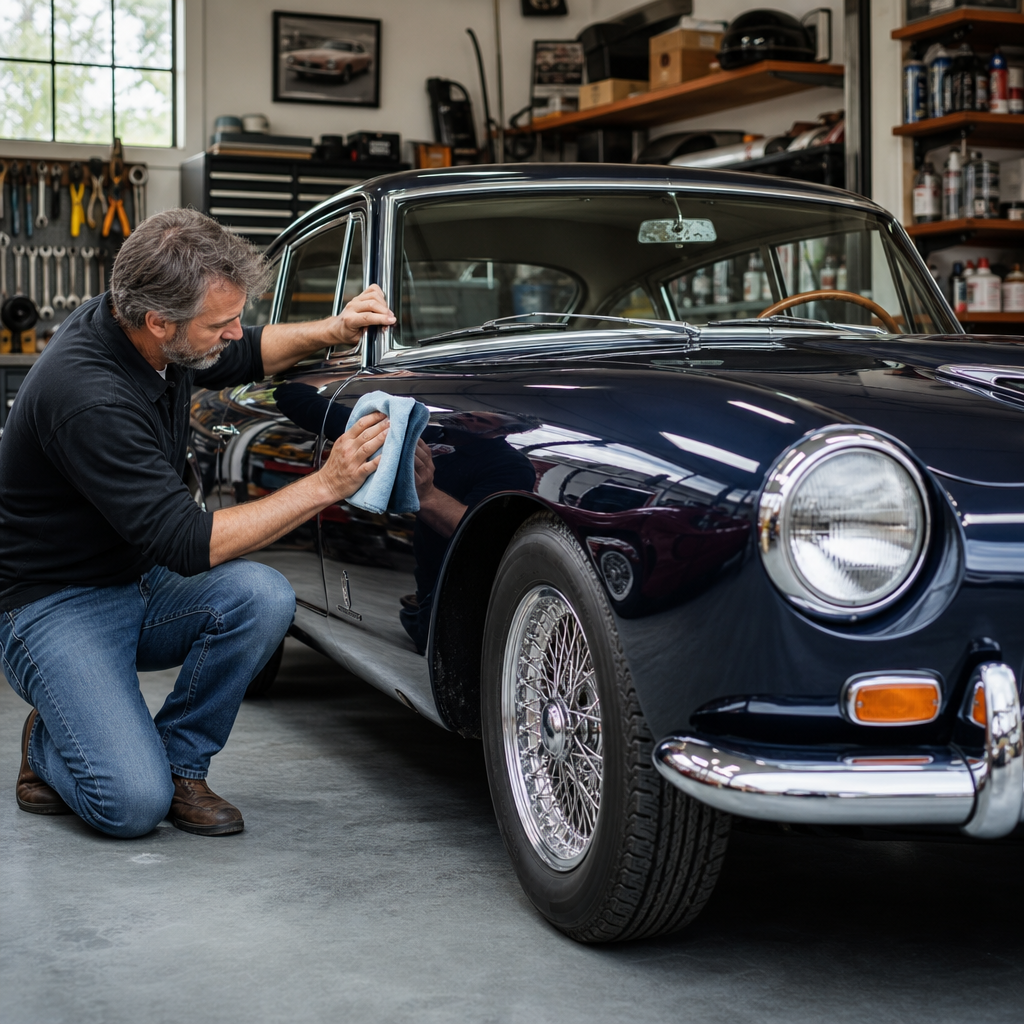
Professional detailing is one of the highest-return steps in classic car sale preparation. The goal is not to make the car look artificially glossy. The goal is to present the vehicle clearly, honestly, and with respect for its age. Wash the exterior carefully, decontaminate paint if appropriate, clean wheels and tires, polish brightwork, and dress rubber lightly. Inside, vacuum thoroughly, clean carpets and upholstery with suitable products, wipe switchgear, clean glass, and remove personal items. In the engine bay and trunk, focus on cleanliness and legibility, not shine. Buyers need to see stampings, labels, hardware, and evidence of maintenance.
Avoid greasy engine dressings, thick undercoating touch-ups, and wet-look products that hide leaks or corrosion. Experienced buyers read those as warning signs. If the car has a patina finish, treat it respectfully. If it has delicate original lacquer, do not chase aggressive paint correction. Presenting original surfaces well is more persuasive than overworking them. The same applies to interiors: a lightly worn but original cabin often photographs better after careful cleaning than after low-quality repair work.
Take time to correct the small details buyers notice immediately. Align license plates, replace missing trim screws, fit proper floor mats, remove dead bugs from the grille, and ensure all bulbs work. Include factory accessories, jack, spare wheel, manuals, radio faceplate, and tonneau cover if applicable. These details tell a buyer the car has been cared for comprehensively, not just cosmetically.
Create a sale-ready record set and photo package
A classic car listing rises or falls on documentation and photography. Before advertising, create a complete digital folder. Include title images with sensitive numbers partially obscured if needed, VIN and body-tag photos, odometer, exterior walkaround images, interior front and rear, engine bay, trunk, undercarriage, wheels, glass markings, date codes where relevant, and close-ups of flaws. Photograph rust-prone areas honestly: lower fenders, rocker panels, trunk floor, battery box, wheel arches, frame rails, pickup points, and floor pans. If the car has imperfections, show them clearly. Cars represented honestly attract more serious inquiries and fewer wasted conversations.
Use natural light, a neutral background, and a clean location. I recommend early morning or late afternoon light for paint accuracy. Include cold-start and driving videos, gauge operation, lights, turn signals, wipers, windows, convertible top operation, and a walkaround with engine running. For premium vehicles, a paint meter report and compression numbers can strengthen the package. Organize records into a simple PDF index so a serious buyer can review them remotely.
Your written description should answer the core buyer questions directly: what it is, how original it is, what work has been done, how it runs and drives, what does not work, what is included, and why you are selling. Avoid exaggerated claims like “perfect” or “mint” unless the car genuinely meets recognized judging standards. Specific language performs better: “1970 Chevelle SS 396, documented with build sheet, older body-off restoration completed in 2012, non-original carburetor, factory Muncie four-speed, recent brake service, minor seep at differential cover.” Precision builds trust.
Prepare for pricing, inspections, negotiation, and handoff
Once the car is ready, set a price based on documented comparables, not asking prices. Use recent auction results from Bring a Trailer, Mecum, Barrett-Jackson, RM Sotheby’s, and marque-specific forums, but adjust for originality, provenance, color, options, restoration quality, and market timing. A matching-numbers car with known history can command a premium. So can unusual factory options, desirable transmissions, and period competition history. However, overpricing a classic car can be more damaging than pricing slightly below the market. Stale listings invite low offers and skepticism.
Be ready for pre-purchase inspections. Choose a safe process: verify the buyer’s identity, set clear scheduling expectations, and permit inspections at reputable shops or at your location if practical. For test drives, require proof of funds, a valid driver’s license, and insurance considerations appropriate to the car’s value. Many sellers prefer to demonstrate the car themselves and allow the buyer to drive only after serious intent is established. That is sensible, especially with manual transmissions, heavy steering, drum brakes, or rare cars with delicate parts availability.
Prepare the handoff as carefully as the listing. Have a bill of sale, title, odometer disclosure if required, spare parts inventory, and transport plan ready. Clarify payment method in advance. Bank wire is standard for higher-value transactions. Release the car only after funds clear irrevocably. Remove toll tags and personal registration documents, and photograph the car at pickup. A professional closing protects both parties and leaves no ambiguity about condition or included items.
Preparing your classic car for sale is ultimately about reducing uncertainty. Buyers pay more when they can verify identity, understand condition, review records, and see the car presented honestly. The strongest sale results come from a sequence: confirm paperwork, assess mechanics, make selective repairs, detail carefully, build a complete photo and document package, then price and transact professionally. That process works whether you are selling a weekend driver, a preserved survivor, or a high-level collector car.
The practical benefit is simple: preparation turns negotiation from argument into confirmation. Instead of defending the car, you are guiding a buyer through evidence. That shortens time on market, improves offer quality, and lowers the risk of disputes after the sale. If you are planning to sell, start with the records and inspection checklist today, then move through each step methodically. A well-prepared classic car does not just look better in a listing; it sells better in the real world.
Frequently Asked Questions
What should I do first when preparing a classic car for sale?
The first step is to verify exactly what you are selling and gather the paperwork that supports it. Start with the VIN, trim tag, engine numbers, transmission codes, and any factory documentation you have, such as the original window sticker, build sheet, ownership history, restoration receipts, service records, and judging sheets. Buyers in the classic car market want confidence, and confidence comes from documentation. If your car is numbers-matching, partially original, restored, modified, or a tribute car, be precise and honest about that from the beginning. A clear identity prevents misunderstandings later and helps justify your asking price.
Once the car’s identity is confirmed, assess its condition objectively. Walk around it as if you were the buyer. Note paint flaws, rust bubbles, panel alignment, glass condition, interior wear, weatherstripping, chrome quality, tire age, undercarriage condition, and any signs of leaks or previous repairs. Then evaluate how it starts, idles, shifts, brakes, tracks, and handles temperature. Make a written list of strengths and weaknesses. That list becomes the foundation for deciding what to fix, what to disclose, and how to position the car in the market.
From there, organize everything into a sale-ready file. A serious buyer should be able to review the title status, maintenance history, restoration details, and recent inspection notes without chasing you for basic information. Sellers who are organized usually appear more trustworthy, and that trust often translates into faster sales and better offers. Before you think about listing sites or photos, make sure the car and the story behind it are both clear, documented, and easy to present.
Which repairs or improvements are worth doing before listing a classic car?
The best pre-sale improvements are the ones that remove doubt without creating unnecessary expense. Focus first on safety and basic drivability: fix inoperative lights, weak batteries, fluid leaks, faulty gauges, rough idle issues, hard starting, poor braking, and anything that would make a buyer hesitant during an inspection or test drive. These are not glamorous repairs, but they matter because they signal whether the car has been cared for. Even a desirable classic can lose value quickly in a buyer’s mind if it feels neglected in small but obvious ways.
Cosmetic work should be approached strategically. A proper detailing, paint correction where appropriate, interior cleaning, and replacing inexpensive worn items such as broken knobs, cracked lenses, torn floor mats, or missing trim clips can make a strong difference in presentation. However, avoid doing rushed or low-quality cosmetic repairs just to hide defects. Experienced buyers can spot fresh undercoating over rust, cheap repaint blending, or filler-covered problem areas. Those shortcuts often create suspicion and can hurt the sale more than simply disclosing the issue honestly.
Large repairs should be evaluated based on return on investment. If the car needs a full repaint, engine rebuild, or extensive rust repair, it is often better to price the car appropriately and let the next owner decide how to proceed, unless you can complete the work to a high standard with documentation. In the collector world, quality and transparency matter more than a long list of last-minute fixes. If you do complete any work before the sale, save all receipts and document exactly what was done. Buyers are much more comfortable paying a stronger price when they can see that repairs were handled professionally and not just cosmetically covered up for the listing.
How important are photos, records, and documentation when selling a classic car?
They are extremely important, often to the point of affecting value almost as much as the car’s specification. A classic car buyer is not just buying transportation; they are buying history, authenticity, and confidence. Good records show how the car has been maintained, whether restoration work was done properly, and how accurately your description can be trusted. Even if the car is not a concours example, a thick file of receipts, service logs, ownership history, manuals, and restoration photos can separate your car from similar examples on the market.
Photos are equally critical because they create the buyer’s first impression and answer questions before they are asked. Take clear, well-lit images of every major area: front, rear, both sides, interior, dash, seats, trunk, engine bay, VIN tags, undercarriage, wheels, and close-ups of flaws. Include photos that show honesty, not just beauty. If there is a crack in the seat, bubbling at the lower fender, or wear on the chrome, photograph it. Serious buyers appreciate transparency. It tells them they are dealing with a seller who understands the market and is not trying to waste anyone’s time.
If available, include restoration photos from different stages of the work, especially metal repair, paint prep, engine rebuilding, upholstery replacement, or chassis restoration. Those images help validate claims and reduce fear of hidden problems. The more complete your documentation package, the easier it is for a buyer to justify traveling to see the car, ordering a pre-purchase inspection, or making a strong offer. In many cases, the seller with the best records and presentation outperforms the seller with the similar car but weaker proof.
How do I describe the condition of a classic car accurately without underselling or overselling it?
The key is to be specific, factual, and balanced. Avoid vague phrases like “perfect,” “mint,” or “fully restored” unless the car truly meets a standard that can support those claims. Instead, describe the car in terms a knowledgeable buyer can evaluate. Explain whether it is a survivor, older restoration, recent restoration, driver-quality example, show-quality car, or modified build. Mention what is original, what has been replaced, and what has been upgraded. If the engine is believed original, say so carefully and support it with numbers or documentation. If the car has had repaint work, interior replacement, or mechanical updates, disclose them clearly.
An accurate description should cover both what works well and what still needs attention. For example, it is much stronger to say, “The car starts easily, runs at proper temperature, shifts smoothly, and brakes well, but the fuel gauge is intermittent and there is minor seepage from the rear main area,” than to make a broad claim that the car is “ready for anything.” That kind of detail builds credibility. Buyers know old cars have quirks. What they want is honesty about those quirks so they can decide whether the car fits their expectations and budget.
You also want to match your language to the actual market position of the vehicle. If it is a nice local show car and weekend driver, say that. If it is a project with strong bones and rare options, say that. If it is highly original but cosmetically aged, that can be a selling point to the right buyer. The goal is not to make the car sound flawless. The goal is to present it accurately enough that the right buyer feels informed, not surprised. In the classic car market, accurate representation is one of the fastest ways to earn trust and protect your price.
How can I make buyers feel confident enough to pay my asking price?
Buyer confidence comes from consistency between what you say, what you show, and what the car proves in person. Start by having a realistic asking price based on recent sales of comparable cars, not just optimistic listings. Then support that price with documentation, strong photos, a detailed description, and a clean presentation. If your car is well sorted, say exactly why. If it has rare options, provide evidence. If it has undergone restoration, show receipts and photos. Buyers are more willing to pay a premium when the premium is explained and documented rather than simply asserted.
Presentation also matters more than many sellers realize. A clean, well-detailed car that starts easily, idles properly, and is ready for inspection immediately feels more valuable. Make sure the battery is charged, tires are properly inflated, fluids are topped off, and the car can be shown in a calm, professional setting. Have the title and records ready to review. If a buyer asks about ownership history, recent maintenance, paintwork, or known flaws, answer directly. Evasive answers are one of the quickest ways to weaken trust and invite lower offers.
Finally, be prepared for scrutiny and welcome it. Serious classic car buyers often ask for extra photos, casting numbers, cold-start videos, compression figures, or a pre-purchase inspection. A seller who cooperates with reasonable requests signals confidence in the car. That does not mean you must tolerate unrealistic demands, but being open and organized usually helps the transaction move forward. In the collector market, trust reduces friction. The easier you make it for a buyer to verify the car’s identity, condition, and story, the easier it becomes for that buyer to justify meeting your price.