Selling a classic car successfully starts with choosing the right platform, because the venue determines who sees your car, how they judge its value, and how safely the transaction reaches the finish line. In the classic car market, a “platform” can mean an online auction site, a fixed-price marketplace, a consignment dealer, a classifieds board, or a collector community forum where enthusiasts buy directly from other enthusiasts. Each route attracts a different buyer profile. Some bring global exposure and bidding urgency, while others attract informed niche shoppers looking for one specific model, body style, or era. I have sold collector cars through auctions, dealer networks, and enthusiast listings, and the platform decision has always mattered as much as pricing, photography, and paperwork.
That matters because classic cars are not commodity used cars. Condition, originality, provenance, rarity, and restoration quality can shift value dramatically. A numbers-matching 1967 Corvette coupe, a sympathetically restored Land Rover Series II, and a modified air-cooled Porsche 911 may all be “classic cars,” but buyers evaluate them by different standards. The best platforms to sell classic cars therefore depend on whether your goal is maximum price, fastest sale, lowest hassle, broadest reach, or the highest chance of finding a buyer who understands your vehicle’s story. This hub article explains the main platform types, the strongest options within each category, the fees and tradeoffs to expect, and the practical steps that improve results before you list. If you are deciding where to sell a classic car, the answer is not one universal site. The best platform is the one that matches your car, your timeline, and your willingness to manage the sale yourself.
What Makes a Platform Good for Selling a Classic Car
The best platform to sell a classic car does four jobs well: it reaches the right audience, supports strong presentation, creates trust, and gives the seller a workable path to payment and transfer. Reach alone is not enough. A million casual visitors are less useful than a concentrated group of qualified buyers who know the difference between original sheet metal and reproduction panels. On premium collector platforms, details like chassis numbers, engine stampings, restoration invoices, and compression test results can materially influence bidding. On general marketplaces, those same details may be overlooked, and buyers may focus more on price than pedigree.
Presentation is equally important. Platforms that allow extensive photo galleries, underside shots, cold-start videos, walkaround clips, and detailed written descriptions usually perform better for higher-value classics. Buyers want evidence, not adjectives. “Runs great” is weak; “rebuilt 327 with 1,200 miles since overhaul, receipts from marque specialist, no smoke on startup, oil pressure 45 psi hot” is persuasive. Trust features also matter. Comment threads, seller verification, vehicle history links, escrow options, and transparent fee structures reduce friction. Finally, process matters. Some sellers want to field calls, answer technical questions, and negotiate directly. Others prefer a managed auction or consignment model that trades some margin for convenience.
Online Auction Platforms: Best for Exposure and Competitive Price Discovery
Online auctions are often the strongest option when a car is desirable, well documented, and likely to benefit from competitive bidding. Bring a Trailer is the most visible example. It attracts a deeply engaged enthusiast audience, and strong listings there combine hundreds of photos, detailed service records, and active comment-section participation. Cars that fit the platform well include stock or tastefully modified sports cars, analog performance cars, vintage trucks, and well-kept European or American collector models. Buyers scrutinize details intensely, so weak documentation or evasive answers can hurt confidence fast. The upside is real market discovery; when two serious bidders want the same Alfa Spider, BMW 2002, or first-generation Bronco, the final price can exceed a private-party expectation.
Cars & Bids is another important auction venue, especially for modern classics, enthusiast cars from the 1980s onward, and vehicles with a strong internet-native following. It tends to fit collectible Japanese cars, youngtimer German sedans, and performance cars with clear enthusiast demand. Hemmings Auctions also serves the collector audience, often appealing to sellers who want a historic classic-car brand behind the listing. The central benefit of auctions is urgency. The deadline pushes buyers to act. The main risks are reserve strategy, listing quality, and audience fit. If the platform’s buyer base is not aligned with your vehicle, a no-sale result can waste time and reduce momentum. Sellers considering auctions should review recent comparable results, not just headline prices, and compare condition, originality, and documentation carefully.
Fixed-Price Marketplaces: Best for Control and Negotiation Flexibility
Fixed-price marketplaces work well when you want control over asking price and are comfortable negotiating. Hemmings Classifieds remains one of the most recognized destinations for classic cars across eras, from prewar models to muscle cars and British roadsters. AutoTrader Classics has historically offered broad exposure, while Facebook Marketplace has become impossible to ignore for mainstream classics, project cars, and lower- to mid-priced enthusiast vehicles. Craigslist still appears in local-market transactions, though fraud screening and lead quality require caution. eBay Motors continues to matter because it supports both auction and fixed-price formats and reaches a huge buyer base, including exporters and out-of-state shoppers.
The strength of fixed-price platforms is flexibility. You can set an aspirational but defensible asking price, respond to offers on your own timeline, and adjust the listing as market feedback comes in. They are especially useful for cars that need explanation, such as partially restored vehicles, restomods, or uncommon trims without many direct comparables. The downside is slower price discovery. Without a closing clock, buyers often wait, test your motivation, or compare many alternatives. Good sellers counter that by building a listing that answers the obvious questions in advance: Is it numbers matching? What rust has been repaired? What still needs attention? Does every gauge work? Is the title clean and in your name? The more complete the answers, the stronger your negotiating position.
Consignment Dealers and Broker Services: Best for Convenience and White-Glove Selling
Consignment dealers and broker services are ideal for owners who want professional marketing without managing every inquiry themselves. Reputable collector-car dealers photograph the car, write the listing, screen buyers, coordinate inspections, and often assist with financing and shipping introductions. This can be a smart path for high-value classics, estate sales, or sellers who lack time, storage access, or confidence handling negotiation. Well-known regional collector dealers frequently move inventory through their own websites, showroom traffic, trade relationships, and listings on major portals. For the right car, that multi-channel distribution can outperform a solo private-party effort.
The tradeoff is cost and control. Consignment agreements usually include a commission or spread between the seller’s net and the retail ask. Terms vary widely: some contracts include detailing, photography, and showroom display; others charge add-on fees or contain minimum listing periods. Read exclusivity clauses carefully. I have seen sellers lose flexibility because they signed broad agreements without clarifying price-reduction authority or withdrawal terms. A good broker earns the fee by presenting the car professionally, qualifying buyers, and defending value with evidence. A weak broker merely reposts your information and waits. Ask for recent sales examples, average days to sale, insurance coverage while the car is in custody, and exactly how inquiries are documented and communicated.
Enthusiast Forums and Marque Communities: Best for Niche Cars and Informed Buyers
If your classic car appeals to a specific community, enthusiast forums and marque clubs can be among the best platforms to sell classic cars. Porsche Club of America classifieds, FerrariChat, BMW CCA channels, model-specific Facebook groups, Corvette forums, vintage Mustang boards, and Land Rover communities attract buyers who already understand correct options, common failure points, and realistic values. That knowledge shortens the education process. A buyer from a marque forum often asks better questions and makes faster decisions because they know what they are looking at. For unusual variants or highly original examples, that is a major advantage.
These communities also reward credibility. Sellers who post detailed histories, ownership timelines, paint-meter readings, and restoration photos usually gain traction quickly. At the same time, community buyers can be exacting. They will notice the wrong carburetor, non-date-coded wheels, or an interior trim pattern that does not match factory specifications. For a car that is heavily modified or missing documentation, a general marketplace may be more forgiving. For a rare, correct, or enthusiast-built car with a coherent story, a forum listing can outperform larger platforms because the audience understands why the car deserves the number. This is especially true when the car has known provenance, notable options, or maintenance from respected specialists.
How the Major Selling Platforms Compare
Most sellers do best when they compare platforms by buyer type, fee model, sale speed, and vehicle fit rather than chasing brand recognition alone. The table below summarizes the practical differences.
| Platform type | Best for | Main advantage | Main drawback |
|---|---|---|---|
| Online auction sites | Desirable, well-documented classics | Competitive bidding and deadline urgency | Outcome depends heavily on audience fit and listing quality |
| Fixed-price marketplaces | Broad range of classics, projects, and drivers | Seller controls price and negotiation pace | Can take longer and attract lower-quality leads |
| Consignment dealers | High-value cars or sellers wanting convenience | Professional marketing and buyer handling | Commission costs and less direct control |
| Enthusiast forums | Niche models and marque-specific buyers | Knowledgeable audience that understands value | Smaller pool and stricter scrutiny |
As a rule, auction platforms suit market-ready cars with strong photos and paperwork. Fixed-price sites suit cars that need discussion or patient negotiation. Consignment fits sellers prioritizing convenience over maximum net. Enthusiast communities suit cars where specialist knowledge moves the needle. Many successful sellers sequence these channels: first a forum or premium auction, then a broader marketplace if needed. That approach preserves momentum while widening exposure in a controlled way.
How to Prepare Before Listing on Any Platform
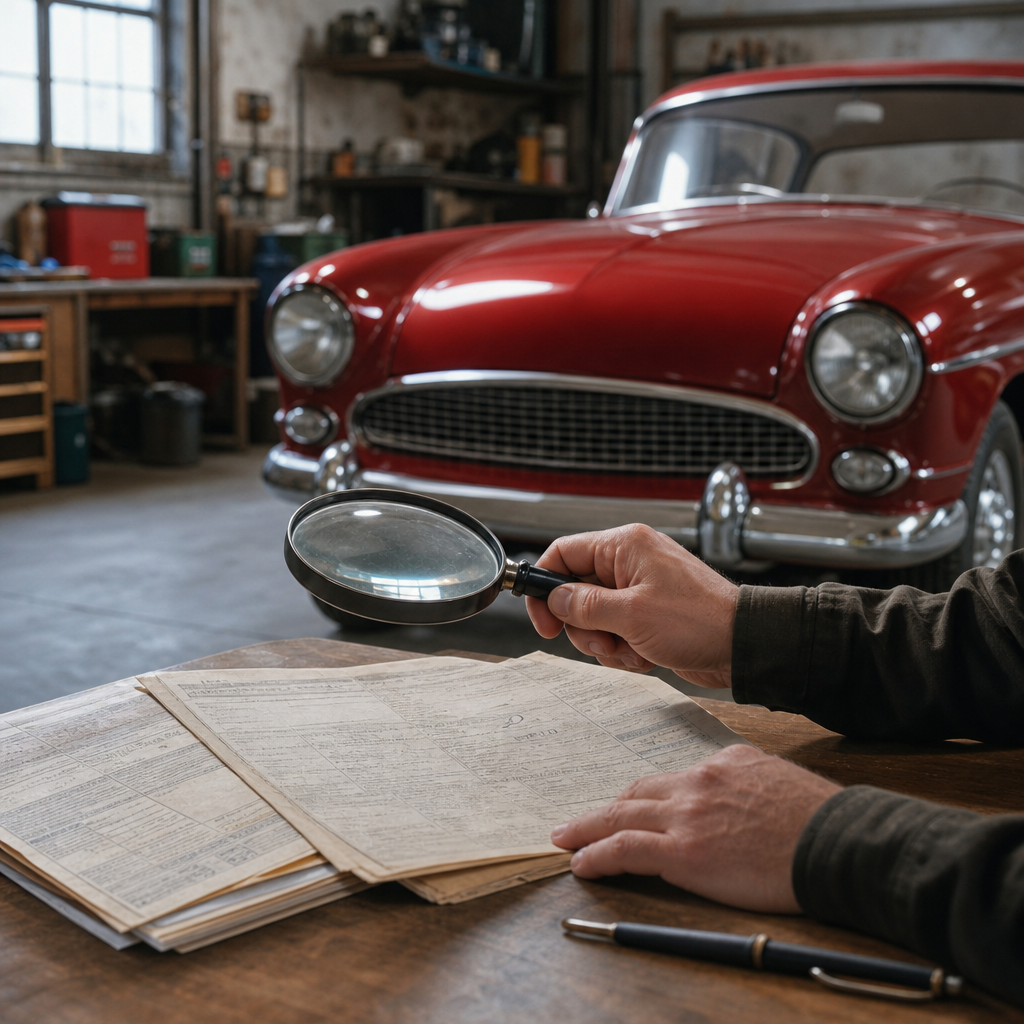
Before you choose a platform, prepare the car and the file on the car. Clean it thoroughly, but do not over-restore for photos if originality is part of the value story. Gather title documents, registration, service records, restoration invoices, spare parts lists, ownership history, manuals, and authentication paperwork such as a Porsche Certificate of Authenticity, Jaguar Heritage Trust certificate, or factory build sheet where available. Create a concise condition report that covers paint, body, chrome, glass, interior, electrical systems, drivetrain behavior, known leaks, rust history, and any items that do not function. Honesty here prevents wasted inquiries and protects your credibility.
Photography should include exterior angles, interior, gauges with the engine running, VIN plates, engine bay, trunk, wheel wells, undercarriage, and any flaws. Video should show cold start, idle, warm running, and a road test if safe and legal. Pricing should start from comparable sales, using sources such as Hagerty Price Guide, auction archives, dealer inventories, and forum sale posts. Then adjust for condition level, originality, color, options, documentation, and recent maintenance. Finally, decide your process before leads arrive: where inspections will happen, whether pre-purchase inspections are allowed, acceptable payment methods, and whether you will use escrow. Clear procedures prevent emotional decisions during negotiation.
Avoiding Scams, Pricing Mistakes, and Weak Listings
The biggest errors in selling a classic car are avoidable. Overpricing stalls momentum, under-documenting undermines trust, and careless payment handling creates real financial risk. Scam patterns are familiar: buyers who refuse calls, overpayment schemes, fake transport agents, counterfeit cashier’s checks, and urgent stories that pressure you to release the car before funds fully clear. For meaningful transactions, bank wire transfer verified directly with your institution is the standard approach. If escrow is used, choose an established service and confirm every instruction independently, not through an email thread alone. Never rely on a screenshot as proof of payment.
Weak listings also cost money. The market discounts uncertainty. If a buyer cannot tell whether the car has rust, matching numbers, or legal title, they price in risk or move on. In my experience, the best listings state flaws plainly: “older repaint with chips on nose,” “non-original radio,” “synchro weak in second when cold,” or “air conditioning inoperative.” Serious buyers appreciate candor because it signals that the rest of the description is probably true. A clear, complete listing on the right platform does more than attract attention. It filters for the right buyer, shortens negotiation, and increases the chance that your classic car sells at a fair number without drama.
The best platforms to sell classic cars are the ones that match your vehicle, your goals, and the level of effort you want to invest. Online auctions are strongest for market-ready cars that can benefit from competitive bidding and public scrutiny. Fixed-price marketplaces give you control, broad exposure, and room to negotiate. Consignment dealers reduce workload and can add professionalism that helps higher-value cars. Enthusiast forums and marque communities often deliver the most informed buyers, especially for niche or highly original examples. No single platform is universally best, because a restored Chevelle, a survivor Mercedes SL, and a modified Datsun Z appeal to different audiences and buying behaviors.
The consistent path to a better sale is preparation. Document the car thoroughly, photograph it honestly, price it from evidence, and choose a platform where the likely buyer will understand what makes your car valuable. Then manage the transaction with clear communication and secure payment practices. If you are planning a sale, start by identifying your car’s buyer profile and comparing recent results on two or three relevant platforms. That simple step will help you choose the right venue, avoid common mistakes, and sell your classic car with more confidence and a better outcome.
Frequently Asked Questions
What is the best platform to sell a classic car?
The best platform to sell a classic car depends on the vehicle itself, your timeline, and the type of buyer you want to reach. There is no single best option for every seller. Online auction platforms are often ideal for rare, highly desirable, or well-documented classics because they create competition among bidders and can expose your car to a national or even global audience. Fixed-price marketplaces work well when you already have a realistic asking price and want more control over negotiations. Consignment dealers can be a strong choice if you prefer a hands-off process and want professional marketing, storage, and buyer screening. Classifieds boards and enthusiast forums are often excellent for niche models because they attract knowledgeable buyers who understand originality, provenance, and period-correct details.
In practical terms, a numbers-matching muscle car with strong documentation may perform very well on a specialty auction site, while a driver-quality vintage coupe might be better suited to a fixed-price listing where buyers can contact you directly. If your classic belongs to a specific collector community, such as British roadsters, air-cooled Porsches, or pre-war American cars, an enthusiast forum or marque-specific marketplace can connect you with buyers who appreciate the car’s unique value. The right platform is the one that matches your car’s condition, rarity, price point, and audience while also giving you the level of support, exposure, and transaction security you need.
Should I choose an online auction, a fixed-price marketplace, or a consignment dealer?
Each selling route has clear advantages, and the right choice comes down to how much control, speed, and support you want. Online auctions can generate strong results when demand is high and your classic photographs well, has a compelling story, and includes thorough records. They are especially effective for desirable collector cars because competitive bidding can push the sale price upward. However, auctions can be unpredictable. If the audience is not fully engaged or the reserve is set too high, the car may not sell, and a failed auction can affect buyer perception.
Fixed-price marketplaces offer more control. You set the asking price, respond to inquiries, and negotiate directly with potential buyers. This format works well for sellers who know the market and are comfortable communicating with buyers, providing additional photos, and handling the process from listing to payment. It can also be a better fit if you are not in a rush and prefer to wait for the right buyer rather than rely on bidding momentum. The tradeoff is that you may need to spend more time filtering low-quality leads and price shoppers.
Consignment dealers appeal to sellers who value convenience and expertise. A reputable classic car consignment dealer can photograph the vehicle professionally, market it to their client base, coordinate inspections, and help manage paperwork and payment. This can be especially helpful if you are selling a higher-value classic or simply do not want the burden of handling inquiries yourself. The main downside is cost, since consignment dealers charge fees or commissions, and some may set pricing strategies that differ from your expectations. The best option is the one that aligns with your priorities: maximum exposure, pricing control, or a simplified selling experience.
How do I know which platform attracts the right buyers for my classic car?
To identify the right platform, start by thinking about who is most likely to buy your car. A serious collector looking for an investment-grade classic behaves very differently from a hobbyist searching for a weekend cruiser. Auction platforms often attract active buyers who are ready to move quickly, especially when the car has standout rarity, originality, or restoration quality. Fixed-price marketplaces usually draw a broader mix of buyers, from first-time classic car owners to experienced enthusiasts comparing several vehicles at once. Enthusiast forums and owner communities tend to attract some of the most informed buyers, which can be a major advantage if your car has special features, uncommon options, or a model-specific following.
You should also evaluate whether the platform’s audience matches your car’s value tier. A top-tier collector car deserves a venue where buyers understand provenance, matching numbers, restoration quality, and historical significance. A more affordable classic may do better on a marketplace where local or regional buyers are actively searching. Review comparable listings and recent sales if the platform provides that information. Look at the quality of the comments, the types of cars being sold, and whether listings similar to yours appear to generate real engagement. The strongest platform is one where your car will not just be seen by many people, but by the right people who understand why it is worth the asking price.
What should I include in my listing to get the best sale price?
A strong listing can directly influence both buyer confidence and final sale price. At a minimum, include high-resolution photos of the exterior, interior, engine bay, trunk, undercarriage if possible, VIN or chassis identification areas, wheels, tires, and any imperfections. Buyers of classic cars expect transparency. They want to see paint quality, panel fit, trim condition, upholstery, gauges, glass, chrome, and signs of rust or repair. If the car has restoration records, ownership history, factory documents, service receipts, or appraisal paperwork, mention them clearly and present them in an organized way. Documentation helps validate your claims and often separates premium listings from average ones.
Your written description should be detailed, accurate, and honest. Include the year, make, model, drivetrain, engine specifications, transmission type, mileage if known, restoration history, modifications, and recent maintenance. Clarify whether the car is fully restored, partially restored, survivor-grade, or a driver-quality example. Be upfront about flaws, because experienced buyers will find them anyway during inspection or discussion. A candid listing builds trust and reduces wasted time. If the car has a notable story, such as long-term family ownership, rare factory options, award history, or documented provenance, include that as well. The goal is to give buyers enough information to feel serious about contacting you and confident enough to pay closer to your target price.
How can I sell my classic car safely and avoid scams?
Safety matters just as much as price when selling a classic car. Start by using a reputable platform with clear policies, seller protections, and visible buyer activity. Be cautious with vague messages, buyers who avoid discussing the car in detail, or anyone who pushes unusual payment methods. Serious classic car buyers usually ask informed questions about condition, records, originality, and ownership. If someone wants to move immediately without basic due diligence, that is a reason to slow down. Avoid sharing sensitive personal information unnecessarily, and consider using a separate email address or phone number dedicated to the sale.
When it comes to payment, use secure, traceable methods and verify funds before releasing the car or title. Bank wire transfers are common for higher-value classic car transactions, but you should confirm receipt directly with your bank before completing the handoff. Be careful with cashier’s checks, overpayment schemes, and third-party shipping arrangements initiated by the buyer without verification. If the buyer wants an inspection, meet in a safe, public, or professional setting when possible. For expensive vehicles, many sellers choose escrow services, dealer-facilitated closings, or legal documentation to protect both sides. Also make sure the title, bill of sale, odometer disclosures if applicable, and any state-specific forms are completed properly. A secure transaction is not just about avoiding fraud; it is about creating a clear, documented sale that protects you after the car leaves your possession.