
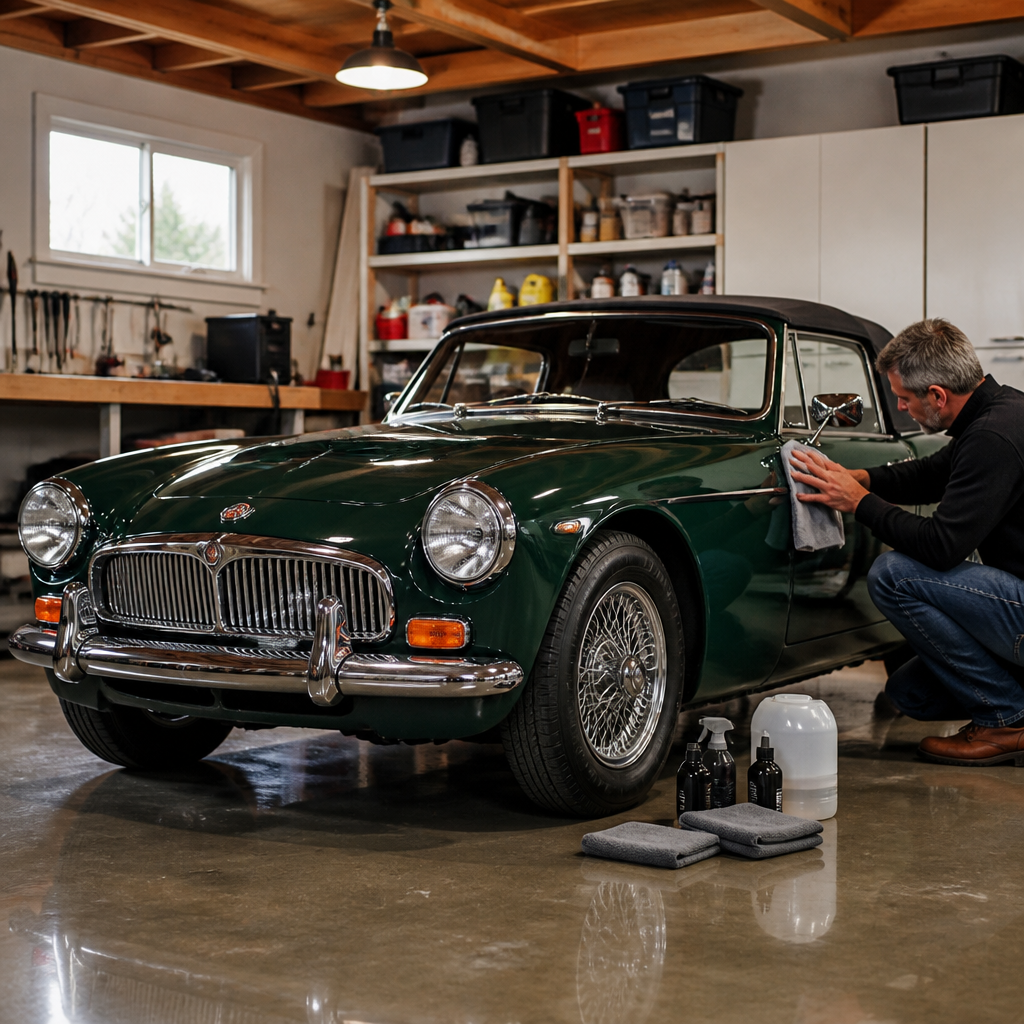
Long-term storage can preserve a classic car beautifully or quietly ruin it, and the difference comes down to preparation. In practical terms, long-term storage means a vehicle will sit unused for several months or longer, often through winter, relocation, restoration delays, or collection management. Storage and preservation cover more than parking a car under a cover. They include stabilizing fuel, protecting paint, managing humidity, supporting tires and suspension, maintaining the battery, and preventing pests, corrosion, mold, and fluid breakdown. I have prepared classics for six-month seasonal layups and multi-year dormant periods, and the same lesson always holds: deterioration begins wherever moisture, stale fuel, and neglect are allowed to settle.
This matters because older vehicles are less tolerant of inactivity than modern daily drivers. Carburetors varnish more easily, natural rubber dries out faster, vented systems invite moisture, and original trim, leather, chrome, and lacquer finishes can be expensive or impossible to replace. Even a well-restored Mustang, E-Type, 911, or C10 can suffer stuck rings, seized wheel cylinders, flat-spotted tires, and rodent-chewed wiring if stored carelessly. Proper classic car storage protects value, originality, and drivability while reducing recommissioning cost later. A good storage plan also creates a reliable inspection routine, so when it is time to bring the car back, you are reviving a preserved machine instead of troubleshooting preventable damage.
Choose the Right Storage Environment First
The best storage products in the world cannot compensate for a bad building. A clean, dry, enclosed space with stable temperature and controlled humidity is the foundation of classic car preservation. For most collector cars, the target environment is roughly 50 to 70 degrees Fahrenheit with relative humidity around 45 to 55 percent. Lower humidity discourages rust and mold, but an excessively dry space can harden leather, wood, and old rubber seals. A dehumidifier with a drain line, a hygrometer, and basic air circulation usually make a bigger difference than supplemental heat alone.
Concrete floors should be clean and dry; if the slab sweats, install a vapor barrier or use heavy-duty floor tiles beneath the car. Avoid gravel, bare dirt, or outdoor fabric shelters for valuable classics because they trap moisture and accelerate corrosion from below. If the garage is shared, keep the car away from lawn chemicals, pool supplies, and fertilizer, which release corrosive vapors. Security matters too. Use a quality lock, camera coverage, and documentation of VIN, engine numbers, and photos. For high-value vehicles, agreed-value insurance should remain active during storage, and many specialist insurers require proof of secure indoor storage.
Clean the Car Thoroughly Before It Goes Inactive
Never store a classic car dirty. Dust may look harmless, but road grime, bug residue, brake dust, bird droppings, and skin oils all hold contaminants against paint, chrome, stainless trim, and glass. Wash the exterior carefully, including wheel wells and the underside if the car has seen damp roads. Dry it completely with forced air around badges, seams, drip rails, mirrors, and rocker moldings where water hides. Then apply a quality wax or paint sealant. On single-stage paint, use a non-abrasive product and avoid aggressive machine correction right before storage.
The interior deserves equal attention because food crumbs, damp carpet, and body oils attract pests and mold. Vacuum seats, carpets, trunk lining, and under-seat areas. Clean leather with a pH-appropriate conditioner, and treat vinyl and rubber weatherstrips with products formulated for preservation rather than shine. Remove anything that can retain moisture, including old paper floor mats, detailing towels, or leaves in cowl vents. In the trunk, check the spare tire well for hidden dampness. A breathable car cover can help after the vehicle is fully dry, but never use a non-breathable tarp, which traps condensation and can imprint on delicate finishes.
Stabilize Fuel and Protect the Engine Internals
Fuel system neglect is one of the most common storage mistakes. Modern gasoline, especially ethanol blends, absorbs moisture and oxidizes quickly, leading to gum, varnish, phase separation, and corrosion in tanks, carburetor bowls, and fuel lines. For storage longer than about thirty days, fill the tank nearly full to minimize air space, then add a recognized fuel stabilizer such as Sta-Bil Storage or Star Tron according to label dosage. Run the engine long enough to circulate treated fuel through the carburetor or injection system. On carbureted cars, I prefer shutting the fuel supply and allowing the engine to consume what remains in the bowls if the storage period will be very long, because evaporating fuel leaves sticky deposits.
Engine oil should be changed before storage, not after, because used oil contains acids, moisture, and combustion byproducts that can etch bearings and internal surfaces. Use the viscosity recommended for the engine and climate, and replace the filter. Coolant should be tested for freeze protection and corrosion inhibitors; weak or old coolant can damage iron blocks, aluminum heads, and heater cores. If the car will sit for many months, fogging oil can protect cylinder walls in engines known to rust internally. Whether to start the car periodically is often misunderstood. Unless you can drive it long enough to bring oil, coolant, transmission, and exhaust fully to temperature, brief starts usually add condensation and do more harm than good.
Manage Battery, Tires, Brakes, and Moving Systems
Battery care affects more than starting reliability. A neglected lead-acid battery can sulfate, leak, and corrode trays, cables, and adjacent sheet metal. Disconnect the negative terminal at minimum, or remove the battery entirely if the storage area has temperature extremes. The best approach is a smart maintenance charger from a reputable brand such as CTEK, Battery Tender, or NOCO. These maintain state of charge without the overcharging risk of old trickle chargers. For vehicles with memory-sensitive electronics, follow manufacturer guidance before disconnecting power, though many classics have simple systems.
Tires and brakes also need attention because static load creates flat spotting and moisture can seize components. Inflate tires to the upper end of the recommended range, not beyond sidewall limits. For very long storage, place the car on race ramps or cradles that spread the load; jack stands can work, but only when positioned correctly under approved support points so suspension is not damaged. Avoid setting the parking brake because shoes or pads can bind to drums or rotors. Instead, chock the wheels securely. If the vehicle has wire wheels, knock-off hubs, air suspension, or self-leveling systems, inspect them with model-specific procedures before storage because those components create unique support risks.
| System | What to Do Before Storage | Why It Matters |
|---|---|---|
| Fuel | Fill tank, add stabilizer, circulate treated fuel | Prevents oxidation, moisture absorption, and varnish |
| Engine oil | Change oil and filter | Removes acids and contaminants that damage internals |
| Battery | Disconnect or connect smart maintainer | Avoids sulfation, drain, and corrosion |
| Tires | Inflate properly and reduce static load | Limits flat spotting and sidewall stress |
| Brakes | Leave parking brake off and use chocks | Prevents pads or shoes from sticking |
| Interior | Clean, dry, and condition surfaces | Reduces mold, odor, cracking, and pest attraction |
Prevent Moisture, Corrosion, and Pest Damage
Moisture control is the central discipline of long-term storage. Corrosion starts where humid air meets bare metal, plated surfaces, and enclosed cavities. After washing, make sure the exhaust system is dry; on some cars, a short final drive before storage helps evaporate trapped water. Lightly lubricate hinges, latch mechanisms, hood releases, and exposed metal with products appropriate to each surface. For chrome and brightwork, use a protective polish or wax. On underbodies and chassis components, corrosion inhibitors such as Boeshield T-9 or cavity waxes can be useful, especially for cars stored in coastal regions.
Pests can destroy a car faster than many owners expect. Mice pack heater boxes with nesting material, chew insulation from harnesses, and foul interiors with urine that is difficult to remove. Seal obvious building entry points, remove birdseed and pet food from the area, and inspect cowl vents, air cleaner snorkels, and tailpipes. Some owners plug exhaust outlets and intake openings with steel wool covered by a bright reminder tag at the steering wheel. Avoid relying only on scented repellents. Snap traps placed around, not inside, the vehicle are usually more effective. Check them regularly. A one-hour monthly inspection can prevent thousands of dollars in wiring and upholstery repairs.
Store Convertible Tops, Interiors, and Exterior Trim Correctly
Convertible classics need extra planning because fabric, vinyl, pads, plastic windows, and frame pivots age differently in storage. If the top is dirty or damp when folded, mildew and permanent creasing follow. Clean and dry it thoroughly, then store the top in the position recommended by the manufacturer or restoration specialist. Many tops are best stored raised and latched to preserve shape and reduce fold stress, particularly when temperatures fluctuate. For cars with removable hardtops, use a proper stand and padded contact points to avoid warping trim or scratching paint.
Inside the cabin, resist the urge to seal every opening airtight. A lightly vented, clean interior in a humidity-controlled garage is usually better than trapping residual moisture. Desiccant packs can help in trunks and cabins, but they must be monitored and renewed. For wood veneers, original lacquer, Bakelite knobs, and thin chrome plating, avoid solvent-heavy dressings. Sunlight fading is less of a concern indoors, yet fluorescent and window exposure still matter over time. If windows will remain closed, ensure door and trunk seals are dry first. If windows stay slightly cracked for ventilation, make sure the building is secure and pest controlled.
Create a Storage Checklist and Recommissioning Plan
The best storage results come from documentation, not memory. I always prepare a written checklist with the date, mileage, fuel treatment used, oil change interval, tire pressures, battery status, and any openings that were plugged. Put a reminder card on the steering wheel noting items to reverse before startup, such as removing exhaust plugs, reconnecting the battery, or lowering tire pressures. This is particularly important if more than one person has access to the vehicle or if several cars are stored at once.
Recommissioning should be planned before storage begins. When the car returns to service, inspect for leaks, rodent traces, chewed belts, nests near the exhaust or fan, and corrosion on electrical contacts. Check fluid levels, tire condition, brake pedal feel, clutch operation, and lights before moving. Crank the engine only after confirming the battery is healthy and the fuel system is safe. Some engines benefit from building oil pressure before full start, especially after extended dormancy. The first drive should be long enough to reach full operating temperature and short enough to stay close to home. Then recheck for leaks, charging performance, brake pull, and tire vibration.
Preparing a classic car for long-term storage is really about controlling chemistry, moisture, and load. A stable indoor environment, thorough cleaning, fresh fluids, protected fuel, managed battery charge, supported tires, and active pest prevention form the core of a reliable preservation plan. None of these steps are difficult individually, but together they protect the parts that are hardest to replace: original finishes, trim, wiring, interior materials, and matching mechanical components.
As a hub for storage and preservation, this topic connects directly to fuel system care, battery maintenance, rust prevention, indoor garage setup, winterization, detailing, and spring recommissioning. If you build a repeatable checklist now, every future storage cycle becomes easier and safer. Start with your garage conditions, then work system by system through the car. Done properly, long-term storage keeps your classic ready for the next drive, show season, or restoration phase with fewer surprises and far lower cost.
Frequently Asked Questions
What should I do before putting a classic car into long-term storage?
Start with a complete cleaning and inspection, because dirt, moisture, and overlooked mechanical issues can become much bigger problems when a car sits for months. Wash the exterior thoroughly, including the wheel wells and underside if conditions allow, and remove bug residue, road grime, and any contaminants that can damage paint over time. Dry the car completely before storage, then apply a quality wax or paint sealant to add a protective barrier. Clean the interior as well, vacuum carpets and seats, remove food, paper, and anything that could attract pests, and make sure all surfaces are dry to reduce the risk of mildew and odors.
Mechanically, change the engine oil and filter if they are near service life or if the oil contains contaminants from recent driving. Old oil can hold acids and moisture that are not ideal for extended storage. Top off or replace other fluids as needed, including coolant, brake fluid, and differential or transmission fluids if they are due. Fill the fuel tank and add a fuel stabilizer, then run the engine long enough for treated fuel to circulate through the system. Check belts, hoses, clamps, and seals for age-related deterioration. Inflate the tires to the proper pressure, and if the storage period will be extended, consider strategies to reduce flat-spotting and suspension stress. In short, the goal is to store the car in its best possible condition, because storage does not stop deterioration if existing problems are already present.
Should I store a classic car with a full tank of gas, and do I really need fuel stabilizer?
In most cases, yes, a classic car should be stored with a full tank of fuel and an appropriate fuel stabilizer. A full tank leaves less air space inside the tank, which helps reduce internal condensation and lowers the risk of rust forming in metal fuel tanks. Fuel stabilizer is equally important because modern gasoline degrades faster than many owners expect, especially blends that contain ethanol. As fuel ages, it can lose volatility, form varnish, gum up carburetors or injectors, and create hard-starting issues when the car is brought back into service.
The right way to do it is simple but important: add the stabilizer in the correct amount, fill the tank, and then run the engine for several minutes so the treated fuel reaches the carburetor, fuel lines, pump, or injectors. If the car is carbureted, this step is especially critical because untreated fuel left in the system can evaporate and leave stubborn deposits. For very long storage periods, some owners also pay close attention to the type of fuel used before storage, choosing fuel with lower ethanol content when available. The key point is that stale fuel is one of the most common storage-related problems in classic cars, and it is much easier to prevent than to clean up later.
How can I protect the battery, tires, and suspension during long-term storage?
The battery should never be ignored during storage, because a discharged battery can sulfate, lose capacity, and in some cases leak or fail entirely. The best practice is to connect the battery to a quality maintenance charger designed to keep it at the proper charge level without overcharging. If power is not available in the storage space, removing the battery and storing it in a cool, dry place may be a better option, though it should still be maintained periodically. Make sure the battery terminals are clean and protected, and verify whether your particular vehicle has any electrical draw that could slowly drain the battery even while parked.
Tires and suspension also deserve attention if the car will be stationary for months. Inflate the tires to the manufacturer’s recommended pressure, or slightly higher within safe limits if advised for storage, to help reduce flat-spotting. Parking on clean, dry surfaces or tire cradles can help as well. For longer storage intervals, some owners use jack stands to take weight off the tires and suspension, but this should be done carefully and with proper support points to avoid damage or chassis stress. Whether you leave the car on its wheels or support it, do not overlook the parking brake: it is often better to leave it off to prevent the brake components from sticking, while using wheel chocks to keep the vehicle secure.
What is the best storage environment for preserving a classic car’s paint, interior, and metal surfaces?
The ideal environment is clean, dry, secure, and climate-stable. Excess humidity can lead to rust, mold, musty odors, and corrosion on chrome, trim, wiring, and underbody components. Large temperature swings can create condensation on metal surfaces, even inside a seemingly protected garage. If possible, store the car in a well-sealed indoor space with controlled humidity and good ventilation. Dehumidifiers, moisture-control products, and proper airflow can make a major difference, especially in damp climates or buildings that are prone to condensation.
Paint and interior materials benefit from thoughtful protection rather than simply being hidden under any available cover. Use a breathable, high-quality car cover only after the vehicle is completely clean and dry. Avoid plastic tarps or non-breathable covers, which can trap moisture against the finish and cause more harm than good. Inside the car, protect leather, vinyl, wood, and rubber with appropriate conditioners, but avoid overapplying oily products that can attract dust or create residue. Weatherstripping and seals should also be checked, because failed seals can allow moisture and pests into the cabin or trunk. In practical terms, the best storage environment prevents rust, discourages mildew, reduces UV exposure, and keeps the car stable rather than subjecting it to cycles of dampness, heat, and cold.
Should I start the classic car occasionally while it’s in storage, or leave it alone until I’m ready to drive it?
In many cases, leaving the car alone is better than starting it occasionally without fully bringing it up to operating temperature and driving it long enough to evaporate moisture from the exhaust, crankcase, and drivetrain. Short, infrequent start-ups can actually do more harm than good because they introduce condensation and combustion byproducts without giving the car a proper chance to dry out and circulate fluids thoroughly. This can contribute to internal corrosion, diluted oil, and exhaust system moisture. Simply idling the engine for a few minutes every few weeks is not a substitute for proper use.
If the car can be driven safely and legally long enough to reach full operating temperature and exercise the brakes, steering, transmission, and suspension, periodic operation may be beneficial. But if that is not realistic, a well-prepared storage plan is usually the safer choice. That means stabilized fuel, a maintained battery, proper tire care, moisture control, and a clean protected vehicle left undisturbed. When it is time to bring the car back out, inspect for leaks, check fluid levels, verify tire condition and pressure, look for signs of pests, and restart the vehicle methodically rather than rushing the process. For most owners, disciplined preparation before storage matters far more than occasional engine starts during storage.