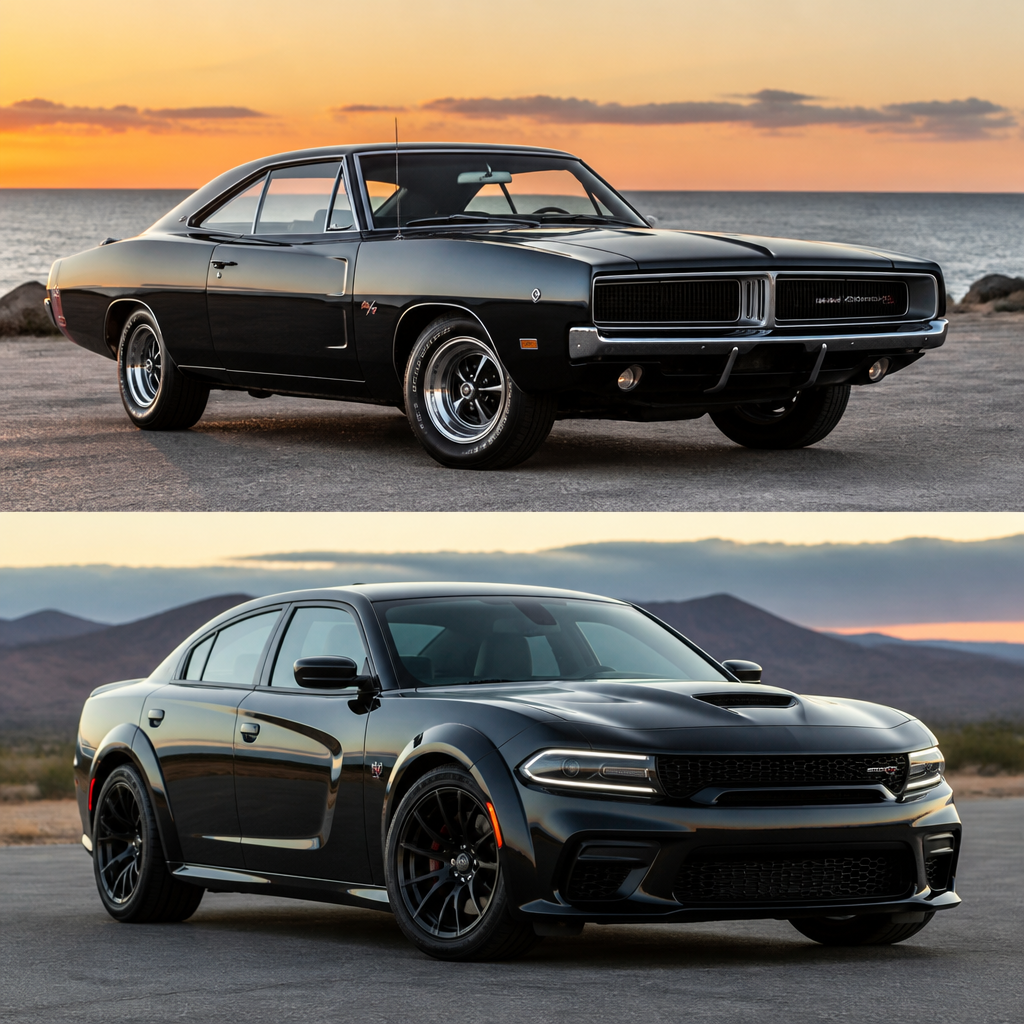
The Dodge Charger stands as one of the clearest examples of how an American performance car can evolve without losing its core identity. Since its debut in the 1960s, the Charger has moved through the muscle car era, the emissions-crisis years, front-wheel-drive reinventions, and a twenty-first-century return to V8 power, all while staying recognizable as a bold, fast, and culturally resonant nameplate. In the landscape of classic car models and brands, few badges carry the same mix of factory performance, motorsport credibility, movie fame, and collector appeal.
When enthusiasts talk about iconic Dodge Charger models, they are usually referring to more than styling or horsepower numbers. They mean the full package: long-hood proportions, aggressive trim levels, big-block options, unmistakable grille designs, and a reputation for power that translated from street to strip to screen. In practical terms, the Charger matters because it links several eras of automotive history. It helps explain the rise of the classic muscle car, the engineering compromises of the 1970s, the branding strategies of the 1980s and 1990s, and the modern revival of high-output American sedans.
As a hub within the broader classic car models and brands conversation, this guide covers the Charger’s most important generations and why each one matters. It also addresses the questions buyers, restorers, and new enthusiasts ask most often: which years are considered the most collectible, what separates an R/T from a Daytona, why the 1968 redesign became so influential, and how the modern Charger turned a heritage coupe into a practical performance sedan. I have worked around restored Mopars at auctions, private collections, and driver-quality builds, and the same pattern appears every time: the Charger attracts people who want drama, but it keeps their attention because the engineering story is richer than the stereotype.
Understanding the Dodge Charger also means defining a few key terms. “Muscle car” generally refers to a mid-size or intermediate American car with a large-displacement engine focused on straight-line speed. “Mopar” is the performance and parts identity tied to Chrysler, Dodge, Plymouth, and related brands. “Matching numbers” describes a car retaining its original engine and drivetrain components as identified by factory stampings, an issue that strongly affects Charger values. “Trim level” covers variations such as SE, R/T, Super Bee, SRT, and Hellcat, each of which signals a different blend of comfort, appearance, and performance. With those basics in place, the Charger’s path from classic muscle to modern legend becomes easier to follow.
The first-generation Charger established the formula
The 1966 Dodge Charger arrived on Chrysler’s B-body platform and entered a market that was rapidly embracing performance-focused intermediates. Dodge positioned it as a more upscale and dramatic alternative to other muscle offerings, with a fastback roofline, full-width grille, hidden headlamps, and a four-bucket-seat interior that made the car feel more specialized than many of its rivals. Engine options ranged from competent small-blocks to serious V8s, including the 426 Hemi, immediately giving the new model credibility among performance buyers.
What makes the first generation important is not that it was the most collectible Charger; it usually is not. Its significance lies in how clearly it announced Dodge’s ambitions. The interior instrumentation, overhead console details, and broad rear treatment gave the car a concept-car flavor at a time when Detroit styling was still willing to take risks. In restorations, I often see first-generation cars appreciated by experienced Mopar buyers who value rarity and design experimentation more than mass popularity. They know this generation set the emotional template even if later versions perfected it.
From a market perspective, first-generation Chargers occupy an interesting place. They are less universally recognized than 1968–1970 cars, which can make them attractive to collectors seeking entry into the Charger world without chasing the highest premiums. Authentic Hemi cars remain rare and expensive, but 383-powered examples often appeal to enthusiasts who want period-correct V8 performance and distinctive styling. For a hub page on iconic models, the first generation matters because every later Charger either refined or reacted against this original blueprint.
The 1968 to 1970 Charger became the definitive icon
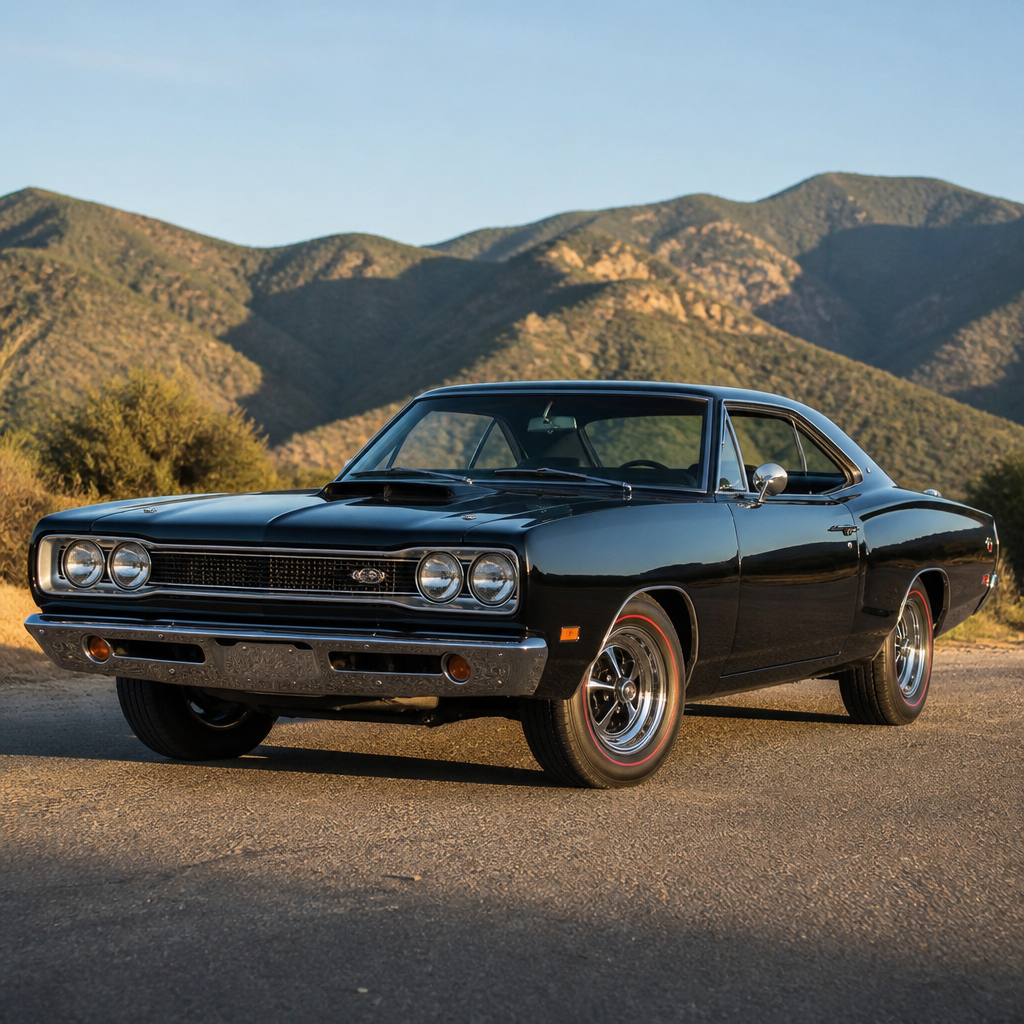
If one generation defines the Dodge Charger in public memory, it is the second generation introduced for 1968. Dodge abandoned the earlier fastback shape and created a more sculpted “coke bottle” body with flying-buttress rear styling, a divided grille, and muscular proportions that looked fast even when parked. This redesign transformed the Charger from an interesting performance coupe into one of the signature forms of the classic muscle era. The 1968 Charger R/T, especially with the 440 Magnum or optional 426 Hemi, became the benchmark configuration for many collectors.
The reasons are straightforward. The wheel arches, hidden headlights, and deeply recessed rear window created a visual identity that remains instantly recognizable. The engine lineup aligned with the styling promise. The 440 delivered strong street torque and relative usability, while the Hemi represented top-tier factory performance. Inside, the dashboard and trim balanced sporty intent with enough comfort to keep the Charger from feeling stripped down. For many buyers then and now, this was the sweet spot between raw muscle and daily drivability.
The 1969 model year expanded the legend. It introduced detail changes to the grille and taillamps, but more importantly it produced the Charger Daytona, one of the most significant homologation specials in American car history. Built so Dodge could be more competitive in NASCAR, the Daytona used a pointed nose cone and towering rear wing to improve aerodynamic performance at high speed. It was not just styling theater. On the superspeedways, those changes mattered, and the Daytona became the first NASCAR vehicle to officially break 200 mph. Few production-based American cars have such a direct, documented connection between race engineering and showroom identity.
By 1970, the front-end design shifted again, replacing the divided grille with a loop bumper arrangement and revising the stance, but the Charger remained highly desirable. Performance variants, visual aggression, and broad media visibility cemented these years as the core of Charger mythology. For restoration buyers, these are also the years where authenticity questions become critical. Fender tags, broadcast sheets, VIN codes, drivetrain stampings, and correct trim combinations can separate a six-figure car from a far less valuable clone. Because demand is so strong, careful documentation is not optional.
Key iconic Charger models and why collectors value them
Not every famous Charger is valued for the same reason. Some are prized for performance, others for rarity, and others because they define the brand’s image for a generation. The table below summarizes the most important iconic Dodge Charger models for enthusiasts researching the nameplate as a whole.
| Model | Years | Why it matters | Collector significance |
|---|---|---|---|
| Charger R/T | 1968–1971, later revived | Core big-block performance trim, usually associated with 440 power and muscle-era identity | High demand, especially documented big-block and special-option cars |
| Charger Daytona | 1969 | Aerodynamic homologation special built for NASCAR success | Blue-chip Mopar collectible with extreme rarity |
| Charger Super Bee | 1971, later modern revival | Value-focused performance package tied to Dodge’s street-racing image | Appeals to buyers who want rarity with strong brand recognition |
| Charger SE | Multiple years | Luxury-oriented trim showing the Charger’s broader market positioning | Important for originality-focused restorations, less valuable than top performance trims |
| Charger SRT Hellcat | 2015 onward | Supercharged modern performance sedan that revived factory horsepower wars | Already viewed as a milestone modern muscle car |
Among these, the Daytona remains the headline car because of its scarcity and direct racing purpose. Yet in practical collecting, the 1968 and 1969 R/T often represent the center of the market. They are the Chargers many enthusiasts dreamed about first, and that emotional demand supports values across concours restorations and high-quality drivers. A well-documented 440 R/T can be more usable and easier to maintain than an ultra-rare specialty model while still delivering the styling and performance people associate with the badge.
It is also important to recognize the role of lower-trim and non-big-block cars. Base and small-block Chargers do not command the same prices, but they keep the hobby accessible and preserve the shape and road presence that made the model famous. For many owners, a 318 or 383 car upgraded with period-correct details offers the best balance of affordability, drivability, and parts availability. In real garages, that matters as much as auction drama.
The 1971 to 1978 years showed adaptation under pressure
The third-generation Charger introduced for 1971 brought another dramatic redesign. The body became more curvaceous and fuselage-influenced, with split grilles, a reshaped roofline, and a broader, more formal appearance. Performance remained part of the equation, especially early in the generation, but the market was changing fast. Rising insurance costs, tightening emissions rules, and shifting buyer priorities affected every American performance car, and the Charger was no exception.
For 1971, models such as the Charger R/T and Super Bee still carried genuine muscle credentials, and big-block options remained available. However, by 1972 the industry had moved from gross horsepower ratings to net horsepower ratings, making direct year-to-year comparisons difficult and often misunderstood. Enthusiasts sometimes read those lower numbers as a complete collapse in capability, but that oversimplifies the story. The cars were changing because regulations, fuel quality, compression ratios, and market economics all changed at once.
As the decade continued, the Charger moved further toward personal luxury. By 1975, the nameplate had migrated to the Chrysler Cordoba platform, signaling a major philosophical shift. These later 1970s Chargers are not the first choice for muscle purists, but they matter historically because they show how Detroit brands protected performance names during a difficult era. In today’s collector market, they remain more affordable and are increasingly appreciated by enthusiasts interested in under-recognized survivors from the malaise era.
The modern Charger revived heritage and expanded the audience
After dormant and transitional uses of the Charger name, Dodge made its boldest move by reviving the model in 2006 as a full-size four-door sedan. Purists initially objected because the classic Charger had been a coupe, but the market result was clear: Dodge had found a way to translate muscle-car character into a practical format. Rear-wheel drive, available Hemi V8 power, assertive sheet metal, and straightforward performance messaging restored the Charger’s credibility quickly.
The turning point came as Dodge sharpened the lineup through R/T, SRT8, Scat Pack, and Hellcat variants. The formula echoed the classic years: simple visual cues, escalating engine choices, and a chassis tuned to make horsepower central to the experience. The 6.1-liter and later 6.4-liter Hemi V8s gave the modern Charger serious legitimacy, but the supercharged Hellcat changed the conversation entirely. With over 700 horsepower in production form, it turned a family-sized sedan into a factory-built muscle landmark.
What impressed many longtime enthusiasts, myself included, was not only the output but the confidence of the engineering package. Brembo brakes, adaptive damping in upper trims, launch control, line lock, and robust infotainment made the modern Charger more than a nostalgia exercise. It became a usable, year-round performance car with enough comfort for daily driving and enough power to earn respect at any track-day paddock or dragstrip. That broad capability is why the modern Charger attracted both younger buyers and classic Mopar loyalists.
Why the Charger remains central to classic car culture
The Dodge Charger endures because it works on several levels at once. It is a design icon, a motorsport story, a collectible asset, and a practical gateway into American performance history. Few cars can claim standout versions in both the original muscle era and the modern horsepower era. Fewer still can do it while remaining instantly recognizable to casual fans. From the 1968 R/T to the 1969 Daytona to the supercharged Hellcat, the Charger has repeatedly delivered a version of excess that feels authentic rather than accidental.
For readers exploring iconic models within classic car models and brands, the Charger deserves hub status because it connects so many related topics. It leads naturally into deeper articles on Mopar engines, B-body restoration, NASCAR homologation specials, muscle car values, and modern collectible performance sedans. It also rewards close study. The best Charger stories are found in the details: axle ratios, stripe packages, trim codes, aero packages, and the differences between a restored car, a restomod, and a survivor. Those details are where value, originality, and historical meaning come into focus.
The key takeaway is simple. The Dodge Charger did not become a legend because of one great model year; it earned that status by adapting across decades while preserving a clear identity built around style and power. If you want to understand American muscle in one nameplate, start with the Charger, then follow its generations model by model. That path will give you a sharper eye for the entire hobby and a stronger sense of what makes an icon last.
Frequently Asked Questions
What makes the Dodge Charger such an important name in American performance car history?
The Dodge Charger matters because it captures several major eras of American automotive culture in one continuous nameplate. When it first appeared in the 1960s, it arrived at the height of the muscle car boom, offering dramatic styling, available big-block V8 power, and a strong street-and-strip image that immediately set it apart. Early Chargers helped define what buyers expected from a performance-oriented American coupe: long hood, aggressive stance, rear-wheel-drive layout, and engines that delivered real straight-line speed. That foundation gave the Charger instant credibility among enthusiasts and made it one of the standout models of the original muscle era.
What makes the Charger especially significant, though, is not just how strong it was at the beginning, but how well it adapted over time. Many performance cars disappeared completely when market demands shifted, emissions rules tightened, fuel concerns grew, and buyer preferences changed. The Charger survived all of that. It went through the difficult 1970s, the changing priorities of the 1980s, and the front-wheel-drive years that looked very different from the original formula. Even when the car itself changed dramatically, the badge remained active in the public imagination, which says a lot about the power of the name.
The modern Charger cemented that legacy by bringing the car back to its performance roots in a way that felt authentic rather than nostalgic. Dodge managed to reintroduce rear-wheel-drive proportions, available HEMI V8 power, and an unmistakably aggressive identity while still offering four-door practicality. That combination made the Charger unusual in the modern market. It was not simply a retro throwback; it became a practical performance sedan with classic muscle car attitude. Few American cars have maintained that level of cultural relevance across so many decades, and that is why the Charger remains one of the clearest examples of a model evolving without losing its core identity.
How did the Dodge Charger evolve from a classic muscle car into a modern legend?
The Charger’s evolution is really a story of survival, reinvention, and smart brand positioning. In its earliest form, the Charger was a fastback coupe with styling and performance aimed directly at the heart of the muscle car market. Through the late 1960s and early 1970s, it developed into one of Dodge’s signature performance machines, especially as more powerful engines and more aggressive styling became central to its appeal. Those generations created the image many enthusiasts still think of first: a bold, rear-wheel-drive V8 machine with unmistakable road presence.
As the industry changed in the 1970s, the Charger had to change with it. Stricter emissions standards, insurance pressures, and fuel economy concerns forced nearly every American performance car to compromise. The Charger was no exception. Power outputs declined, styling trends shifted, and the market that once celebrated raw horsepower began demanding something different. Later, during the 1980s, the Charger name appeared on front-wheel-drive platforms that were much more influenced by efficiency and practicality than by traditional muscle car values. For some enthusiasts, that era represented a break from the original formula, but it also demonstrated Dodge’s determination to keep the Charger name alive.
The twenty-first-century revival is what transformed the Charger from a remembered classic into a modern legend. Dodge recognized that there was still strong emotional value in American performance and leaned into it. The reborn Charger delivered muscular styling, available V8 engines, rear-wheel-drive architecture, and trims that ranged from practical daily drivers to seriously powerful performance variants. It also became famous for blending usability with excess in a way very few competitors could match. In modern form, the Charger did not just honor its past; it expanded the meaning of the badge for a new generation, proving that a muscle car-inspired vehicle could still thrive in a very different automotive world.
Why is the Dodge Charger so closely associated with muscle car culture and pop culture?
The Charger is deeply tied to muscle car culture because it has always projected the qualities enthusiasts associate with the genre: power, visual drama, attitude, and a certain rebellious confidence. Even people who are not dedicated car fans often recognize a Charger when they see one because the model has consistently emphasized strong design cues and a commanding presence. From hidden-headlamp-era classics to wide-stance modern performance versions, the Charger has usually looked fast even when standing still, and that visual identity has helped it become one of the most memorable American nameplates on the road.
Its pop culture role is just as important. Over the decades, the Charger has appeared in films, television, magazines, motorsports coverage, and enthusiast media in ways that reinforced its image as more than transportation. It became a symbol of American speed and personality, often used on screen or in marketing to represent boldness, danger, excitement, or anti-establishment cool. A car does not become a legend through specifications alone; it becomes a legend when it enters the larger cultural conversation, and the Charger has done that repeatedly across generations.
The modern Charger strengthened this connection because it arrived at a time when many manufacturers were moving toward more restrained, efficiency-first designs. Dodge went in the opposite direction. High-horsepower trims, aggressive sound, unmistakable styling, and a marketing approach built around unapologetic performance made the car feel like a statement. That gave the Charger cross-generational appeal: older enthusiasts appreciated the return of traditional muscle values, while younger buyers encountered it as one of the few mainstream vehicles still willing to be loud, charismatic, and intentionally excessive. That blend of heritage and visibility is a major reason the Charger remains so culturally resonant.
Which Dodge Charger generations are considered the most collectible or influential?
The most collectible and influential Chargers usually come from the late 1960s and early 1970s, especially the second-generation cars. These are the models most enthusiasts picture when the Charger name comes up, and for good reason. They combined dramatic styling with serious performance options during the height of the muscle car era. High-performance V8-equipped cars from this period, particularly those with big-block engines and rare factory combinations, are especially desirable because they represent the Charger at its most iconic. Their connection to racing, street performance, and cultural visibility only adds to their long-term appeal.
First-generation Chargers are also important, even if they are sometimes overshadowed by what followed. They introduced the formula and established the Charger as something more dramatic than an ordinary intermediate coupe. Their distinctive fastback design and upscale-performance intent make them historically significant, especially for collectors interested in the early development of the model. Meanwhile, certain later classic-era Chargers from the early 1970s remain valuable because they reflect the final years before the original muscle car formula was heavily diluted by regulation and market changes.
From a modern standpoint, the most influential recent Chargers are the rear-wheel-drive cars introduced in the 2000s and the increasingly powerful trims that followed. While not “collectible” in exactly the same way as 1960s examples, they have already earned a strong place in enthusiast history. Performance variants with HEMI power, limited-production configurations, and especially the highest-output modern models are likely to remain highly sought after because they represent the final flourish of large-displacement American performance in a rapidly changing automotive landscape. In short, the classic cars established the legend, but the modern high-performance Chargers ensured that legend stayed relevant.
Did the Dodge Charger stay true to its identity even during its major design and platform changes?
Yes, and that is one of the most interesting parts of the Charger story. On paper, there were periods when the car changed so much that it seemed far removed from the original concept. Body styles shifted, drivetrains changed, market roles evolved, and some generations clearly emphasized practicality or economy more than raw performance. If you look only at technical details, it would be easy to argue that the Charger was not always the same kind of car. But identity is about more than specifications. It is also about what a name means to the public and how a brand chooses to position it over time.
The Charger name consistently carried a sense of boldness and performance intent, even when the automotive environment made full traditional muscle car execution difficult. Dodge repeatedly used the badge for vehicles meant to stand out rather than disappear into the background. That matters. A true performance identity is not just horsepower numbers; it is also visual confidence, emotional appeal, and the promise that the vehicle offers more attitude than an ordinary alternative. The Charger maintained that reputation well enough that when Dodge finally returned it to rear-wheel-drive V8 form, the revival felt believable instead of forced.
In its modern era, the Charger arguably proved more clearly than ever that it had retained its core character. It delivered the kind of presence, straight-line performance, and cultural swagger that made the original cars famous, but it did so in a format suited to contemporary buyers. It was larger, more practical, and more technologically advanced, yet still unmistakably a Charger in spirit. That is why the model stands out in automotive history. It did not remain static, and it did not avoid controversial changes, but through every era it kept returning to the same central idea: a Dodge performance car with attitude, presence, and broad emotional appeal.