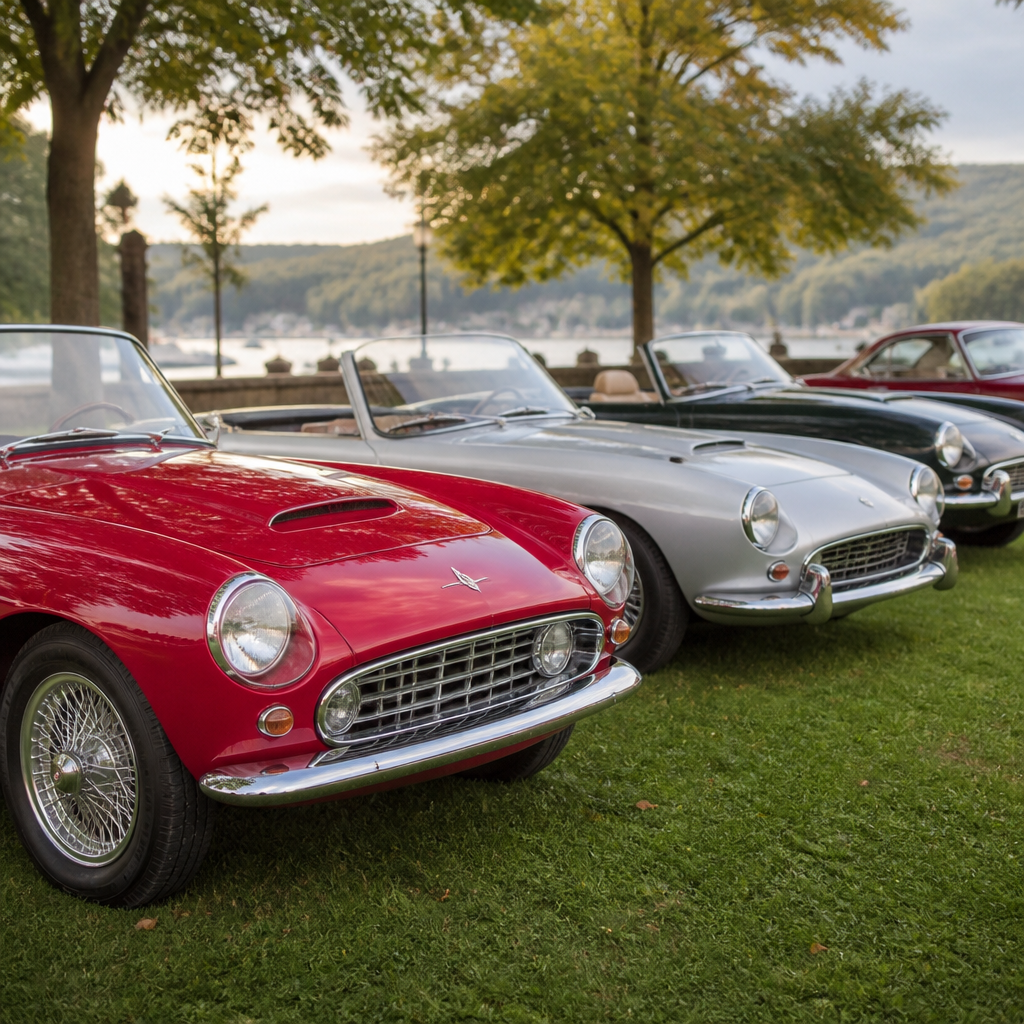

Daily driving vs weekend driving is one of the first decisions every classic car owner must make, because the answer shapes maintenance costs, insurance, reliability planning, and the kind of ownership experience the car will deliver. In classic car ownership, daily driving a classic means using it for routine transportation such as commuting, errands, school runs, and regular highway use, while weekend driving means limited, discretionary use focused on pleasure trips, local shows, and fair-weather outings. I have helped owners set up both types of use, and the practical difference is bigger than most buyers expect. A classic that feels charming on a Sunday morning can become tiring in traffic five days a week, yet a well-sorted driver can be more dependable than its reputation suggests. This matters because classics are not simply old versions of modern cars. They use different materials, looser tolerances, simpler electronics, older braking systems, and designs created before current expectations for comfort, safety, emissions, and theft protection. Choosing the right use pattern protects your budget and helps you enjoy the car rather than resent it. For anyone researching daily driving a classic, the best choice depends on mechanical condition, parts support, climate, commute length, parking, and your willingness to perform preventive maintenance consistently.
What daily driving a classic really demands
Daily driving a classic car requires more than enthusiasm. It requires a realistic understanding of operating cycles, failure points, and the owner’s tolerance for inconvenience. A weekend classic may only need to start cleanly, idle well, and handle short drives. A daily classic must cold-start repeatedly, sit in traffic without overheating, restart after heat soak, charge its battery during low-speed use, and stop predictably in all conditions. The owner also needs access to parts, basic tools, and either mechanical skill or a trusted shop familiar with carburetors, breaker-point ignitions, vacuum-operated accessories, drum brakes, and older automatic transmissions. Even on well-maintained classics, age affects rubber hoses, wiring insulation, seals, bushings, weatherstripping, and fuel-system components. In my experience, owners who succeed with daily driving a classic treat maintenance like fleet management, not occasional hobby work.
The upside is that regular use can actually improve some classics. Cars that sit for long periods often develop stale fuel, sticky carburetor passages, dry seals, flat-spotted tires, weak batteries, and surface corrosion in brake components. Frequent operation keeps fluids circulating and exposes small issues before they become major failures. A classic driven weekly or daily usually reveals its needs quickly: charging output, coolant temperatures, oil consumption, steering play, and fuel delivery problems become obvious. That feedback is valuable. The downside is wear accumulation. Mileage accelerates deterioration of engines without hardened valve seats, three-speed automatics with limited cooling capacity, and suspension systems that were never engineered for today’s potholes, speeds, and traffic density.
Daily use also changes the economics of ownership. Fuel consumption often ranges from the mid-teens to low twenties in many carbureted classics, and some large-displacement V8 models do worse in city traffic. Consumables add up fast: ignition tune-up parts, wheel cylinders, tires with period-correct sizes, and weather seals can cost more than owners expect. Insurance can also differ sharply. Agreed-value collector policies from providers like Hagerty usually restrict routine commuting and annual mileage, which means a true daily driver may need standard insurance instead. That generally costs more and may not reflect the vehicle’s collector value. If you are weighing daily driving vs weekend driving, this insurance point alone can change the answer.
When a classic works well as a daily driver
A classic can work as a daily driver when it starts from a strong baseline: proven mechanical health, excellent cooling, dependable electrical systems, available replacement parts, and a realistic commute. The best candidates are usually mainstream models built in high volume, with broad aftermarket support and simple, durable engineering. Think of cars like a 1967–1969 Mercedes-Benz W108 six-cylinder, a Volvo 240 from the early 1980s, a 1965–1966 Ford Mustang with the 200 cubic-inch inline-six, or a Chevrolet C10 with a sorted small-block and upgraded ignition. These vehicles are not maintenance-free, but parts availability, documentation, and community knowledge are strong. That matters more than prestige. Rare, highly strung, or low-production classics can be wonderful weekend cars and poor dailies purely because sourcing a voltage regulator or trim-specific switch can immobilize the car for weeks.
The commute itself is just as important as the car. A ten-mile mixed-route drive with secure garage parking is far easier on a classic than a fifty-mile stop-and-go freeway slog with exposure to road salt and unattended outdoor parking. Heat is another deciding factor. Many classics can handle summer weather if the radiator is clean, the fan clutch works, ignition timing is correct, and the cooling system has been pressure tested. But some older cars still dislike prolonged idling with air conditioning running. By contrast, dry climates are gentle on rust-prone bodies, wiring, and interiors. Owners in Arizona or inland California can often daily-drive classics that would deteriorate quickly in the Northeast or coastal regions.
Owner temperament matters more than buyers admit. The people who enjoy daily driving a classic usually like involvement: manual choke routines, longer warm-up etiquette, listening for driveline noises, checking fluid levels weekly, and planning around weather. They accept that an old car may occasionally demand a roadside adjustment or a tow. If that feels stressful, weekend driving is probably better. If it feels engaging, daily use can be deeply rewarding. The car becomes part of life, not just a possession stored for special occasions.
Why weekend driving often makes more sense
Weekend driving is the better choice for many classic owners because it preserves the car, reduces stress, and concentrates use into the conditions the vehicle handles best. Limited use means less exposure to rain, UV damage, careless parking-lot impacts, theft risk, winter salt, and cumulative mileage. It also gives owners time to address issues methodically instead of repairing under pressure before Monday morning. A classic used on weekends can stay closer to original specification, because it does not need as many practical upgrades to survive modern commuting. That matters if historical correctness or long-term value is part of the ownership goal.
Weekend use also aligns better with how collector insurance and storage planning typically work. A garaged car on an agreed-value policy, driven for pleasure within mileage limits, is the simplest setup administratively and financially. Maintenance intervals can be based on time as well as mileage, and cosmetic preservation becomes easier. Interiors last longer when they are not baking in office parking lots five days a week. Chrome, brightwork, and original paint all benefit from reduced exposure. For cars with scarce trim, date-coded components, or delicate fabrics, that can be decisive.
There is also a safety argument. Most classics lack modern crash structures, side-impact protection, anti-lock brakes, stability control, and advanced lighting. Weekend driving allows owners to choose daylight, good weather, familiar roads, and lower-congestion windows. That selective use meaningfully reduces risk. I have seen owners fall in love with the romance of daily driving only to reverse course after one night commute in heavy rain with dim sealed-beam headlights and drum brakes. Weekend ownership still delivers the sound, feel, and character people want, without forcing the car into tasks it performs poorly.
Core systems that decide the outcome
If you are serious about daily driving a classic, evaluate the car by system, not by appearance. Cosmetic shine hides mechanical weakness surprisingly well. The following table summarizes the areas that most often determine whether a classic succeeds as a regular driver or remains a weekend machine.
| System | What to inspect | Why it matters for daily driving |
|---|---|---|
| Cooling | Radiator condition, hoses, water pump, fan clutch, shroud, thermostat, pressure test results | Prevents overheating in traffic, especially in hot weather and with air conditioning |
| Electrical | Alternator output, battery health, grounds, fuse box, starter draw, wiring insulation | Daily stop-start use exposes weak charging and hard-start problems quickly |
| Fuel system | Tank condition, fuel lines, mechanical pump, carburetor tune, vapor lock susceptibility | Reliable cold starts and hot restarts are essential for commuting |
| Brakes | Master cylinder, wheel cylinders or calipers, hoses, shoe or pad wear, pull under braking | Predictable stopping performance is non-negotiable in modern traffic |
| Suspension and steering | Ball joints, bushings, shocks, tie rods, steering box play, alignment | Reduces fatigue, tire wear, and instability at highway speed |
| Weather sealing | Door seals, windshield leaks, trunk seals, cowl drains, heater operation, defroster function | Daily usability depends on staying dry and maintaining visibility |
| Parts support | Availability of service parts and model-specific components | A small failure should not take the car off the road for a month |
In practice, cooling and electrical reliability are the biggest separators. A classic that runs at the correct temperature, charges consistently at idle, and restarts hot is far more likely to survive commuter duty. Brakes are next. Four-wheel drums can be serviceable when adjusted properly, but they require more anticipation and can fade under repeated heavy use. Steering effort, seat design, cabin noise, and ventilation also affect livability. Many owners underestimate how tiring old ergonomics can be during a normal workweek.
Smart upgrades for daily driving a classic
Thoughtful upgrades can make daily driving a classic safer and more reliable without ruining its character. Electronic ignition is one of the most useful changes because it improves starting consistency and reduces point maintenance. An aluminum radiator or properly restored copper-brass radiator, combined with a correct fan shroud and tested thermostat, often transforms warm-weather behavior. Modern radial tires dramatically improve grip, ride quality, and braking stability compared with period bias-ply tires. Better halogen headlamps, relays for higher-current lighting circuits, and discreet seatbelts raise safety in ways you will appreciate every time you use the car.
Not every upgrade is automatically beneficial. Electric fans are often installed to mask deeper cooling problems, and poor wiring can create new reliability issues. Disc-brake conversions vary widely in quality and brake-balance calibration. Fuel injection swaps can improve drivability, but they add complexity and may reduce originality or insurability on some policies. The best approach is to fix fundamentals first, then upgrade selectively based on real use. If the car already starts, runs cool, and stops straight, you may need less modification than expected.
Documentation matters here. Keep a maintenance log with dates, mileage, part numbers, and test results. Record compression numbers, charging voltage, coolant temperature behavior, and brake service history. That turns ownership from guesswork into informed decision-making and helps any future technician diagnose issues quickly. For a subtopic hub on daily driving a classic, this is the central lesson: reliability comes from systems management, not wishful thinking.
How to decide which path is better for you
Choose daily driving if your car has strong mechanical health, your route is manageable, your climate is forgiving, and you genuinely enjoy hands-on ownership. Choose weekend driving if the car is rare, fragile, difficult to insure for commuting, vulnerable to rust, or simply too valuable to expose to daily risks. Many owners land in the middle: one or two weekday drives plus regular weekend use. That hybrid pattern often delivers the best balance of reliability, enjoyment, and preservation.
Before deciding, answer five questions directly. Can you tolerate occasional downtime? Do you have secure parking at both ends of the trip? Are service parts easy to get within days, not months? Is your insurance compatible with routine use? Are you prepared to inspect the car weekly? If the answer to several is no, weekend driving is probably better. If the answers are yes and the car has been sorted properly, daily driving can be practical and deeply satisfying.
Ultimately, daily driving vs weekend driving is not a test of dedication. It is a fit decision. The right choice is the one that keeps you using the car, maintaining it properly, and enjoying classic car ownership over the long term. Start with an honest assessment of the car, your commute, and your tolerance for compromise, then build a maintenance plan around that reality. If you want the richest classic experience, make the car reliable enough to use often, but disciplined enough to preserve.
Frequently Asked Questions
Is a classic car better as a daily driver or a weekend driver?
For most owners, a classic car is better suited to weekend driving, but the right answer depends on your goals, budget, mechanical confidence, and tolerance for inconvenience. Daily driving a classic means asking an older vehicle to handle commuting, traffic, weather exposure, long idle times, frequent cold starts, and the unpredictability of modern roads. That can be done, especially with a well-sorted car, but it usually requires a much higher level of maintenance discipline and a realistic understanding that older systems were not designed with today’s reliability expectations in mind. Weekend driving, by contrast, limits mileage, reduces wear, preserves originality, and gives owners more control over when and how the car is used.
If your priority is maximizing enjoyment while minimizing stress, weekend use is often the better ownership experience. You can choose good weather, avoid rush hour, and use the car for scenic drives, local events, and short pleasure trips rather than forcing it into daily transportation duties. On the other hand, some owners genuinely enjoy the idea of using their classic regularly and believe cars are meant to be driven often. That approach can be rewarding, but it only works well when the car is mechanically dependable, parts support is reasonable, and the owner is prepared for more frequent servicing, occasional downtime, and higher operating costs. In practical terms, weekend driving fits more owners, while daily driving suits enthusiasts who actively want the challenge and commitment that come with regular use.
What are the biggest cost differences between daily driving and weekend driving a classic car?
The biggest cost differences usually come down to maintenance frequency, repair exposure, insurance structure, fuel use, and long-term wear. A daily-driven classic accumulates miles quickly, and every additional mile increases strain on aging components such as cooling systems, brakes, suspension bushings, fuel delivery parts, seals, electrical connections, wheel bearings, and driveline components. Tires age and wear faster, oil changes happen more often, and small issues that might remain manageable in occasional-use cars become urgent when the vehicle is needed every morning. In a weekend car, those same costs still exist, but they tend to arrive more slowly and with more planning time, which usually makes ownership less financially stressful.
Insurance can also differ significantly. Many classic or collector-car policies are designed for limited-use vehicles, not routine commuting. That means a weekend-driven classic may qualify for more favorable collector coverage, agreed-value protection, and lower premiums, while a daily-driven classic may require a standard auto policy or a specialty policy with fewer restrictions but potentially higher cost. Fuel expenses are often higher with classics as well, especially if they are carbureted, geared for older road conditions, or simply less efficient than modern cars. Then there is depreciation versus preservation value: while some classics are not investment vehicles, heavy daily use can accelerate cosmetic wear and reduce condition quality over time. Weekend driving often helps protect both the car’s presentation and its market appeal, while daily driving usually trades preservation for utility.
Can a classic car be reliable enough for daily driving?
Yes, a classic car can be reliable enough for daily driving, but reliability in a classic is usually something you build and maintain rather than something you assume. A classic that starts easily, runs at proper temperature, charges correctly, brakes straight, and handles regular traffic without drama is typically the result of preventive maintenance, thoughtful repairs, and realistic expectations. Reliability often improves when the car has already had critical systems refreshed, including the fuel system, ignition components, hoses, belts, cooling system, battery cables, charging system, and braking hardware. Some owners also add subtle reliability upgrades such as electronic ignition, improved radiator efficiency, modern tires, better lighting, or upgraded wiring connections while keeping the car’s character intact.
That said, “reliable enough” for daily driving is very different from “reliable enough” for occasional pleasure use. A weekend car can tolerate a minor issue for a few days or weeks because the owner can simply postpone a drive. A daily driver cannot. If the classic needs to get you to work, school, appointments, and errands on schedule, any weakness becomes a serious problem. Weather also matters. Heat, cold, rain, and stop-and-go traffic expose weaknesses quickly in older cars, especially those with marginal cooling, dated ventilation, or old seals. Owners considering daily use should budget for ongoing sorting, carry emergency supplies, and ideally have a backup transportation plan. So yes, daily reliability is possible, but it requires commitment, preparation, and acceptance that an old car will generally ask for more attention than a modern one.
How does daily driving versus weekend driving affect maintenance and wear?
Daily driving accelerates nearly every form of mechanical and cosmetic wear. More mileage means more engine cycles, more brake use, more suspension movement, more transmission shifts, and more exposure to potholes, road debris, UV damage, moisture, and temperature changes. Repeated short trips can be especially hard on a classic because the engine may not always reach ideal operating temperature, which can contribute to condensation, fuel dilution, and carbon buildup. Regular commuting also increases the chance of stone chips, door dings, interior wear, and deterioration of trim, weatherstripping, and paint. In short, daily use does not just wear out major parts faster; it slowly ages the entire vehicle at a much quicker pace.
Weekend driving tends to be gentler, but it is not maintenance-free. Limited use can create its own issues, such as stale fuel, weak batteries, dry seals, flat-spotted tires, and neglected minor problems that grow worse over time. The key difference is control. With a weekend-driven classic, owners can usually choose ideal driving conditions, keep the car cleaner, store it properly, and inspect it more carefully between outings. Maintenance becomes more preventive and less reactive. With a daily-driven classic, maintenance becomes part of the operating routine, and small issues must be handled immediately to avoid breakdowns. So while both styles require care, weekend driving generally reduces wear intensity, while daily driving demands a more active and frequent maintenance schedule.
Who should choose daily driving, and who is better off with a weekend classic?
Daily driving is best for owners who strongly value regular seat time, understand older-car behavior, and are comfortable treating maintenance as an ongoing responsibility rather than an occasional event. It suits enthusiasts who have chosen a relatively robust model, have access to parts and service knowledge, and do not mind periodic repairs or the possibility of downtime. It also helps if the owner has covered parking, basic troubleshooting ability, and a flexible attitude about comfort, safety features, and convenience compared with a modern vehicle. In other words, daily driving is usually for people who want the classic-car lifestyle woven into ordinary life and are willing to accept the tradeoffs that come with that choice.
A weekend classic is better for owners who want enjoyment without turning the car into a logistical obligation. It is often the smarter option for rarer, more valuable, more delicate, or harder-to-source vehicles, and for anyone who wants to preserve condition while still using the car regularly. Weekend use also makes sense for people who live in areas with harsh weather, heavy traffic, poor road conditions, or limited specialist repair support. Most importantly, it allows ownership to stay fun. You get the sound, feel, attention, and nostalgia of a classic without depending on it for every commute or errand. For many people, that balance is ideal: enough use to justify ownership, but not so much that the car becomes a constant source of expense, worry, or compromise.