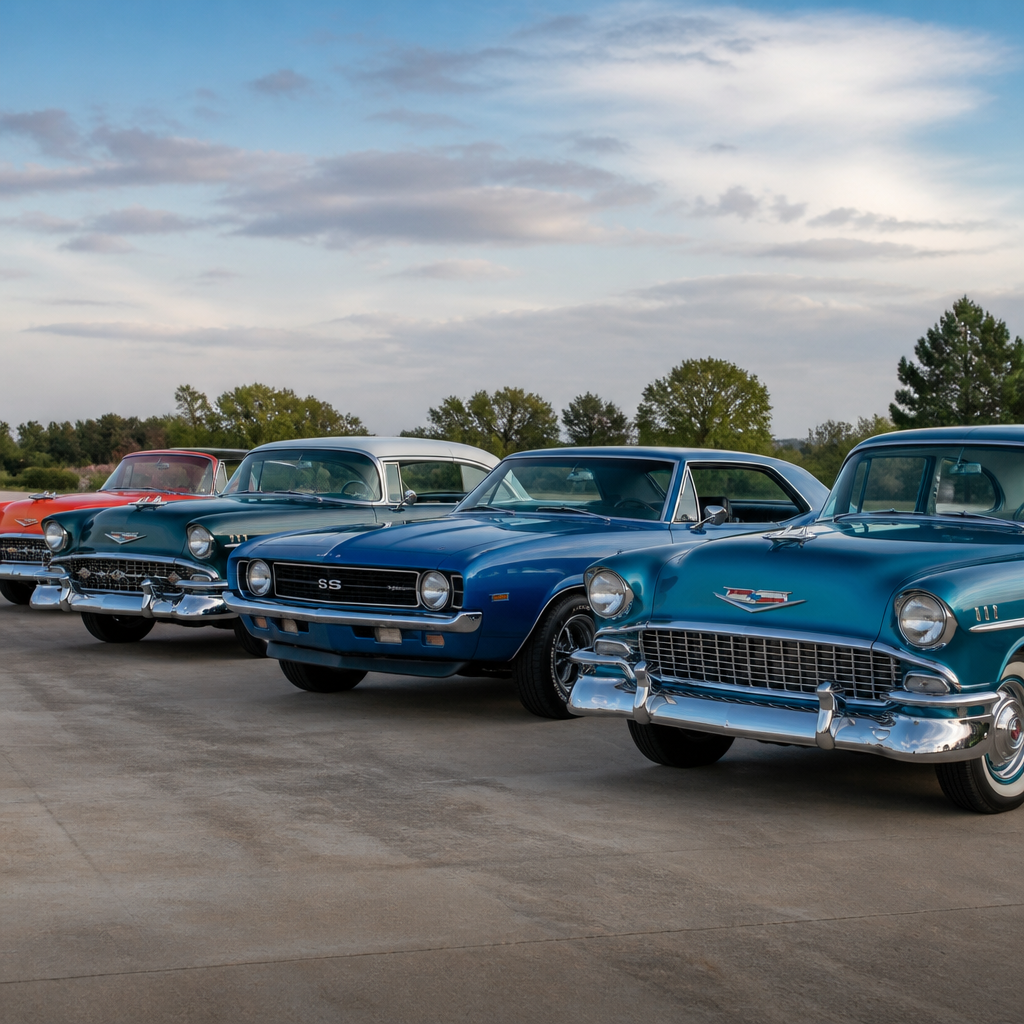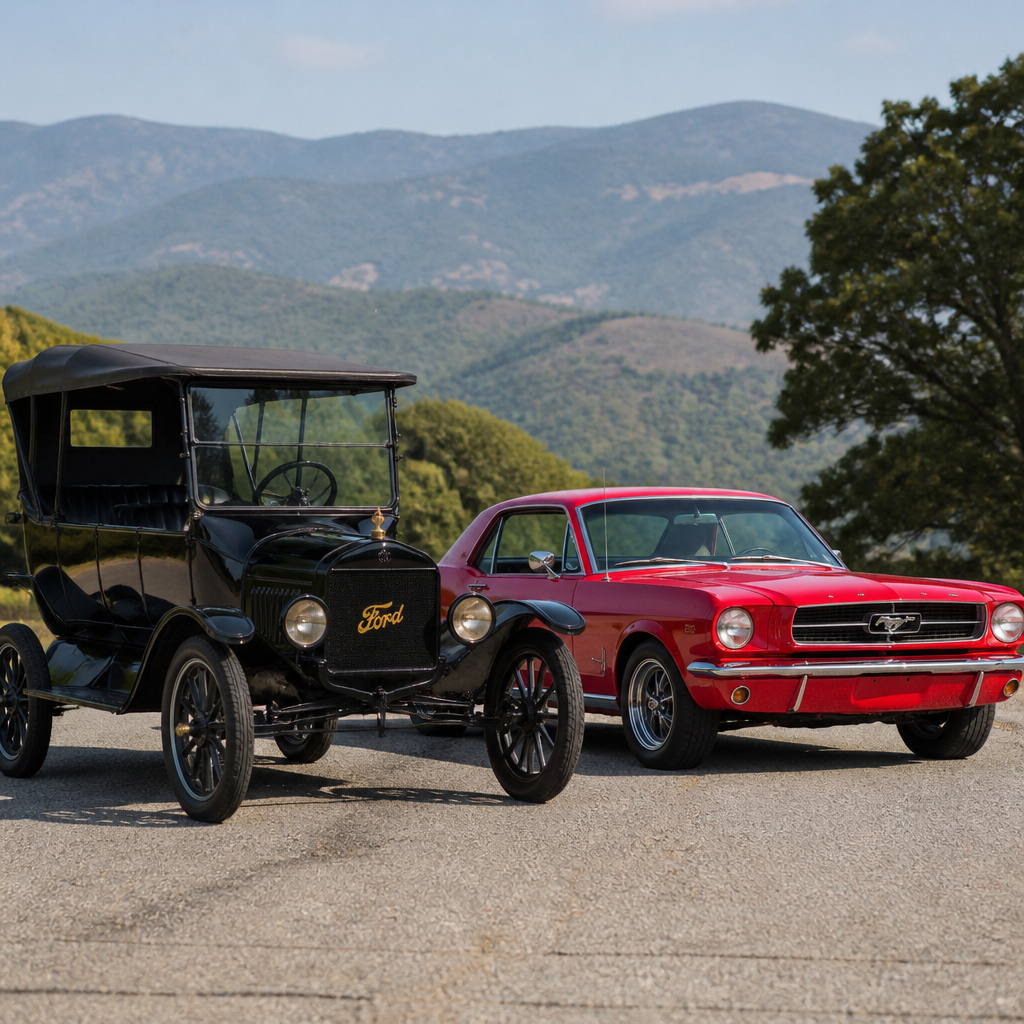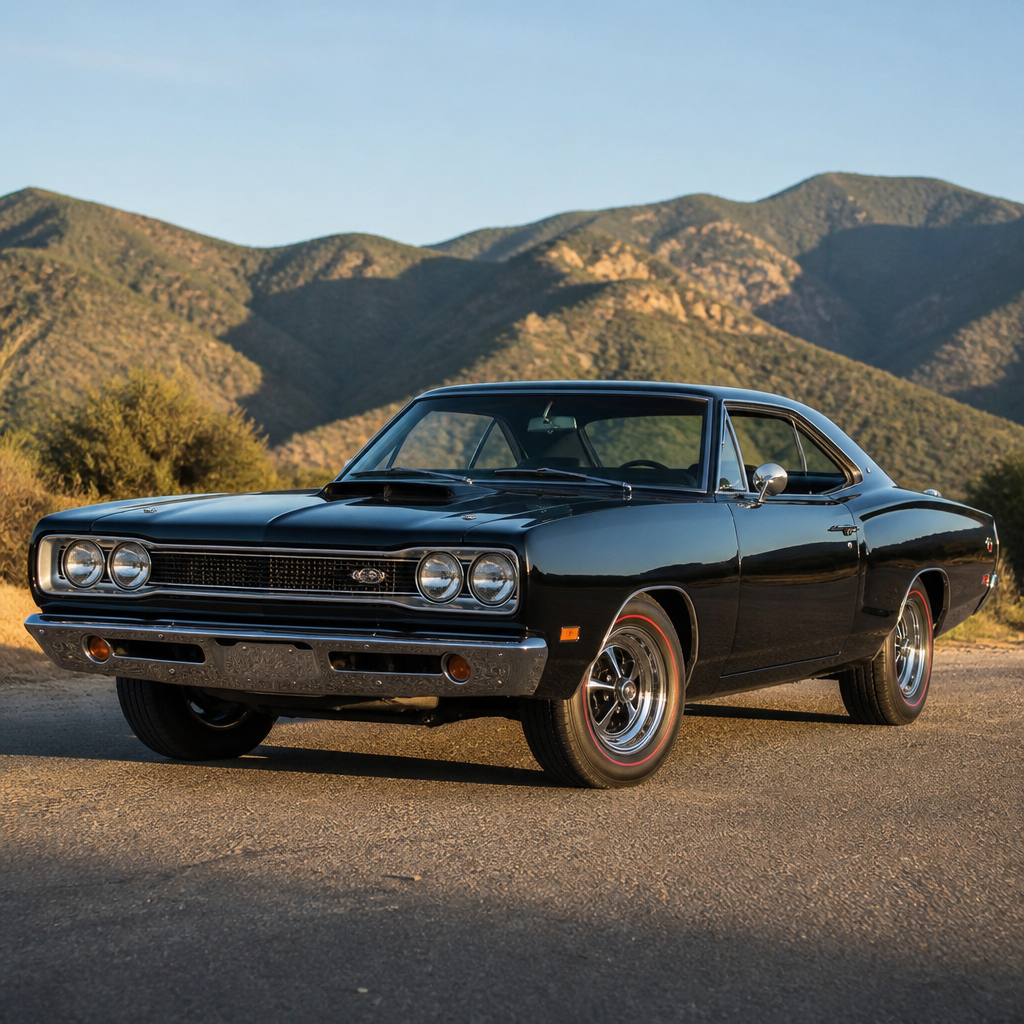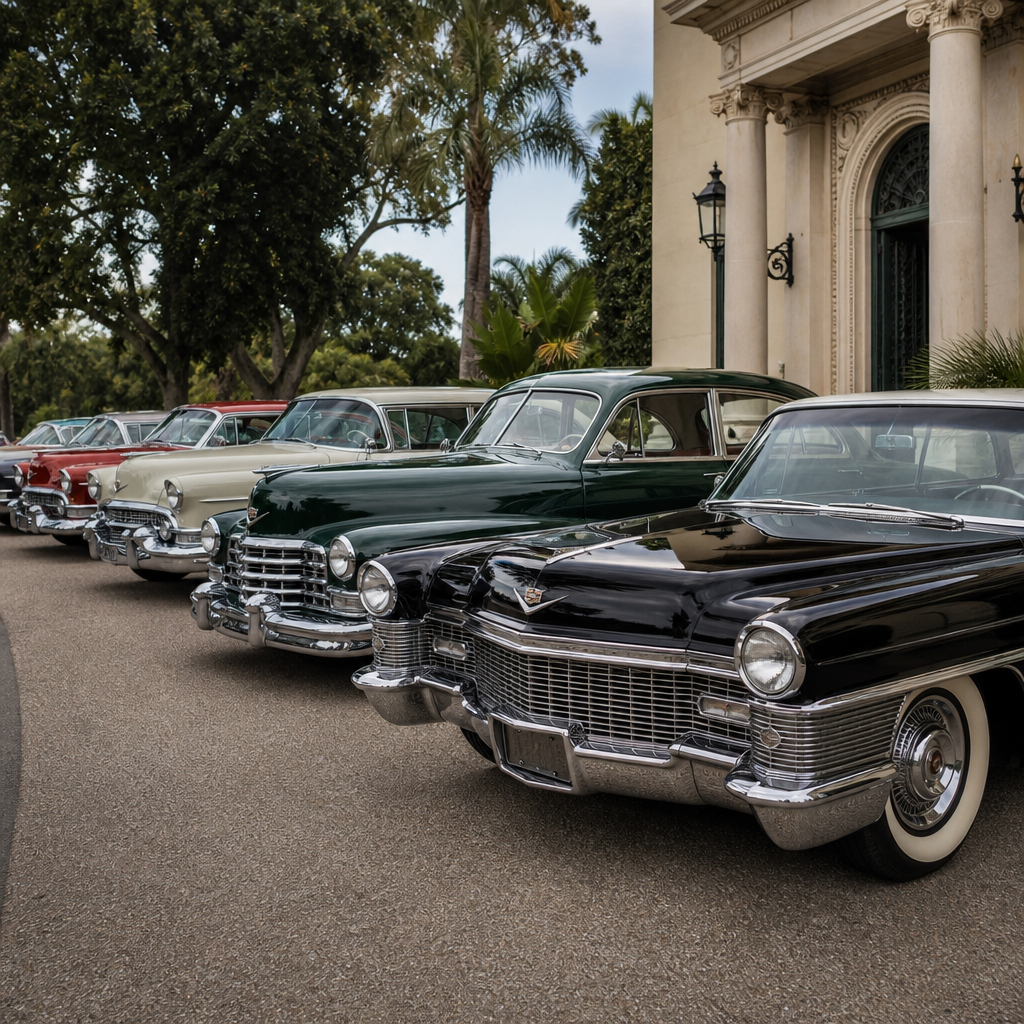
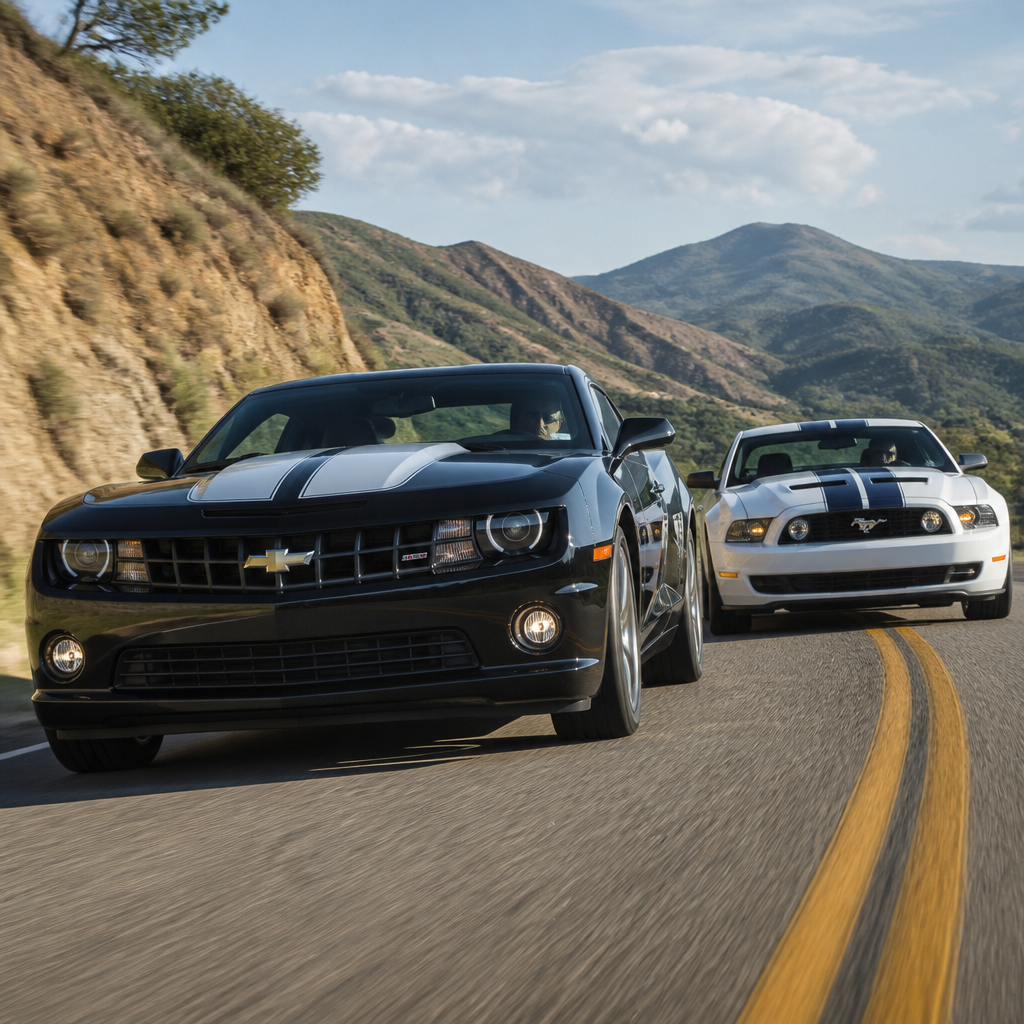
The Chevrolet Camaro stands at the center of one of the most enduring stories in American performance: the rivalry between Chevrolet and Ford, and specifically between the Camaro and the Ford Mustang. Within the broader world of classic car models and brands, the Camaro is more than a single nameplate. It is a hub for understanding iconic models, factory performance wars, racing homologation, styling shifts, and the way Detroit translated youth culture into sheet metal. If you want to understand why certain classic cars still command loyalty, auction attention, and restoration budgets decades after production, the Camaro is a practical place to start.
Introduced for the 1967 model year, the Chevrolet Camaro was General Motors’ direct response to the Mustang, which had created the pony car segment in 1964. A pony car is typically defined as a compact or midsize American coupe with a long hood, short deck, available V8 power, sporty styling, and mass-market pricing. A muscle car, by contrast, is usually associated with fitting a large-displacement engine into an intermediate-size platform for straight-line performance. The Camaro often sits between those definitions, and that overlap is part of its appeal. Entry-level six-cylinder versions broadened its reach, while high-performance small-block and big-block V8 variants gave it true muscle car credibility.
This topic matters because the Camaro became a template for how iconic models are built. Chevrolet used trim levels, powertrain choices, handling packages, special editions, and racing links to create a ladder of aspiration. In practice, that meant a buyer could start with a base sport coupe and still dream about an SS, Z/28, IROC-Z, or modern ZL1. I have spent years tracing how those badges shape buyer behavior, insurance values, restoration decisions, and collector demand, and the lesson is consistent: iconic cars rarely succeed on horsepower alone. They endure because every generation adds a recognizable chapter without breaking the core identity.
As a sub-pillar hub under classic car models and brands, this guide covers the Camaro’s most important generations and the rivalry that defined them. It also highlights the key models enthusiasts should know, from the first-generation Z/28 to later icons that kept the badge relevant through emissions rules, fuel crises, and changing safety standards. By the end, you should have a clear framework for exploring specific Camaro articles, comparing Chevrolet performance eras, and understanding where each iconic model fits in the larger muscle car conversation.
The first-generation Camaro established the formula
The first-generation Camaro, built from 1967 through 1969 on the GM F-body platform, is the version most people picture when they hear the name. Its proportions were crisp, its options list was deep, and its timing was perfect. Chevrolet launched it with coupe and convertible body styles, multiple inline-six and V8 choices, and enough appearance and performance combinations to challenge Ford point for point. Buyers could order a practical commuter, a stylish boulevard car, or a weekend drag machine from the same showroom.
The 1967 Camaro SS added visual distinction and stronger V8 options, but the real legend was the Z/28. Created to compete in the SCCA Trans-Am series, the Z/28 paired a high-revving 302 cubic inch V8 with upgraded suspension, quick steering, and front disc brakes. Chevrolet did not initially advertise it heavily, yet the package became a benchmark because it delivered balanced road-race performance instead of only quarter-mile speed. In period tests, that distinction mattered. The Z/28 was one of the rare late-1960s American performance cars praised as much for cornering composure as for engine character.
The 1969 model year cemented the car’s status. Although still part of the same generation, the 1969 Camaro received a distinct body with sharper lines and more aggressive detailing. The lineup expanded to include cars like the ZL1, COPO 9560, and COPO 9561 variants, which are now among the most valuable Camaros ever built. The aluminum-block 427-powered ZL1 was produced in extremely small numbers, while COPO cars allowed dealers and informed buyers to circumvent standard ordering limits and access serious big-block performance. These models matter because they illustrate how the Camaro became iconic: Chevrolet combined mass-market accessibility with insider performance culture.
How the Mustang rivalry shaped every Camaro era
The Camaro cannot be separated from the Ford Mustang because rivalry was built into the car’s mission from the start. Ford had proven there was immense demand for a youthful, sporty, affordable coupe, and Chevrolet needed a direct counter. That competition created a clear benchmark system. Every new Camaro had to answer practical buyer questions: Was it faster than a Mustang? Did it handle better? Did it look newer? Could it be ordered with stronger engines or more aggressive packages?
That pressure improved the breed. When Ford sharpened the Boss 302, Mach 1, or later the 5.0 Mustang, Chevrolet responded with versions of the Z/28, SS, and eventually modern supercharged models. The result was not a simple horsepower race. Suspension tuning, braking, transmission ratios, axle choices, and marketing language all evolved under competitive pressure. In collector circles, this is why Camaro history is best read comparatively. A 1969 Z/28 makes more sense when measured against a Boss 302, just as a third-generation IROC-Z gains context beside a Fox-body Mustang GT.
For buyers today, the rivalry also influences values. Auction houses, insurers, and restorers know that cross-shopping between Camaro and Mustang enthusiasts is common. If one side gains cultural visibility through film, racing, or anniversary coverage, the other often follows. That dynamic helps explain why pristine first-generation Camaros remain blue-chip collectibles and why later specialty versions continue to rise. The rivalry created constant relevance, and relevance is one of the strongest drivers of long-term classic car demand.
Second-generation cars proved the Camaro could evolve
The second-generation Camaro arrived in 1970 with a very different shape. Longer, lower, and more European in profile, it traded some of the first generation’s compact crispness for a more sophisticated look and feel. This was a significant engineering and branding decision. Chevrolet understood that the Camaro could not survive by repeating itself. It had to mature while staying sporty.
Early second-generation models, especially the 1970 through 1973 cars, are highly respected because they combine strong styling with pre-emissions-era performance. The Z/28 remained the handling-focused choice, while the SS and big-block options preserved straight-line credibility. After 1971, however, tightening emissions regulations, lower compression ratios, insurance costs, and the fuel crisis changed the whole muscle car market. Horsepower numbers fell across the industry, often dramatically. What separates the Camaro from many rivals is that it kept a recognizable performance image even in these constrained years.
One reason was smart package management. Chevrolet leaned into appearance, suspension tuning, and image-driven trims when raw output became harder to sell. The Rally Sport and LT variants broadened the car’s personality, and by the late 1970s the Z28 had become a visual icon again, helped by bold stripes, spoilers, and memorable wheel designs. Enthusiasts sometimes dismiss mid-to-late 1970s cars because of reduced power, but that view misses their historical importance. They carried the badge through one of the toughest transitions in American performance history and preserved the demand that later generations could build on.
Third-generation icons brought the Camaro into the modern age
When the third-generation Camaro launched for 1982, it reset expectations. The car was smaller, lighter, more aerodynamic, and engineered for an era shaped by fuel economy standards and handling refinement. Hatchback styling, electronic fuel injection, overdrive transmissions, and improved chassis design gave it a more modern character than many earlier muscle-era cars. This generation matters because it proved the Camaro could compete not only on nostalgia, but on contemporary engineering.
The Z28 remained central, but the IROC-Z became the decade’s signature Camaro. Named after the International Race of Champions, the IROC-Z combined tuned-port injection V8 power, suspension upgrades, and aggressive aesthetics in a package that defined 1980s American performance. In plain terms, it was the car that put the Camaro back in bedroom posters, music videos, and dealership conversations. Against the Fox-body Mustang, the IROC-Z was stylish, quick, and instantly recognizable.
Not every third-generation car was perfect. Interior materials could be fragile, and some early engines feel modest by modern standards. Still, the generation deserves serious attention from anyone studying iconic models because it reestablished the Camaro’s relevance with younger buyers. It also laid the groundwork for fourth-generation performance gains by normalizing fuel injection, better aerodynamics, and more chassis-focused development. In today’s market, clean IROC-Z cars and rare 1LE or special-order examples attract strong interest because they represent the moment the Camaro became modern without losing its rivalry-driven edge.
The essential Camaro models every enthusiast should know
Some Camaro badges matter more than others because they mark engineering turning points, racing credibility, or cultural breakthrough moments. If this article serves as a hub for iconic models, these are the names that consistently anchor deeper research, market demand, and enthusiast discussion.
| Model | Years | Why it matters |
|---|---|---|
| Z/28 | 1967–2002, revived later | Trans-Am roots, balanced handling, one of the defining Camaro performance badges |
| SS | 1967 onward | Core V8 performance package, broadest mainstream enthusiast appeal |
| COPO Camaro | 1969 primarily, revived later | Dealer-order legend associated with big-block power and drag racing culture |
| ZL1 | 1969, revived later | Ultra-high-performance halo model with rare production and serious collector status |
| IROC-Z | 1985–1990 | Definitive 1980s Camaro, tied to racing identity and renewed market visibility |
The Z/28 is historically the most important because it gave the Camaro technical legitimacy beyond raw acceleration. The SS is the most broadly recognized performance trim, often representing the “everyday hero” specification in multiple generations. COPO and ZL1 cars sit at the top of the rarity pyramid, often commanding premium auction results because supply is limited and documentation is critical. The IROC-Z, meanwhile, shows how an iconic model can be culturally dominant even if it comes from a period some collectors once underestimated.
What makes a Camaro collectible today
Collector value depends on originality, documentation, rarity, drivetrain, body style, and historical significance. First-generation cars generally lead the market, especially real Z/28, big-block SS, COPO, and ZL1 examples with matching numbers, protect-o-plate records, correct stampings, and factory-authentic components. Convertibles often bring additional premiums, though rare hardtop performance combinations can outperform them when provenance is exceptional.
Condition matters, but correctness matters just as much. I have seen beautifully restored Camaros lose serious buyer confidence because trim tags, engine suffix codes, or transmission dates did not align. Resources like NCRS-style judging discipline, marque-specific registries, assembly manuals, and expert inspection are essential. Rust is also a defining issue, especially in floor pans, cowl areas, trunk drops, rear frame sections, and lower fenders. A flashy repaint can hide expensive structural problems, so inspection on a lift is non-negotiable.
Later cars follow a slightly different value logic. Third-generation examples gain strength when they are unmodified, low-mileage, and well documented, because many were customized heavily in period. Fourth-generation SS and performance packages also deserve attention, but the strongest collectible narratives still cluster around historically recognized badges and limited-production variants. In practical terms, the best Camaro to buy is rarely just the rarest one. It is the example with the cleanest identity: authentic specification, verified history, and a restoration or preservation approach consistent with its era.
Why the Camaro remains the hub for iconic muscle car stories
The Chevrolet Camaro remains essential because it connects nearly every major theme in American performance history. It explains the pony car boom, the peak muscle years, factory racing strategy, the emissions-era survival test, the 1980s technology shift, and the modern revival of retro-inspired performance design. Few badges cover so much ground while staying so recognizable. That is why the Camaro works so well as a hub within classic car models and brands: from here, enthusiasts can branch into Trans-Am racing, COPO ordering, big-block engineering, 1980s tuning culture, and the economics of collectible trim packages.
The main benefit of studying the Camaro through its rivalry with the Mustang is clarity. Competition reveals what mattered in each era. In the late 1960s, handling homologation and V8 escalation mattered. In the 1970s, brand survival and image management mattered. In the 1980s, aerodynamics, fuel injection, and youth-market relevance mattered. The Camaro adapted every time, and that adaptability is the real reason it became iconic.
For readers building knowledge around iconic models, start with the first-generation Z/28, 1969 COPO and ZL1 cars, early second-generation performance models, and the third-generation IROC-Z. Those versions provide the clearest map of the nameplate’s evolution and the strongest entry points into deeper research. If you are comparing classic Chevrolet performance cars, shopping for a project, or planning a restoration, use the Camaro’s badges, generations, and rivalry context as your framework. Explore the related model-specific guides next, and you will understand not just which Camaro matters most, but why.
Frequently Asked Questions
Why is the Chevrolet Camaro so important to the classic muscle car era?
The Chevrolet Camaro matters because it was created at exactly the moment Detroit was redefining performance for a new generation of buyers. Introduced for the 1967 model year, the Camaro was Chevrolet’s direct response to the runaway success of the Ford Mustang, and from the start it represented far more than a stylish two-door coupe. It became a symbol of how quickly American automakers could adapt, compete, and innovate during the peak years of the pony car and muscle car wars. In practical terms, the Camaro gave buyers a wide spectrum of personalities in one nameplate, from affordable six-cylinder transportation to serious V8-powered street performance and track-capable special editions.
Its importance also comes from its flexibility. The Camaro fit into several overlapping automotive stories at once: pony car styling, big-engine muscle, Trans-Am racing relevance, dealer performance culture, and the broader competition between General Motors and Ford. That meant it appealed to casual drivers, drag racers, road racers, collectors, and image-conscious young buyers alike. Few classic American cars can claim to be equally significant in showroom competition, street performance, and motorsports identity.
For enthusiasts today, the Camaro remains a key reference point in understanding the late 1960s and early 1970s. Its evolving body styles, engine options, and special packages reflect changing tastes in performance, insurance pressures, emissions regulation, and design trends. In that sense, the Camaro is not just a car; it is a timeline of American performance culture during one of its most influential periods.
How did the Camaro-Mustang rivalry shape the identity of both cars?
The Camaro-Mustang rivalry is one of the defining contests in American automotive history because it pushed both Chevrolet and Ford to constantly sharpen their products. The Mustang created the market opportunity, but the Camaro quickly turned that opportunity into an all-out competitive battle. Each brand had to think not only about horsepower and straight-line speed, but also about image, trim levels, handling packages, engines, marketing, and racing credibility. As a result, neither car was allowed to become complacent for long.
For the Camaro, the rivalry meant Chevrolet had to establish a personality that was similar enough to attract pony car buyers yet distinct enough to avoid being seen as a copy. That led to a more aggressive and often more performance-focused image, especially in high-profile versions like the SS and Z/28. Chevrolet emphasized the Camaro’s wide engine range, sporty chassis, and competition-ready attitude. The Mustang, meanwhile, expanded and diversified in response, becoming available in everything from economical trims to serious performance models of its own. The two cars effectively defined one another in the public imagination.
This rivalry also had a cultural dimension. Buyers often aligned themselves with Chevrolet or Ford the way sports fans support rival teams. That brand loyalty gave the Camaro and Mustang an emotional presence beyond specifications. Decades later, the rivalry still matters because it provides context for how enthusiasts discuss styling, engineering, and authenticity. When people debate the best pony car, they are often really debating two different interpretations of American performance: Camaro as the hard-edged challenger and Mustang as the category-defining original. Both identities were strengthened because the other existed.
What are the most iconic classic Camaro models enthusiasts usually focus on?
When enthusiasts talk about the most iconic classic Camaros, the first-generation cars built from 1967 through 1969 usually dominate the conversation. These models combined compact proportions, sharp styling, and a rich menu of drivetrain options that made the Camaro instantly competitive. The 1967 Camaro is especially important because it introduced the formula: long hood, short deck, multiple trim levels, and engines that ranged from practical to potent. The 1968 model refined the concept, while the 1969 Camaro became legendary thanks to its unique body styling, muscular stance, and wide range of memorable performance variants.
Among those variants, the Camaro SS is one of the most recognized. The Super Sport package signaled V8 performance and gave buyers the kind of visual and mechanical upgrades that defined the muscle car image. Just as significant is the Z/28, a model originally developed to homologate the Camaro for SCCA Trans-Am racing. The Z/28 earned lasting respect because it represented more than raw power; it emphasized handling, high-revving performance, and competition legitimacy. In collector circles, the ZL1, COPO Camaros, and certain big-block cars are especially prized due to rarity, performance pedigree, and the mystique surrounding limited-production factory or factory-backed configurations.
Second-generation Camaros, introduced in 1970, are also increasingly appreciated, particularly early examples from 1970 to 1973. These cars brought a more European-influenced shape, improved road manners, and strong performance before tightening emissions and insurance realities changed the landscape. For many enthusiasts, the most desirable classic Camaros are those that combine historical significance, recognizable styling, and a direct connection to the peak years of Chevrolet performance. That is why first-generation SS, Z/28, RS, COPO, and ZL1 cars continue to anchor discussions about the Camaro’s greatest hits.
How did racing and homologation influence the Camaro’s legacy?
Racing played a major role in transforming the Camaro from a competitive showroom model into a true performance icon. In the late 1960s, winning on the track gave automakers credibility on the street, and Chevrolet understood that a successful racing image could strengthen the Camaro’s reputation against the Mustang. One of the clearest examples is the Z/28, which was developed in part so Chevrolet could homologate the Camaro for SCCA Trans-Am competition. That connection gave the car a serious motorsports identity that went beyond marketing language. Buyers knew the Z/28 was linked to a specific competitive purpose, and that mattered.
The influence of homologation is important because it explains why some Camaro variants were engineered the way they were. These were not always just appearance packages or simple engine upgrades. In the case of race-oriented models, gearing, suspension tuning, engine characteristics, and braking capabilities often reflected real performance goals. That gave the Camaro a depth that appealed to knowledgeable enthusiasts. The car was not merely trying to look fast; in many forms, it was designed with actual competition in mind. This distinction is a major reason certain Camaros remain especially respected in the collector world.
Beyond Trans-Am, the Camaro also built a reputation in drag racing, dealer performance culture, and special-order high-performance programs. Factory-backed and dealer-facilitated combinations, including COPO cars and other rare configurations, reinforced the idea that the Camaro was a platform for serious speed. Racing success and homologation connections gave the Camaro historical legitimacy, and that legitimacy still shapes its legacy today. When collectors and historians place the Camaro among the great American performance cars, they do so not only because of horsepower numbers, but because the model has genuine roots in the era’s most important forms of competition.
What should readers understand about the Camaro’s place in classic car culture beyond horsepower?
While horsepower is central to the Camaro story, the car’s place in classic car culture is much broader. The Camaro helped capture the mood of a generation that wanted individuality, style, and attainable performance. It was part of a larger Detroit strategy that turned youth culture into a product category, with bold colors, sporty interiors, striping packages, cowl hoods, rally wheels, and endless combinations of trims and options. For many buyers, owning a Camaro was just as much about identity as it was about quarter-mile times. It signaled taste, attitude, and affiliation with a particular brand and era.
The Camaro also reflects how American automotive design evolved over time. Early cars featured the crisp, compact lines associated with the peak pony car years, while later generations adapted to changing safety standards, emissions rules, fuel concerns, and shifting consumer expectations. Looking at the Camaro across decades gives readers insight into more than one model line; it reveals how the entire American industry responded to pressure from regulation, competition, and market trends. That makes the Camaro useful not only as a collectible vehicle, but as a lens through which to study broader automotive history.
Finally, the Camaro endures because it built a multigenerational following. Some enthusiasts admire it for racing heritage, others for styling, rarity, drivability, or personal nostalgia. Restorers value the parts support and historical documentation available for many popular years, while collectors appreciate the hierarchy of trims, engines, and special editions. In classic car culture, the Camaro sits at the intersection of accessibility and legend. It can be a dream car, an investment, a weekend cruiser, a restoration project, or a symbol of the golden age of American performance. That wide appeal is exactly why the Camaro remains such a powerful and lasting presence in the story of classic muscle car rivalry.