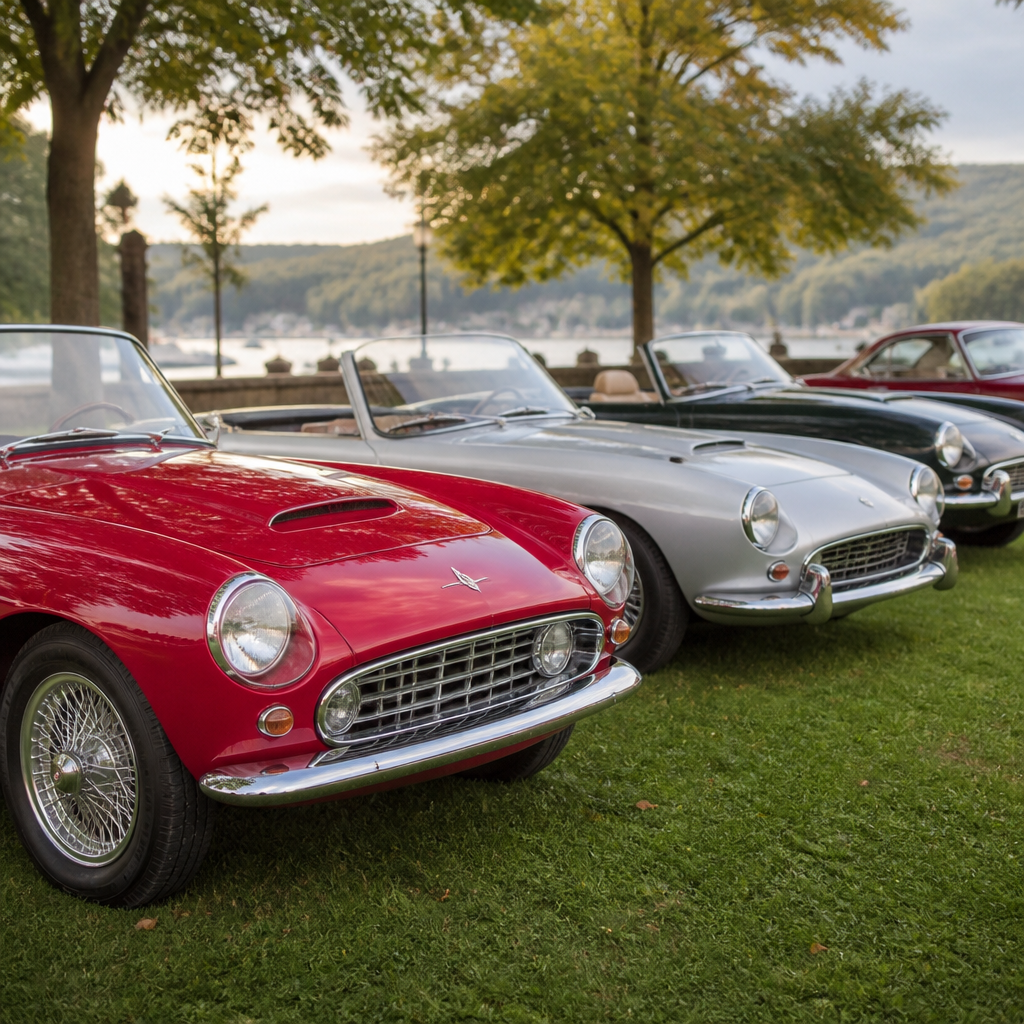
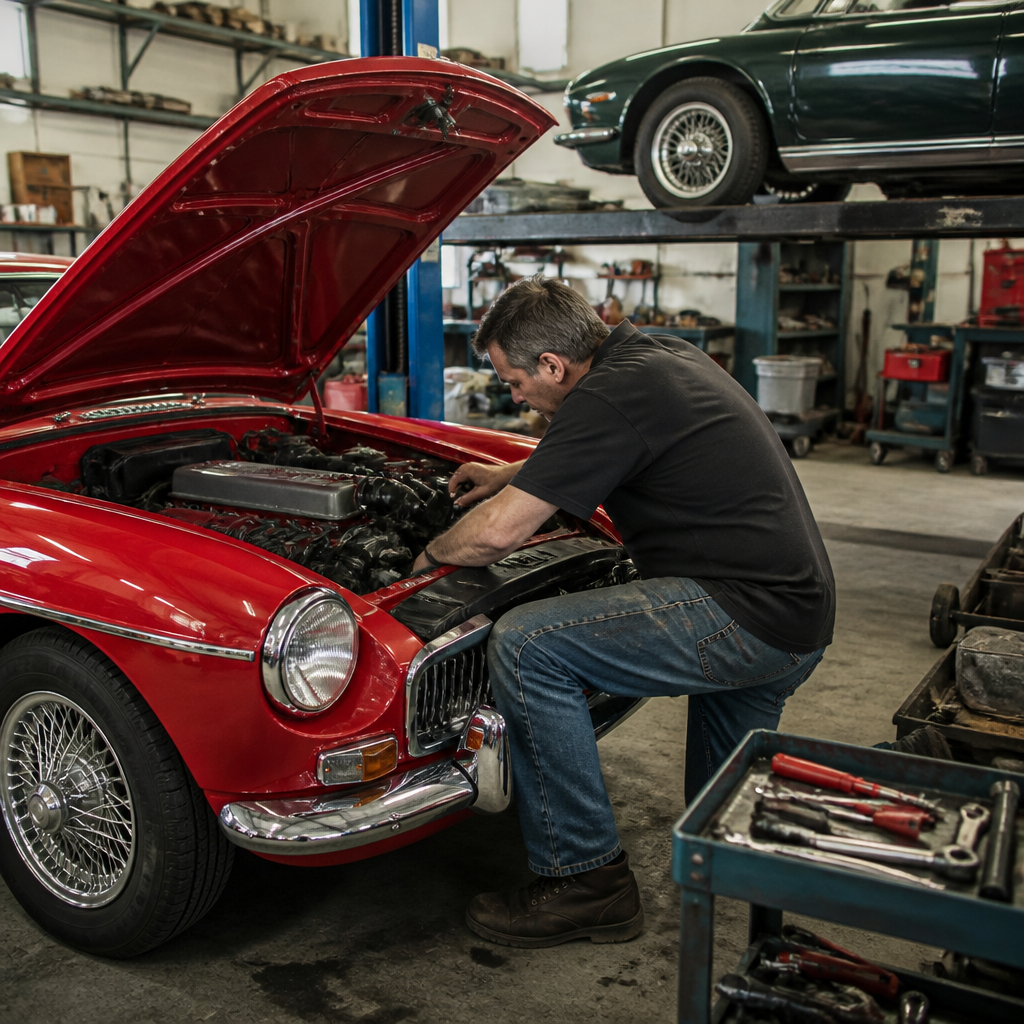
Classic cars can be expensive to maintain, but the true cost depends on the car’s age, rarity, mechanical design, condition, and how you plan to use it. In practical terms, “maintenance” means routine service that keeps the car safe and reliable, while “ownership costs” include insurance, storage, registration, fuel, tires, detailing, and the inevitable repairs that appear once an older vehicle is driven regularly. I have worked with owners who assumed a vintage coupe would cost little because they drove only a few hundred miles a year, then learned that inactivity creates its own bills: dried seals, stale fuel, weak batteries, and brake hydraulics that corrode internally.
That is why the question matters. A classic car is not just transportation; it is a machine with historical value, emotional value, and often rising replacement costs. Unlike a modern daily driver, an older car may need hand-adjusted carburetors, ignition timing checks, periodic lubrication of chassis points, and replacement parts sourced from specialists rather than a local chain store. Even relatively simple jobs can become expensive when labor hours increase because access is awkward or prior repairs were done poorly. Buyers also need to separate cosmetic excellence from mechanical health. Fresh paint can hide rust, and a polished engine bay does not guarantee sound compression, proper oil pressure, or a healthy cooling system.
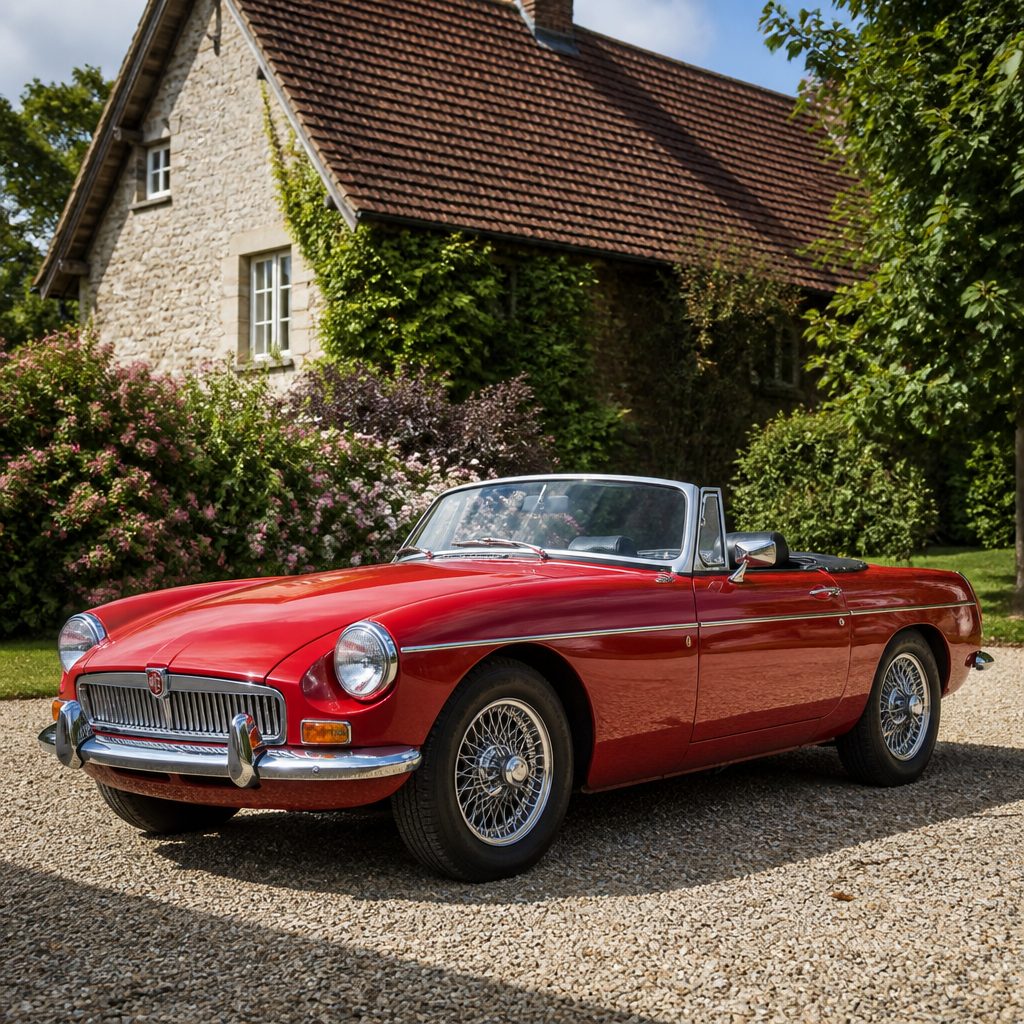
For owners building a realistic classic car budget, the key is understanding the full stack of costs. Some classics are remarkably manageable: air-cooled Volkswagens, MGBs, and early Ford Mustangs have strong parts support and straightforward mechanical layouts. Others, especially limited-production European cars or models with complex hydraulic, fuel-injection, or electrical systems, can absorb thousands quickly. This guide explains what actually drives maintenance costs, how different ownership choices change the numbers, and where careful planning can make classic car ownership far more sustainable.
What makes a classic car expensive to maintain?
Classic cars become expensive when parts are scarce, labor is specialized, and age-related failures stack on top of each other. The biggest cost drivers are usually rust repair, electrical faults, cooling-system problems, braking-system rebuilds, and fuel-system refurbishment after long storage. Rubber, cork, and paper-based components degrade whether the car is driven or not. Fuel hoses harden, carburetor gaskets shrink, suspension bushings crack, and wheel cylinders seize. On cars from the 1950s through the 1970s, deferred maintenance is common because previous owners often patched issues rather than completing full restorations.
Model choice matters enormously. A small-block Chevrolet-powered car is cheaper to keep running than a classic with rare mechanical fuel injection or an obscure transaxle. I have seen owners cut annual costs in half simply by choosing a model with excellent aftermarket support. Mechanical simplicity also lowers risk. Points ignition, drum brakes, and a single carburetor may require periodic adjustment, but diagnosis is usually direct. In contrast, a complex grand tourer with multiple carburetors, vacuum-operated accessories, and low production numbers can generate high workshop bills because troubleshooting takes time.
Condition at purchase often matters more than purchase price. A fully sorted driver-grade car at a higher initial price is usually cheaper than a bargain car needing everything at once. If compression is uneven, the cooling system is marginal, and the wiring has been modified badly, maintenance quickly becomes restoration by another name. Pre-purchase inspections by a marque specialist are one of the best cost-control tools in classic car ownership.
Routine maintenance costs every owner should expect
Every classic needs fluids, filters, ignition service, battery care, tire monitoring, and regular inspection for leaks and corrosion. Owners who drive 1,000 to 3,000 miles annually often assume costs will be negligible, yet age-based maintenance still applies. Engine oil should usually be changed at least once a year because condensation and fuel dilution can contaminate it. Brake fluid should be flushed on schedule because it absorbs moisture. Coolant ages, differential oil breaks down, and grease points on steering and suspension need service on many older cars.
Typical annual routine maintenance for a straightforward, usable classic often lands between $500 and $1,500 if the car is already sorted and the owner handles some tasks. Professional service can push that higher, particularly in metropolitan areas where labor rates commonly exceed $120 per hour and specialty shops charge more. Tune-ups on carbureted cars may include spark plugs, ignition points or electronic ignition checks, condenser replacement on some systems, dwell adjustment, timing verification, idle mixture tuning, and valve adjustment where required.
Tires are a surprisingly significant cost. Even if tread looks healthy, tires age out. Many specialists recommend replacement at six to ten years depending on storage and condition. Correct period-style tires can cost more than modern equivalents, and bias-ply tires change handling enough that owners should choose intentionally. Batteries also suffer when cars sit. A quality maintainer prevents sulfation and extends service life, making it one of the lowest-cost, highest-value purchases for seasonal ownership.
Repairs, restoration creep, and the real budget shock
The real expense in classic car ownership is rarely basic maintenance; it is corrective work after hidden problems surface. A leaking rear main seal may be inconvenient, but rust in structural areas, overheating under load, or a noisy gearbox can turn a pleasant hobby into a major financial commitment. Once a workshop disassembles an older vehicle, “while you’re in there” discoveries are common. A clutch job exposes a worn flywheel, then a tired transmission mount, then a cracked exhaust hanger. This is how modest estimates grow.
Rust is usually the most expensive problem because proper repair is labor intensive. Surface corrosion is one thing; perforation in floors, sills, frame rails, suspension pick-up points, or windshield surrounds is another. Quality metal fabrication, rust treatment, panel alignment, and repainting can cost more than the market value of some cars. Mechanical overhauls can also escalate quickly. Rebuilding an American V8 is often manageable because parts are abundant, but rebuilding an exotic inline-six or V12 with scarce components, machine work, and specialist labor is a different financial category entirely.
Intermittent electrical faults deserve special attention. Old wiring insulation becomes brittle, grounds corrode, connectors loosen, and previous modifications introduce hard-to-trace problems. Diagnosis takes patience, wiring diagrams, and often hours of labor. This is one reason originality and documentation matter. Cars with receipts, known restorers, and uncut harnesses are usually cheaper to maintain than cars with decades of improvised repairs.
How ownership costs vary by vehicle type
Not all classics carry the same cost profile. Broadly, there are affordable-entry classics, mainstream collector cars, and high-end specialist cars. Affordable-entry classics include models such as the MGB, Triumph Spitfire, classic Beetle, Volvo 240, and some 1960s to 1980s domestic coupes. Mainstream collector cars include desirable Mustangs, Camaros, Mercedes roadsters, Porsche 911 variants, and full-size American cruisers. High-end specialist cars include limited-production European exotics, coachbuilt models, and luxury cars with advanced period technology.
| Vehicle type | Typical parts access | Labor complexity | Ownership cost pattern |
|---|---|---|---|
| Simple mass-market classic | Strong aftermarket, used parts available | Low to moderate | Predictable routine service, occasional age-related repairs |
| Desirable mainstream collector | Good support, some model-specific shortages | Moderate | Higher insurance and restoration standards increase costs |
| Rare luxury or exotic classic | Limited supply, specialist sourcing | High | Large repair swings, expensive preventive maintenance |
American classics often benefit from extensive reproduction parts catalogs from suppliers such as Ames Performance, YearOne, and National Parts Depot. British classics benefit from strong club networks and specialists. Air-cooled Porsche ownership can be reasonable when the car is healthy and serviced proactively, but deferred engine or gearbox work is costly. Classic Mercedes models are durable, yet authentic trim, hydraulic components, and model-specific climate-control parts can be expensive. The lesson is simple: buy into a support ecosystem, not just a shape you love.
Insurance, storage, fuel, and other often-missed ownership costs
Many first-time buyers focus only on maintenance and repair, but total costs of ownership are broader. Insurance for classics is often cheaper than for modern performance cars if the vehicle qualifies for agreed-value collector coverage, limited annual mileage, secure storage, and restricted use. Companies such as Hagerty and Grundy have made this category familiar to enthusiasts. Still, premiums rise with vehicle value, location, and driver profile, and agreed-value policies require owners to maintain documentation and use terms carefully.
Storage is not optional if you want to control long-term costs. A dry, ventilated garage protects paint, chrome, interior materials, seals, and electrical connections. Humidity drives corrosion, and ultraviolet exposure damages dashboards, seat covers, and weatherstripping. Owners without enclosed storage often end up paying more in deterioration than they save in rent. Fuel costs also vary more than expected. Carbureted engines are less efficient than modern powertrains, some high-compression classics need premium fuel, and ethanol-blended gasoline can create issues in cars not updated with compatible hoses and seals.
Registration, emissions exemptions, detailing supplies, battery maintainers, car covers, and club memberships are smaller line items, but together they shape the ownership experience. Transport is another overlooked cost. If a breakdown occurs far from home, a flatbed tow for a low-clearance classic can be expensive, especially when specialist recovery is needed to avoid damage.
How to reduce classic car maintenance costs without cutting corners
The most effective way to reduce classic car maintenance costs is to buy the best-documented, best-maintained example you can afford. Service records reveal patterns: regular brake fluid changes, cooling-system work, rebuilt carburetors, suspension refreshes, and recent tires signal disciplined ownership. A cheap car with no history usually becomes expensive because you must establish a baseline from scratch.
Use preventive maintenance aggressively. Fix fuel leaks before they become fires, address charging issues before they strand you, and rebuild brakes before internal corrosion ruins hard-to-find components. Join a marque club and learn which suppliers are trusted. Factory workshop manuals, parts books, and model-specific forums save money by improving diagnosis and preventing unnecessary parts replacement. I have seen owners spend hundreds chasing drivability problems caused by vacuum leaks that a smoke test and correct manual would have identified in minutes.
It also helps to match the car to your skill level. Owners who can perform oil changes, ignition service, brake bleeding, and basic electrical checks reduce annual costs substantially. That said, safety-critical work, alignment, structural rust repair, and specialist machine work should go to qualified professionals. Finally, drive the car regularly. A properly warmed, exercised classic often stays healthier than one that sits untouched for months. Regular use circulates fluids, keeps seals lubricated, and reveals developing problems before they become major failures.
What a realistic annual budget looks like
A realistic annual classic car budget starts with the assumption that no older vehicle is truly “done.” For a well-sorted, simple classic driven occasionally and stored properly, $1,500 to $3,000 per year is a reasonable planning range including routine maintenance, insurance, registration, and minor repairs. For a more desirable collector car with professional servicing, $3,000 to $7,500 is often more realistic. Rare or high-end classics can exceed that before any major repair occurs.
Owners should also keep a reserve fund. I generally advise setting aside at least $2,000 to $5,000 for a mainstream classic and significantly more for rare European cars. This reserve covers surprise failures such as radiator replacement, clutch hydraulics, a starter motor, carburetor rebuilds, or a fuel tank cleanout after contamination. Without a reserve, small issues get deferred, and deferred issues become expensive ones.
The bottom line is that classic cars are expensive to maintain only when expectations are unrealistic or the car is bought badly. Choose a model with parts support, inspect it carefully, store it correctly, and budget for both routine service and surprises. Done well, classic car ownership costs become manageable, predictable, and deeply rewarding. If you are building your classic car ownership plan, start with a full annual budget, a pre-purchase inspection checklist, and a shortlist of specialist shops before you buy.
Frequently Asked Questions
Are classic cars always expensive to maintain?
Not always, but they are rarely as cheap to maintain as first-time buyers expect. The real answer depends on the specific car, its condition, how often it is driven, and how easy it is to find parts and qualified service. A simple, well-supported classic with a durable engine, good parts availability, and a strong owner community can be fairly manageable. On the other hand, a rare model, an older luxury car, or a vehicle with neglected mechanical systems can become expensive very quickly.
It also helps to separate routine maintenance from total ownership cost. Routine maintenance includes oil changes, fluid service, ignition tune-ups, brake inspection, cooling system checks, and other basic work needed to keep the car safe and dependable. Ownership costs are broader and usually more significant over time. Those costs include insurance, storage, registration, fuel, tires, detailing, and repairs that appear once an older vehicle is used regularly. Many owners focus only on service intervals and forget that an aging fuel system, electrical issue, leaking seals, or worn suspension components can add meaningful cost even on a car that seems to run well at first.
In other words, classic cars are not automatically expensive in every case, but they do tend to bring more variables and more surprise expenses than modern vehicles. Buying carefully, choosing a model with strong parts support, and starting with the best-condition car you can afford usually makes the biggest difference.
What makes one classic car more expensive to maintain than another?
Five factors usually drive the difference: age, rarity, mechanical complexity, condition, and intended use. Age matters because rubber hoses, seals, gaskets, wiring, bushings, and other materials deteriorate over time whether the car is driven or not. Rarity matters because uncommon models often require harder-to-source parts, longer wait times, and more specialized knowledge. Mechanical complexity matters because cars with multiple carburetors, specialty suspension systems, air suspension, early fuel injection, or brand-specific engineering usually cost more to diagnose and repair than simpler cars with basic, proven drivetrains.
Condition is often the biggest cost factor of all. A well-restored or properly maintained classic may need routine service and occasional repairs, while a cosmetically attractive but mechanically tired car can turn into a continuous project. A vehicle that has been sitting for years may need work on the fuel system, brakes, tires, cooling system, battery, charging system, and seals before it can be considered reliably drivable. Even if the purchase price looks appealing, deferred maintenance almost always catches up.
How you use the car also matters. A classic driven a few times a month to local events will generally cost less to maintain than one used on long trips or frequent highway drives. More use means more strain on components, faster wear on consumables, and a higher likelihood that hidden weaknesses will show themselves. In short, the most affordable classics to maintain are usually the ones that are mechanically simple, widely supported, and already in solid operating condition.
How much should I budget each year for classic car maintenance and ownership?
There is no single number that fits every car, but it is smart to budget in layers. First, plan for routine maintenance. Second, set aside money for wear items and age-related repairs. Third, account for non-maintenance ownership expenses such as insurance, storage, fuel, registration, and tires. Even a classic that is driven modestly can require periodic fluid changes, brake service, ignition components, belts, hoses, battery replacement, and cooling system attention. Those items may not feel dramatic individually, but they add up steadily.
A sensible approach is to assume that your first year of ownership may cost more than later years, especially if the car is new to you. The first year often reveals what previous owners postponed: old tires with good tread but unsafe age, weak charging systems, perished fuel lines, seeping gaskets, outdated brake hydraulics, and suspension wear that only becomes obvious after regular driving. This is why buyers are often surprised. The car may look presentable and even drive reasonably well during a short test drive, but regular use tends to expose problems quickly.
For budgeting purposes, it is wise to maintain a repair reserve in addition to expected service costs. Owners who go in with a cushion are usually much happier than those who assume the purchase price is the main expense. If you are buying a rarer classic or a car with specialty parts, increase that reserve. If you are buying a common, simple model with excellent aftermarket support, your costs may be more predictable, but you should still expect occasional surprises because age affects every older vehicle.
Are parts for classic cars hard to find and does that increase maintenance costs?
Parts availability is one of the most important issues in classic car ownership, and yes, it can significantly increase maintenance costs. Some classics benefit from excellent aftermarket support, reproduction parts, and large enthusiast communities. In those cases, common service items and even many restoration components are readily available, which helps control downtime and cost. Other vehicles, especially low-production models, obscure imports, or high-end luxury classics, may require used parts, specialty fabrication, or lengthy searches through niche suppliers.
Difficulty finding parts affects cost in several ways. First, the part itself may be expensive because of scarcity. Second, the labor cost can increase if installation requires modification, rebuilding old components, or troubleshooting with non-original replacements. Third, the car may spend more time off the road while parts are located, shipped, or rebuilt. That delay is frustrating for owners and can turn a straightforward repair into a larger project.
This is why experienced buyers research parts support before purchasing a classic car. They do not just ask whether parts exist; they ask how available they are, which suppliers are reputable, whether common failure items are reproduced, and whether local shops are comfortable working on the model. A car with strong parts support is usually easier and less stressful to own. A car with weak support can still be worth owning, but the owner should go in with realistic expectations about cost, patience, and planning.
Can I reduce classic car maintenance costs without ruining the ownership experience?
Absolutely. The best way to reduce cost is not by cutting corners, but by making smart decisions before and after the purchase. Start by buying the best-condition example you can reasonably afford rather than the cheapest one available. Paying more upfront for a solid car often costs less in the long run than rescuing a tired example with hidden mechanical needs. A pre-purchase inspection by a knowledgeable specialist is especially valuable because it can uncover leaks, rust, weak compression, electrical problems, and other issues that are easy to miss.
Once you own the car, preventive maintenance is your friend. Replacing aging hoses, belts, fluids, filters, ignition parts, and brake components before they fail usually costs less than dealing with a roadside breakdown or secondary damage. Keeping the cooling system healthy, the battery charged, the fuel fresh, and the tires properly inflated goes a long way toward reliability. Proper storage also matters. A dry, secure garage helps protect the body, interior, seals, and electrical system, while long periods of neglect often create unnecessary repair bills.
You can also save money by choosing a car that matches your goals. If you want occasional weekend drives and local shows, a simple, well-supported classic is often the most satisfying choice. If you want to drive long distances regularly, it makes sense to prioritize mechanical soundness, parts availability, and comfort over rarity alone. Owners who align the car with their budget, skill level, and intended use usually enjoy the experience far more. The classic car hobby can be expensive, but with careful planning and realistic expectations, it does not have to be financially chaotic.