Affordable European classics offer one of the best entry points for new collectors because they combine recognizable design, usable engineering, and a wider supply base than many first-time buyers expect. In collector-car terms, “affordable” usually means a model that can still be bought, insured, stored, and maintained without turning ownership into a six-figure commitment. “European classics” covers cars from Britain, Germany, Italy, France, and Sweden that have aged into enthusiast status, generally from the 1950s through the 1990s. For a new collector, this category matters because it includes everything from simple sports cars and elegant sedans to practical coupes that can still be driven regularly. I have helped buyers sort through these cars for years, and the same lesson comes up repeatedly: the smartest first purchase is rarely the rarest badge. It is the car with strong parts support, documented history, and a community that can help you solve problems quickly. That is why this hub matters within classic car models and brands. It gives you a grounded map of the European classics market, shows which models still make financial sense, and explains how to judge condition, running costs, and long-term appeal before you commit.
What makes a European classic affordable and collectible?
An affordable European classic is not simply a cheap old import. It is a car with a low enough acquisition cost that a beginner can buy in decent condition, plus a support network strong enough to keep ownership predictable. In practice, that usually means mainstream models from respected brands rather than halo cars. A Volkswagen Karmann Ghia, Volvo 1800ES, BMW E30 coupe, Mercedes-Benz W123, Alfa Romeo Spider, Saab 900, or MGB can deliver style and heritage without the restoration math that destroys so many budgets. Collectibility comes from a mix of design significance, mechanical character, motorsport connections, cultural familiarity, and production numbers. Affordability depends on the opposite forces: how many were built, how many survived, whether rust is endemic, and whether reproduction parts exist.
New collectors should also understand the difference between buying an entry-level classic and buying a bargain. A bargain often hides deferred maintenance, corrosion, title issues, poor body repairs, or missing trim that costs more than the purchase price to correct. By contrast, an entry-level classic can be modestly priced yet fundamentally sound. I advise buyers to prioritize structural integrity over cosmetics every time. Paint can wait. Rust in floorpans, sills, shock towers, chassis rails, and suspension pickup points cannot. On many European classics, especially British roadsters, Italian convertibles, and older Mercedes and BMW models, body restoration is the single largest expense. Mechanical rebuilding is often easier to budget than metalwork.
Another factor is usability. Cars that start reliably, cruise at modern traffic speeds, and have available service parts attract more first-time collectors because they get driven. Driven classics hold attention, teach owners faster, and usually maintain stronger liquidity in the market. A usable classic with complete records and honest patina often beats a shiny but problematic restoration.
Best affordable European classics by type and buying profile
The broadest affordable segment includes sports cars, compact executive cars, durable sedans, and practical coupes built in large enough numbers to support the hobby. British sports cars such as the MGB and Triumph Spitfire remain classic entry points because they offer simple mechanical layouts, body-on-structure familiarity for many repair shops, and extensive aftermarket support. The MGB is particularly beginner-friendly thanks to excellent club knowledge and readily available trim, suspension, and engine parts. Its downside is rust, especially in sills and castle rails, so buyers should inspect underneath before admiring chrome.
German cars often appeal to buyers who want stronger build quality and more refined road manners. The BMW E30, especially six-cylinder cars and clean two-doors, has moved beyond “cheap classic” territory, but honest driver-grade examples still make sense if the shell is solid and the cooling system, bushings, and timing-belt service history are known. Mercedes-Benz offers several durable entry points. A W123 sedan or coupe can be remarkably robust, and the W124 is increasingly recognized as one of the brand’s engineering high points. These cars reward maintenance discipline and punish neglect, especially in vacuum systems, climate controls, and rust-prone areas around jacking points and wheel arches.
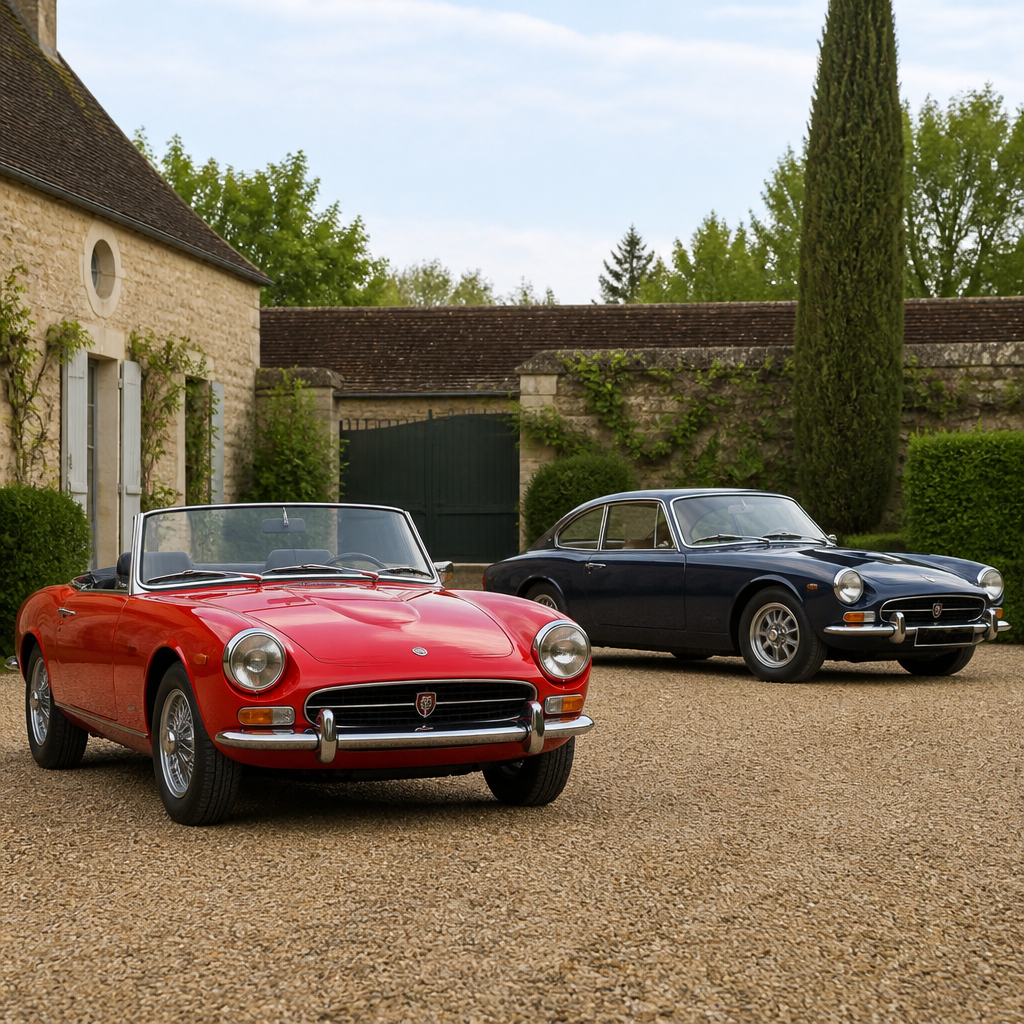
Italian classics carry a reputation for romance and complication, but some are more manageable than their stereotype suggests. The Alfa Romeo Spider is the clearest example. It has real design pedigree, a charismatic twin-cam engine, and a specialist support network that understands common issues such as electrical grounds, corrosion in structural sections, and worn synchros. Fiat 124 Spiders and Lancia Beta variants can also be rewarding, but model-specific rust and parts complexity require more research. In France, Citroën 2CVs and Peugeot 504s remain appealing because they are mechanically distinctive yet fundamentally practical, though sourcing country-specific trim may take patience. Swedish cars, especially the Volvo 1800ES, 240, and classic Saab 900, offer some of the best combinations of durability, safety, and understated style for collectors who want to drive rather than pose.
| Model | Typical appeal | Main watch-outs | Why it suits new collectors |
|---|---|---|---|
| MGB | Open-top British sports car with huge support | Rust in sills, floors, and structural rails | Simple mechanics, abundant parts, strong clubs |
| BMW E30 | Balanced handling and strong brand following | Rust, cooling system neglect, worn suspension | Usable modern classic with broad knowledge base |
| Mercedes-Benz W123 | Durability, comfort, timeless design | Rust, vacuum issues, deferred maintenance | Excellent for regular driving and long-term ownership |
| Alfa Romeo Spider | Italian style and twin-cam character | Corrosion, electrical faults, transmission wear | High charm without exotic-car costs |
| Volvo 240 | Robust engineering and practical shape | Age-related wiring, bushings, cosmetic trim | Easy to use, easy to understand, easy to insure |
| Saab 900 | Distinctive design and loyal enthusiast base | Front-end rust, gearbox concerns, parts variation | Unique choice with everyday usability |
Country-by-country strengths: Britain, Germany, Italy, France, and Sweden
Each European car-building nation has a pattern that can guide a beginner’s search. Britain excels at lightweight sports cars with direct steering, compact dimensions, and huge club ecosystems. If you want tactile driving and weekend maintenance you can learn yourself, British classics are logical. Germany generally offers superior corrosion protection on later cars, stronger highway ability, and more restrained styling. BMW and Mercedes are especially attractive if you want one classic that can handle commuting, touring, and occasional shows. Italy tends to deliver the strongest emotional pull per dollar, with engines and bodywork that feel special even at lower price points. The tradeoff is that buying on condition and completeness is non-negotiable. France offers originality in engineering and packaging. A Citroën or Peugeot can stand out at any event precisely because it is not the obvious choice. Sweden’s classic cars often make the most sense for pragmatic collectors; Volvo and Saab built cars intended to survive weather, daily use, and long ownership cycles.
Brand culture also matters. MG, Triumph, Mercedes-Benz, BMW, Alfa Romeo, Volvo, and Saab all benefit from active owner clubs, printed manuals, forum archives, and specialist vendors. That ecosystem is one of the most undervalued assets in any classic segment. I have seen buyers overpay slightly for a well-supported model and still spend less over three years than someone who bought an obscure bargain with poor parts availability. For a sub-pillar focused on European classics, that is the central strategic point: choose a brand community, not just a shape you like.
How to inspect, budget, and avoid beginner mistakes
Inspection discipline separates enjoyable ownership from expensive regret. Start with documentation. Ask for service records, ownership history, restoration invoices, parts receipts, and clear title status. Verify the chassis or VIN stamping against paperwork. On carbureted cars, check for cold-start behavior, smooth idle, clean throttle response, and evidence of fuel leaks. On fuel-injected cars from the 1970s through 1990s, confirm that aging sensors, pumps, and injection hardware have been serviced correctly. During a test drive, look for overheating, weak charging, smoke under load, driveline vibration, wandering steering, and brake pull. Then put the car on a lift. A magnet, paint-depth gauge, flashlight, and borescope can reveal hidden filler, crude patching, and moisture traps.
Budgeting should include more than purchase price. For most affordable European classics, a prudent first-year reserve is 20 to 30 percent of the acquisition cost, and more if the car has been dormant. Tires, hoses, fluids, belts, battery, brake hydraulics, and suspension bushings are common baseline expenses. If the car needs bodywork, recalculate immediately. Professional rust repair, proper panel alignment, and quality paint can exceed the market value of many entry-level cars. Insurance is usually reasonable through agreed-value classic policies, but usage limits and storage requirements vary. A dry garage is not optional for rust-prone cars.
The most common beginner mistake is buying with the eyes instead of the hands. Fresh paint, polished wheels, and an attractive online listing can hide a poor shell or a neglected mechanical core. Another mistake is chasing rarity too early. Rare trim or low production counts do not help if essential seals, glass, switchgear, or interior pieces are unobtainable. Finally, many new collectors underestimate time. Even a solid classic needs attention, parts research, and periodic troubleshooting. Buy a car that fits your schedule as much as your budget.
Ownership strategy, market outlook, and where this hub leads next
The best ownership strategy for a first European classic is to buy the most complete, structurally sound example you can afford and improve it in stages. Start with safety and reliability: brakes, tires, cooling, fuel delivery, steering, and charging. Then address water leaks, weather seals, and rust prevention. Cosmetics come last unless poor paint is actively exposing metal. This phased approach preserves enjoyment while controlling costs. It also creates a documented maintenance story, which matters when you eventually sell or trade into another model.
Market outlook remains favorable for affordable European classics because younger enthusiasts continue to value analog driving, recognizable design, and cars that can still participate in tours and local events. The strongest demand is for honest driver-quality examples of known models rather than over-restored cars with unrealistic asking prices. Documentation, originality where it matters, and tasteful mechanical sorting add more value than decorative modifications. Restomods have a place, but the first-time collector usually benefits more from a factory-spec car with a clear service path.
As the hub page for European classics, this guide should point your deeper research in several directions: model-specific buyer’s guides, country-by-country brand histories, maintenance planning, rust inspection checklists, and market trend analysis. If one group stands out to you, narrow the field and study that model’s known faults, production changes, and parts sources before shopping. Affordable European classics reward preparation. Choose a car with support, verify its structure, budget realistically, and buy the example that invites you to drive it often. That is how a first classic becomes a lasting collection.
Frequently Asked Questions
What counts as an affordable European classic for a new collector?
An affordable European classic is not just a car with a low purchase price. For a new collector, affordability means the entire ownership experience stays manageable. That includes the initial cost to buy the car, the availability and price of replacement parts, insurance rates, storage needs, routine maintenance, and the likelihood of facing a major restoration bill soon after purchase. In practical terms, a truly affordable classic is one you can drive, care for, and improve over time without every repair turning into a financial shock.
European classics are especially appealing at the entry level because they often offer strong styling, real engineering character, and a well-documented enthusiast history. Models from Germany, Britain, Sweden, France, and Italy can still be found in price ranges that make sense for first-time buyers, especially if you focus on solid driver-quality examples instead of show cars. Cars like a Volvo 240, Volkswagen Beetle, Mercedes-Benz W123, MGB, or Alfa Romeo Spider typically attract attention because they are recognizable, enjoyable to own, and supported by active owner communities.
The key is to think beyond the badge. A cheap car can become expensive very quickly if it has hidden rust, neglected mechanical systems, or hard-to-source trim. By contrast, a slightly more expensive example with documented service history and good structural condition is often the better value. New collectors do best when they define affordability as sustainable ownership, not simply a low entry price.
Which affordable European classics are usually the safest bets for beginners?
The safest choices for beginners are usually models with strong parts support, simple engineering, broad enthusiast communities, and a reputation for durability. German and Swedish cars often stand out here. The Mercedes-Benz W123 is a classic example of a beginner-friendly collector car because it was built in large numbers, engineered for longevity, and supported by an extensive global network of specialists and parts suppliers. A Volvo 240 is another excellent option thanks to its straightforward mechanics, rugged reliability, and practical usability.
British classics such as the MGB and Triumph Spitfire also remain popular first collector cars because they are mechanically simple, full of character, and well supported in the aftermarket. They can teach a new owner a great deal about classic-car maintenance without being so complex that every issue requires a specialist. The Volkswagen Beetle is similarly approachable, with enormous parts availability and a long history of owner-maintenance culture.
Italian and French classics can also be rewarding, but a beginner should be selective. An Alfa Romeo Spider, for example, can be a very enjoyable first collectible if bought carefully, especially a well-maintained later car with good records. The same goes for certain Peugeot, Citroen, or Fiat models, though these may require more patience when it comes to parts sourcing or specialist knowledge depending on the market. For most new collectors, the best first car is one with a known support ecosystem. A car that has clubs, forums, specialist shops, and easy parts access is usually a much smarter starting point than a rarer model with more romantic appeal but less practical support.
How important are condition, maintenance history, and rust when buying an affordable European classic?
They are absolutely critical, and for most affordable classics they matter more than mileage, paint color, or even option lists. Condition is the single biggest factor separating a smart purchase from a costly mistake. A structurally sound, mechanically sorted car with honest cosmetic wear is almost always preferable to a shinier example hiding serious rust, deferred maintenance, or poor-quality repairs. New collectors often focus too heavily on appearance, but the expensive problems usually live underneath the car, behind trim, or in neglected service items.
Rust is especially important because many European classics come from eras when corrosion protection was limited compared with modern standards. Common trouble areas include floor pans, rocker panels, wheel arches, trunk floors, jacking points, suspension mounting areas, battery trays, and the lower edges of doors and fenders. Rust repair can be labor-intensive and costly, and badly repaired corrosion can create both safety and value problems. A pre-purchase inspection by a knowledgeable mechanic or marque specialist is one of the best investments a first-time buyer can make.
Maintenance history is just as important because it tells you how the car has been treated over time. Records showing regular fluid changes, brake work, cooling-system service, ignition tuning, suspension refreshes, and other routine care are strong signs of responsible ownership. They also help you predict what might need attention next. Without documentation, you should assume some maintenance has been deferred and budget accordingly. In this part of the market, buying the best-condition car you can sensibly afford is often far cheaper than trying to rescue the cheapest example available.
Are affordable European classics good investments, or should new collectors think of them differently?
New collectors should think of affordable European classics primarily as passion purchases with the potential for value stability or gradual appreciation, not guaranteed investment vehicles. Some models do rise meaningfully over time, especially if they have strong historical significance, attractive styling, low production numbers, or growing cultural recognition. However, the lower end of the collector market is usually driven as much by usability, nostalgia, and owner enthusiasm as by pure financial speculation.
That is actually good news for beginners. It means you can enter the hobby by focusing on cars you genuinely enjoy rather than trying to predict the next breakout market star. If you buy a desirable model in solid condition, maintain it properly, store it well, and avoid unnecessary modifications, you give yourself the best chance of preserving value. Cars with original features, documented histories, and strong enthusiast followings tend to perform better over the long term than examples with incomplete records or questionable restoration work.
It is also important to account for ownership costs when thinking about value. Even if a car appreciates modestly, insurance, maintenance, storage, registration, and occasional repairs can offset paper gains. That does not make the purchase a bad idea. It simply means the return should be measured in enjoyment, learning, and participation in the collector world as much as in resale price. The smartest mindset is to buy a car you would still be happy to own even if the market stayed flat.
What should a new collector budget for beyond the purchase price?
The purchase price is only the beginning, and this is where many first-time buyers get caught off guard. A smart budget for an affordable European classic should include immediate baseline maintenance, inspection costs, insurance, registration, storage, tools, and a reserve for unexpected repairs. Even a car advertised as well sorted may need fresh fluids, belts, hoses, tires, ignition components, battery service, brake attention, or suspension work once you start using it regularly. Setting aside a post-purchase fund is one of the best ways to keep the experience enjoyable.
Insurance can be surprisingly reasonable if the car qualifies for classic coverage, but rates depend on storage, mileage limits, driver history, and agreed-value terms. Storage also matters more than many newcomers expect. A dry, secure garage helps protect the car from weather, theft, and moisture-related deterioration, especially rust and interior damage. If you do not already have suitable storage, that cost should be part of the calculation from the beginning.
You should also think about specialist labor and parts sourcing. Some affordable European classics are simple enough for light home maintenance, while others benefit from mechanics familiar with specific engines, carburetors, electrical systems, or model-specific weak points. Joining an owner club or online forum can help you estimate real-world costs before you buy. As a general rule, a beginner should avoid spending the entire budget on the car itself. Leaving room for catch-up maintenance and small surprises is what turns classic ownership from stressful into sustainable.