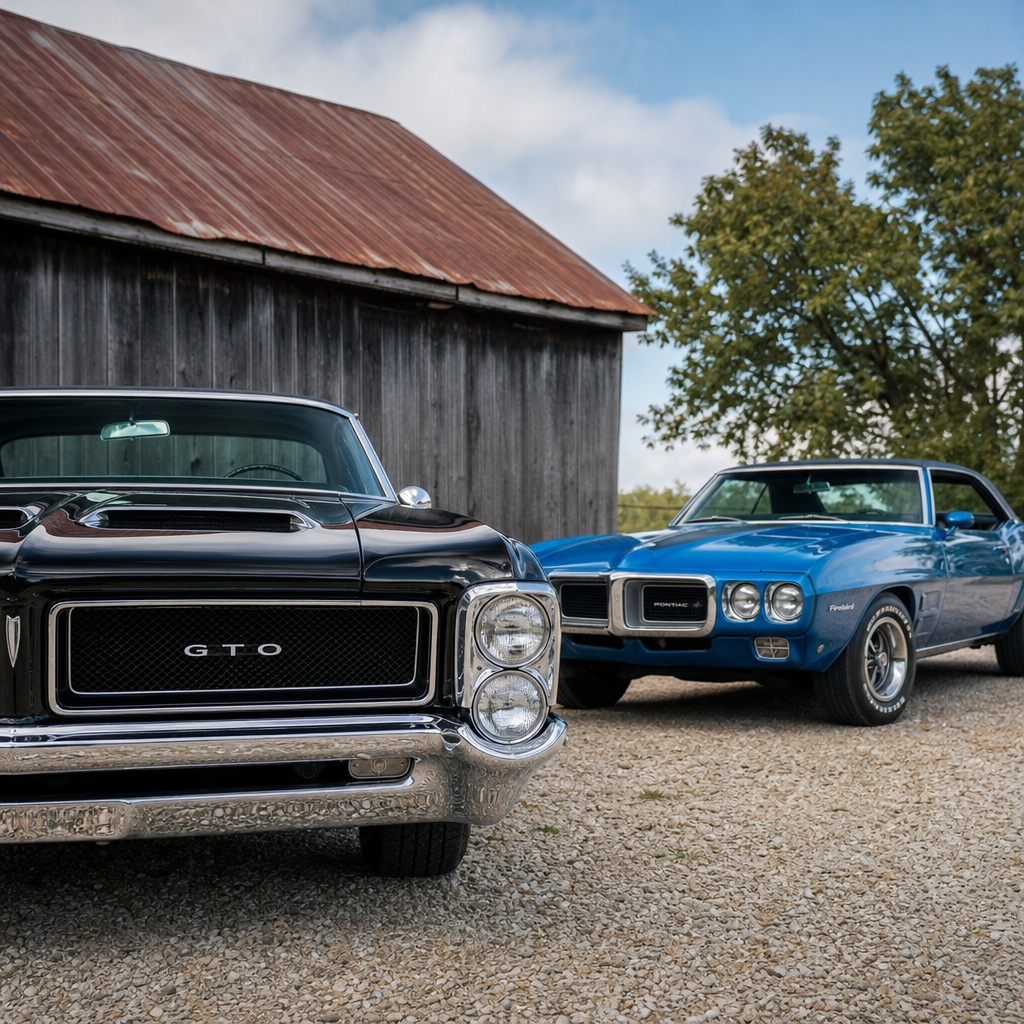
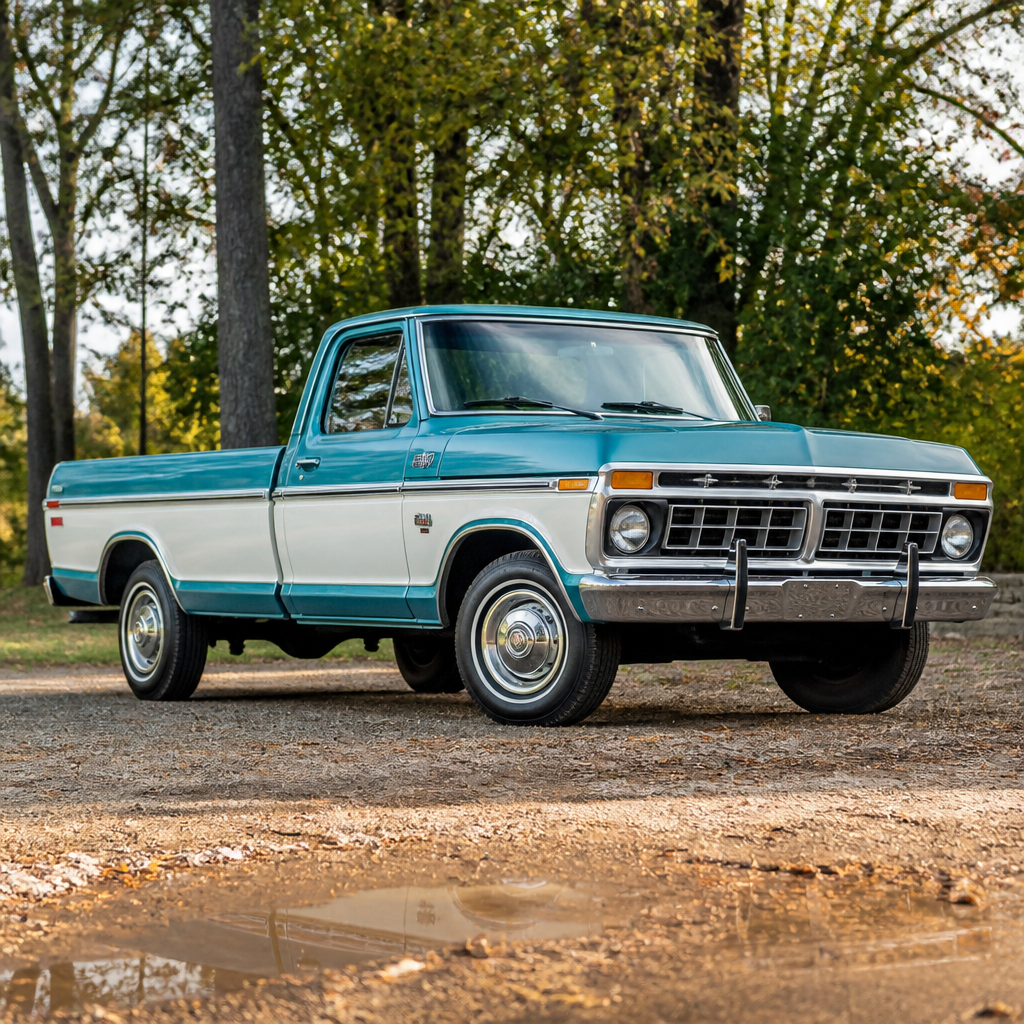
Classic truck collectors often chase the same headline models, yet some of the smartest buys sit just outside the spotlight. Underrated classic trucks worth collecting are vehicles with historical significance, usable parts support, distinctive design, and lower market visibility than the blue-chip names that dominate auctions. In practical terms, they are trucks that can still be found at approachable prices, restored without impossible parts hunts, and enjoyed without the pressure that comes with six-figure market expectations.
I have spent years around vintage pickups at estate sales, farm dispersals, swap meets, and regional auctions, and the pattern is consistent: buyers rush toward the obvious Ford F-100s, Chevrolet C10s, and first-generation Broncos, while excellent alternatives remain parked nearby with smaller crowds. That gap creates opportunity. Collectors who understand platform sharing, trim hierarchy, drivetrain commonality, and production history can buy character, utility, and long-term interest without paying peak prices.
For this hub, “underrated classics” does not mean obscure to the point of being unserviceable. It means trucks that offer a strong balance of scarcity, drivability, parts availability, and brand heritage, yet still sit below the market heat of the most publicized models. Many were overshadowed by better-marketed competitors. Others were work trucks used hard and discarded, which reduced survival rates and made clean examples more special today. A few were ahead of their time in suspension design, engine options, comfort, or compact packaging, but never received the cultural credit they deserved.
Collectibility in trucks also differs from collectible cars in important ways. Original utility equipment can add value rather than detract from it. Bed wood, stake pockets, heavy-duty axles, dealer-installed winches, period camper shells, and documented fleet service can tell a stronger story than cosmetic perfection alone. At the same time, truck buyers usually care more about drivability upgrades, rust repair quality, and mechanical correctness than concours finishes. That makes this category especially attractive for enthusiasts who want a vehicle they can use, not just store.
This article serves as a hub under Classic Car Models & Brands, covering the most promising overlooked pickups and light trucks by era and by collector logic. It also points toward the questions serious buyers ask first: Which models still have upside? Which trucks share parts with better-known vehicles? Where does rarity help, and where does it hurt? Answering those questions clearly is the key to buying an underrated truck that remains enjoyable, defensible, and easier to sell later.
What makes a classic truck underrated and collectible
An underrated classic truck combines four traits. First, it has a recognizable identity: a major brand, a memorable body style, or a historically important engineering feature. Second, it offers ownership feasibility through club support, drivetrain interchange, reproduction panels, or salvage availability. Third, it remains underrepresented in mainstream collector conversation. Fourth, it has a realistic path to appreciation because demand can expand faster than supply once buyers rediscover it.
Condition matters more than rarity alone. A low-production truck with severe rust, missing trim, and no drivetrain support is not a hidden gem; it is often an expensive lesson. By contrast, a medium-production Dodge D-Series sweptline pickup with a slant-six or LA small-block V8 may be easier to restore and enjoy than a rarer but unsupported competitor. Collectors should prioritize structural integrity, completeness, matching paperwork, and trim-specific details such as grille inserts, side moldings, and factory badging.
Market behavior supports this approach. Broadly speaking, trucks that share engines, transmissions, brakes, and suspension components with high-volume passenger cars or SUVs tend to gain recognition faster because restoration friction is lower. This is one reason compact Japanese pickups from the 1970s and 1980s have started attracting younger buyers. They are simple, durable, and culturally relevant, with enough interchange across model years to keep them on the road.
Full-size American pickups that still sit below the spotlight
The 1961–1971 Dodge D-Series is one of the strongest examples of an underrated classic truck worth collecting. The sweptline bed design gives these trucks real visual presence, especially in short-bed form, yet values usually trail comparable Chevrolet and Ford pickups. The reason is not quality. Dodge offered robust engines, straightforward body-on-frame construction, and trims ranging from plain work spec to well-equipped Adventurer packages. Clean V8 trucks with original trim and solid cab floors are increasingly hard to find, which supports long-term interest.
Another strong candidate is the 1967–1972 GMC C/K. Chevrolet C10s from the same era receive most of the attention, but GMC versions often provide the same excellent “Action Line” platform with different badging, trim identity, and lower visibility. For collectors, that means many restoration parts interchange while the truck remains less common at shows. A numbers-correct GMC with period colors, proper wheel covers, and a documented V6 or small-block configuration can stand out precisely because it is not the predictable choice.
The 1973–1987 Dodge D/W Series, especially Club Cab and Adventurer SE models, also deserves closer attention. These “square body” Dodges were overshadowed by Chevrolet’s square-body trucks, yet they offered durable drivetrains and a distinctly more upright, functional design. In recent years I have seen values rise first for Ramcharger SUVs and high-trim pickups, then gradually for cleaner half-ton long beds. Buyers are beginning to recognize that honest original trucks are scarcer than restored auction photos suggest.
International Harvester pickups deserve mention as well, particularly the C-Series and D-Series trucks of the 1960s. They appeal to collectors who value industrial design and agricultural heritage. International’s reputation for building serious working equipment gives these pickups credibility, and survivor examples with original drivetrains generate strong conversation. The tradeoff is parts sourcing; sheet metal and trim can be difficult. Still, for experienced hobbyists who buy complete trucks, International remains one of the most distinctive pathways into underrated American truck collecting.
Compact imports that became classics before many buyers noticed
Japanese compact pickups were once treated as disposable transportation. That perception has changed because surviving examples are scarce, younger enthusiasts connect with analog simplicity, and many trucks now qualify as true classics. The 1972–1978 Toyota Hilux is a leading example. Known in North America for durability and tidy proportions, early Hilux trucks combine straightforward engineering with broad recognition. They are not invisible anymore, but they still remain more affordable than many domestic icons while offering real collector legitimacy.
The Datsun 620, sold from 1972 to 1979, may be even more underrated. Its crisp body lines, compact footprint, and reliable L-series engines make it attractive to restorers and custom builders alike. A stock, unmodified 620 has become significantly harder to find because so many were lowered, repainted, or used until worn out. Collectors should look for intact trim, clean bed floors, and minimal rust around cab mounts and windshield channels, because those details are costly to correct.
The first-generation Mazda B-Series and Ford Courier also warrant attention. They occupy an interesting space where Japanese manufacturing, dealer networks, and brand crossovers meet. The Courier in particular benefits from familiarity among Ford enthusiasts while still retaining the compact import character that made these trucks practical and efficient. Values remain relatively modest, but the supply of original examples is shrinking.
The Isuzu P’up and Chevrolet LUV are often underestimated because they were marketed as economical tools rather than lifestyle vehicles. Today, that is part of the appeal. Their light weight, simple mechanical layout, and period graphics packages create a highly usable collectible. As with all compact imports, originality matters. Factory steel wheels, mirrors, stripes, and emissions labels can separate a worthwhile survivor from a truck that has lost its historical texture.
Best underrated classic trucks by collector profile
Different buyers need different trucks. Some want low-entry enjoyment. Others want rarity, restoration challenge, or period-correct utility. The models below consistently make sense when I evaluate purchase risk against collector upside.
| Collector goal | Truck to target | Why it stands out | Main caution |
|---|---|---|---|
| Affordable full-size entry | 1961–1971 Dodge D-Series | Strong styling, V8 options, lower market heat than Ford or Chevy | Rust and trim availability vary by region |
| Easy parts support | 1967–1972 GMC C/K | Shares much with Chevrolet counterpart but feels less common | Buy on condition; cosmetic parts still add up |
| Compact import classic | 1972–1979 Datsun 620 | Simple mechanics, growing enthusiast base, sharp design | Many have been heavily modified |
| Industrial heritage appeal | 1960s International Harvester C/D-Series | Distinctive identity and strong brand story | Body and trim parts can be difficult |
| Usable late classic | 1973–1987 Dodge D/W Series | Durable platform, comfortable cabin, rising recognition | Original survivors are harder to find than expected |
How to evaluate condition, originality, and restoration economics
The smartest classic truck purchase usually starts underneath. Inspect frame rails, cab mounts, floor pans, lower fenders, drip rails, windshield surrounds, and bed supports before discussing paint. Rust in those areas changes the financial equation immediately. Fresh paint can hide weak metal, filler, and poor panel alignment. I always look for uneven cab gaps, mismatched bed lines, and recent undercoating that appears newer than the rest of the truck.
Originality is not an absolute requirement, but coherent specification matters. A period-correct engine swap can be acceptable if the work is documented and the truck remains mechanically sensible. What hurts value more often is random modification: late-model seats drilled into rusty floors, generic wiring, cut dashboards, nonfunctional air suspension, or bed floors altered beyond repair. A tasteful truck with factory-style wheels, stock ride height, and a sorted drivetrain is usually easier to enjoy and sell than a half-finished custom.
Restoration economics should be calculated before purchase. Mechanical repairs on old trucks are often predictable. Bodywork is where projects become expensive. A truck bought cheaply can absorb thousands in metal fabrication, chrome replating, glass replacement, weatherstripping, and trim repair before paint even begins. For many buyers, the best value is a complete running truck with aged cosmetics and a solid structure. Preservation-class survivors increasingly earn respect because they show honest history and avoid the risks of over-restoration.
Where the market may move next and how to collect wisely
The classic truck market tends to broaden in waves. First, flagship models rise sharply. Then buyers move laterally toward related platforms, overlooked trims, and regional favorites. That pattern is already visible. As premium prices push more collectors out of top-tier C10s and F-100s, interest naturally expands toward GMC variants, Dodge pickups, compact imports, and trucks with authentic workwear character. This does not guarantee dramatic appreciation, but it does create a stronger floor for well-bought examples.
Younger collectors are also changing demand. Many grew up around mini-trucks, Japanese compacts, and 1970s or 1980s domestic pickups still used as daily tools. Nostalgia now reaches beyond the postwar era. A clean Hilux, Datsun 620, or Dodge D/W Series can connect more directly with their memories than a prewar truck ever will. Social media has amplified this trend by rewarding originality, patina, and usable builds rather than only high-dollar restorations.
Collect wisely by focusing on completeness, documentation, and community support. Join marque-specific clubs, search factory brochures, decode trim tags, and learn which parts are year-specific before buying. Prioritize trucks with clear titles, consistent VIN plates, and evidence of long-term care. If possible, drive the truck long enough to assess steering play, brake feel, cold start behavior, charging output, and transmission operation. Those basic tests reveal more than polished photos ever will.
Underrated classic trucks worth collecting reward patience and informed taste. The best ones are not merely cheaper substitutes for famous models; they are compelling vehicles with their own stories, engineering choices, and enthusiast followings. If you are building a collection under the broader Classic Car Models & Brands umbrella, start this subtopic by studying overlooked Dodge, GMC, International, Toyota, Datsun, Mazda, and Isuzu pickups. Then buy the most complete example you can afford, preserve what makes it authentic, and let the market catch up to what careful collectors already know.
Frequently Asked Questions
What makes a classic truck “underrated” from a collector’s perspective?
An underrated classic truck is usually one that offers real collector value without receiving the same attention as the most famous and expensive models. In the truck world, that often means vehicles that have historical importance, strong styling, useful mechanical simplicity, and decent parts support, yet still trade below the headline-grabbing names that dominate auctions and social media. These trucks may have served important roles in farming, small business, construction, military support, or regional transportation, but because they were produced in practical numbers and marketed as work tools rather than lifestyle icons, they stayed under the radar for years.
Collectors also call a truck underrated when the ownership experience is better than the market suggests. A truck can be less celebrated but still easy to maintain, enjoyable to drive at vintage events, and visually distinctive enough to stand out in a crowd. In many cases, the best underrated trucks share engines, transmissions, brakes, or suspension components with better-known vehicles, which helps keep restoration realistic. That matters because a collectible vehicle is not just about rarity; it is also about whether an owner can keep it on the road without endless custom fabrication or impossible parts searches.
Another major factor is price-to-character ratio. Blue-chip trucks often come with high acquisition costs and intense buyer competition, while underrated trucks can offer similar period charm, utility, and mechanical honesty for far less money. That lower entry point gives collectors more room to buy a solid example, restore it properly, and enjoy it without the constant fear of overcapitalizing. In short, an underrated classic truck is one whose quality, history, and usability exceed its public reputation and market price.
Which underrated classic trucks are often considered smart buys today?
Several trucks repeatedly come up in serious collector conversations because they combine affordability, parts access, and long-term appeal. The Dodge D-Series from the 1960s and 1970s is a strong example. It has clean, purposeful styling, durable drivetrains, and far less market hype than comparable Ford and Chevrolet pickups from the same era. International Harvester pickups, especially models from the 1950s through the early 1970s, are another standout. They have a rugged, industrial character and a loyal enthusiast base, yet they still tend to be priced below more mainstream competitors.
The Ford F-100 from certain years can also qualify as underrated, particularly if buyers focus on less fashionable trim levels or periods that sit just outside the most collectible generation. Chevrolet and GMC “Advance Design” and later work-focused trims can sometimes remain undervalued when compared with top-spec, heavily publicized examples. Studebaker trucks deserve attention as well. They bring unusual styling and genuine historical interest, and while they are not always as easy to source as Big Three trucks, they offer standout presence for collectors who want something different.
Another category worth watching is light-duty fleet and base-model trucks that were never treated as luxury collectibles in period. These often escaped heavy modification and can still be found in honest, usable condition. Panel trucks, stake beds, and long-bed configurations are sometimes overlooked in favor of short-bed, V8, high-trim examples, but they can offer tremendous historical value and event appeal. The smartest buys are usually not the most glamorous trucks in the room. They are the ones with solid bones, recognizable heritage, and a broad enough support network to make ownership enjoyable over time.
How do you evaluate whether an underrated classic truck is a good collectible or just cheap?
The difference comes down to fundamentals. A good collectible has lasting appeal beyond its current bargain status. Start with design and identity. Does the truck have a recognizable look, a distinctive body style, or a connection to a meaningful era in American automotive and working history? A truck does not need to be flashy, but it should have some combination of authenticity, visual charm, or brand significance that makes people remember it.
Next, look at parts and mechanical support. A truck may seem inexpensive at first, but if trim pieces, sheet metal, glass, or drivetrain components are nearly impossible to source, it can become a frustrating and expensive project. The best underrated trucks usually have either an active aftermarket, compatibility with other models, or a strong specialist community. Also assess structural condition carefully. Rust in floors, cab corners, beds, frame sections, and suspension mounting points matters more than faded paint or worn upholstery. Cosmetic imperfections are manageable; severe rust and poor prior repairs can turn a promising project into a money trap.
Market behavior is another clue. If values have been stable or gradually improving, that often signals real collector interest. If a truck is cheap only because demand is nearly nonexistent, the upside may be limited. Documentation, originality, and drivability also matter. Trucks with correct drivetrains, identifiable build information, and relatively unmodified configurations tend to hold collector credibility better than heavily altered examples. Ultimately, a good underrated collectible should be affordable because it is overlooked, not because it is fundamentally undesirable, impossible to restore, or unsupported in the marketplace.
Is it better to buy a restored underrated truck or a solid project truck?
That depends on your goals, budget, and tolerance for restoration work, but in many cases, the smartest move is to buy the best truck you can afford rather than the cheapest one available. A quality restored truck can save enormous time and money if the work was done correctly. Paint, bodywork, chrome, upholstery, and rust repair are typically far more expensive than first-time buyers expect. On an underrated model, it is easy to spend more restoring a rough example than the finished truck may be worth in the current market. That is why a well-sorted, honest driver or older restoration often makes excellent sense.
A project truck can still be a great choice if it is structurally sound, complete, and purchased at the right price. Completeness matters because missing trim, correct badging, original seats, and model-specific hardware can be harder to replace than engines or brake components. Solid sheet metal is especially important. Mechanical systems can usually be rebuilt, but major rust and collision damage can overwhelm a budget quickly. If you enjoy hands-on work and want to tailor the truck to your taste, a project may be rewarding, but it should be chosen very carefully.
For most collectors, the ideal middle ground is a running, driving truck with good structure, presentable cosmetics, and room for gradual improvement. That approach allows you to enjoy the vehicle while making upgrades over time. It also reduces the risk of losing momentum on a full teardown project. With underrated classics, value often comes from buying intelligently, preserving originality where possible, and avoiding restoration costs that exceed the truck’s realistic market ceiling.
Do underrated classic trucks have real investment potential, or are they mainly for enjoyment?
They can offer both, but they should usually be approached with a collector-first mindset rather than a pure speculation strategy. The strongest investment potential in underrated classic trucks comes from buying before the broader market fully recognizes their appeal. As prices for top-tier blue-chip trucks continue to climb, many collectors begin looking for alternatives that still provide vintage style, historical credibility, and usable ownership. That shift can lift values for overlooked models, especially those with strong enthusiast communities and good restoration support.
That said, not every inexpensive truck is destined to become the next breakout collectible. Appreciation tends to favor examples with originality, desirable body styles, sound documentation, and careful restoration quality. Trucks that reflect authentic period character often age better in the marketplace than heavily customized builds tied to temporary trends. Regional interest can also play a role. Certain brands or body styles may perform especially well in areas where they were historically common or culturally significant.
The biggest advantage of an underrated truck is that it can justify itself even if value growth is modest. If you buy a well-chosen truck at an approachable price, maintain it properly, and enjoy it at shows, local drives, and vintage events, you are getting real value from ownership regardless of short-term market movement. If the market rises, that is a bonus. If it remains steady, you still own a vehicle with character, utility, and historical presence. In practical terms, underrated classic trucks are often among the healthiest collector purchases because they balance enjoyment, affordability, and the possibility of future appreciation without the financial pressure attached to the most hyped models.