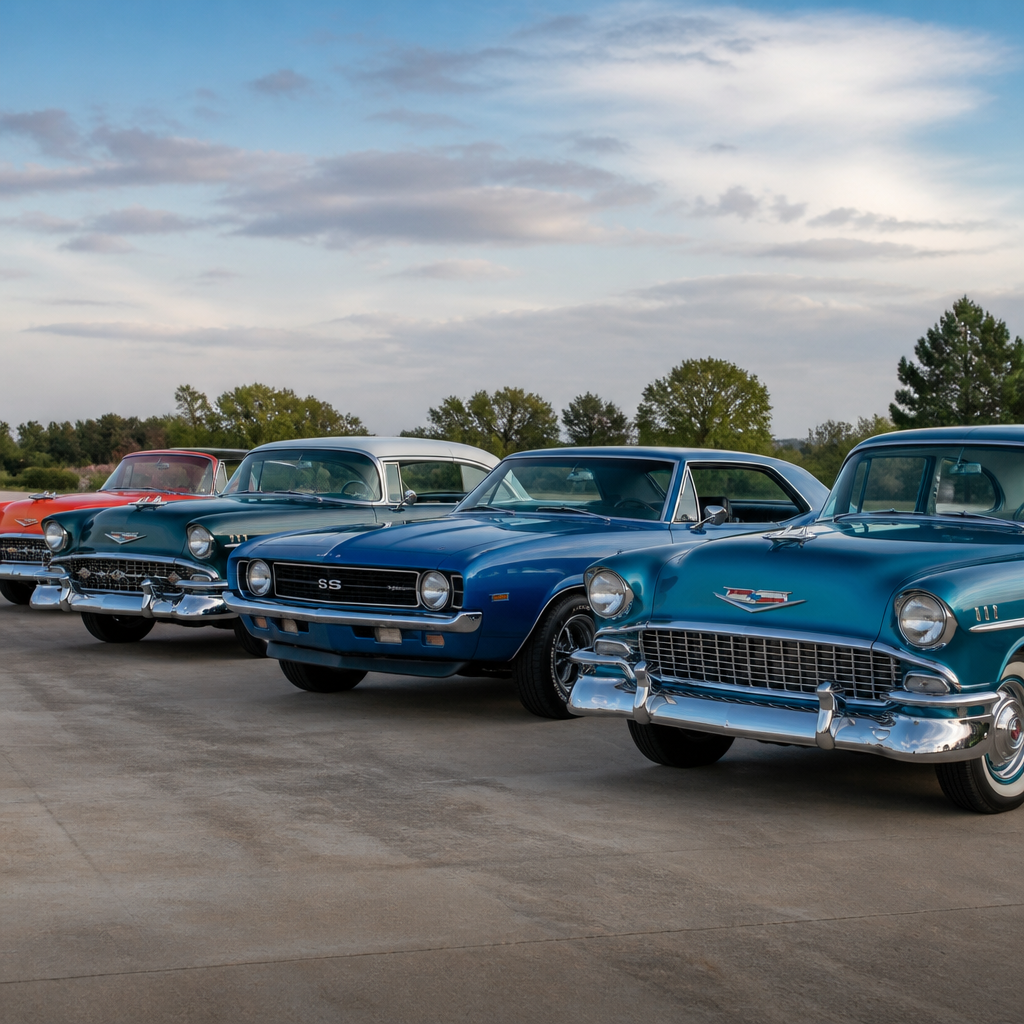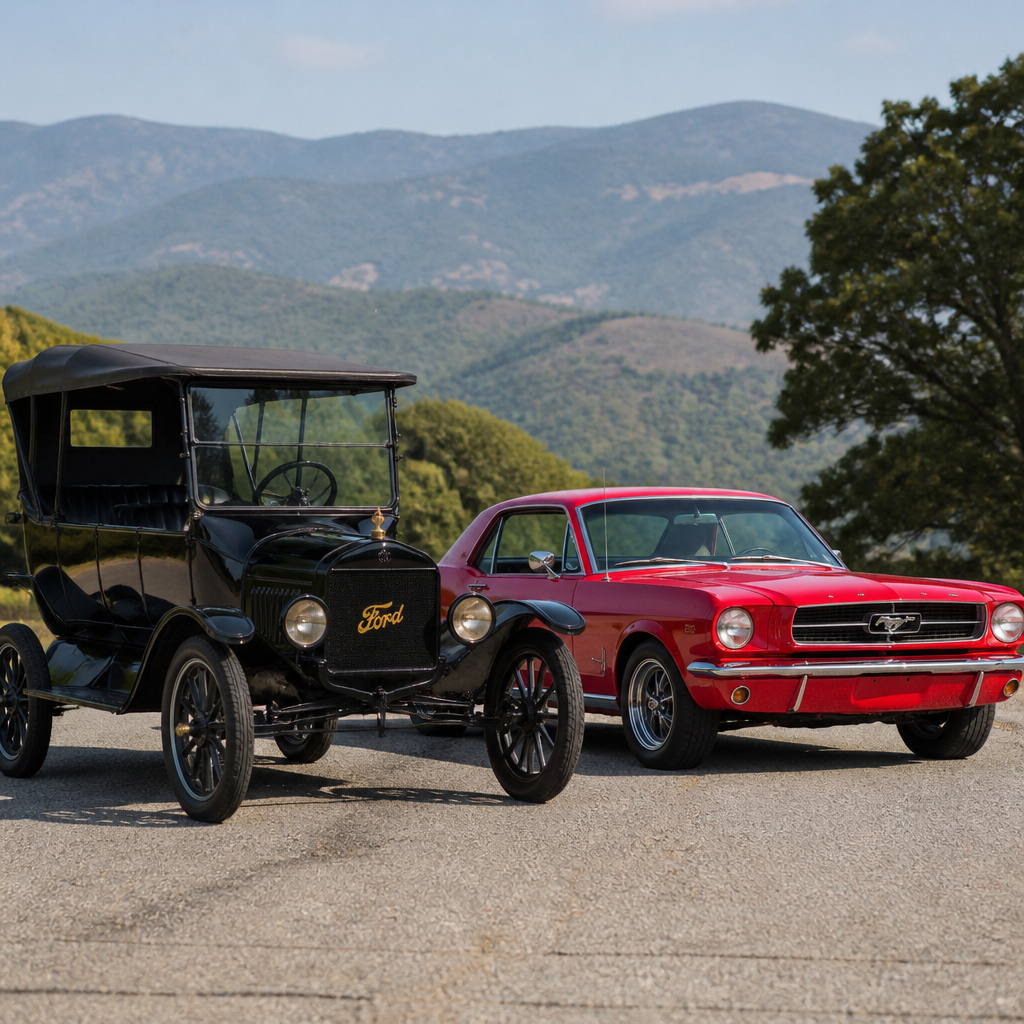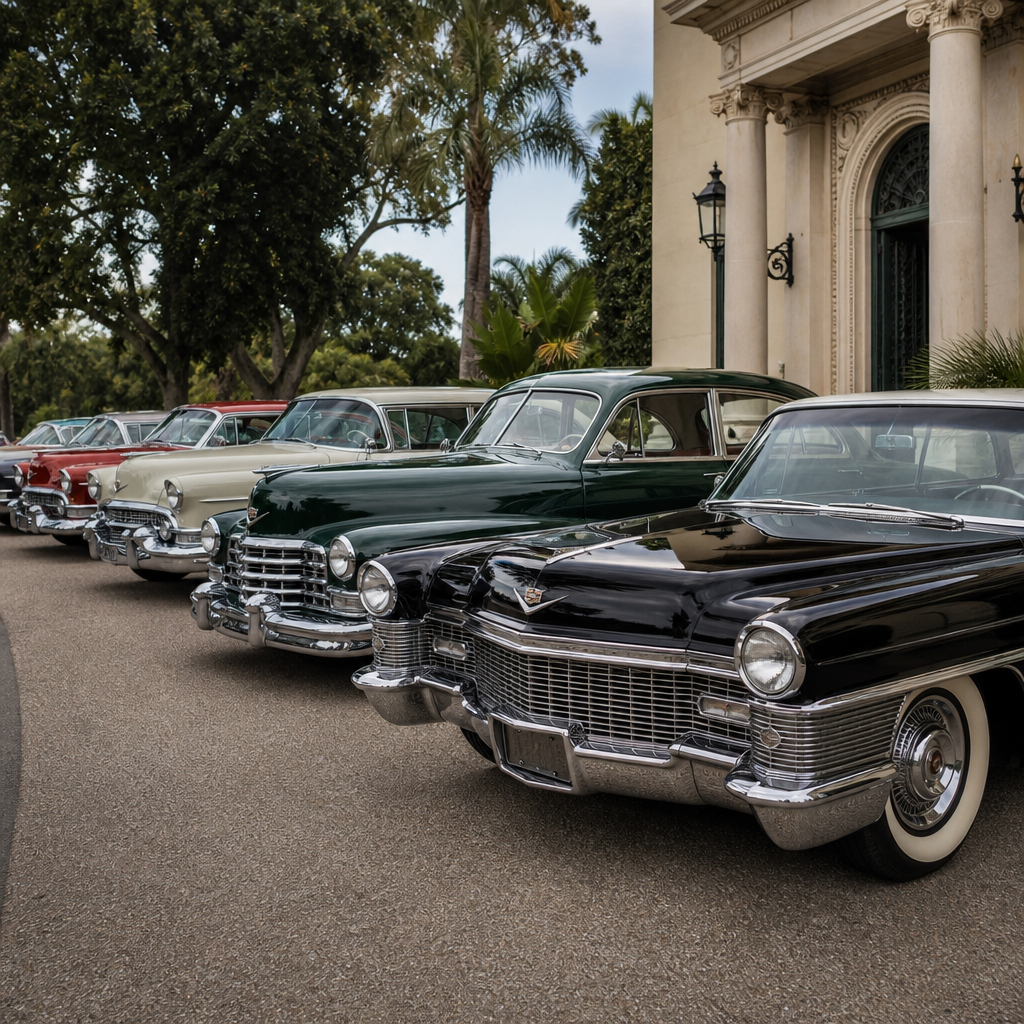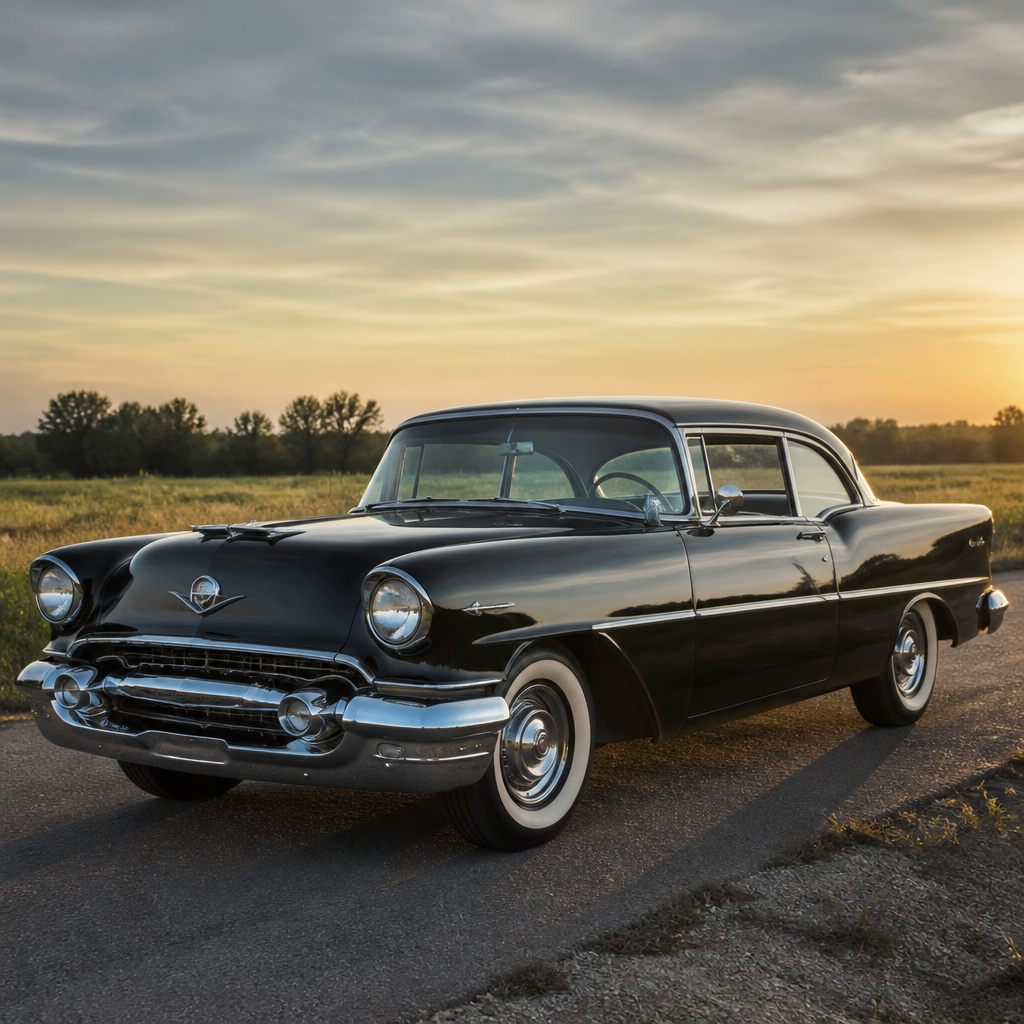
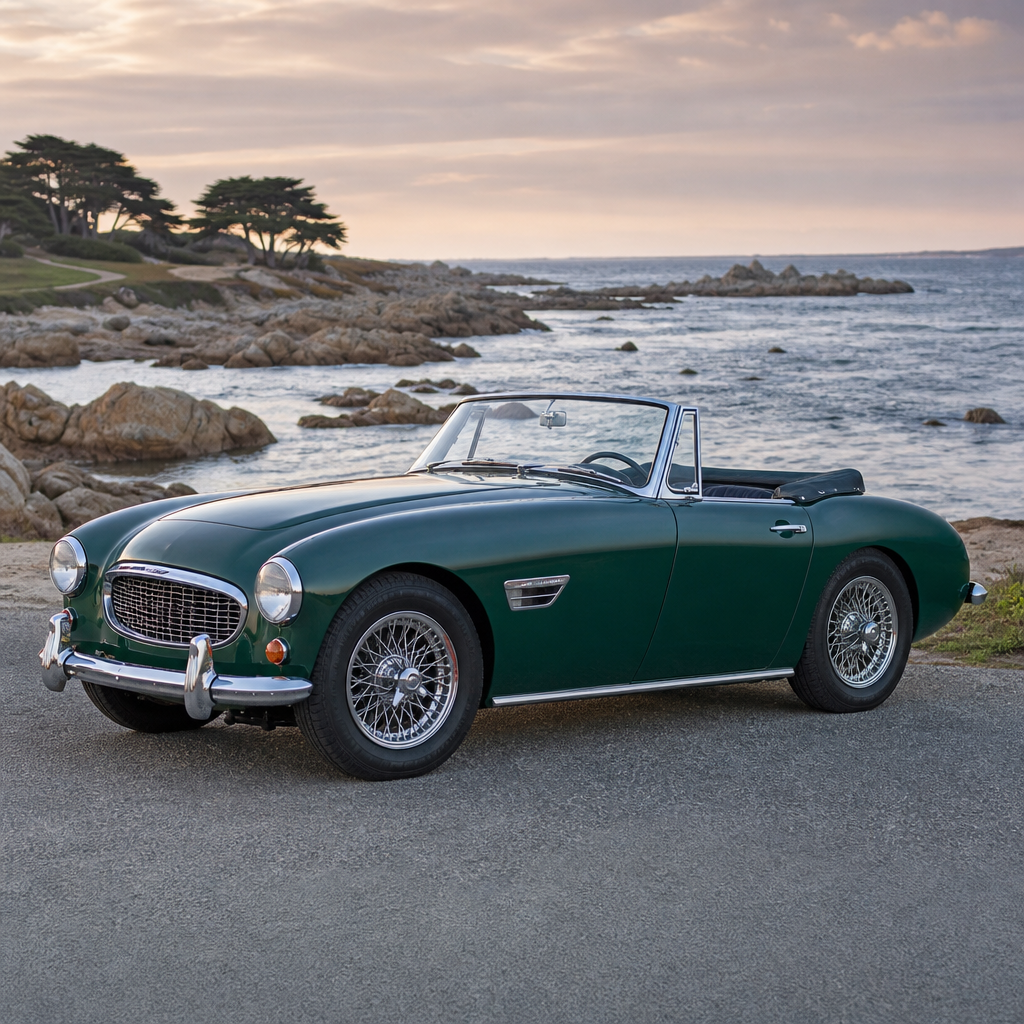
Classic convertibles usually summon the same short list of stars: the Mercedes-Benz 300SL Roadster, Jaguar E-Type, first-generation Ford Mustang, Chevrolet Corvette, and Porsche 356. Those cars deserve their status, but they also overshadow a deeper, more interesting group of open-top machines that delivered style, engineering character, and usable enjoyment without becoming poster-car clichés. Underrated convertibles from the classic era are the cars that enthusiasts repeatedly overlook because they sat below halo models in price, prestige, racing fame, or production volume, even when they offered comparable charm on real roads.
For this hub, the classic era means roughly the late 1940s through the early 1970s, when coachbuilt traditions still influenced mass production, body-on-frame construction coexisted with monocoques, and convertibles remained a meaningful part of many manufacturers’ lineups. “Underrated classics” does not mean unknown, cheap, or objectively better than the icons. It means the market, media, and casual enthusiast conversation have historically valued these cars less than their design quality, driving experience, engineering significance, or ownership appeal justify. In practice, that includes mainstream British roadsters, compact European grand tourers, stylish American personal convertibles, and a handful of technically advanced oddballs.
This subject matters for anyone building knowledge in classic car models and brands because convertibles reveal a brand’s priorities more clearly than almost any coupe or sedan. Structural reinforcement, weather sealing, cockpit packaging, trim quality, and powertrain flexibility become impossible to hide when the roof disappears. I have spent years around auctions, specialist shops, and owner clubs, and one pattern is constant: the most satisfying conversations rarely happen around the obvious blue-chip convertibles. They happen around the Sunbeam Alpine parked beside an E-Type, the Lancia Flaminia Touring convertible sitting in a sea of Alfa spiders, or the Buick Skylark that quietly demonstrates how well Detroit understood open-air comfort. These cars are often easier to buy, easier to use, and more distinct in a mixed field.
As a hub page, this guide explains what makes a classic convertible underrated, which models best represent the category, how to evaluate them, and why specific brands deserve closer attention. It also points naturally toward deeper articles on individual models, restoration priorities, and ownership costs within the broader Classic Car Models & Brands topic. If you want an entry point into underrated classics that balances collectability with real-world enjoyment, this is where to start.
What Makes a Classic Convertible Underrated?
An underrated classic convertible combines four traits. First, it has strong inherent merit: attractive design, competent engineering, historical interest, or unusually pleasant road manners. Second, it lives in the shadow of a more famous competitor or stablemate. Third, it remains under-discussed relative to production numbers or brand significance. Fourth, the ownership experience still makes sense today, whether that means good parts support, manageable mechanical complexity, or a driving character that rewards use instead of static display.
Price alone is a poor measure. Some underrated convertibles are inexpensive because they were built in high numbers, while others are costly but still undervalued compared with similarly significant alternatives. The Alfa Romeo 2600 Spider, for example, has never been a budget car, yet it often receives far less attention than contemporary Alfa Giulietta and Duetto models despite more power, six-cylinder refinement, and handsome Touring coachwork. At the opposite end, a Triumph Herald convertible can remain accessible because the market treats it as a modest small car, even though its Michelotti styling, separate chassis, and swing-out bonnet make it unusually engaging for entry-level ownership.
Driving experience also matters more than auction mythology. Many celebrated convertibles are fast, beautiful, and tiring. Some underrated ones are slower on paper but more pleasurable over a two-hour back-road drive because they deliver better visibility, lighter controls, friendlier gearing, and less intimidation. This is why buyers who actually use their classics often gravitate to cars like the Fiat 124 Spider or Volvo P1800’s open-top contemporaries from other brands rather than overcommitting to temperamental exotics.
British Convertibles That Deserve More Respect
Britain produced an astonishing range of classic convertibles, yet only a few dominate popular memory. The Sunbeam Alpine is perhaps the textbook underrated British roadster. Built by Rootes and styled in Italy by Raymond Loewy’s studio, it offered clean lines, practical weather equipment, and a roomier cabin than the MGB. It also earned cultural visibility through early James Bond use in Dr. No, but that association never translated into E-Type-level fame. On the road, an Alpine feels less raw than an Austin-Healey and more substantial than many small British sports cars, making it a sensible classic touring choice.
The Triumph Herald convertible deserves similar attention. Giovanni Michelotti gave it crisp, upright proportions that still look fresh, and its separate chassis allowed a proper convertible body without the structural compromises seen in some unit-body rivals. The fully opening front end makes engine access remarkably good by period standards, a practical benefit any owner or mechanic appreciates immediately. Performance was modest, but the Herald is easy to place on narrow roads, simple to service, and rich in period charm.
Then there is the Daimler SP250, a car often dismissed for its fiberglass body and unusual styling. That reaction misses the point. Underneath sits one of Britain’s most charismatic small V8 engines, a 2.5-liter hemi-head unit with a distinctive bark and genuine performance. Early chassis flex hurt its reputation, but later B-spec and C-spec cars improved stiffness substantially. In today’s market, the SP250 offers rarity, club support, and a driving experience unlike anything from MG or Triumph.
Even the MGC roadster qualifies as underrated within its own family. Overshadowed by the lighter MGB and criticized when new for front-end weight, the six-cylinder C is now better understood. With corrected suspension settings and proper tires, it becomes a compact grand tourer rather than a failed sports car, exactly the kind of reinterpretation many enthusiasts now seek.
Continental European Alternatives Beyond the Usual Icons
If British roadsters dominate affordable classic conversation, continental Europe supplies many of the most neglected sophisticated convertibles. The Peugeot 404 Cabriolet, styled and assembled by Pininfarina, is one of the finest examples. It has elegant proportions, excellent seating, robust mechanicals, and far better build quality than many people expect from a 1960s Peugeot. Because it lacks the sporting mythology of an Alfa Romeo Spider, it often slips beneath the radar, yet owners value its durability and long-legged road manners.
The Lancia Flaminia Convertible is another case where badge hierarchy distorts attention. Overshadowed by Ferrari and Maserati in the Italian luxury field, the Flaminia offered advanced engineering, including transaxle layout on some variants, refined V6 power, and exquisite bodies from Touring or Pininfarina depending on version. It was expensive when new and remains significant now, but it is still under-recognized relative to its quality. In concours settings, it often stops knowledgeable viewers precisely because it looks familiar enough to command attention but uncommon enough to invite questions.
France contributed the Facel III and Facellia convertibles, both compelling and cautionary. Their pillarless glamour and jet-age interiors are exceptional, but engine reliability issues on early Facellias damaged the marque. That troubled reputation still depresses enthusiasm, even though later developments improved matters and many surviving cars have been sorted by specialists. These are not beginner classics, yet they represent exactly how market memory can lock in an old narrative long after technical fixes emerge.
For buyers wanting a more usable path, the Fiat 124 Spider remains one of the smartest classic convertible choices. Designed by Pininfarina and powered in many versions by Lampredi twin-cam engines, it combines handsome lines with strong parts availability and a broad global knowledge base. It is not unknown, but it is still underrated relative to less practical Italian contemporaries because people often mistake accessibility for lack of significance.
American Drop-Tops Hidden Behind Muscle and Chrome Legends
In the United States, convertibles are frequently judged through the lens of muscle cars, 1950s chrome excess, or the Corvette. That leaves several excellent models underappreciated. The 1961–1963 Buick Special and Skylark convertibles, for example, paired crisp post-fin styling with compact dimensions and, in some versions, the innovative all-aluminum 215-cubic-inch V8. That engine later gained a second life as the Rover V8, making these Buicks historically important beyond their modest market profile. They are easy to overlook because they are neither full-size boulevard cruisers nor famous muscle machines.
The Chrysler Newport and 300 convertibles from the early 1960s also deserve reconsideration. Virgil Exner’s “Forward Look” had matured into cleaner, lower, more formal shapes by this period, and Chrysler Corporation’s torsion-bar front suspension gave these big cars notably composed road manners. A well-sorted 300 convertible offers effortless torque, excellent highway stability, and interior craftsmanship that compares favorably with more celebrated GM rivals.
Mercury’s Monterey and Park Lane convertibles occupy a similar niche. They sit in the shadow of Ford and Lincoln, which paradoxically makes them more distinctive at shows today. Mercury often shared proven drivetrains with Ford while wearing more upscale trim and less common sheet metal. For collectors who value rarity that does not destroy parts interchange, that formula is attractive.
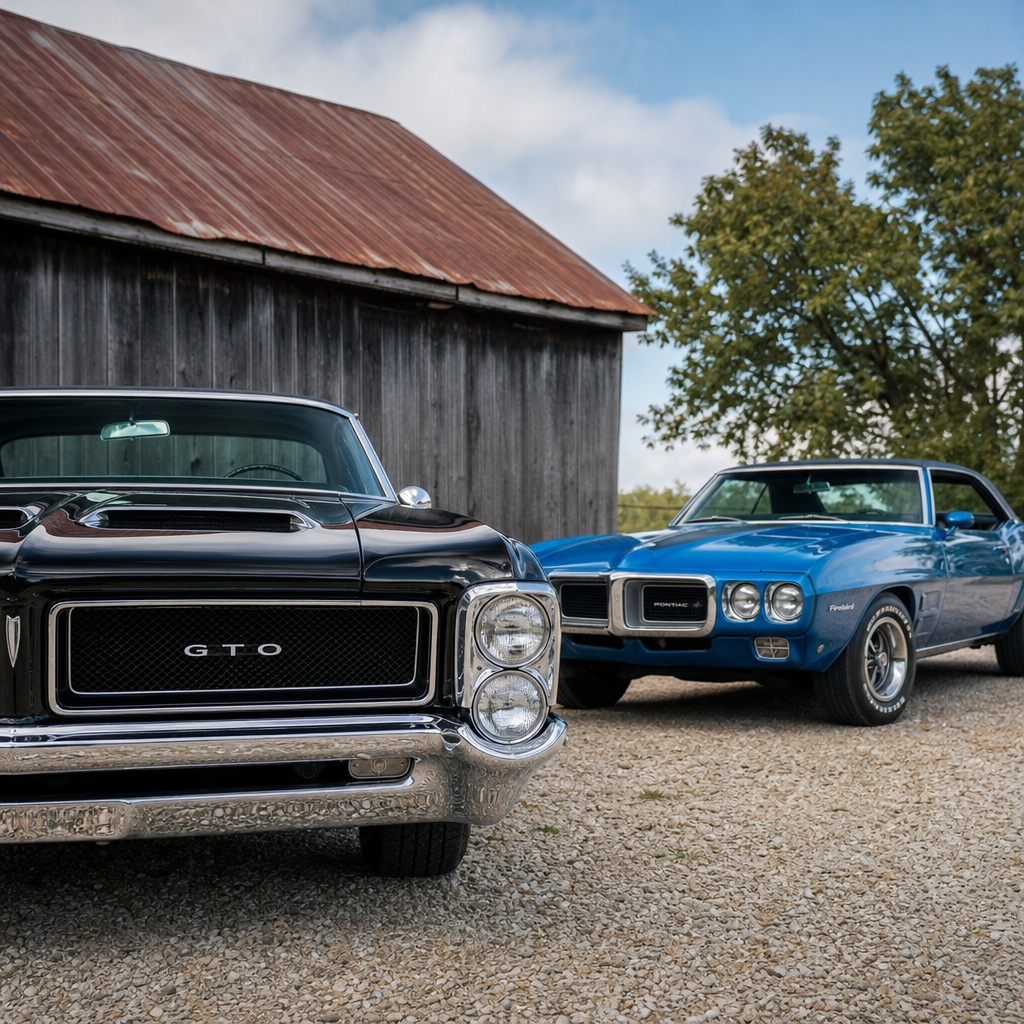
The Rambler American convertible, built in very limited numbers, represents another flavor of underrated: compact, honest, and refreshingly unpretentious. It will never outrun a GTO, but it tells a fuller story about American automotive diversity than yet another high-horsepower trophy car.
Models to Study First When Shopping Underrated Classics
If you are building a shortlist, start with cars that balance character, support, and sensible complexity. The table below highlights strong hub-category candidates and why they matter.
| Model | Why It’s Underrated | Best Ownership Fit |
|---|---|---|
| Sunbeam Alpine | Stylish, practical, overshadowed by faster British rivals | Drivers wanting usability and club support |
| Triumph Herald Convertible | Michelotti design, easy service access, modest buy-in | Entry-level classic owners |
| Daimler SP250 | Characterful V8, rarity, misunderstood reputation | Enthusiasts seeking something unusual |
| Peugeot 404 Cabriolet | Pininfarina elegance with durable mechanicals | Touring-focused owners |
| Fiat 124 Spider | Twin-cam engineering and excellent parts availability | Hands-on buyers wanting active use |
| Buick Skylark/Special Convertible | Compact American style with historic aluminum V8 | Collectors wanting U.S. originality |
| Chrysler 300 Convertible | Refined big-car road manners, overlooked luxury value | Highway cruisers and event touring |
These are not the only worthy candidates, but they are smart starting points because each represents a different path into underrated classics. They also lead naturally to deeper model guides, buyer checklists, and restoration articles within this subtopic hub.
How to Evaluate Condition, Parts Support, and Ownership Risk
Underrated does not mean automatically affordable to restore. In fact, some overlooked convertibles are cheap to buy precisely because they are expensive to put right. Structural integrity comes first. Convertibles rely heavily on sills, floors, crossmembers, and windscreen frame strength, so rust or collision damage can cause door fit issues, cowl shake, and compromised geometry. On a monocoque car like a Peugeot 404 Cabriolet or Fiat 124 Spider, inspect the underside carefully and look for evidence of poor patch repairs hidden under underseal.
Parts support should be separated into mechanical, trim, and body categories. Mechanical parts are often manageable because manufacturers shared engines, gearboxes, or brake components across multiple models. Trim is harder. A Sunbeam Alpine may be straightforward mechanically, but model-specific interior pieces and brightwork can consume time. Coachbuilt or low-volume cars such as the Lancia Flaminia Convertible or Facel models demand even more caution because specialist fabrication may be the only route.
Provenance matters too. A thick file of invoices from recognized specialists is more valuable than cosmetic freshness. I would rather inspect a slightly worn convertible with documented structural restoration, cooling-system work, and proper hood replacement than a glossy car hiding deferred maintenance. Also check whether the car has active owner-club backing. The best classic convertible communities maintain technical archives, parts cross-reference lists, and trusted vendor networks that significantly reduce ownership friction.
Why Underrated Convertibles Make Strong Hub-Level Classics
As a sub-pillar within Classic Car Models & Brands, underrated classic convertibles work especially well because they connect design history, engineering differences, market analysis, and ownership realities in one category. They also encourage better buying decisions. Instead of chasing the same overexposed icons, readers can compare brands more intelligently, understand why some cars remain overlooked, and identify models that align with how they actually plan to use a classic.
The main takeaway is simple: the best classic convertible is not always the most famous one. A Sunbeam Alpine can deliver more relaxed enjoyment than a temperamental exotic. A Peugeot 404 Cabriolet can provide elegance and durability without Italian-car drama. A Buick Skylark convertible can tell an important American engineering story while standing apart from predictable muscle-era choices. When you judge these cars by design, drivability, support, and historical context rather than prestige alone, their value becomes obvious.
Use this hub as your starting point for exploring the broader underrated classics landscape, then move into model-specific guides, restoration resources, and brand histories to narrow your search. The reward is a classic convertible that feels distinctive, informed, and genuinely enjoyable every time the top goes down.
Frequently Asked Questions
What makes a classic convertible “underrated” in the first place?
An underrated classic convertible is not simply a car that is cheap or obscure. It is usually a model that offered real style, engineering merit, driving pleasure, or historical importance, yet never achieved the broad recognition of the headline-grabbing icons. In the classic era, a handful of celebrated roadsters and cabriolets came to dominate collector attention, which pushed many worthy alternatives into the background. Some were overshadowed by more glamorous stablemates, some came from brands without strong prestige in the U.S. market, and others suffered from period reputations that no longer reflect how enjoyable they are today.
Often, these cars sit in the sweet spot between usability and character. They may not have been the fastest or most exotic machines of their time, but they delivered open-air motoring with attractive proportions, distinctive mechanical personalities, and often more approachable ownership than the blue-chip stars. A convertible can be underrated because it was sold in limited numbers, because restoration economics kept it out of the spotlight, or because enthusiasts collectively focused on a more famous rival. Models from Alfa Romeo, Sunbeam, Lancia, Triumph, Peugeot, Fiat, Buick, and even Cadillac can all fit this description depending on the year and specification.
The key point is that “underrated” does not mean “inferior.” In many cases, it means the market has not fully rewarded a car’s real-world strengths. These strengths can include excellent chassis balance, stylish coachwork, robust touring ability, unusual engineering, or a compelling ownership experience that feels more personal than buying a universally recognized trophy car. For enthusiasts willing to look beyond the usual checklist of poster cars, underrated convertibles often provide a richer and more individual classic-car story.
Which classic-era convertibles are commonly considered underrated by enthusiasts?
Several models repeatedly come up when knowledgeable enthusiasts discuss overlooked open-top classics. The Alfa Romeo 2000 Spider is a strong example: elegant, mechanically interesting, and genuinely enjoyable to drive, yet often bypassed in favor of more expensive Italian contemporaries. The Sunbeam Alpine is another, blending handsome styling, approachable maintenance, and period charm, though it has long lived in the shadow of the Shelby-linked Tiger. The Fiat 124 Spider deserves mention as well, especially early cars, because it combines pretty Pininfarina design with a lively twin-cam personality and a long, usable production run.
From Britain, cars like the Triumph Italia-related convertibles, later Triumph TR4A and TR250 examples, and certain Austin-Healey Sprite or MG variants can be underrated depending on the market moment. The MGB roadster itself is not exactly obscure, but it is frequently undervalued in conversations about satisfying classic convertibles because familiarity can breed dismissal. Yet it remains one of the most practical and enjoyable entry points into classic open-top motoring. Among American cars, the Buick Skylark convertible from the mid-1960s or a well-optioned Oldsmobile Cutlass convertible can offer V8 cruising appeal without the same level of attention given to Mustangs and Corvettes.
Continental European choices are especially fertile ground. Peugeot’s 404 Cabriolet and 504 Cabriolet pair tasteful styling with refined road manners and a touring-oriented personality. The Lancia Flavia and Fulvia convertibles bring front-wheel-drive engineering sophistication and distinctive Italian design, while the Karmann Ghia Cabriolet delivers style and simplicity that often get overlooked because it is associated with humble Volkswagen underpinnings. Even larger luxury convertibles, such as certain Cadillac or Lincoln drop-tops from the 1960s, can be underrated when viewed not as sports cars but as beautifully expressive grand cruisers. The precise answer depends on whether you value sporting sharpness, design pedigree, rarity, ease of ownership, or market value, but the list of deserving candidates is much deeper than the usual icons suggest.
Are underrated classic convertibles usually better values than the famous collector favorites?
In many cases, yes, but “better value” needs context. Compared with top-tier blue-chip convertibles, underrated classics often let buyers access attractive styling, analog driving feel, and historical appeal at a far lower entry price. That lower buy-in can be significant, especially when compared with heavily publicized models whose prices reflect global demand, auction visibility, and status as much as the actual ownership experience. If your goal is to enjoy classic top-down driving rather than to display a universally recognized investment piece, an underrated convertible can deliver much more satisfaction per dollar.
However, value is not just about purchase price. Restoration costs on a lesser-known car can equal or exceed those of a famous one, particularly if trim pieces, body panels, interior materials, or model-specific mechanical parts are scarce. That means a cheap project can quickly become more expensive than buying a better, more mainstream car in the first place. The best values are usually well-sorted examples of respected but not overhyped models with good club support, available parts, and established specialist knowledge. Cars like the MGB, Fiat 124 Spider, Sunbeam Alpine, and Peugeot 504 Cabriolet often appeal precisely because they can balance charm with manageable ownership realities.
There is also a psychological advantage. When a car is not burdened by extreme market pressure, owners often feel freer to drive and enjoy it. You may be less worried about adding miles, taking weekend trips, or using the car as intended. In that sense, underrated convertibles can offer a kind of freedom that ultra-valuable collector darlings do not. They may appreciate modestly, remain stable, or simply hold their place while giving the owner years of enjoyment. For many enthusiasts, that is the most meaningful definition of value.
What should buyers look for when shopping for an underrated classic convertible?
The first priority should always be structural condition. Convertibles from the classic era are especially vulnerable to rust, chassis fatigue, and poorly executed repairs because removing a fixed roof places more importance on floorpans, sills, rockers, torque boxes, inner fenders, and other reinforcement areas. Cosmetic attractiveness can hide major problems, so buyers should inspect underneath, check door fit, examine panel gaps, and look for signs of sagging or flex. A car with shiny paint but weak structure is rarely a bargain. Documentation of restoration work, photographs of metal repairs, and inspection by a marque specialist can save enormous money and frustration.
The second major factor is parts and support. Some underrated convertibles remain underrated because they are genuinely difficult to restore or maintain. Before buying, it is wise to learn what parts are easy to source, what pieces are used-only, and which mechanical systems require specialist knowledge. Upholstery, top frames, trim, glass, badging, and model-specific brightwork can be surprisingly expensive or nearly unobtainable. Even if the engine and transmission are straightforward, missing convertible-only hardware can become the true obstacle. Enthusiast clubs, online communities, and marque vendors are often the best indicators of whether a car is practical to own.
Buyers should also be realistic about how they plan to use the car. Some classic convertibles are excellent long-distance tourers with comfortable cabins and relaxed gearing, while others are better suited to short spirited drives. Consider weather sealing, top operation, trunk space, cooling performance, brake capability, and highway manners. The best purchase is not necessarily the rarest car or the cheapest one, but the example that matches your expectations and is already in honest, well-maintained condition. A complete, sorted driver with a usable top and strong records is usually a smarter choice than an incomplete project purchased on romantic impulse.
Why are classic-era underrated convertibles becoming more appealing to modern enthusiasts?
Modern enthusiasts are increasingly drawn to underrated classic convertibles because they offer an experience that feels authentic, distinctive, and less scripted by the collector market. As famous models become more expensive and more standardized in the way they are discussed, many buyers start looking for cars with personality rather than just prestige. An overlooked convertible often feels like a discovery. It invites conversation, rewards research, and lets the owner participate in a more personal corner of automotive history. Instead of repeating the same well-known narrative, these cars tell stories about forgotten brands, alternative engineering paths, and regional tastes in design and driving.
There is also a practical appeal. Many underrated convertibles are easier to enter financially than the marquee stars, yet still provide the same fundamental pleasures: open-air driving, mechanical engagement, period styling, and the emotional connection that only an older car can deliver. In an era when many enthusiasts want cars they can actually use, not just store, models outside the usual collector hierarchy make a lot of sense. They may be less intimidating to own, less precious to drive, and more representative of what classic motoring was for ordinary enthusiasts of the period rather than for the few who could buy the most exotic machinery.
Finally, tastes are broadening. Today’s enthusiasts are more willing to appreciate nuance, whether that means a refined French cabriolet, an Italian twin-cam roadster, a British underdog, or a stylish American cruiser that never became the obvious collectible. Social media, enthusiast forums, and marque clubs have helped shine light on cars that were once dismissed or forgotten. As knowledge spreads, so does appreciation for convertibles that combine beauty, history, and usability without falling into cliché. That shift is exactly why underrated classic-era convertibles are having a moment