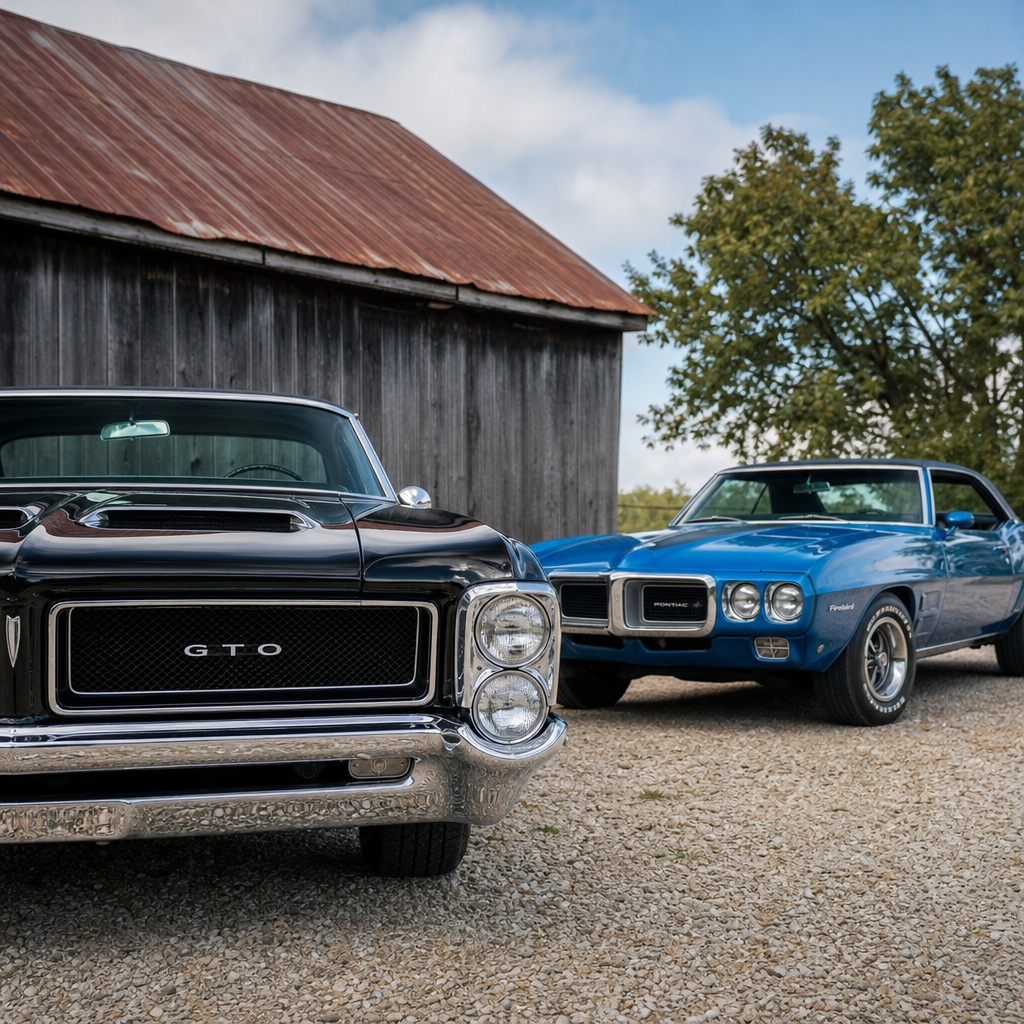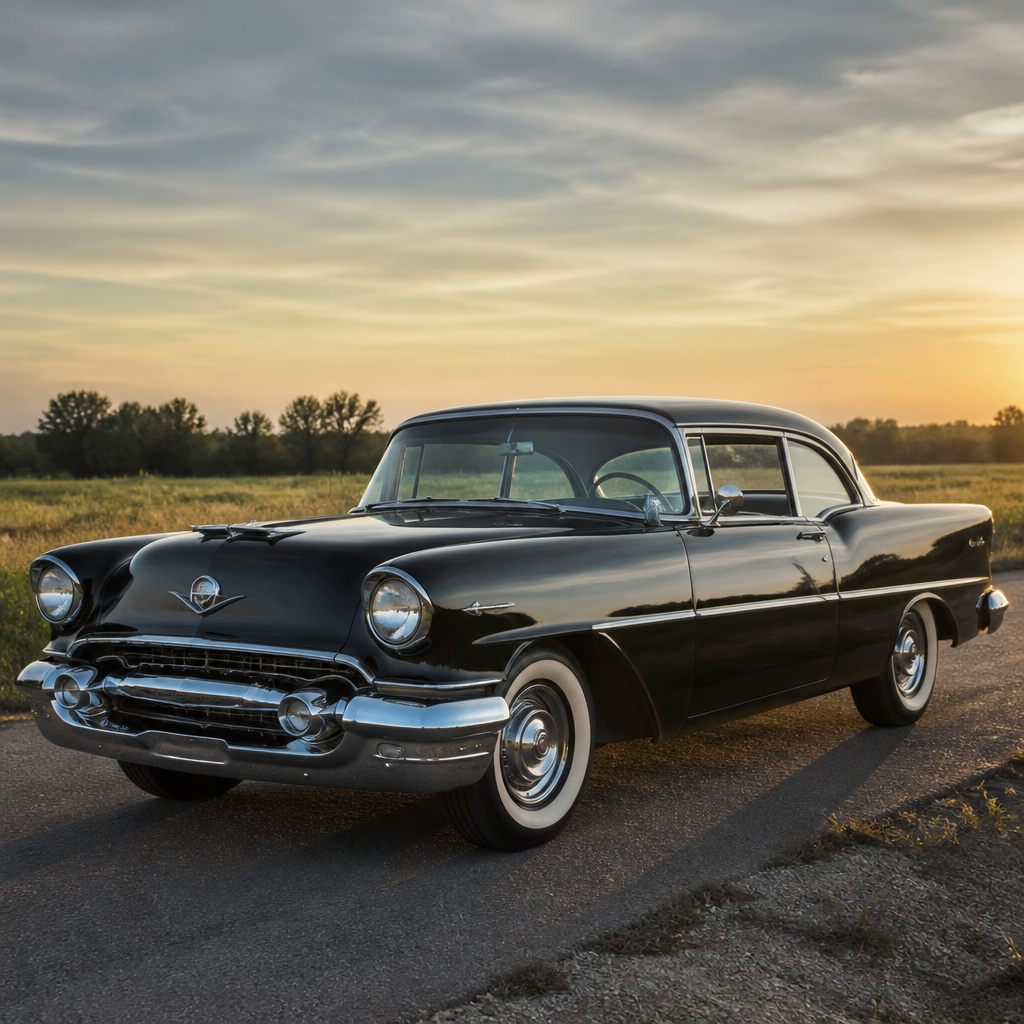
Some classic cars become blue-chip collectibles almost overnight, while others spend decades overlooked before enthusiasts and the market finally catch up. Underrated classic cars that are future collectibles sit in that second group: models with authentic design, engineering merit, limited survival rates, and cultural relevance, yet prices that still lag behind their long-term potential. For buyers who want a usable classic with room to appreciate, this corner of the market matters because the easiest gains are rarely found in already famous halo cars. They are usually found in the machines parked one row over at the show, admired by people who know exactly what they are.
In practical terms, an underrated classic is not simply an old car that is cheap. It is a vehicle whose value is disconnected from its importance. That gap can exist for several reasons. A model may have launched during an economic slump, been overshadowed by a faster sibling, carried a badge that collectors once ignored, or suffered from rust and attrition that reduced supply only after values stayed low for years. I have seen this pattern repeatedly at auctions, marque club meets, and private sales: once parts support improves, buyers who grew up with the car reach peak earning years, and media coverage reframes the model, prices move quickly.
Future collectibles usually share a clear set of traits. They have a recognizable identity, a story that can be told in one sentence, and specifications that still matter today. That might mean a high-revving engine, unusual coachwork, homologation roots, advanced suspension, a manual gearbox, or production numbers low enough to create scarcity. Condition and provenance still drive value, but the underlying model has to offer something defensible. The market has become more informed, and buyers increasingly reward originality, documented maintenance, factory colors, and period-correct options rather than shiny restorations that erase the car’s character.
This article serves as a hub for the underrated classics category within classic car models and brands. It explains how to identify future collectibles, which segments deserve close attention, and why certain cars from Europe, Japan, and America remain undervalued relative to their significance. If you are researching your first purchase, refining a collection, or deciding which model-specific pages to explore next, use this guide as the starting point. The goal is simple: focus on cars with strong fundamentals before broader demand pushes them into the mainstream collector tier.
What Makes an Underrated Classic a Future Collectible
The strongest future collectible candidates sit at the intersection of desirability, rarity, usability, and narrative. Desirability means people actually want to drive, display, and discuss the car. Rarity means enough examples have disappeared, or production was low enough, that excellent cars feel scarce. Usability matters because modern collectors often expect to enjoy a car on tours, weekend drives, and local events without a specialist crew following behind. Narrative is the overlooked factor. A car with a simple, memorable story is easier for the market to understand: first year of a major platform, last hand-built generation, final carbureted version, hidden performance bargain, or styling link to a celebrated design house.
Documentation separates genuine collectibles from speculative purchases. When I inspect cars that later prove easiest to sell, they usually come with service records, factory literature, ownership history, and an honest explanation of any restoration work. Buyers pay for confidence. Matching-numbers drivetrains matter most on top-tier European exotics and landmark muscle cars, but originality counts in every segment. Factory spot welds, correct trim finishes, date-coded glass, and unmodified interiors can do more for future value than a fresh respray. A survivor-grade car with imperfections often has stronger collector appeal than an over-restored example assembled from mixed parts.
Generational demand also matters. Cars that were aspirational to teenagers in the 1980s, 1990s, and early 2000s are now benefiting from buyers with disposable income. That is one reason analog performance cars, square-edged luxury coupes, and limited-production Japanese models have climbed so sharply. Yet some models remain behind because the market still focuses on the obvious heroes. Savvy collectors watch the secondary names in a family tree: not the flagship everyone knows, but the lighter trim, manual variant, special edition, or sibling brand that delivers much of the same engineering for far less money.
Underrated European Classics Worth Watching
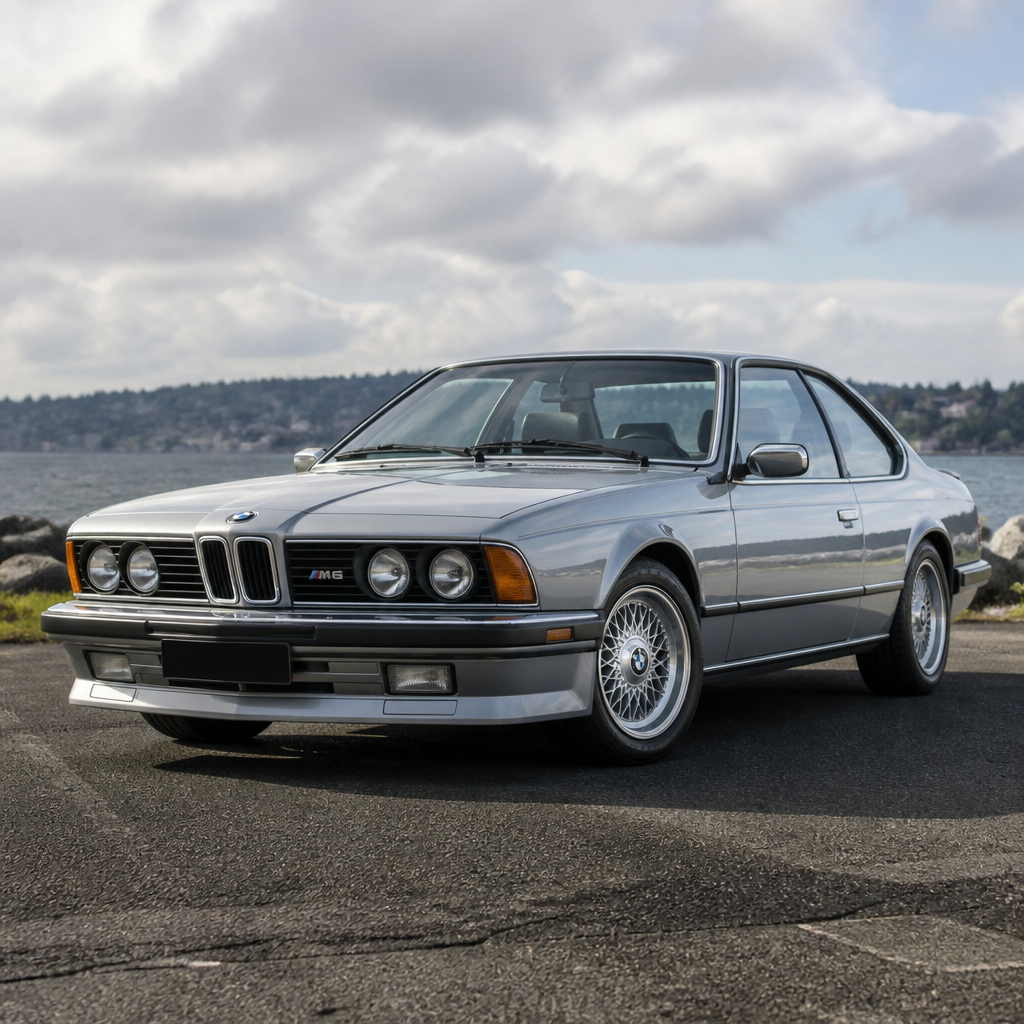
Europe produced many of the clearest examples of future collectible potential hiding in plain sight. The BMW E24 6 Series, particularly later 635CSi cars with a manual transmission, remains more attainable than an E9 coupe or M635CSi, yet it offers shark-nose styling, long-distance grand touring ability, and strong club support. The Mercedes-Benz R107 SL spent years dismissed as plentiful and soft, but clean late-production cars, especially V8 examples with documented maintenance, increasingly attract buyers who want timeless design and dependable mechanicals. Values have firmed because these cars are enjoyable at modern road speeds and benefit from excellent parts availability.
The Alfa Romeo GTV6 is another standout. Its Busso V6, rear transaxle layout, and competition pedigree give it a richer story than its price historically suggested. Rust and deferred maintenance reduced the number of worthy survivors, which is exactly the kind of attrition that changes markets. I have watched collectors pass over GTV6s for years while chasing more obvious Alfas, then return once they realize how special the driving experience is. Similar logic applies to the Porsche 944S2 and 968. For a long time, they lived in the shadow of the 911, but balanced handling, transaxle engineering, and practical usability now make them compelling entry points into the Porsche world.
Even within British classics, there are undervalued niches. The Jaguar XJS, especially the facelift coupes and convertibles from the late 1980s and 1990s, spent decades escaping respect because they followed the E-Type and were burdened by reliability myths. In reality, a sorted six-cylinder or V12 XJS can be a refined collectible with unmistakable presence. The key is buying a car with cooling, fuel, and electrical systems already addressed. As younger collectors embrace 1980s and 1990s design, the XJS looks less like an awkward successor and more like a distinct grand tourer from Jaguar’s last truly analog era.
Japanese Classics Moving from Enthusiast Secret to Collector Asset
No segment has changed faster than Japanese classics, but there are still overlooked models with room to rise. The first is the Mazda RX-7 FC. The FD gets most of the attention, and the first-generation SA/FB has early-classic charm, leaving the FC underappreciated despite its balanced chassis, turbocharged variants, and direct connection to late-1980s tuning culture. Original, unmodified cars are getting hard to find because so many were altered for drifting or street performance. Scarcity of stock examples is often the first signal that a model is transitioning from used enthusiast car to collectible.
The third-generation Honda Prelude is another smart watchlist car. Four-wheel steering, clean styling, and Honda’s reputation for engineering precision give it all the ingredients of a future collectible, yet values have remained modest. The same goes for the Acura Legend coupe and the Lexus SC300 and SC400. These cars represent the period when Japanese brands proved they could build world-class luxury coupes with durability and distinctive design. Because they were often daily driven, excellent surviving examples are limited. Once buyers begin prioritizing originality over modification, the best cars tend to separate from the rest very quickly.
Nissan’s Z32 300ZX, particularly twin-turbo manual examples, has already started climbing, but naturally aspirated manuals and well-kept 2+2 cars still offer relative value. The Mitsubishi 3000GT VR-4 and Dodge Stealth R/T Twin Turbo remain more affordable than comparable performance icons despite all-wheel drive, active aero on some years, and serious period technology. These cars do carry higher maintenance complexity, which is why service records are essential. Complexity does not prevent collectibility; it simply makes the market reward sorted cars more aggressively. That same dynamic is visible with the Toyota Supra Mk3 turbo and the second-generation Mazda Cosmo in import circles.
American Models Beyond the Usual Muscle Car Shortlist
When many buyers think of collectible American classics, they jump straight to big-block muscle cars from the late 1960s. That part of the market is well established, which is exactly why underrated opportunities often sit elsewhere. The 1989-1997 Ford Thunderbird Super Coupe is a prime example. Supercharged V6 power, independent rear suspension, and significant period engineering investment gave it performance credibility, but the car never achieved the collector recognition of a Fox-body Mustang. Clean, low-mileage Super Coupes are now difficult to source, and that mismatch between historical importance and current pricing makes them worth studying.
The Chevrolet Impala SS from 1994 to 1996 is no longer a secret, but it still offers value compared with flashier contemporaries. Its LT1 V8, body-on-frame layout, and menacing monochrome styling make it a landmark in 1990s American performance sedans. The Buick Roadmaster Estate and Caprice 9C1 share parts of that story and appeal to collectors who appreciate practical analog Americana. Another overlooked niche is the 1978-1987 Chevrolet El Camino SS and GMC Caballero in top specifications. Utility-based classics often lag behind coupes at first, then gain momentum as collectors seek usable vehicles with strong cultural identity.
Do not ignore 1980s and 1990s domestic coupes. The Buick Reatta, Chrysler TC by Maserati, and Mark VII LSC all have limitations, but each represents a specific moment in American product strategy and design. Of these, the Lincoln Mark VII LSC stands out most. It combines Fox-platform serviceability, V8 power, and a clean aerodynamic profile that increasingly resonates with Radwood-era buyers. Collectibility does not always come from outright performance. Sometimes it comes from being the best-preserved example of a disappearing automotive idea, such as a two-door personal luxury coupe built before touchscreens and generic crossover design homogenized the market.
How to Evaluate the Right Car Before Prices Move
Choosing the right underrated classic requires more discipline than chasing a famous car with an established price guide. Start with three filters: condition, originality, and support. Condition includes structural rust, accident history, interior preservation, and mechanical health. On many future collectibles, rust is still the deal-breaker because body panels and trim can be harder to source than engines or consumables. Originality covers paint, upholstery, driveline specification, wheels, and modifications. Support means clubs, specialist workshops, reproduction parts, and technical documentation. A rare car without support can become an expensive ornament rather than a satisfying collectible.
| Evaluation Factor | What to Check | Why It Matters |
|---|---|---|
| Body and structure | Rust points, panel gaps, underbody repairs, glass dates | Structural work is usually the costliest correction and can erase upside |
| Originality | Factory engine, transmission, trim, wheels, radio, colors | Collectors pay premiums for authentic, unmodified examples |
| Documentation | Service history, ownership chain, manuals, option codes | Paperwork reduces buyer risk and supports future resale |
| Parts and specialist support | Club network, aftermarket supply, known experts | Strong support makes ownership practical and protects long-term value |
Market timing matters, but it should be a secondary consideration after buying the best example you can afford. Auction databases, insurer valuation tools, marque forums, and parts availability trends often reveal movement before headline prices do. When specific trim pieces begin reproducing, when specialist restorers add a model to their services, or when major concours and enthusiast media feature a once-ignored car, demand usually broadens. If you are using this hub to plan your next step, move next into model-specific research by brand, production year, and drivetrain. Then inspect multiple cars in person. In the underrated classics market, knowledge creates value before the wider market notices.
Underrated classic cars that are future collectibles reward patience, homework, and selective buying. The best candidates are not random old cars. They are models with real engineering merit, clear historical context, shrinking supply of good survivors, and an ownership experience that still works in the present day. European grand tourers, Japanese analog performance cars, and overlooked American specialty models all offer strong examples, especially when bought in original specification with records and minimal corrosion. As the collector market becomes more educated, these fundamentals matter more than hype, and they usually determine which cars graduate from enthusiast favorites to recognized assets.
The central advantage of focusing on underrated classics is simple: you can often buy authenticity, usability, and significance before mainstream prices arrive. That gives you room to enjoy the car instead of treating it like a fragile financial instrument. Start with the segments outlined here, then narrow your search by brand, generation, and condition level. Prioritize the best documented example, join the relevant owner community, and learn the model’s weak points before money changes hands. If you are building a collection under the broader classic car models and brands theme, use this hub as your roadmap and continue into deeper model guides to identify the right future collectible now.
Frequently Asked Questions
What makes an underrated classic car a likely future collectible?
An underrated classic car usually has a combination of qualities that the broader market has not fully priced in yet. The biggest signals are strong original design, meaningful engineering, limited production or low survival rates, enthusiast support, and some level of cultural or motorsport relevance. In many cases, these cars were overshadowed when new by more famous rivals, produced during an era that collectors ignored for years, or offered in trims and body styles that only later became appreciated. That creates the gap between present value and future desirability.
Condition and originality also matter. A car that still has its factory drivetrain, correct interior, and hard-to-find trim pieces will almost always attract more serious attention than one that has been heavily modified or poorly restored. Another important factor is usability. Collectors increasingly want classics they can actually drive, maintain, and enjoy without extraordinary effort. Cars with good parts availability, straightforward mechanicals, and comfortable road manners tend to gain momentum because they appeal to both hobbyists and newer buyers entering the market. In short, future collectibles are rarely random picks; they are usually cars with a real story, a real following, and a market that simply has not caught up yet.
Which types of classic cars are most often overlooked before their values rise?
The market often overlooks cars that sit in the shadow of a more iconic model. A perfect example is the less-publicized sibling in a famous performance family, such as a lower-production coupe, a special engine option, or a final-year version with meaningful upgrades. Enthusiasts eventually begin to notice that these cars offer much of the same character as their celebrated counterparts, but at a lower entry price and with greater rarity. Once awareness spreads, values can move quickly.
Luxury coupes, sport sedans, and analog-era grand tourers are also common candidates. For years, collectors focused heavily on muscle cars, early sports cars, and highly visible halo models, leaving many 1970s, 1980s, and 1990s cars underappreciated. That is changing as buyers develop nostalgia for the vehicles they grew up with and begin valuing analog driving feel, distinctive styling, and old-school engineering. Limited-edition trims, manual-transmission examples, homologation-inspired models, and cars from brands with strong heritage but temporary market weakness are especially worth watching. These segments tend to stay under the radar until buyers realize that surviving clean examples are far scarcer than production totals suggest.
How can buyers identify a classic car with appreciation potential without overpaying?
The smartest approach is to study the market beyond headline auction results. Look at private-sale trends, enthusiast forum discussions, restoration costs, club activity, and parts support. A car with appreciation potential usually shows rising enthusiast interest before it shows dramatic price increases. If owners are preserving them instead of parting them out, if specialists are reproducing previously unavailable components, and if strong examples start selling faster than average ones, those are good signs that the market is strengthening.
Buyers should also focus on buying the best example they can afford rather than the cheapest entry point. A bargain-priced car can become very expensive if it needs rust repair, missing trim, interior work, or model-specific mechanical parts. Documentation is critical as well. Service records, original manuals, window stickers, matching numbers, and known ownership history all improve collectibility and reduce risk. Before purchasing, compare several examples, confirm originality, inspect known weak points, and understand what separates a desirable specification from an ordinary one. Overpaying usually happens when emotion outruns research. If you know the car’s production details, common issues, and current demand drivers, you are much more likely to buy intelligently and leave room for future upside.
Is originality more important than restoration when it comes to future collectible value?
In most cases, originality carries enormous weight, especially for cars that are only beginning to gain recognition. Collectors want authenticity because it confirms what the car really is and how it survived. Factory paint, original upholstery, correct engine components, and period-correct finishes can make a car especially appealing, even if it shows some age. That does not mean every future collectible must be untouched, but it does mean that preserving original features is often better than replacing them unnecessarily. Once original details are lost, they can be difficult or impossible to recreate accurately.
That said, quality restoration still matters, particularly when a car cannot be preserved as-is. A well-restored example that follows factory specifications will usually outperform a poorly preserved car with major cosmetic and mechanical neglect. The key is correctness. Restorations that use non-original colors, modernized interiors, incorrect wheels, or performance modifications may reduce appeal to serious collectors, even if they make the car more enjoyable for some owners. For future collectible potential, the sweet spot is often a highly original car with strong documentation or a carefully restored example that respects the car’s original character. Buyers should think like future stewards, not just current drivers.
What should owners do now to protect the long-term collectible potential of an underrated classic car?
First, preserve the car’s originality wherever possible. Keep take-off parts if any maintenance or repairs require replacement, avoid irreversible modifications, and document everything. Even routine service becomes more valuable when there is a clear paper trail showing dates, mileage, parts used, and the names of reputable shops involved. Good records build confidence and can significantly improve value later. Storage matters too. Keeping the car clean, dry, exercised regularly, and protected from rust is one of the best long-term investments an owner can make.
Second, maintain the car with an eye toward authenticity and reliability. Future buyers want classics that start, run, and drive properly without losing their original identity. Use correct parts when feasible, address common problem areas before they become major repairs, and stay connected with owner communities that understand model-specific issues. It also helps to retain original books, tools, spare keys, dealer literature, and any historical photos or ownership documents. As underrated classics begin to transition into recognized collectibles, the market often rewards examples that are complete, honest, and carefully cared for. Ownership discipline today can be the difference between an ordinary old car and a standout future collectible.