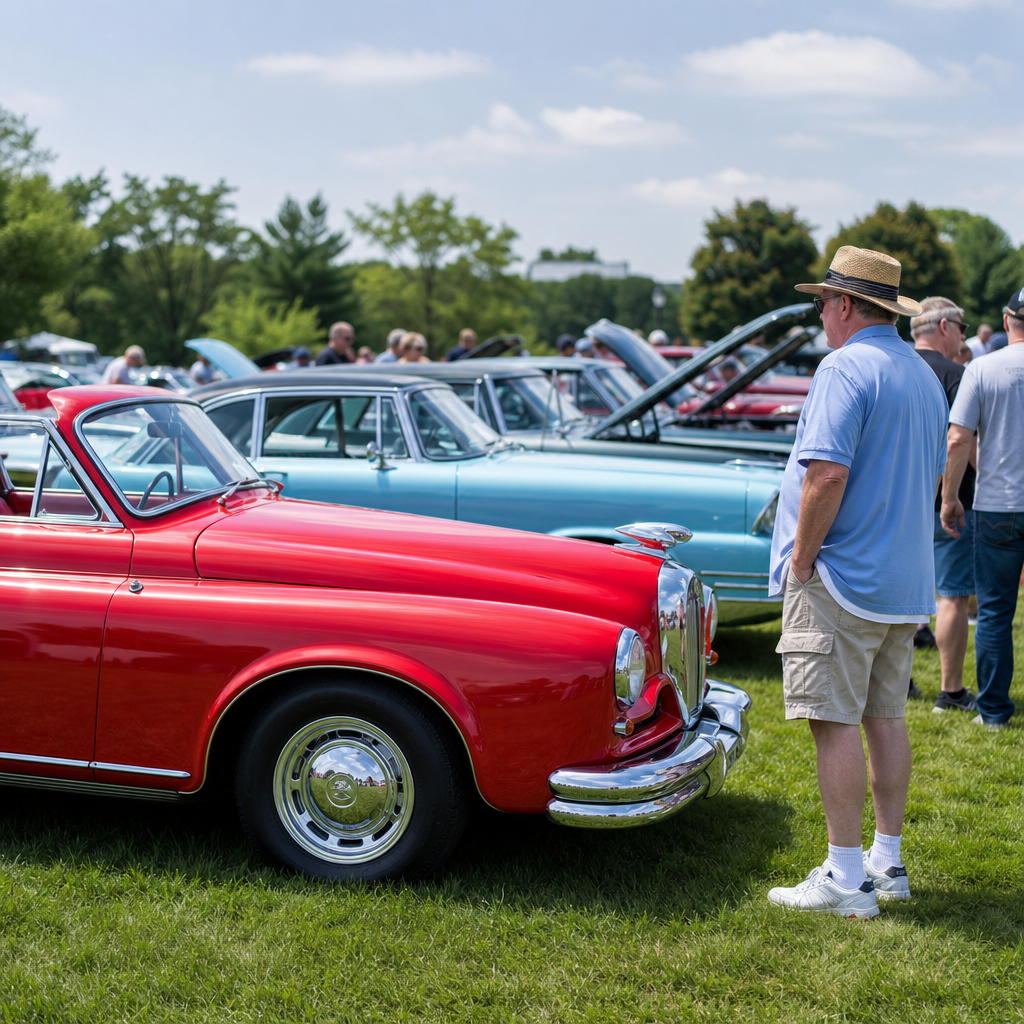
Starting your own classic car club is one of the most effective ways to turn individual enthusiasm into a durable community built around restoration, driving, history, and shared ownership experience. A classic car club is an organized group of people who gather around vintage, antique, collector, or special-interest vehicles, usually to exchange technical knowledge, host events, preserve automotive heritage, and create social connections that extend beyond the garage. In practice, clubs vary widely: some focus on a single marque such as Ford Mustang or Jaguar, some center on an era like prewar cars or 1980s imports, and others unite local enthusiasts across many makes and models. I have helped organize automotive communities from informal weekend meetups into structured membership groups, and the difference between a club that lasts five months and one that lasts fifteen years nearly always comes down to purpose, governance, and consistency. This matters because classic car ownership is becoming more complex. Parts sourcing is harder, younger buyers are entering the hobby through different vehicle categories, insurance expectations are stricter, and event planning now requires digital communication as much as parking lot charisma. A well-run classic car club solves practical problems while creating a sense of belonging. It gives members a trusted place to learn, show cars, find mechanics, discover events, and protect the legacy of vehicles that might otherwise disappear from public roads.
For readers exploring classic car clubs as a serious project, the first question is simple: what does a successful club actually do? At minimum, it gives members regular reasons to participate. That can include monthly meets, technical workshops, scenic drives, swap meets, show-and-shine events, charity fundraisers, judging clinics, or restoration support. Strong clubs also create an identity through a name, mission, and membership standards. If your goal is to build the hub of a local classic car community, your club should be broad enough to attract participation but focused enough that people immediately understand why it exists. The rest of this guide explains how to choose a club model, define leadership, handle legal and financial basics, recruit the right members, plan events, and build a durable culture that keeps people engaged. Whether you want to launch a neighborhood cruise-night group or a regional organization with sponsors and annual shows, these fundamentals will help you start your own classic car club on stable footing.
Define the club’s purpose, audience, and identity
The first operational decision is not the logo, the social account, or even the first event. It is the scope of the club. If you cannot explain in one sentence who the club is for and why it exists, recruiting will be difficult and meetings will become unfocused. Start by deciding whether your club is marque-specific, era-specific, body-style-specific, or geographically inclusive. A marque club, such as one for air-cooled Volkswagen owners, makes technical discussions easier and often attracts committed restorers. A broad local club can grow faster because it welcomes owners of American muscle, British roadsters, Japanese classics, trucks, and survivor cars in one place. Neither model is automatically better. The right choice depends on the size of your local market and the depth of interest around a given segment.
Define what counts as a classic car for your club. Insurance companies, DMVs, and auction houses use different age thresholds, often ranging from twenty to thirty years, while hobbyists may treat rarity or cultural significance as equally important. Be explicit. A practical policy might say the club welcomes vehicles twenty-five years and older, plus limited production enthusiast models with historical significance. That approach allows inclusion of cars like a 1994 Supra or 2002 Corvette Z06 without opening the door to every aging commuter car. Clear standards reduce arguments and protect the club’s identity.
Your identity should also reflect culture, not just eligibility. Some clubs are restoration-first, emphasizing originality, factory documentation, and concours standards. Others are driver-focused, favoring road trips, reliability upgrades, and broad accessibility. I have seen clubs fracture when one faction wanted polished trailer queens and another wanted patina-rich drivers with modern brakes and electronic ignition. Set expectations early. A simple mission statement works: preserve, drive, and celebrate classic vehicles through education, events, and fellowship. That sentence gives members a shared understanding and helps future leaders make consistent decisions.
Build a practical structure that people can trust
Enthusiasm starts clubs, but structure keeps them alive. Even a small classic car club should name at least three leadership roles: president or coordinator, treasurer, and events lead. In many successful groups, a membership secretary or communications officer quickly becomes necessary as well. The president keeps meetings moving, resolves disputes, and represents the club publicly. The treasurer handles dues, receipts, bank records, and event budgets. The events lead manages calendars, venue contacts, permits, convoy routes, and weather contingencies. Written role descriptions prevent burnout because volunteers understand the workload before accepting it.
Bylaws sound formal, but they are simply the rules that stop future confusion. Include membership eligibility, dues, voting rights, officer terms, meeting frequency, spending approval limits, and removal procedures for misconduct. Keep the document readable. Most club disputes involve money, leadership succession, or behavioral issues at events, so those sections deserve precision. If a member acts recklessly during a cruise, harasses other attendees, or repeatedly ignores event safety rules, leadership should already know what disciplinary steps are allowed. Clubs that avoid writing rules usually end up enforcing unwritten ones unevenly, which creates resentment.
If you expect to collect dues, sell merchandise, or host public events, open a dedicated bank account rather than using a personal account. In the United States, many clubs form a nonprofit association or incorporate as a nonprofit corporation under state law, then obtain an EIN from the IRS for banking and tax administration. Local requirements vary, so check state agency guidance and, if needed, ask a small-business attorney or accountant familiar with member organizations. A formal legal structure is not mandatory for every small group, but if your club is handling money, signing venue contracts, or buying event insurance, legal separation is smart risk management.
| Club Setup Area | Minimum Standard | Why It Matters |
|---|---|---|
| Mission | One-sentence purpose and vehicle eligibility | Improves recruiting and reduces identity disputes |
| Leadership | President, treasurer, events lead | Spreads workload and creates accountability |
| Rules | Simple bylaws with dues and conduct policies | Prevents conflict and uneven decision-making |
| Finance | Separate bank account and documented approvals | Protects trust and simplifies reporting |
| Risk | Insurance review for public events | Limits liability exposure |
Handle dues, insurance, and legal basics correctly
Money is where many classic car clubs either become sustainable or start losing trust. Dues should match the club’s actual operating needs. For a small local club, annual dues might cover website hosting, name badges, meetup materials, event deposits, and a reserve fund for rainouts or permit changes. Charging too little forces leaders to subsidize the organization personally. Charging too much without visible value leads to attrition. Start with a lean budget and explain it clearly. Members are usually supportive when they understand where the money goes.
Insurance deserves special attention. If your club only meets informally at a coffee shop, your exposure may be limited, but the moment you organize a judged show, public cruise, parade participation, or charity event, liability risk increases. Venues often require a certificate of insurance naming them as additionally insured. Specialty event insurance providers can cover general liability, and some clubs also carry directors and officers coverage if they are incorporated. Do not assume a member’s collector car policy covers club-organized incidents. Policies from companies such as Hagerty, Grundy, or American Collectors often focus on vehicle use and agreed value, not organizational liability for a public event.
Also consider permits, waivers, and safety protocols. A city-sponsored downtown show may need municipal approval, traffic control coordination, and fire lane compliance. A scenic drive should have a route sheet, emergency contact numbers, and clear language that each driver is responsible for obeying traffic laws. If minors attend, define supervision expectations. If alcohol is present at social events, separate it from driving activities. These are not bureaucratic details; they are the foundation of a club that can grow without exposing volunteers or members to avoidable problems.
Recruit members and create a reliable communication system
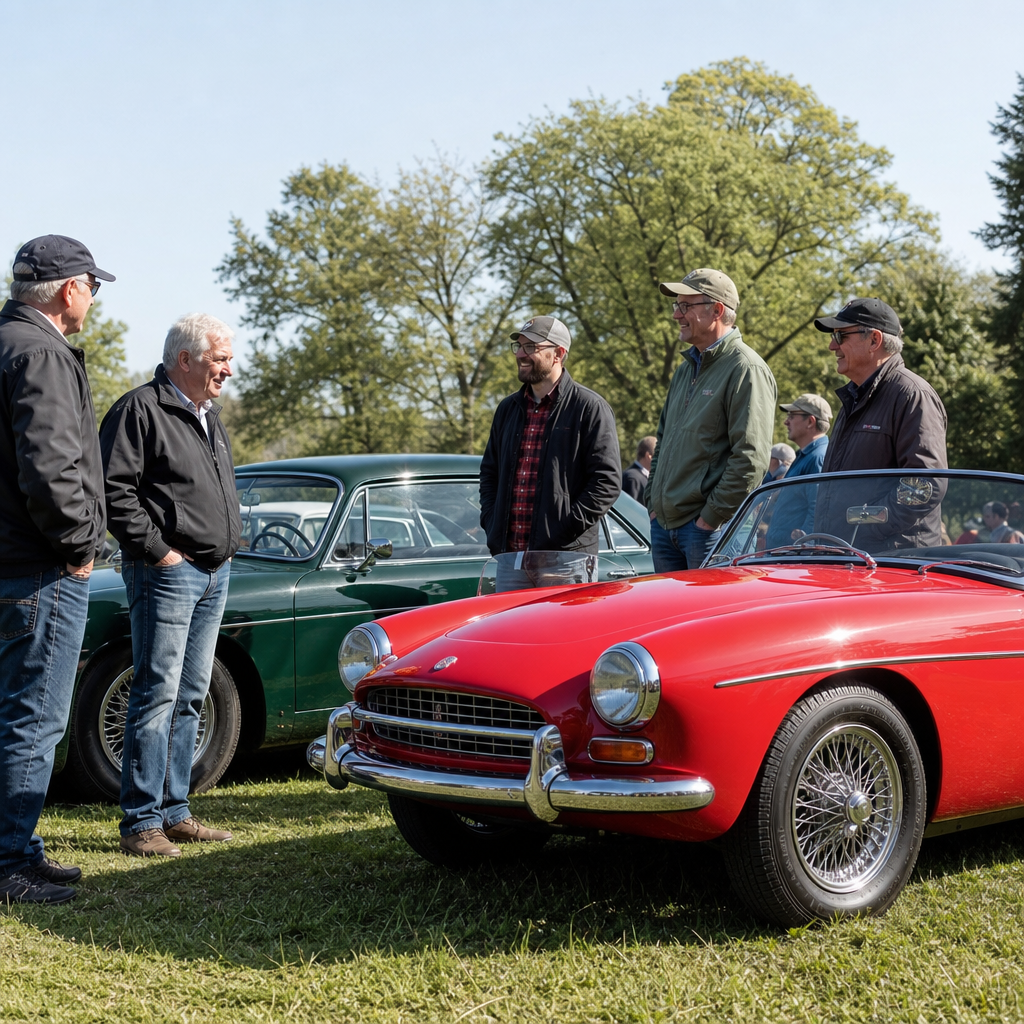
The best way to recruit members for a classic car club is to start with people who already show up somewhere. Cars and coffee events, local cruise nights, swap meets, restoration shops, parts stores, museums, and marque-specific forums are productive channels because they contain self-selected enthusiasts. When I have helped launch groups, the highest-converting tactic was always direct conversation beside the car itself. Ask owners what they drive, what projects they are tackling, and what events they wish existed locally. Their answers reveal demand. If five owners complain there is no organized Sunday drive or no local source of technical workshops, you have found your opening.
Digital presence still matters. Create a simple website or landing page with the club’s purpose, eligibility, dues, event calendar, and contact information. Pair that with one primary communication platform. Many clubs fail because they scatter updates across Facebook, email, text threads, and messaging apps until nobody knows where official information lives. Choose a hierarchy: website for permanent information, email newsletter for official notices, and one social platform for discovery and engagement. Facebook Groups remain common for older demographics, while Instagram helps showcase cars and attract younger members. Meetup, Eventbrite, and local calendar listings can expand reach for public gatherings.
Use communication to create trust, not noise. Publish dates early, send reminders, and follow up with photos and results. If a drive route changes because of road construction, communicate once clearly with a map and check-in time. If a meet is cancelled for weather, say so decisively. Members judge professionalism by small signals: start times, parking instructions, RSVP systems, and whether someone actually answers questions. Consistency builds credibility faster than elaborate branding.
Plan events that balance show value, participation, and safety
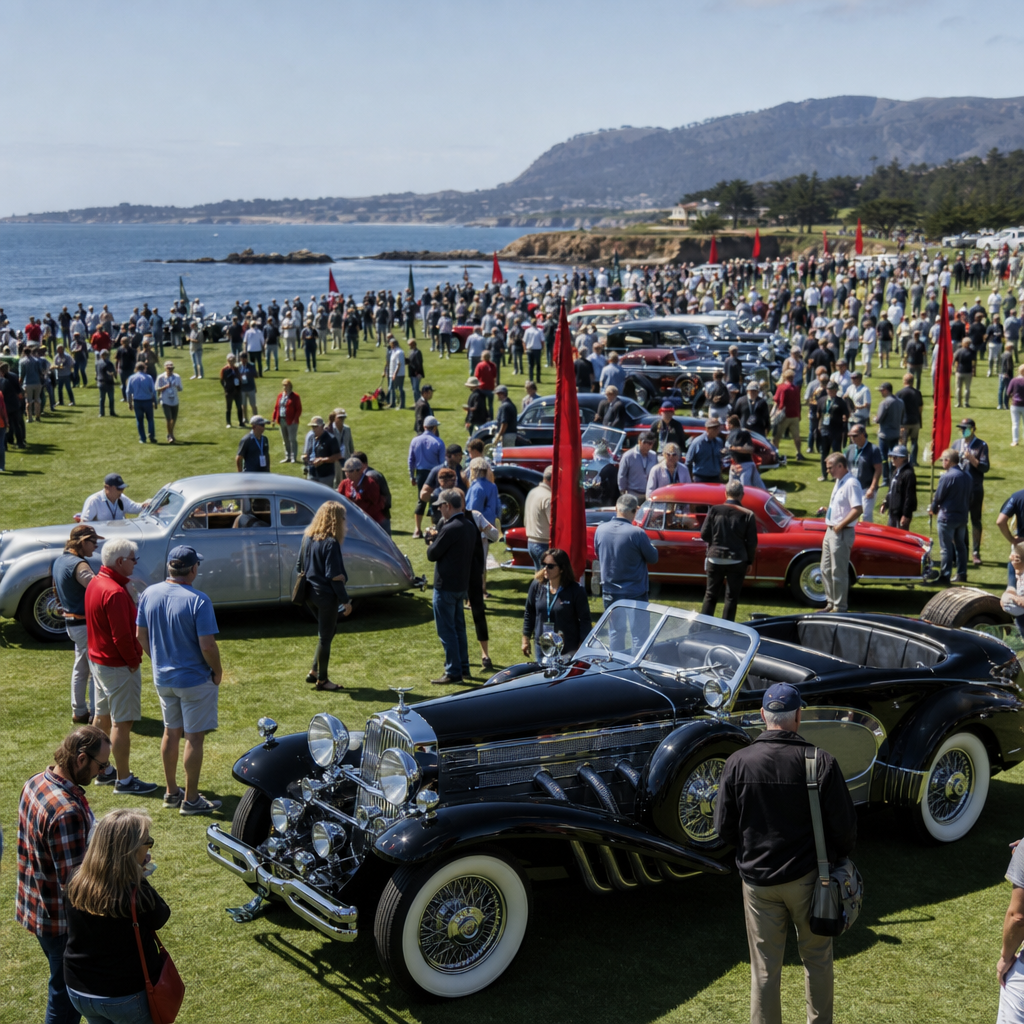
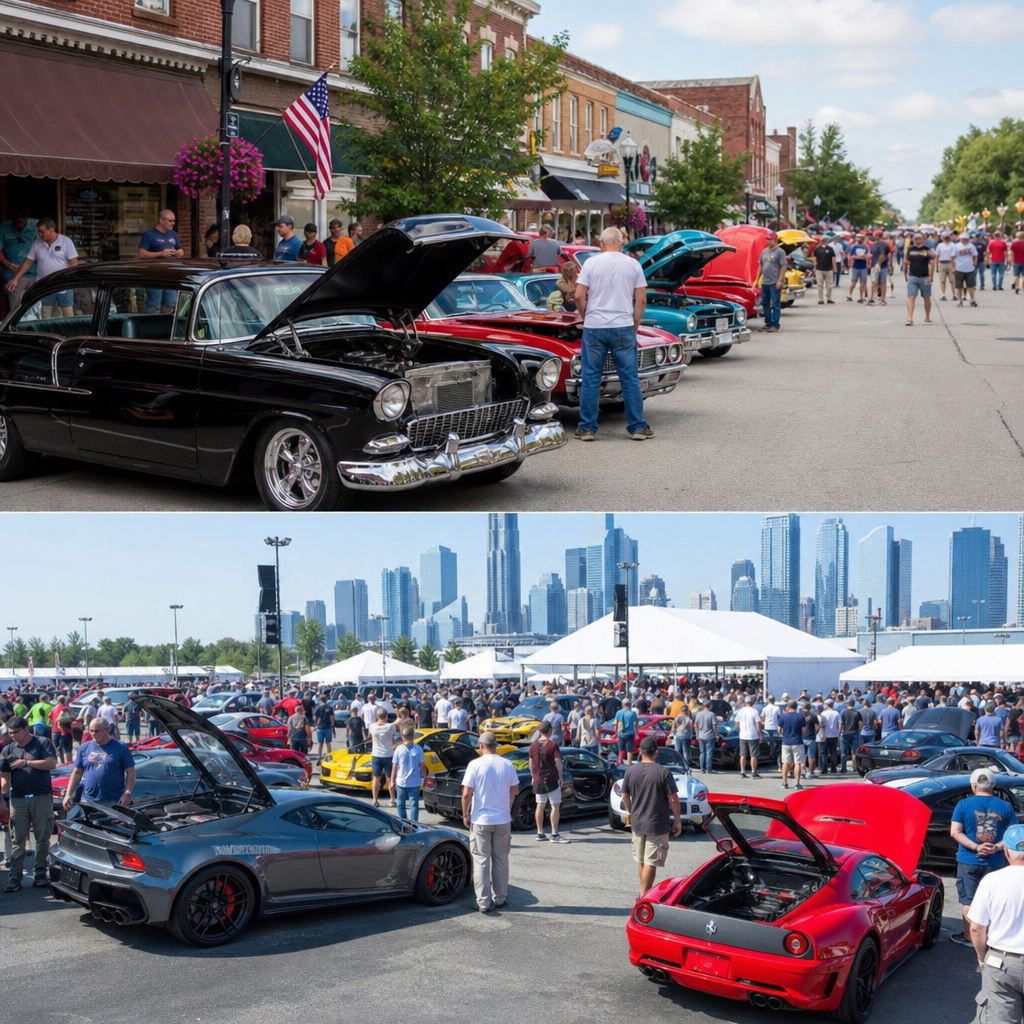
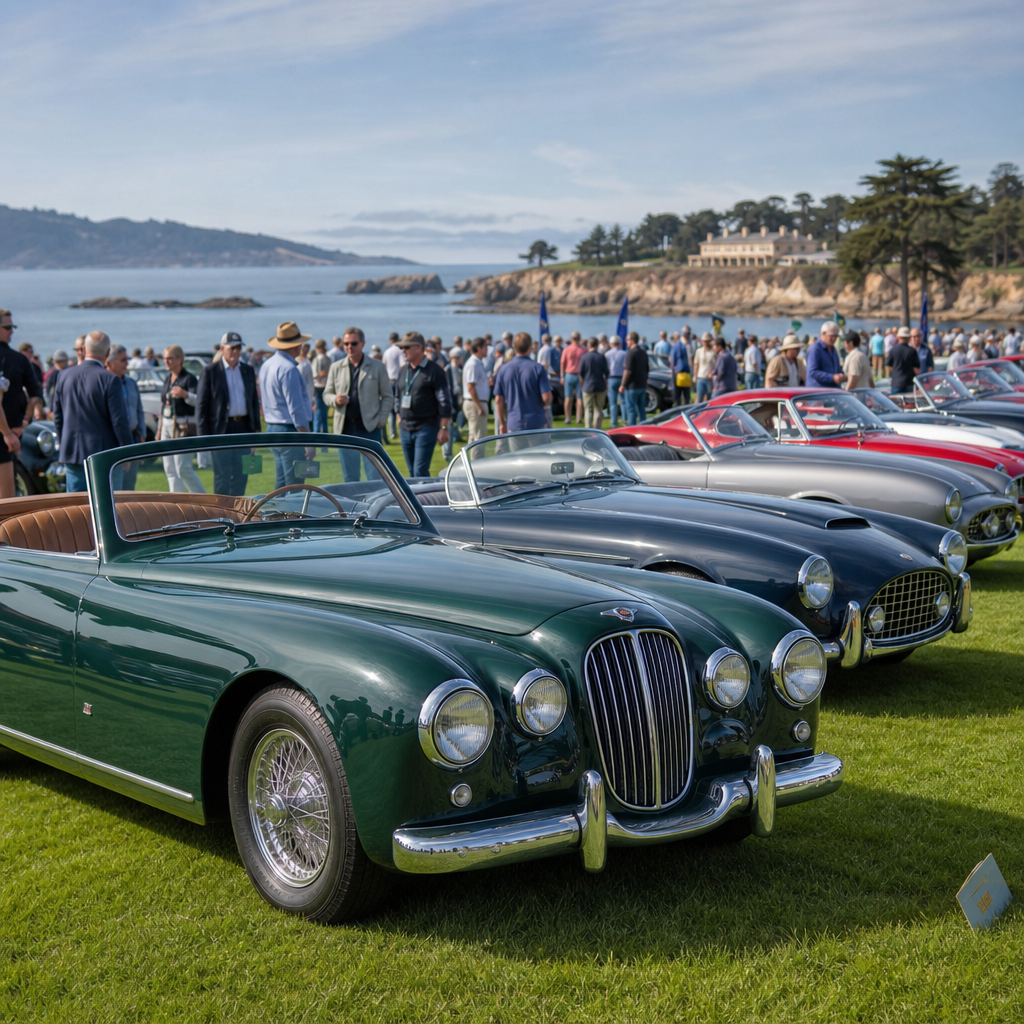
Events are the product your club delivers, so variety matters. A healthy calendar usually mixes low-effort recurring meets with a few higher-effort signature events. Monthly breakfast meets are easy to maintain and give new members a low-pressure entry point. Technical sessions at a member’s garage or partner restoration shop create practical value. Seasonal drives, museum visits, and concours-style shows add excitement and public visibility. Charity events can strengthen community relationships, especially when tied to veterans groups, youth trade programs, or local hospitals.
Different event formats serve different member types. Owners of partially restored projects may hesitate to attend judged shows but enjoy workshop days. Families may prefer picnic-style gatherings over parking lot meets. Serious restorers appreciate documentation talks covering trim tags, build sheets, paint codes, and originality standards from organizations such as the Antique Automobile Club of America. Driver-focused members may care more about route planning, fuel stops, and brake fade on hilly roads. Build your calendar with these motivations in mind instead of assuming one event style fits everyone.
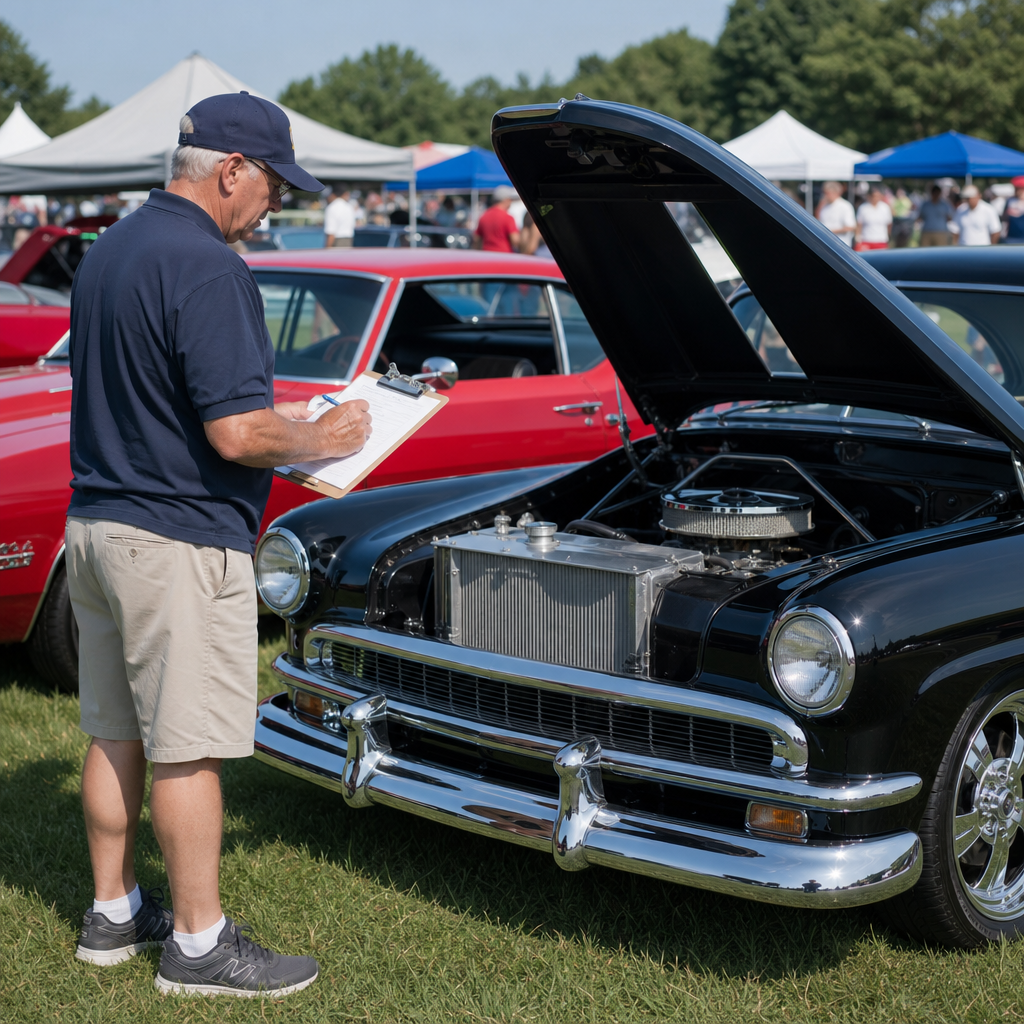
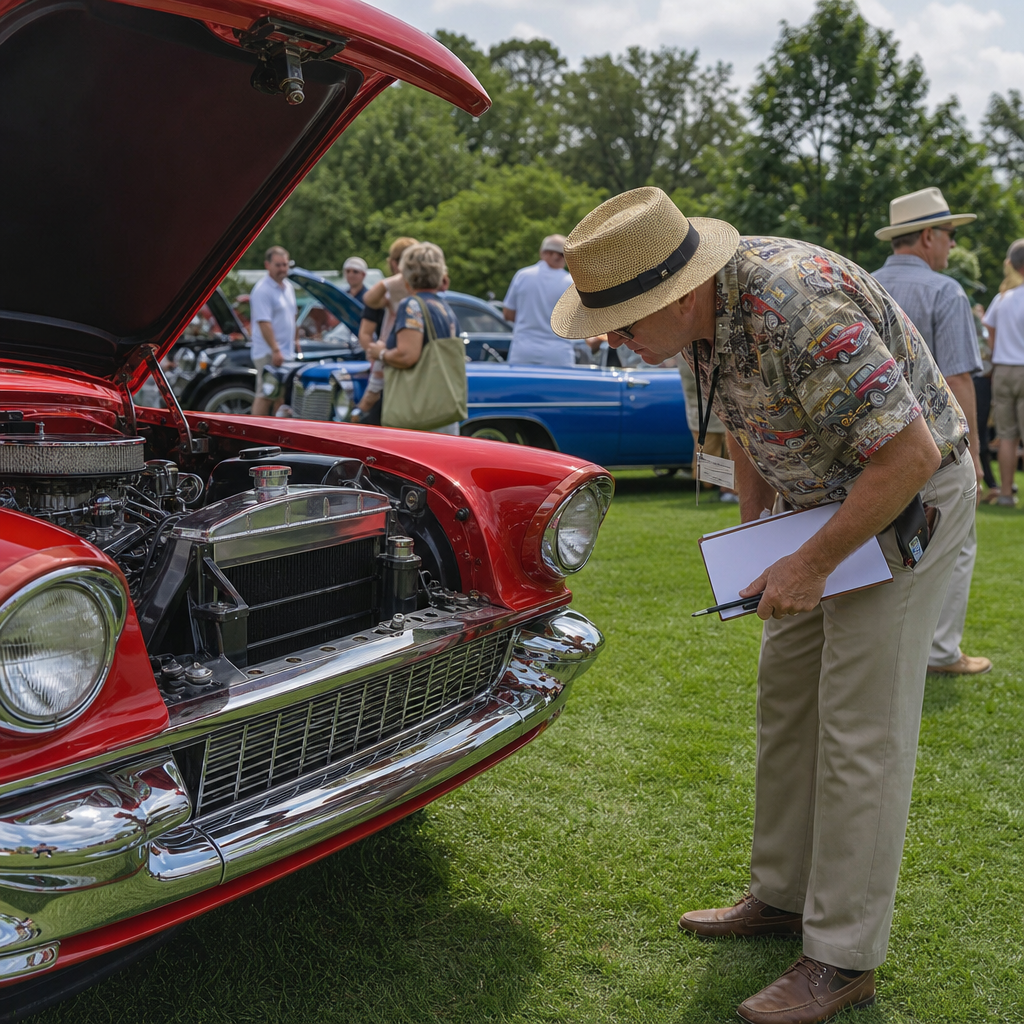
Operationally, successful events are specific. Pick venues with accessible ingress and egress, shade where possible, restroom access, and enough room for late arrivals. For drives, avoid overly complex starts and distribute printed or digital route instructions because older cars can overheat while idling in confusion. For judged shows, define classes in advance, publish check-in times, train judges, and separate participant parking from spectator flow. For all events, designate volunteers for arrival management, registration, photography, and incident response. The more predictable the event feels, the more likely members are to return and invite others.
Create partnerships, content, and a culture that lasts
The strongest classic car clubs do more than host meets; they become local infrastructure for the hobby. Partnerships accelerate that shift. Independent restoration shops can host tech nights. Upholstery specialists can explain material choices between factory-correct vinyl, mohair, and modern substitutes. Paint suppliers can discuss single-stage versus basecoat-clearcoat tradeoffs on period-correct finishes. Museums, fairgrounds, schools with automotive programs, and local businesses can provide venues, sponsorships, or cross-promotion. Sponsorship does not need to be flashy. A tire shop offering discounted balancing for members or a diner reserving prime parking can make a measurable difference.
Content is another retention tool. Publish member spotlights, restoration case studies, maintenance checklists, event recaps, and buyer’s guides for vehicles common in your community. Hub pages and related articles can connect topics such as club bylaws, event insurance, judging standards, first classic car purchases, and how to store a collector vehicle. This makes your club useful even between events. It also helps newcomers answer practical questions quickly: How old does a car need to be to join? Are modified cars welcome? Do I need a show-ready vehicle? Can I attend before paying dues? A club that answers these questions clearly grows faster because uncertainty is the main barrier for first-time participants.
Culture is what members remember after the trophies are packed away. Make the club welcoming to owners of imperfect cars, younger enthusiasts, and people still learning. That does not mean lowering standards; it means separating standards from snobbery. Celebrate knowledge-sharing. Pair experienced restorers with first-time owners. Recognize volunteer effort, not just shiny paint. Rotate leadership before burnout sets in. Review what worked after each event and fix recurring friction points. If you do those things, your classic car club stops being a monthly appointment and becomes a durable part of local classic car culture.
Starting your own classic car club is ultimately an exercise in community design. The cars draw people in, but purpose, structure, and consistency keep them together. Define a clear identity, write simple rules, handle money transparently, and take insurance and event logistics seriously. Recruit where enthusiasts already gather, then communicate through one reliable system. Build an event calendar that serves restorers, drivers, families, and newcomers alike. Finally, invest in partnerships and educational content so the club remains valuable between meet dates.
If you approach classic car clubs this way, you create more than a social group. You create a trusted hub where members can preserve history, solve ownership problems, and enjoy the hobby with people who understand it. Start small if needed, but start deliberately. Choose your mission, schedule the first meet, and invite the owners who have been waiting for someone to organize the community properly.
Frequently Asked Questions
What is the first step in starting your own classic car club?
The first step is to define the club’s purpose with absolute clarity. Before you invite members, create a simple but specific vision for what the club is meant to be. Some classic car clubs focus on one make or model, such as Mustangs, Corvettes, or vintage Volkswagens. Others are broader and welcome antique cars, muscle cars, hot rods, European classics, trucks, or any vehicle with historical or collector interest. You should also decide whether the club will emphasize restoration support, weekend drives, concours presentation, education, preservation, family-friendly social events, or community service. A strong mission helps potential members understand exactly why they should join and what they can expect.
Once that purpose is established, identify a small founding group of reliable enthusiasts who share the same outlook. Starting with three to ten committed people is often enough. These early members help shape the club’s culture, suggest event ideas, and provide credibility when recruiting others. At this stage, it is useful to choose a club name, draft a short mission statement, and outline basic expectations for membership. You do not need a complicated structure immediately, but you do need enough direction to show that the club is organized, welcoming, and built to last. In practical terms, the best first step is not simply “finding people with old cars,” but creating a clear identity that gives those people a reason to gather under one banner.
How many members do you need to form a successful classic car club?
You do not need a large membership to start a successful club. In fact, many strong and long-lasting clubs begin with a very small group of dedicated people. A club with five to fifteen active members can be far more effective than a club with fifty names on paper and little real participation. What matters most in the early stage is consistency, enthusiasm, and a willingness to help organize meetings, drives, and communication. A small core group can create momentum, establish traditions, and attract new members naturally over time.
Success in a classic car club should not be measured only by size. A successful club has regular attendance, clear communication, enjoyable events, and members who feel welcome and involved. If your club can hold dependable monthly meetings, organize local cruises or cars-and-coffee gatherings, share restoration advice, and maintain a friendly atmosphere, then it is already functioning successfully. As the group grows, you can expand its structure with officers, committees, dues, and a calendar of larger events. In most cases, it is better to grow steadily and deliberately than to recruit aggressively before the club has a clear rhythm. A manageable, engaged membership base is usually the foundation of a durable and respected organization.
Do you need rules, bylaws, or membership dues for a classic car club?
Yes, even a casual classic car club benefits from some basic rules and organizational structure. You do not need to make the club overly formal at the beginning, but written guidelines prevent confusion and help the group operate smoothly. Bylaws or club rules can cover membership eligibility, officer roles, voting procedures, meeting frequency, event expectations, code of conduct, and how decisions are made. If the club handles money, these rules become even more important because members need transparency and confidence in how funds are collected and used. Good bylaws are not about bureaucracy; they are about protecting the club’s stability and making sure everyone understands how it functions.
Membership dues are often a practical idea, though not every club needs them immediately. Dues can help pay for meeting space, website hosting, printed materials, club merchandise, insurance, event permits, or awards for shows and competitions. If you do collect dues, keep the amount reasonable and explain clearly what the money supports. Many clubs start with low annual dues and increase them only if the event calendar or administrative needs expand. The key is to match the level of formality to the club’s goals. A small social driving group may need only simple guidelines and minimal dues, while a larger organization hosting public events will usually require more detailed bylaws, a treasurer, and a clear financial process.
What kinds of events should a new classic car club organize?
A new classic car club should begin with events that are easy to manage, enjoyable for members, and aligned with the club’s identity. Monthly meetups are usually the best place to start. These can take place at a diner, coffee shop, community center, garage, or parking lot that welcomes collector vehicles. Informal gatherings give members a chance to get to know one another, compare cars, exchange restoration advice, and discuss future plans. From there, the club can add short scenic drives, weekend cruises, tech sessions, garage tours, and attendance at existing local car shows. These activities build camaraderie without creating too much logistical pressure on a new organization.
As the club matures, it can branch into more specialized events such as judged shows, swap meets, educational workshops, charity fundraisers, historical presentations, and family picnics. Some of the most effective clubs balance technical and social programming so that owners, spouses, families, and even people without finished vehicles still feel included. That balance matters because not every member is at the same stage of ownership. Some are active restorers, some are collectors, some are first-time buyers, and some simply love automotive history. The best event strategy is to create a calendar with enough variety to keep interest high while remaining realistic about volunteer capacity. A club that consistently delivers well-run, welcoming events will build a strong reputation very quickly.
How do you attract and keep members in a classic car club over the long term?
Attracting members starts with visibility and a clear value proposition. People join classic car clubs because they want connection, knowledge, access to events, and a sense of belonging around a shared passion. To reach them, promote the club where enthusiasts already spend time: local car shows, cruise nights, restoration shops, parts stores, marque-specific forums, social media groups, and community event boards. A simple website or active social media page with photos, event details, membership information, and contact instructions makes the club appear established and approachable. It also helps to welcome a range of experience levels. If the club seems open only to experts or high-end collectors, it may unintentionally discourage younger enthusiasts, project-car owners, or people who are just entering the hobby.
Keeping members is largely about culture, consistency, and involvement. Members stay when they feel respected, included, and useful. That means communicating regularly, starting meetings on time, offering meaningful events, and giving people opportunities to contribute. Encourage members to lead drives, present technical topics, help plan shows, or share the history of their vehicles. Recognize volunteer effort and create an atmosphere where new members are introduced rather than ignored. Long-term retention also depends on avoiding internal cliques and unnecessary drama. The strongest classic car clubs are built not only on beautiful vehicles, but on dependable leadership and genuine fellowship. If your club becomes a place where people learn something, enjoy themselves, and form lasting friendships, membership growth and loyalty usually follow naturally.