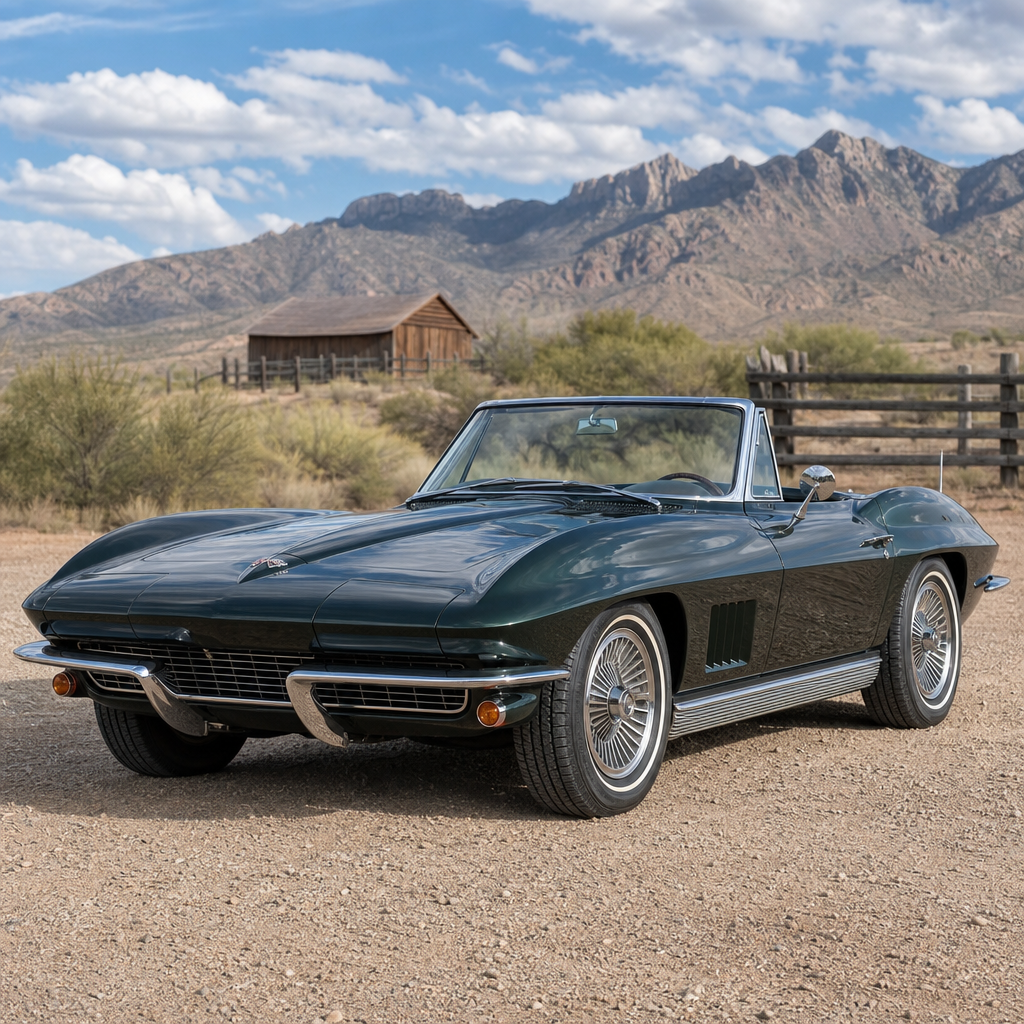
How to write a compelling classic car description starts with understanding what buyers are really purchasing: not just a vehicle, but history, condition, provenance, and confidence. A strong listing description translates a classic car’s story into facts a serious buyer can evaluate quickly. When I have helped sellers move vintage Mustangs, air-cooled Porsches, Tri-Five Chevrolets, and postwar British roadsters, the listings that performed best were never the ones with the most adjectives. They were the ones that clearly explained what the car is, what has been done to it, what still needs attention, and why the asking price makes sense.
In the context of selling a classic car, a description is the written core of the listing that supports the photos, documentation, inspection reports, and asking price. It typically covers identity, originality, restoration work, mechanical condition, cosmetic flaws, ownership history, title status, and terms of sale. That matters because classic car buyers are unusually detail sensitive. They want matching-numbers confirmation, paint code accuracy, drivetrain specifications, rust history, and evidence of maintenance. Unlike late-model used cars, classics are judged on authenticity, craftsmanship, rarity, and how honestly the seller presents tradeoffs.
A compelling description also acts as a filter. It attracts qualified buyers while discouraging casual inquiries from people who have not read the listing. Good writing reduces repetitive messages, shortens negotiation cycles, and builds trust before the first phone call. On marketplace platforms, auction sites, dealer inventory pages, and enthusiast forums, the description can determine whether a buyer saves the listing, requests a walkaround video, or scrolls past it. For a sub-pillar topic like selling a classic car, this skill sits at the center of everything else: pricing, photography, documentation, escrow, shipping, and closing the deal all depend on the credibility your words establish.
Start with identification, provenance, and the reason the car matters
The first job of a classic car description is to identify the vehicle precisely. Lead with year, make, model, body style, trim, engine, transmission, and any factory package that materially affects value. If the car is a 1967 Chevrolet Corvette coupe with a 327/350, Muncie 4-speed, and factory side exhaust, say that immediately. If it is a 1971 Mercedes-Benz 280SL with a documented color change and rebuilt fuel injection, say that. Serious buyers should know within the first two sentences whether the car matches their search criteria.
Next, establish provenance in plain language. Provenance includes ownership chain, original selling dealer if known, regional history, service records, build sheets, Protect-O-Plate, window sticker, Kardex, British Motor Industry Heritage certificate, Jaguar Daimler Heritage Trust certificate, or marque-specific documentation. You do not need every artifact to write a trustworthy listing, but you do need to distinguish documented facts from seller beliefs. Write “documented three-owner car with service receipts dating to 1998” instead of “believed three-owner survivor” unless belief is all you have. That distinction protects credibility.
Then explain why the specific car matters. This is where rarity, desirable options, drivability, and restoration quality belong. Avoid inflated claims such as “museum quality” unless the car has won judged concours recognition from a known body like NCRS, AACA, or Pebble Beach class judging. Better wording is factual: “one of 1,628 produced with the Ram Air III and close-ratio four-speed” or “restored to factory specifications using correct Bright Red paint and date-coded glass where available.” Precision beats hype every time.
Describe condition the way experienced buyers inspect a car
The strongest classic car listings are structured around the categories buyers and appraisers actually use: body, paint, trim, glass, interior, engine bay, undercarriage, drivetrain, suspension, brakes, wheels, tires, electrical systems, and documentation. This is the language of condition reports, pre-purchase inspections, and auction cataloging. When you mirror that structure, buyers can map your words to their own checklist and trust increases immediately.
Body condition deserves special attention because rust repair quality often determines value. State whether the car retains original sheet metal, has replacement floors or quarters, or has had localized repair in common rust areas such as lower fenders, trunk pans, rocker panels, cowl, frame rails, or battery tray. On a first-generation Camaro, for example, sellers should mention cowl tag details, subframe condition, and whether rear quarter replacements were full or partial. On a W113 Pagoda, buyers will want to know about the floor pans, sills, wheel arches, and panel gaps. If magnet tests, paint meter readings, or photo documentation are available, include that.
Mechanical description should answer the obvious buyer questions before they ask. Does it start easily from cold? Does it idle steadily? Are there leaks beyond the normal seepage expected on some older cars? Has the carburetor been rebuilt, the injection system serviced, the cooling system flushed, and the brake hydraulics renewed? If the engine was rebuilt, say by whom, when, and to what specification. “Rebuilt 1,200 miles ago by marque specialist using new bearings, rings, valve guides, and a balanced rotating assembly” is useful. “Runs great” is not.
| Section | What to Include | Example |
|---|---|---|
| Identity | Year, model, body style, engine, transmission, VIN details | “1965 Ford Mustang fastback, A-code 289 V8, 4-speed manual” |
| History | Ownership count, records, restoration dates, region | “California car from 1983 to 2019 with receipts and Marti Report” |
| Body and paint | Rust repair, paint age, panel fit, flaws | “Older repaint shows well with chips on nose and minor bubbling at left rear arch” |
| Mechanical | Engine work, drivability, brakes, suspension, leaks | “Recent clutch, rebuilt SU carbs, tracks straight, no overheating in traffic” |
| Sale terms | Title status, included parts, inspection welcome | “Clean title in seller’s name, spare wheels included, PPI encouraged” |
Balance originality, restoration, and modifications honestly
One of the biggest mistakes in selling a classic car is treating originality, restoration, and modification as interchangeable virtues. They are not. Different buyers assign value differently. A preservation-minded buyer may pay more for a worn but highly original interior than for a freshly retrimmed one using incorrect grain vinyl. A touring buyer may prefer electronic ignition, an aluminum radiator, and a five-speed conversion because those upgrades improve reliability and road manners. Your description should frame the car accurately so the right buyer self-selects.
If the car is original, say what remains factory correct and what has changed. That includes paint color, interior material, casting numbers, date codes, carburetor tags, wheels, radio, and emissions equipment if applicable. If it is restored, define the restoration level. Was it a cosmetic repaint, a body-off restoration, a mechanical recommissioning, or a concours-oriented restoration? Terms matter. A body-off restoration on a C2 Corvette or a separate-frame British sports car means something specific. On a unibody classic, the more accurate wording may be “rotisserie restoration” or “bare-metal respray with driveline rebuild.”
Modified cars require even more clarity. Name the parts, the brand, and the installation quality. For example: “Tremec TKO five-speed conversion, Wilwood front discs, Hotchkis suspension, and Vintage Air installed by Detroit Speed-certified shop.” Buyers need to know whether modifications are reversible, whether original parts are included, and whether the work affects collectability, emissions compliance, or insurance valuation. There is no universal rule that modified means less valuable; a well-executed restomod can outperform a stock car on price. But a vague list of upgrades raises questions rather than confidence.
Use evidence, not adjectives, to support the asking price
A compelling classic car description helps justify price without sounding defensive. The best method is to connect the price to documented condition, rarity, recent work, and market context. Mention recognized valuation references such as Hagerty Price Guide, Collector Car Market Review, marque club sales, and recent public auction results, but do not cherry-pick only outlier sales. Explain where your car sits within the market: project, driver, strong local show car, high-level restoration, or judged example. Buyers appreciate pricing logic when it is stated calmly and backed by facts.
For example, if you are selling a 1969 Porsche 911E coupe, you might explain that the car is priced above driver-level comps because it retains its original engine case, has a documented glass-out repaint in the factory color, and includes extensive recent mechanical work from a known air-cooled specialist. If you are selling a 1957 Chevrolet Bel Air that presents well but has non-original power steering and an older interior, say it is priced as a quality driver rather than a concours car. Clear positioning reduces friction because buyers understand your value thesis before negotiating.
This section is also the right place to disclose what the sale includes. Extra parts, original manuals, matching hardtop, tonneau, tool roll, jack, spare wheel, concours judging sheets, and service binders all affect perceived value. I have seen a listing gain traction simply because the seller photographed and itemized the parts inventory instead of vaguely saying “many spares included.” Specificity turns clutter into value.
Anticipate buyer objections and answer them before they appear
The most effective classic car descriptions are written like a conversation with a knowledgeable buyer. Ask what that person will worry about and answer it directly. If the odometer reading is exempt due to age, say so and state whether mileage is documented, believed actual, or unknown. If the car has a replacement engine block, explain the circumstances and provide casting information. If the paint has blemishes, identify them. If the title is delayed due to estate processing or lien release timing, disclose that before anyone asks.
This approach is especially important on auction platforms and enthusiast marketplaces where public comments can shape perception. Unanswered questions about rust, numbers matching, or title status can suppress bidding quickly. A strong description preempts doubt with evidence: compression test figures, cold-start video, paint meter report, underside photos, and invoices from recognized specialists. In my experience, buyers are more tolerant of flaws than of evasiveness. A car with a known transmission seep and a transparent explanation often sells faster than a cosmetically better car with vague wording and missing records.
Plain language helps. Avoid jargon when simpler wording works, but do not dilute technical accuracy. “The car has a synchronized four-speed manual that shifts cleanly with no grinding into second when warm” is more useful than “gearbox is nice.” Likewise, “the car tracks straight under braking and the steering box has the normal on-center play common to these cars” sets realistic expectations. Good descriptions do not promise perfection. They define condition credibly.
Match the description to the sales channel and the buyer journey
Where you are selling a classic car should shape how you write the description. A Bring a Trailer auction listing needs exhaustive disclosure because comments will probe every detail. A Hemmings classified ad may need a concise but information-dense structure because buyers often contact you directly. On Facebook Marketplace, the opening lines must establish legitimacy fast because low-effort listings dominate the platform. Dealer websites should tie the description to financing, shipping, and inspection options, while enthusiast forums should speak the language of the community and acknowledge model-specific concerns.
As the hub topic for selling a classic car, this is where the broader process connects. Your description should reinforce the work you have already done on photography, pricing strategy, paperwork, and negotiation preparation. Mention that additional photos are available, independent inspections are welcome, and shipping assistance can be arranged. If you have a pre-purchase inspection from a reputable shop, state that and summarize the findings accurately. If the car is being sold from a collection downsizing, estate, or recent recommissioning, explain the context because it affects buyer assumptions.
Finally, end with a clean transaction framework. State title status, location, whether test drives require proof of funds, what deposit terms apply, and how payment will be handled. Bank wire, escrow services, and verified cashier’s checks are common, but be precise. A compelling classic car description does more than generate interest. It moves the buyer from curiosity to confidence, which is the real objective when selling a classic car. If you are preparing to list your vehicle, audit your draft against the standards above, add evidence where claims are thin, and write like the buyer is informed, careful, and ready to act.
Frequently Asked Questions
What should a compelling classic car description include?
A compelling classic car description should cover the exact details a serious buyer needs to judge value, authenticity, and fit without having to guess. Start with the essentials: year, make, model, trim, engine, transmission, mileage shown, body style, color combination, and notable factory or period-correct options. From there, move quickly into the car’s condition in plain language. Explain the exterior, interior, mechanical condition, underbody, and any visible flaws. If the paint is older but still presents well, say so. If the chrome is driver quality rather than concours quality, say that too. Buyers of classic cars respond better to precise observations than to vague praise.
Beyond basic condition, a strong description should address provenance and documentation. Mention ownership history if known, whether the car retains matching numbers, what records come with it, and whether there are original manuals, window stickers, restoration receipts, or heritage certificates. Buyers are not just evaluating a machine; they are evaluating the confidence level around that machine. A well-written listing makes the car easier to trust by giving facts that can be verified.
It also helps to explain how the car starts, drives, shifts, brakes, and feels on the road. Many buyers want a realistic sense of whether the car is a showpiece, a weekend driver, or a project with upside. A compelling description bridges that gap. It tells the car’s story, but always through specific, useful information rather than hype. The best descriptions make buyers feel informed, not sold to.
How do you balance storytelling with factual accuracy in a classic car listing?
The best classic car descriptions absolutely tell a story, but they do it with discipline. Storytelling works when it adds meaning to the facts rather than replacing them. For example, instead of saying a car is “an iconic legend that turns heads everywhere,” it is more effective to explain why the car matters: perhaps it is a documented California car, a desirable factory color combination, a late-production example, or a model associated with a specific era of motorsport or design. That kind of context creates emotional appeal while still respecting the buyer’s intelligence.
Factual accuracy matters even more in the classic market because enthusiasts tend to know the details. They notice if trim is incorrect for the year, if an engine code does not match the stated specification, or if a supposed restoration is described too loosely. When writing the description, separate confirmed facts from assumptions. If the odometer reading is believed accurate but not documented, say that clearly. If the engine is said to be numbers-matching based on stampings and supporting paperwork, explain the basis. Precision builds credibility.
A good rule is to use story to frame the car and facts to support every claim. You can describe a vintage Mustang as capturing the right mix of V8 sound, straightforward mechanics, and unmistakable 1960s style, but you should then follow with hard information about the drivetrain, restoration work, options, and current condition. That approach keeps the description engaging without drifting into sales language that experienced buyers tend to distrust.
What mistakes should sellers avoid when writing a classic car description?
The biggest mistake is relying on empty adjectives instead of useful information. Words like “stunning,” “mint,” “rare,” and “show-quality” are overused, and when they are not backed up by specifics, they weaken the listing. Serious buyers want to know what was restored, when it was restored, who performed the work, and how the car presents today. A seller who avoids hard details often creates the impression that there is something to hide, even when that is not the case.
Another common mistake is leaving out flaws. In the classic car market, omission can be more damaging than imperfection. A small paint blister, a cracked dash, a non-functioning gauge, or a transmission seep may not kill a deal, but failing to mention those items can hurt trust once a buyer discovers them. The strongest listings acknowledge imperfections calmly and specifically. That honesty helps qualify buyers and reduces wasted time with people expecting a flawless car.
Sellers also make errors by being too vague about originality, restoration, and documentation. Terms like “fully restored” or “all original” should only be used when they are truly supportable. Many classics have been repainted, reupholstered, mechanically rebuilt, or lightly modified over the years, and that is not necessarily a problem. The key is to describe the car accurately. Finally, avoid poor structure. A wall of text makes even a good car harder to evaluate. Organize the description logically so buyers can quickly understand what the car is, what condition it is in, what has been done, and what comes with it.
How detailed should you be about condition, restoration work, and modifications?
You should be detailed enough that an informed buyer can form a realistic picture of the car before making contact. In practice, that means breaking condition into major categories: body, paint, glass, trim, interior, engine bay, chassis, and driving behavior. If the car was repainted, state when that happened if known, and describe the quality honestly. If body panels were replaced, rust repaired, or gaps adjusted during restoration, mention it. If the interior was redone, identify what appears original and what has been replaced. Condition details save time because they attract buyers whose expectations align with the actual car.
Restoration work should be described with similar clarity. Buyers want to know whether the car received a cosmetic refresh, a mechanical recommissioning, or a body-off, nut-and-bolt restoration. If the engine was rebuilt, note by whom, approximately when, and what supporting receipts exist. If the brake system, cooling system, suspension bushings, fuel system, or electrical components were serviced, those details are worth including. They show not only what money was spent, but how the car has been cared for.
Modifications deserve especially careful treatment because they affect buyer interest in different ways. A period-correct upgrade may appeal to one audience and reduce interest for another. Be direct about what has been changed from factory specification, whether original parts are included, and whether modifications are reversible. For example, upgraded ignition, disc brakes, carburetion changes, suspension improvements, or aftermarket wheels should all be disclosed. Buyers are usually very reasonable about tasteful upgrades when they are presented transparently. What they dislike is discovering modifications after reading a description that implied originality.
How can a classic car description build buyer confidence and help sell the car faster?
A classic car description builds buyer confidence by reducing uncertainty. Buyers move faster when they feel they are getting a clear, honest, and complete picture of the car. That starts with straightforward writing. State what the car is, what is known about its history, how it currently presents, and what documentation accompanies it. If there are receipts, title details, ownership records, restoration photos, or marque-specific certificates, mention them clearly. Confidence rises when buyers can see that the seller understands the car and is not hiding behind generic language.
It also helps to describe the ownership experience, not just the specifications. Explain whether the car is turn-key, recently serviced, road-tested, and ready for weekend use, or whether it should be viewed as a sorting project. Include practical details such as whether lights, gauges, heater, horn, radio, or overdrive are working if known. These points may seem small, but they matter in the decision-making process. A buyer considering an air-cooled Porsche or a British roadster, for example, knows that small mechanical and electrical details can reveal a lot about overall care.
Finally, a strong listing sells faster because it pre-qualifies the right audience. The more accurately you describe the car, the more likely you are to attract serious inquiries rather than curiosity clicks. Buyers who understand the car’s strengths, flaws, originality, and documentation before reaching out are better prepared to ask meaningful questions and move toward purchase. In the classic market, confidence is often what closes the gap between interest and action, and a well-written description is one of the fastest ways to create it.