Selling a vintage vehicle is not the same as selling a daily driver, and a high-converting classic car listing must do far more than post a few photos and an asking price. In the classic market, buyers are evaluating originality, documentation, restoration quality, drivability, provenance, and future value all at once. A “classic car listing” is the complete package of title, description, photos, specifications, records, and selling terms used to present a vehicle on marketplaces, auction platforms, dealer sites, forums, and social channels. “High-converting” means the listing consistently turns views into qualified inquiries, inspections, bids, and completed sales at a defensible price. This matters because weak listings attract tire-kickers, invite low offers, and leave money on the table, while strong listings shorten time to sale and build buyer confidence before the first phone call.
I have worked on listings for survivor cars, fully restored muscle cars, driver-quality European classics, and estate vehicles with uneven paperwork, and the pattern is consistent: buyers respond best when the listing answers their next ten questions before they have to ask. That includes VIN details, matching-numbers status, mileage disclosures, ownership history, known flaws, recent service, paintwork, rust condition, and exactly what comes with the car. A good listing also acts as the central hub for the broader process of selling a classic car. Pricing strategy, title preparation, photo planning, pre-sale inspection, negotiation, shipping, escrow, and bill-of-sale steps all connect back to the listing. If this page is the foundation of your selling plan, every supporting task becomes easier, because the listing becomes the source of truth for buyers and for any related articles you build around the sale.
Start with market position, documentation, and pricing
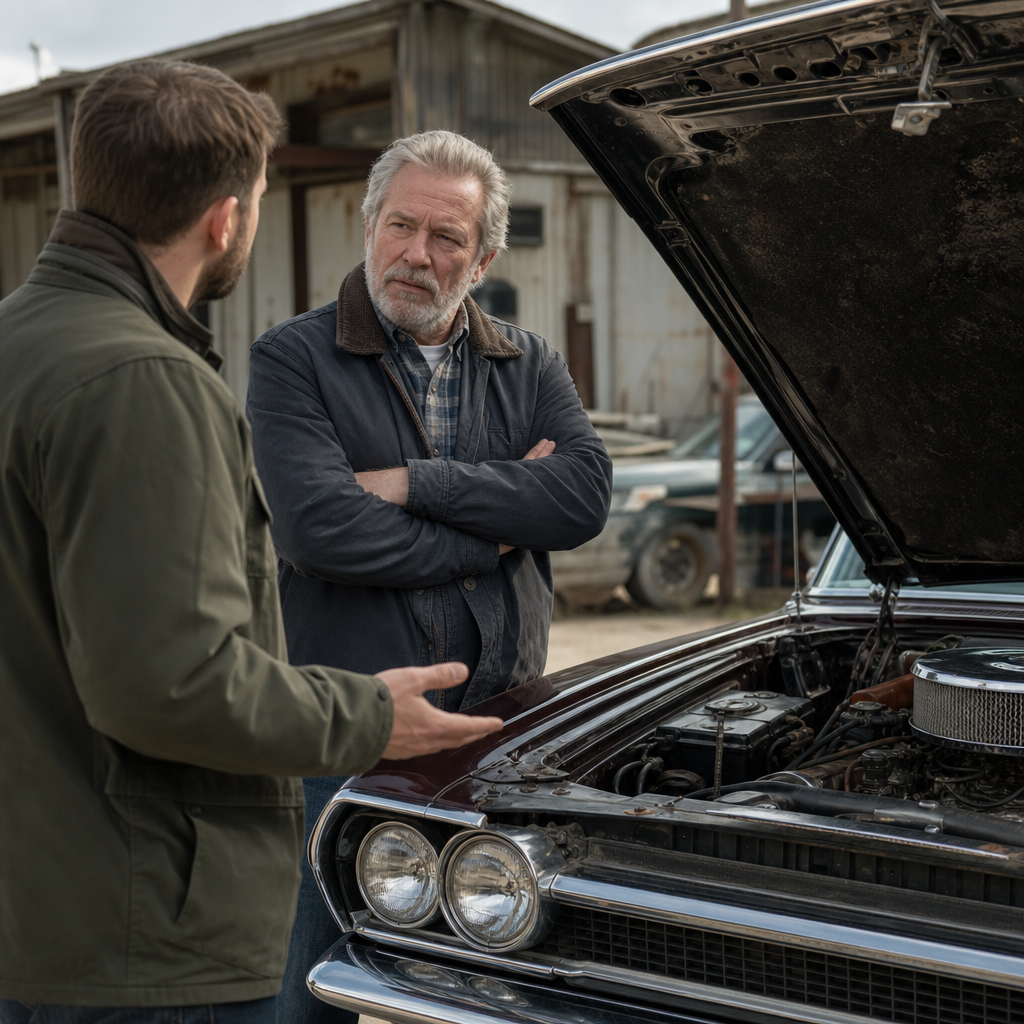
The first job of a high-converting classic car listing is to position the car correctly in the market. Before writing a single sentence, determine what the car actually is in buyer terms: concours restoration, highly original survivor, honest driver, restomod, project, or parts car. These categories influence both pricing and buyer expectations. A 1967 Chevrolet Camaro RS/SS with a date-correct engine but non-original transmission belongs in a different pricing lane than a documented matching-numbers example with NCRS, judging sheets, or factory paperwork. The same applies to air-cooled Porsche 911s, Jaguar E-Types, Ford Broncos, and Mercedes SLs. Buyers pay for certainty, and uncertainty reduces conversion.
Use multiple pricing references rather than one source. Hagerty Price Guide, Collector Car Market Review, Bring a Trailer comparable sales, Mecum and Barrett-Jackson results, Hemmings listings, and marque-specific forums each tell part of the story. Closed sales matter more than optimistic asking prices. Compare vehicles by body style, engine, transmission, originality, restoration age, color combination, documentation, and location. A rust-free Southwestern car can command a premium over an otherwise similar Midwest car. Rare options such as factory air conditioning, four-speed manuals, hardtops, sport packages, or period competition history can materially affect the result. In my experience, sellers who price with detailed comps field fewer unserious messages and negotiate from a stronger position.
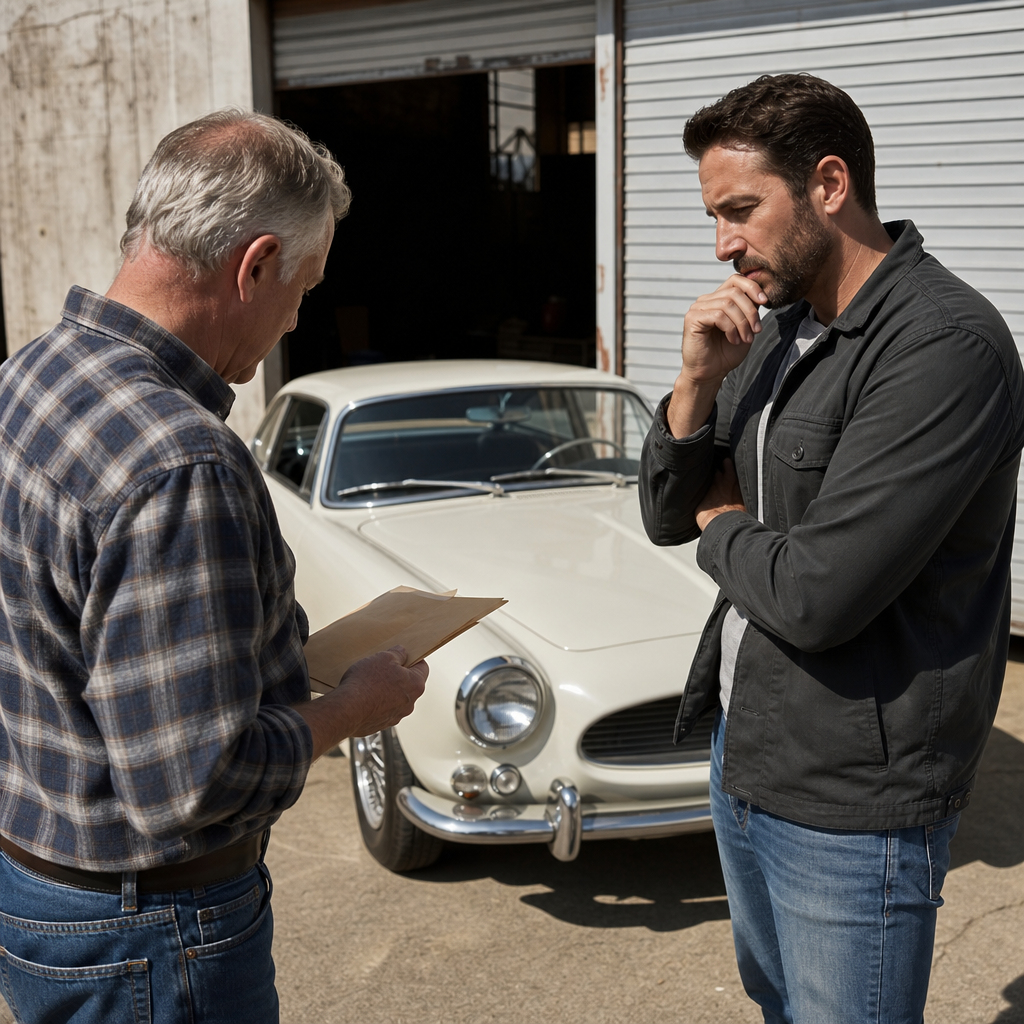
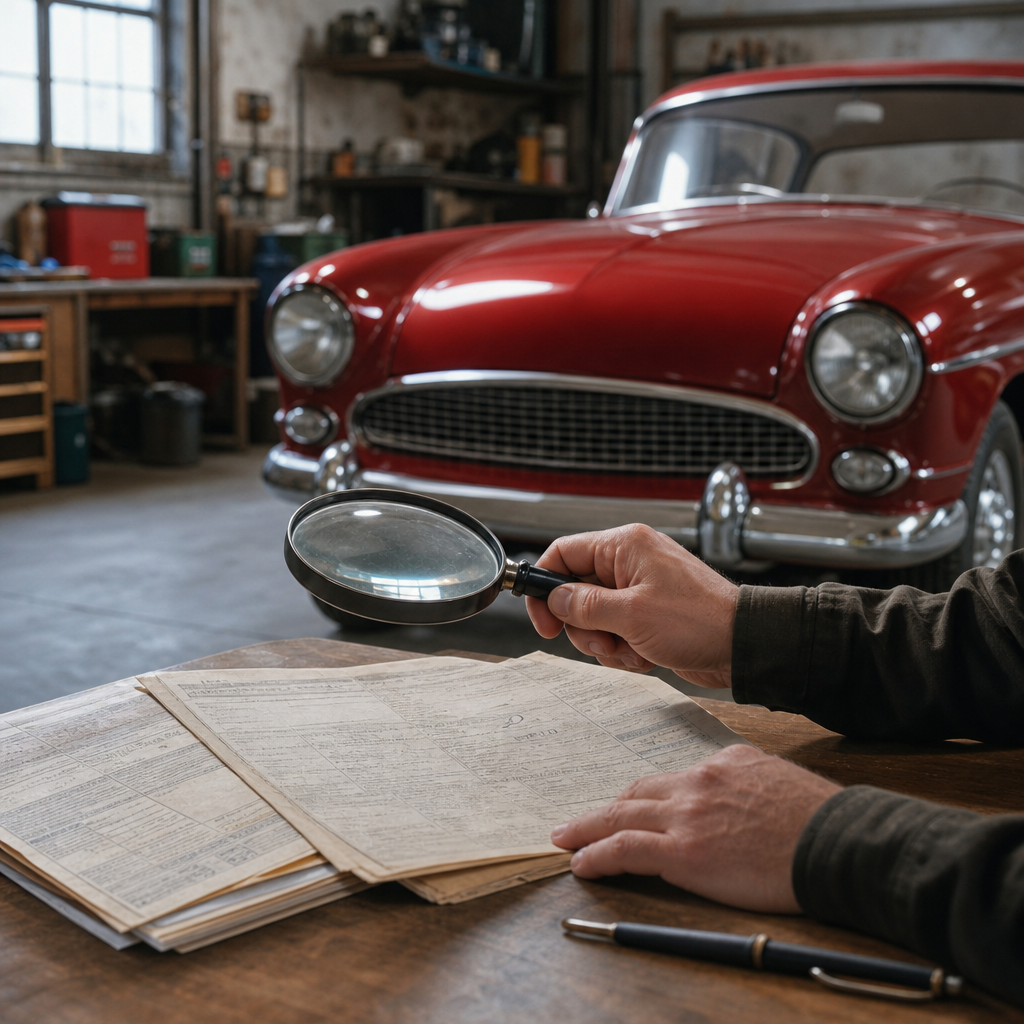
Documentation is the second pillar. Gather the title, registration, VIN plate photos, trim tags, engine stamping photos, service receipts, restoration records, ownership history, manuals, spare keys, tool rolls, hardtop stand, concours awards, and authentication documents from recognized registries or clubs. If the car has a Heritage Certificate, Porsche Kardex reference, BMW Classic confirmation, Marti Report, or Pontiac Historic Services packet, say so prominently. If records are incomplete, state that clearly. Buyers forgive imperfections more readily than surprises. A listing that says “odometer shows 42,113 miles; true mileage unknown due to age exemption” is stronger than one that avoids the issue and loses trust.
Write a title and opening description that qualify the right buyer
The listing title should identify the vehicle exactly and attract the right audience without sounding inflated. Include year, make, model, body style, and the defining specification that buyers search for first. For example: “1965 Ford Mustang Fastback 289 V8 4-Speed, Older Restoration, Marti Report” performs better than “Beautiful Classic Mustang Must See.” The first version helps serious buyers self-qualify immediately. It also aligns with how collectors search marketplaces, whether by engine, trim, or transmission.
The opening paragraph should answer the basic buying questions in plain language: what the car is, why it is desirable, what condition tier it belongs to, and what makes this specific example credible. A strong opening might explain that the car is a rust-free Arizona example finished in its factory color, powered by a rebuilt numbers-matching engine, accompanied by restoration receipts dating back ten years, and sorted recently with brake, cooling, and fuel-system service. That opening works because it summarizes value drivers and reduces uncertainty fast.
Avoid empty adjectives such as “mint,” “perfect,” “showroom,” or “museum quality” unless the car truly meets established judging standards. Experienced buyers treat exaggerated language as a warning sign. Instead, use measurable statements. Say “paint shows well with minor bubbling at the lower driver door” or “suspension bushings replaced in 2023; alignment completed after installation.” Precision converts better than hype because buyers of classic cars know every old vehicle has context. They are not expecting a new car; they are expecting an honest one.
The rest of the written description should follow a predictable structure. Cover ownership background, drivetrain, body and paint, interior, undercarriage, mechanical condition, recent service, included records, known issues, and sale terms. Mention whether lights, gauges, radio, heater, air conditioning, windows, horn, and wipers operate correctly. If the car starts easily when cold, tracks straight, runs at normal temperature, and does not smoke under load, say that. If it leaks from the rear main seal, has a non-functioning fuel gauge, or crunches into second gear when cold, say that too. Full disclosure filters out the wrong buyer and improves conversions with the right one.
Use photos, video, and proof points to remove doubt
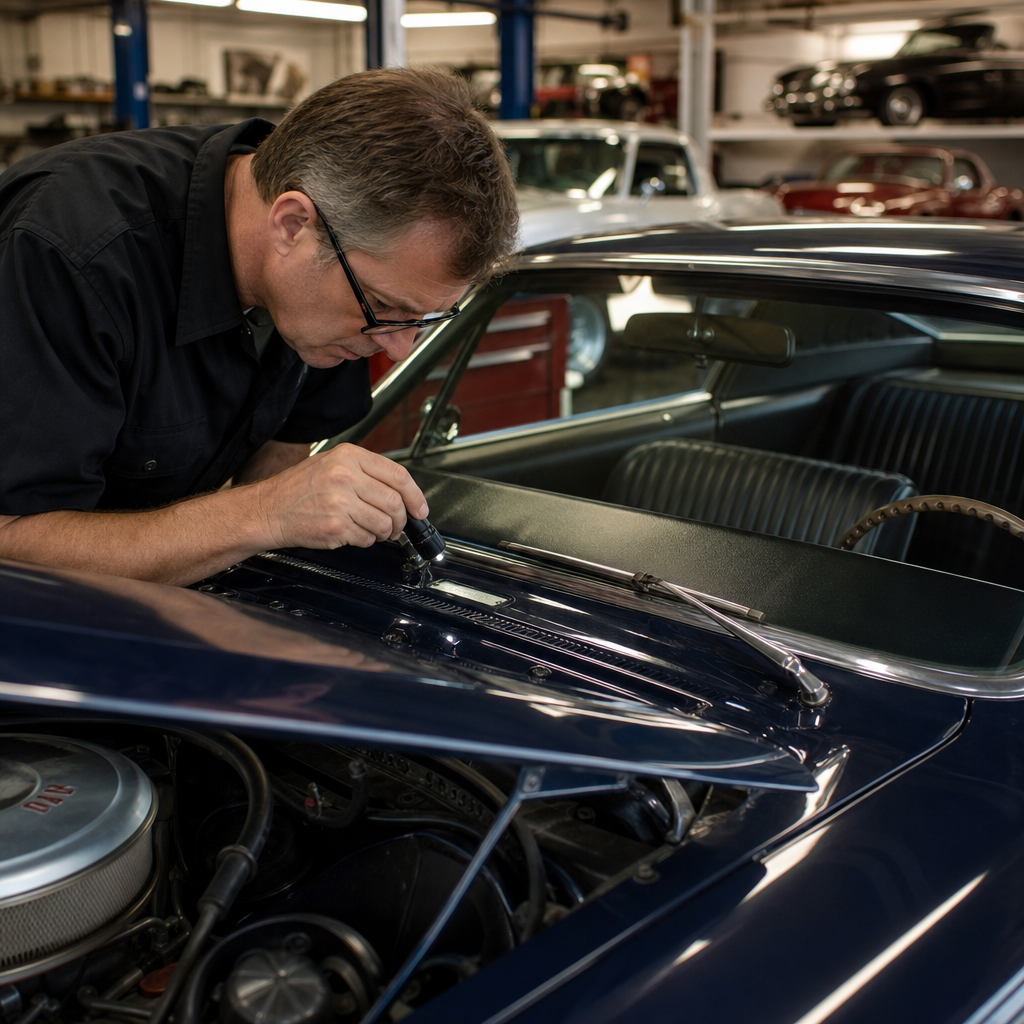
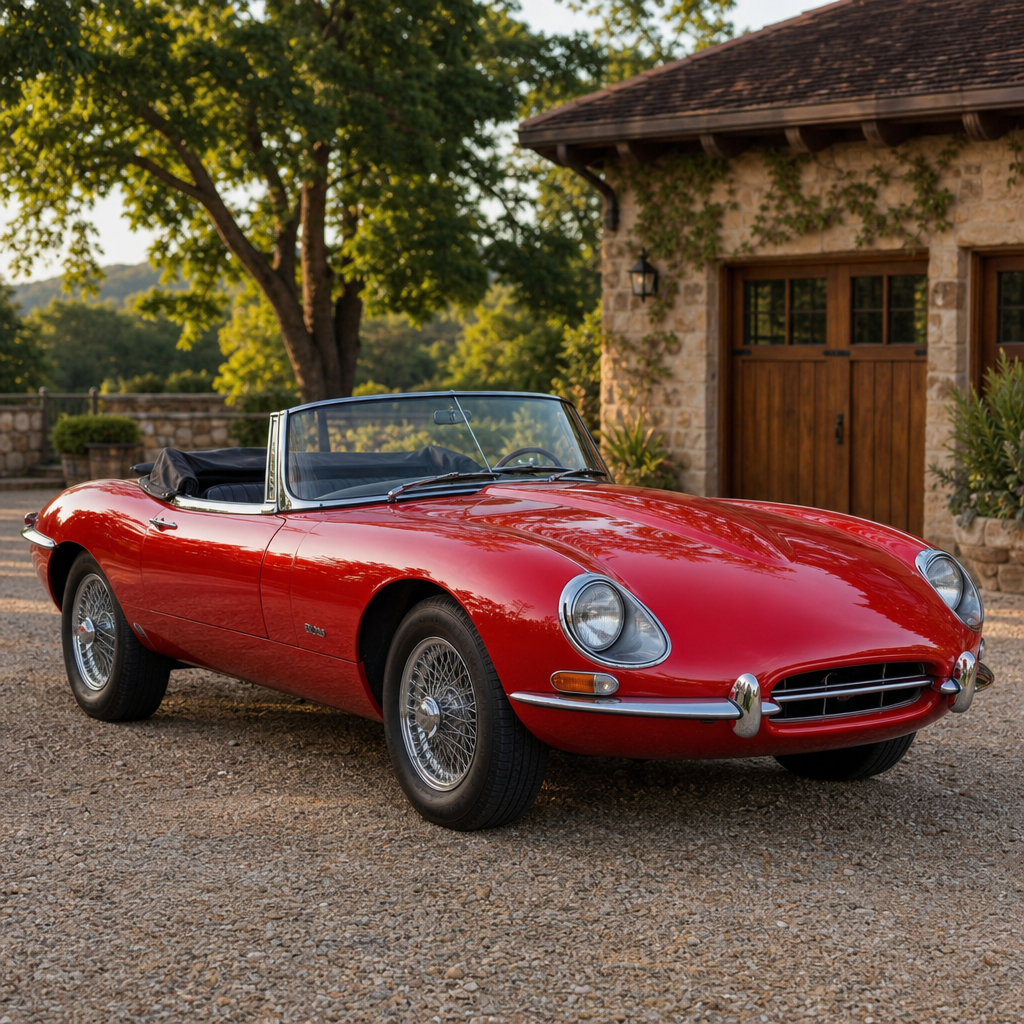
Photos are usually the deciding factor in whether a buyer reads the description at all. Plan them like a walkaround inspection. Include front three-quarter, rear three-quarter, full side profiles, head-on, tail view, wheels and tires, glass, trim, lights, interior front and rear, dash with gauges lit, headliner, trunk, engine bay, undercarriage, VIN plate, trim tags, stampings, and close-ups of flaws. If the car has rust-prone areas, show them specifically: lower fenders, rockers, shock towers, spare tire well, floor pans, frame rails, battery tray, cowl, and windshield corners. On convertibles, show the top up, top down, rear window, seals, and top mechanism.
Lighting matters. Shoot in soft early morning or late afternoon light, not harsh midday sun or a dim garage. Use a clean background and remove clutter. Keep the car dry unless you are demonstrating water beading after a detail; wet paint can hide defects. Present the car at ride height on level ground with the wheels straight. Buyers interpret visual discipline as evidence that the seller is organized and serious.
Video closes the gap between photos and an in-person visit. A cold-start video is especially powerful because it proves choke behavior, startup smoke, idle quality, and exhaust note. Add clips of a short drive, gauge operation, turn signals, brake lights, pop-up headlights if applicable, convertible top function, and a walkaround with paint reflections visible. On online auction sites, listings with thorough media packages routinely attract stronger engagement because distant buyers are trying to replace the first inspection with digital evidence.
| Listing Element | What to Include | Why It Improves Conversion |
|---|---|---|
| Title | Year, make, model, body style, engine, transmission, standout proof point | Helps serious buyers find the car and self-qualify quickly |
| Opening summary | Condition tier, originality, records, recent service, major value drivers | Answers the first buying questions in seconds |
| Photo set | Exterior, interior, undercarriage, VIN tags, flaws, engine, trunk | Builds trust and reduces inspection anxiety |
| Mechanical disclosure | Starting, driving, braking, shifting, leaks, temperatures, electrical function | Prevents wasted inquiries and surprise objections |
| Sale terms | Price, title status, deposit, payment method, shipping help, included parts | Makes the path to purchase clear |
Answer the questions buyers always ask before they contact you
A listing converts when it functions like a pre-screened conversation. Most buyers ask the same questions in roughly the same order. Is it numbers-matching? Has it ever had rust or accident damage? Who restored it, and when? What was repainted? Are the floors original? Does everything work? What service was completed recently? Why are you selling it? Do you have the title in your name? Can it make a road trip, or is it a local-show car? If the listing addresses these clearly, the remaining inquiries are more likely to be serious.
Explain originality with nuance. “Matching numbers” has different meanings across marques, and misuse damages credibility. On some cars, buyers mean the original engine block and transmission; on others, they also care about carburetor dates, axle codes, and trim-tag consistency. If the car has a replacement engine but the original block accompanies the sale, state that. If the color was changed from the factory code during restoration, state the original and current colors. If the seats were reupholstered in the correct pattern but with non-original materials, say so plainly. Detailed honesty is persuasive because knowledgeable buyers know no fifty-year-old car is judged in a vacuum.
Condition language should be specific enough that a remote buyer can estimate inspection outcomes. Terms like “driver quality” should be supported with examples: paint is glossy but shows chips on the nose, chrome presents well with light pitting, seat bolsters have minor wear, and the car was driven 300 miles in the last month without overheating. If the car was restored more than ten years ago, mention how it has aged. An older restoration can still be highly attractive if it has settled well and remains mechanically sorted.
Sale logistics also belong in the listing. State whether you can accommodate third-party inspections, whether the car is stored indoors, how payment will be handled, and whether international buyers are welcome. If using escrow, specify acceptable providers and timelines. If the car is being sold by an estate or on consignment, disclose that. These details reduce friction at the exact point when an interested buyer decides whether to proceed.
Choose the right platform and structure the listing for that audience
Where you list the car affects what information should be emphasized. Enthusiast auction platforms reward storytelling, strong media, and active seller engagement in the comments. Classified marketplaces often rely more heavily on searchable specs, price clarity, and direct contact readiness. Marque-specific forums can be ideal for unusual or highly authentic cars because the audience understands rare options, factory codes, and restoration details that general audiences may undervalue.
For mainstream classified sites, front-load practical facts: title status, asking price, location, drivetrain, mileage disclosure, and whether the car is turnkey, a project, or freshly restored. For auction environments, spend more time on provenance, authenticity, and detailed media because bidders are comparing multiple vehicles and deciding how much confidence to place in your presentation. For social channels, use the post as a teaser and direct traffic back to the full listing, where all records and disclosures live in one place. That creates a cleaner buying path and gives your broader classic car selling content a strong internal structure.
The best hub pages support related decision points without overwhelming the main listing. If you are building out a complete selling-classic-cars content cluster, your listing page should naturally connect to supporting resources on pricing a classic car, taking sale photos, preparing records, passing a pre-sale inspection, avoiding scams, arranging shipping, and closing paperwork correctly. A seller who understands these steps writes a better listing because each operational detail has already been thought through.
Do not ignore mobile readability. Many first impressions happen on phones. Keep paragraphs tight, specs easy to scan, and the most important proof points near the top. Long walls of text reduce response rates even when the information is good. Structure matters because buyers often save a listing, revisit it later, and compare it side by side with alternatives.
Build trust through transparency, responsiveness, and clean closing terms
Trust is the conversion multiplier. Even a desirable car underperforms if the seller seems vague, defensive, or disorganized. State known flaws proactively and keep your tone calm. A sentence like “small transmission seepage after extended drives; no drips on the garage floor” is far more effective than pretending an old gearbox is perfectly dry. The same goes for paint meter readings, compression test results, and recent shop invoices. Evidence beats reassurance.
Responsiveness matters once the listing is live. Answer questions quickly, but keep answers consistent with the written listing. If one buyer asks about a flaw not already disclosed, update the listing so everyone sees the same information. On auction platforms, public answers help all bidders. On classifieds, a prepared FAQ message can save hours and reduce misunderstandings. I have seen weak sales rescued simply by replacing delayed, one-line replies with complete answers that included photos of the requested area the same day.
Closing terms should be clear enough that a buyer knows exactly how to move forward. State the deposit amount, payment deadline, accepted payment methods, title transfer process, storage window after payment, and whether shipping coordination is available. For six-figure cars, bank wire and verified identity checks are standard. For cross-border transactions, discuss customs paperwork and the buyer’s responsibility for import eligibility. Ambiguity at this stage can kill momentum, especially when the buyer is trying to schedule inspection, transport, and insurance in sequence.
A high-converting classic car listing succeeds because it combines accurate pricing, complete documentation, persuasive but factual writing, strong visuals, and friction-free sale terms. The goal is not to attract the maximum number of messages; it is to attract the highest number of qualified buyers who understand the car and are comfortable paying an appropriate price. When your listing clearly explains what the car is, how it presents, what it needs, what supports its value, and how the transaction will work, you reduce uncertainty at every step. That is what drives better inquiries, stronger offers, and faster closes.
If you are selling a classic car, treat the listing as the center of the entire process rather than the final task. Assemble records first, study comparable sales, define the vehicle honestly, photograph it methodically, disclose flaws without defensiveness, and publish terms that make action easy. Then use that listing as the hub for every related selling decision, from inspections to shipping to payment security. Build it carefully, and the right buyer will recognize the difference. Start with your paperwork, your photos, and your comps today, then write the listing that earns trust before the first call.
Frequently Asked Questions
What information should a high-converting classic car listing always include?
A high-converting classic car listing should give buyers enough detail to evaluate the vehicle with confidence before they ever reach out. At a minimum, include the year, make, model, body style, VIN, engine and transmission details, mileage shown, title status, location, ownership history, and a clear asking price or auction terms. From there, go deeper into the factors that matter specifically in the collector market: whether the car is numbers-matching, how original it is, what restoration work has been completed, what components have been rebuilt or replaced, and whether there are known flaws. Serious buyers want to understand not only what the car is, but also how it has been cared for and how accurately it represents its factory configuration.
Your description should also cover condition in a structured way. Explain the paint quality, body integrity, panel fit, chrome, trim, glass, interior materials, gauges, undercarriage, suspension, brakes, tires, and electrical systems. If the car has modifications, state them plainly and explain whether original parts are included. Documentation is another major conversion factor. Mention service records, restoration receipts, ownership documents, historical registrations, factory paperwork, judging sheets, and any provenance tied to notable owners or events. The strongest listings answer the buyer’s likely questions upfront, reduce uncertainty, and make it easy for a serious collector to move from curiosity to inquiry.
How important are photos in a classic car listing, and what should you show?
Photos are one of the most important elements in a classic car listing because they create immediate trust and often determine whether a buyer keeps reading. In the classic vehicle market, buyers expect visual proof of condition, authenticity, and completeness. A few flattering exterior shots are not enough. You should include a full set of high-resolution images that document the car from every meaningful angle, starting with front, rear, both sides, front three-quarter views, rear three-quarter views, roof, trunk, engine bay, dashboard, seats, door panels, wheels, tires, and undercarriage. If the vehicle has distinctive features such as rare trim, matching stampings, original tags, factory options, or restoration details, photograph those clearly as well.
Good photography does more than make the car look attractive; it helps qualify buyers. Use natural lighting, clean backgrounds, and sharp images that show the vehicle honestly rather than hide imperfections. Include close-ups of paint flaws, chips, bubbling, cracks, wear areas, and any rust-prone sections. Buyers appreciate transparency, and listings that disclose defects visually tend to generate more credible inquiries than listings that appear selective or evasive. If possible, add cold-start videos, walkaround footage, exhaust clips, and driving footage. These assets help demonstrate drivability and can substantially increase conversion because they answer critical questions about sound, operation, and road manners before the first conversation even begins.
How do you write a classic car description that builds trust and motivates buyers to act?
The best classic car descriptions are specific, organized, and honest. Start with a concise overview that identifies what makes the car compelling, such as rare factory options, known provenance, a documented restoration, low ownership count, or unusually original condition. Then move into a logical breakdown of the vehicle’s story and condition. Explain when and where the car was acquired, whether it spent time in dry climates, what restoration or preservation work has been done, and how it presents today. Buyers in this market are not looking for generic sales language; they are looking for verifiable details that show you understand the vehicle and are representing it accurately.
To build trust, avoid vague phrases like “runs great” or “mint condition” unless you support them with specifics. Instead, describe how the engine starts, how the transmission shifts, whether gauges and lights function properly, how the brakes feel, and whether the car tracks straight on the road. If there are imperfections, disclose them directly. Mention any non-working accessories, seepage, cosmetic aging, prior paintwork, or areas that may need future attention. This level of honesty reassures experienced buyers and reduces wasted conversations with people whose expectations do not match reality. To motivate action, end the listing with clear next steps: state whether inspections are welcome, whether additional photos and videos are available, how payment will be handled, and whether shipping assistance can be provided. Clear, professional terms make it easier for a serious buyer to move forward quickly.
Why do documentation and provenance matter so much when selling a vintage vehicle?
Documentation and provenance can significantly affect buyer confidence, perceived authenticity, and final sale price. In the classic market, a car is often valued not just for how it looks or drives, but for how well its history can be supported. Records help answer key questions: Is the drivetrain original to the car? Was the restoration properly performed? Has the mileage been tracked consistently? Are the paint and trim codes correct? Was the car owned by someone notable, featured in publications, or shown at recognized events? The more of this story you can substantiate, the stronger your listing becomes.
Useful documentation includes title records, registration history, ownership chain, factory build sheets, window stickers, Protect-O-Plate information, restoration invoices, engine rebuild receipts, appraisal documents, judging sheets, photo albums from restoration work, and marque expert correspondence. Provenance does not need to be celebrity-level to matter. Even a well-documented long-term owner history or a folder of maintenance records can reassure a buyer that the car has been cared for properly. In practical terms, documentation reduces uncertainty, helps defend your asking price, and distinguishes your car from similar listings that rely only on claims. If you have records, list them clearly and include photos of the most important documents whenever appropriate.
What are the most common mistakes that hurt conversion in a classic car listing?
One of the biggest mistakes is being too vague. Listings that provide minimal details, skip documentation, or rely on broad claims usually underperform because collector-car buyers are trained to notice missing information. Another frequent problem is failing to disclose flaws. Sellers sometimes worry that honesty about paint defects, rust repair, non-original parts, or mechanical quirks will scare buyers away, but the opposite is often true. Incomplete disclosure creates suspicion and lowers trust, while transparent listings attract better-qualified buyers who know exactly what they are considering. Poor photo coverage, weak lighting, cluttered backgrounds, and missing undercarriage or engine images are also major conversion killers.
Pricing mistakes can hurt conversion as well. If the asking price is not supported by condition, originality, documentation, rarity, and recent comparable sales, serious buyers may move on without engaging. Other avoidable issues include unclear selling terms, no mention of title status, no explanation of payment expectations, and no indication of whether inspections are allowed. Some sellers also forget to tailor the listing to the platform. A premium auction audience may expect extensive narrative detail, videos, and documentation scans, while classified shoppers may need a more direct summary with strong calls to action. The highest-converting listings are complete, realistic, and buyer-oriented. They make it easy for someone to evaluate the car, understand the value proposition, and take the next step with confidence.