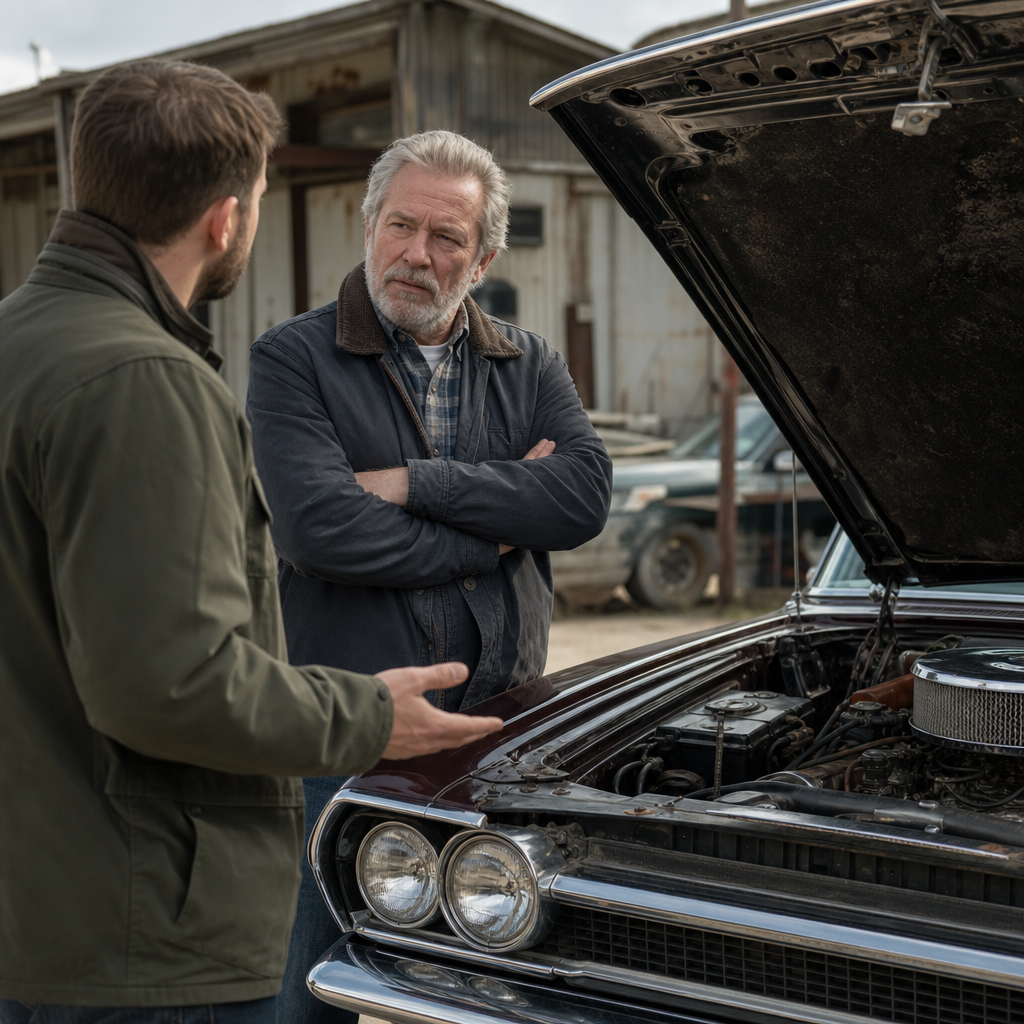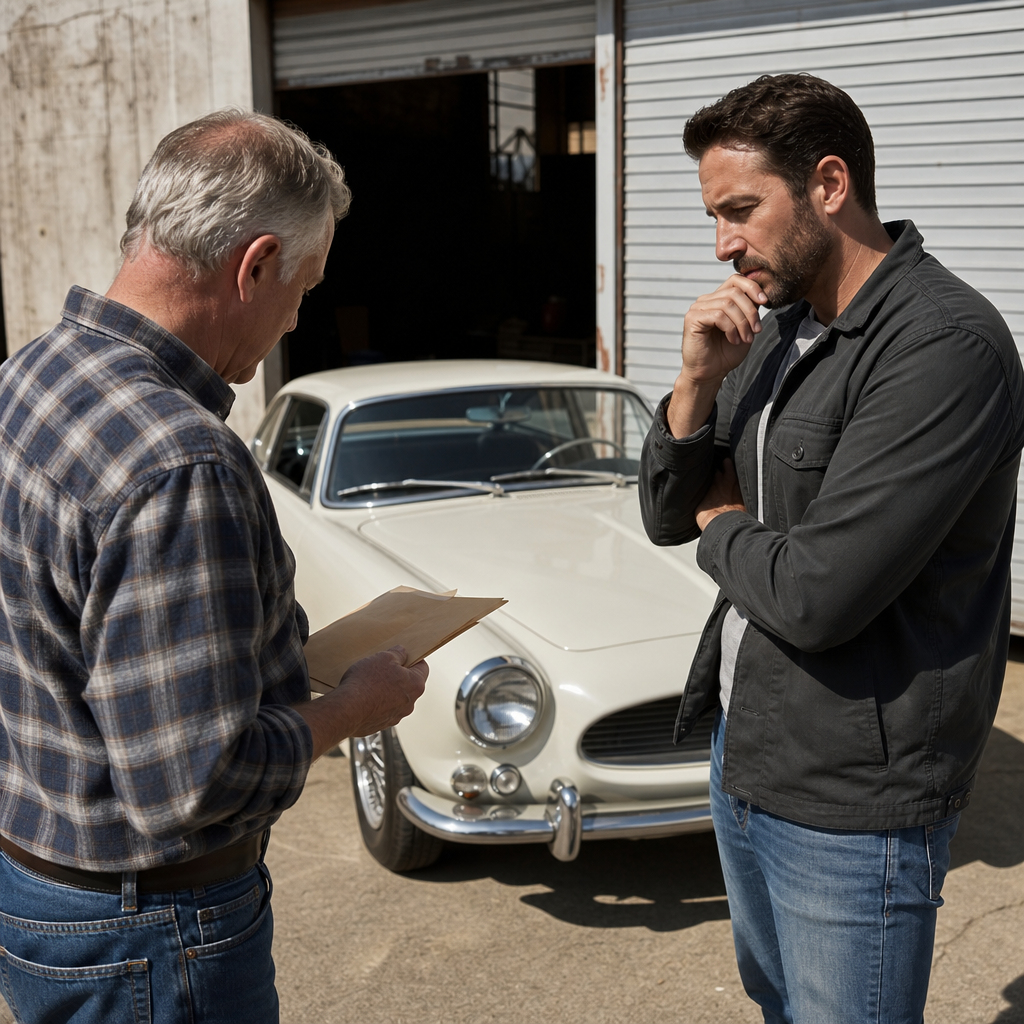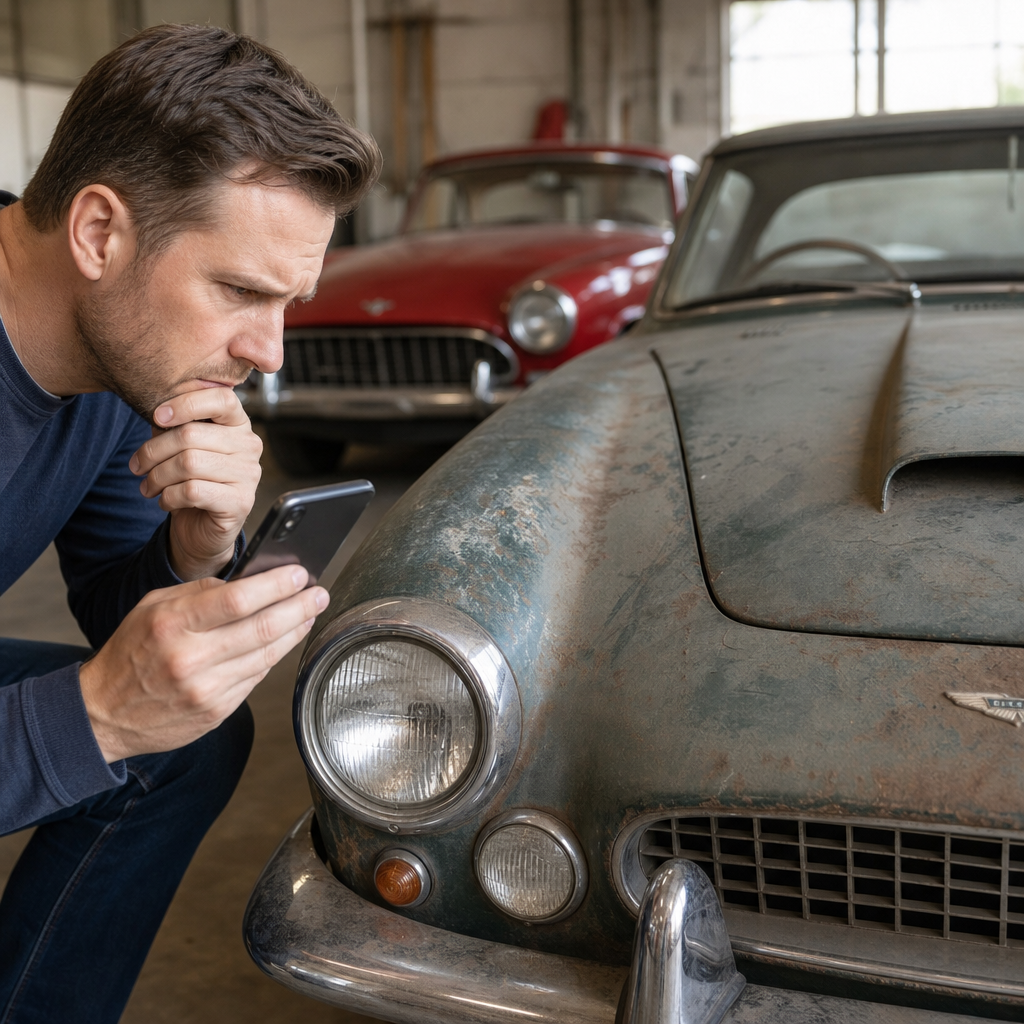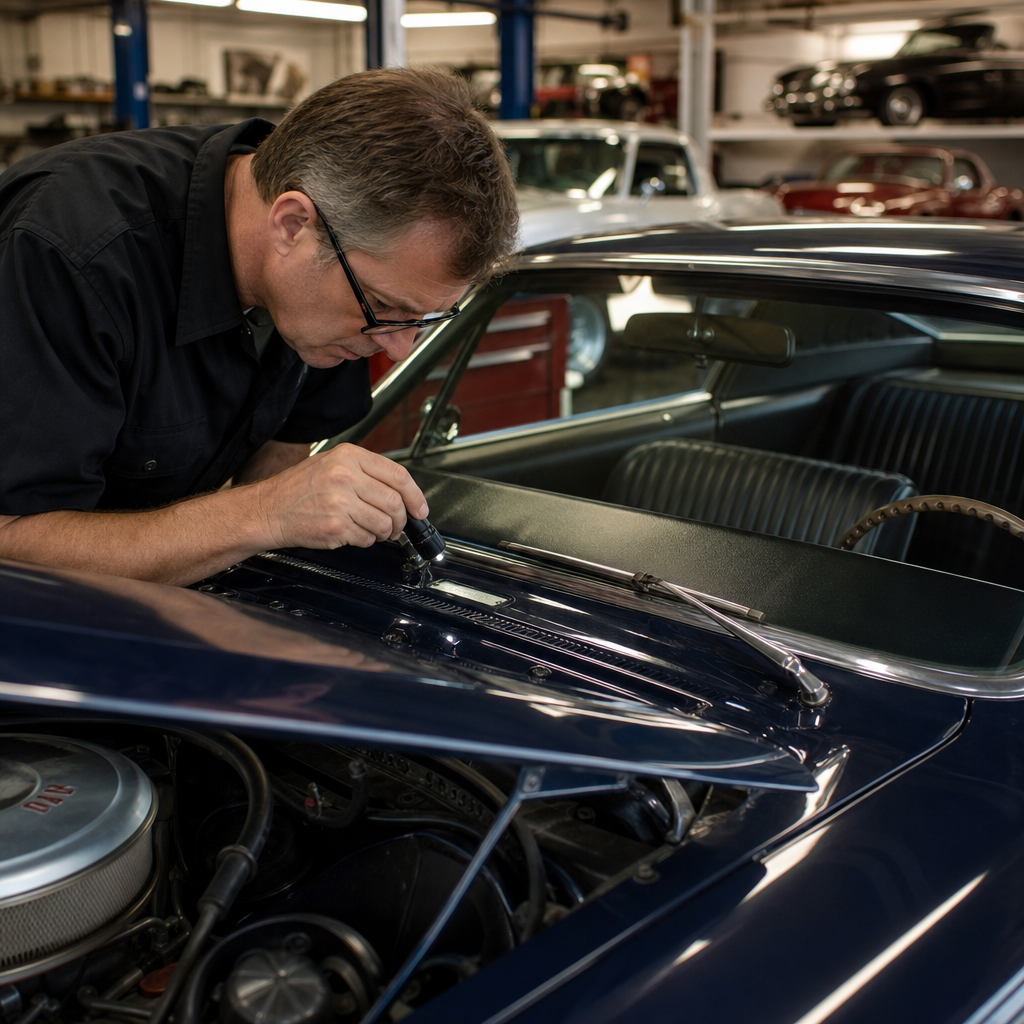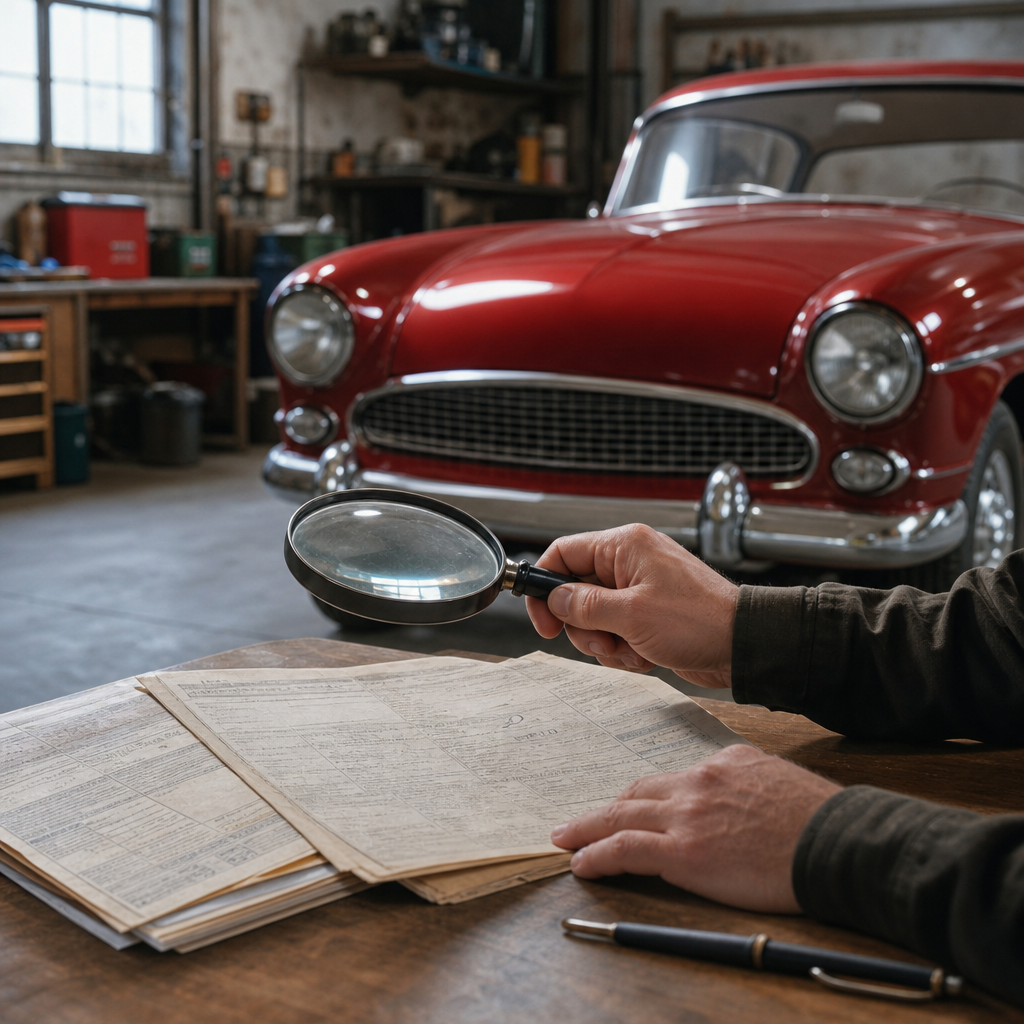

Negotiating with dealers vs private sellers requires two different playbooks, even when the car is the same. In classic car transactions, price is only one part of the discussion; provenance, originality, inspection findings, transport, paperwork, and post-sale risk all shape what a buyer can realistically negotiate. A dealer and a private seller both want the best outcome for themselves, but they arrive there through very different incentives, constraints, and habits. Understanding those differences is the fastest way to avoid overpaying, insulting the seller, or losing a good car because your approach was mismatched.
In practice, negotiation strategies for classic cars start with a few key terms. An asking price is the seller’s opening number, not necessarily the market value. Reserve is the minimum a seller will actually accept, whether stated or unstated. Provenance refers to ownership history, documentation, and notable associations that support value. Originality describes how much of the car remains as built, while restoration quality measures how competently work was done. A dealer usually carries inventory, has reconditioning and overhead costs, and expects negotiation as part of the process. A private seller may be more emotionally attached, less structured, and more influenced by convenience, timing, or trust than by pure market logic.
This distinction matters because classic cars are not commodity products. Two 1967 Porsche 911s can look similar in photos and differ by tens of thousands of dollars once you verify engine numbers, rust repair quality, paint meter readings, and service records. I have seen buyers lose leverage by treating a dealer like a hobbyist or a private seller like a showroom. The best results come from reading the seller type correctly, preparing your evidence, and adjusting your tone, timing, and concessions to match. This guide explains how to negotiate with both sides, where each seller is flexible, and how to build a defensible offer that protects your budget without killing the deal.
How dealer negotiations work in the classic car market
Dealers negotiate from a business model, not from sentiment. Their price usually reflects acquisition cost, transport, detailing, light mechanical sorting, photography, marketing, floorplan or capital costs, staff time, and warranty or reputation risk. That does not mean the number is fixed. It means you need to understand where flexibility exists. In my experience, dealer flexibility tends to be highest on stale inventory, imperfect cars that have a narrow buyer pool, and deals that can close quickly with clean terms. It is usually lower on freshly listed, highly documented, blue-chip models priced near current market demand.
When negotiating with a dealer, start by validating the car rather than attacking the price. Ask for chassis and engine numbers, restoration invoices, compression or leak-down results if applicable, and a full set of underside and paint meter photos. Request clarity on consignments versus dealer-owned stock because authority to discount often differs. A consignment car may have little room unless the consignor agrees, while dealer-owned inventory may have more flexibility if carrying costs are rising. Use specific references such as Hagerty Price Guide trends, recent Bring a Trailer or RM Sotheby’s comparables, and known model-year issues. Specificity earns respect. Saying “the market feels soft” is weak; saying “three comparable Series 1 E-Types traded below your ask because of nonmatching drivetrains and older paint” is actionable.
Dealers also respond to deal structure. If they resist lowering the headline price, negotiate for value elsewhere: enclosed shipping, included spares, pre-delivery service, corrected defects, reduced documentation fees, or a longer hold pending inspection. On a $60,000 classic, a dealer may stand firm at $58,500 but agree to fix gauges, replace aged tires, and arrange insured transport, creating a better real outcome than a simple $1,500 discount. This is especially common when the dealer wants to preserve pricing discipline for future buyers or other consignors.
Professionalism matters. Dealers expect informed buyers, but they also identify time-wasters quickly. A concise message with your questions, proof of funds, and a realistic inspection timeline puts you in the serious category. Lowballing a well-priced car by 25 percent rarely creates leverage; it usually ends the conversation. A stronger method is conditional negotiation: “Subject to a satisfactory pre-purchase inspection and confirmation of matching numbers, I am prepared to move at $54,000 this week.” That shows commitment while protecting you from undisclosed issues.
How private seller negotiations differ
Private sellers are less standardized, which creates both risk and opportunity. Some know the market in detail and have organized records, realistic expectations, and clear boundaries. Others anchor on money spent rather than current value, compare their driver-quality car to concours examples, or become defensive when flaws are discussed. The emotional component is stronger. A private seller may have owned the car for twenty years, restored it with family, or associated the sale with retirement, divorce, or estate settlement. Negotiation strategies with private sellers therefore depend as much on trust and communication as on data.
The first goal is to understand motivation. Is the seller testing the market, needing space, funding another purchase, or settling an estate? Motivation affects urgency. A seller making room for an incoming Alfa Romeo may choose certainty over squeezing out the final two thousand dollars. An estate representative may prioritize speed, documentation, and respectful handling. Ask open questions: “How long have you owned it?” “What prompted the sale now?” “What work has been done in the last five years?” These questions reveal value, maintenance reality, and flexibility without sounding adversarial.
With private sellers, your manner often matters more than your opening number. If you point out flaws too aggressively, they may stop sharing useful information or refuse to negotiate on principle. I have had better outcomes by acknowledging what is good first, then discussing issues in terms of cost and risk. For example: “The panel fit is better than many drivers I see, and the service file is strong. My concern is the bubbling at the lower fender and the non-original interior materials, because correcting those items changes my total investment.” That keeps the conversation factual. Private sellers are more likely than dealers to reward buyers who seem likely to care for the car properly and complete the transaction without drama.
Private deals also require more verification. There may be no merchant reputation, return policy, or administrative system. Confirm title status, lien release, VIN consistency, body tags, and whether the car is currently registered. If the seller resists a pre-purchase inspection or refuses reasonable documentation requests, that is not a negotiation issue; it is a risk signal. Walk away rather than bargain around missing trust.
What to research before making any offer
Strong negotiation starts before the first call. Build a pricing range using multiple sources, not one listing site. Hagerty Price Guide gives condition bands, but auction platforms such as Bring a Trailer, Cars & Bids for newer collectibles, Bonhams, Gooding, and Mecum show what buyers actually paid in varying conditions. Filter for matching numbers, body style, gearbox, restoration age, and color where relevant. A big-block four-speed example can sit in a different market from a small-block automatic, even within the same model year. Regional differences matter too. Dry-climate trucks and unrestored European cars with known long-term ownership often command premiums over cosmetically attractive but structurally questionable cars.
You should also research common defects and their repair economics. On air-cooled 911s, pulled head studs, magnesium case issues, or rust in the torsion tube area can overwhelm a negotiated discount. On British roadsters, poor panel alignment may point to deeper structure problems. On classic muscle cars, driveline authenticity can swing value dramatically, especially when partial VIN stampings or broadcast sheets are involved. Knowing these issues allows you to convert observations into dollar impact instead of making vague objections.
| Negotiation factor | Dealer | Private seller |
|---|---|---|
| Primary motivation | Margin, inventory turn, reputation | Convenience, emotion, timing, cash |
| Best leverage | Comparable sales, aging inventory, clean close | Trust, inspection findings, urgency |
| Typical flexibility | Price alternatives, repairs, shipping, fees | Headline price, included parts, timing |
| Main risk | Paying retail for average quality | Documentation gaps, hidden issues, title problems |
| Best offer style | Conditional, documented, professional | Respectful, direct, relationship-based |
Finally, define your walk-away number before emotions take over. Include buyer’s premium if applicable, sales tax where due, transport, immediate mechanical catch-up, tires, weatherstrips, and interior or paint correction. Many buyers negotiate hard on purchase price and then absorb five figures of deferred maintenance they should have priced in from the start. The right offer is the number at which the total package still makes sense.
Proven negotiation tactics that work with both sellers
Several negotiation strategies work regardless of seller type. The first is anchoring with evidence, not opinion. Present your range and how you built it: comparable sales, condition differences, originality adjustments, and estimated remediation costs. Sellers do not have to agree, but a transparent framework keeps the conversation grounded. The second is silence. After making a fair offer, stop talking. Buyers often negotiate against themselves by filling the pause with concessions. The third is sequencing. Agree on the car’s facts first, then the economics. If the seller admits the tires are twelve years old, the air conditioning is inoperative, and the repaint is older with visible sink marks, the price adjustment becomes easier to justify.
Use inspection findings carefully. A pre-purchase inspection is not a weapon to “win” a discount; it is a tool to price risk accurately. Separate safety and structural issues from cosmetic preferences. Worn suspension bushings, rust in frame sections, cracked date-coded tires, and weak compression on one cylinder are financial issues. A non-original radio or patina level you personally dislike may not justify the same kind of price movement. This distinction helps preserve credibility. Serious sellers engage better when they see that you can tell the difference between a defect and a preference.
Another reliable tactic is offering certainty. Sellers value a smooth transaction more than many buyers realize. A deposit ready to send, transport arranged, financing already handled, and a realistic schedule can beat a slightly higher but uncertain offer. This is especially true with private sellers and small specialist dealers. If you can say, “Inspection Tuesday, wire Wednesday, enclosed transport Friday,” you have converted from shopper to solution. That often opens room on price or extras.
Timing also matters. Dealer flexibility may increase at month-end, quarter-end, or after a car has lingered through a slow season. Private sellers may become more flexible after repeated no-shows, before a move, or once they commit to their next purchase. None of this guarantees a bargain, but context changes leverage. Good negotiation is rarely theatrical; it is usually preparation plus timing plus disciplined execution.
Common mistakes that weaken your position
The biggest mistake is negotiating before verifying the car. Buyers get emotionally invested in “winning” the price and miss the possibility that the car is wrong at any number. A poor restoration, title discrepancy, or nonmatching drivetrain can erase any apparent discount. The second mistake is relying on asking prices rather than sold prices. Asking prices reflect ambition; sold prices reflect market acceptance. The third is revealing too much too soon, especially your budget ceiling or emotional attachment to a rare color combination.
Another common error is treating every flaw as a bargaining chip of equal weight. Sellers know when a buyer is padding the issue list. Focus on the items that materially affect value, safety, or originality. Overreaching can harden the seller’s stance. So can disrespect. Saying “this thing is a mess” may feel assertive, but it usually kills information flow. In classic cars, information is leverage. You want the seller talking, not defending. Finally, do not ignore paperwork. Titles, import records, heritage certificates, restoration invoices, and photo documentation can be worth real money because they reduce uncertainty. A car with strong records often deserves a firmer price than an apparently similar example with a thin file.
Choosing the right seller for your goals
The better negotiation target depends on your priorities. If you value convenience, some process protection, and access to multiple cars, a reputable specialist dealer can be worth the premium. If you want the best chance at buying below retail and are comfortable doing more verification yourself, private sellers often offer stronger upside. Neither channel is automatically better. The right choice is the one that matches your experience, risk tolerance, and the rarity of the car you want.
For most buyers, the smartest approach is simple: prepare thoroughly, negotiate respectfully, and let facts set the price. Dealers usually reward structure and speed. Private sellers usually reward trust and clarity. In both cases, your strongest position comes from knowing the market, understanding the model, and being fully ready to complete the deal when the numbers make sense. Use this page as your hub for classic car negotiation strategies, then apply these principles to inspections, pricing analysis, auction bidding, and post-purchase planning. The goal is not just to pay less. It is to buy the right classic car, on terms you can defend, with fewer surprises after the transporter leaves.
Frequently Asked Questions
What is the biggest difference between negotiating with a dealer versus a private seller?
The biggest difference is that a dealer is negotiating as part of a business model, while a private seller is usually negotiating around a single car with a personal history. That changes everything. A dealer may have more market knowledge, firmer pricing systems, and less emotional attachment to the vehicle itself, but they also have overhead, reputation concerns, inventory targets, and sometimes room to structure a deal in ways a private seller cannot. A private seller, by contrast, may be more flexible on price if they are motivated, but they may also be deeply attached to the car, convinced of its uniqueness, or less prepared to discuss documentation and condition in a methodical way.
In the classic car world, this matters because negotiation is rarely just about the asking price. With a dealer, you may be discussing inspection contingencies, transport arrangements, title processing, spare parts included in the sale, authentication records, and whether any post-sale support or disclosures are available. With a private seller, the conversation often revolves more around the car’s ownership story, maintenance habits, originality claims, and what the seller believes the car is worth based on personal investment rather than current market reality. The smartest buyers adjust their strategy accordingly. They use a more structured, evidence-driven approach with dealers and a more patient, trust-building approach with private sellers, while still verifying every important fact independently.
Do dealers usually have less room to negotiate on price than private sellers?
Not always, but the kind of flexibility is often different. Dealers may appear less flexible because they are experienced negotiators and know how to defend an asking price. They are also balancing acquisition cost, preparation cost, marketing expense, storage, commissions, and desired margin. That means they may resist a large price cut even if a buyer believes the car has been listed for too much. However, a dealer may have more ways to make a deal work without simply slashing the headline number. For example, they might agree to address inspection findings, include enclosed transport, add documentation support, provide extra parts, reduce certain fees, or improve payment and timing terms.
Private sellers can sometimes be more flexible on the actual purchase price, especially if they are facing a move, estate settlement, garage space issue, or simple sale fatigue after months of inquiries. But that does not mean every private seller is easier to negotiate with. Some anchor heavily to restoration receipts, emotional value, or an inflated online comp. In those cases, they may have less practical flexibility than a dealer. The key is to identify motivation and use objective support for your offer. Bring comparable sales, note specific condition issues, discuss provenance gaps, and connect your number to real costs such as paint correction, mechanical sorting, documentation research, or originality concerns. Whether you are dealing with a dealer or a private seller, a serious, well-supported offer tends to perform better than a vague attempt to “see how low they’ll go.”
How should inspection findings affect negotiation in a classic car sale?
Inspection findings should be one of the most important drivers of the negotiation because they translate uncertainty into measurable risk. In a classic car transaction, the visible condition of the car is only part of the story. A professional inspection can uncover rust repair, compression issues, fluid leaks, non-original components, electrical problems, poor restoration work, mismatched numbers, or safety concerns that materially affect value. Those findings can justify a lower price, but they can also shape the structure of the deal in other ways, such as requiring repairs before closing, changing the timeline, or leading the buyer to walk away entirely.
With a dealer, inspection findings often fit into a more procedural negotiation. A reputable dealer may already expect a pre-purchase inspection and may respond professionally to a report, even if they disagree with parts of it. In that setting, it is often effective to separate cosmetic items from significant mechanical, structural, or originality-related issues and then discuss how each should affect value. With a private seller, the inspection conversation can be more delicate. Some private sellers take negative findings personally or argue that “all old cars do that.” Staying calm and factual is essential. Focus on cost to remedy, effect on authenticity, and impact on future resale rather than framing the discussion as a personal criticism. Most importantly, do not over-negotiate minor flaws while ignoring major ones. In classic cars, hidden issues with rust, driveline health, documentation, or provenance usually matter far more than small cosmetic imperfections.
Is provenance and originality easier to negotiate with a dealer or a private seller?
It depends on who has the better records, but in many cases a dealer will present provenance and originality more systematically, while a private seller may offer more firsthand knowledge. A dealer who specializes in classic cars may have assembled a sale file with ownership history, restoration invoices, factory documents, photos, and verification of matching numbers or period-correct components. That can make the negotiation more efficient because the buyer can clearly see what is documented, what is claimed, and what remains uncertain. If there are gaps, those gaps can become legitimate negotiating points, especially when originality is central to value.
A private seller may provide something just as valuable: long-term memory and direct experience with the car. If they have owned it for years or decades, they may know exactly when the engine was rebuilt, why a panel was repainted, where certain parts came from, or which modifications were made and why. That said, personal recollection is not the same as documentation. In negotiation, provenance and originality should be treated as evidence-based value drivers. If a car is represented as highly original but lacks records, has replacement stampings, shows inconsistent finishes, or has undocumented restoration work, that uncertainty should affect your offer. The same is true for desirable provenance that cannot be substantiated. Buyers should be careful not to pay a premium for a story alone. Whether negotiating with a dealer or a private seller, the principle is the same: documented originality and documented history support stronger pricing; uncertainty, inconsistency, or unverifiable claims justify caution and a lower number.
What non-price terms should a buyer negotiate besides the sale amount?
In many classic car deals, the non-price terms are where a buyer can protect themselves most effectively. The obvious one is a pre-purchase inspection contingency, but it should not stop there. Buyers should also negotiate exactly what is included in the sale, such as spare parts, tools, manuals, restoration photos, receipts, extra wheels, removable hardtops, factory literature, or historical paperwork. Those items can have real financial and historical value, and misunderstandings about them are common. You should also clarify title status, VIN consistency, lien release procedures, payment method, delivery timing, storage terms if pickup is delayed, and who bears the risk during transport.
These points often play out differently depending on whether the seller is a dealer or a private party. A dealer may be more prepared to discuss shipping coordination, temporary storage, documentation packages, and transactional logistics. They may also be more familiar with interstate paperwork and tax-related procedures. A private seller may be less formal but potentially more willing to include personal records, extra components, or flexibility on pickup timing. If there are known defects, negotiate clear written disclosures so there is no ambiguity later. If a repair is promised before sale, specify who will perform it, what standard will apply, and whether receipts will be provided. In other words, think beyond “What am I paying?” and ask “What exactly am I receiving, what risks remain, and how are those risks allocated?” That mindset leads to better outcomes in both dealer and private seller negotiations.