
Buying your first classic car is exciting, but the biggest mistakes happen before money changes hands. A first-time buyer often focuses on paint, chrome, and nostalgia while missing the factors that determine whether ownership will be rewarding or expensive. In practical terms, a classic car is usually an older vehicle valued for heritage, design, rarity, or enthusiast appeal rather than simple transportation. The exact definition varies by insurer, state registration office, and auction house, but the buying process follows the same core principles.
When people search how to buy a classic car, they usually want clear answers to a few questions: What can I afford, where should I shop, how do I verify originality, and how do I avoid overpaying? After years of reviewing listings, decoding trim tags, checking underbodies, and helping buyers inspect candidates before purchase, I have seen the same errors repeat. Buyers skip research, trust weak documentation, underestimate restoration costs, and confuse rarity with value. Those mistakes can turn a dream purchase into a stalled project, a resale loss, or a safety risk.
This hub article explains the most common first-time buyer mistakes to avoid and the process that prevents them. It covers budget planning, model research, condition assessment, paperwork, inspections, negotiation, transport, storage, and post-purchase priorities. Treat it as the foundation for every deeper guide in a buying and selling classic cars library. If you understand these basics before viewing your first car, you will make better decisions, ask sharper questions, and buy a classic car you can actually enjoy.
Start With the Right Budget, Not the Right Car
The first mistake most new buyers make is choosing a car before defining a full ownership budget. The purchase price is only one line item. You also need sales tax, registration, transport, insurance, immediate maintenance, specialist inspection fees, and a reserve for corrective work. On a $25,000 classic, those extras can easily add $3,000 to $7,500 in the first year, even if the car is fundamentally sound. If the car needs tires, fuel system cleaning, brake hydraulics, and weatherstripping, costs rise fast.
I advise buyers to build three numbers before they browse listings: target price, walk-away ceiling, and first-year repair reserve. That structure prevents emotional overspending. Hagerty Price Guide, auction results from Mecum and Barrett-Jackson, and Bring a Trailer sales history are useful references, but none should be read in isolation. Auction prices can be inflated by presentation, timing, and buyer premiums, while classified ads often reflect optimistic asking prices rather than real transaction values. Your budget should be based on sold comparables in similar condition, not best-case fantasies.
A smart budget also considers parts availability. A first-generation Ford Mustang or Chevrolet C10 may have deep aftermarket support, while a low-production European coupe can involve long lead times and scarce trim. The less available the parts, the more important it is to buy the best example you can afford. Beginners often think buying a cheaper project saves money. In reality, restoration cost almost always exceeds the difference between a project car and a solid driver.
Research the Exact Model, Engine, and Trim Before You Shop
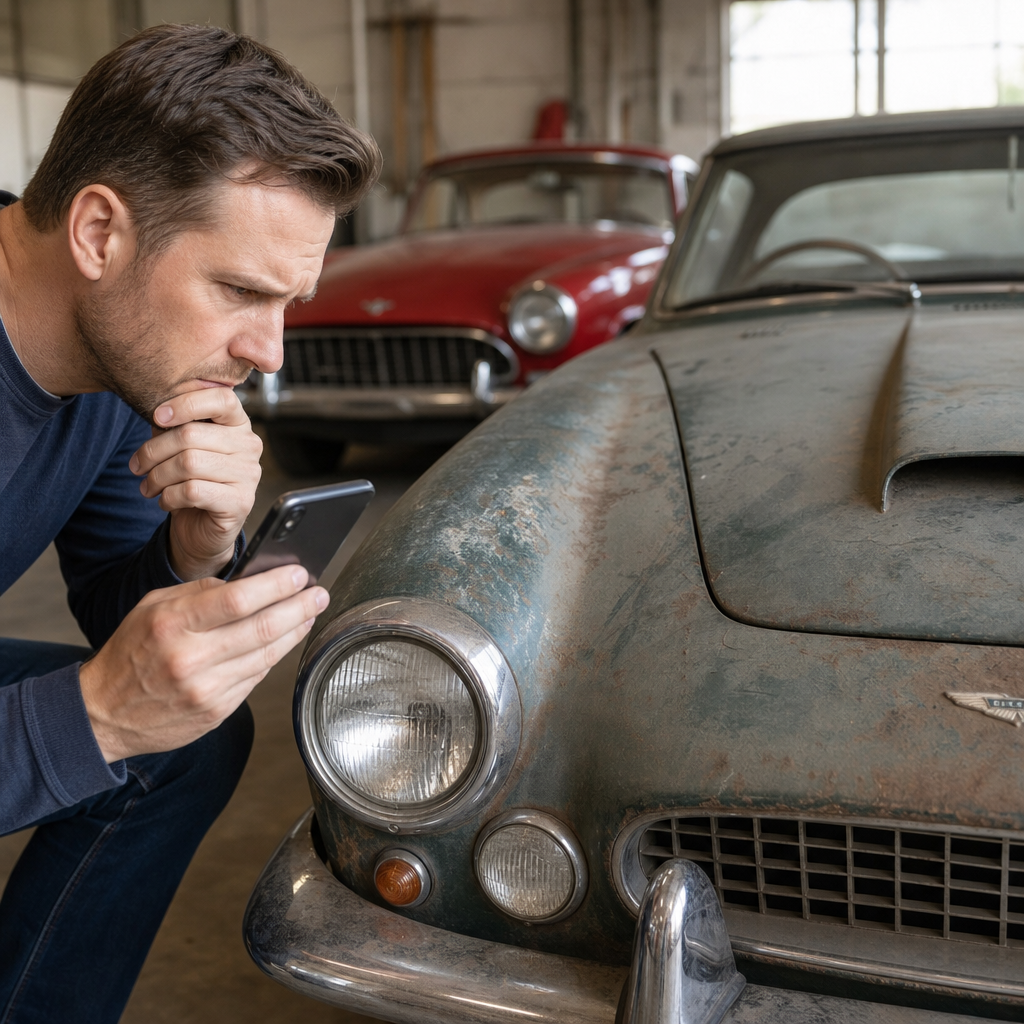
Another major mistake is researching a nameplate instead of the exact vehicle configuration. There can be enormous differences in value and ownership experience between body styles, engines, transmissions, and years that look nearly identical to a novice. A 1967 Camaro RS is not the same market proposition as a base six-cylinder coupe, and a 1973 Porsche 911T does not carry the same mechanical or collector profile as a later SC. Small details change desirability, service needs, and authenticity standards.
Before contacting sellers, learn the production numbers, common rust areas, drivetrain options, VIN format, casting number locations, trim tag decoding, and known weak points for your target model. Factory shop manuals, marque-specific clubs, and model registries are invaluable here. The Antique Automobile Club of America, Shelby American Automobile Club, Porsche Club of America, and Mercedes-Benz Club of America all preserve technical knowledge that classified listings rarely provide. Forum archives can also be useful, though they need cross-checking because opinions vary.
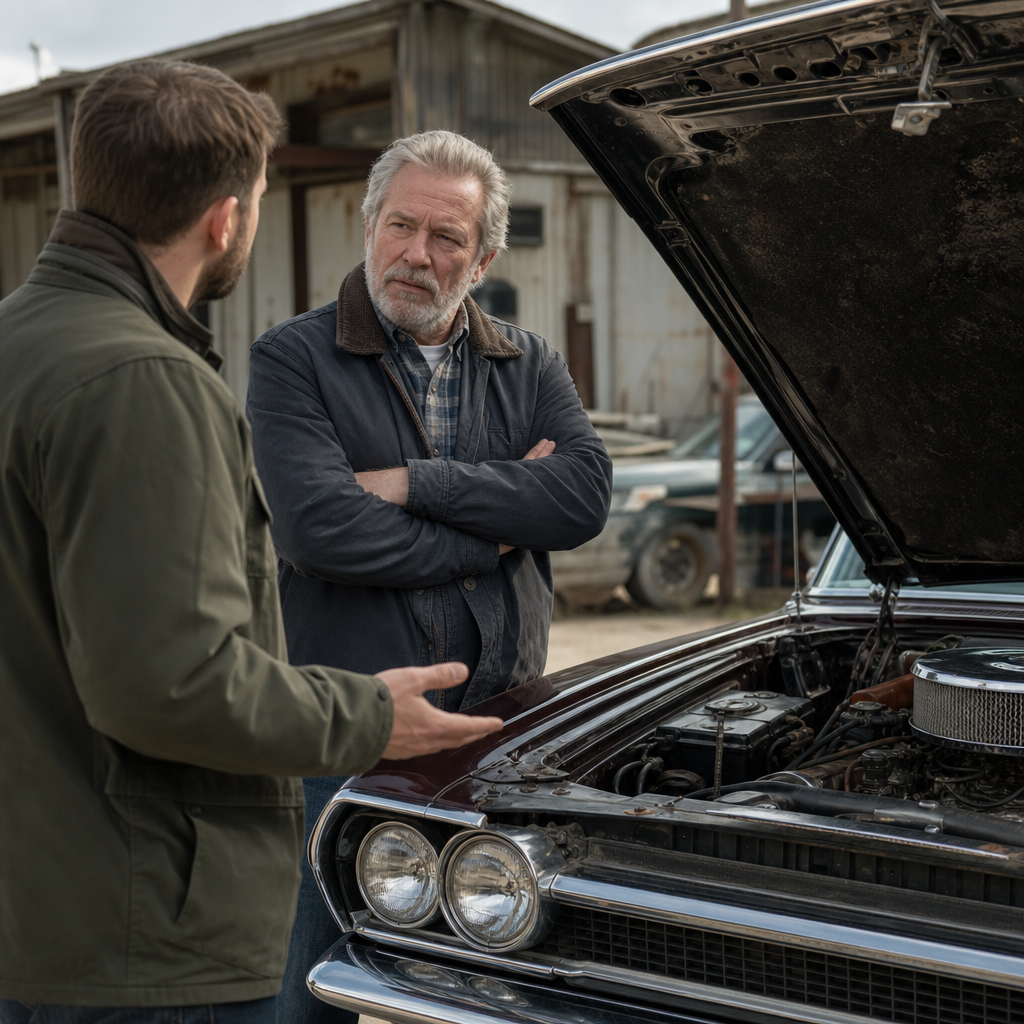
Good model research helps you avoid buying the wrong version at the wrong price. It also sharpens your questions. Instead of asking, “Has it been restored?” ask, “Is the engine block date-correct for the build month?” or “Have the torque boxes and rear frame rails been repaired?” Sellers respond differently when they know the buyer understands the car. That often leads to more honest disclosures and fewer surprises during inspection.
Condition Matters More Than Fresh Paint
First-time buyers routinely overvalue appearance and undervalue structure. A glossy respray, polished wheels, and a detailed engine bay can hide poor bodywork, corrosion, accident damage, and mechanical neglect. In the classic car market, condition is usually discussed in tiers ranging from concours to project, but practical buyers should think in plain categories: show car, excellent driver, usable driver, flawed project, and parts car. Most beginners should target an excellent or usable driver with documented maintenance rather than a fresh restoration with unclear workmanship.
The most expensive mistakes usually involve rust and previous repairs. Rust in floor pans is one issue; rust in frame rails, rocker panels, suspension pickup points, windshield channels, or trunk drop-offs is far more serious. Poor prior repairs can include lap-welded patch panels, heavy filler, undercoating sprayed over corrosion, and misaligned seams. A magnet, paint meter, flashlight, and lift access tell you more than a polished hood ever will. Check panel gaps, door closing feel, glass fitment, underbody weld quality, and signs of water intrusion.
Mechanical condition deserves equal discipline. Listen for cold-start smoke, valvetrain noise, timing chain rattle, drivetrain clunk, and brake pull. Check for fluid leaks at the rear main seal, differential pinion, transmission pan, and power steering box. Review compression or leak-down results when available. On carbureted cars, poor hot starts or hesitation may reflect tuning issues, but they can also point to vacuum leaks, worn ignition components, or fuel delivery problems. Cosmetics are easy to refresh. Structural and mechanical faults are where budgets get destroyed.
Verify Paperwork, Numbers, and Provenance
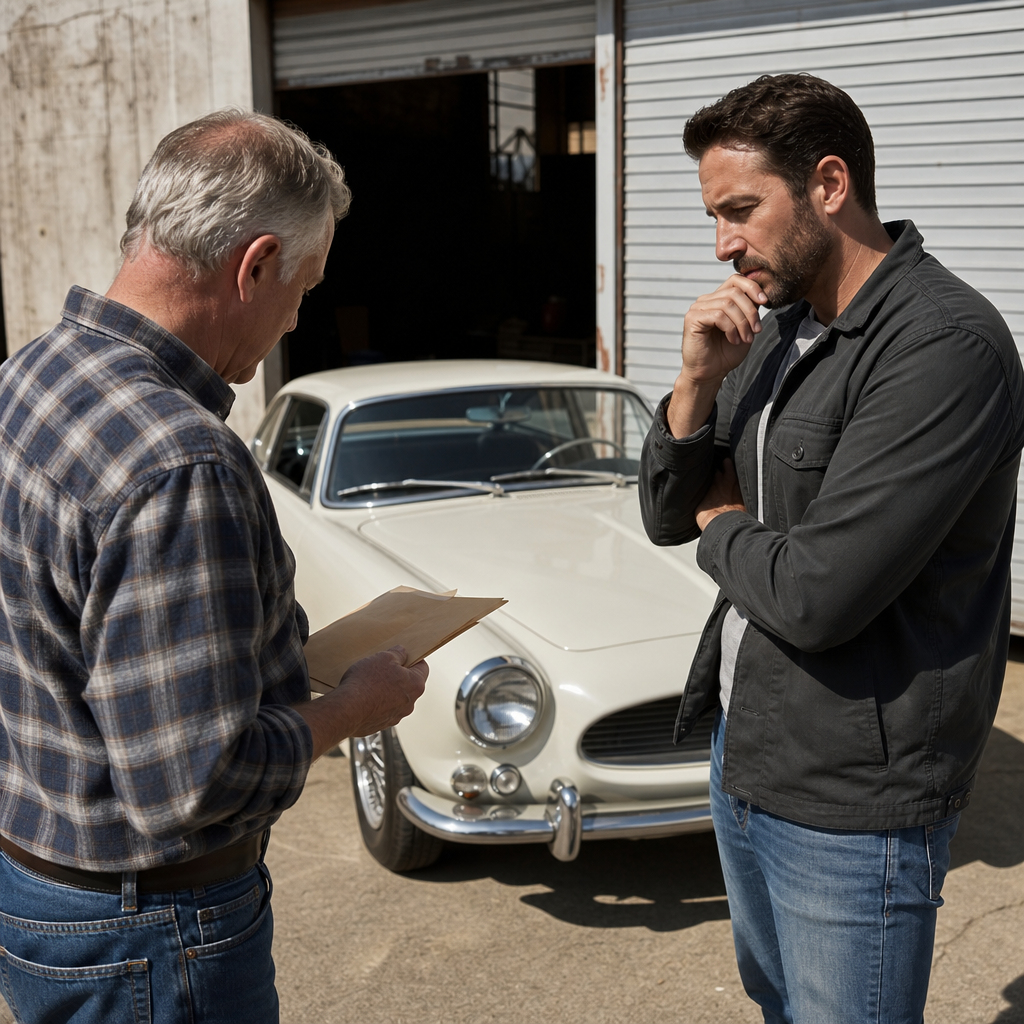
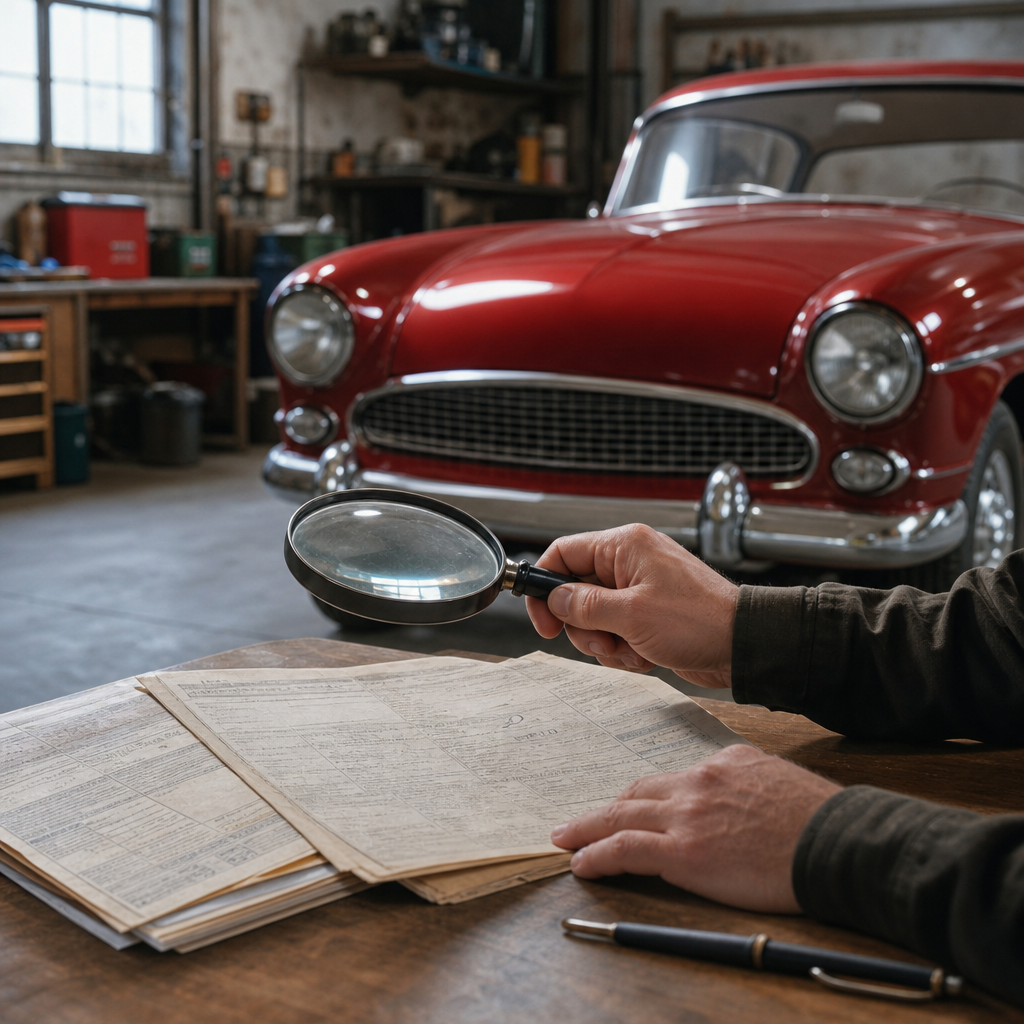
Documentation is where confidence is built. One of the biggest classic car buying mistakes is accepting vague claims without matching them to records. A seller may say the car is “all original,” “matching numbers,” or “one repaint,” but those statements need proof. At minimum, compare the VIN on the title to the VIN plate on the car and confirm there are no signs of tampering. Then verify engine, transmission, body, and axle identifiers according to the standards for that specific marque and year.
Service records matter almost as much as originality. A stack of invoices shows how the car was maintained, which specialists worked on it, and whether major systems were rebuilt. Look for evidence of brake service, cooling system work, suspension refresh, fuel tank cleaning, and electrical repairs. Cars that sit for years often need recommissioning even if mileage is low. Provenance can add value when supported by ownership history, original window sticker, build sheet, Protect-O-Plate, Kardex, or heritage certificate, depending on the brand.
| Document or Check | Why It Matters | What to Watch For |
|---|---|---|
| Title and VIN | Confirms legal identity and ownership | Mismatched numbers, salvage branding, altered rivets |
| Service invoices | Shows maintenance history and specialist care | Long gaps, repeated unresolved repairs |
| Engine and transmission numbers | Supports originality and value | Incorrect dates, non-matching stamp styles |
| Restoration photos | Reveals metalwork and build quality | Missing underbody stages, cosmetic-only images |
| Ownership history | Adds context and credibility | Unexplained gaps or unverifiable stories |
If the seller cannot produce basic paperwork, price the car as undocumented. That does not always make it a bad purchase, but it changes risk, resale, and negotiation. For imported classics, confirm customs and registration compliance carefully. A bargain is not a bargain if you cannot title it properly.
Never Skip a Pre-Purchase Inspection
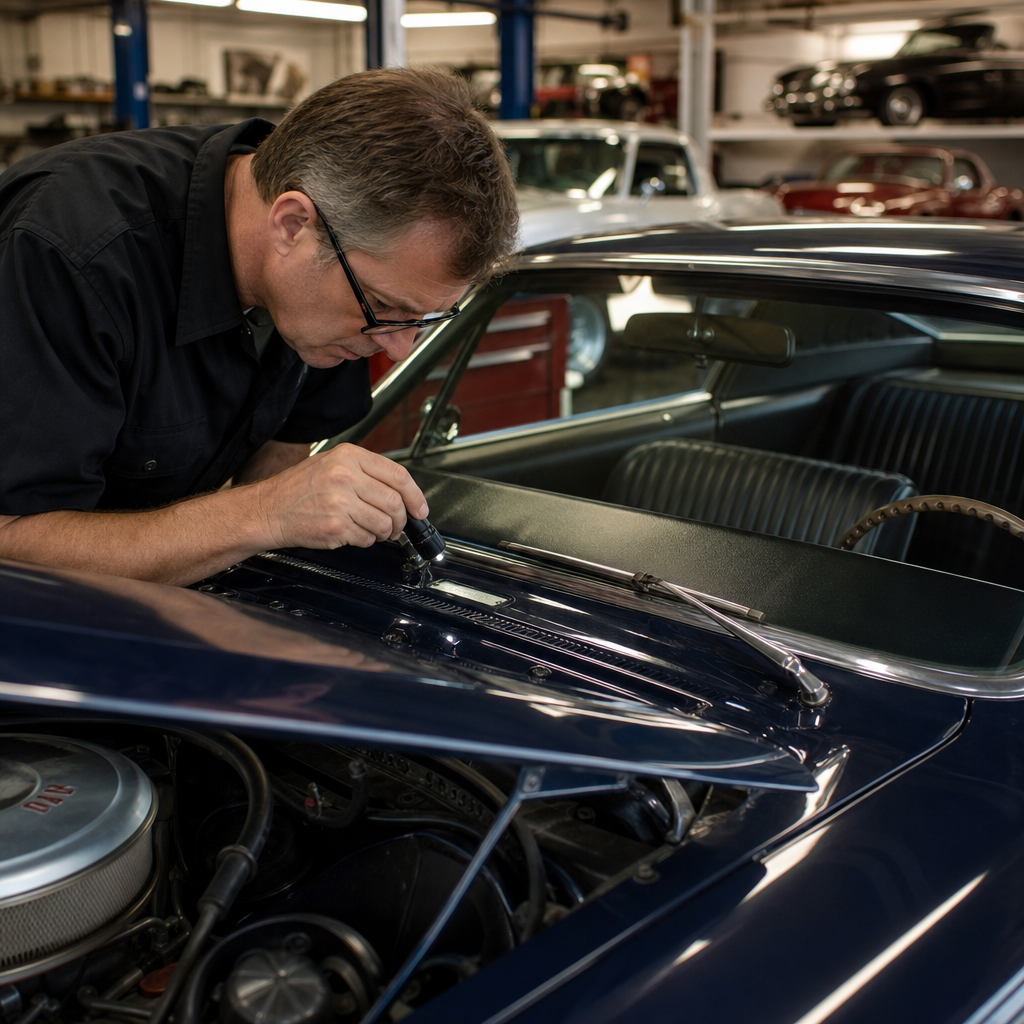
If you remember one rule about how to buy a classic car, make it this one: always get an independent pre-purchase inspection. A proper inspection by a marque specialist costs far less than correcting hidden faults. General repair shops are not enough for many classics because the inspector needs to understand factory spot weld patterns, common corrosion zones, correct hardware finishes, date codes, and known mechanical weak points. The best inspectors provide photos, compression results when appropriate, and a clear summary of safety, originality, and immediate needs.
Remote buyers are especially vulnerable. Online auctions and glossy listing platforms can create urgency, but high-resolution photos still miss underbody repairs, weak synchros, overheating under load, or electrical faults. I have seen cars presented as “turn-key” arrive with hardened fuel lines, seized wheel cylinders, and charging systems that failed within days. An inspection does not guarantee perfection, yet it dramatically improves your odds of understanding what you are buying.
Ask the inspector to separate issues into three groups: safety-critical, reliability-related, and cosmetic. That framework helps you decide whether to walk away, renegotiate, or proceed. It also gives you a realistic first-year work list. A seller who resists an independent inspection is signaling risk. Serious sellers with honest cars rarely object.
Buy for Use, Storage, and Support Network
The right first classic car is the one that fits your driving habits, space, and access to expertise. Beginners often buy a car that looks perfect on paper but does not fit their real life. A big-block muscle car with manual steering and drum brakes may sound romantic, but it can be tiring in traffic and intimidating for a new owner. A well-sorted Mercedes-Benz W113, MGB, or 1966 Mustang coupe may deliver a better ownership experience because parts, knowledge, and specialist support are easier to find.
Storage is not optional. A dry, secure garage slows corrosion, protects trim, and preserves interior materials. Battery maintainers, breathable covers for indoor use, fire extinguishers, and drip containment are sensible basics. Ethanol-blended fuel, long idle periods, and moisture are hard on older systems, so a classic that is driven regularly and stored properly usually behaves better than one parked for months between short starts.
You should also map your support network before buying. Identify a local vintage-friendly mechanic, upholstery shop, paintless dent technician, glass installer, transporter, and insurance provider. Specialty insurers such as Hagerty, Grundy, and American Collectors Insurance often require agreed-value policies, storage details, and limited-use assumptions. Knowing those requirements in advance prevents last-minute scrambles. Ownership goes more smoothly when the ecosystem around the car is ready before the car arrives.
Negotiate Methodically and Plan the First 90 Days
First-time buyers often make two opposite errors in negotiation: they either insult the seller with a random low offer or pay full ask because they fear losing the car. The best approach is evidence-based. Use comparable sales, inspection findings, documentation quality, tire age, paint meter readings, and upcoming maintenance to justify your number. Be respectful, specific, and prepared to walk away. Classic car sellers usually respond better to a calm buyer who can explain valuation than to someone repeating internet clichés.
Once you agree on price, handle payment and delivery securely. Use a bill of sale, verify title transfer procedures, and avoid releasing funds before confirming identity and paperwork. Wire transfers are common, but escrow services can make sense for higher-value transactions. For transport, choose enclosed shipping for valuable or delicate cars, photograph condition before loading, and remove loose items from the cabin and trunk.
The first 90 days of ownership should focus on baseline reliability, not upgrades. Change fluids, inspect belts and hoses, verify tire date codes, service brakes, check cooling system integrity, and test charging output. Replace old fuel lines if history is unclear. Establishing a maintenance baseline is how experienced owners protect both enjoyment and value. Modifications can wait until the car is safe, dependable, and fully understood. That discipline is what separates a satisfying first purchase from a costly lesson.
The most important lesson for any first-time buyer is simple: buy with a process, not with emotion. A classic car should be researched by exact model and trim, priced using real comparables, inspected by an independent specialist, and supported by complete paperwork whenever possible. The biggest mistakes to avoid are underbudgeting, trusting cosmetics, ignoring rust and prior repairs, skipping documentation checks, and assuming every “restored” car is properly sorted. Those errors are common, expensive, and preventable.
If you want to buy a classic car confidently, focus on condition, documentation, usability, and support network before rarity or bragging rights. The best first purchase is rarely the flashiest car in the search results. It is the one with honest history, solid structure, predictable maintenance needs, and a price that leaves room for ownership costs. That is how buyers stay enthusiastic after the trailer leaves and the first repair invoice arrives.
Use this guide as your hub whenever you evaluate listings, speak with sellers, or plan an inspection. Build your budget, verify the records, ask sharper questions, and insist on a professional assessment before committing. Do that, and your first classic car is far more likely to become a long-term source of enjoyment rather than a short-lived mistake.
Frequently Asked Questions
What is the biggest mistake first-time classic car buyers make?
The most common mistake is buying with emotion before doing enough research. First-time buyers often fall in love with the look of a car, the memories it brings back, or the idea of owning something rare, and they commit before understanding what that specific model is really like to live with. A shiny paint job, fresh upholstery, and polished chrome can hide serious issues such as rust, poor repairs, mechanical neglect, missing parts, or incorrect components that reduce both value and reliability. In the classic car world, cosmetic appeal is often the easiest thing to restore or fake, while structural problems and hard-to-find mechanical issues are usually far more expensive.
Another part of this mistake is failing to define the purpose of the purchase. A buyer should know whether the car is meant for weekend cruising, local shows, long-distance touring, hands-on restoration, or investment-minded collecting. A car that looks perfect for one goal may be completely wrong for another. For example, an unfinished project may be exciting to a hobbyist with time, tools, and storage, but it can quickly become overwhelming for someone who simply wants to drive and enjoy the car right away. The smartest approach is to slow down, research the make and model thoroughly, compare multiple examples, learn known trouble spots, and evaluate the car based on condition, documentation, parts support, and ownership costs rather than excitement alone.
Why is a pre-purchase inspection so important for a first-time buyer?
A pre-purchase inspection is one of the best ways to avoid expensive surprises. Classic cars are rarely simple used-car purchases. Many have been repainted, restored, modified, stored for long periods, or repaired multiple times over decades. Even a seller with good intentions may not know the full condition of the vehicle. An experienced inspector, ideally someone familiar with that exact brand or era, can identify rust in hidden areas, signs of collision damage, poor bodywork, weak compression, fluid leaks, wiring problems, brake wear, suspension issues, and evidence that the car is not as original as advertised. That independent assessment gives the buyer a much clearer picture of what they are actually purchasing.
For a first-time buyer, the inspection also provides perspective on true ownership cost. A car that seems attractively priced may need immediate work on fuel lines, cooling, tires, seals, steering components, or electrical systems before it can be driven safely. Those costs add up quickly. The inspection can also reveal whether the vehicle identification numbers, engine stamping, trim details, and major components match the listing and documentation. That matters because originality, authenticity, and correct specification can have a major effect on long-term value. Even if the inspection costs a few hundred dollars, that expense is minor compared with the cost of repairing hidden rust, rebuilding an engine, or buying a car with title and authenticity problems.
How important are documentation and vehicle history when buying a classic car?
Documentation and history are extremely important because they help confirm what the car is, how it has been maintained, and whether the asking price is justified. In the classic car market, paperwork often tells a large part of the story. Service records, restoration receipts, ownership history, original manuals, factory build information, and registration documents can show whether the car has been cared for consistently or pieced together over time. A first-time buyer should not assume that a seller’s description is enough. Records can verify mileage claims, document engine or transmission rebuilds, identify major body repairs, and support claims about rarity or originality.
Vehicle history also protects the buyer from legal and financial problems. The title should be checked carefully for accuracy, branding, and any inconsistencies in the VIN. Depending on the age of the vehicle and the state or country involved, documentation standards may vary, but that makes careful review even more important, not less. Incomplete paperwork can complicate registration, insurance, resale, or importation. Buyers should also understand that in the classic car hobby, provenance adds confidence and value. A well-documented car is often easier to insure, easier to sell later, and less likely to come with unpleasant surprises. While a car can still be worth buying without a perfect paper trail, missing documentation should always lower confidence and should usually affect the price.
Should a first-time buyer choose a fully restored classic car or a project car?
For most first-time buyers, a solid, well-maintained driver-quality car is usually the safest choice. A fully restored or nicely sorted example may cost more upfront, but it often saves money, stress, and time in the long run. Project cars are frequently underestimated. What starts as “just a few small fixes” can turn into years of searching for parts, paying for specialized labor, solving wiring issues, addressing rust, and correcting old repairs. Restoration costs almost always exceed first estimates, especially when bodywork, paint, chrome, interior trim, and engine work are involved. Unless the buyer has mechanical skill, workspace, patience, and a realistic restoration budget, a project can become financially draining very quickly.
That said, “fully restored” should not be accepted at face value. Restoration quality varies enormously. Some cars receive excellent, documented, high-standard work, while others are cosmetically refreshed only to look impressive in photos. A first-time buyer should focus less on labels and more on evidence. Ask when the restoration was done, who performed it, what was rebuilt or replaced, and whether receipts and photos are available. In many cases, the ideal first classic is neither a concours-level show car nor a disassembled restoration candidate, but a dependable, honest example with strong mechanical health, decent cosmetics, good parts availability, and a supportive enthusiast community behind the model.
What costs do first-time buyers underestimate when purchasing a classic car?
Many first-time buyers focus almost entirely on the purchase price and underestimate the full cost of ownership. Insurance, transport, storage, maintenance, registration, taxes, and immediate safety repairs can significantly increase the real cost of the car. Classic car insurance may require specific usage limits, secure storage, appraisals, or eligibility standards based on age and condition. Transport can be expensive if the car is purchased out of state or across the country. Storage matters too, because keeping a classic outside can accelerate deterioration, especially if the vehicle has older seals, chrome, trim, or vulnerable body panels. Even after purchase, basic items such as tires, hoses, belts, fluids, battery, brakes, and fuel system components may need replacement simply because of age.
Buyers also often underestimate parts and labor realities. Some models have excellent aftermarket support, while others require scarce original parts, specialist knowledge, and long wait times. Labor rates for shops experienced in carburetors, vintage electrical systems, drum brakes, or older transmissions are often higher than expected. Fuel economy, drivability, and reliability can also differ dramatically from modern cars, which affects how often and how comfortably the car will actually be used. A wise first-time buyer builds a realistic ownership budget before making an offer, including a reserve fund for unexpected repairs. That approach helps ensure the experience remains enjoyable rather than becoming a series of expensive surprises.