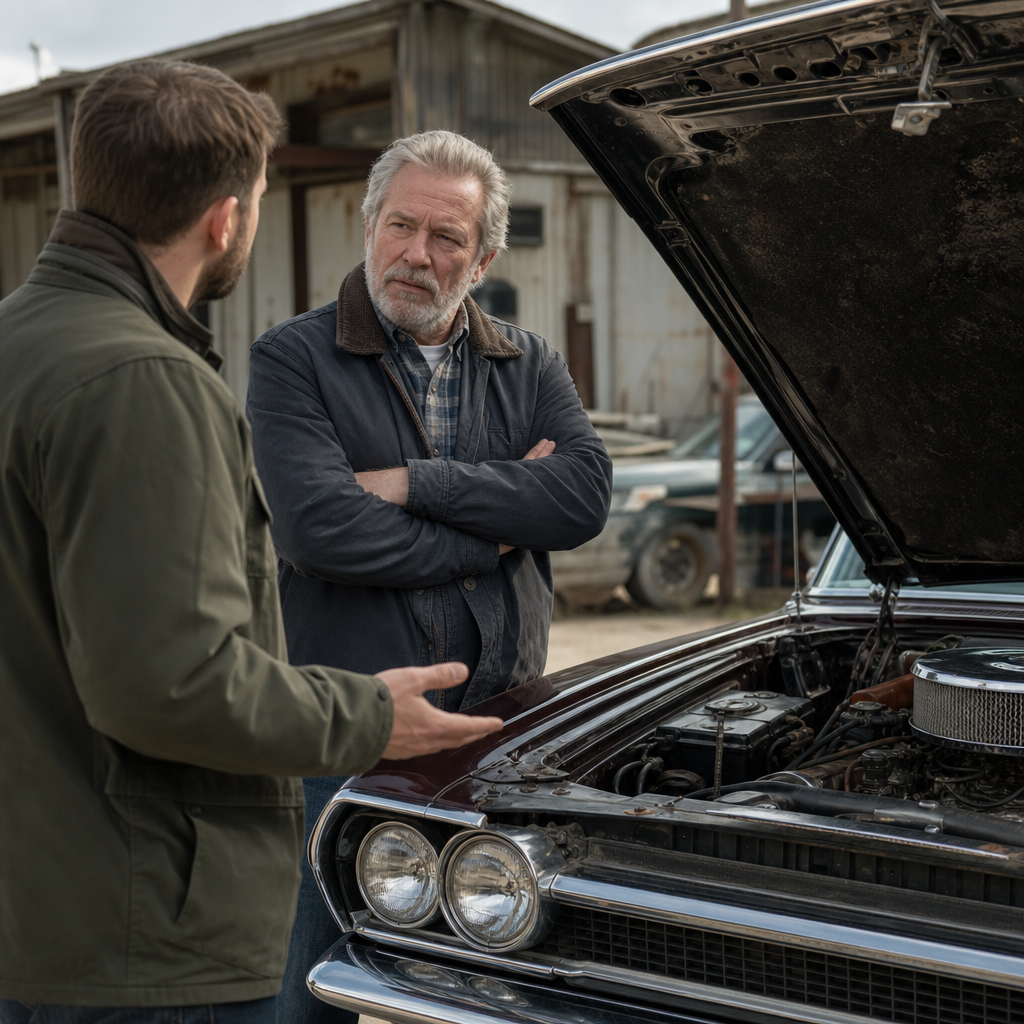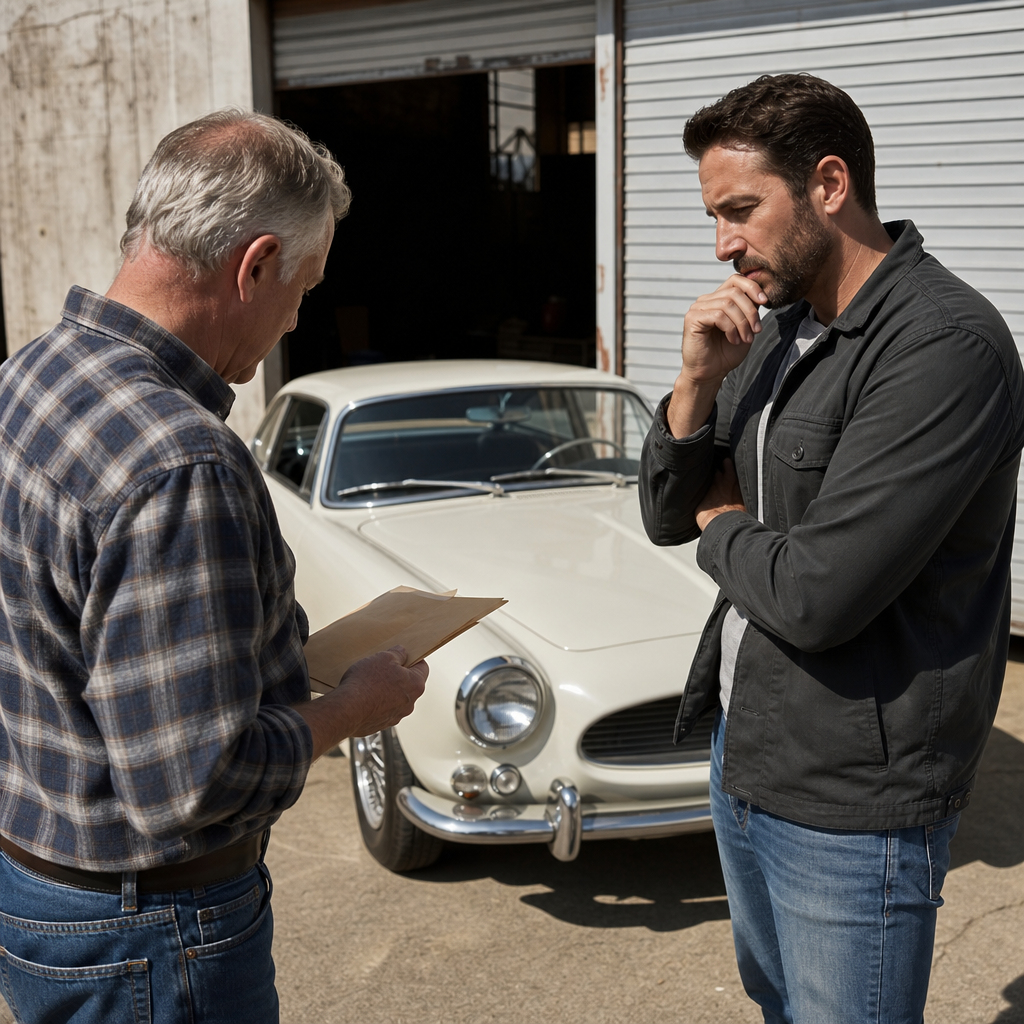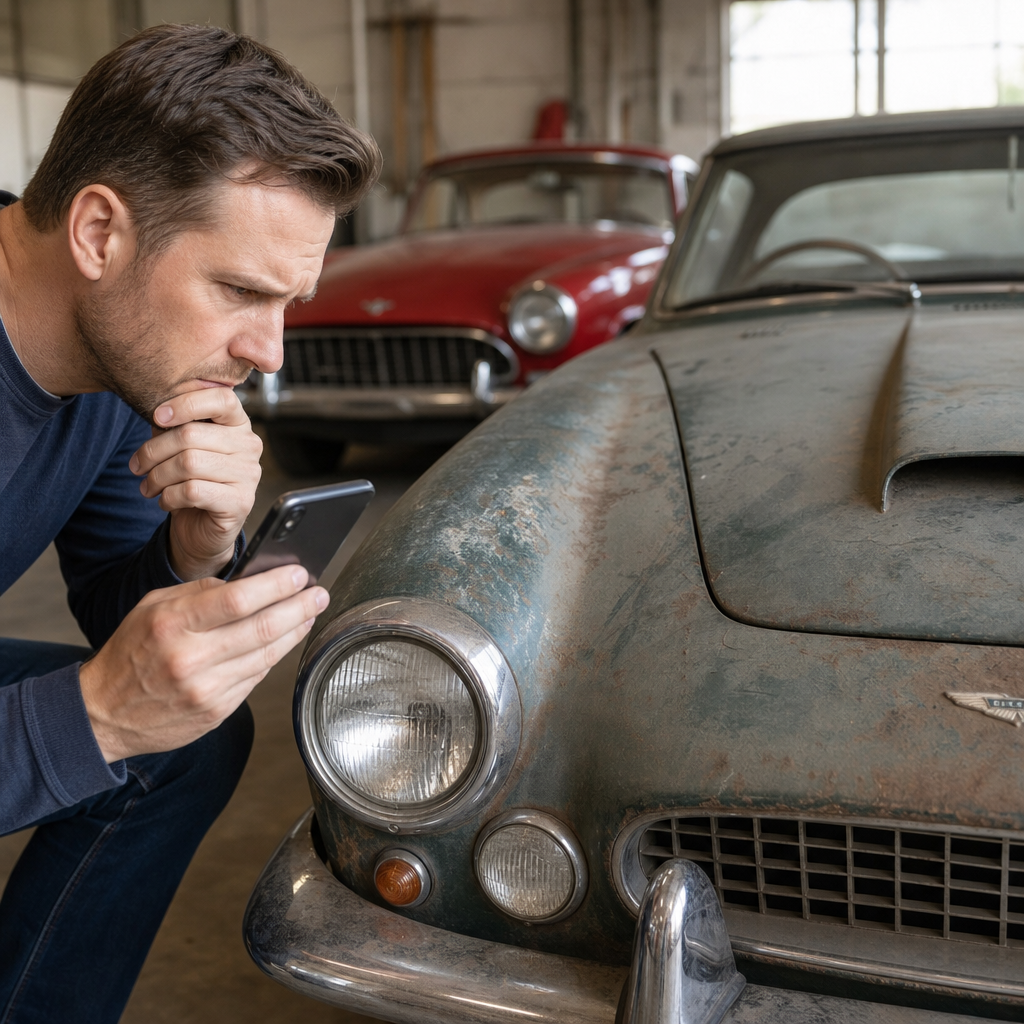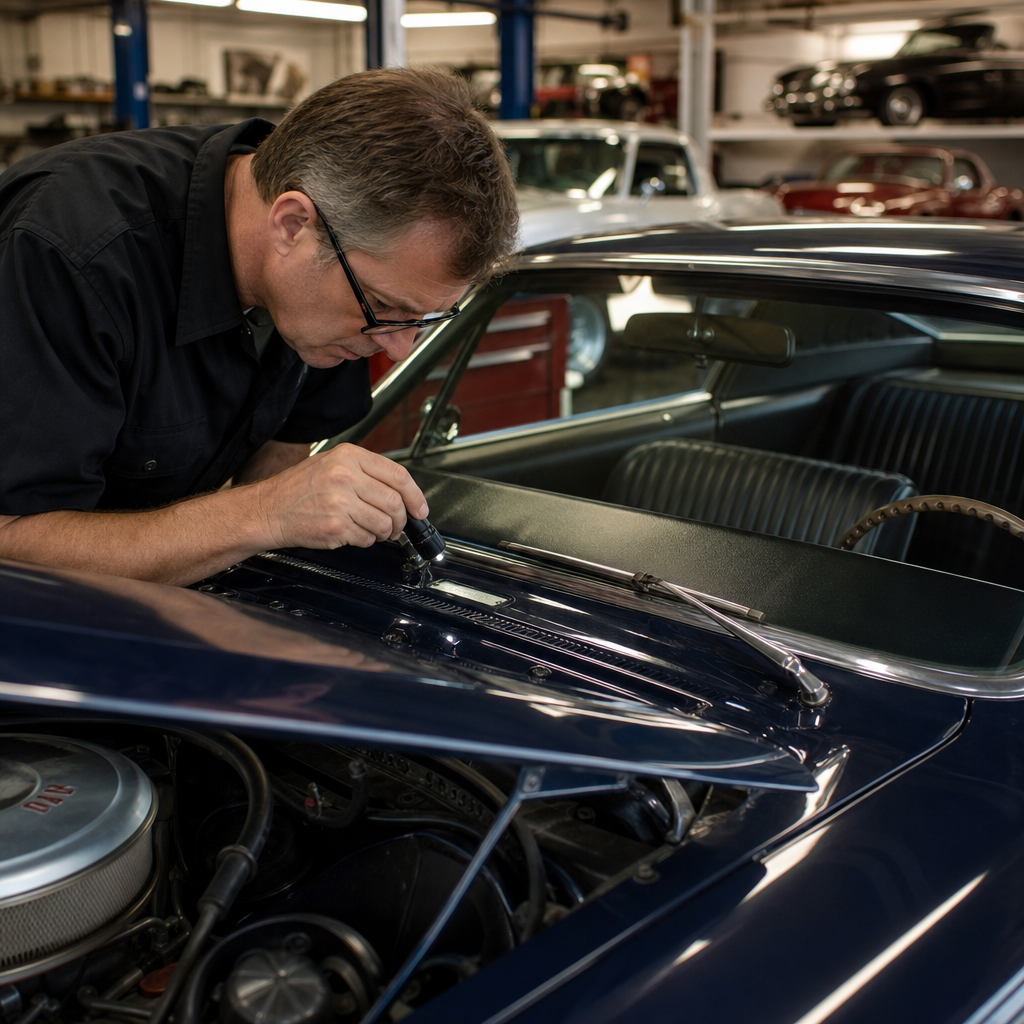
Choosing the right classic car for your budget starts with a simple truth: the purchase price is only the entry fee. A true buying plan includes market value, restoration risk, parts availability, storage, insurance, and the cost of owning a vehicle built in a different era. When buyers ask how to buy a classic car, they usually mean three things at once: how to find the right model, how to avoid expensive mistakes, and how to match enthusiasm with financial reality. After helping buyers inspect driver-grade Mustangs, British roadsters, air-cooled Volkswagens, and postwar American coupes, I have seen the same pattern repeatedly. People overspend on the car, underestimate the work, and ignore the ownership costs that arrive after the title transfer.
A classic car generally refers to an older vehicle valued for age, design, rarity, cultural significance, or mechanical character. In the market, that broad idea splits into categories. A project car needs significant work. A driver is presentable and usable but not a showpiece. A restored car has undergone major refurbishment, while a survivor retains much of its original finish and equipment. Understanding those distinctions matters because pricing follows condition more than nostalgia. Two examples of the same model can differ by tens of thousands of dollars depending on rust, documentation, originality, and workmanship.
This hub article explains how to buy a classic car in a disciplined way, with budget-first thinking. It covers setting a total budget, choosing the right segment, researching values, inspecting condition, understanding documentation, evaluating ownership costs, and deciding where to buy. It also serves as a practical starting point for deeper work on inspections, valuation, negotiation, transport, and selling strategy. If you approach the process carefully, a classic car can deliver usable enjoyment, stable long-term value, and far fewer financial surprises.
Start with a total ownership budget, not a shopping price
The best way to choose the right classic car for your budget is to define your total first-year cost before you pick a model. In practice, I advise buyers to split their number into four buckets: purchase price, immediate repairs, ownership setup, and contingency. Ownership setup includes tax, registration, transport, storage improvements, detailing, and insurance. Immediate repairs cover the items nearly every older car needs after purchase, such as tires, hoses, belts, fluids, battery, brake hydraulics, ignition tune-up parts, or fuel system cleaning. Contingency is your protection against hidden issues that inspection may miss.
A useful rule is the 70/20/10 model for first-time buyers: spend about 70 percent on the car, reserve 20 percent for mechanical sorting and cosmetic catch-up, and keep 10 percent as cash you do not touch unless required. On a $20,000 total budget, that means shopping around $14,000. That number often surprises buyers, but it is what keeps a fun purchase from turning into a stalled project. If you spend the whole $20,000 on the car itself, a transmission leak, brake overhaul, or rust repair can push the experience from exciting to frustrating within weeks.
Your budget should also reflect how you plan to use the car. Weekend tours, local shows, and occasional sunny-day drives support different choices than long-distance road trips or frequent city driving. A carbureted 1960s convertible may be perfect for fair-weather use but tiring in heavy traffic. A later classic with electronic ignition, disc brakes, and stronger parts support may fit a realistic ownership budget better, even if it feels slightly less romantic on paper.
Choose the type of classic car that fits your financial reality
Not every classic car segment behaves the same way. Entry-level American coupes, 1970s and 1980s trucks, mainstream European sedans, British sports cars, and Japanese classics all have distinct cost patterns. The smart question is not “What do I love most?” but “What can I afford to buy, maintain, and improve without regret?” In my experience, buyers do best when they target models with strong club support, broad parts availability, and simple mechanical systems.
For example, a first-generation Ford Mustang, Chevrolet C10, Volkswagen Beetle, MGB, or Mercedes-Benz W123 usually offers more predictable ownership than a rare luxury coupe or limited-production exotic. Predictable does not mean cheap. It means you can usually source parts, find knowledgeable mechanics, and estimate common repair costs with some confidence. By contrast, a lower-priced rare model can be more expensive overall because trim pieces, glass, interior hardware, and model-specific components are scarce.
The condition tier matters as much as the model. A solid, honest driver will almost always be a better budget decision than a cheaper project with rust, missing parts, and unknown history. Paint and upholstery are expensive, but structural rust is what destroys budgets. Floor pans, rockers, frame rails, torque boxes, trunk floors, lower fenders, and windshield channels can hide major repair bills. If your budget is tight, buy the best body and chassis you can afford, then improve cosmetics gradually.
| Buyer Budget | Best Fit | What to Avoid | Why |
|---|---|---|---|
| Under $15,000 | Simple drivers with strong parts support | Incomplete projects and rare trims | Repair costs can exceed purchase price quickly |
| $15,000 to $30,000 | Sorted drivers and older restorations | Fresh paint hiding poor metalwork | Condition and documentation matter more than options |
| $30,000 to $60,000 | High-quality drivers, desirable engines, strong provenance | Overpaying for cosmetic shine alone | Mechanical quality and originality support long-term value |
| Above $60,000 | Well-documented restored or preserved examples | Speculative purchases without expert review | Authentication, provenance, and market timing are critical |
Research market value before you contact a seller
If you want to know how to buy a classic car wisely, start with value data from multiple sources. I usually compare asking prices on Hemmings, Bring a Trailer, Cars & Bids for newer collectibles, marque-specific forums, and local classifieds, then cross-check insurance and pricing guides from Hagerty. Auction results are useful, but they need context. A no-reserve sale, celebrity ownership, unusual colors, or exceptional documentation can skew a headline number. What matters is the pattern across several recent sales of cars in comparable condition.
Learn the difference between asking price and transacted price. Sellers can list a car at any number; the market decides what it is worth when a buyer actually pays. This is especially important in enthusiast markets where owners anchor to restoration receipts rather than present value. Money spent does not automatically translate into market value. A $40,000 restoration on a modest model may still yield a $22,000 car if workmanship is average or if the market for that model is soft.
It also helps to understand the value drivers for each model. Numbers-matching drivetrains matter greatly on some muscle cars and far less on others. Original colors, factory documentation, special options, and production rarity can add substantial value, but only if buyers in that segment care. For many practical classics, recent mechanical work, rust-free structure, and complete records are worth more than a long options list. Build your shortlist around what the market consistently rewards, not what sounds impressive in an ad.
Inspect condition with discipline and prioritize structure
A classic car inspection should answer one question first: is the car fundamentally solid? Cosmetics are easy to notice, but structure, rust, accident damage, and mechanical neglect determine whether the purchase makes sense. Bring a flashlight, magnet, paint meter if available, mirror, gloves, and a checklist. Look at panel fit, door sag, bubbling paint, mismatched undercoating, overspray on seals, uneven tire wear, fluid leaks, and signs of long-term water intrusion. Smell matters too; mildew in the cabin often points to hidden leaks and future corrosion.
Rust inspection is non-negotiable. Check under carpets, spare tire wells, battery trays, frame rails, floor braces, trunk seams, wheel arches, cowl areas, and suspension mounting points. Fresh undercoating should raise questions, not confidence. I have inspected cars that looked sharp in photos and revealed patched floors, poorly welded rockers, and filler-heavy quarter panels in person. Mechanical faults are usually repairable at a known cost. Structural rust often expands into a major metalwork project once disassembly starts.
During the test drive, observe cold-start behavior, oil pressure, smoke, idle quality, clutch engagement, steering play, brake pull, cooling performance, charging system output, and transmission synchros. A car that starts easily, tracks straight, stops confidently, and maintains temperature in traffic is usually a better buy than a shinier example with unresolved drivability issues. If the model is unfamiliar, pay for a pre-purchase inspection by a specialist. That fee is small compared with the cost of discovering poor compression, hidden collision repairs, or a weak differential after purchase.
Verify paperwork, originality, and legal status
Documentation is where many costly mistakes can be prevented. At minimum, confirm that the vehicle identification number on the title matches the chassis tags and, where applicable, engine or body stamps. Title problems, bonded titles, estate sales, and interstate transfers can complicate registration. Some older cars also carry state-assigned VINs after prior title issues. None of that is automatically disqualifying, but it should affect price and your willingness to proceed.
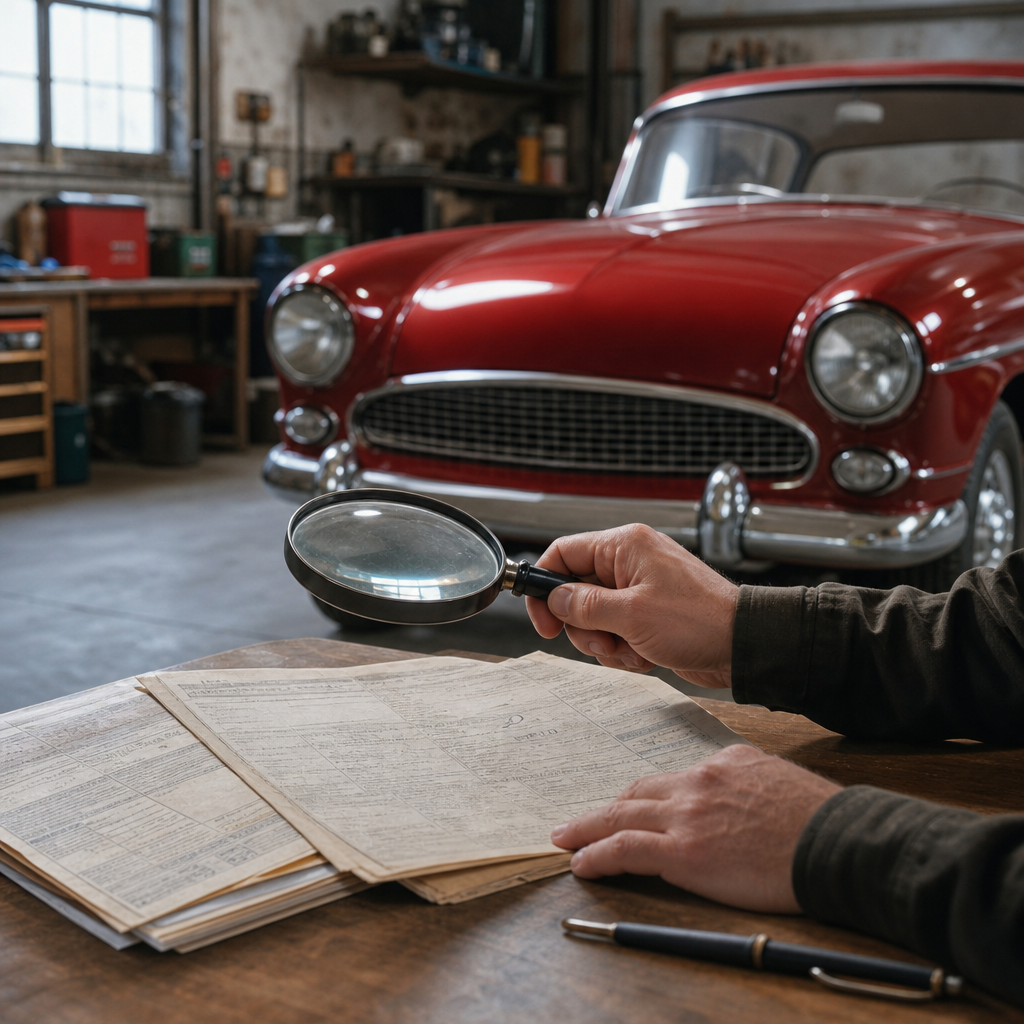
Service records, restoration photos, ownership history, factory build sheets, window stickers, manuals, and spare keys all strengthen a car’s case. They show how the car was maintained and whether major claims in the listing are credible. If a seller says the engine was rebuilt, ask by whom, when, and with what receipts. If the ad says “older restoration,” look for evidence of the work, not just a polished engine bay. Documentation also helps when you insure the vehicle on an agreed-value policy, because insurers want proof supporting the number you request.
Originality deserves balanced treatment. In some markets, factory-correct details dramatically affect value. In others, tasteful upgrades improve usability without hurting demand. Disc brake conversions, electronic ignition, radial tires, or aluminum radiators may make a driver easier to own. The key is whether modifications were done cleanly and whether the original parts are included. Poorly executed wiring, hacked dashboards, nonstandard engine swaps, and missing trim usually reduce both value and buyer confidence.
Understand running costs after the sale
Buying a classic car on budget means planning for costs that continue after the deal closes. Insurance is one of the easiest to estimate. Specialist carriers such as Hagerty, Grundy, or American Collectors often offer agreed-value policies with mileage and storage requirements. Premiums can be reasonable, but eligibility usually depends on secure storage, another daily driver, and limited use. Fuel economy, tire age, periodic fluid changes, battery maintenance, and seasonal storage supplies all belong in your annual plan.
Labor rates are another reality. Even simple classics become expensive if every small job goes to a shop charging modern hourly rates. That is why parts support and mechanical simplicity matter. A small-block Chevrolet, air-cooled Volkswagen flat-four, or MGB B-series engine is familiar to many specialists and hobbyists. A niche fuel injection system, uncommon trim hardware, or obscure European electrical components can turn routine repairs into long searches. Time is a cost, even if the invoice is not huge.
Storage should not be treated as optional. A dry, ventilated garage preserves paint, interior materials, chrome, and electrical connections. If you must rent storage, include that monthly cost in the decision. I have seen buyers choose a cheaper project over a better driver, then spend more within a year on transport, bodywork, and corrosion control than the price difference would have been. The right budget classic is the one you can keep healthy, not merely the one you can afford to bring home.
Know where to buy and how to negotiate without rushing
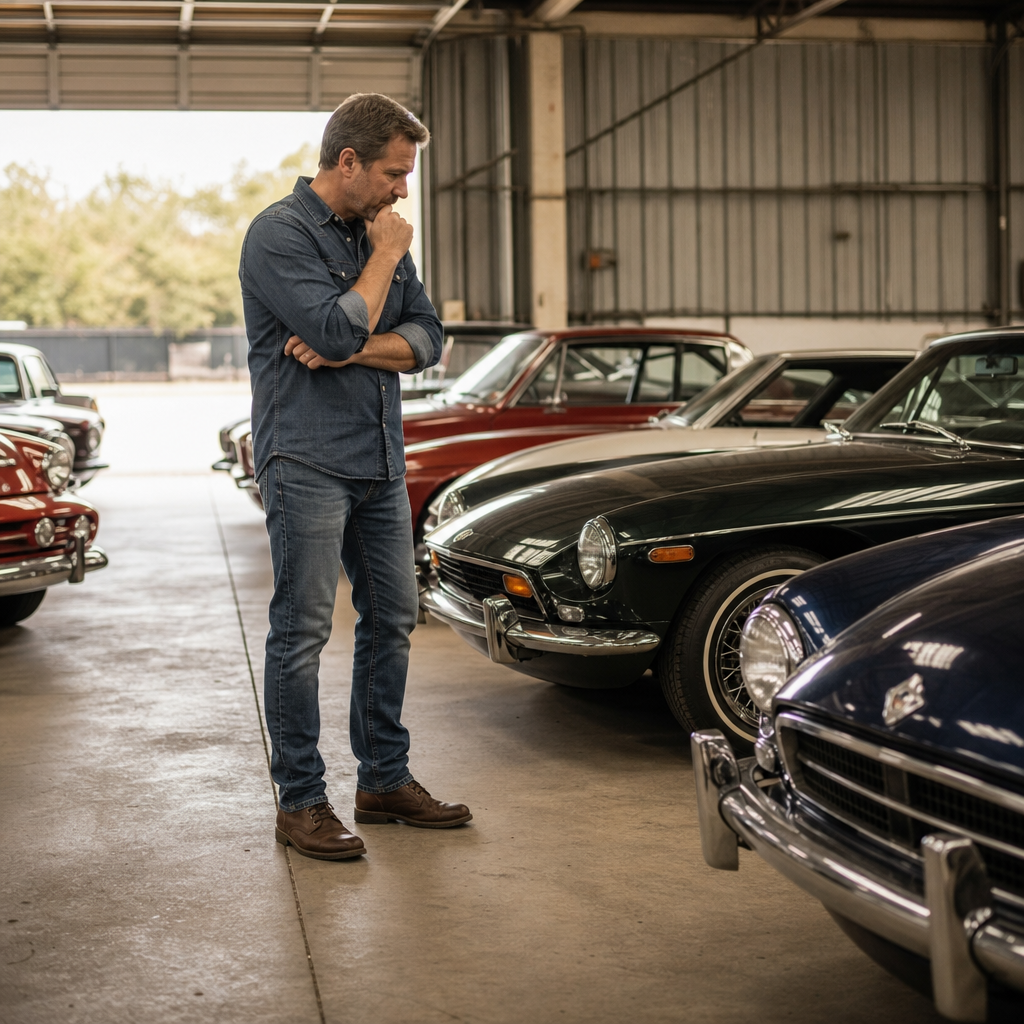
The best place to buy depends on your confidence level and the type of car. Dealer inventory can offer convenience and financing, but prices usually reflect that. Auctions provide market exposure and strong photography, yet competition and emotion can push bids beyond sensible numbers. Private sellers often offer better value because you can ask detailed questions about ownership, maintenance habits, and quirks. Local club networks remain one of the strongest channels because members tend to know the cars, the prior owners, and the reputations behind restoration shops.
Good negotiation starts before you make an offer. Arrive with comparable sales, a list of observed issues, and a clear maximum number. Be respectful and specific. Instead of saying “It needs work,” say “The tires are aged out, the brake pedal is soft, the trunk floor shows prior patching, and the tachometer is inoperative.” That turns opinion into evidence. If the seller is firm at a number that ignores real faults, walk away. There will always be another car, and patience is one of the cheapest tools a buyer has.
Before sending a deposit, confirm payment method, title status, bill of sale terms, included parts, transport timing, and what happens if the car fails a professional inspection. If you are buying remotely, insist on detailed underside photos, cold-start video, walk-around footage in natural light, and images of known rust areas. The strongest classic car purchases are rarely impulse deals. They are the result of calm research, disciplined inspection, and a budget built around ownership rather than wishful thinking.
The right classic car for your budget is the one that matches both your enthusiasm and your capacity to own it properly. That usually means a solid driver, not a romantic project; a well-supported model, not an obscure bargain; and a total budget that leaves room for repairs, storage, and insurance. If you remember only one principle from this guide, make it this: buy condition and documentation first, then style and options second. That order protects your money and increases the odds that the car will be enjoyable from the beginning.
Buying a classic car successfully is not about chasing the lowest asking price or the most dramatic listing photos. It is about understanding value, inspecting structure, verifying paperwork, and choosing a model with realistic running costs. When you do that, you gain more than a vehicle. You gain confidence in every decision that follows, from negotiation to maintenance to eventual resale. Use this hub as your starting point, build a shortlist, and inspect the next candidate with a clear plan before you buy.
Frequently Asked Questions
How much should I budget beyond the purchase price when buying a classic car?
The purchase price should be treated as the starting point, not the full cost of ownership. A smart classic car budget includes taxes, registration, transport, a pre-purchase inspection, immediate maintenance, insurance, storage, and a repair reserve for surprises. Even a well-kept car may need tires, fluids, belts, hoses, battery service, brake work, or fuel-system attention shortly after purchase, especially if it has been sitting. Older vehicles also tend to need ongoing tuning and preventive maintenance that modern-car owners are not used to planning for.
A practical approach is to divide your budget into three categories: acquisition, correction, and ownership. Acquisition covers the purchase price and all buying-related fees. Correction is the money needed to address issues the seller did not fix, such as rust repair, electrical gremlins, leaking seals, worn interior components, or outdated safety items. Ownership includes annual insurance premiums, secure storage, seasonal maintenance, parts replacement, and any specialist labor. Buyers who spend their entire budget on the car itself often end up owning a car they cannot properly maintain. In most cases, it is wiser to buy a slightly less expensive example and keep cash in reserve than to stretch for a car that leaves no room for repairs.
Is it better to buy a fully restored classic car or a cheaper project car?
For most buyers, especially first-time classic car owners, the better financial decision is usually the best complete, sorted, and usable car they can comfortably afford. Project cars look attractive because the entry price is lower, but restoration costs add up quickly and often exceed the finished value of the vehicle. Bodywork, paint, chrome, upholstery, engine rebuilding, transmission work, and electrical repairs are all expensive, and timelines almost always run longer than expected. A cheap project can become the most expensive path if rust is worse than it appears or if missing trim and model-specific parts are difficult to source.
A restored or well-maintained driver-quality car gives you a clearer understanding of total cost and lets you enjoy the vehicle sooner. That said, a project car can make sense if you have the right skills, tools, workspace, and patience, or if the model has strong parts support and a high enough final value to justify the investment. The key is honesty about your goals. If you want to drive and enjoy a classic without getting buried in delays and invoices, buy condition over fantasy. If you genuinely want the restoration experience and understand the financial risk, then a project may be rewarding. The mistake is assuming a lower purchase price automatically means a better deal.
What are the most important things to inspect before buying a classic car on a budget?
The most important areas to inspect are structural rust, mechanical condition, originality or correctness where it affects value, and the completeness of the car. Rust is often the biggest budget killer because visible bubbles in paint may hide serious corrosion in floors, frame rails, rocker panels, trunk pans, wheel arches, suspension mounting points, and other structural areas. Mechanical problems can be costly too, but many buyers underestimate how quickly rust repair and bodywork consume money. If a car has shiny paint but poor panel fit, fresh undercoating, or vague history, slow down and inspect it carefully.
You should also check cold-start behavior, oil pressure, transmission operation, brake feel, steering play, suspension noise, charging system performance, gauges, lights, wipers, windows, door latches, and signs of fluid leaks. Look for evidence of patchwork repairs, poor wiring, non-matching components, or modifications that make future servicing harder. Documentation matters as well. Service records, restoration receipts, ownership history, and matching identification numbers can help confirm what you are buying. If you are serious about avoiding expensive mistakes, pay for a pre-purchase inspection by a specialist who knows that particular make or era. On a budget purchase, that inspection fee can be one of the best investments you make.
How do parts availability and model popularity affect the total cost of owning a classic car?
Parts availability has a direct impact on both maintenance costs and downtime. Some classic cars have excellent aftermarket support, large owner communities, and strong specialist networks. That usually means replacement parts are easier to find, pricing is more competitive, and repairs are more predictable. Popular domestic models, widely produced coupes, and certain well-supported European classics often fall into this category. When a car has good parts support, you are not just saving money on components; you are also reducing the risk of long waits, custom fabrication, and expensive problem-solving every time something breaks.
Less common models can be rewarding, but they can also punish a tight budget. Rare trim pieces, model-specific glass, interior hardware, carburetion components, and electrical parts may be expensive or nearly impossible to locate. In some cases, the part itself is not the only issue; you may need a specialist mechanic who understands the platform, which raises labor costs. This is why popularity is not just about image or resale value. It affects the entire ownership experience. If your goal is affordable enjoyment, look for a model with strong enthusiast support, readily available mechanical parts, and a reputation for straightforward service. A more common classic in good condition is often a much safer financial choice than a rare bargain that becomes difficult to maintain.
What type of classic car is best for a buyer who wants to enjoy ownership without overspending?
The best classic car for a budget-conscious buyer is usually one that is mechanically simple, widely supported, easy to store, and realistic for the way it will actually be used. In many cases, that means choosing a driver-quality car rather than a show car, and prioritizing reliability and parts access over rarity. A straightforward coupe, sedan, or small convertible with a strong owner community is often a better fit than an exotic, low-production model, or highly collectible muscle car that commands premium prices for both purchase and upkeep. The ideal budget classic is one you can maintain without needing constant specialist intervention.
It also helps to match the car to your ownership goals. If you want weekend cruising, you may not need top-tier originality or concours-level restoration. If you want to learn basic maintenance, choose a platform known for mechanical simplicity and available documentation. If storage is limited, avoid large vehicles that are harder to house and protect. Insurance and local climate matter too, since exposure to weather can accelerate deterioration and raise preservation costs. The best choice is rarely the flashiest one. It is the car that fits your budget today, leaves room for tomorrow’s repairs, and lets you enjoy the hobby without financial strain. When buyers balance enthusiasm with practical ownership costs, they usually end up happier with a solid, honest car than with an ambitious purchase that becomes a burden.