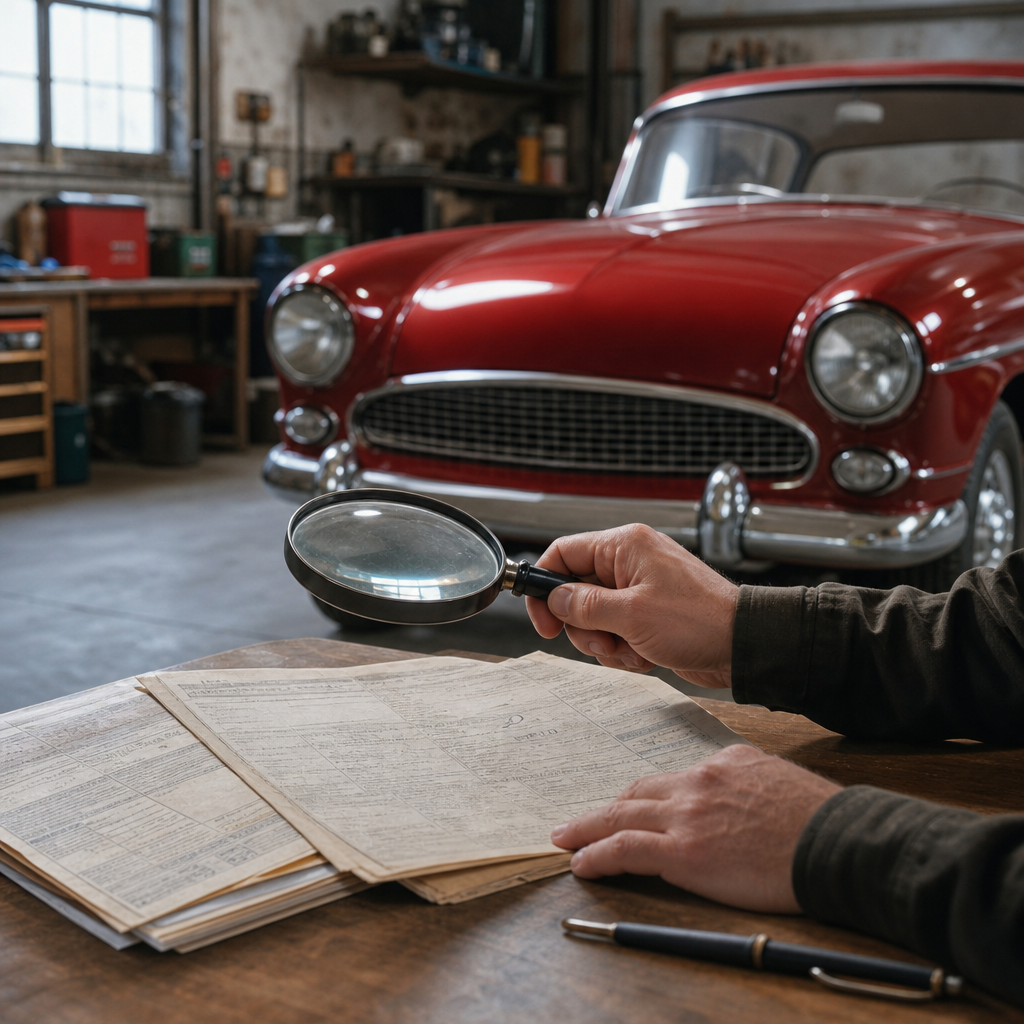
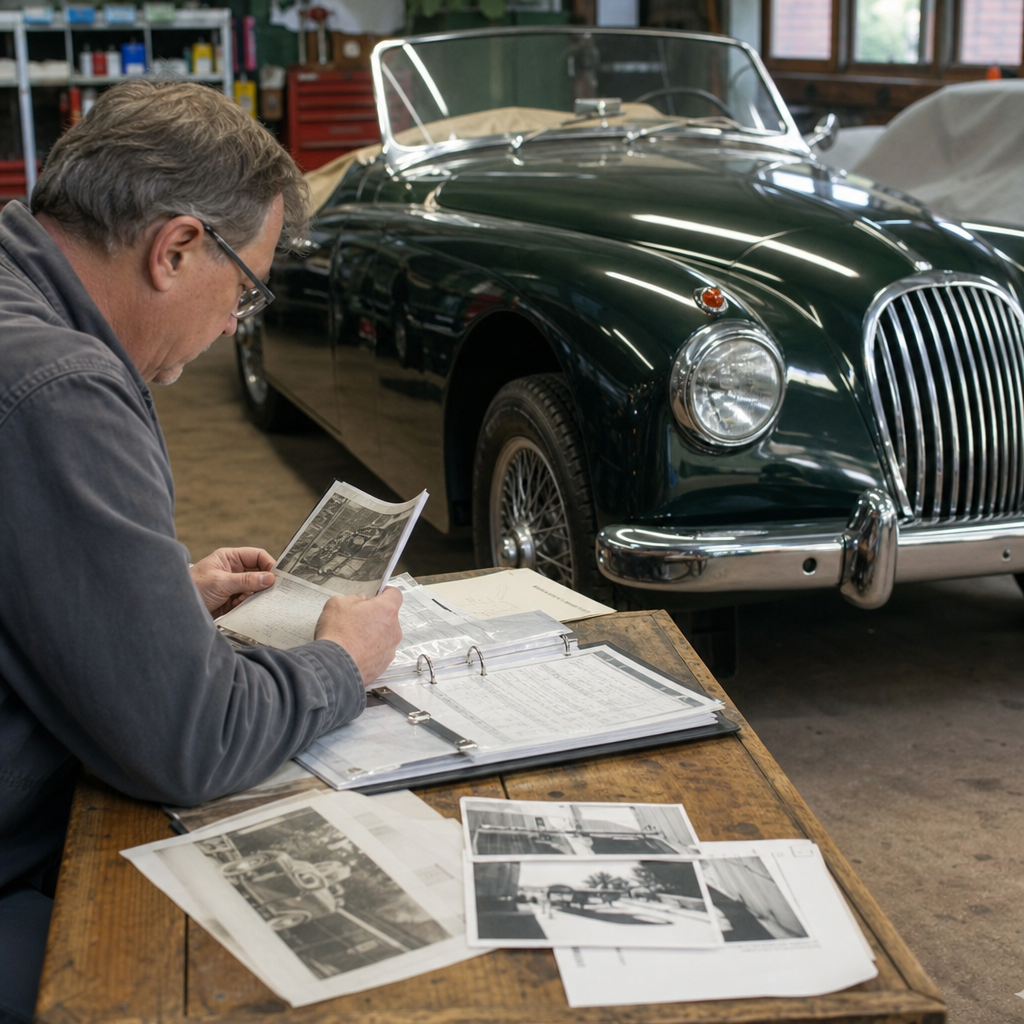
Buying a vintage vehicle without verifying its past is the fastest way to turn a dream purchase into an expensive mistake. When people search how to buy a classic car, they usually focus on paint, chrome, engine sound, and auction excitement, yet the most important work happens before money changes hands. A classic car’s history includes ownership records, title status, production details, restoration documentation, maintenance files, accident evidence, originality, and legal identity markers such as the VIN, body tag, and engine numbers. Verifying that history matters because collectible value depends heavily on authenticity, condition, and provenance, and because hidden problems are common in a market where cars may be decades old, restored multiple times, or imported across borders. I have inspected cars that looked exceptional under showroom lights and then failed basic paperwork checks within minutes. That gap between appearance and documented truth is where buyers either protect themselves or overpay. This guide explains how to verify a classic car’s history before buying, while also serving as a complete hub for anyone learning how to buy a classic car with confidence, discipline, and a process that stands up whether you are purchasing a driver-quality Mustang, a numbers-matching Corvette, or a high-dollar European grand tourer.
Start with identity: VIN, body tags, engine numbers, and title documents
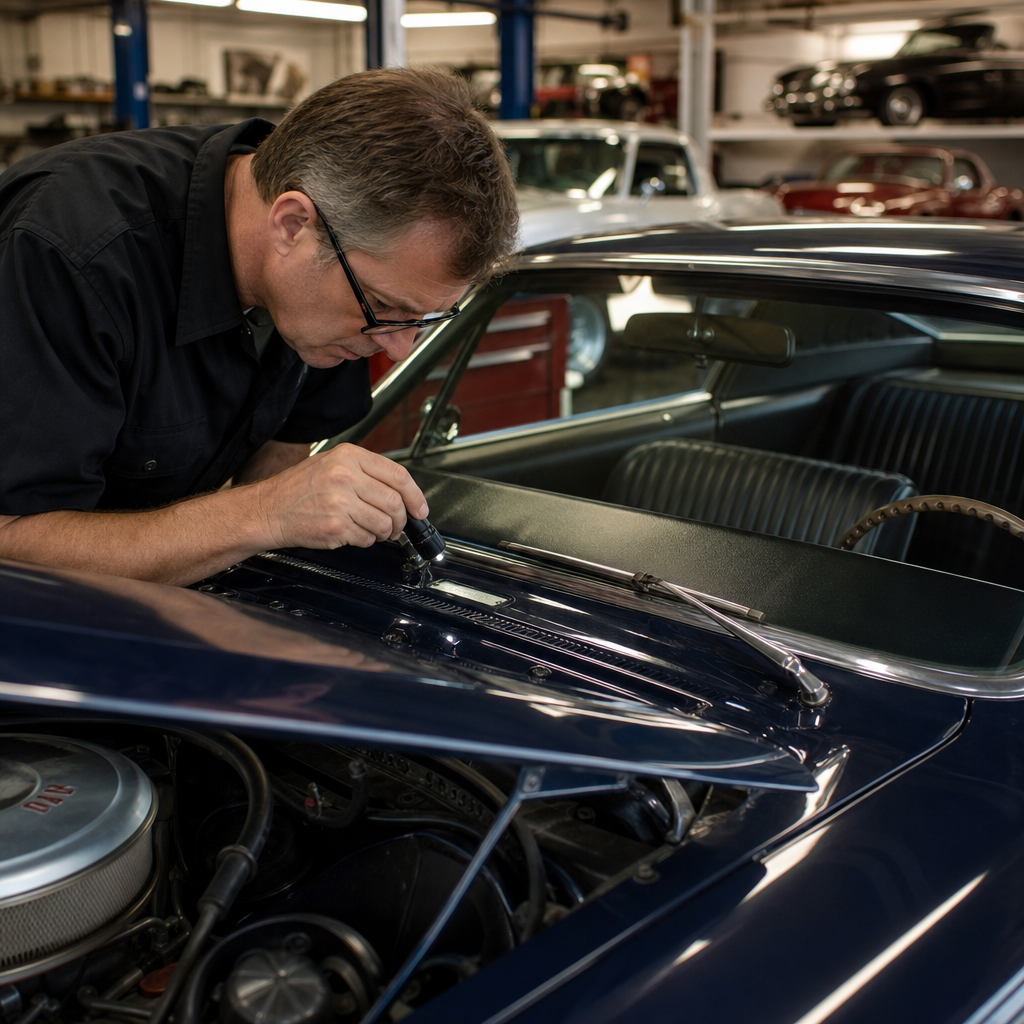
The first step in classic car history verification is proving that the car is the car the seller claims it is. On post-1981 vehicles, the 17-character VIN creates a standardized reference point, but many classics use earlier serial formats that vary by manufacturer. Chevrolet, Ford, Porsche, Jaguar, Mercedes-Benz, and Mopar all used different numbering systems, and decoding them correctly is essential. I always begin by comparing the VIN plate, chassis stamp, cowl or body tag, title, registration, and any restoration invoices. If one digit differs, stop and investigate before discussing price.
Older cars often complicate this process because titles may use engine numbers, frame numbers, or abbreviated serial numbers rather than a modern VIN. That is not automatically suspicious, but it requires extra diligence. Check whether the stamping style, rivets, plate placement, and tag aging appear consistent with factory practice. Reproduction tags exist, and “rebody” projects can transfer identification from one shell to another. For highly collectible models, request marque-specific decoding support from recognized clubs such as NCRS for Corvettes, the Porsche Certificate of Authenticity process where available, the Pontiac Historic Services archive, or the Marti Report for many Ford products. These sources can confirm production dates, factory colors, trim, drivetrain configurations, and original options.
Also review the title itself for salvage, rebuilt, flood, bonded, or lien status. State branding rules differ, and some older cars move between jurisdictions with weaker record continuity. If a seller says, “Titles were different back then,” that can be true, but it should be verified through the state motor vehicle agency, not accepted casually. Ask for a clear chain from the current seller back through prior owners when possible. A clean title does not prove a clean history, but a title inconsistency often signals bigger issues.
Build the paper trail: ownership history, registrations, receipts, and restoration records
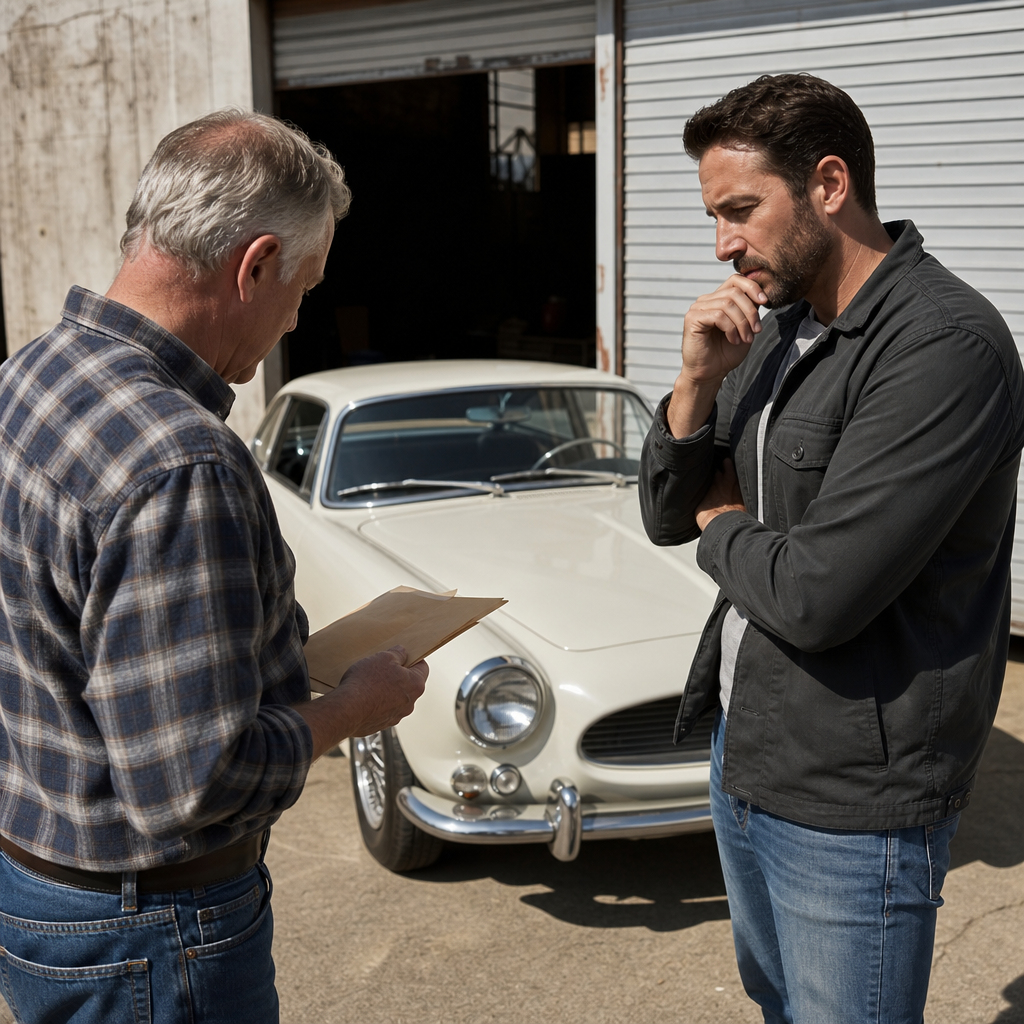
Once identity is established, build a documentary timeline. The goal is not simply collecting papers; it is checking whether the story told by the seller aligns with records created over years or decades. The strongest history file includes prior titles, registrations, insurance cards, service invoices, restoration receipts, photos taken during restoration, parts orders, emissions or inspection records, judging sheets, and correspondence from previous owners. A thick binder is useful only if the documents are organized and credible. I look for dates that progress logically, mileage entries that do not contradict one another, and vendor names that can still be traced.
Ownership count matters, but context matters more. A three-owner car with long-term documented stewardship usually inspires more confidence than a “one-owner” claim unsupported by records. If the seller says the car was restored ten years ago, there should be invoices for bodywork, paint materials, chrome plating, upholstery, engine machining, and replacement parts. If the seller says the car is original, absence of restoration invoices may support that claim, but then you should expect age-consistent finishes, hardware, fasteners, and wear patterns.
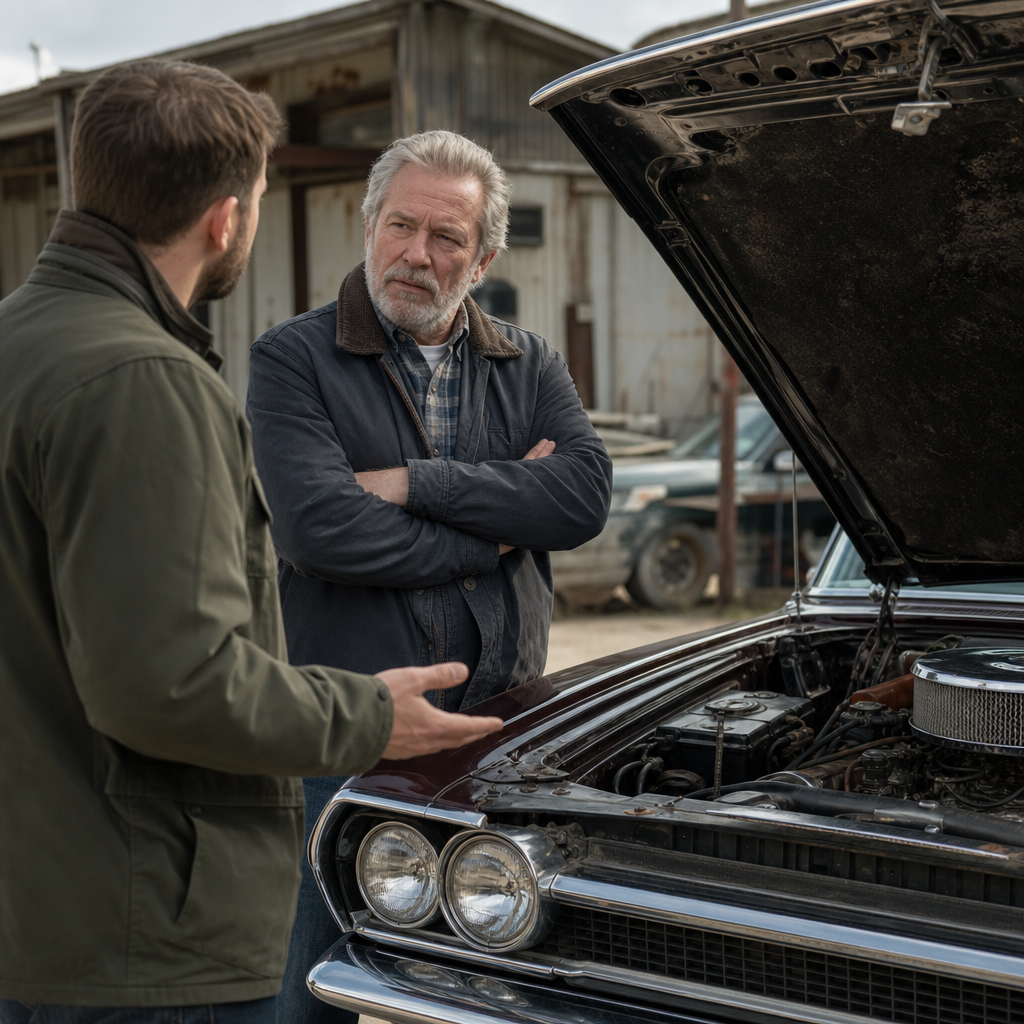
Ask direct questions and write the answers down. When was the seller’s purchase date? From whom? Why is the car being sold now? Which shops worked on it? Was the odometer ever repaired or replaced? A legitimate seller usually answers consistently and can point to documents. Evasive responses often indicate a car assembled from partial histories. For expensive collector cars, I recommend creating your own chronology spreadsheet from every available record. It is tedious, but it exposes gaps quickly and helps you compare multiple cars using the same standards.
Run history checks, but understand their limits on older vehicles
Many buyers assume a vehicle history report will solve everything. It helps, but it is only one layer. Services such as Carfax and AutoCheck can reveal title brands, auction entries, registration events, and some odometer reports, especially for later classics from the 1980s and 1990s. However, older vehicles often predate digital records, and many incidents were never reported to insurers, state agencies, or national databases. A blank report does not mean the car is clean; it often means the system has little data.
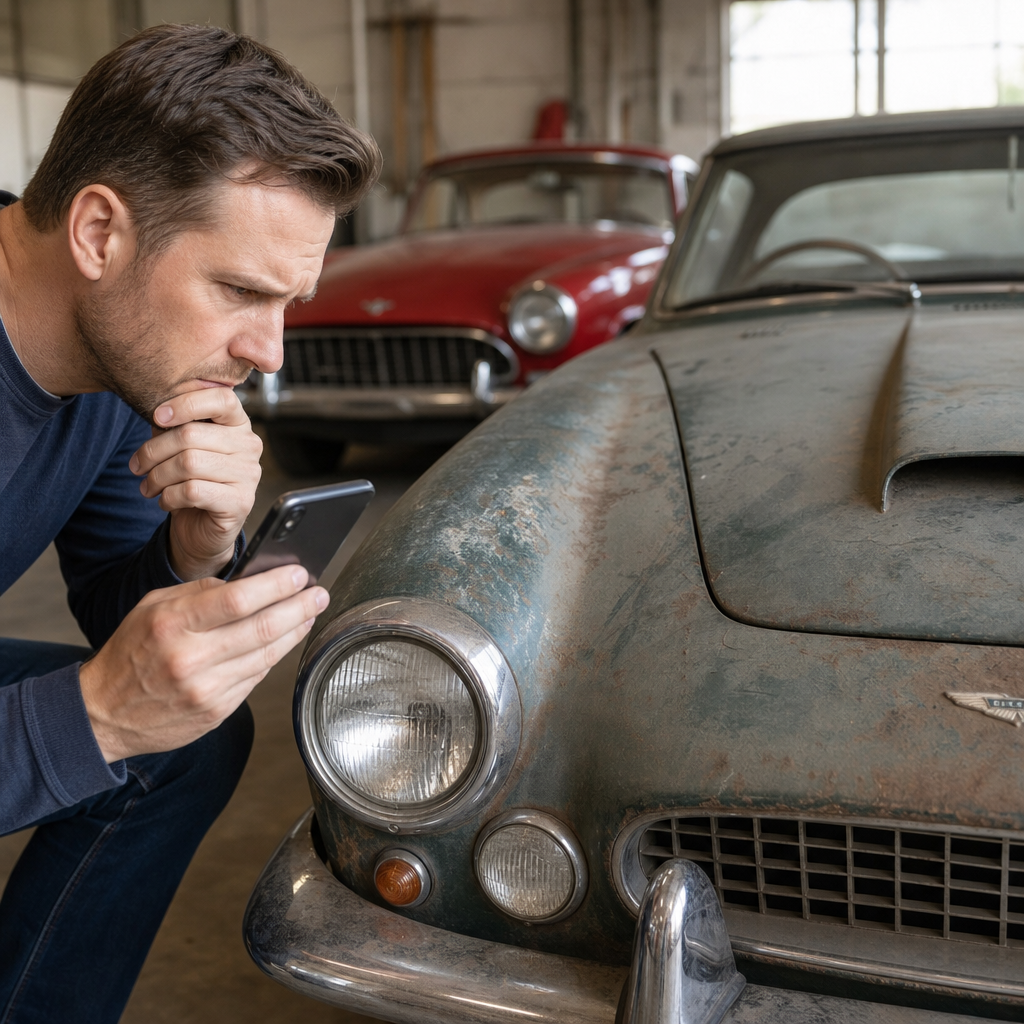
Use commercial reports alongside government and enthusiast resources. Check the National Insurance Crime Bureau VIN lookup for theft or salvage indicators where applicable. Search old auction listings through sites such as Bring a Trailer, Mecum, Barrett-Jackson, or RM Sotheby’s archives. Those listings can reveal prior descriptions, lower sale prices, undisclosed color changes, underside photos, and years of condition drift. Reverse image searches sometimes uncover earlier ads showing rust, accident damage, or a different claimed mileage. Enthusiast forums are also valuable; niche communities often track notable cars by serial number and can identify tribute builds, restamps, or known problem vehicles.
| Verification source | What it can confirm | Main limitation |
|---|---|---|
| Title and registration records | Legal ownership, branding, jurisdiction history | Older records may be incomplete or inconsistent |
| Marque archives and factory reports | Original colors, options, drivetrain, build date | Usually do not show accidents or later modifications |
| Carfax or AutoCheck | Some title events, mileage entries, auction activity | Sparse coverage on many pre-digital classics |
| Service and restoration invoices | Maintenance, parts replaced, shop names, dates | Can be selective and do not prove work quality |
| Auction archives and forum records | Past photos, prior descriptions, public sale history | Not every sale is archived and details may be promotional |
The best practice is triangulation. If a seller claims a car has 42,000 original miles, verify whether inspection slips, service invoices, emissions records, old sale listings, and wear patterns support that figure. If only one source supports a major claim, treat the claim as unproven. In classic car buying, unproven claims should not command premium pricing.
Inspect for physical evidence of accidents, rust, repairs, and altered originality
Paper records are critical, but the body tells its own story. When I inspect a classic, I assume every panel has a reason for looking the way it does until proven otherwise. Start with panel fit, door gaps, hood alignment, trunk fit, and consistency of paint texture. Use a paint depth gauge if the finish is valuable enough to justify one. Thick readings can indicate filler or multiple repaint cycles, while sharp transitions inside jambs may reveal color changes. Bring a magnet wrapped in a soft cloth for steel-bodied cars, because weak magnetism can suggest filler in lower quarters, rocker panels, or fenders.
Rust is often the costliest hidden problem in classic cars. Surface corrosion is manageable; structural rust is different. Check floor pans, frame rails, torque boxes, trunk drop-offs, cowl drains, wheel arches, lower fenders, rocker seams, battery trays, windshield channels, and suspension pickup points. On unibody cars, corrosion near load-bearing areas can turn a “good driver” into a major metalwork project. Fresh undercoating deserves special suspicion because it can hide patchwork, pinholes, and bad welds. Ask for photos of the underside before any recent detailing.
Originality also needs physical verification. Numbers-matching claims require inspection of engine pad stampings, transmission codes, rear axle tags, carburetor numbers, casting dates, and component date codes. The exact details vary by marque. A correct engine is not necessarily the original engine, and “period-correct” is not the same as factory-installed. There is nothing wrong with a replacement engine in a driver-quality car if it is disclosed and priced accordingly. The mistake is paying concours money for a car with undocumented substitutions.
Interior evidence matters too. Pedal wear, steering wheel age, seat bolster compression, carpet replacement, and dashboard modifications can support or contradict mileage claims. If the odometer shows 28,000 miles but the hinge pins sag, switchgear is polished smooth, and restoration receipts mention a five-digit odometer rollback after a cluster repair, that mileage should be treated as unknown.
Use expert inspections, market comparisons, and provenance research before negotiating
A pre-purchase inspection by a specialist is one of the best investments in the classic car buying process. General mechanics may miss model-specific issues, while marque experts know where rust hides, which stampings are commonly forged, and what factory details should be present. On air-cooled 911s, for example, a qualified Porsche shop will evaluate head studs, case leaks, gearbox synchros, and authenticity details that a generic inspector may overlook. On tri-five Chevrolets, specialists know common rust zones and trim correctness. On British roadsters, they will check frame outriggers, wood structures where relevant, Lucas electrical condition, and signs of previous crash repair.
Compression and leak-down testing, borescope inspection, cooling-system pressure testing, and a road test are all useful, but the inspection should also include documentation review. I ask inspectors to photograph stampings, casting dates, underbody welds, suspension mounts, and areas hidden by carpets or trunk mats. If the seller refuses independent inspection, that is usually reason enough to walk away.
Next, compare the car against actual market data rather than asking prices. Use Hagerty Price Guide, Collector Car Market Review, auction results, and recent private-sale comps within the same condition bracket. A documented, numbers-matching, factory-color car with known ownership can justify a strong premium. A modified car, a color-changed car, or a car with title gaps can still be enjoyable, but it belongs in a different value category. Provenance can materially affect pricing when there is celebrity ownership, racing history, rare options, or significant originality, but those claims need documentation, not just a verbal story.
This is also where a hub-style buying strategy helps. Learn the model, verify identity, inspect condition, review records, check market value, and then negotiate from evidence. Buyers who skip one of those steps usually pay for it later. If you are building your own classic car buying checklist, make history verification nonnegotiable, because every later decision depends on whether the car is authentic, legal to register, and honestly represented.
Red flags that should slow you down or end the deal
Some warning signs deserve immediate caution. The most common are mismatched VIN and title information, missing title paperwork, newly attached identification plates, vague restoration claims, refusal to allow an inspection, and seller pressure to send a deposit before questions are answered. Other red flags are less obvious: fresh paint over dirty or unrestored mechanicals, a beautifully finished interior with no receipts, inconsistent mileage statements across listings, and language such as “believed to be original” used where certainty is implied in the price.
Imported classics require extra scrutiny because they may carry foreign registration systems, customs documentation, and federal or state compliance issues. Verify import papers, chassis numbers, and whether the car was legally brought into the country. Cars sold from estates can also present gaps; heirs may know little about prior repairs or modifications, so documentation becomes even more important. Online auctions add another layer of risk because lighting, camera angles, and edited descriptions can minimize defects. In those cases, insist on recent underside photos, cold-start videos, and a third-party inspection local to the car.
The key principle is simple: if the evidence is incomplete, value the car as incomplete. Sellers are entitled to ask strong prices for exceptional cars with exceptional documentation. Buyers are equally entitled to discount uncertainty. Discipline is how experienced collectors avoid emotional purchases.
Verifying a classic car’s history before buying is not a bureaucratic extra; it is the foundation of a smart purchase. Confirm the car’s identity through VINs, body tags, engine numbers, and title records. Build a timeline from registrations, invoices, restoration photos, and ownership documents. Use history reports, auction archives, and enthusiast sources, but understand that older cars often require deeper manual research. Inspect the vehicle for physical evidence that supports or contradicts the paperwork, and rely on a qualified specialist for a pre-purchase inspection. Finally, compare the car against real market data so provenance, originality, and uncertainty are reflected in the price.
If you want to know how to buy a classic car well, start by verifying history better than the next buyer. That approach protects your budget, improves your negotiating position, and dramatically increases the odds that the car you bring home is exactly what it claims to be. Use this guide as your hub, turn it into a checklist, and apply it to every car before you make an offer.
Frequently Asked Questions
What documents should I review first to verify a classic car’s history before buying?
Start with the title, current registration, VIN or chassis number documentation, and any available ownership records. The title should match the seller’s name unless there is a clear, documented reason it does not, such as a consignment sale through a dealer. Check whether the title is clean, rebuilt, salvage, bonded, or marked with any branding that could affect value, insurability, or legal transfer. For older vehicles, title practices vary by state, so it is important to understand what paperwork is normal for that model year and location rather than assuming a missing title is automatically acceptable.
Next, ask for a paper trail that supports the car’s story. This includes old registrations, prior titles, original bill of sale, warranty booklet, maintenance invoices, restoration receipts, inspection reports, auction listings, and correspondence from previous owners. These records help establish continuity of ownership and reveal whether the car has been consistently identified as the same vehicle over time. They can also expose gaps that deserve closer scrutiny, such as a long period with no documentation, sudden odometer changes, or a major restoration with no supporting invoices.
If the seller claims the car is numbers-matching, highly original, or historically significant, request documentation that backs that up. Build sheets, factory records, window stickers, dealer invoices, trim tags, engine stampings, transmission codes, and marque expert reports can all help verify authenticity. The more valuable the car, the more important it is to confirm that the paperwork supports the asking price. In the classic car world, documentation is not just administrative material. It is part of the vehicle’s identity, provenance, and market value.
How do I confirm that the VIN, chassis number, engine number, and other identifiers are legitimate?
Begin by locating every identification point on the car and comparing them with the title and supporting records. Depending on the vehicle, that may include the VIN plate, chassis stamping, body tag, trim tag, engine block stamping, transmission code, axle tag, and factory data plate. On many classic cars, these identifiers appear in multiple places, and they should make sense together based on the manufacturer’s production system. A mismatch does not always mean fraud, but it does mean you need a clear explanation. Engine replacements, race histories, restorations, and state-issued VIN assignments can all change the documentation picture.
Look closely for signs of tampering. Uneven rivets, scratched surrounding paint, fresh adhesive, inconsistent fonts, altered stampings, disturbed metal, or plates that appear newer than the rest of the car can all indicate replacement or manipulation. Also compare the physical style and placement of ID plates with known factory-correct examples for that make, model, and year. Some counterfeiters get the number right but use the wrong tag design, the wrong rivets, or the wrong location. That is why reference materials, registry data, and marque-specific forums can be so valuable.
If the car is expensive or rare, bring in a specialist who knows that brand inside and out. A knowledgeable appraiser, restoration expert, or marque historian can often spot inconsistencies that a general buyer will miss. This step matters because a car with a questionable identity may be difficult to insure, register, resell, or even legally own. Verifying identity markers is one of the most important parts of researching how to buy a classic car responsibly, because it protects you from cloned vehicles, re-bodied cars, and misrepresented restorations.
Can a vehicle history report help with a classic car, or are they only useful for modern vehicles?
A vehicle history report can be helpful, but it should never be your only source of truth when buying a classic car. Services that track title events, accident reports, odometer records, and registration history are often far more complete for newer vehicles than for older ones. Many vintage cars changed hands long before digital databases existed, and older accidents, repairs, theft recoveries, and title issues may never appear in a standard report. That means a clean report does not automatically mean a clean history.
Even with those limitations, a report can still uncover valuable red flags. It may reveal salvage branding, title transfers across multiple states, odometer discrepancies, insurance losses, emissions records, or periods when the car disappeared from the paper trail. Those findings can point you toward deeper questions for the seller. If the report shows conflicting mileage, a title brand, or unusual movement between states with different registration rules, take the time to investigate before you commit.
The best approach is to use a history report as one layer in a larger verification process. Pair it with physical inspection, document review, restoration records, expert authentication, and an independent pre-purchase inspection. For very old or high-value vehicles, owner registries, club archives, factory heritage services, and marque historians are often more useful than mainstream reporting platforms. In short, history reports can help, but with classic cars they are starting points, not final proof.
How can I tell whether a classic car has been restored correctly, modified heavily, or repaired after serious damage?
Ask for a complete restoration and maintenance file, then compare that paperwork with the car in front of you. A well-documented restoration should include dated invoices, parts sources, paint and bodywork records, engine and transmission rebuild details, upholstery work, and photographs showing the process over time. Good documentation tells you not only what was done, but how thoroughly it was done and whether the workmanship supports the seller’s claims. If a seller says the car received a frame-off restoration, there should usually be substantial evidence.
During inspection, look beyond shiny paint. Check panel fit, weld quality, underbody condition, floor pans, trunk area, frame rails, suspension mounting points, inner fenders, and signs of patch panels or structural repair. Uneven gaps, overspray in hidden areas, rippled sheet metal, mismatched seams, undercoating used to hide corrosion, and components that do not correspond to the claimed year or trim level can indicate shortcuts or prior collision damage. Also compare finishes, fasteners, hoses, decals, and hardware against factory-correct references if originality matters to you.
Modifications are not inherently bad, but they should be disclosed and reflected in value. Engine swaps, upgraded brakes, aftermarket suspension, modern wiring, custom interiors, and non-original paint may improve drivability, yet they can reduce collectability depending on the market and the model. Serious damage repair is more concerning when it affects structural integrity or remains undocumented. A pre-purchase inspection by a shop experienced with vintage vehicles is essential here. They can spot hidden rust, prior accident repair, unsafe workmanship, and non-original components that may not be obvious during a casual viewing.
What are the biggest red flags that suggest I should walk away from a classic car purchase?
The biggest warning sign is a seller who cannot clearly explain the car’s identity, ownership trail, or paperwork. If the title does not match the car, the VIN plate looks disturbed, the engine numbers do not align with the seller’s story, or essential documents are missing with no credible explanation, proceed very carefully. Another major red flag is pressure to move fast. When a seller insists that you skip an inspection, avoid asking questions, pay immediately, or rely on verbal promises instead of documentation, that usually signals risk.
Be cautious if the story sounds too perfect but the evidence is thin. Claims such as “all original,” “rare factory option car,” “numbers-matching,” or “museum quality restoration” should be supported by records, codes, and expert-confirmed details. Watch for inconsistencies between the odometer, pedal wear, interior age, service receipts, and the supposed mileage. Also pay attention to fresh paint hiding rust-prone areas, brand-new undercoating on an otherwise unrestored car, missing trim tags, questionable stampings, and auction descriptions that conflict with the current seller’s version of events.
Finally, trust the overall pattern, not just one issue in isolation. A single missing receipt may be understandable in an older vehicle. But when weak paperwork, inconsistent identification numbers, hidden corrosion, vague ownership history, and seller evasiveness appear together, the risk grows quickly. In many cases, the smartest move is to walk away and wait for a better-documented example. There will always be another classic car, but undoing a bad purchase can be far more expensive than missing one opportunity.