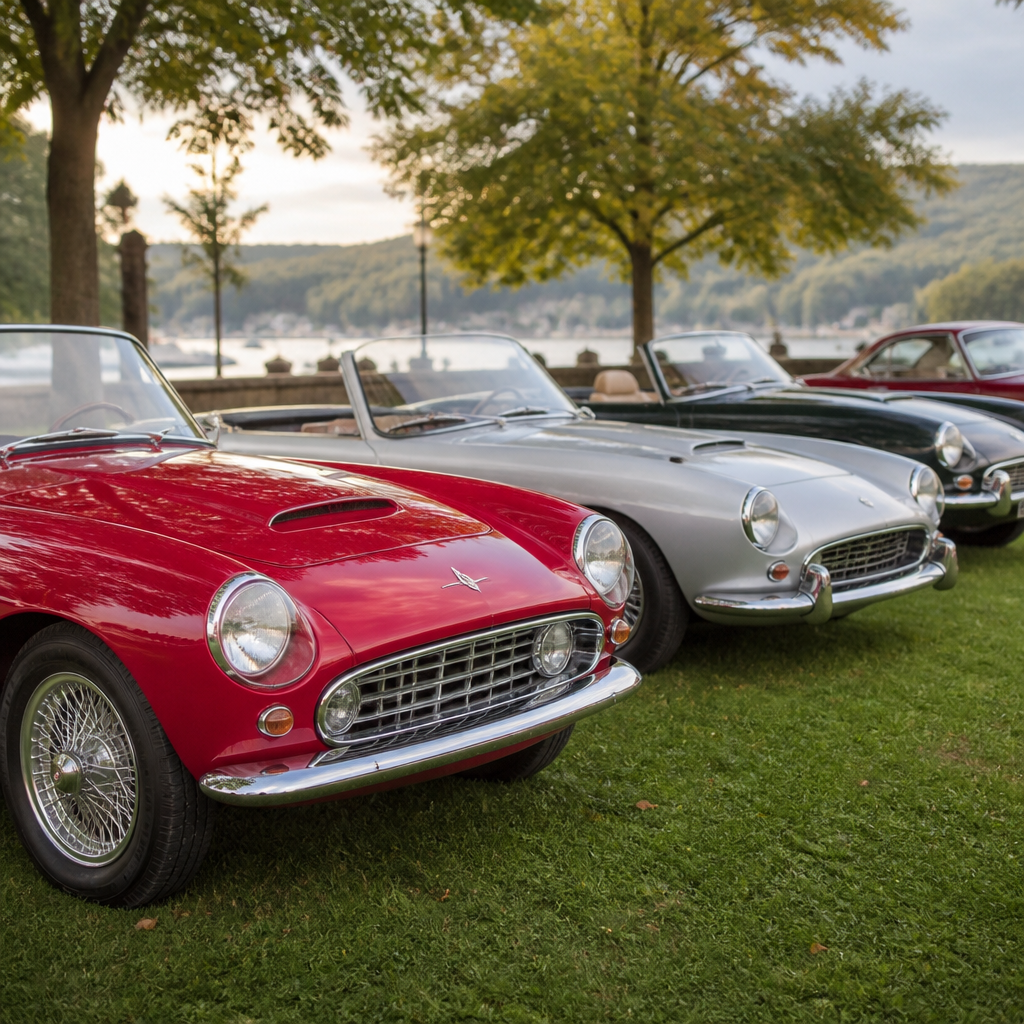
Classic car ownership can be deeply rewarding, but it becomes sustainable only when you understand the real costs of ownership and manage them deliberately. A classic car is generally a vehicle valued for age, rarity, historical significance, design, or enthusiast appeal, while costs of ownership include purchase price, insurance, storage, maintenance, registration, fuel, restoration, taxes, and the opportunity cost of capital tied up in the vehicle. I have worked with owners who expected a weekend hobby and instead found themselves funding a second household budget, usually because they focused on the purchase price and ignored the long tail of ongoing expenses. Saving money on classic car ownership is not about being cheap or cutting corners. It is about making informed decisions that preserve reliability, safety, and long-term value while reducing waste, avoidable repairs, and poor buying choices.
That matters because classic cars operate under a different economic logic than modern daily drivers. Parts availability can be inconsistent, labor can require specialist knowledge, and a neglected inspection before purchase can produce five-figure surprises. At the same time, there are major opportunities to reduce ownership costs without reducing enjoyment. The right model choice can lower parts prices for years. Preventive maintenance can stop minor leaks from becoming engine rebuilds. Agreed value insurance can protect the car better than standard policies, and proper storage can reduce corrosion, upholstery damage, and battery failure. Owners who budget accurately also tend to keep their cars longer and enjoy them more, because fewer financial shocks interrupt the experience. This guide explains how to save money across the full ownership cycle, from purchase and storage to maintenance, insurance, and eventual resale, so you can treat your classic as both a passion project and a disciplined financial commitment.
Start With the Right Car and the Right Purchase Price
The biggest savings decision in classic car ownership happens before the car enters your garage. Buyers often believe the cheaper project car is the budget option, but in practice the best-value car is usually the most complete, rust-free, mechanically sorted example you can afford. Bodywork and rust repair consume money faster than almost any other category. Replacing floor pans, rocker panels, quarter panels, or structural members requires skilled fabrication, paint blending, and many labor hours. A car with tired paint but strong metal is normally far less expensive than one with fresh cosmetics hiding corrosion.
When I assess ownership costs with clients, I separate a classic into three layers: structure, mechanical systems, and cosmetics. Structure comes first because rust and accident damage are expensive to reverse. Mechanical systems come second because engines, brakes, cooling systems, and electrical faults can be repaired methodically. Cosmetics come last because faded upholstery and worn trim may not stop you from driving the car. A buyer who overpays for shiny paint on a weak shell often spends twice: first on the purchase, then on the correction.
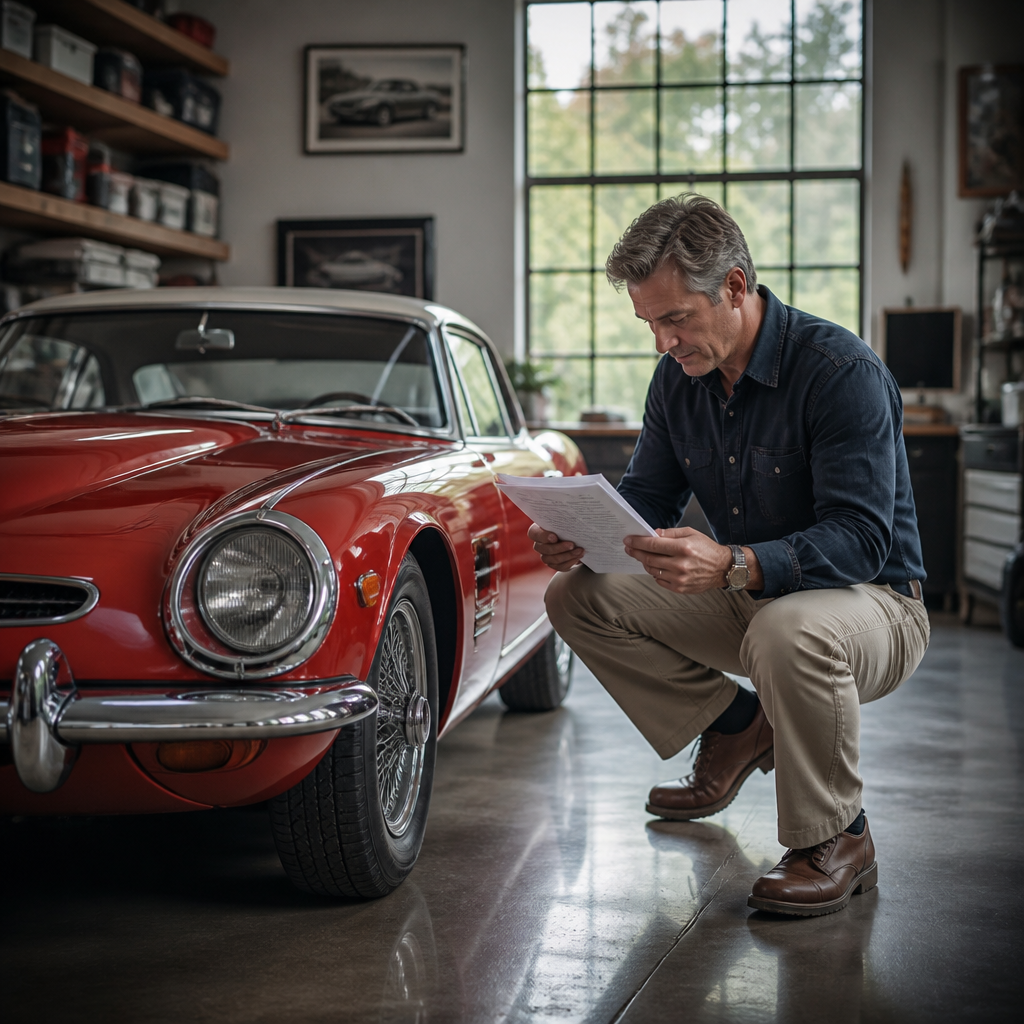
Documentation also saves money. Service records, restoration invoices, matching numbers verification where relevant, and ownership history help you avoid unknowns. A pre-purchase inspection by a marque specialist is one of the cheapest investments in the process. Specialists know where specific models rust, which engines crack, which carburetors are commonly misadjusted, and whether replacement parts are available or unobtainable. Spending a few hundred dollars on an inspection can save thousands in hidden defects and negotiation mistakes.
Build a Realistic Ownership Budget Before You Buy
To save money, you need to know what classic car ownership actually costs per year, not what you hope it costs. I advise owners to create a baseline annual budget with fixed costs, variable costs, and reserve costs. Fixed costs include insurance, registration, storage, and club memberships. Variable costs include fuel, fluids, tire wear, detailing supplies, and routine maintenance. Reserve costs are the overlooked category, covering irregular but inevitable expenses such as brake hydraulics, cooling system renewal, suspension bushings, battery replacement, and trim repair.
For many mainstream classics, routine annual ownership might seem manageable until deferred maintenance arrives all at once. A battery, set of tires, fuel pump, hoses, wheel cylinders, and tune-up parts can easily land in the same year. Owners who assume low mileage means low cost get caught off guard because age, not mileage, drives many failures. Rubber hardens, seals shrink, brake fluid absorbs moisture, fuel goes stale, and wiring insulation becomes brittle. That is why a classic driven sparingly still needs a reserve fund.
A practical rule is to maintain a cash buffer equal to at least 10 to 20 percent of the car’s value for repairs and preservation, especially during the first two years of ownership. Newly acquired classics often reveal issues only after regular use. If the budget does not support that reserve, the car may be affordable to buy but not affordable to own. That distinction prevents stress and forced sales.
Control Insurance, Registration, and Storage Costs
Insurance is one of the easiest places to save money intelligently. Classic cars generally qualify for specialty coverage through insurers that understand limited-use vehicles, agreed value policies, and collector storage requirements. Agreed value matters because it sets the payout value in advance, unlike standard actual cash value coverage that can undervalue a collectible vehicle after a loss. Companies such as Hagerty, Grundy, and American Collectors often price collector policies favorably when the owner has a secure garage, another daily driver, and a clean driving record.
Registration rules vary by state, but historic or antique plates can reduce annual fees. However, some jurisdictions attach usage restrictions, emissions exemptions, or inspection differences, so owners should verify the tradeoffs. I have seen people save modestly on registration only to discover they limited their ability to drive to events or weekend trips under local rules. Saving money works only when the registration category matches how you actually use the car.
Storage deserves the same level of attention as insurance because poor storage creates repair bills. A dry, enclosed garage is ideal. Moisture causes corrosion in floor pans, brake components, fuel tanks, and electrical contacts. UV exposure damages paint, dashboards, weatherstripping, and seat materials. If off-site storage is necessary, compare climate control, security, access hours, and whether the facility allows battery tenders and drip trays.
| Cost Area | Money-Saving Option | Why It Works | Main Caution |
|---|---|---|---|
| Insurance | Agreed value collector policy | Lower premiums for limited use and better valuation protection | Mileage, storage, and driver restrictions may apply |
| Registration | Historic or antique plates | Reduced annual fees in many states | Usage limitations vary by jurisdiction |
| Storage | Dry enclosed garage with battery tender | Prevents corrosion, battery drain, and interior damage | Upfront setup costs for power, cover, and humidity control |
| Security | Steering lock, kill switch, tracker | Reduces theft risk and potential insurance issues | Installation should not damage wiring or originality |
Use Preventive Maintenance to Avoid Expensive Repairs
The cheapest repair in classic car ownership is the one you prevent. Preventive maintenance saves money because small defects in old cars rarely stay small. A minor coolant seep can become overheating and head gasket failure. Old fuel hoses can crack and create fire risk. A dragging brake hose can overheat a drum or rotor and damage wheel bearings. The owner who inspects routinely spends less than the owner who reacts to breakdowns.
Every classic should have a schedule covering engine oil and filter changes, coolant condition, brake fluid replacement, ignition inspection, valve adjustment where required, carburetor tuning, differential and gearbox fluids, chassis lubrication, tire age checks, and battery maintenance. Timing depends on the vehicle and use pattern, but annual inspection is the minimum standard, even for low-mileage cars. Brake fluid, for example, is hygroscopic and should be changed periodically because absorbed moisture corrodes internals. That maintenance item is inexpensive compared with replacing a master cylinder, calipers, wheel cylinders, and lines.
Cooling systems deserve special attention because overheating causes cascading damage. Replace aged hoses, test the thermostat, inspect the water pump, confirm ignition timing, and ensure the radiator core actually flows correctly rather than simply looking clean externally. Fuel systems also need disciplined care in the era of ethanol-blended gasoline. Ethanol can degrade older rubber components and attract moisture. Using ethanol-compatible hoses and, where appropriate, fuel stabilizer during storage reduces varnish and corrosion.
Choose Repairs Strategically: DIY What Makes Sense, Outsource What Does Not
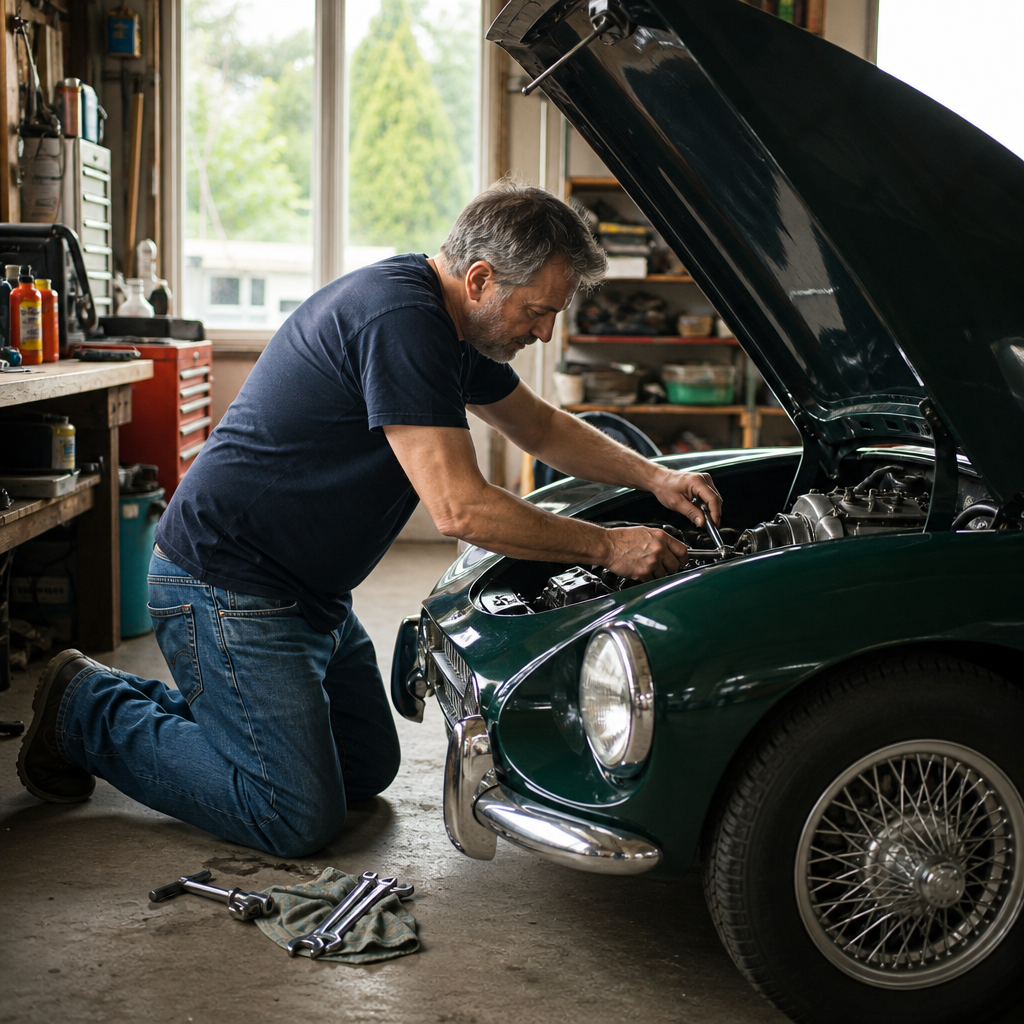
One of the fastest ways to save money is to learn which jobs you can do safely and correctly yourself. Basic servicing, battery replacement, ignition tune-ups, fluid changes, hose replacement, and some interior work are realistic for many owners with manuals, tools, and patience. Factory shop manuals, parts books, and model-specific forums are invaluable. The savings compound over time because each completed job reduces future labor charges and builds familiarity with your car.
But not every job should be a do-it-yourself project. Paintwork, structural welding, transmission rebuilding, differential setup, and complex diagnostics on rare systems often belong with specialists. A failed DIY brake job or poorly executed wiring repair can create safety risks and larger bills later. The least expensive repair is the competent repair done once. I have seen owners spend thousands undoing incorrect prior work that began as an attempt to save hundreds.
The best strategy is hybrid ownership. Handle inspection, cleaning, lubrication, and straightforward maintenance at home. Outsource specialized machine work, alignment, upholstery, chrome plating, and body restoration to professionals with references and experience on your make. Ask for estimates broken down by labor hours, parts quality, and subcontracted services. Clear scope control keeps restoration creep from wrecking your budget.
Reduce Parts Costs Without Compromising Quality
Parts strategy has a major effect on long-term classic car ownership costs. Mainstream classics from Ford, Chevrolet, Volkswagen, Mercedes-Benz, and MG often benefit from stronger reproduction and used-parts networks than obscure low-production models. That is one reason model selection matters. Before buying a car, check whether common service parts, weatherstripping, glass, trim, carburetor kits, and suspension components are available from reputable suppliers.
Saving money on parts does not mean buying the cheapest listing online. It means buying the right part category for the job. Safety-critical items such as brake hydraulics, steering components, tires, and fuel lines should come from trusted manufacturers or established marque suppliers. For cosmetic items, good used parts or quality reproductions may offer better value than expensive new old stock. New old stock can be desirable for originality, but rubber and seal materials may have aged on the shelf, making them poor choices for some functional applications.
Join owners’ clubs and marque communities. Club members often know interchange parts from other models, reliable rebuilders, and which reproduction items fit poorly. Shared knowledge prevents costly trial and error. Buying spares in planned batches can also reduce shipping costs, especially for heavier items such as exhaust components, brake drums, and sheet metal.
Drive the Car Correctly and Store It Properly
Classic cars deteriorate when they are abused, but they also deteriorate when they are ignored. Regular exercise keeps seals lubricated, charges the battery, circulates fluids, and reveals small issues before they become roadside failures. Short starts without full warm-up, however, can contaminate oil and promote exhaust moisture. It is better to drive the car long enough to reach full operating temperature than to idle it briefly in the garage.
Proper storage routines are simple but powerful. Wash dirt and road salts off the underbody, inflate tires correctly, use a breathable cover only in a clean indoor setting, and connect a smart battery maintainer rather than a crude trickle charger. If the car will sit for months, stabilize the fuel as appropriate, consider overinflating tires slightly within safe limits to reduce flat-spotting, and block obvious pest entry points. Rodent damage to wiring and insulation can be surprisingly expensive.
Security also has a financial dimension. Theft, attempted theft, and vandalism produce direct losses and insurance complications. A battery cutoff, hidden kill switch, steering lock, and discreet GPS tracker are sensible protections, especially for desirable muscle cars, air-cooled Porsches, and popular Japanese classics. Prevention costs far less than recovery and repair.
Know When Restoration Adds Value and When It Destroys Budget
Not every classic should be restored to concours condition, and trying to do so is a common way owners overspend. The financially smarter path is usually condition-appropriate stewardship. A rare, high-value car with strong provenance may justify a full restoration. A common driver-grade car usually rewards mechanical sorting, rust prevention, and sympathetic cosmetic improvement instead. Market value should guide spending.
If you plan a restoration, define the goal before turning the first wrench. Is the car for local shows, touring, occasional resale, or family enjoyment? The answer determines paint standard, upholstery choices, originality level, and whether upgrades such as electronic ignition, radial tires, or improved cooling are worthwhile. Restorations run over budget when the owner keeps changing the endpoint.
Documentation protects future value. Save receipts, photograph work, record part numbers, and note which systems were rebuilt and when. Buyers pay more for transparency, and transparent cars sell faster. That lowers the total cost of ownership because money tied up in the vehicle is easier to recover when you decide to move on.
Saving money on classic car ownership comes down to disciplined choices made consistently over time. Buy the best car you can afford rather than the cheapest project. Budget for fixed, variable, and reserve costs before purchase. Use specialty insurance, sensible registration, and dry secure storage to reduce predictable expenses and avoid preventable damage. Follow preventive maintenance schedules, learn the DIY work that fits your skill level, and use specialists for tasks where mistakes are expensive. Source parts strategically through trusted suppliers and owner networks, and let market reality shape restoration decisions.
The main benefit of this approach is not simply lower spending. It is more reliable enjoyment, fewer unpleasant surprises, and better long-term value retention. Owners who manage costs well spend more time driving and less time recovering from avoidable errors. Review your current classic car ownership costs, identify the categories draining the most money, and make one practical improvement this month, whether that is a pre-season inspection, an insurance review, or a better storage setup. Small corrections now usually become substantial savings later.
Frequently Asked Questions
What are the biggest costs of classic car ownership, and where can I realistically save money?
The biggest costs usually go far beyond the purchase price. Many first-time buyers focus on what it takes to get the car into the garage, but sustainable ownership depends on understanding the full cost of keeping it there. In practice, the major expenses are insurance, storage, routine maintenance, unexpected repairs, restoration work, registration and taxes, fuel, transport, detailing, and the opportunity cost of the money tied up in the vehicle. If the car needs professional restoration, bodywork, upholstery, engine rebuilding, or electrical sorting, those costs can quickly exceed what many owners initially expected to spend.
The most realistic ways to save money start before you buy. Purchase the best car you can afford rather than the cheapest example on the market. A sound, complete, well-documented car is often far less expensive over time than a bargain car with rust, missing trim, poor prior repairs, or mechanical unknowns. Rust repair, paint correction, and chasing incomplete projects are among the fastest ways to overspend. A pre-purchase inspection by a marque specialist is one of the best money-saving tools available because it helps you avoid hidden structural and mechanical problems that can drain your budget for years.
After purchase, savings come from discipline and planning. Use agreed-value insurance that fits limited-use driving habits, compare specialist insurers, store the car properly to prevent deterioration, follow preventive maintenance schedules, and fix small issues early before they become major failures. Joining a model-specific club can reduce parts costs and improve your access to trusted mechanics and technical advice. You can also save by setting an annual ownership budget, building a maintenance reserve, and deciding in advance whether your goal is preservation, regular driving, or concours-level presentation. Owners overspend most often when they make emotional decisions without a clear ownership plan. The more intentional you are, the more affordable and enjoyable classic car ownership becomes.
Is it cheaper to buy a restored classic car or a project car and fix it up myself?
In most cases, buying a well-restored or very well-maintained classic car is cheaper than buying a project and restoring it yourself. Project cars often look attractive because the entry price is lower, but the total cost of bringing them to a reliable, presentable standard is usually much higher than expected. Even owners with mechanical skills tend to underestimate parts sourcing, machine work, paint and body expenses, interior refurbishment, chrome work, specialist labor, and the time required to complete the car properly. If rust is involved, costs can escalate especially fast, because corrosion repair affects structure, paint, trim fitment, and sometimes drivability and safety.
That said, the right answer depends on your skills, tools, patience, workspace, and goals. If you already have the equipment, experience, and time to handle much of the work yourself, a project can make financial sense in narrow circumstances. The key is choosing a car that is complete, structurally sound, and supported by good parts availability. A running, driving project with cosmetic needs is usually far less risky than a non-running car that comes in boxes. Missing trim, unavailable model-specific parts, and unknown engine or transmission condition can turn a seemingly affordable purchase into an open-ended financial commitment.
If your priority is saving money, look for an honest driver-quality example rather than a show car or a major restoration candidate. Driver-quality classics often provide the best balance of affordability, usability, and manageable upkeep. They allow you to improve the car gradually while enjoying it, instead of pouring money into a long restoration before you ever turn the key. Before buying any project, create a written parts-and-labor budget with realistic estimates and a contingency reserve. If the completed cost approaches or exceeds the price of a sorted example, the smarter financial move is usually to buy the better car upfront.
How can I reduce insurance and storage costs without putting my classic car at risk?
Insurance and storage are two areas where owners can save meaningful money, but only if they do so carefully. For insurance, one of the most effective strategies is to work with a specialist insurer that understands collector vehicles. Traditional auto policies may not value the car correctly, while agreed-value policies are designed to establish in advance what the car is worth. That reduces uncertainty in the event of a total loss and often aligns better with the limited annual mileage and lower-risk usage patterns common to classic ownership. You can also lower premiums by documenting secure storage, limiting annual mileage, maintaining a clean driving record, and bundling multiple collector vehicles when appropriate.
Storage savings come from preventing damage rather than merely finding the cheapest place to park the car. A dry, secure, ventilated garage is ideal because moisture, temperature swings, and poor airflow accelerate rust, mold, electrical corrosion, and deterioration of rubber and interior materials. If you have home storage available, investing in dehumidification, quality covers used correctly, battery maintenance, and pest prevention can be far cheaper than repairing long-term environmental damage. Outdoor storage is rarely a true money saver because weather exposure often leads to fading, corrosion, seals drying out, and higher maintenance bills later.
If you use professional storage, compare not just monthly rates but also security, climate conditions, access policies, battery support, tire care, and whether the facility has experience with classics. A slightly higher monthly cost can still be the better value if it preserves the car and reduces future restoration expense. To balance cost and protection, many owners do best with a specialist insurance policy, sensible mileage limits, and a simple but proper home storage setup that keeps the car dry, clean, charged, and protected from avoidable deterioration.
What maintenance habits save the most money on a classic car over time?
The most valuable maintenance habit is consistency. Classic cars become expensive when they sit neglected, are driven without inspection, or receive attention only after something fails. Preventive maintenance almost always costs less than corrective repairs. That means regular fluid changes, cooling system checks, brake inspections, battery care, lubrication of chassis and hinges where applicable, belt and hose replacement, tire inspection, fuel system attention, and periodic exercise of the car to keep seals, carburetion, and electrical systems in better condition. Even a car that is rarely driven still ages mechanically, and inactivity can be just as hard on components as high mileage.
Another major money-saving habit is keeping records. A maintenance log helps you track service intervals, identify recurring issues, and avoid redundant work. It also adds value if you ever sell the car, because documentation gives future buyers confidence. Owners who know exactly when the cooling system was flushed, when the tires were installed, or when the carburetors were rebuilt are less likely to waste money guessing or replacing parts prematurely. Good records also help mechanics diagnose issues faster, which can reduce labor bills.
It also pays to address minor problems early. A small oil leak, weak charging issue, slight overheating tendency, or rough idle can seem easy to postpone, but those symptoms often point to problems that become much more expensive if ignored. For example, a cooling issue dealt with early might require a thermostat, hose, or radiator service; left unresolved, it could lead to head gasket failure or engine damage. Developing a relationship with a reputable classic-car mechanic, learning basic inspections yourself, and creating an annual maintenance budget are some of the best long-term cost-control strategies. The owners who spend the least over time are usually not the ones who avoid maintenance, but the ones who stay ahead of it.
How do I enjoy classic car ownership without overspending on upgrades, restoration, or market hype?
The most effective way to avoid overspending is to define your purpose for owning the car before you start spending money on it. Are you buying it to drive on weekends, attend local shows, preserve a piece of history, or pursue top-tier originality and judging? Each goal leads to a different spending profile. Problems arise when owners buy a modest driver and then unconsciously chase concours standards, or when they begin adding modifications without considering whether those changes improve reliability, hurt originality, or reduce resale appeal. A clear ownership plan acts as a filter for spending decisions.
One practical strategy is to divide expenses into three categories: essential, protective, and optional. Essential expenses keep the car safe and mechanically sound, such as brakes, tires, steering, fuel system integrity, and cooling reliability. Protective expenses preserve the car, such as proper storage, paint care, rust prevention, and battery maintenance. Optional expenses include cosmetic upgrades, aftermarket accessories, nonessential modifications, and perfectionist restoration work. If your budget is limited, prioritize the first two categories and be very selective with the third. This approach lets you enjoy the car while preserving its condition and controlling long-term costs.
It is also wise to be cautious around market hype. Rising values can tempt owners into expensive restorations or speculative purchases based on the belief that the market will justify the spending later. Sometimes it does not. Not every dollar put into a restoration comes back in resale, and some highly publicized trends are short-lived. Focus on buy quality, maintain carefully, and spend where it meaningfully improves safety, reliability, and preservation. If you treat the car as something to enjoy first and optimize financially second, you are much less likely to make costly emotional decisions. That mindset usually leads to the most satisfying and sustainable form of classic car ownership.