Fuel costs are one of the most misunderstood parts of classic car ownership, because buyers often focus on purchase price and restoration budgets while underestimating what it takes to keep an older vehicle moving in the real world. In practice, fuel spending touches every part of the ownership experience: how often you drive, which routes you choose, whether the car remains practical for weekend use, and how it compares with other vehicles in your garage. When I help owners build realistic classic car budgets, fuel is usually the line item that turns an emotional purchase into a sustainable one.
For classic cars, fuel cost means more than the price per gallon at the pump. It includes fuel economy, the grade of gasoline the engine requires, the impact of carburetor tuning, gearing, weight, aerodynamics, ignition condition, ethanol compatibility, and the simple fact that many older cars were engineered in an era when fuel efficiency was not the primary design goal. A 1965 Mustang with an inline-six, a 1970 Chevelle SS 454, and a 1989 Mercedes-Benz 560SL all deliver very different miles-per-gallon results, and those differences shape annual ownership costs as much as insurance or routine servicing.
This matters because fuel is one of the few ownership expenses that scales directly with use. Registration, storage, and many insurance policies remain fairly fixed, but gasoline spending rises every time the odometer moves. That makes fuel cost a hub issue within the broader costs of ownership conversation. It connects naturally to maintenance planning, trip budgeting, originality versus modification decisions, and whether a specific classic works best as a show car, a weekend cruiser, or a regular-driver vintage vehicle. Understanding how fuel costs compare helps owners choose the right car, set realistic expectations, and enjoy classic motoring without financial surprises.
What Determines Fuel Costs in a Classic Car
The first question owners ask is simple: why do classic cars vary so much in fuel cost? The answer is that older vehicles combine several efficiency disadvantages at once. Many use carburetors instead of modern fuel injection, have fewer transmission ratios, carry shorter or taller final-drive gearing that was selected for performance rather than economy, and lack modern engine management systems that constantly adjust fuel delivery. Add extra weight, less efficient combustion chamber design, and higher mechanical drag, and fuel consumption rises quickly.
Engine size is the most obvious factor, but it is not the only one. I have seen small-block V8 cars deliver better road-trip mileage than six-cylinder classics that were badly tuned. Compression ratio, ignition timing, vacuum advance operation, choke function, and tire pressure all change the real-world numbers. A healthy engine with a properly calibrated carburetor and a functioning distributor curve can be surprisingly reasonable on fuel. A neglected one can consume dramatically more than its factory figures suggested. This is why two apparently identical cars can differ by several miles per gallon.
Driving pattern matters just as much. Short trips with repeated cold starts use far more fuel than steady highway cruising. Many classics also spend time idling at shows, in traffic, or while warming up, which reduces effective economy. In ownership planning, that means the same car can cost very little to fuel if it covers 1,000 summer miles each year, yet feel expensive if driven 6,000 miles on urban roads. For any realistic comparison, you need to look at miles per gallon, annual mileage, and the type of driving together rather than in isolation.
Typical Fuel Economy by Classic Car Category
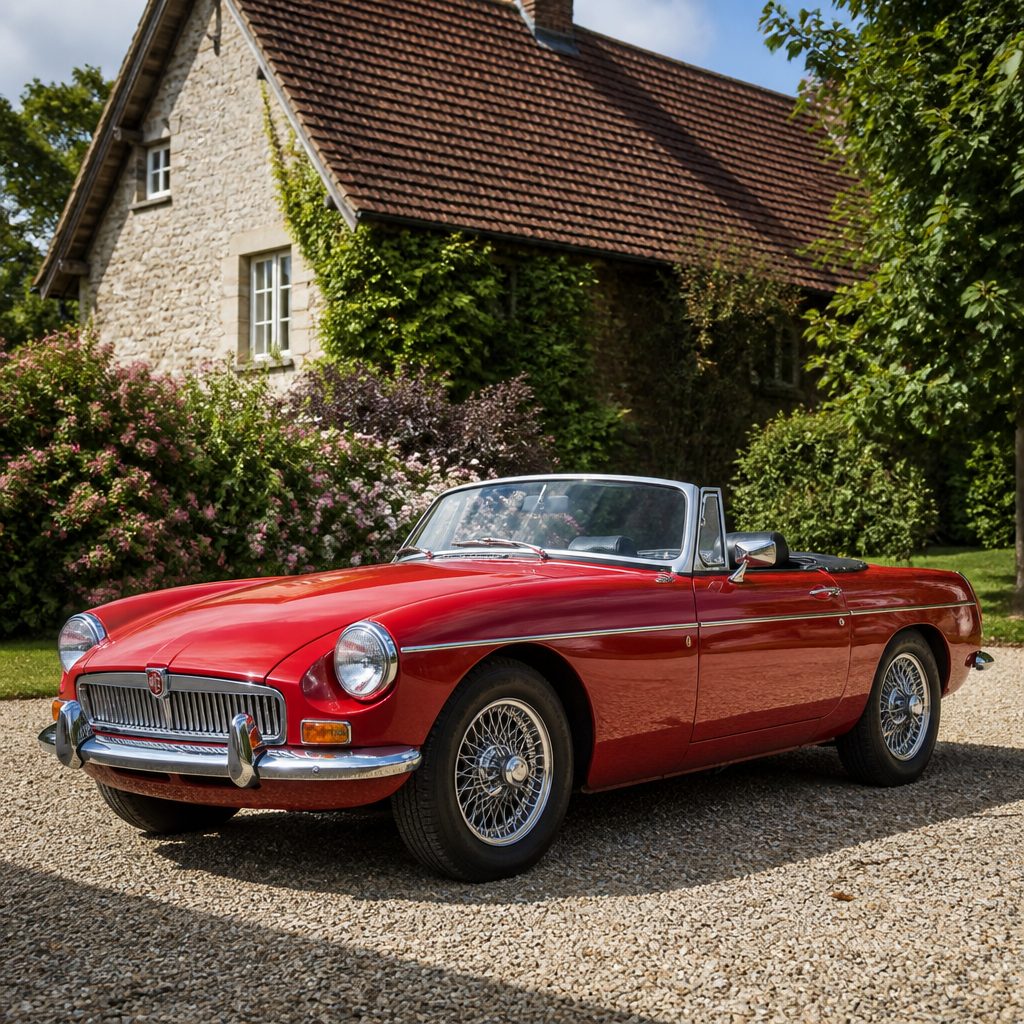
Classic cars do not all belong in one fuel-cost bucket. Broadly, economy follows vehicle type, engine output, weight, and period engineering. Small European sports cars from the 1950s through the 1970s often return the best numbers. Cars such as an MGB, Triumph Spitfire, Alfa Romeo Spider, or Volkswagen Beetle may land in the 22 to 32 mpg range when well sorted, especially on secondary roads. These models remain attractive entry points because their fuel costs are manageable even when used regularly.
Mid-size American classics with six-cylinder engines or smaller V8s typically occupy the middle ground. A Ford Falcon, Chevrolet Nova, early Mustang with a 200 straight-six, or a 289-equipped coupe can often return roughly 15 to 24 mpg depending on gearing and tune. These cars illustrate why specification matters more than the badge alone. A lightweight body paired with a mild engine can feel economical by classic standards, while the same platform with a large-displacement performance engine can nearly double fuel consumption.
Large American muscle cars and full-size luxury models are usually the most expensive to fuel. Big-block intermediates, body-on-frame sedans, and personal luxury coupes from the late 1960s through the 1970s commonly operate in the 8 to 15 mpg range. Cars such as a Plymouth Road Runner 440, Cadillac Eldorado 500, or Lincoln Continental Mark series deliver the theater and torque enthusiasts want, but owners should budget accordingly. These are not outliers; they reflect the era’s priorities of power, size, and comfort over efficiency.
| Classic car category | Typical mpg range | Fuel cost outlook | Common examples |
|---|---|---|---|
| Small European classics | 22-32 mpg | Lowest fuel spend among classics | MGB, Spitfire, Beetle, Fiat 124 Spider |
| Mid-size six-cylinder or small V8 cars | 15-24 mpg | Moderate and highly tune-dependent | Ford Falcon, Mustang 200/289, Chevy Nova |
| Luxury grand tourers and larger imports | 12-20 mpg | Moderate to high due to weight and complexity | Mercedes 560SL, Jaguar XJ6, BMW 635CSi |
| Muscle cars and full-size American cars | 8-15 mpg | Highest routine fuel expense | Chevelle 454, Charger 440, Cadillac Eldorado |
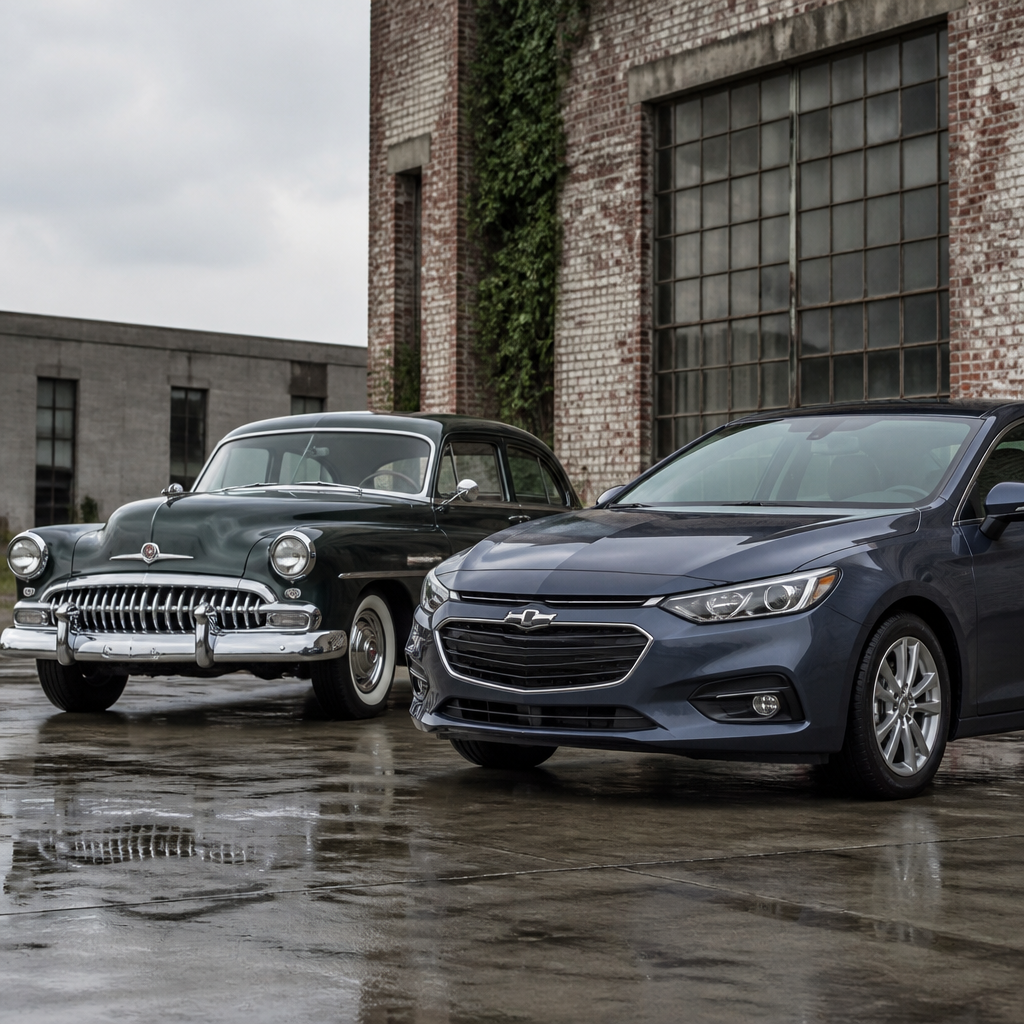
Late-1980s classics complicate the picture. Many have fuel injection, overdrive transmissions, and more efficient combustion, so they can be noticeably cheaper to run than 1960s or 1970s equivalents. A fuel-injected Corvette C4 or BMW E30 can deliver economy that feels almost modern on a long trip. For buyers shopping the newest end of the classic spectrum, this is one of the clearest ways to reduce ownership costs without giving up character.
Fuel Price, Octane, and Ethanol Effects
Comparing fuel costs requires more than comparing mpg. Many classic cars need higher-octane gasoline, especially engines with elevated compression ratios, aggressive ignition timing, or factory recommendations developed before major fuel formulation changes. Premium fuel can add a meaningful annual amount, particularly if the car is driven regularly. Not every classic needs it, however. Some low-compression engines run perfectly well on regular unleaded, and assuming premium is mandatory for every old car leads to overstated cost estimates.
Octane is about knock resistance, not energy content or automatic performance gains. If an engine does not need premium, buying it offers little benefit. If an engine does require it, using lower-octane fuel can cause detonation, overheating, and long-term damage. In my experience, owners should confirm requirements by looking at compression ratio, timing settings, spark plug readings, and actual operating behavior rather than relying on myths. For modified classics, the answer depends on the build, not just the original factory spec.
Ethanol blends introduce another ownership variable. Modern pump fuel often contains ethanol, which can attract moisture, degrade some older rubber components, and create drivability issues in cars stored for long periods. Ethanol-free fuel, where available, usually costs more, but many owners consider the premium worthwhile for reduced storage-related problems and better compatibility with vintage fuel systems. This is especially relevant for cars with original hoses, cork gaskets, older carburetor parts, or steel tanks prone to internal corrosion.
There is also a range question. A classic with a small tank and poor mileage may need frequent stops, reducing touring convenience. That matters on long drives where fuel availability, especially ethanol-free or high-octane supply, is limited. In practical ownership terms, the cheapest fuel strategy is often a combination of correct tune, appropriate octane, and sensible storage preparation rather than simply hunting for the lowest pump price.
How Fuel Costs Fit Into Total Ownership Costs
Fuel should be treated as one part of a complete classic car ownership budget, not as an isolated figure. For some owners, especially those who cover low annual mileage, fuel will be smaller than insurance, winter storage, or deferred maintenance. For others using a classic for regular pleasure drives, road rallies, or seasonal commuting, gasoline becomes one of the largest recurring expenses. The point is not that classic cars are always expensive to fuel, but that fuel cost becomes significant when combined with frequent use and low mpg.
A practical budgeting method starts with annual mileage. Multiply realistic mpg by expected distance, then apply local pump prices for the correct fuel grade. After that, compare the number with maintenance intervals. If a car uses fuel rapidly and also needs frequent oil changes, carburetor adjustments, and ignition service, the total operating cost per mile may be far higher than buyers expect. This is why a cheap-to-buy classic can become more expensive to own than a pricier but more efficient and better-engineered alternative.
For example, a hobby car driven 1,500 miles per year at 12 mpg may consume only about 125 gallons annually, which can make fuel seem minor. But a weekend cruiser driven 5,000 miles at the same economy uses more than 416 gallons, and premium fuel prices quickly reshape the annual budget. At that point, differences between 12 mpg and 22 mpg are no longer academic. They influence trip decisions, event attendance, and even whether the owner keeps the car long term.
As a hub topic under classic car ownership costs, fuel links directly with maintenance, insurance, storage, tires, and depreciation. A well-chosen classic balances these categories. Owners who understand fuel costs early make better decisions about vehicle type, purchase inspection priorities, and how much room remains in the budget for repairs or upgrades.
Ways to Reduce Fuel Spending Without Ruining Original Character
The best fuel savings usually come from maintenance, not radical modification. A properly rebuilt carburetor, accurate float level, fresh ignition components, correct dwell where applicable, vacuum leak elimination, and precise timing setup can noticeably improve economy. I have seen neglected classics gain several mpg after nothing more exotic than correcting a rich mixture, replacing a sticking choke pull-off, and restoring vacuum advance function. These changes preserve originality while cutting operating cost.
Tire choice and rolling resistance also matter. Underinflated tires increase drag, and old alignment settings can waste fuel while accelerating tire wear. On highway-oriented classics, overdrive conversions can lower engine rpm and improve touring economy, though the cost only makes sense for owners who drive enough miles to justify it. Similarly, swapping to a more relaxed rear axle ratio can help, but it may dull acceleration and alter the car’s original character. Tradeoffs should be judged honestly.
Driving technique is another overlooked tool. Smooth throttle inputs, moderate cruising speeds, and less unnecessary idling make a measurable difference in carbureted cars. Aerodynamic drag rises sharply with speed, so pushing a bluff-fronted 1960s coupe from 60 to 75 mph can increase fuel use more than many owners expect. The cheapest improvement is often changing driving habits rather than parts.
For owners open to discreet upgrades, electronic ignition can improve consistency, cold starts, and combustion stability. Fuel injection conversions exist as well, but they are expensive and may reduce originality, which matters for some collectors. In most cases, I recommend getting the standard system working exactly as designed before considering conversions. A correctly tuned stock setup is usually better than a poorly installed modernization package.
Choosing the Right Classic If Fuel Cost Matters
If fuel cost is a serious buying criterion, start by matching the car to the intended use. For short local drives and occasional events, almost any classic can work if the rest of the budget is sound. For frequent road use, prioritize lighter cars, smaller engines, overdrive transmissions, and later classics with fuel injection. Model reputation helps, but condition matters more. The most economical classic on paper becomes expensive quickly if it suffers from poor tune, worn compression, dragging brakes, or a leaking tank.
Documentation is valuable here. Look for service records showing ignition work, carburetor rebuilding, fuel hose replacement, and consistent maintenance. During a pre-purchase inspection, pay attention to cold-start behavior, exhaust smell, plug condition, and whether the engine pulls cleanly without hesitation. These clues reveal whether the car is likely operating efficiently or wasting fuel through mechanical neglect.
The main takeaway is simple: fuel costs compare across classic cars according to engineering, condition, and use, not nostalgia alone. Small sports cars and later fuel-injected classics usually offer the lowest running costs. Big-block muscle cars and heavy luxury models usually demand the highest fuel budgets. Neither choice is wrong, but each should be bought with clear expectations. If you are building a realistic classic car ownership plan, estimate annual mileage, verify likely mpg, confirm fuel grade needs, and compare those numbers with maintenance and insurance before you buy. That approach keeps the hobby enjoyable and financially sustainable. Start your ownership research with fuel, then use it to guide every other cost decision.
Frequently Asked Questions
Are classic cars always more expensive to fuel than modern cars?
Not always, but in many real-world situations they do cost more to keep fueled. The biggest reason is efficiency. Most classic cars were built in an era with less advanced engine management, heavier construction, fewer aerodynamic improvements, and gearing that was not optimized for today’s driving conditions. Even a well-maintained vintage car often returns noticeably fewer miles per gallon than a modern daily driver. That said, the full answer depends on how the vehicle is actually used. A classic car driven only for occasional weekend outings may consume less fuel overall during the year than a modern car that racks up thousands of commuting miles, even if the cost per mile is higher.
It is also important to separate total annual fuel spending from fuel cost efficiency. Owners sometimes say their classic is “cheap on fuel” because they rarely fill it up, but that usually reflects low usage rather than strong mileage. If you compare mile for mile, an older carbureted V8, large-displacement straight-six, or heavy grand tourer will usually be more expensive to run than a newer equivalent. Smaller classics, especially lightweight European or Japanese models with modest engines, can be far more reasonable. So the right way to think about fuel cost is not simply old versus new, but vehicle type, engine design, tune, driving style, and annual mileage.
What factors have the biggest effect on fuel costs for a classic car?
The largest factors are engine size, vehicle weight, transmission type, gearing, state of tune, and how and where the car is driven. Big-displacement engines naturally use more fuel, especially in stop-and-go traffic or when accelerating from low speeds. Heavier cars require more energy to move, and older automatic transmissions tend to be less efficient than manuals or newer multi-speed automatics. Final-drive ratios also matter. Many classics rev higher at highway speeds than modern cars, which means fuel consumption can climb quickly on longer trips. A car that feels comfortable at 50 mph on a back road may become much thirstier at 70 mph on a motorway.
Mechanical condition plays a major role as well. A poorly tuned carburetor, incorrect ignition timing, dragging brakes, underinflated tires, or worn ignition components can all increase fuel consumption. This is one area where classic ownership differs from buying a new car. Fuel costs are not fixed; they are heavily influenced by maintenance quality. Even route choice matters. A scenic weekend drive with steady speeds may be surprisingly manageable, while urban use with frequent cold starts and idling can make a classic feel expensive very quickly. Owners who build realistic budgets usually look beyond published mpg figures and instead focus on the exact type of driving they expect to do most often.
How can I estimate realistic fuel costs before buying a classic car?
The best approach is to calculate cost per mile and then match that to your expected annual use. Start with a conservative fuel economy estimate based on actual owner reports rather than brochure claims. Classic cars are often discussed optimistically, so it is smart to assume results on the lower end unless the specific example you are considering is known to be exceptionally well sorted. Once you have a likely mpg figure, divide the current fuel price by that mileage figure to get an approximate fuel cost per mile. Then multiply that by how many miles you expect to drive in a month or year. This method gives a much clearer ownership picture than just looking at tank size or guessing how often you might visit the pump.
You should also build in a margin for variability. Classics can return very different fuel numbers depending on weather, storage habits, warm-up time, traffic conditions, and tune quality. If the car requires premium fuel, include that in the calculation. If it is an older high-compression model or a performance car, fuel grade can make a meaningful difference to annual cost. It is also wise to compare several scenarios: occasional pleasure use, regular weekend use, and frequent seasonal driving. Buyers who do this tend to avoid the common mistake of underestimating how fuel spending affects whether the car feels fun and usable or surprisingly restrictive once it is in the garage.
Does maintenance and tuning make a meaningful difference to classic car fuel economy?
Yes, often more than many first-time buyers expect. On a classic car, fuel economy is closely tied to mechanical health. Unlike modern vehicles, which can compensate for many minor issues through electronic controls, older cars usually respond more directly to tune quality. If the carburetor is set too rich, the choke is not operating correctly, the ignition timing is off, or the spark plugs and leads are tired, fuel use can rise quickly. Similarly, basic rolling resistance issues such as low tire pressures, sticking calipers, poor wheel alignment, or worn wheel bearings can quietly add to operating cost over time.
Proper tuning does not turn a thirsty classic into an economy car, but it can absolutely make the difference between a reasonable weekend machine and one that feels frustratingly inefficient. It also improves drivability, starting behavior, and engine longevity, which means the benefit goes beyond fuel spending alone. Owners who keep detailed records often find that careful maintenance leads to more consistent fuel use and fewer unpleasant surprises. In practical terms, this means fuel costs should not be viewed in isolation. They are part of a larger ownership equation where preventive care, correct setup, and regular checks can improve both the financial and driving experience of owning an older vehicle.
Are there practical ways to reduce fuel costs without ruining the classic car experience?
Absolutely. The key is to improve efficiency without stripping away the character that makes the car enjoyable in the first place. Start with the basics: keep the engine properly tuned, maintain correct tire pressures, use the right fuel grade, and address small drivability issues before they become larger ones. Smooth driving has a bigger impact than many owners realize. Gentle throttle inputs, anticipating traffic, reducing long idle periods, and choosing routes with fewer stops can noticeably lower consumption. For many classics, avoiding sustained high-speed cruising is one of the simplest ways to keep fuel costs under control.
There are also thoughtful upgrades that can help, depending on the car and your goals. Electronic ignition can improve consistency and reduce maintenance. A properly chosen overdrive gearbox or taller final-drive ratio may lower engine speed on longer runs, making the car more relaxed and more efficient. In some cases, careful carburetor rebuilding or setup optimization can deliver better fuel metering without changing the car’s essential feel. The most important point is balance. Owners generally regret modifications that erase originality or drivability just to chase small mpg gains. The smarter strategy is to preserve the character of the classic while making it as healthy, efficient, and realistically usable as possible.