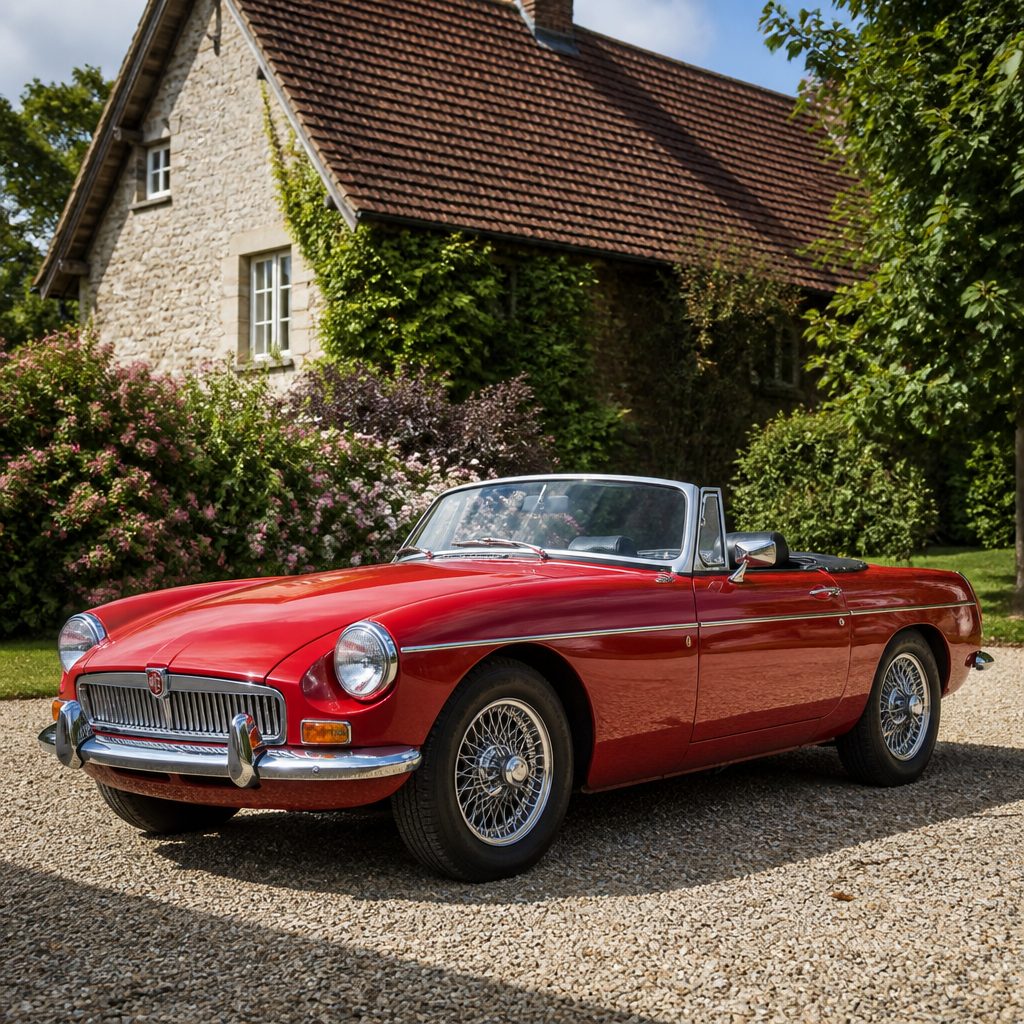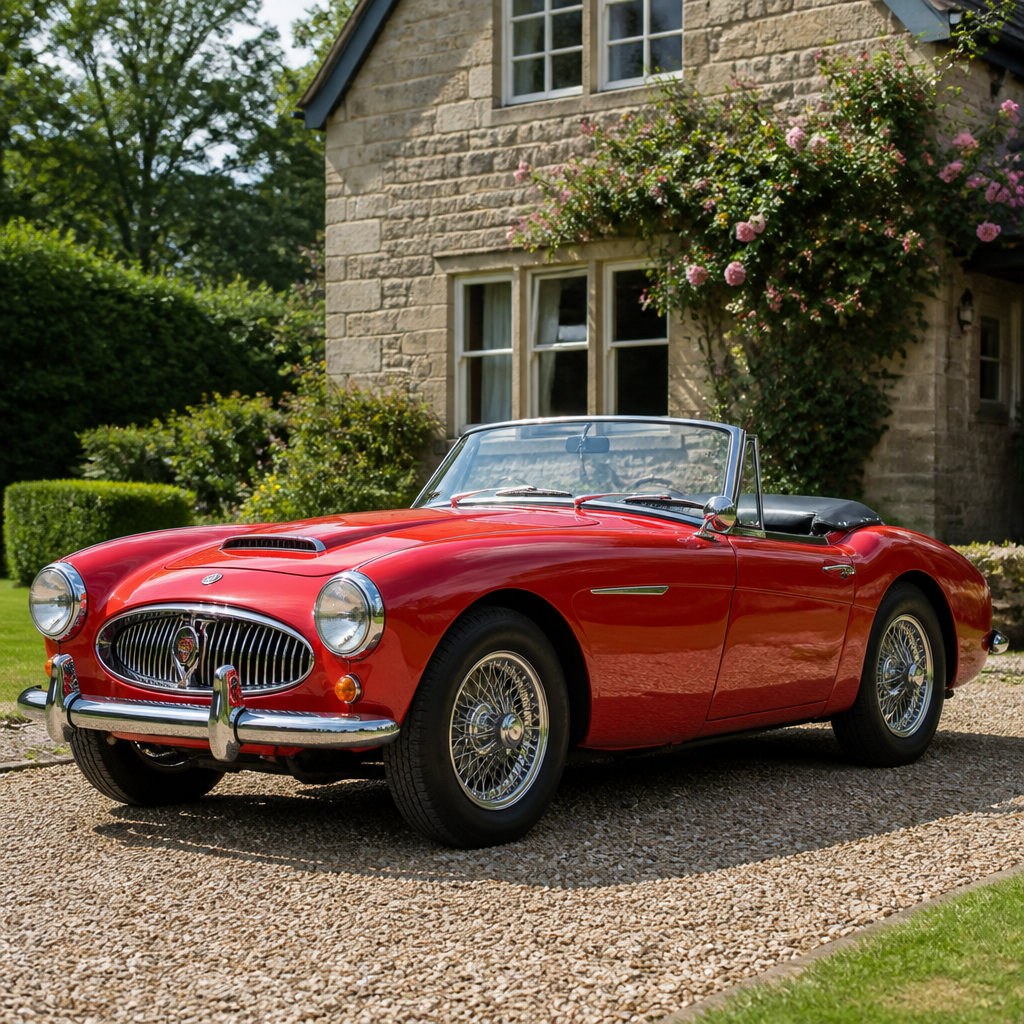
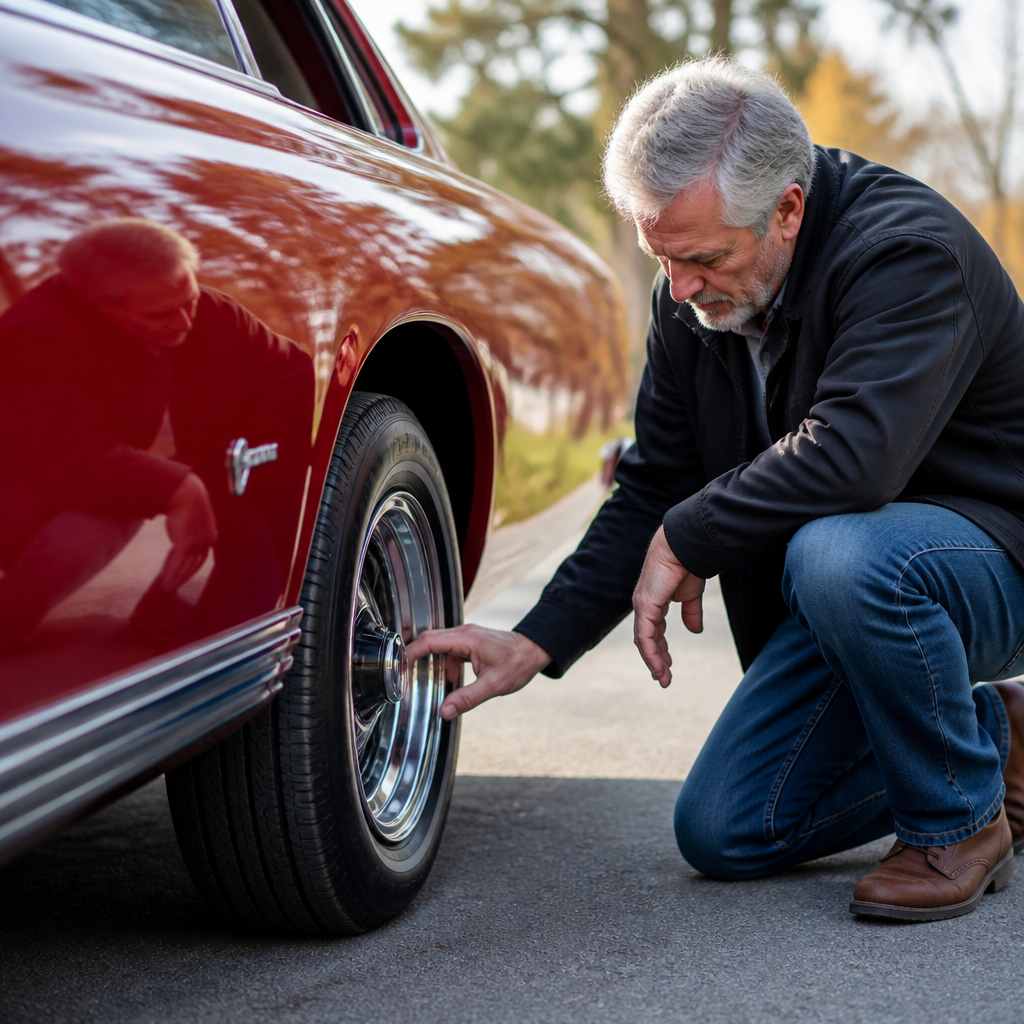
Classic car tire safety is one of the most overlooked parts of vintage vehicle ownership, yet tires influence braking, steering, ride quality, and blowout risk more than almost any other component. In the classic car world, “tire safety” means choosing the correct tire type, maintaining proper inflation, inspecting for age and damage, matching tires to the vehicle’s design, and driving within the limits of older suspension and braking systems. I have worked on classic car inspection checklists long enough to see the same pattern repeat: a beautifully restored car arrives with fresh paint, rebuilt carburetor, polished trim, and dangerously old or incorrect tires. That mismatch matters because classic cars often lack modern traction control, anti-lock brakes, crash protection, and chassis tuning, so the condition of the four contact patches becomes even more important. Good tire practices protect the car’s originality, preserve road manners, and reduce preventable failures on tours, weekend drives, and highway trips. They also support every other driving and safety habit, from emergency stopping distance to wet-weather stability. If you own a vintage coupe, muscle car, roadster, truck, or full-size sedan, understanding tire age, load rating, speed rating, inflation pressure, alignment wear, and storage basics is not optional. It is foundational. This hub covers the driving and safety principles every classic car owner should know, and it provides a practical framework you can apply before your next drive, before seasonal storage, and before buying your next set of tires.
Why tires are different on classic cars
Classic cars place unique demands on tires because vehicle design, weight distribution, steering geometry, and expected use differ from modern vehicles. A 1960s sedan with bias-ply factory specifications will react differently than a modern car engineered around radial tires, quick-ratio steering, and computerized stability aids. Even when a classic has been upgraded with front disc brakes or improved shocks, the platform still reflects older assumptions about sidewall flex, suspension travel, and braking balance. That is why tire decisions for a classic car should never be treated as generic maintenance.
In practical terms, classic car owners are balancing authenticity, safety, and drivability. Bias-ply tires can preserve period-correct appearance and steering feel, especially for judged restorations, but they typically provide less grip, longer stopping distances, more wandering on grooved pavement, and harsher responses to modern traffic conditions. Radial tires generally improve straight-line stability, wet traction, tread life, and ride comfort, which is why many owners who actually drive their cars choose them. The tradeoff is that switching from bias-ply to radial can subtly change steering effort, ride height, and handling feel. On some older suspension setups, alignment settings may need adjustment for the best results.
I tell owners to start with use case. A concours car that travels from trailer to lawn has one tire profile. A weekend cruiser that sees highway speeds, summer heat, and occasional rain has another. A classic truck carrying passengers and gear needs special attention to load capacity. Safety begins when the tire matches how the car is truly driven, not how the owner imagines it is driven.
How to choose the right tire for a vintage vehicle
The right classic car tire starts with size, construction type, load index, and speed rating. Size must fit the wheel correctly, clear the suspension and fenders through full travel, and preserve a reasonable overall diameter so gearing and speedometer error stay manageable. Construction refers primarily to bias-ply versus radial. Load index tells you how much weight each tire can safely carry, and speed rating indicates the sustained speed capability under proper conditions. On a classic car, all four factors matter.
If your car still uses original wheel widths, verify that the tire manufacturer approves the selected tire size for that rim width. Too wide a tire on a narrow rim can create unstable sidewall behavior. Too narrow a tire may compromise appearance and contact patch shape. Load matters just as much. Heavy front-engine classics often carry substantial weight over the front axle, especially big-block cars and full-size American sedans. Under-rated tires can run hotter and fail earlier, even if tread looks acceptable.
When owners ask whether reproduction-style tires are safe, the answer depends on the manufacturer, the tire’s actual specifications, and how the car will be used. Companies such as Coker Tire and others serve the restoration market with period-correct options, but appearance should never override fitment and service suitability. If the car will take long trips at interstate speeds, a modern radial from a reputable manufacturer with appropriate dimensions and ratings is often the safer choice. If you are unsure, cross-check the vehicle’s axle weights, consult the tire maker’s technical data book, and confirm clearance at full steering lock and suspension compression.
Age matters more than tread depth
One of the most important classic car tire safety tips is simple: old tires are unsafe even when they look new. Tread depth does not tell you whether internal rubber compounds have hardened, belts have degraded, or the casing has weakened from oxidation and heat cycling. Many classic cars are driven only a few hundred miles each year, so owners wrongly assume lightly worn tires remain serviceable indefinitely. In my experience, age is the hidden risk behind many garage-kept cars that otherwise appear meticulously maintained.
You can determine tire age by reading the Department of Transportation date code stamped on the sidewall. The last four digits indicate the week and year of manufacture. A code ending in 2319 means the tire was made in the twenty-third week of 2019. Once tires approach six years of service, they deserve careful evaluation; by ten years from manufacture, replacement is broadly considered prudent regardless of tread, and some manufacturers advise stricter timelines depending on use and storage. Heat, sunlight, underinflation, long stationary periods, and poor storage can shorten safe life dramatically.
Dry rot, sidewall cracking, flat spotting, bulges, vibration, and increasing road noise all signal trouble, but the absence of obvious symptoms does not prove safety. I have inspected tires that looked glossy and nearly unworn yet were over a decade old and hard as plastic. On a classic car with manual steering and older brakes, that loss of grip is not theoretical. It changes stopping distance and emergency control immediately.
Inflation, inspection, and the pre-drive routine
Proper tire pressure is the fastest safety improvement most classic car owners can make. Underinflation increases heat buildup, weakens handling, and accelerates shoulder wear. Overinflation reduces the contact patch, makes ride quality harsher, and can cause center tread wear. Because many classic cars sit for extended periods, pressure loss between drives is common. Always check pressure when tires are cold with a quality gauge, not by appearance alone. Vintage sidewalls and taller profiles can hide dangerous underinflation surprisingly well.
Use the vehicle manufacturer’s recommended pressure as a starting point, but account for tire construction changes. If the car originally used bias-ply tires and now runs radials, the ideal pressure may differ. The best method is to consult the tire manufacturer, evaluate tread wear pattern, and test for stable handling without excess harshness. Do not default to the maximum pressure molded on the sidewall; that number indicates the maximum cold inflation associated with the tire’s rated load, not the correct setting for every car.
A disciplined pre-drive routine prevents most tire-related surprises. I recommend a walkaround before every outing and a more detailed monthly inspection.
| Checkpoint | What to look for | Why it matters |
|---|---|---|
| Cold tire pressure | All four tires set evenly to target PSI | Maintains grip, load capacity, and temperature control |
| Sidewalls | Cracks, cuts, bulges, exposed cords | Sidewall damage can lead to sudden failure |
| Tread surface | Uneven wear, embedded debris, punctures | Reveals alignment issues and impact damage |
| Date code | Age approaching replacement window | Old rubber can fail despite good tread depth |
| Lug torque | Correctly tightened after wheel service | Prevents wheel loosening and brake vibration |
| Spare tire | Usable inflation and acceptable age | Old spares often fail when finally needed |
During driving, pay attention to pull, shimmy, vibration, tramlining, or a new thumping sensation. These are not quirks to ignore. They are diagnostic clues pointing to tire imbalance, internal separation, flat spotting, alignment issues, or failing suspension components that will affect tire safety.
Alignment, suspension, and braking interactions
Tires do not work in isolation. A classic car with worn ball joints, loose tie-rod ends, tired bushings, weak shocks, or poor alignment will never deliver safe, predictable tire performance. Uneven tread wear patterns tell a story. Excessive wear on both shoulders usually suggests underinflation. Center wear often points to overinflation. Feathering can indicate incorrect toe. One-sided edge wear may reflect camber problems or suspension wear. Cupping commonly appears when shocks are worn and the tire bounces instead of staying planted.
After installing new tires, alignment should be checked unless recent measurements confirm the chassis is within specification. This is especially important if you have changed wheel diameter, tire construction, ride height, steering components, or front suspension geometry. Many classic cars benefit from alignment settings tuned for radial tires rather than original factory bias-ply specifications. For example, additional positive caster often improves straight-line stability on radials, but exact targets depend on the platform and steering effort tolerance.
Braking also changes tire demands. A classic car upgraded with front discs may stop harder than stock, exposing weaknesses in old or marginal tires. Conversely, drum-brake cars require more anticipation and smoother pedal application, particularly in wet conditions where narrow vintage tread patterns can hydroplane earlier than modern designs. If the steering wheel shakes under braking, do not assume the issue is only brake rotors or drums. Tire defects and wheel imbalance can contribute, and the diagnosis should consider the entire system.
Driving techniques that protect older tires
Driving a classic car safely means adjusting your habits to the tires and chassis under you. Leave more following distance than you would in a modern vehicle. Brake earlier, especially downhill or in traffic. Avoid abrupt lane changes that load tall sidewalls suddenly. In rain, reduce speed well before standing water because older tread designs and lighter rear ends can lose stability quickly. If the car has not been driven for weeks, spend the first few miles warming the tires and feeling for vibration before committing to higher speeds.
Heat is a major tire enemy. On hot days, long interstate runs at sustained speed can stress older or underinflated tires severely. This is why a tire that feels fine on a ten-mile local cruise may fail on a two-hour highway trip. I advise owners to break up long drives, inspect pressures at fuel stops, and avoid loading the trunk with unnecessary weight. When carrying passengers, remember that added mass increases the demand on tire load capacity and braking distance.
If a blowout occurs, the correct response is to stay calm, hold the wheel firmly, avoid stabbing the brakes, and ease off the throttle while guiding the car straight. Once speed drops, move off the roadway carefully. This matters even more in classic cars with slower steering ratios and less forgiving suspension behavior. Practicing the mindset before an emergency makes the real event easier to manage.
Storage, seasonal care, and replacement planning
Many classic car tires age out because of storage conditions rather than miles. Ultraviolet exposure, ozone from electric motors and compressors, concrete floor moisture, and long periods with the same load point on one section of tread all degrade rubber. The best storage environment is cool, dry, dark, and clean. Inflate tires correctly before storage, move the car periodically if practical, and consider tire cradles or jack stands when storing for extended periods, while following safe support procedures for the vehicle. Avoid petroleum-based dressings that can accelerate deterioration or disguise cracking.
Seasonal recommissioning should include pressure adjustment, sidewall inspection, tread inspection, and a road test that starts gently. Flat spots from storage may fade after several miles, but persistent vibration should be investigated immediately. Replace valve stems when installing new tires, balance the assemblies properly, and inspect wheels for rust, cracks, or bead-seat corrosion. Wire wheels, split-era designs, and older steel rims deserve special attention because wheel condition directly affects tire sealing and stability.
Finally, plan tire replacement before you urgently need it. Track purchase dates, date codes, alignment readings, and wear observations in a maintenance log. That small habit turns tire safety from guesswork into management. As the hub for classic car driving and safety tips, the central lesson is clear: choose tires that fit the car and the way you drive, monitor age as closely as tread, and treat inflation, inspection, alignment, and storage as one connected system. When you do, your classic will steer more predictably, stop more confidently, and travel with far less risk. Review your tires this week, document what you find, and schedule replacements or inspections before the next driving season begins.
Frequently Asked Questions
How often should I inspect the tires on a classic car, and what should I look for?
Classic car tires should be inspected before every meaningful drive and given a more thorough check on a regular schedule, especially if the vehicle spends long periods parked in a garage. Unlike modern daily drivers, vintage cars often sit for weeks or months at a time, which can accelerate dry rot, flat spotting, air loss, and sidewall deterioration without the owner noticing right away. A quick pre-drive inspection should include checking air pressure, looking for visible cracks in the sidewalls, confirming there are no bulges or blisters, and making sure the tread is wearing evenly across the tire.
During a more detailed inspection, pay close attention to the tread blocks, inner and outer sidewalls, and the area where the tire bead meets the wheel. Look for weather checking, embedded debris, cuts, exposed cords, uneven wear, or signs that the tire has been rubbing on suspension or body components. It is also smart to inspect the valve stems, because old rubber stems can crack and leak just like old tires can. If you notice feathered wear, cupping, or one-sided wear, that can point to alignment issues, worn suspension parts, or improper inflation. On a classic car, those issues affect more than tire life; they directly influence braking stability, steering response, and overall safety on the road.
How old is too old for a tire on a vintage vehicle, even if the tread still looks good?
Tire age matters just as much as tread depth, and in many cases it matters more. A tire can appear to have plenty of usable tread and still be unsafe because the rubber compound has hardened, dried out, and lost flexibility over time. This is especially common on collector vehicles that are driven sparingly. As tires age, internal materials can weaken and the rubber can become more prone to cracking, poor traction, and sudden failure at highway speeds.
A good rule is to check the DOT date code on the tire sidewall, which shows the week and year the tire was manufactured. Many experienced restorers and inspectors become cautious with tires once they are around six years old, and many recommend replacement by ten years at the latest regardless of appearance. For a classic car that sees highway use, warm weather driving, or long-distance touring, it is wise to be even more conservative. If the tire has visible cracking, sidewall checking, hard rubber, vibration issues, or signs of separation, it should be replaced immediately. Tire safety on a classic car is not just about avoiding a flat; it is about protecting a vehicle that often has older braking systems, slower steering, and less forgiving handling characteristics than a modern car.
What type of tires are best for a classic car: bias-ply, radial, or reproduction-style tires?
The best tire type depends on how you use the car and how important originality is to you. Bias-ply tires are period-correct for many older classics and can be the right choice for show cars, concours restorations, or owners who want the driving feel the vehicle originally had. However, bias-ply tires generally do not offer the same level of ride comfort, tracking stability, wet-weather grip, or tread life that modern radial tires provide. They can follow road grooves more easily and may feel less predictable at higher speeds.
Radial tires are often the safer and more practical option for drivers who regularly take their classic cars on public roads. In many cases, a properly sized radial can improve handling, braking consistency, straight-line stability, and ride quality. That said, not every classic suspension setup reacts the same way to radials, so the tire choice should match the vehicle’s weight, steering geometry, wheel width, and intended driving style. Reproduction-style tires can bridge the gap by offering a vintage appearance with improved modern construction, which is a popular solution for owners who want both safety and authenticity. The key is to avoid choosing a tire based on looks alone. Load rating, speed rating, size, overall diameter, and compatibility with the car’s original design all matter. If you are unsure, consult a tire specialist familiar with vintage vehicles rather than relying on generic modern fitment advice.
What is the correct tire pressure for a classic car, and why is it so important?
The correct tire pressure for a classic car should always start with the vehicle manufacturer’s recommendation, not the maximum pressure listed on the tire sidewall. The sidewall number indicates the tire’s maximum allowable pressure, not the ideal operating pressure for your specific vehicle. On vintage vehicles, proper inflation is critical because suspension systems, steering components, and braking performance were engineered around tire characteristics that are often very different from what people assume today.
Underinflation can cause heat buildup, vague steering, poor fuel economy, excessive shoulder wear, and a higher risk of sidewall failure or blowout. Overinflation can reduce the tire’s contact patch, leading to harsher ride quality, center tread wear, less predictable braking, and reduced grip on imperfect road surfaces. On a classic car, those effects are amplified because the chassis may already have more body roll, slower steering response, and longer stopping distances than a modern vehicle. Tire pressures should be checked when the tires are cold, and they should be adjusted if the car is carrying extra passengers, luggage, or touring equipment. If the car has been fitted with a tire type different from original specification, such as switching from bias-ply to radial, pressure recommendations may need to be fine-tuned based on vehicle behavior, tread wear, and expert guidance.
Can mismatched tires or incorrect tire sizes create safety problems on a classic car?
Yes, mismatched tires and incorrect sizing can create serious safety issues on a classic car, even if the vehicle seems to drive acceptably at low speeds. Tires that differ in overall diameter, tread pattern, construction type, or load capacity can upset the balance of the car and change how it steers, brakes, and corners. Older vehicles are especially sensitive to these differences because they typically have less sophisticated suspension geometry and no electronic stability systems to compensate for tire-related handling changes.
Using the wrong size tire can affect speedometer accuracy, ride height, steering effort, turning clearance, and braking behavior. A tire that is too wide may rub on fenders or suspension parts, while a tire that is too tall or too short can alter effective gearing and upset the car’s intended stance and weight distribution. Mixing bias-ply and radial tires is generally discouraged because the two constructions behave very differently under load and during cornering. Even mixing old and new tires can be a problem if grip levels and internal integrity are not consistent. For the safest results, use a matched set of tires with the correct size, load rating, and construction for the vehicle, and make sure the wheels themselves are in sound condition. On a classic car, tire fitment is not a cosmetic choice alone; it is a major part of preserving predictable road manners and reducing the risk of tire-related failure.