
Classic car storage is not just about finding an empty garage bay; it is a preservation system that protects paint, metal, rubber, upholstery, glass, and mechanical assemblies from slow, preventable damage. When owners ask about common storage mistakes to avoid, they are usually thinking about obvious threats such as rust or a dead battery, but the bigger issue is cumulative deterioration caused by moisture, temperature swings, ultraviolet light, pests, chemical instability in fluids, and simple neglect. In practical terms, storage and preservation means preparing a vehicle for inactivity in a way that maintains condition, originality, and drivability while reducing future repair costs. That matters because classic cars are less tolerant of poor environments than modern vehicles, replacement parts are often expensive or rare, and originality influences value. I have seen cars emerge from “safe” storage with moldy interiors, seized brake hydraulics, flat-spotted tires, stale fuel varnish, and chrome pitting, all because the owner assumed that a roof alone was enough. Good storage is methodical. It starts with the environment, extends through cleaning and mechanical preparation, and includes ongoing inspection. As a hub for storage and preservation, this guide explains the most common mistakes, why they cause damage, and what to do instead so a stored classic remains authentic, reliable, and ready for the road.
Choosing the Wrong Storage Environment
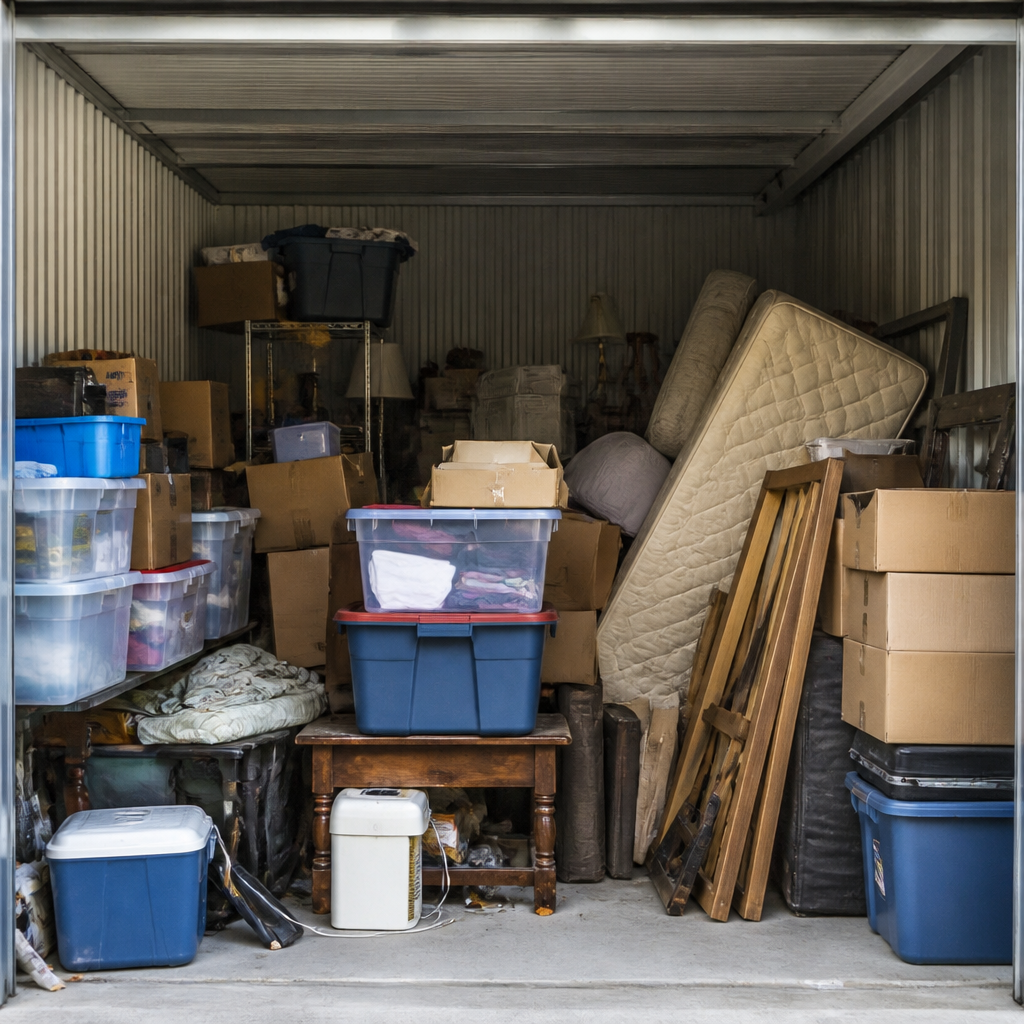
The most common mistake is storing a classic car in the wrong building. A damp shed, drafty barn, gravel-floor outbuilding, or loosely sealed portable shelter can do more harm than occasional use. Relative humidity between about 45 and 55 percent is generally the safest range for mixed materials. Much above that, corrosion accelerates and mold becomes more likely; much below that for long periods, leather, wood trim, and some seals can dry out. Temperature stability matters more than extreme warmth. A constantly fluctuating garage encourages condensation on metal surfaces, especially when warm daytime air meets a cool engine block, differential housing, or fuel tank. That thin film of moisture is enough to start oxidation on bare steel, electrical terminals, and plated hardware.
Another mistake is assuming that an attached garage is automatically suitable. I regularly find risks from water heaters, lawn chemicals, fertilizer, road salt residue, and frequent door openings. Chlorides and airborne contaminants settle on paint and undercarriage surfaces, then absorb moisture. If the car must live in a shared garage, isolate it from chemical storage and improve air sealing. A clean concrete floor is far better than dirt or old asphalt because it releases less ground moisture. If the slab tends to sweat, use a vapor barrier approach for the room, not a plastic sheet directly under the vehicle that traps moisture. Dehumidifiers, mini-split systems, and humidity monitors are practical tools, and a simple hygrometer can reveal whether conditions are actually controlled or just assumed to be controlled.
Skipping Cleaning Before Storage
Putting a dirty car into storage is an expensive shortcut. Dust seems harmless, but the real threats are insect residue, bird droppings, tree sap, road film, brake dust, and salts. Bird droppings and bug remains are acidic enough to etch paint over time, while trapped grime holds moisture against chrome, trim edges, and lower body seams. On the underside, caked dirt around frame rails, suspension mounts, and drain points creates wet pockets that quietly corrode metal. Before storage, wash the exterior thoroughly, clean wheel wells and the underbody carefully, and dry the car completely. Forced air around trim, mirrors, grille openings, and weatherstrips helps remove hidden moisture.
The interior deserves the same attention. Food crumbs invite rodents and insects. Leather that is stored dirty tends to develop mildew or stiffen. Wool carpets absorb ambient moisture and odors. I prefer to vacuum thoroughly, clean hard surfaces with a residue-free product, and condition leather only after testing compatibility with the finish. Avoid overapplying dressings, which can leave oily films that attract dust or soften original materials unnecessarily. Glass should be cleaned inside and out because nicotine, haze, and off-gassing deposits become harder to remove over time. A clean car also makes inspections easier: fresh leaks, pest activity, and mold show up quickly when the baseline condition is tidy.
Using the Wrong Cover or No Cover at All
Car covers cause damage when owners buy by convenience rather than material quality. A waterproof tarp is one of the worst choices for indoor classic car storage because it traps humidity and prevents evaporation. As moisture accumulates, paint dulls, chrome spots, and mildew forms on fabric surfaces. Outdoor-rated covers have their place, but indoors you want a breathable, soft-lined cover sized correctly for the body shape. If the cover drags on the floor, catches on trim, or flaps from airflow, it can abrade paint edges and raised body lines.
The opposite mistake is leaving a freshly detailed car uncovered in a busy garage. Dust, accidental contact, sunlight from windows, and household activity all add wear. The right solution is a clean, breathable cover applied only after the vehicle is fully dry. Never cover a car that was driven in rain or washed late in the day without drying seams and cavities. In coastal or humid climates, I recommend inspecting beneath the cover periodically rather than assuming breathable fabric alone solves moisture risk. Protection works only when the environment and the cover material support each other.
Ignoring Fuel, Fluids, and Battery Care
Mechanical neglect during storage creates many of the failures owners discover at spring startup. Modern pump fuel degrades surprisingly fast, especially blends containing ethanol. Oxidation and evaporation reduce volatility, while ethanol can attract moisture and contribute to phase separation under certain conditions. In carbureted classics, stale fuel leaves varnish in bowls, jets, and needle seats. In fuel-injected cars, gums can affect pumps and injectors. For most storage periods, fill the tank with fresh fuel to minimize air space, add a quality stabilizer at the correct ratio, and run the engine long enough to circulate treated fuel through the system. For very long storage or specific high-value applications, draining procedures may be preferable, but they must be matched to the fuel system design.
Fluids need equal attention. Old engine oil contains acids, combustion byproducts, and moisture, so changing it before storage is better than parking on contaminated oil. Brake fluid is hygroscopic; neglected systems absorb water, which corrodes wheel cylinders, calipers, and steel lines from within. Coolant should be tested for freeze protection and corrosion inhibitor condition, not simply topped off. Batteries suffer when left discharged. A smart maintainer is the correct tool, not an old trickle charger that can overcharge and boil electrolyte. Disconnecting the battery may reduce parasitic drain, but maintaining proper state of charge is what extends battery life and improves restart reliability.
Neglecting Tires, Brakes, and Seals
Many owners focus on the engine and forget the parts carrying the car. Tires develop flat spots when they sit under load for months, especially older bias-ply designs and aged radials. Incorrect inflation makes this worse. Inflate to the upper end of the recommended storage range consistent with the tire specification, move the vehicle periodically if practical, or use flat-stopper ramps that spread the load. Jack stands can help in some cases, but improper placement can stress suspension bushings, allow droop-related issues, or create instability, so they are not a universal answer.
Parking brakes are another frequent storage mistake. Leaving the brake engaged for a long period can cause shoes or pads to stick to drums or rotors, especially in humid conditions. Chock the wheels instead if the surface is level and secure. Door seals, trunk gaskets, window channels, and hood bumpers also deteriorate in storage if they are compressed, dry, or contaminated. A light application of a rubber-preserving product approved for automotive weatherstrips can reduce sticking and cracking. Preservation is often about relieving stress on components rather than adding products indiscriminately.
Failing to Prevent Moisture and Pests
Moisture control and pest prevention deserve their own plan because they ruin interiors faster than almost anything else. Rodents chew wiring insulation, nest in heater boxes, and pack exhaust systems or air cleaners with debris. I have seen squirrels fill engine valleys with acorns and mice destroy headliners for nesting material. The mistake is relying on folklore remedies alone. Dryer sheets and strong scents are inconsistent at best. Physical exclusion works better: seal building gaps, use fine mesh where appropriate, remove food sources, keep storage areas uncluttered, and inspect regularly. Snap traps around the perimeter can be effective when used safely and checked often.
For moisture, passive desiccants help only in small, enclosed spaces and need replacement or recharging. They are not substitutes for room-level humidity control. Interior airflow matters too. If a car has known water leaks at the windshield, rear glass, cowl, or trunk seal, storage will magnify the problem. Fix leaks before long-term storage. Leaving windows fully closed is usually correct in controlled environments, but a car with trapped dampness must be dried completely first. Preservation begins by eliminating the source of moisture, not by masking the symptoms with absorbers.
Overlooking Inspection Schedules and Documentation
Storage is not a one-time event. A classic car should be checked on a schedule, even when it is not driven. Monthly inspections catch leaks, condensation, battery issues, pest activity, and cover abrasion early. I recommend maintaining a simple storage log with date, humidity reading, battery voltage, tire pressure, and any observations. This is especially useful for collections, seasonal vehicles, and cars stored off-site. Documentation also protects value by showing that preservation was intentional and systematic rather than casual.
| Storage task | Recommended timing | Why it matters |
|---|---|---|
| Wash, dry, and clean interior | Before storage | Removes corrosive residue, food sources, and hidden moisture |
| Change engine oil and stabilize fuel | Before storage | Reduces acid exposure and fuel-system varnish formation |
| Check tire pressure and battery maintainer | Monthly | Prevents flat spotting and discharge-related battery damage |
| Inspect for leaks, mold, and pests | Monthly | Finds small problems before they become expensive repairs |
| Test coolant and brake fluid condition | Seasonally | Protects against corrosion, freezing, and hydraulic failure |
Documentation supports future maintenance decisions. When a brake seal fails or a carburetor gums up, owners often say the car was “stored properly,” but there is no record of humidity levels, fluid age, or inspections. A log reveals patterns and turns preservation into a repeatable process.
Misunderstanding When to Start, Run, or Drive the Car
One of the most debated topics in classic car storage is whether to start the engine periodically. The mistake is starting a car briefly without bringing all systems to full operating temperature. A short idle session adds condensation to the exhaust and crankcase, may not fully recharge the battery, and does little for the transmission, wheel bearings, suspension joints, or brakes. In many cases, that is worse than leaving the car properly stored and untouched.
The better approach depends on storage length and conditions. If the car can be driven safely for a meaningful distance, enough to heat the oil, coolant, exhaust, gearbox, and differential, a periodic drive is beneficial. If roads are wet, salty, or unsafe, do not substitute with ten minutes of idling. Instead, preserve the vehicle correctly and wait for a proper drive window. This is where many owners unintentionally create more wear than they prevent. Motion is good only when it is complete enough to evaporate moisture, circulate lubricants thoroughly, and exercise brakes and seals under real operating conditions.
The biggest storage mistakes are rarely dramatic; they are small decisions that allow corrosion, contamination, drying, or neglect to build quietly over months. A classic car stored in a clean, stable, humidity-controlled space with fresh fluids, protected fuel, a maintained battery, proper tire care, and regular inspections will age far more slowly than one parked casually under a tarp. The core principle is simple: storage and preservation are active forms of ownership, not a pause in responsibility. Every system on the car continues to react to its environment, whether the odometer moves or not.
For classic car owners, the payoff is substantial. Good storage protects originality, reduces recommissioning costs, improves reliability, and preserves resale value. It also makes seasonal use more enjoyable because spring startup is routine instead of risky. As the hub for storage and preservation, this guide should help you evaluate your setup, identify weak points, and build a repeatable checklist for your vehicle and climate. Start with the basics today: assess humidity, clean the car thoroughly, stabilize fuel, maintain the battery, and schedule monthly inspections. Those steps prevent most storage-related damage before it starts.
Frequently Asked Questions
What is the most common storage mistake classic car owners make?
The most common mistake is treating storage as parking instead of preservation. Many owners assume that if a vehicle is indoors and out of the rain, it is automatically protected. In reality, long-term storage exposes a classic car to a different set of threats that work slowly and quietly over time. Moisture in the air can settle on metal surfaces and encourage corrosion. Temperature swings can create condensation inside body panels, undercarriages, fuel systems, and even electrical components. Sunlight through windows can fade paint, dry out dashboards, and damage upholstery. Rubber seals, tires, belts, and hoses can stiffen or crack if the environment is too hot, too cold, or too dry.
Another part of this mistake is storing the car without a system. Proper storage should include climate control when possible, a clean and dry space, fuel stabilization, battery maintenance, tire protection, pest prevention, and periodic checks. If any one of these areas is ignored, deterioration can continue even while the car appears untouched. The safest approach is to think of storage as an active process designed to preserve every material on the vehicle, not simply a way to keep it off the road for a season.
Why is moisture such a serious problem during classic car storage?
Moisture is one of the most destructive storage threats because it affects nearly every part of a classic car. Metal surfaces can rust, chrome can pit, electrical contacts can corrode, and mold or mildew can develop on upholstery, carpeting, headliners, and door panels. What makes moisture especially dangerous is that it often goes unnoticed until the damage is advanced. A garage can seem dry while still holding enough humidity to create condensation on cooler surfaces, especially when outside temperatures change quickly.
Condensation is a major issue in poorly controlled storage spaces. As warm air meets a cooler car body or engine component, water droplets can form on and inside the vehicle. That means damage is not limited to visible panels. Moisture can collect in exhaust systems, brake components, fuel tanks, and hidden cavities where corrosion can continue unchecked. Even a car cover can make things worse if it traps humidity against the paint or bodywork instead of allowing the surface to breathe.
To reduce moisture-related risk, the storage area should be dry, clean, and well managed for humidity. A climate-controlled environment is ideal, but even in a standard garage, owners can improve conditions with dehumidification, better ventilation, and attention to water intrusion from floors, walls, or roofs. The car should be clean and fully dry before storage, because dirt and residue hold moisture against paint and trim. Moisture control is not an extra precaution; it is one of the core foundations of successful classic car storage.
Is it a mistake to store a classic car without preparing the fuel, fluids, and battery?
Yes, this is a very common and very costly mistake. Fluids do not remain stable indefinitely just because the car is not being driven. Fuel can degrade, oxidize, and leave varnish-like deposits in carburetors, injectors, lines, and tanks. Ethanol-blended gasoline can create additional concerns by attracting moisture, which increases the risk of corrosion and poor fuel system performance when the vehicle is restarted. Old engine oil can contain combustion byproducts and contaminants that should not sit inside the engine for months at a time.
Brake fluid and coolant also deserve attention. Brake fluid can absorb moisture over time, which can affect internal brake components and hydraulic performance. Coolant that is old or improperly mixed may not protect as intended against corrosion within the cooling system. The battery is another major point of neglect. Leaving a battery connected and unattended for an extended period can lead to discharge, sulfation, shortened battery life, or leaks that create corrosion around terminals and trays.
The right preparation depends on how long the vehicle will be stored, but best practice usually includes filling the fuel tank when appropriate, adding a quality fuel stabilizer, changing the oil if service is due or contaminants are present, checking coolant condition, and connecting the battery to a proper maintainer rather than letting it sit discharged. These steps help prevent storage-related problems that are often frustrating and expensive to correct later. Mechanical systems age in storage too, and fluid management is one of the most effective ways to protect them.
Can the wrong storage environment damage paint, interior materials, tires, and rubber components?
Absolutely. A poor storage environment does not just threaten metal; it affects every material on the vehicle. Paint can dull, fade, or develop surface issues if exposed to ultraviolet light, heat, airborne contaminants, or trapped moisture. Interior materials such as leather, vinyl, cloth, wood trim, and plastics can dry out, crack, warp, discolor, or develop mildew depending on temperature and humidity conditions. Even if the car is not being touched, environmental stress continues to act on it day after day.
Tires are especially vulnerable when a vehicle remains stationary for long periods. Incorrect inflation, cold concrete floors, and lack of movement can contribute to flat spotting and premature aging. Rubber weatherstripping, bushings, belts, and hoses can also suffer in unstable environments. Excessive heat accelerates drying and hardening, while repeated temperature cycling causes expansion and contraction that slowly weakens seals and flexible materials. Glass is durable, but surrounding seals and adhesives can degrade, creating future leak paths and fitment issues.
A protective environment should minimize sunlight, keep temperatures reasonably consistent, and control humidity without creating stale, damp conditions. Tire pressures should be checked before storage, and some owners use tire cradles or other methods to reduce stress during long periods of non-use. Breathable car covers are preferable to covers that trap condensation. The goal is not just to avoid dramatic damage but to prevent the slow material fatigue that quietly reduces originality, appearance, and value over time.
How can owners avoid pest damage and other overlooked storage problems?
Pest damage is one of the most overlooked storage issues, and it can become severe surprisingly quickly. Rodents and insects are drawn to dark, quiet spaces and can nest in engine bays, air boxes, trunk compartments, insulation, and upholstery. They may chew wiring, hoses, sound deadening, seat padding, and weatherstripping. Aside from the direct material damage, pests leave behind contamination and odors that are difficult to remove. A car that looked perfectly fine when stored can emerge with electrical problems, interior damage, and hidden nesting debris in critical systems.
Owners also commonly overlook basic housekeeping in the storage area. Leaving food, cardboard, fabric piles, or clutter nearby creates ideal shelter and attraction for pests. Failing to inspect the car periodically is another mistake. Even a well-prepared vehicle benefits from routine visual checks for leaks, moisture, battery condition, cover fit, tire pressure, and signs of infestation. Small issues are far easier to correct early than after months of neglect.
To avoid these problems, start with a clean vehicle and a clean storage space. Remove food wrappers, vacuum the interior, and make sure the trunk and cabin are dry. Seal obvious openings in the building, reduce clutter, and use sensible pest deterrence measures appropriate for the environment. Just as important, build a simple inspection routine. Storage should never mean abandonment. The best results come when the car is prepared carefully, stored thoughtfully, and checked often enough to catch developing problems before they become restoration-level repairs.