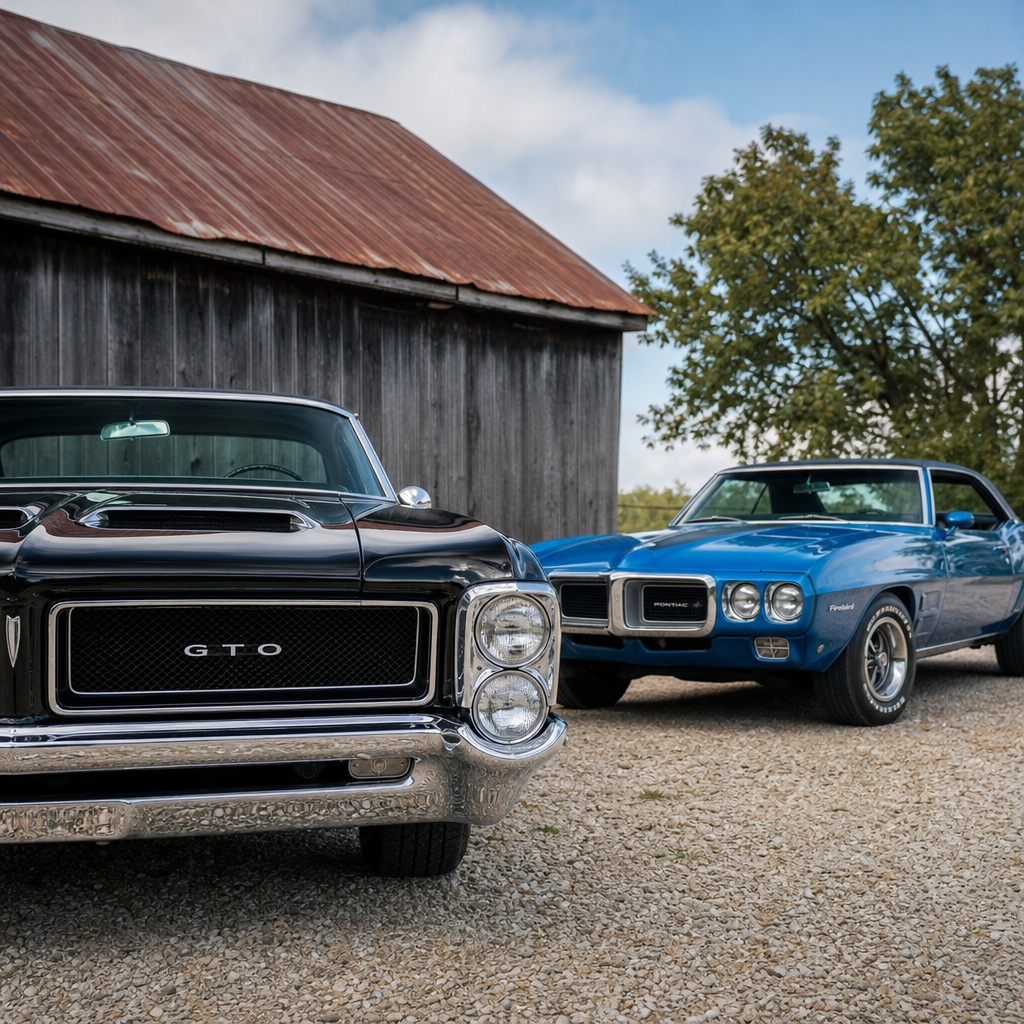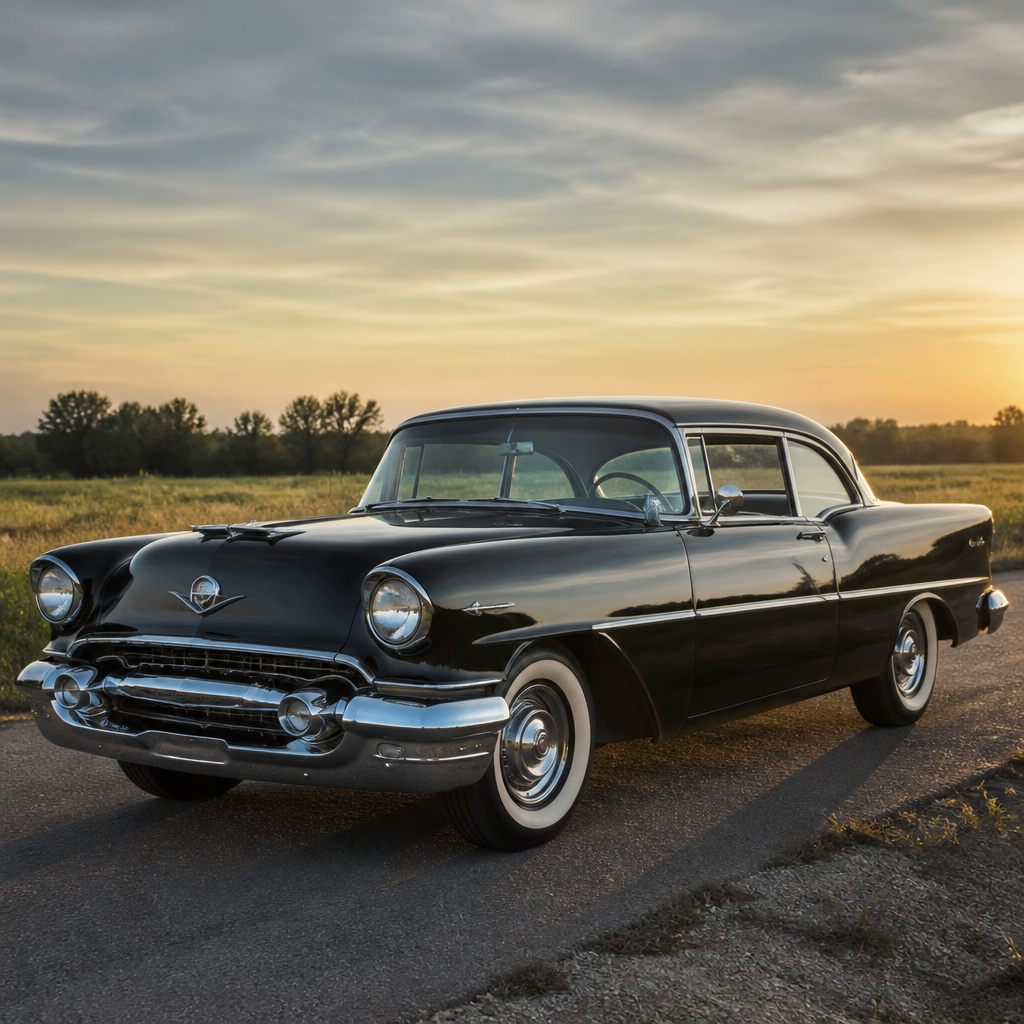
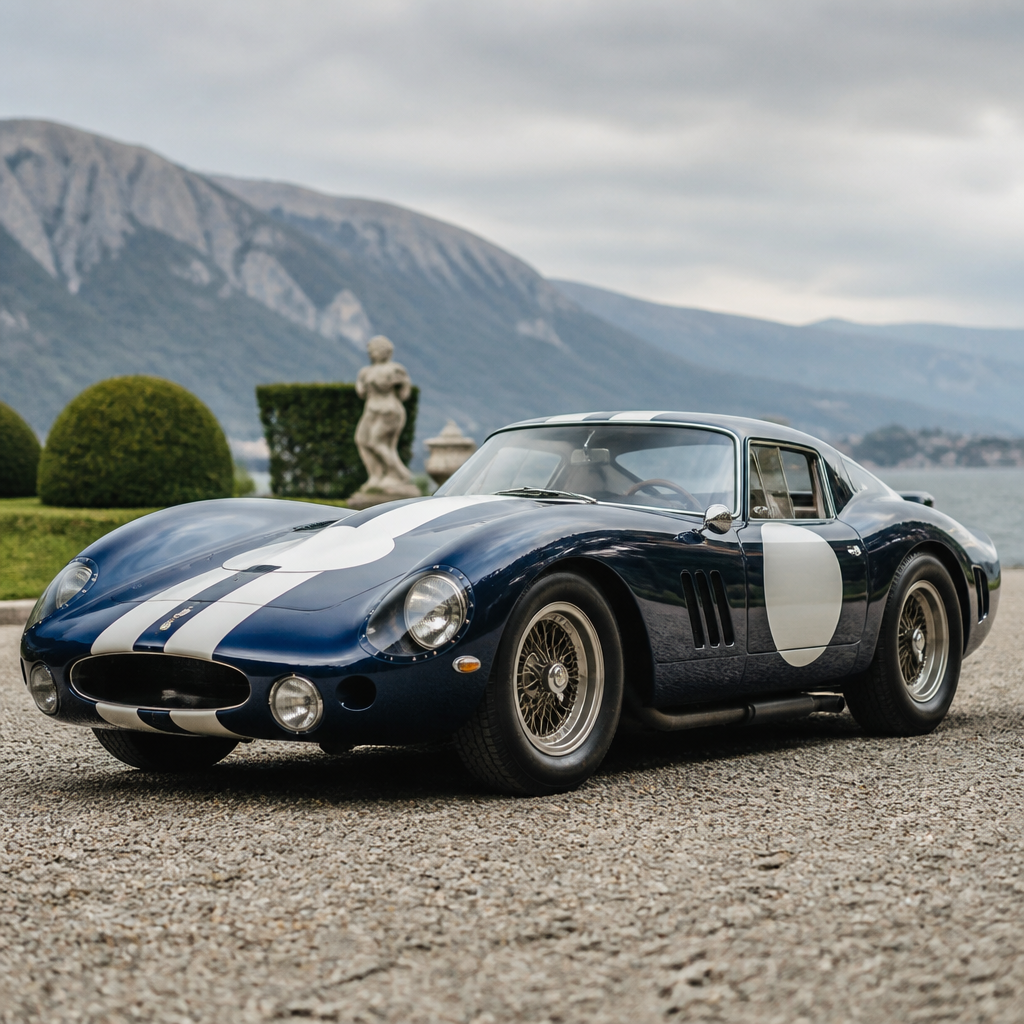
Limited production classic cars worth millions occupy a unique corner of the collector market, where engineering ambition, design rarity, racing pedigree, and provenance combine to create assets as coveted as fine art. In practical terms, a limited production classic car is a historically significant vehicle built in unusually small numbers, often to satisfy homologation rules, showcase new technology, or serve elite buyers with bespoke coachwork. A concept and rare cars hub must therefore do more than list auction stars. It should explain why certain models from Ferrari, Mercedes-Benz, Jaguar, Porsche, Aston Martin, Alfa Romeo, and Bugatti command extraordinary prices while others remain merely expensive. I have spent years studying auction catalogs, factory registries, and restoration reports, and the pattern is consistent: value follows scarcity, originality, competition success, and cultural relevance. For readers exploring classic car models and brands, this topic matters because the headline prices are only the surface. The deeper story reveals how manufacturers built legends in tiny batches, how collectors evaluate authenticity, and how the rarest machines shape the wider market for concept and rare cars. Understanding these factors helps enthusiasts interpret multimillion-dollar sales, identify landmark models, and connect individual cars to broader automotive history.
What Makes a Limited Production Classic Car Worth Millions?
A limited production classic car becomes a seven- or eight-figure collectible when several value drivers reinforce one another. The first is production volume. A run of ten, fifty, or one hundred cars creates inherent scarcity, especially when attrition, racing damage, or poor storage reduce surviving examples. The second is historical importance. Cars tied to technological breakthroughs, iconic races, or famous designers attract stronger demand than low-volume cars with no defining narrative. The third is provenance, meaning documented ownership, period competition history, factory records, and matching-numbers originality. The fourth is condition, though in this segment the quality of restoration matters more than cosmetic perfection alone.
Ferrari provides the clearest example. A 250 GTO is not valuable simply because only 36 were built. It is valuable because it united Colombo V12 performance, homologation-era racing success, Scaglietti design, and continuous recognition as one of the most usable competition GT cars of its time. Similar logic applies to the Mercedes-Benz 300 SLR Uhlenhaut Coupe, which reached a reported sale price above 100 million euros through a museum transaction because it is not merely rare. It represents a singular engineering pinnacle linked to the W196 and 1950s motorsport supremacy.
Collectors also pay for narrative coherence. A car that still has its original chassis, engine, body stampings, and documented factory colors is easier to trust and easier to sell. Conversely, a rare car with replacement components, uncertain identity, or undocumented restoration can lose millions in perceived value. In top-tier collecting, certainty carries a premium.
Blueprint Models: The Rare Classics That Define the Market
Several models serve as benchmarks for the entire rare-car category. The 1962–1964 Ferrari 250 GTO remains the standard because it satisfies every major criterion: low production, front-line racing pedigree, beautiful proportions, and near-mythic status. Public and private transactions have placed top examples well beyond 50 million dollars. The 1955 Mercedes-Benz 300 SLR Uhlenhaut Coupe occupies an even narrower universe, essentially a prototype-level road-going derivative of a Grand Prix and sports-racing platform. Only two were built, making it one of the most exclusive automobiles in existence.
The 1954 Jaguar D-Type, particularly works and Le Mans-linked cars, is another cornerstone. Its monocoque construction, aerodynamic fin, and competition record transformed it from a successful racer into a blue-chip collectible. The Aston Martin DB4 GT Zagato follows a different route to greatness: very low production, celebrated coachbuilding, and a direct connection to the GT battles of the early 1960s. Built in only 19 original examples, it combines British mechanical character with Italian styling authorship.
American rarities can also reach extraordinary levels, though usually with a smaller global collector base. The Shelby Cobra 427 Super Snake, for example, is prized because it compresses outrageous performance, Carroll Shelby’s personal brand, and microscopic production into one object. Earlier prewar and brass-era icons, such as the Bugatti Type 57SC Atlantic, prove that the concept of rare cars worth millions predates the postwar market. With only a handful built and design unlike anything else of its era, the Atlantic shows how styling significance can rival racing history in market power.
Concept Cars, Prototypes, and Homologation Specials
Not every rare classic worth millions was sold as a regular production model. Some began as concept cars, experimental prototypes, or homologation specials built to qualify race cars under period regulations. These categories matter because they explain why certain unusual vehicles sit at the center of collector attention. A concept car is typically created to display design language, engineering direction, or brand ambition. Most concepts never reach private ownership in period, but the few that survive with factory sanction can become museum-grade artifacts. The 1954 Alfa Romeo BAT series by Bertone illustrates how dream-car styling studies can transcend their original purpose and become recognized cultural objects.
Prototypes occupy an even more technical niche. They often feature one-off bodywork, development components, and specification changes that reveal the manufacturer’s engineering process. Porsche prototypes tied to the 959 program, early Lamborghini Miura development cars, and preproduction Ford GT40s are valued because they document how landmark machines were created. Homologation specials are often easier to understand: manufacturers built a minimum number of road cars to legalize a racing design. The Ferrari 288 GTO, Porsche 911 Carrera RS 2.7, BMW M1, and Lancia Stratos HF all gained long-term value because they were conceived with competition at their core.
| Category | Why It Matters | Representative Example |
|---|---|---|
| Concept car | Captures design vision and factory experimentation | Alfa Romeo BAT 7 |
| Prototype | Shows development history and engineering evolution | Early Ford GT40 prototype |
| Homologation special | Links road car scarcity directly to race eligibility | Porsche 911 Carrera RS 2.7 |
| Coachbuilt limited production | Combines low volume with design-house prestige | Aston Martin DB4 GT Zagato |
As a hub for concept and rare cars, this distinction is essential. It helps readers understand why two cars with similar production numbers can have very different values. The market consistently rewards vehicles that reveal a pivotal moment in design or motorsport history, not just low build totals.
How Collectors Judge Authenticity, Provenance, and Originality
When values move into the millions, documentation is not a formality; it is part of the car. Serious collectors begin with chassis number research, factory build sheets, known ownership chains, period photographs, and expert registry confirmation. Ferrari Classiche, Porsche Certificate of Authenticity records, Mercedes-Benz Classic archives, Jaguar Heritage Trust documentation, and marque-specific historians all play major roles. I have seen buyers walk away from visually stunning cars because the paperwork left unanswered questions about body replacement, engine swaps, or inconsistent stamping.
Matching numbers remains one of the most important concepts in the classic car market. In general, it means the car retains the engine, gearbox, and often major components recorded by the factory for that chassis. For coachbuilt cars, originality of body and frame is equally critical. A re-bodied car may still be historically interesting, but the market often discounts it heavily unless the reconstruction is fully documented and accepted by the marque community.
Restoration quality introduces another layer. The best restorations preserve correct finishes, materials, panel fit, weld styles, and hardware rather than over-restoring everything to a glossy but historically false standard. Pebble Beach and Villa d’Este winners can command premiums, yet some collectors prefer unrestored preservation-class cars because they carry more physical evidence of age and use. That preference has grown as the market matures. Patina, when genuine and stable, can now outperform perfection.
Auctions, Private Sales, and the Economics of Rarity
The prices attached to limited production classic cars worth millions are shaped by a small, informed, international buyer pool. Public auctions by RM Sotheby’s, Gooding Christie’s, Bonhams, Broad Arrow, and Mecum provide visibility, comparables, and media attention, but the most important cars often trade privately. Sellers may prefer discretion, and buyers may pay more to avoid competitive bidding or public disclosure. That is why published auction results are useful but incomplete indicators of the market.
Macroeconomic conditions matter, but less than many casual observers assume. The rarest cars operate in a segment where supply is effectively fixed and replacement opportunities are scarce. If a genuine Type 57SC Atlantic or 250 GTO becomes available, a motivated collector may act regardless of short-term market fluctuations. Even so, taste changes over time. In the last two decades, the market expanded beyond traditional prewar and postwar European champions to include select Japanese icons, analog supercars from the 1980s and 1990s, and race-bred homologation models once considered too modern to be blue-chip.
Transaction costs are substantial. Buyers must account for auction premiums, transport, storage, insurance, maintenance, and specialized restoration support. These costs do not suppress top-end demand, but they do influence which cars are considered truly liquid. A multimillion-dollar Ferrari with broad recognition may sell faster than an equally rare but more obscure coachbuilt special because more buyers understand it immediately.
Risks, Preservation Demands, and Smart Buying Decisions
Owning a rare classic car is rewarding, but it is not passive. Mechanical systems deteriorate when neglected, and certain period parts are nearly impossible to source. Magnesium components corrode, early fuel systems varnish, dry-sump seals harden, and unique trim pieces can take months or years to reproduce correctly. Cars with competition history may also carry old repairs that require forensic inspection. That is why pre-purchase inspections by marque experts are nonnegotiable. A general classic mechanic is not enough for a GTO, a D-Type, or a one-off concept-derived prototype.
Legal and practical issues deserve equal attention. Export restrictions, title irregularities, and changing emissions or registration rules can affect usability and future resale. Insurance requires agreed-value policies from specialist firms, and storage must include climate control, battery management, fluid monitoring, and regular exercise. Preservation driving, not static display, is often the healthiest approach mechanically, provided mileage does not compromise historic integrity.
For newer entrants to concept and rare cars, the smartest path is to study marque histories before chasing price trends. Learn which limited production models have strong registry support, established parts networks, and broad scholarly consensus around originality standards. If you are building a collection under the classic car models and brands umbrella, connect this hub to deeper research on Ferrari homologation cars, Porsche RS variants, coachbuilt Aston Martins, rare Jaguar racers, and significant concept vehicles. Knowledge reduces risk more effectively than any market forecast.
Limited production classic cars worth millions are more than expensive machines. They are concentrated pieces of industrial history whose value comes from rarity, engineering significance, documented provenance, and lasting cultural impact. The most important examples, from the Ferrari 250 GTO and Mercedes-Benz 300 SLR Uhlenhaut Coupe to the Jaguar D-Type, Aston Martin DB4 GT Zagato, and Bugatti Type 57SC Atlantic, define entire eras of design and competition. Concept cars, prototypes, and homologation specials add crucial depth because they show how manufacturers experimented, raced, and translated bold ideas into roadgoing legends.
For anyone using this page as a hub for concept and rare cars, the central lesson is clear: production numbers alone do not create million-dollar value. The market rewards credible stories supported by factory records, matching components, recognized historians, and careful preservation. It also rewards models that symbolize a turning point, whether in aerodynamics, lightweight construction, grand touring performance, or motorsport rules. When those elements align, prices can move from high collector territory into the realm of masterpieces.
If you want to go deeper into classic car models and brands, use this foundation to explore individual rare marques, homologation icons, coachbuilt specials, and landmark concept cars in detail. Study the history first, verify the documents second, and let significance guide your attention before price does.
Frequently Asked Questions
What makes a limited production classic car worth millions?
A limited production classic car reaches seven- or eight-figure territory when several value drivers come together at once. The first is genuine rarity. A car built in a run of 5, 25, or 100 examples will naturally attract more intense collector interest than a mass-produced model, especially if many examples were lost, raced, modified, or scrapped over time. But rarity alone is never enough. The market places the highest premiums on cars that also have historical importance, breakthrough engineering, exceptional design, or a direct link to motorsport success.
Provenance is equally important. Collectors pay dramatically more for a car with well-documented ownership history, factory records, original chassis and engine components, and verifiable appearances at major races, concours events, or notable collections. A car delivered new to a famous driver, industrialist, royal family member, or celebrity can command a substantial premium. So can a car with an unbroken paper trail proving its authenticity and originality.
Condition and specification also matter. In many cases, an unrestored car with original finishes, matching numbers, and factory-correct details is more valuable than an over-restored example. Special coachbuilt bodies, rare competition options, alloy bodywork, and period racing upgrades can push values even higher. Ultimately, the cars worth millions tend to sit at the intersection of scarcity, desirability, significance, and trust. They are not simply old cars; they are cultural artifacts that represent a moment in automotive history few vehicles can match.
Why do collectors place so much importance on provenance and documentation?
In the world of high-value classic cars, provenance is the foundation of confidence. When a vehicle is worth millions, buyers need more than appearance or seller claims. They want documentary proof of exactly what the car is, how it was configured when new, who owned it, where it has been, and whether it retains its original major components. This is especially important with limited production models because many rare cars were raced, rebodied, restored multiple times, or altered to keep them competitive or roadworthy. Documentation helps separate a truly original, historically correct example from one that has been recreated, heavily modified, or assembled from parts.
Strong provenance usually includes factory build sheets, chassis records, ownership logs, period photographs, service invoices, competition history, restoration files, expert certifications, and auction or exhibition records. These materials help establish authenticity, which is one of the biggest determinants of value. A collector is far more likely to pay a premium for a car that can be traced clearly from its original delivery to its current ownership than for one with gaps in its history.
Provenance also adds narrative value. A rare classic car becomes more desirable when it can be tied to a Le Mans entry, a Mille Miglia start, a famous coachbuilder, or a notable original owner. In practical market terms, documentation reduces risk, supports insurance valuation, strengthens resale appeal, and often determines whether a car is merely rare or truly investment-grade. For million-dollar classics, the story behind the car is often almost as valuable as the machine itself.
Are limited production classic cars considered good investments?
They can be, but they should not be viewed as guaranteed or effortless investments. The strongest examples have historically performed well because they combine fixed supply with global demand, and the best cars are often pursued by wealthy collectors, museums, and institutions. Unlike ordinary collector vehicles, top-tier limited production classics are often seen as alternative assets similar to fine art, rare watches, or important memorabilia. Their values can rise significantly when they have exceptional rarity, documented originality, strong brand prestige, and relevance to major historical events or motorsport achievements.
That said, the market is highly selective. Not every low-production car appreciates meaningfully, and even iconic models can fluctuate with economic conditions, changing collector tastes, and broader liquidity in the ultra-high-net-worth market. A car may carry substantial ownership costs as well, including specialist storage, routine maintenance, restoration work, transportation, taxes, and insurance. These expenses can be considerable and should be factored into any investment discussion.
The best approach is to think of these cars as passion assets first and financial assets second. Buyers who do the best over the long term usually focus on quality over quantity: original cars, top-tier marques, important competition history, and impeccable paperwork. They also buy at the right level, seek expert inspections, and understand how condition, correctness, and market timing affect value. In short, limited production classic cars can be excellent stores of value and, in some cases, extraordinary performers, but success depends on selectivity, patience, and deep knowledge of the segment.
Which types of limited production classic cars tend to bring the highest prices?
The market consistently rewards certain categories more than others. Competition-bred homologation specials are near the top of the list because they combine low production numbers with direct motorsport relevance. Cars built so manufacturers could qualify racing variants for road use often become legends because they represent the purest connection between street and track. Similarly, factory race cars with important results, famous drivers, or participation in iconic events can command enormous sums.
Coachbuilt grand tourers and bespoke luxury automobiles also rank highly, especially when they were produced in tiny numbers by celebrated marques and body houses. A one-off or ultra-low-volume car with elegant design, known ownership, and period-correct craftsmanship can achieve extraordinary values because it appeals to both automotive and art-minded collectors. Early supercars, landmark engineering cars, and halo models that introduced new technologies or redefined performance also tend to perform well in the marketplace.
Brand matters too. Ferrari, Mercedes-Benz, Bugatti, Porsche, Aston Martin, Jaguar, Alfa Romeo, and certain prewar luxury names have particularly strong collector followings, but price leadership usually comes down to significance rather than badge alone. An ordinary rare version of a lesser model may stay niche, while a transformative, race-proven, beautifully documented car from a respected manufacturer can become the centerpiece of a world-class collection. The highest prices are typically achieved by cars that are rare, visually striking, historically important, and universally recognized by serious collectors.
How can a buyer verify that a rare classic car is authentic before spending a fortune?
Authentication starts with independent research and expert verification. A buyer should never rely solely on an auction description, dealer listing, or seller narrative, no matter how reputable the source appears. The first step is confirming the chassis number, engine number, gearbox number, body number, and other identifying marks against factory records, marque registries, and recognized historians. On truly valuable limited production cars, even small discrepancies can have major financial consequences.
A thorough pre-purchase inspection is essential. This should be carried out by a specialist who understands the exact make and model, including known problem areas, production variations, and common authenticity concerns. The inspection should evaluate structural integrity, corrosion, quality of past restorations, originality of major components, and whether the car’s details align with factory specification. Paint layers, weld patterns, stampings, casting dates, trim materials, and hardware finishes can all reveal whether a car is genuinely period-correct or has been altered over time.
Buyers should also request a complete history file, review restoration invoices, study period photos, and consult recognized marque experts or clubs. If available, factory heritage certificates, build records, and competition archives can provide critical confirmation. In the highest tiers of the market, legal title checks, export documentation, and lien verification are just as important as mechanical examination. The goal is to establish not only that the car is authentic, but that its story is coherent, its components are correct, and its value is supported by evidence. When millions are at stake, due diligence is not optional; it is the most important part of the purchase.