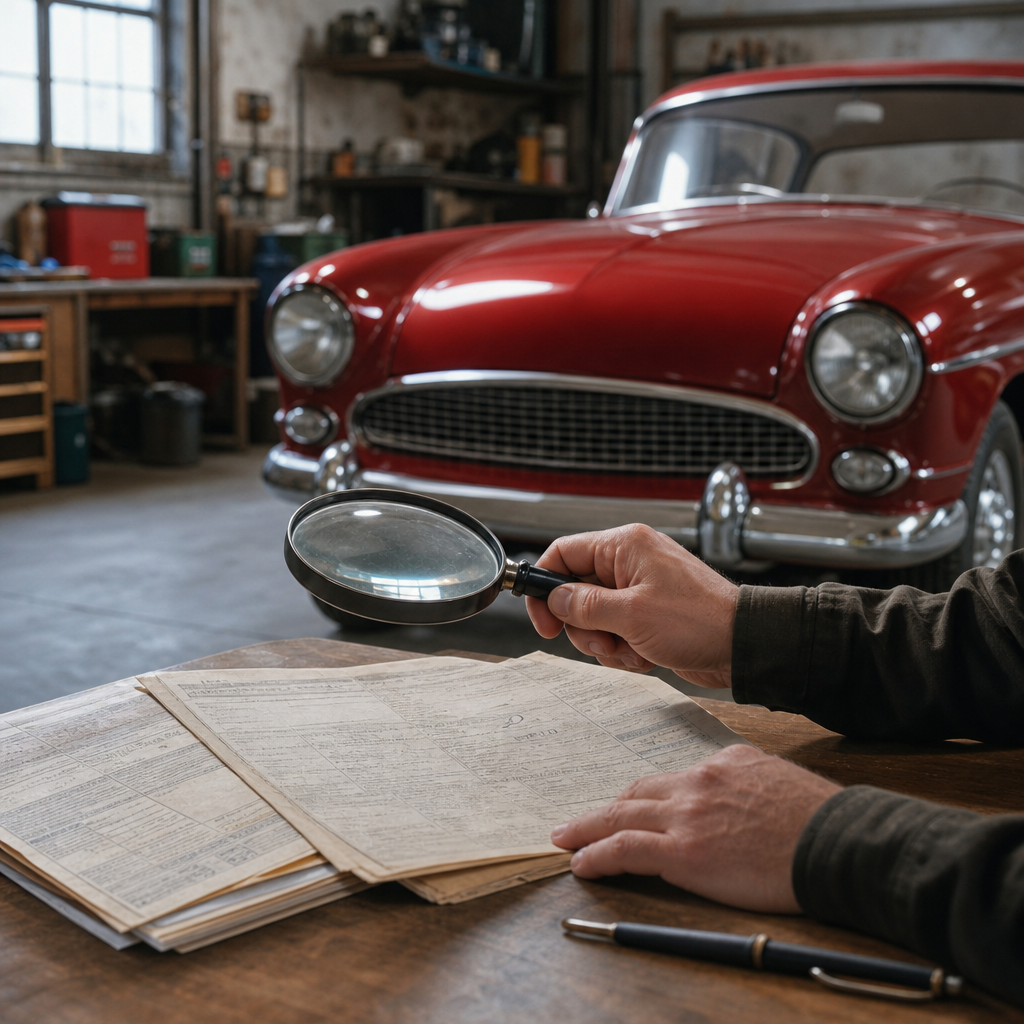

Insurance valuation and market value are not the same number, and confusing them is one of the most expensive mistakes classic car owners make. In the classic car world, pricing is never as simple as checking a guidebook and picking the highest figure. A 1967 Mustang fastback, a split-window Corvette, or a restored Land Rover may carry one price for an insurer, another at auction, and a very different number in a private sale. Understanding why those values differ is essential if you are buying, selling, financing, or protecting a collector vehicle.
Market value is the amount a willing buyer will pay a willing seller in current conditions, based on comparable sales, vehicle condition, originality, provenance, and demand. Insurance valuation is the figure used to determine how a policy will settle a covered loss, and it may be based on agreed value, stated value, or actual cash value. Those terms are not interchangeable. In my experience reviewing collector car appraisals and policy documents, owners often focus on the headline number and ignore the settlement method, which is where the real financial outcome is decided.
This matters because classic car pricing and valuation shape every decision in the ownership cycle. Buyers need valuation discipline to avoid overpaying. Sellers need evidence to justify asking prices. Insurers need documentation to underwrite risk accurately. Lenders, appraisers, auction houses, and tax authorities all rely on different definitions of value. As the hub for classic car pricing and valuation, this guide explains the core concepts, the methods behind them, and the practical steps that help owners set realistic expectations while protecting their cars properly.
What insurance valuation means for a classic car
Insurance valuation is the insured figure or settlement basis attached to a collector vehicle policy. For classic cars, the strongest form of protection is usually agreed value. Under an agreed value policy, the insurer and owner accept a defined amount before a loss occurs, often supported by photos, an appraisal, restoration records, and recent comparable sales. If the car is stolen or declared a total loss under covered circumstances, that preapproved amount is generally what is paid, subject to policy terms. This gives owners clarity that standard auto policies rarely provide.
Stated value sounds similar but works differently. On many policies, stated value means the owner declares a figure, yet the insurer may still settle for the lesser of that amount or actual cash value at the time of loss. Actual cash value is typically depreciation-based and can be unfavorable for classics because collector cars do not follow normal depreciation curves. I have seen owners list a car at $60,000 on a policy, assume they are fully covered, then learn after a loss that the settlement was based on a lower interpretation of cash value. The wording of the policy matters more than the label in conversation.
Insurers also look at storage, mileage limits, driver history, usage, modifications, and geographic risk. A concours-correct Jaguar E-Type kept in climate-controlled storage and driven occasionally may be easier to place on a favorable collector policy than a modified Chevrolet C10 used weekly. Insurance valuation is therefore not just a number; it reflects underwriting assumptions about risk, parts availability, repair complexity, and the cost to source period-correct materials or specialist labor after a claim.
What market value means in real buying and selling conditions
Market value is the price your classic car can reasonably achieve today in the open market. It is shaped by buyer demand, model rarity, originality, maintenance history, color combination, documentation, and timing. In practice, market value is discovered through transactions, not opinion alone. Auction hammer prices, dealer listings, private-party sales, and valuation databases from Hagerty, Collector Car Market Review, and similar resources help build the picture. No single source is enough by itself because each sales channel attracts different buyers and fee structures.
Condition grading is central to market value. A number-two condition Porsche 356 with high-quality paint, strong mechanicals, and excellent trim will command more than a presentable number-three driver. Matching numbers can raise value significantly on certain marques, while replacement engines may matter less on others. Provenance can transform pricing as well. A standard Mercedes-Benz 280SL and one with celebrity ownership or exceptional original records are not equal in the market, even if they look similar in photos.
Market value also moves faster than many owners expect. During periods of rapid demand, air-cooled 911s, early Broncos, and Japanese performance cars can climb quickly, then stabilize when supply catches up or borrowing costs rise. That is why the best valuation process combines broad market data with model-specific context. A headline saying “muscle cars are down” does not tell you whether Boss 429 Mustangs, restomod Camaros, and base small-block Chevelles are behaving the same way. They rarely are.
Key differences between insurance valuation and market value
The simplest distinction is purpose. Market value answers, “What is this car worth if I sell it now?” Insurance valuation answers, “What amount and method will govern a claim if something goes wrong?” Because the purposes differ, the numbers can differ without either being wrong. An owner may insure a freshly restored Alfa Romeo at an agreed value reflecting replacement difficulty and restoration investment, while the current market may not fully reward every dollar spent. Restoration cost and market value often diverge.
Timing is another difference. Market value changes continuously with demand, seasonality, and comparable sales. Insurance valuation may stay fixed until renewal or until the owner requests an update. That gap creates risk in both directions. If the market rises and the insured value stays stale, the owner may be underinsured. If the market falls but the insured value remains high, premiums may be unnecessarily expensive. Reviewing values annually is a practical discipline, especially for volatile segments like vintage SUVs, homologation specials, and analog sports cars.
Evidence also differs. Market value relies most heavily on closed sales and active buyer behavior. Insurance valuation relies on underwriting evidence, policy structure, and replacement rationale. A buyer may refuse to pay extra for a recent engine rebuild if the model’s buyers care more about originality, while an insurer may still recognize that rebuild as relevant to the cost basis and claim exposure. These distinctions explain why owners should not use an insurance declaration page as proof of resale value or treat an optimistic asking price as proof of insurable value.
How classic car valuation is actually determined
Professional classic car valuation combines data, inspection, and judgment. Appraisers generally review identity details, body and paint quality, chassis integrity, drivetrain originality, mechanical condition, interior materials, restoration quality, and documentation. They then place the car within a recognized condition tier and compare it with recent sales of similar vehicles. Standards from organizations such as the Uniform Standards of Professional Appraisal Practice inform valuation rigor, while auction archives from RM Sotheby’s, Bonhams, Mecum, and Bring a Trailer provide real transaction signals.
In my work, the biggest pricing errors usually come from poor comparables. Owners compare a coupe to a convertible, a non-matching-numbers car to a matching-numbers example, or a modified car to a factory-correct one. Those are not true comps. A 1970 Dodge Challenger R/T SE with original driveline, broadcast sheet, and desirable options belongs in a different pricing conversation than a clone or heavily altered car. Even color can matter. Certain factory colors, trim combinations, and options carry measurable premiums in specific enthusiast communities.
Valuation should also account for market venue. The same classic car may bring different numbers at a top-tier auction, through a marque specialist dealer, or in a local private sale. Auction exposure can raise results for highly documented, photogenic cars, but seller fees and transport costs affect net proceeds. Private sales may deliver less visibility but can preserve more of the sale price. That is why smart pricing starts with the question, “Value for what purpose?” before anyone assigns a number.
| Valuation Type | Main Purpose | Primary Evidence | Common Risk |
|---|---|---|---|
| Agreed insurance value | Total-loss settlement planning | Appraisal, photos, records, underwriting review | Outdated value at renewal |
| Market value | Buying or selling now | Comparable sales, listings, auction data | Using weak or mismatched comps |
| Actual cash value | Standard policy claim settlement | Insurer depreciation model | Underpayment on collector cars |
| Appraised value | Documentation for insurance, estate, tax, lending | Inspection and expert analysis | Assuming appraisal equals guaranteed sale price |
Factors that move value up or down
Originality is one of the strongest value drivers in many classic segments. Factory drivetrain, correct carburetion or fuel injection components, original body panels, and date-coded parts often matter more than cosmetic perfection. Documentation matters almost as much. Window stickers, service books, restoration receipts, ownership history, and certification from marque registries can all support higher values because they reduce uncertainty. Buyers pay for confidence, and confidence comes from evidence.
Condition and craftsmanship are equally important. A cheap repaint can hide corrosion, filler, and panel misalignment that destroy value once discovered. By contrast, a documented bare-metal restoration with photo records and invoices from respected specialists can support strong pricing. Mechanical condition also changes outcomes. A vintage Ferrari needing a major engine-out service is worth materially less than a comparable car that has just had the work completed by a recognized shop. Deferred maintenance is a pricing adjustment, not a footnote.
Modification introduces nuance. Some upgrades improve usability but reduce collector appeal, while others add value in the right market. A period-correct rally build or a high-end restomod by a known builder may sell very well, yet mass-market bolt-on changes often narrow the buyer pool. Rarity alone is not enough either. A rare model with weak enthusiast demand can underperform a more common car with a larger following. Value sits where supply, desirability, and confidence intersect.
How to use valuation data when buying, selling, or insuring
If you are buying, start with at least three data sources: recent sold prices, current listings, and an in-person inspection or expert pre-purchase inspection. Sold prices reveal what buyers actually paid. Listings show seller expectations. Inspections reveal whether the specific car deserves to sit above or below the market range. I advise buyers to price the car twice: once as represented, and once with realistic deductions for rust repair, paint correction, interior work, tire age, fluid leaks, and missing documentation. The second number is usually the one that protects you.
If you are selling, build a valuation packet before setting the ask. Include high-resolution photos, chassis and engine stampings, restoration invoices, service history, and independent appraisal support if the car is significant. Price for your channel. A no-reserve auction strategy differs from a private sale to an informed enthusiast. If your insurance value is higher than what current comps support, do not treat that policy figure as market proof. Buyers will not pay a premium because your declarations page says so.
If you are insuring, request policy language in writing and verify whether coverage is agreed value, stated value, or actual cash value. Review spare parts coverage, transit coverage, diminution exclusions, and repair shop choice. Update the insurer when major restoration work is completed or when the market for your model moves sharply. Good collector insurers will ask for fresh photos or appraisal support. That process is worth the effort because a policy only performs as expected when the valuation basis is current and clearly documented.
Common mistakes owners make with classic car pricing
The first mistake is anchoring to money spent. Restoration costs can exceed market value, especially on mid-tier cars. Owners commonly invest six figures into a car worth far less because labor, parts sourcing, chrome work, and paint materials are expensive. The market may admire that work without reimbursing every dollar. The second mistake is relying on asking prices instead of completed sales. Unsold listings often reflect optimism, not value.
Another common error is ignoring condition definitions. Terms like driver-quality, show-quality, survivor, and concours are used loosely, but serious buyers and appraisers apply them more carefully. Overgrading a car by one condition level can distort pricing dramatically. Owners also forget that documentation gaps lower confidence. Missing ownership history, uncertain VIN details, or undocumented engine changes may reduce value even when the car presents well.
Finally, many people review values only when they plan to sell. That is too late. Classic car valuation should be an annual maintenance task, just like fluid changes and battery care. Review market comps, reassess insurance limits, and keep records organized. A disciplined file of photos, receipts, and appraisal updates supports better resale, better insurance outcomes, and faster decisions when opportunities arise.
Insurance valuation vs market value comes down to purpose, evidence, and timing. One protects you in a claim; the other guides what a buyer will pay today. For anyone involved in buying and selling classic cars, that distinction is fundamental. The strongest approach is to treat classic car pricing and valuation as an ongoing process, not a one-time guess. Use comparable sales, condition analysis, documentation, and the right insurance structure together. When those pieces align, you avoid underinsurance, set realistic prices, negotiate from evidence, and make better ownership decisions. Review your car’s value now, compare it against your policy, and update both before the market or a loss forces the issue.
Frequently Asked Questions
What is the difference between insurance valuation and market value for a classic car?
Insurance valuation and market value measure two different things, even though owners often assume they should match. Market value is what a classic car is likely to sell for in the current market, based on recent private sales, dealer listings, auctions, condition, originality, provenance, and buyer demand. It moves up and down with trends. If a particular model suddenly becomes more desirable, market value can rise quickly. If demand softens, market value can fall just as fast.
Insurance valuation, by contrast, is the figure used to help determine how much financial protection should be in place if the vehicle is stolen, damaged, or declared a total loss. Depending on the policy, this may be based on an agreed value, stated value, or another insurer-specific method. The purpose is not simply to mirror whatever someone might pay on a good day at auction. It is to establish a supportable insured amount that reflects the car’s real risk profile, replacement considerations, and documented condition.
In the classic car world, these numbers can differ dramatically. A freshly restored 1967 Mustang fastback may have a high restoration cost and strong insurance valuation support, while its actual sale price in a local private transaction may be lower. On the other hand, a rare split-window Corvette might exceed expectations at auction because two determined buyers compete for it, pushing the market value in that specific sale above what an insurer would comfortably accept as the basis for coverage. That is why owners should never assume a guide price, auction result, or online listing automatically equals the right insurance number.
Why can a classic car have one value for insurance, another at auction, and a different number in a private sale?
Classic car values vary by context because each setting measures value differently. An auction price reflects what bidders were willing to pay on a specific day, in a specific venue, often influenced by presentation, timing, location, marketing, and emotion. Two buyers who both want the same car can push a sale far above typical levels. Just as easily, a poorly timed auction or a weak bidder pool can result in a lower-than-expected hammer price.
A private sale usually operates under different pressures. Buyers may negotiate harder, inspections may uncover issues, and the seller may prioritize a quick deal over top dollar. Dealer prices can differ again because they may include reconditioning, overhead, reputation, financing options, or a warranty. None of those figures alone tells the complete story of what the car should be insured for.
Insurance valuation is generally more evidence-based and conservative in its methodology. Insurers and appraisers typically look at the vehicle’s condition, originality, restoration quality, rarity, documented history, comparable sales, and the realistic cost to source a similar car. They are trying to set a defensible coverage amount, not chase the highest headline sale. A restored Land Rover, for example, may command a premium through a specialist dealer because of presentation and convenience, while an insurer may rely on broader comparable data and documentation rather than one ambitious asking price. This is why owners should think in terms of value purpose: sale value, auction value, dealer retail value, and insurance value are related, but they are not interchangeable.
How do insurers determine the right insured value for a classic or collectible vehicle?
Insurers usually begin with documentation. They want to understand exactly what the vehicle is, how original it is, what condition it is in, whether it has been restored, and what evidence supports the owner’s requested figure. That often means photographs, restoration records, purchase invoices, professional appraisals, maintenance history, and details about rare factory options or provenance. The better the documentation, the easier it is to support an accurate insured value.
They also look at comparable sales and broader market behavior. Rather than relying on a single exceptional result, insurers and specialist underwriters often review multiple data points to determine a reasonable range. A car with numbers-matching components, known ownership history, and high-quality restoration work may justify a stronger valuation than a similar-looking example with replacement parts, undocumented work, or visible condition issues. Details matter tremendously in the collector market.
The policy type matters as well. With an agreed value policy, the insurer and owner agree in advance on the payout amount if the car is a covered total loss, subject to policy terms. That provides clarity and is often preferred for collector cars. Other policy structures may work differently, which can create confusion if the owner assumes a number on an application guarantees a full payout. That is why reviewing the valuation basis before binding coverage is essential. For valuable vehicles such as a split-window Corvette or a highly restored Mustang, a specialist insurer and a current appraisal can make a major difference in ensuring the coverage reflects the car’s true insurable value.
What happens if I insure my classic car for too little or too much?
If you insure your classic car for too little, the biggest risk is obvious: you may not receive enough money to replace it or recover your investment after a total loss. This is especially dangerous with collector cars because values can rise while owners keep the same policy for years. If your insured amount was set when the market was softer, or before a restoration was completed, the shortfall can be severe. In practical terms, that means theft, fire, major accident damage, or other covered loss could leave you significantly undercompensated.
Overinsuring also creates problems, even if owners assume it is a safe strategy. Paying premiums based on an inflated figure may cost more without creating real benefit. Insurers typically want the insured value to be justifiable. If the number is unsupported by condition, documentation, or market evidence, it may trigger extra scrutiny during underwriting or renewal. The goal is accuracy, not optimism.
For classic cars, misvaluation is costly because replacement is not always straightforward. Finding another restored Land Rover or a comparable 1967 Mustang fastback in the same condition may take time, and the market may have shifted since the policy was written. Owners should revisit values regularly, especially after restoration work, major market changes, or the purchase of a particularly rare example. The smartest approach is to keep records updated, review the policy annually, and make sure the insured amount reflects the car as it exists today, not as it looked years ago or as the owner hopes the market might value it tomorrow.
When should a classic car owner update an insurance valuation?
A classic car owner should update an insurance valuation any time the vehicle’s condition, market position, or documented significance changes in a meaningful way. The most obvious trigger is after restoration or major mechanical work. If you have invested heavily in bodywork, paint, engine rebuilding, interior restoration, or rare parts, the insured amount should be reviewed immediately. Otherwise, the policy may still reflect the car’s pre-restoration condition and leave a serious protection gap.
Market changes are another major reason to update. Collector car markets can move quickly, especially for iconic vehicles with strong enthusiast demand. A Mustang fastback, split-window Corvette, or sought-after vintage 4×4 can see noticeable shifts in value based on trends, media exposure, anniversary interest, or changes in buyer demographics. If comparable sales are consistently higher than your current insured value, it is time for a reassessment.
Owners should also revisit valuations after purchasing a car, after obtaining new provenance documentation, after winning a major show award, or after uncovering rare factory specifications that materially affect desirability. Even without a specific event, an annual review is a smart habit. Insurance valuation should not be treated as a one-time administrative task. It is an active part of protecting a collectible asset. The more valuable, rare, or specialized the vehicle, the more important it is to keep the valuation current and supported by strong records.