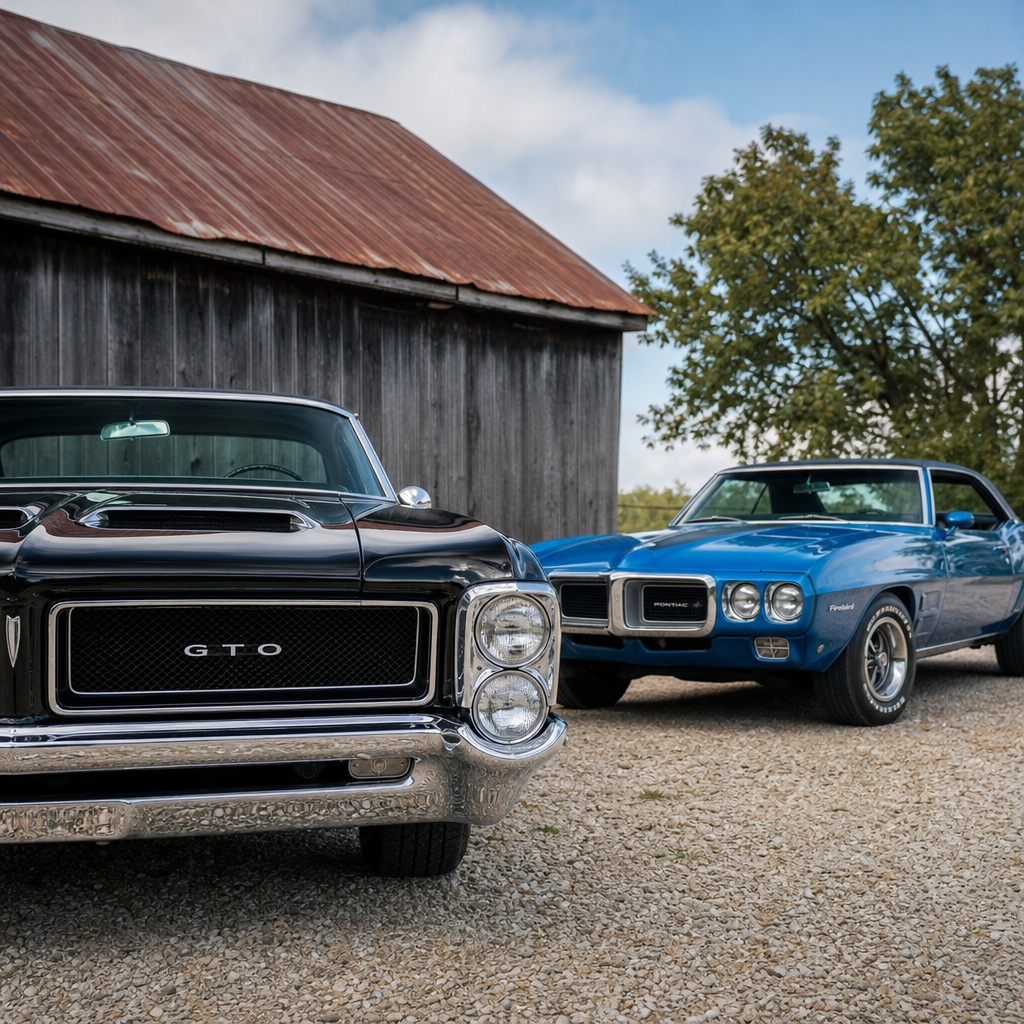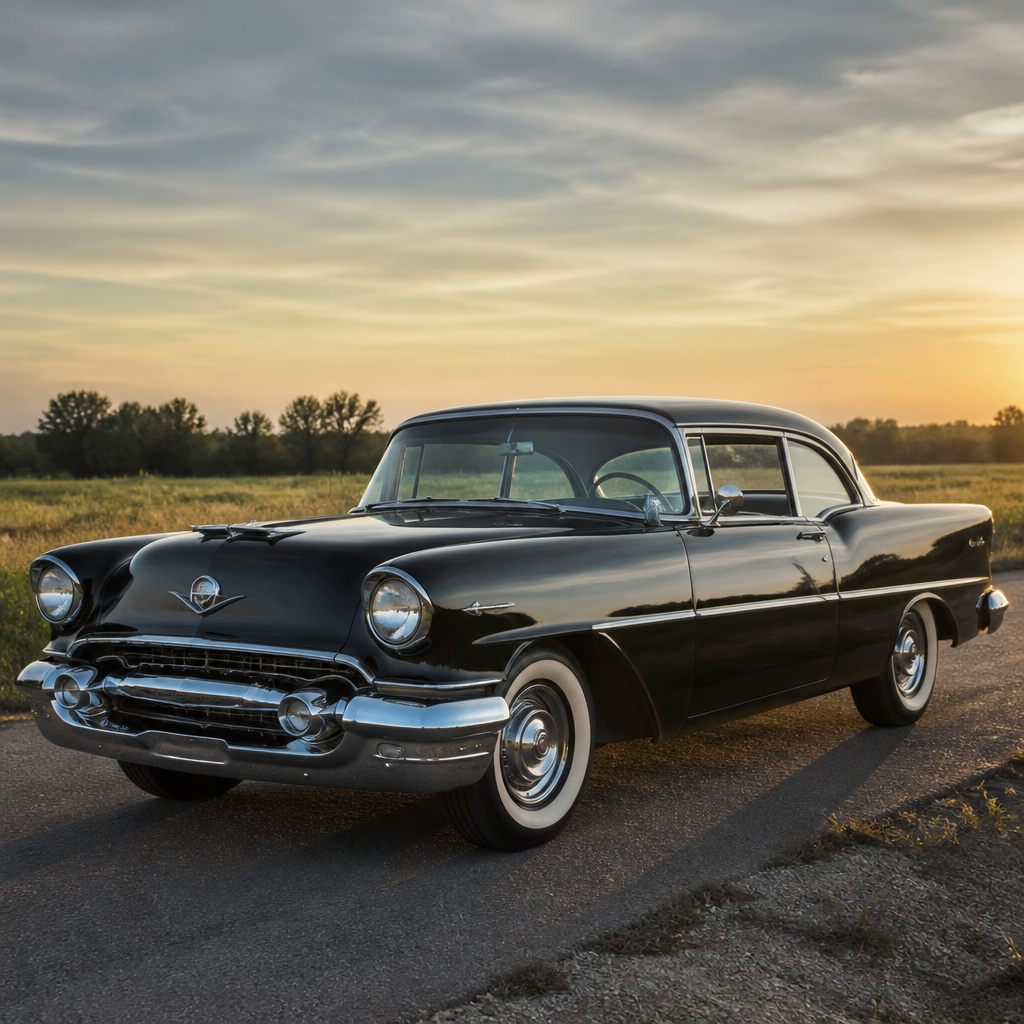
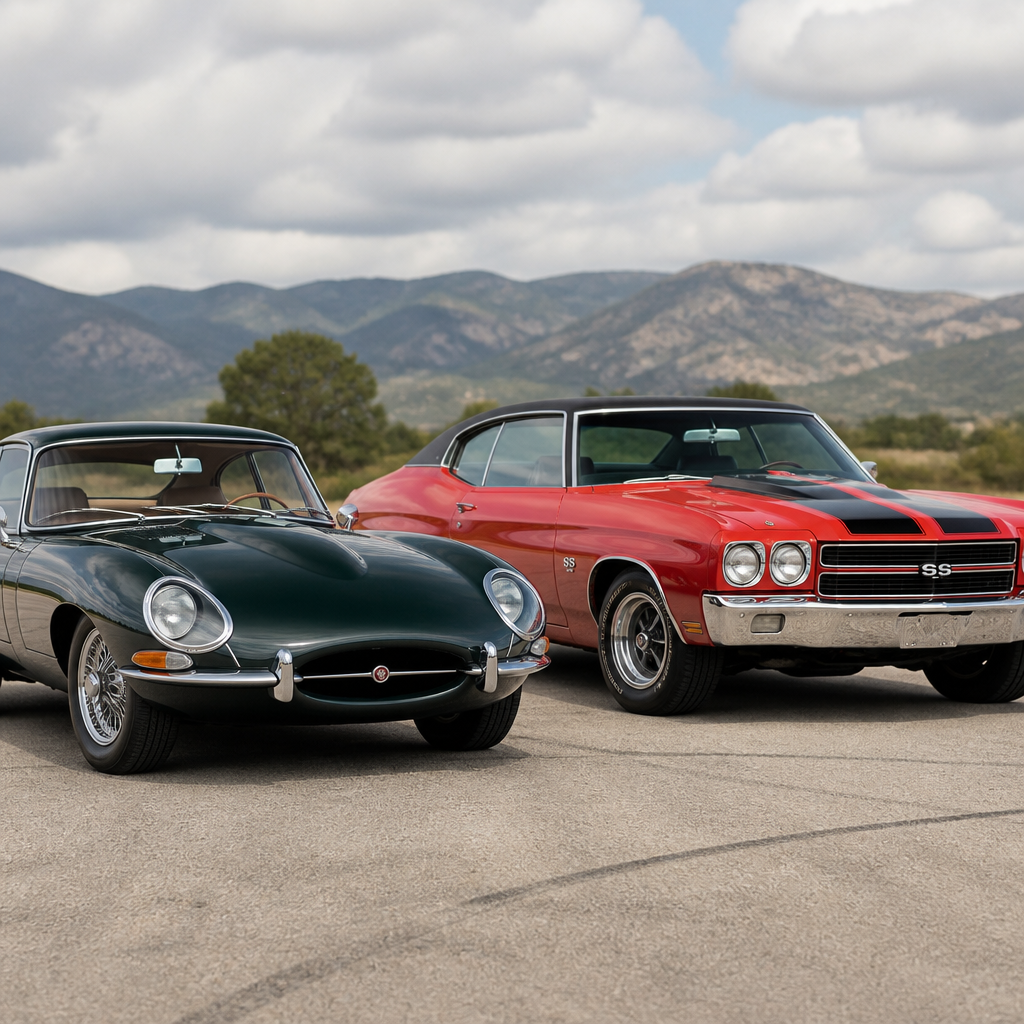
European classic cars and American classics represent two distinct philosophies of automotive design, engineering, and ownership, and understanding their differences helps collectors buy smarter, maintain vehicles correctly, and appreciate each car on its own terms. In the collector market, “classic car” usually refers to a vehicle old enough to carry historical interest and cultural value, while “European classics” commonly includes iconic models from Britain, Germany, Italy, France, and Sweden. “American classics” generally refers to historically important vehicles from brands such as Ford, Chevrolet, Cadillac, Buick, Chrysler, Dodge, Pontiac, and Lincoln. I have worked with owners sourcing parts, evaluating restorations, and preparing cars for shows and road use, and the same pattern appears repeatedly: buyers who treat a Mercedes-Benz W113 like a 1967 Chevrolet Impala, or a Jaguar E-Type like a Pontiac GTO, often misjudge cost, drivability, and long-term ownership demands. This comparison matters because the differences are not cosmetic. They affect chassis setup, engine character, restoration budgets, parts sourcing, originality standards, fuel expectations, and even where the cars perform best. European classics as a category also serve as a broad gateway into coachbuilt design, motorsport lineage, and precision manufacturing, making this topic central to any serious classic car models and brands guide.
At a high level, European classics tend to emphasize road manners, braking balance, packaging efficiency, and technical sophistication, while American classics traditionally prioritize straight-line power, comfort, visual presence, and easy serviceability. That summary is useful, but it is incomplete unless it is tied to examples. A 1960s Alfa Romeo Giulia, for example, delivers lively twin-cam performance from a modest displacement engine and feels agile on narrow roads. A similarly priced American car from the era may offer a larger V8, softer suspension, and easier mechanical access, but with less steering precision. Neither approach is inherently better. The key is matching the car to the owner’s goals, whether that means touring, concours restoration, weekend cruising, or building a brand-specific collection. For readers exploring European classics in depth, this hub frames the core differences and points toward the major themes that define the segment: engineering philosophy, driving experience, styling, maintenance, collectibility, and ownership tradeoffs.
Engineering Philosophy and Mechanical Layout
The clearest difference between European classic cars and American classics is engineering intent. European manufacturers generally built cars for crowded cities, high fuel costs, taxing road conditions, and sustained high-speed travel on narrower roads. That environment produced smaller-displacement engines, more compact dimensions, and chassis tuned for control rather than float. Brands such as BMW, Mercedes-Benz, Volvo, Saab, Alfa Romeo, Porsche, Jaguar, Peugeot, Citroen, and Lancia often invested heavily in overhead camshafts, independent suspension, disc brakes, transaxles, or advanced fuel delivery earlier than many mass-market American rivals. A classic European sedan or coupe may therefore feel more modern than its production date suggests.
American manufacturers worked under a different set of assumptions. Fuel was relatively cheap, highways were broad, and customer demand strongly favored space, torque, and low-effort operation. As a result, body-on-frame construction remained common for longer, big-block and small-block V8 engines became cultural icons, and automatic transmissions dominated. Cars such as the Chevrolet Chevelle, Ford Galaxie, Dodge Charger, and Cadillac DeVille were engineered to deliver smooth power, easy highway cruising, and generous interior room. In practice, that means many American classics are simpler to wrench on, with more space around the engine bay and a larger aftermarket for common service components.
European classics also show more variation in layout. Rear-engine Porsche 911s, front-wheel-drive Citroens, inline-six Jaguars, boxer-engined air-cooled Volkswagens, and sophisticated Mercedes-Benz fuel injection systems illustrate a willingness to pursue distinct technical solutions. American classics, though not lacking innovation, more often converged around front-engine, rear-wheel-drive packaging with pushrod V8 power. For a collector, this affects everything from how the car feels to how difficult it is to tune carburetion, set valve clearances, or source correct drivetrain pieces. When people ask whether European classics are more complex, the honest answer is yes, frequently, but that complexity often delivers better efficiency, handling fidelity, and mechanical character.
Driving Experience: Handling, Speed, and Road Behavior
If you drive a representative European classic back-to-back with a representative American classic, the difference is immediate. European classics typically feel tighter, more communicative, and more eager to change direction. Steering effort may be higher at low speeds, especially without power assistance, but feedback through the wheel is often superior. A BMW 2002, Lotus Elan, or Peugeot 404 communicates tire load, suspension movement, and road surface texture in a way many American coupes and sedans of the same era do not. Even relatively modest European cars often reward driver input because they were developed with cornering confidence in mind.
American classics usually excel in a different set of behaviors. A 1969 Pontiac GTO, 1970 Chevrolet Monte Carlo, or 1966 Ford Thunderbird delivers relaxed cruising, strong acceleration, and a sense of occasion rooted in displacement and sound. Their long wheelbases and softer spring rates can make them less nimble on technical roads, but more comfortable over expansion joints and rough pavement. Muscle cars in particular deliver their appeal through immediate torque and visceral acceleration. On a drag strip or open highway, that formula remains compelling. On a twisting secondary road, a well-sorted European classic often feels more balanced and less overwhelmed by its own weight.
Braking is another practical difference. European classics adopted four-wheel disc brakes in many higher-end and sporting applications earlier and more widely. That does not mean every European car stops brilliantly by modern standards, but it does mean repeated braking often feels more consistent. American drum-brake cars can be entirely safe when properly restored and adjusted, yet fade resistance and pedal feel may not match a contemporary Porsche 356C or Mercedes-Benz SL. Buyers who plan to tour extensively should treat braking condition, tire choice, and suspension bushing quality as more important than advertised horsepower, regardless of continent.
Design Language, Cabin Experience, and Brand Identity
Styling is where personal taste often decides the argument, but the design language behind each tradition is still distinct. European classic cars generally favor proportion, surface discipline, and restraint. Think of the clean lines of a Mercedes-Benz W111 coupe, the taut profile of a Volvo P1800, or the compact elegance of an Alfa Romeo Spider. Even flamboyant Italian designs tend to balance drama with aerodynamic intent or coachbuilt sophistication. Interiors frequently prioritize supportive seating, clear instruments, and efficient use of space, especially in sports sedans and GT cars.
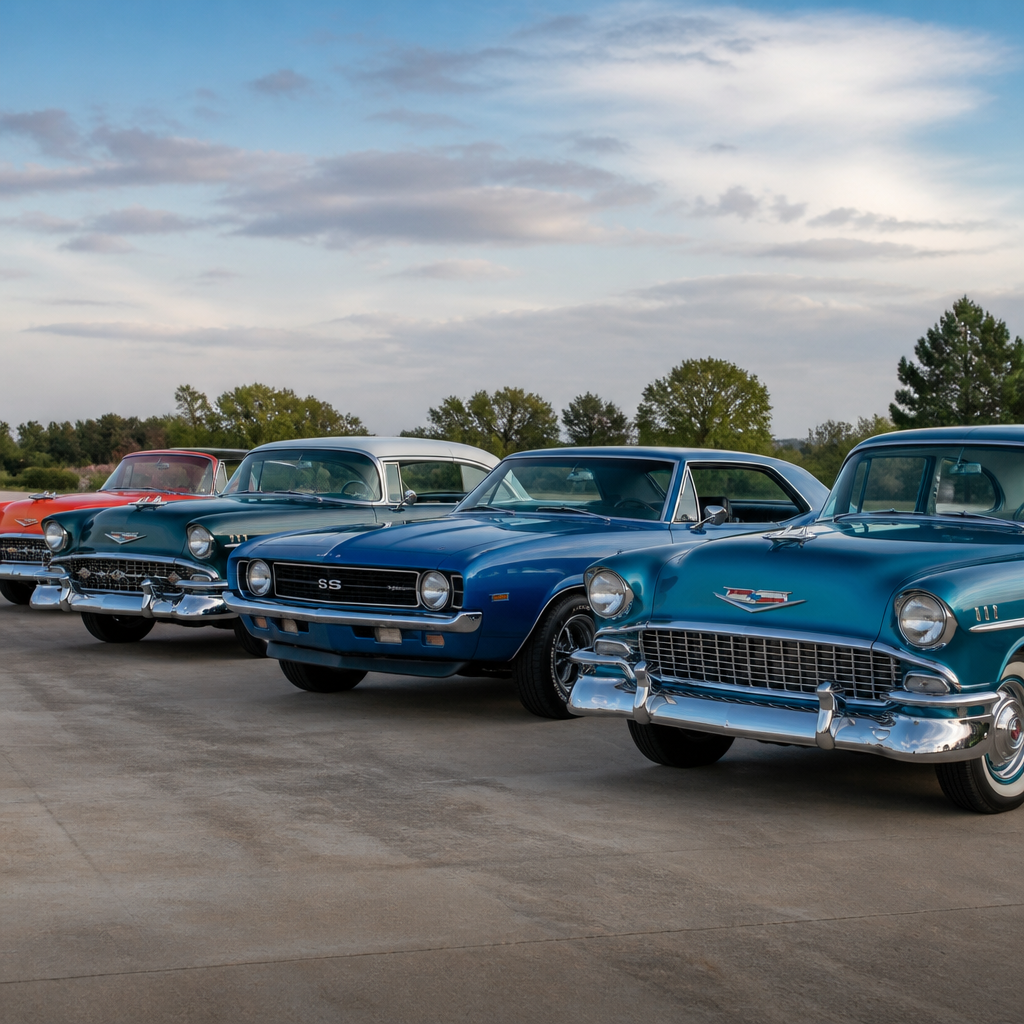
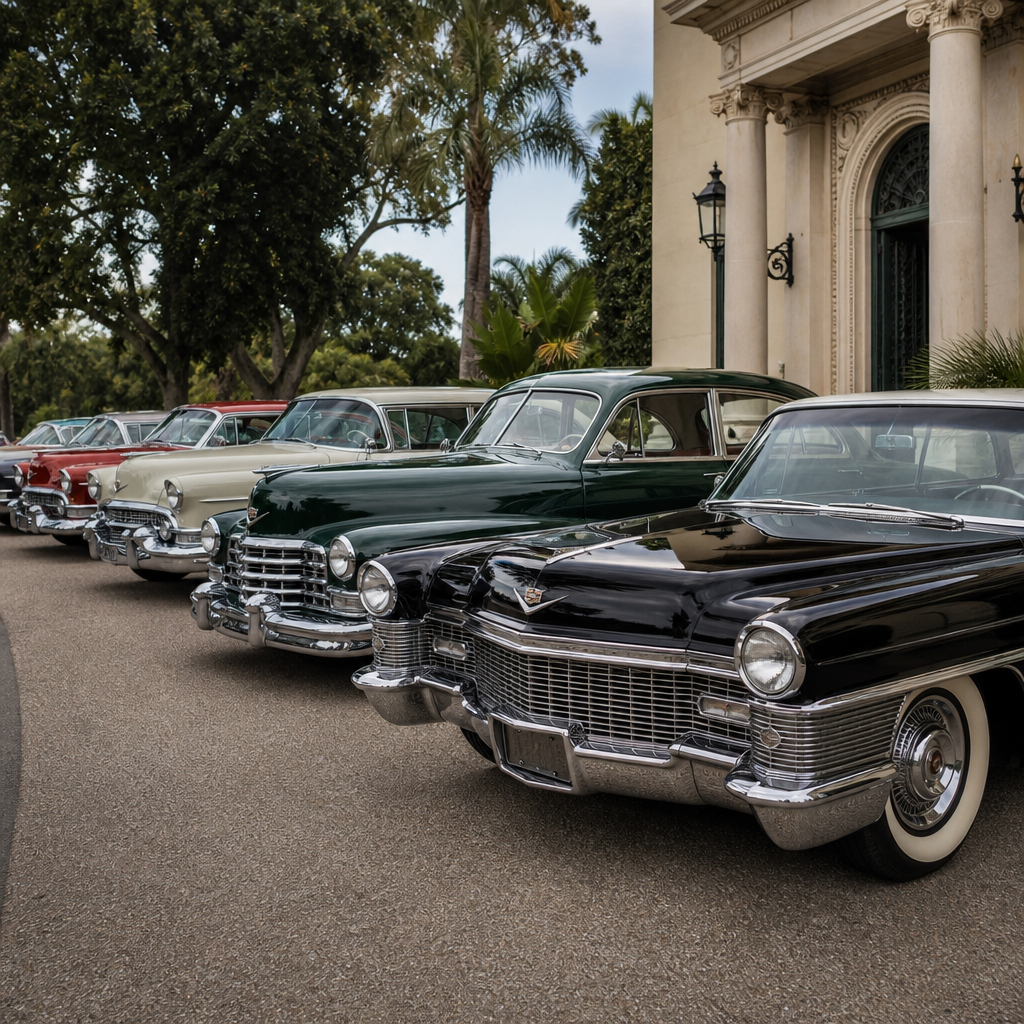
American classics lean toward visual impact. Tailfins, chrome, wide grilles, long hoods, and bright trim were not incidental; they were central to how brands differentiated themselves in a competitive domestic market. A 1959 Cadillac, 1957 Chevrolet Bel Air, or 1970 Dodge Challenger projects presence from a distance. Cabins are often broader, bench seats more common, and controls arranged around convenience rather than driver-centric precision. Materials varied by price class, but the visual ambition was unmistakable. For many collectors, that theatricality is the point.
European brand identity also tends to be more closely tied to engineering values. Porsche is inseparable from rear-engine sports-car development and motorsport durability. Mercedes-Benz built its reputation on safety, overengineering, and high-speed stability. Jaguar sold beauty and performance, BMW balanced sporting dynamics with practicality, and Citroen became famous for radical solutions such as hydropneumatic suspension. American brands certainly had identities, but those identities often centered more on market segment, styling cycles, and engine hierarchy. Understanding this helps when evaluating a car’s originality. On a European classic, correct gauges, trim pieces, and factory driveline specifications often matter because they are integral to the car’s engineering story, not just its appearance.
Ownership Costs, Parts Supply, and Restoration Realities
Are European classic cars more expensive to own than American classics? In many cases, yes, especially when originality matters. Parts availability is the first reason. For popular American classics, reproduction sheet metal, trim, suspension kits, wiring harnesses, and crate-compatible engine components are widely available through large suppliers. That ecosystem lowers entry barriers. A restorer working on a first-generation Mustang or Tri-Five Chevrolet can often source major components quickly. Labor costs still add up, but the pathway is familiar.
With European classics, the experience depends heavily on make and model. Air-cooled Volkswagen and classic Mini parts are abundant. Mercedes-Benz and Porsche support for heritage vehicles is unusually strong. By contrast, low-volume Lancia, Facel Vega, or certain Citroen models may require specialist vendors, cross-border shipping, used parts networks, or club contacts. I have seen routine jobs stall for weeks because a correct Bosch fuel injection component, Jaeger instrument, or model-specific trim clip was unavailable domestically. That does not make the cars poor choices; it means planning and patience are part of ownership.
| Ownership Factor | European Classics | American Classics |
|---|---|---|
| Parts availability | Strong for major brands, uneven for niche models | Usually broad for popular domestic cars |
| Mechanical complexity | Often higher, with specialized systems | Often simpler, especially pushrod V8 platforms |
| Restoration cost risk | High when trim and model-specific parts are missing | More predictable on common platforms |
| Workshop familiarity | Best with marque specialists | Broader general classic car support |
Restoration standards can also differ. European collectors may place extraordinary importance on matching numbers, factory paint codes, original carburetor types, and period-correct upholstery grain. American collectors care about authenticity too, but modifications such as upgraded ignition, mild suspension changes, or replacement crate engines are often more accepted in driver-grade cars. The right choice depends on your goals. If you want concours results, European classics often demand deeper documentation and more exact sourcing. If you want an enjoyable weekend car, a thoughtfully upgraded American classic may deliver lower cost per mile.
Collectibility, Cultural Meaning, and Choosing the Right Car
The collector value of European classics versus American classics is shaped by rarity, motorsport history, design significance, and usability. European cars often command strong premiums when they combine limited production, racing pedigree, and recognized design authorship. Examples include early Porsche 911 variants, Mercedes-Benz 300SL models, Ferrari grand tourers, and competition-linked Alfa Romeos. Even more accessible European classics, such as the BMW 2002, Volvo 122, Saab 900, or Peugeot 504, attract enthusiasts because they connect everyday practicality with distinctive engineering. This is why European classics deserve hub-level attention within classic car models and brands coverage: the category spans economy cars, luxury saloons, homologation specials, and coachbuilt exotics with unusual breadth.
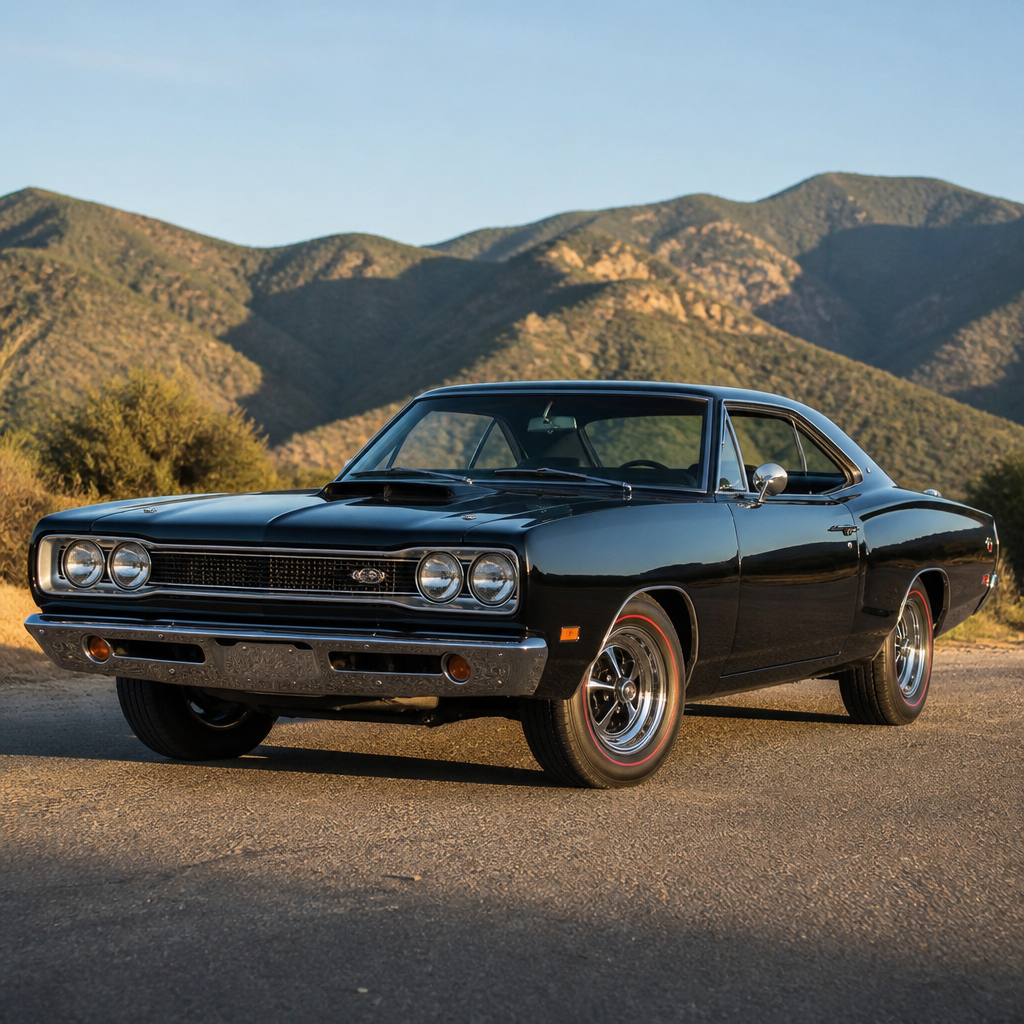
American classics hold value through a different emotional mix. Cultural memory, cinema, muscle-era nostalgia, and broad enthusiast communities play enormous roles. A Chevrolet Corvette, Shelby Mustang, Buick GS, or Hemi-powered Mopar carries brand mythology that extends far beyond specifications. Demand is also supported by clubs, events, auction visibility, and an ownership experience that feels accessible to newcomers. In simple terms, American classics often bring more instant recognition, while European classics more often reward deep brand knowledge.
So which is better? Neither. The better question is what you want the car to do. Choose a European classic if you value handling precision, compact packaging, advanced engineering, and marque-specific character. Choose an American classic if you want easy torque, visual drama, spacious comfort, and a broad parts aftermarket. Before buying either, inspect rust thoroughly, confirm title history, review restoration records, and budget for deferred maintenance. A beautiful car with weak documentation is usually more expensive than a less glamorous example with known history. The smartest next step is to narrow your search by country, brand, and intended use, then study buyer guides for the specific models that fit your goals. That approach turns admiration into informed ownership.
Frequently Asked Questions
What is the main difference between European classic cars and American classics?
The biggest difference comes down to design philosophy. European classic cars were typically engineered with an emphasis on handling, braking, efficiency, road manners, and compact packaging. Many iconic European models from brands such as Mercedes-Benz, Jaguar, Porsche, Alfa Romeo, Volvo, BMW, Citroën, and MG were built for narrower roads, higher fuel costs, and driving conditions that rewarded balance and precision. As a result, they often feel more mechanical, more responsive in corners, and more focused on the driving experience itself.
American classics, by contrast, were often shaped by a market that valued space, comfort, straight-line power, and visual presence. Classic cars from Ford, Chevrolet, Cadillac, Pontiac, Buick, Dodge, Chrysler, and Oldsmobile frequently featured larger engines, broader bodies, softer suspensions, and styling that leaned into chrome, tailfins, bold proportions, and a strong road presence. They were designed for long, open roads and a consumer culture that celebrated convenience and abundance.
That does not mean one is better than the other. It means they excel in different ways. A European classic may impress with steering feel, engineering sophistication, and efficiency of design, while an American classic may win you over with torque, simplicity, cabin space, and unmistakable visual drama. For collectors, understanding this difference is essential because it affects everything from purchase expectations to maintenance planning and driving enjoyment.
Are European classic cars more expensive to maintain than American classics?
In many cases, yes, but the answer depends heavily on the specific model, parts availability, and the standard of restoration or upkeep you want to maintain. European classics often use more specialized engineering, tighter packaging, and model-specific components that can raise labor costs and parts prices. Even relatively straightforward maintenance on a vintage European car can take longer because access may be more difficult, systems may be more intricate, and replacement parts may need to be sourced from specialist suppliers or imported from overseas.
American classics are often viewed as more affordable to maintain because many were produced in higher volumes, parts support is strong, and their mechanical layouts are usually simpler. V8 engines, body-on-frame construction in many models, and extensive aftermarket support make repairs and restorations more approachable for hobbyists. It is often easier to find reproduction trim, engine components, suspension parts, and interior pieces for a popular American classic than for a low-production European coupe or sedan.
However, there are important exceptions. A high-end American luxury car with rare trim and model-specific hardware can be very expensive to restore, while a widely supported European classic such as an older Volkswagen, Volvo, or MGB may be relatively manageable. The smartest approach is not to assume a car will be cheap or expensive based only on geography. Buyers should research common failure points, supplier networks, specialist labor rates, rust issues, and the availability of correct parts before purchasing. Maintenance cost is driven by complexity, rarity, and condition far more than by the badge alone.
Which is better for collectors: a European classic or an American classic?
The better choice depends on what kind of collector you are. If you value engineering nuance, driving involvement, coachbuilt details, motorsport heritage, and compact design excellence, a European classic may be the better fit. Many collectors are drawn to the way European classics communicate through the steering wheel, pedals, and chassis. They also appeal to buyers who appreciate brand history, technical innovation, and strong international prestige.
If your priorities are bold styling, V8 performance, easier parts sourcing, a broad enthusiast base, and a more approachable ownership experience, an American classic may make more sense. The American collector market is especially strong around muscle cars, full-size cruisers, convertibles, and postwar icons. These cars often have tremendous cultural recognition, and there is a deep support network for restoration, clubs, shows, and aftermarket upgrades.
From an investment perspective, neither category guarantees stronger returns across the board. Value is driven by rarity, provenance, originality, desirability, restoration quality, and market timing. A highly original Mercedes SL, Porsche 356, or Jaguar E-Type may perform very differently from a European sedan with limited enthusiast demand. Likewise, a numbers-matching big-block muscle car may appreciate far more than a common American coupe. For most collectors, the right answer is to buy the best example of the car you genuinely want to own, not simply the one you hope will rise fastest in value.
How do driving characteristics differ between European classic cars and American classics?
European classics generally feel more agile, more connected, and more deliberate in the way they deliver performance. Steering is often quicker and more communicative, suspensions may be firmer or more controlled, and engines are frequently tuned to reward revs rather than pure low-end thrust. Even when power figures are modest, many European classics feel lively because of lower weight, balanced chassis tuning, and drivetrain calibration that favors engagement over effortless cruising.
American classics typically deliver a different kind of satisfaction. Many offer abundant torque, relaxed highway manners, and a comfortable ride that suits long-distance cruising. Their steering may feel lighter or less precise, and their suspensions often prioritize softness and straight-line stability over cornering sharpness. In muscle cars especially, the appeal is often immediate acceleration, rumbling exhaust note, and the visceral character of a large-displacement engine.
These differences are rooted in where and how the cars were intended to be used. European roads, taxes, fuel pricing, and motorsport influence helped shape smaller, more efficient, and more dynamically balanced vehicles. American conditions favored roomier packaging, bigger engines, and comfort-oriented setups. For modern buyers, this means the ownership experience can vary dramatically. If you want mountain-road engagement and tactile control, a European classic may feel more rewarding. If you want effortless cruising, strong straight-line performance, and a commanding road presence, an American classic may be more satisfying.
What should buyers look for before purchasing a European or American classic car?
The first priority is condition, because condition affects value, safety, and restoration cost more than almost anything else. Rust is often the single most important issue to inspect, especially on older European cars with complex body structures and older American cars with vulnerable floors, frame sections, trunk pans, and lower body panels. Cosmetic shine can hide major structural problems, so buyers should inspect underbody areas, known corrosion points, panel fit, and evidence of prior repair work carefully.
Next, evaluate originality and documentation. Matching numbers, original drivetrains, correct trim, factory colors, service records, ownership history, and restoration receipts all matter. For some collectors, originality is more valuable than a heavily modified or incorrectly restored car, even if the modified car looks impressive. European classics may require special attention to proper carburetion, injection systems, electrical components, and unique trim details, while American classics often need careful verification of engine codes, transmission types, options packages, and authenticity claims tied to performance models.
Buyers should also research parts support and specialist knowledge before committing. A car may be affordable to purchase but difficult to own if parts are scarce or if qualified mechanics are hard to find in your area. European classics often benefit from marque specialists, while American classics often benefit from broad aftermarket support and larger hobbyist communities. Finally, always arrange a pre-purchase inspection by someone who knows that specific make or model. A knowledgeable inspection can reveal hidden rust, weak compression, poor restoration work, electrical issues, or missing hard-to-find components that could dramatically change the true cost of ownership.