Prototype cars that never made it to production reveal the auto industry at its most ambitious, experimental, and occasionally self-destructive. A prototype car is a vehicle built to test design, engineering, packaging, or market interest before full manufacturing begins. A concept car is closely related, but usually created to preview future styling, technology, or brand direction at motor shows rather than to move directly toward assembly lines. In practice, the terms often overlap. Some prototypes are nearly production ready, complete with validated chassis components and supplier-approved parts. Others are dramatic one-offs with impossible doors, fragile interiors, and powertrains that exist mainly to make a statement under bright stand lights.
This corner of automotive history matters because cancelled prototype cars often influence the vehicles people eventually buy, even when the original machine disappears. I have spent years tracking development programs, auction archives, factory press material, homologation specials, and museum collections, and the same pattern appears again and again: a failed prototype is rarely wasted effort. Its suspension geometry may reappear on a sedan, its aero ideas may shape a race car, and its dashboard architecture may preview an entire decade of interior design. For enthusiasts researching concept and rare cars, these abandoned projects form a map of roads not taken across classic car models and brands.
Prototype cars also expose the hard realities behind glamorous styling. A car can be beautiful and still die because crash standards tighten, exchange rates shift, suppliers miss deadlines, or a parent company runs out of cash. In the classic car world, that makes non-production prototypes uniquely valuable as evidence. They show what designers wanted before accountants intervened, what engineers attempted before reliability testing failed, and what executives approved before the market changed. As a hub for concept and rare cars, this guide explains why these vehicles are created, why they get cancelled, which famous examples still matter, and how to evaluate their legacy with more than nostalgia.
What counts as a prototype car, and why do so many get cancelled?
A prototype car is not one thing but a sequence. Early clay bucks establish proportion. Running prototypes evaluate mechanical packaging, cooling, braking, and ride quality. Pre-production prototypes validate tooling, assembly methods, and regulatory compliance. Concept cars may sit outside that path, but many still test real components. Automakers also build design studies, mule vehicles using disguised bodies over new mechanical systems, and homologation specials intended to qualify race hardware. The public often sees only the finished show car, while the important development fleet remains hidden behind manufacturer code names and test plates.
Most cancellations happen for practical reasons, not because the idea lacked appeal. Cost is the biggest killer. Low-volume halo cars require dedicated tooling, complex hand assembly, and expensive certification. Timing is another factor. A sporty coupe planned during an economic boom can look irresponsible during a recession. Regulations matter too. Side-impact rules, emissions standards, and pedestrian safety requirements have ended many promising programs. Internal politics are equally decisive. When leadership changes, pet projects lose protection. I have seen vehicles praised by dealers, journalists, and engineers all disappear because they no longer fit a new platform strategy or margin target.
For readers exploring concept and rare cars within classic car models and brands, this distinction is essential. A cancelled prototype is not automatically a failure. Sometimes it is a strategic sacrifice that protects the rest of a product range. Sometimes it is a technology demonstrator whose mission was accomplished the moment media coverage landed. Understanding that context helps explain why some non-production cars become legends while others vanish into storage, are dismantled, or survive only in a few factory photos and patent sketches.
Famous prototype cars that never reached the showroom
Several cancelled cars define the category because they combined serious engineering with clear production intent. The Ford GT90 from 1995 never became a road car, yet it showcased Ford’s New Edge design language years before it spread across the lineup. Its quad-turbocharged V12 was theatrical, but the more lasting impact came from its surfacing and brand confidence. Jaguar’s XJ13, built in the 1960s as a mid-engine Le Mans contender, never raced officially because rules changed before development finished. Even so, it remains one of Jaguar’s most revered prototypes because it captures a precise moment when the company tried to leap from elegant road cars to outright endurance dominance.
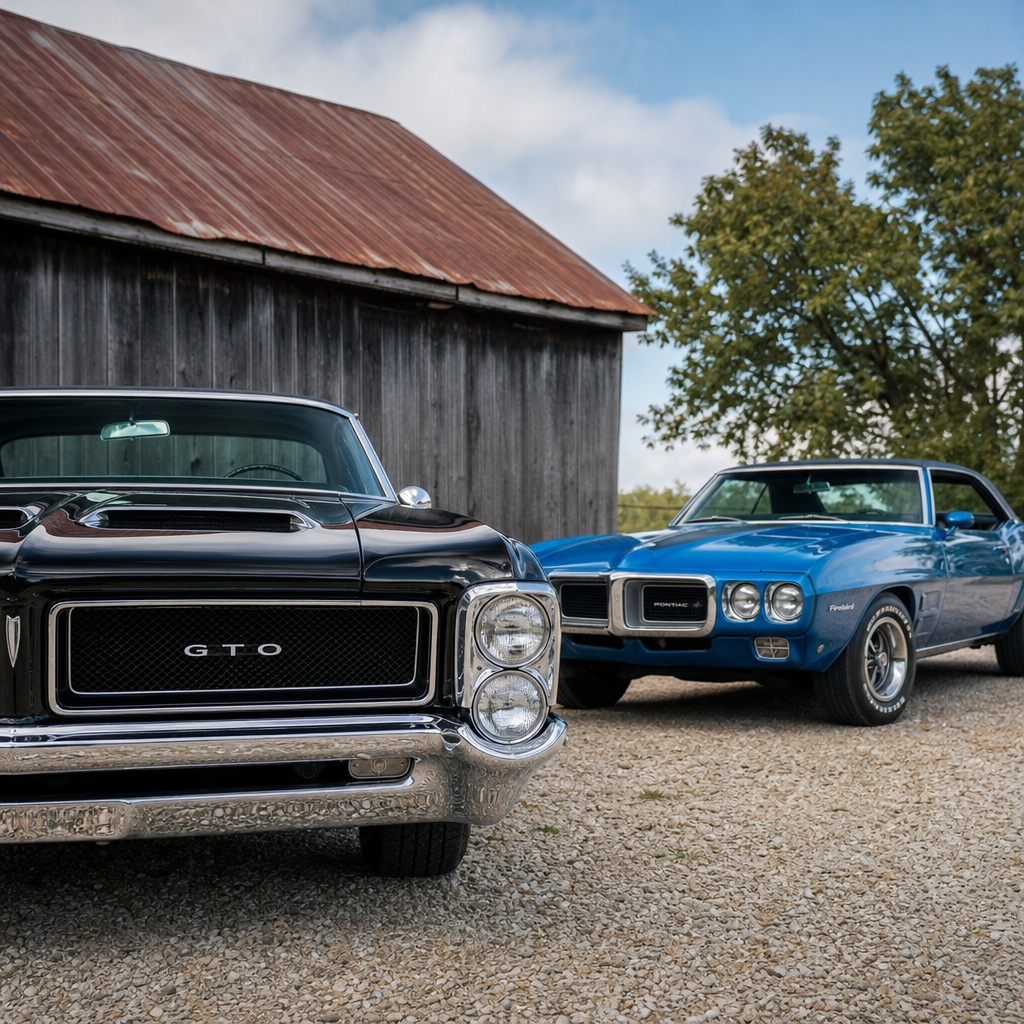
General Motors produced multiple examples that became folklore. The 1963 Chevrolet Corvette Rondine, styled by Pininfarina, explored an Italian interpretation of America’s sports car formula. It stayed a design exercise, but it demonstrated how flexible the Corvette platform could be. The Cadillac Sixteen concept from 2003 was even bolder: a vast luxury flagship powered by a 13.6-liter V16. It was not realistic for mass production, but it announced that Cadillac wanted to reclaim historic grandeur. Likewise, the Pontiac Banshee projects repeatedly previewed alternatives to the Corvette and Firebird, then died because internal competition made them politically dangerous.
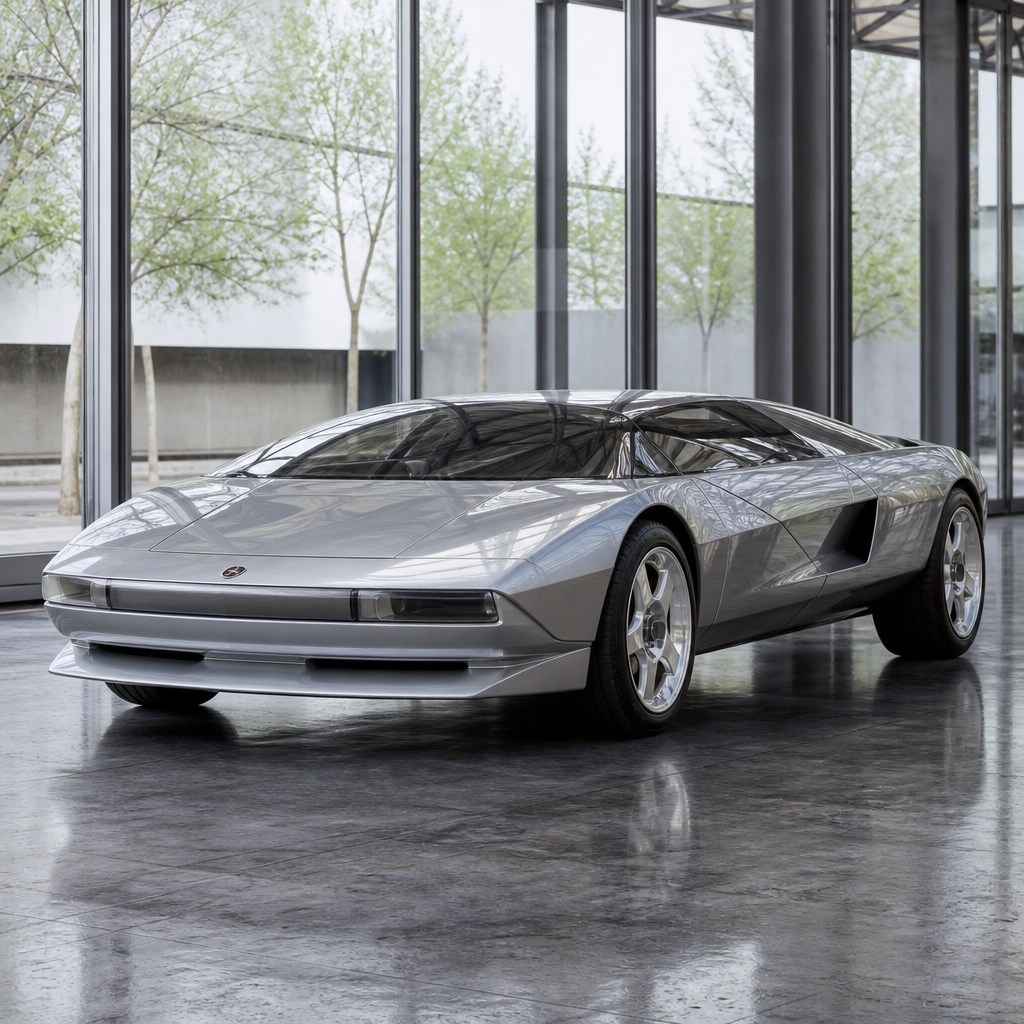
Europe has its own graveyard of brilliant near-misses. The Audi Avus Quattro of 1991, with its polished aluminum body and W12 layout, signaled technical ambition that later fed the A8 and Audi’s twelve-cylinder identity. The BMW M8 E31 prototype from the early 1990s was essentially a supercar hidden inside a grand tourer program. It was shelved because the market for an ultra-expensive M flagship looked too small, but the engineering lesson was preserved. Alfa Romeo’s Carabo, Lancia’s Stratos Zero, and Maserati’s Boomerang were radical wedge concepts that did not go directly to production yet profoundly shaped sports car styling vocabulary.
Why concept and rare cars shape production models anyway
Non-production does not mean no influence. In development work, prototypes function like rolling laboratories. A dramatic windshield angle, unusual seating position, active aero feature, or digital instrument layout can be trialed in a concept long before suppliers can support volume manufacturing. Automakers use those public experiments to test reaction from dealers, media, and likely customers. If enough people respond positively, ideas migrate into vehicles with less risk. If the response is poor, the company learns quickly without committing to full-scale production tooling.
A strong example is the way dream cars of the 1950s and 1960s previewed styling details that later appeared in toned-down form. GM’s Motorama concepts introduced wraparound glass, tailfin variations, hidden headlamps, and interior themes that filtered into mainstream Chevrolets, Buicks, and Cadillacs. More recently, the Chrysler ME Four-Twelve never became a showroom supercar, but it demonstrated what the company could package around a quad-turbo mid-engine layout and heightened public perception of Chrysler engineering ambition. Volkswagen’s W12 Nardo similarly served as a technological bridge toward the Group’s later high-performance programs, including Bentley and Bugatti projects.
When I assess whether a prototype mattered, I look beyond whether a VIN ever entered retail circulation. Did it introduce a named platform idea, a material, a safety concept, or a design language that later appeared elsewhere? The answer is often yes. The most important prototypes are not always the rarest or most expensive; they are the ones that changed production cars indirectly. That is why a hub on concept and rare cars belongs inside any serious classic car models and brands resource. The story of what reached dealers is incomplete without the story of what influenced those cars from the shadows.
The real reasons promising prototype cars fail
Some prototype cars fail because they promise more than manufacturing can reliably deliver. Exotic door mechanisms are a classic example. Gullwing, scissor, canopy, and sliding entries photograph beautifully but complicate sealing, side-impact protection, roof strength, and service access. Powertrains create even bigger problems. An engine that performs flawlessly on a show stand may overheat in traffic, fail emissions testing, or require supplier volumes that make each unit unprofitable. Weight growth is another silent killer. Safety reinforcement, sound insulation, climate control, and production-grade trim can add hundreds of pounds, changing the entire character of the original concept.
There is also the issue of business overlap. A manufacturer may cancel a compelling car simply because it threatens a more established model. That shadow hung over several GM performance concepts and over internal sports car projects across Europe and Japan. Brand architecture matters. If a prototype is too expensive for one marque yet not prestigious enough for another, it ends up homeless inside its own corporation. This happens more often than enthusiasts realize, especially during mergers and platform consolidations when executives demand parts sharing and predictable returns.
| Prototype | Main reason it missed production | Legacy |
|---|---|---|
| Jaguar XJ13 | Rule changes and delayed development | Enduring symbol of Jaguar racing ambition |
| BMW M8 E31 | High cost and limited market case | Previewed later BMW flagship performance thinking |
| Cadillac Sixteen | Economic and emissions realities | Reframed Cadillac as aspirational luxury |
| Chrysler ME Four-Twelve | Complexity, cost, and strategic caution | Showed Chrysler could imagine a true supercar |
| Audi Avus Quattro | Concept-first engineering and impractical construction | Influenced Audi design and W12 storytelling |
Another common reason is corporate crisis. DeLorean, Saab, MG Rover, and numerous boutique manufacturers produced advanced studies that could not survive unstable finances. In those cases, the prototype becomes a historical snapshot of momentum interrupted. For collectors and historians, that makes surviving examples especially significant. They are not just rare cars; they are artifacts from programs that reveal what a brand might have become under different economic conditions.
How collectors, museums, and researchers evaluate cancelled prototypes
A prototype’s importance is measured differently from a production classic. Collectors look for provenance first: factory documentation, chassis numbers, build sheets, press usage, and confirmation that the car is not a replica or later recreation. Museums prioritize narrative value. A one-off that marks a turning point in design or technology may matter more than a prettier but less consequential show car. Researchers examine how complete the vehicle is, whether it retains its original drivetrain, and whether it can be linked to a named development program or major auto show debut.
Condition can be deceptive. Many prototypes were never meant to last. Interiors were often built from fragile materials, body panels were hand-formed, and wiring looms were temporary. A rough survivor can therefore be more authentic than a heavily restored example with modern substitutions. I generally trust unrestored cars with strong documentation over polished restorations that erase evidence of how the vehicle was actually engineered. Good archives include period photographs, engineering memos, and statements from the designers or test drivers involved. Without that paper trail, even famous prototypes can drift into mythology.
Readers interested in concept and rare cars should also understand legal and practical limitations. Some prototypes cannot be registered for normal road use because they lack standard compliance labels or use experimental parts. Others are static display vehicles only. Insurance can be complicated, and replacement components may need to be custom fabricated. That does not reduce their value, but it changes ownership expectations. Buying a cancelled prototype is closer to preserving industrial history than owning a weekend driver.
Why these lost cars still matter to classic car enthusiasts
Prototype cars that never made it to production matter because they keep automotive history honest. They prevent brand stories from being reduced to successful launch dates and sales charts. A company’s cancelled projects often reveal more creativity than its surviving catalog. They show how designers responded to cultural trends, how engineers chased speed, safety, or efficiency, and how executives balanced image against cost. For enthusiasts studying classic car models and brands, prototypes connect mainstream vehicles to the experimental work that made them possible.
They also sharpen taste. Looking at a lost Ferrari, Cadillac, Jaguar, Alfa Romeo, or Ford prototype trains the eye to spot emerging themes: a beltline that later became common, a dashboard architecture that anticipated digital cabins, or a mid-engine layout that arrived years later in a toned-down form. That is why concept and rare cars deserve hub-level coverage rather than a scattered list of curiosities. Together, they explain the ambitions, blind alleys, and breakthroughs behind the cars that did reach customers.
The key takeaway is simple: cancelled prototypes are not footnotes. They are primary evidence of how the industry experiments, hesitates, and evolves. Study them as seriously as production classics, and the entire history of automotive design becomes richer and easier to understand. If you want to go deeper into classic car models and brands, use this page as your starting point, then explore marque-specific concept histories, homologation specials, and coachbuilt rarities to see how unrealized ideas shaped the road.
Frequently Asked Questions
What is the difference between a prototype car and a concept car?
A prototype car is usually built to test whether a vehicle can work in the real world. Automakers use prototypes to evaluate engineering, aerodynamics, safety, packaging, drivability, manufacturing feasibility, and customer appeal before approving mass production. These vehicles may look close to a future showroom model or may exist as heavily disguised test mules using temporary bodywork. A concept car, by contrast, is often created to showcase ideas rather than to serve as a near-production test vehicle. Concept cars typically appear at auto shows to preview styling themes, new technology, or a brand’s long-term direction.
That said, the line between the two is not always clean. Some concept cars are little more than design studies with no production intent, while others are serious internal proposals that could have moved further if business conditions had changed. Likewise, some prototypes are built around bold styling and speculative technology, making them look very much like concepts. In articles about prototype cars that never made it to production, the two terms often overlap because both represent vehicles that captured attention, promised something different, and ultimately stopped short of becoming regular production models.
Why do so many prototype cars never make it to production?
There is rarely a single reason. Most failed prototypes fall victim to a mix of engineering reality, cost, timing, regulation, and market uncertainty. A design that looks brilliant on a turntable may prove too expensive to build at scale. A promising powertrain may be unreliable, difficult to certify, or incompatible with emissions and safety rules. Sometimes the vehicle itself works, but the expected customer demand is too weak to justify tooling, supplier contracts, and factory changes. In other cases, a company’s finances deteriorate, leadership changes, or the market shifts before the car is ready.
Prototype cars are where the industry tests ambition, and ambition often runs ahead of practicality. A low-slung sports concept may be impossible to meet crash standards with. A futuristic cabin may be too expensive for the intended price point. A novel material may be difficult to repair or manufacture consistently. Even large automakers cancel advanced projects because a business case no longer adds up. In that sense, a canceled prototype is not always a failure. It can be a sign that the development process worked exactly as intended by exposing problems early, before the company committed to full production.
Do prototype cars that never reached production still influence future vehicles?
Yes, often more than people realize. Even when a prototype is canceled, the ideas behind it rarely disappear completely. Designers may carry over lighting signatures, body proportions, interior layouts, or grille treatments into later production models. Engineers may reuse suspension geometry, battery packaging concepts, infotainment interfaces, active aerodynamics, lightweight materials, or safety systems developed during the project. In many cases, a canceled prototype becomes a rolling laboratory whose lessons are distributed across an entire product lineup.
This is one reason prototype cars remain so important in automotive history. They show what manufacturers were trying to solve at a particular moment, whether that meant fuel economy, electrification, modular interiors, new performance technologies, or radical styling. Some features that seemed wild on a prototype later became mainstream once costs dropped and regulations or consumer tastes caught up. A car that never made it to showrooms can still shape the design language of a brand for years. From an enthusiast’s perspective, these vehicles are fascinating precisely because they reveal the future that almost happened and the future that arrived in a different form.
What are some common reasons a promising prototype car gets canceled late in development?
Late-stage cancellations are especially dramatic because by that point the car may look production-ready, appear in marketing materials, or even be shown to journalists and dealers. One common reason is a sudden deterioration in the financial outlook. If a company faces losses, mergers, restructuring, or shifting priorities, niche or risky projects are often the first to be cut. Another major reason is technical trouble discovered too late, such as durability issues, overheating, poor crash performance, electronic complexity, or manufacturing defects that would be costly to correct.
Regulatory and strategic factors also matter. A vehicle can be technically impressive but no longer fit emissions targets, fleet-average requirements, or brand positioning. Sometimes executives conclude that the car would steal sales from a more profitable model already in the lineup. In other cases, suppliers cannot deliver critical components at the required cost or volume. For startups and limited-production ventures, funding gaps can end a project even after prototypes are fully built and tested. These late cancellations are a reminder that getting a car to production requires much more than a compelling design. It demands alignment across engineering, manufacturing, finance, regulation, supply chain, and market timing.
Why are prototype cars that never made it to production so fascinating to enthusiasts?
They fascinate enthusiasts because they represent the auto industry at its most imaginative and least filtered. Production cars must satisfy budgets, safety rules, emissions limits, factory constraints, and broad customer expectations. Prototype cars operate earlier in the process, when bold ideas still have room to breathe. That makes them unusually revealing. They show what a company wanted to do before compromise set in, whether that meant dramatic styling, unconventional doors, extreme performance, modular interiors, advanced electronics, or entirely new vehicle categories.
There is also a strong emotional appeal in the “what if” factor. A canceled prototype invites speculation about how it might have changed a brand, influenced the market, or become a cult classic if it had reached showrooms. Some look ahead of their time, others capture the excess of a particular era, and a few expose just how close an automaker came to something revolutionary. For historians, designers, and collectors, these vehicles are valuable artifacts because they document risks that companies were willing to take. For everyday readers, they are compelling because they combine innovation, missed opportunity, and automotive storytelling in one machine.