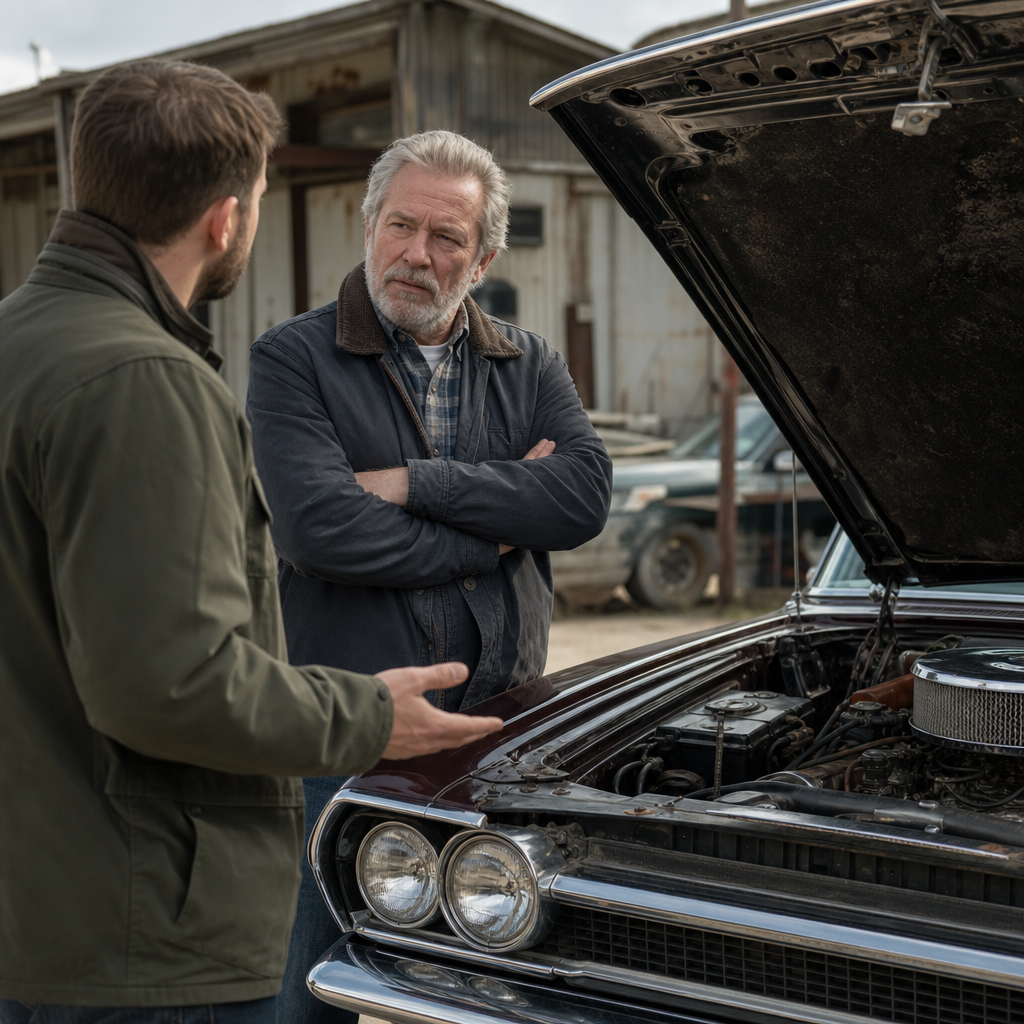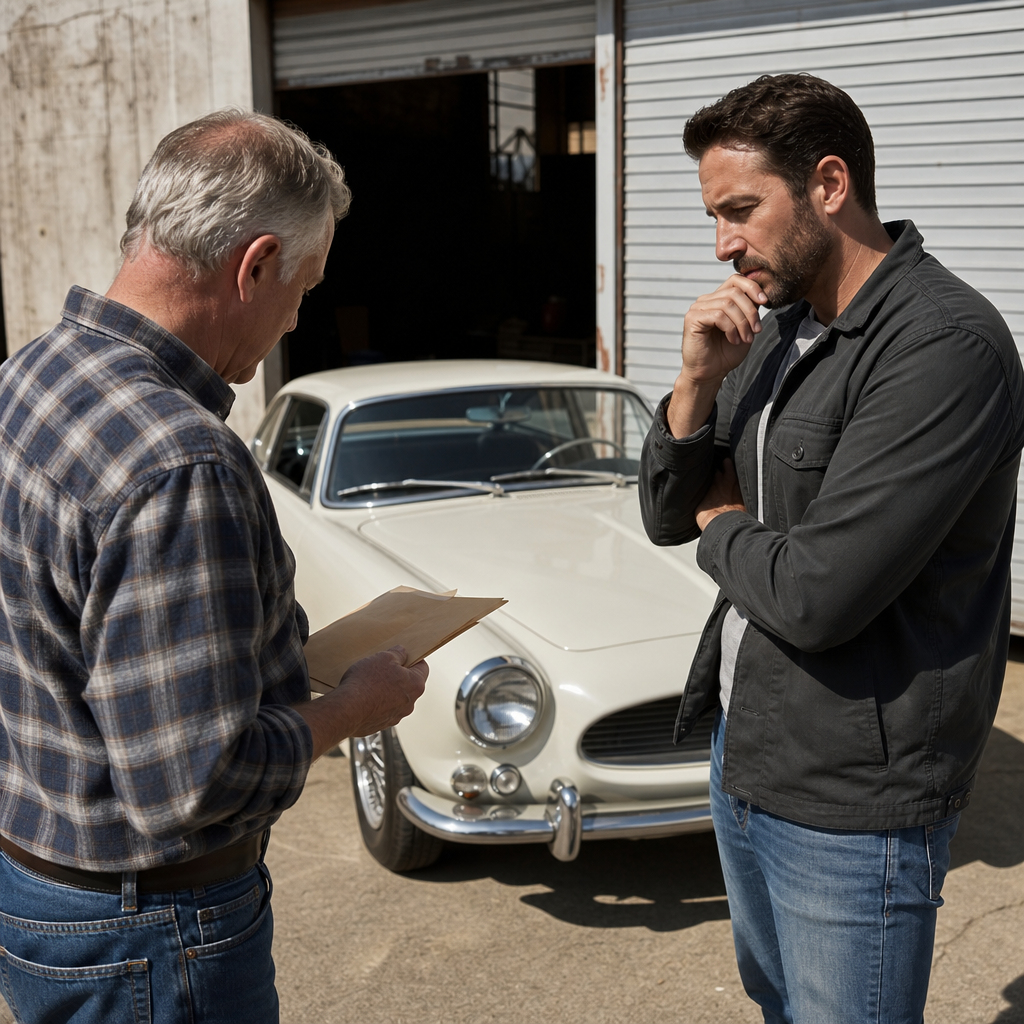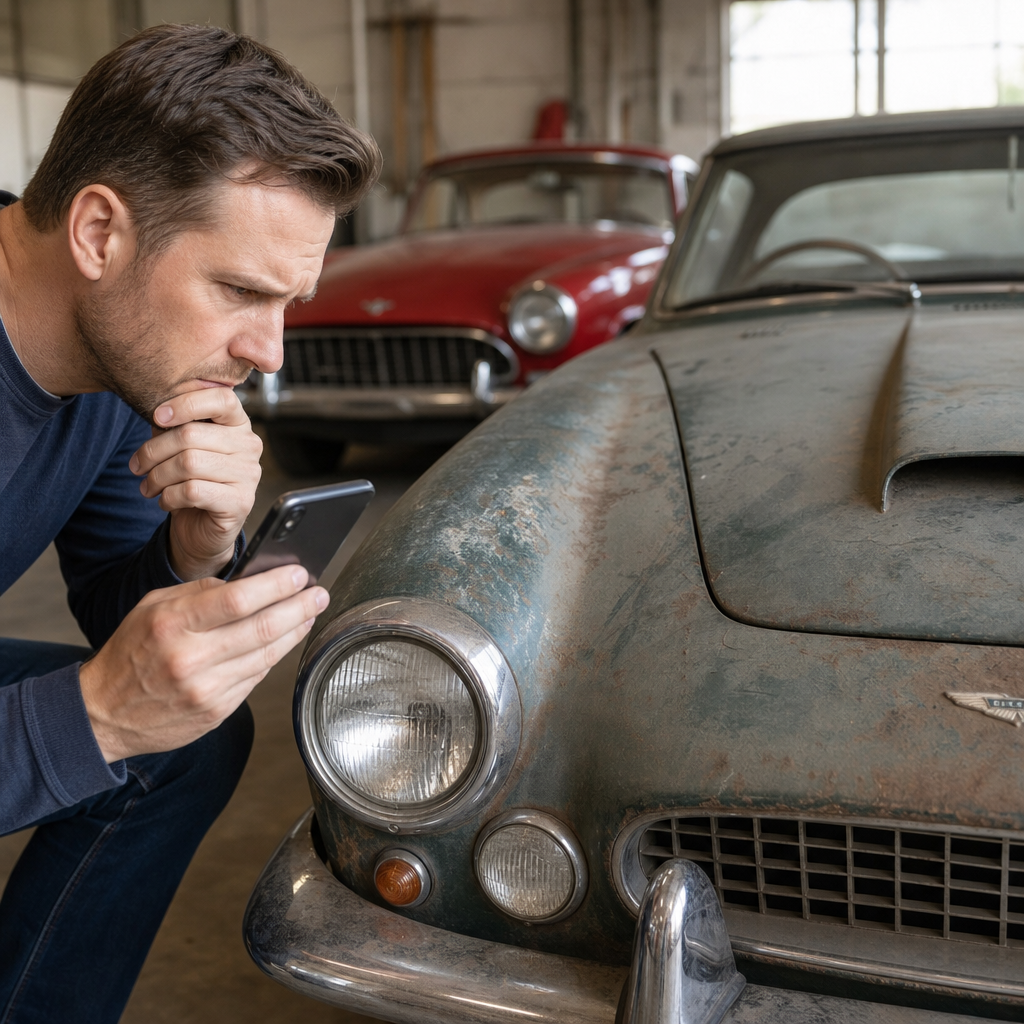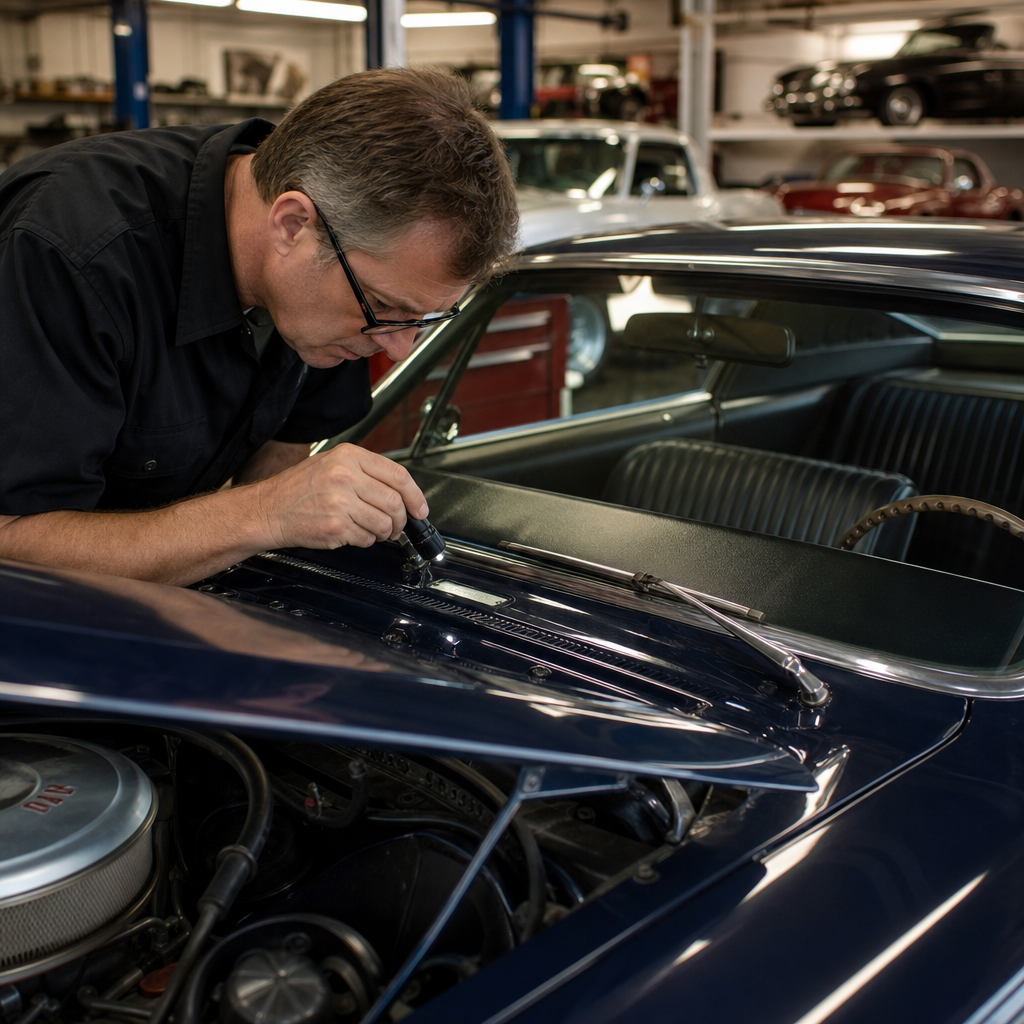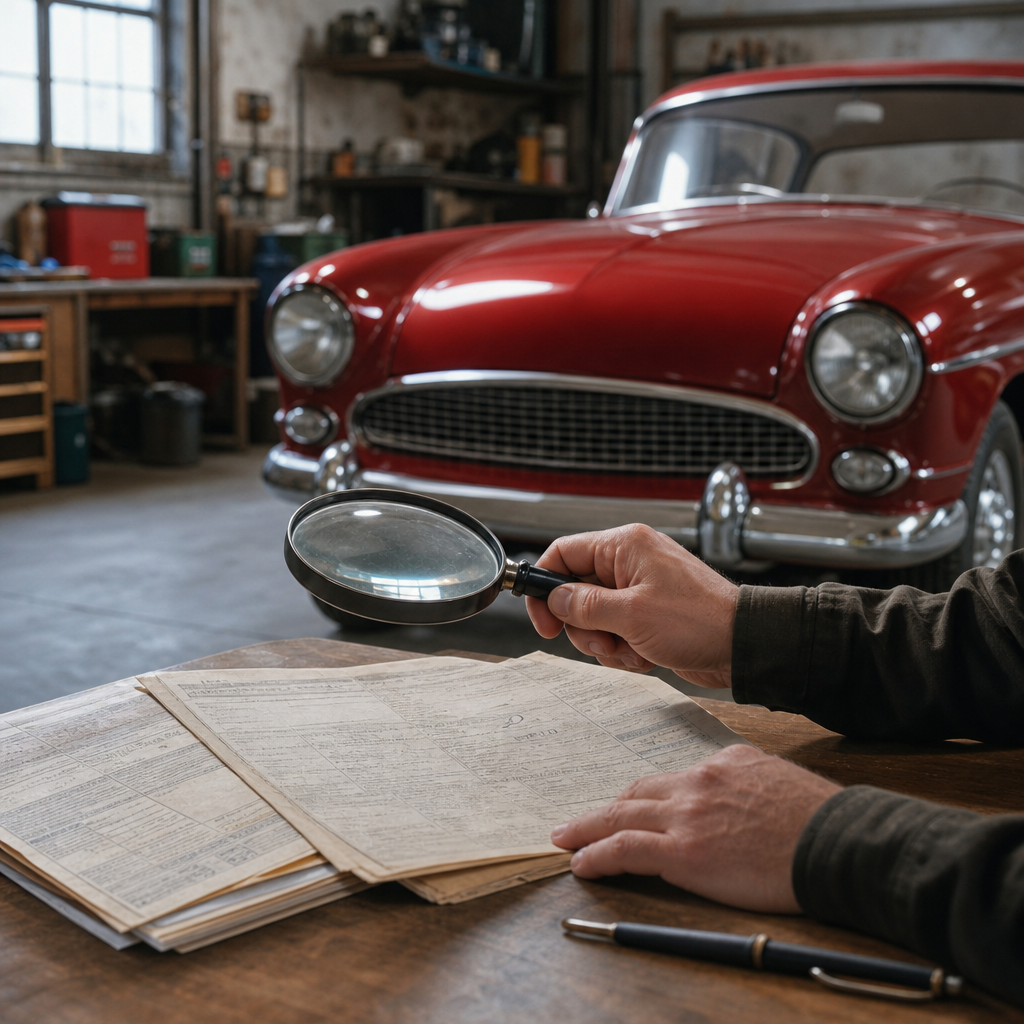
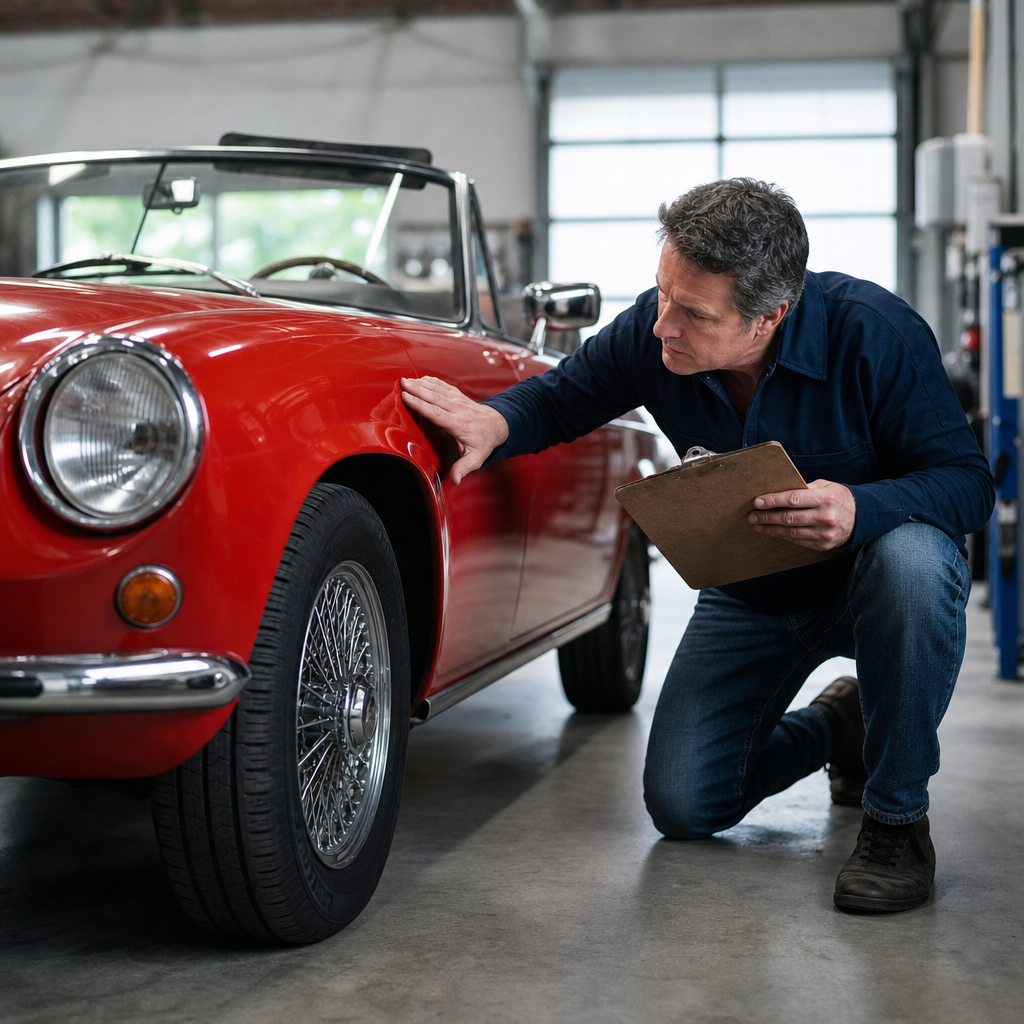
Appraising a classic car means estimating its current market value by weighing authenticity, condition, provenance, rarity, specification, restoration quality, and recent comparable sales. Unlike late-model vehicles, classics do not depreciate in a straight line, and book values alone rarely tell the full story. I have appraised cars for private sellers, insurers, and estate settlements, and the same lesson always applies: price is not value, asking price is not selling price, and emotion can distort both. A proper classic car appraisal creates a defensible number tied to evidence, whether you are buying, selling, financing, insuring, or dividing assets.
Classic car pricing and valuation matter because mistakes are expensive. Overpaying by ten percent on a $90,000 Porsche 911 can erase years of appreciation. Undervaluing a matching-numbers muscle car for insurance can leave an owner short after a total loss. In probate, divorce, or donation cases, the appraisal may need to withstand legal or tax scrutiny. Even for enthusiasts, valuation guides negotiation strategy: it tells you where a car sits in the market, what defects should reduce price, and which features genuinely add premium. The goal is not a magical exact figure. The goal is a supportable value range based on facts, market behavior, and the intended use of the appraisal.
Several key terms shape any classic car appraisal. Market value is what a willing buyer and seller would agree on in an open market. Fair market value is the standard commonly used for tax and estate work. Agreed value is the insured amount negotiated with a specialty insurer. Replacement value estimates what it would cost to source a similar car at retail. Reserve price is the minimum a seller will accept at auction. Matching numbers generally means the original engine, transmission, and major components correspond to factory records. Provenance refers to documented history, ownership chain, competition record, celebrity connection, or original paperwork. Without understanding these terms, owners often compare unlike-for-like listings and arrive at unreliable conclusions.
Start with identity, originality, and documentation
The first step in classic car appraisal is confirming exactly what the car is. Decode the VIN or chassis number, body tag, engine stampings, transmission codes, axle tags, and date codes on major components. For American muscle cars, factory documentation from sources such as Pontiac Historical Services, Marti Auto Works, or GM of Canada can confirm original options and build data. For European classics, a Porsche Certificate of Authenticity, Jaguar Heritage Trust certificate, BMW Group Archive record, or Ferrari Classiche documentation can materially affect value. A 1967 Corvette big-block coupe is valuable; a documented L71 tri-power car with original drivetrain and tank sticker is worth far more.
Documentation has a direct dollar impact because it reduces uncertainty. I regularly see sellers claim a car is “numbers matching” when only the block casting date is close. Serious buyers want evidence: original warranty booklets, Protect-O-Plate, window sticker, build sheet, restoration invoices, service records, ownership history, judging sheets, and photographs from before and during restoration. Provenance is not just a nice story. On limited-production models, strong documentation can separate an average market result from a premium sale. Conversely, gaps in identity, re-stamped numbers, or unclear title history can suppress value even when the car presents well cosmetically.
Judge condition the way the market does
Condition is the largest driver of value after authenticity. Most appraisers use a structured grading system, typically ranging from concours-level examples to cars needing complete restoration. Hagerty, for instance, publishes condition categories from 1 through 4, while many auction houses describe cars as concours, excellent, good, driver, or project. The important point is consistency. Inspect paint quality, panel fit, rust repair, chrome, glass, trim, weatherstripping, upholstery, dashboard, gauges, carpets, headliner, and underbody finish. Mechanical condition matters equally: compression, oil pressure, cold-start behavior, clutch operation, transmission synchros, brake feel, suspension noises, cooling stability, and electrical reliability all influence what a buyer will pay.
Restoration quality must be judged critically, not emotionally. A fresh repaint can hide filler, poor metalwork, or incorrect panel alignment. An engine bay that looks overly glossy may still have incorrect hoses, finishes, hardware, or stampings. On cars where originality matters, over-restoration can reduce value. I have seen buyers discount a meticulously restored Mercedes-Benz Pagoda because modern materials and incorrect fasteners signaled a cosmetic rather than historically faithful job. On the other hand, a tasteful, well-documented mechanical restoration on a driver-grade Alfa Romeo Spider may add more real market value than a show-quality detail because it makes the car usable. The market rewards the type of quality that fits the model’s buyer base.
Use comparable sales, not hopeful listings
The backbone of classic car valuation is comparable sales analysis. A comparable sale is a transaction involving the same or closely similar make, model, year, body style, engine, transmission, and condition, sold recently in a similar venue. Asking prices on classified sites are useful for supply signals but weak evidence of actual value. Closed sales from Bring a Trailer, Cars & Bids, Mecum, Barrett-Jackson, RM Sotheby’s, Bonhams, Broad Arrow, and marque-specific brokers provide better data because they reflect what buyers actually paid. Local market conditions still matter, but national online results now influence pricing for many mainstream classics more than they did a decade ago.
Good comparables require adjustment. A 1970 Chevrolet Chevelle SS 454 LS6 four-speed with documentation is not directly comparable to an automatic car with a replacement block. A 1995 Porsche 911 Carrera coupe with 32,000 miles and paint meter readings in factory range should not be benchmarked against a 110,000-mile example with partial repaint and deferred maintenance. Adjust for mileage, originality, options, color desirability, ownership history, restoration recency, and venue. Auction premiums, transport costs, and regional taxes may also matter depending on the assignment. If you simply average headline prices, you will miss the nuances that explain why one car sold for 25 percent more than another apparently similar example.
| Valuation factor | What to verify | Typical effect on value |
|---|---|---|
| Authenticity | Matching numbers, factory colors, original options | Strong premium on high-end and rare models |
| Condition | Rust, paint, interior, mechanical health, underbody | Largest day-to-day pricing driver |
| Documentation | Build sheets, invoices, ownership chain, awards | Reduces risk and supports premium pricing |
| Rarity | Production totals, low-survival variants, special editions | Premium only if demand exists |
| Provenance | Celebrity ownership, race history, known restorers | Can transform value for select cars |
| Market timing | Recent sale trends, seasonality, economic climate | Can move values noticeably within months |
Understand rarity, desirability, and specification
Rarity alone does not guarantee high value. The market pays for the intersection of rarity and desirability. A low-production trim package with no performance or historical significance may add little. By contrast, a homologation special, limited-run high-performance variant, or culturally iconic specification can command a substantial premium. Think of the difference between a standard BMW E30 325i and an E30 M3, or between a regular air-cooled 911 and a 911 Carrera RS tribute versus a documented genuine RS in markets where one is available. Transmission choice, engine size, body style, and even color combinations affect demand. Manual transmissions often lead in enthusiast sectors, but not universally; some luxury grand tourers trade best in automatic form.
Specification matters because buyers often search for one exact configuration. In muscle cars, factory air conditioning, desirable axle ratios, special-order colors, and performance packages can move prices sharply. In British roadsters, overdrive, wire wheels, and heritage certificates matter. In post-1980 classics, originality of stereo, wheels, and emissions equipment can matter more than owners expect, especially as younger collector segments favor unmodified examples. Limited-slip differentials, sport seats, rare coachbuilt bodies, or one-year-only components may justify an adjustment if buyers consistently pay for them. The key is proving that the market values the specification, not merely assuming every option adds money.
Account for restoration costs, hidden defects, and ownership economics
Many owners anchor value to money spent, but restoration cost and market value are not the same. A $120,000 restoration on a car worth $70,000 does not create a $120,000 asset. Appraisal looks at what the market recognizes, not what the owner invested. This matters most for common classics and emotional projects. Deferred maintenance also changes value quickly. A car can look attractive online yet need tires, fuel system cleaning, suspension bushings, brake hydraulics, and cooling work before it can be driven safely. Buyers discount for those needs because they know specialist labor rates have risen sharply, and parts availability varies widely by marque and era.
Hidden defects deserve disciplined inspection. Rust in frame rails, floor pans, cowl areas, torsion bar mounts, battery boxes, or trailing arm pick-up points can turn a seemingly solid car into a six-figure restoration. On classics with bonded or hand-formed bodies, accident repair quality can be hard to spot without paint meter readings and experienced eyes. Mechanical red flags include smoke on overrun, poor hot idle oil pressure, weak synchros, cooling system pressurization, and electrical modifications done without proper relays or fuse protection. For appraisals tied to a purchase, I strongly recommend a pre-purchase inspection by a marque specialist. The fee is minor compared with the value of finding corrosion, poor repairs, or missing-original components before money changes hands.
Match the appraisal method to the purpose
Not every classic car appraisal uses the same value standard. For a sale, market value supported by recent comparable transactions is usually appropriate. For insurance, an agreed value policy may be best, especially when the car is uncommon or restored beyond guidebook averages. For estate planning, charitable donation, divorce, or bankruptcy, the assignment may require a formal written appraisal with photographs, methodology, limiting conditions, and supporting evidence. In the United States, tax-related appraisals should align with IRS expectations, while lenders and courts may expect a signed report from a qualified appraiser. This is where casual opinions from forums or friends stop being useful.
Timing also matters. Classic car markets are cyclical. Some segments, such as air-cooled Porsches, vintage trucks, or analog performance cars from the 1980s and 1990s, can move quickly when demand shifts. Others trade more slowly and are sensitive to interest rates, demographic demand, and broader economic confidence. Seasonality affects convertibles, auction calendars affect headline prices, and exceptional online listings can temporarily reset expectations. Review more than one source and favor the most recent verified sales. A good appraisal is not static; it is a snapshot of value on a specific date, using evidence available at that time.
To appraise a classic car well, identify the car precisely, verify authenticity, judge condition honestly, study recent comparable sales, and adjust for documentation, specification, and market timing. That process produces a value range you can defend in a negotiation, insurance review, or legal setting. The biggest benefit is clarity: you stop guessing and start making decisions based on evidence. If you are buying or selling, gather records, commission a specialist inspection, and compare your car with recent verified sales before setting a number. A careful appraisal protects your money and leads to better deals in every part of the classic car market.
Frequently Asked Questions
What factors matter most when appraising a classic car?
The most important factors are authenticity, overall condition, provenance, rarity, specification, restoration quality, and current market evidence. In practical terms, that means looking at whether the car still retains its original engine, gearbox, body configuration, trim, colors, and identifying numbers; how solid and correct the body, chassis, paint, interior, and mechanical systems are; and whether the vehicle’s history can be documented through ownership records, service files, build sheets, invoices, photographs, and event history. A car with strong documentation and matching-numbers components will usually command more confidence in the marketplace than one with uncertain history, even if both present well.
Rarity also matters, but only when it is meaningful to buyers. A low-production car with desirable options, a sought-after engine, or an iconic factory specification may deserve a premium, while an unusual but unpopular version may not. Restoration quality is another major value driver. Buyers and insurers look closely at whether work was done to a high standard, whether the car was restored accurately, and whether the finish and mechanical execution are consistent throughout. An expensive restoration does not automatically equal a high appraised value if it was poorly documented, over-restored, or not in line with market preferences.
Above all, an appraisal must be grounded in real market behavior. Asking prices can be inflated, emotional, or simply unrealistic. True value is better supported by recent comparable sales of similar cars in similar condition, adjusted for originality, history, equipment, and venue. That is why a serious appraisal blends physical inspection with documentation review and market comparison rather than relying on a price guide alone.
How is a classic car appraisal different from valuing a modern used car?
A modern used car is usually valued through a more standardized process. Mileage, age, trim level, accident history, and regional market demand often produce a fairly predictable range. Classic cars are different because they do not follow a simple depreciation curve. Two examples of the same year, make, and model can vary dramatically in value based on originality, restoration quality, color combination, ownership history, competition pedigree, factory options, and how the market currently views that particular model.
With classics, book values are only a starting point. A pricing guide may suggest a broad range, but it cannot always capture what sets one car apart from another. A numbers-matching engine, period-correct finishes, documented restoration, or celebrity ownership can materially change value. On the other hand, hidden rust, non-original drivetrains, poor bodywork, or undocumented modifications can reduce value significantly. In other words, the details matter far more, and those details often require hands-on inspection and historical research.
The market itself also behaves differently. Enthusiast demand, auction visibility, generational interest, economic conditions, and collector trends can move classic car values up or down in ways that are not tied to everyday transportation needs. That is why a classic car appraisal is part mechanical assessment, part historical verification, and part market analysis. It is less about what the car once cost and more about what informed buyers are willing to pay for that specific example today.
What documents and evidence should I gather before having a classic car appraised?
The more complete your documentation, the stronger and more credible the appraisal will be. Start with the title, registration, VIN or chassis records, engine and transmission numbers, and any factory documentation available, such as build sheets, heritage certificates, window stickers, or dealer invoices. These help establish identity, originality, and specification. For many collectible cars, verifying that the major components align with factory records can make a meaningful difference in value.
You should also gather service records, restoration invoices, parts receipts, photographs of restoration work, prior appraisals, judging sheets, concours results, ownership history, and any documentation showing notable provenance. If the car has been featured in publications, shown at important events, or owned by a well-known collector, those records are worth including. Restoration photos can be especially useful because they show what was repaired or replaced and can support claims about workmanship that may not be obvious from the finished car alone.
Comparable sales data is helpful too, although it should be used carefully. Auction results, dealer sales, private transactions, and marque-specific market reports can provide context, but they need to be matched as closely as possible to your car’s actual specification and condition. A professionally prepared file with photos, records, and historical evidence not only improves the quality of the appraisal, it also strengthens your position for insurance coverage, estate planning, financing, or eventual sale.
Do modifications and restorations increase or decrease a classic car’s value?
It depends on the car, the quality of the work, and what the market for that model prefers. In many segments of the collector market, originality carries a premium. A classic car with its original drivetrain, factory-correct finishes, correct trim, and documented history is often more desirable than one that has been heavily modified, even if the modifications are expensive. Collectors tend to pay for authenticity because it is harder to recreate and easier to defend in the marketplace.
That said, not all modifications hurt value. Some upgrades improve drivability, safety, or reliability and may appeal to buyers who want to use the car regularly. Period-correct performance upgrades, factory-authorized options, or modifications that can be reversed without damaging originality may have limited negative impact and can sometimes help marketability. The key question is whether the changes align with buyer expectations for that particular model. A restomod may be highly desirable in one segment and heavily discounted in another.
Restoration is similar. A high-quality, accurately documented restoration can substantially support value, especially when the car was tired or incomplete before the work began. But restoration costs do not automatically translate into market value. It is common for owners to spend more restoring a car than the market will pay. Appraisers look at the result, not just the receipts. Quality of bodywork, paint, interior fit, mechanical correctness, parts selection, and documentation all matter. A careful appraisal distinguishes between money spent and value created.
Why is comparing asking prices alone a poor way to appraise a classic car?
Asking prices reflect seller expectations, not proven market value. In the classic car world, those expectations can be influenced by restoration costs, sentimental attachment, internet hype, or selective comparisons to exceptional cars. A seller may advertise a car at a high number and still accept far less, or the car may remain unsold for months because the market does not agree with the price. That is why asking prices can provide context but should never be treated as the final word.
A better appraisal relies on sold comparables whenever possible. That means looking at completed transactions involving similar cars and then adjusting for important differences such as originality, condition level, documentation, options, color, venue, and timing. Auction sales can be useful because they are public, but even those require interpretation. A no-reserve sale, a high-profile event, unusual bidder enthusiasm, or weak catalog descriptions can influence results. Private sales are often more representative, but they are harder to verify and may require industry contacts or specialized databases.
In short, price is not value, and asking price is definitely not selling price. A strong classic car appraisal weighs real transaction evidence alongside the specific strengths and weaknesses of the vehicle being evaluated. That process produces a more defensible number for insurers, buyers, sellers, and estate professionals because it is based on what the market has actually done, not just what someone hopes to get.