Toyota classic cars occupy a unique corner of the collector market because they combine two qualities that rarely stay together for long: long-term mechanical reliability and steadily rising desirability. In the broader world of Japanese classics, Toyota stands out as the brand that turned dependable everyday engineering into future collector value, whether the badge sits on a humble Corolla, a stylish Celica, a rugged Land Cruiser, or a halo model like the 2000GT. For buyers building a garage around Japanese classics, Toyota is often the anchor brand because parts support, owner knowledge, and real-world usability remain stronger here than with many European or American contemporaries.
When people say “classic Toyota,” they usually mean vehicles from the 1960s through the 1990s that represent an important blend of historical significance, analog driving feel, and durable design. Reliability in this context does not mean these cars never fail. It means core systems were engineered with conservative tolerances, straightforward service access, and proven components that can survive decades if maintained. Collectibility, meanwhile, reflects scarcity, originality, motorsport pedigree, cultural influence, and demand from enthusiasts. A classic Toyota becomes especially valuable when both sides meet: a car that enthusiasts want and can still confidently drive, restore, and preserve.
This matters because the Japanese classics segment has moved from niche enthusiasm to mainstream collector recognition. Auction houses now feature 1980s and 1990s Japanese performance cars alongside established European names, and insurance valuations increasingly reflect that shift. I have seen this change firsthand in the way buyers shop: ten years ago many people wanted a weekend novelty; now they ask about documentation, trim correctness, chassis codes, rust patterns, and supply chains for new old stock parts. Toyota rewards that seriousness better than most brands because its classic lineup spans economy, luxury, off-road, and performance categories without abandoning the engineering discipline that built its reputation.
As a hub for Japanese classics, this guide explains which Toyota models matter most, why they have become collectible, what makes them durable, where ownership costs can still surprise you, and how Toyota compares with other Japanese brands in the same era. If you are researching a first classic purchase, planning a restoration, or mapping a broader Japanese classics collection, understanding Toyota gives you the clearest entry point into the category.
Why Toyota Defines the Japanese Classics Landscape
Toyota defines the Japanese classics market because it developed almost every major enthusiast lane at once. It built compact economy cars that became global benchmarks, rear-wheel-drive coupes that matured into tuner icons, sophisticated grand tourers, durable 4x4s, and understated luxury sedans. That breadth matters in a hub article because collectors often enter through one interest and then discover the rest of the ecosystem. Someone who starts with an AE86 Corolla often ends up studying Celicas, Supras, or early Crown models because Toyota engineering language carries across platforms.
Another reason Toyota leads this space is the strength of its model coding, production records, and enthusiast communities. Chassis designations like A40, A60, MA61, J40, or FJ62 are not trivia; they are the vocabulary buyers use to distinguish engines, markets, and trim differences. In practice, knowing the chassis code can protect a buyer from overpaying for a clone, an engine-swapped car, or a market-specific specification mismatch. Toyota’s documentation culture also supports restoration accuracy, which directly influences collectibility.
Toyota helped shape the reputation of Japanese cars as machines that start, run, and survive neglect better than expected. That durability was not accidental. The brand typically favored robust cast-iron engine blocks, conservative state of tune in mainstream trims, accessible service procedures, and interchangeable parts families. In the classic market, those choices mean more cars remained on the road long enough to become collectible, rather than disappearing through terminal mechanical failure.
Core Toyota Classic Cars Every Japanese Classics Buyer Should Know
The 2000GT sits at the top of the Toyota collector pyramid. Produced in very low numbers between 1967 and 1970, it established Japan’s ability to build a world-class sports car. Its Yamaha-developed double-overhead-cam six-cylinder engine, elegant proportions, and Bond-film association make it both historically important and extraordinarily expensive. Most enthusiasts will never own one, but every discussion of Toyota classic cars begins there because it changed global perception of the brand.
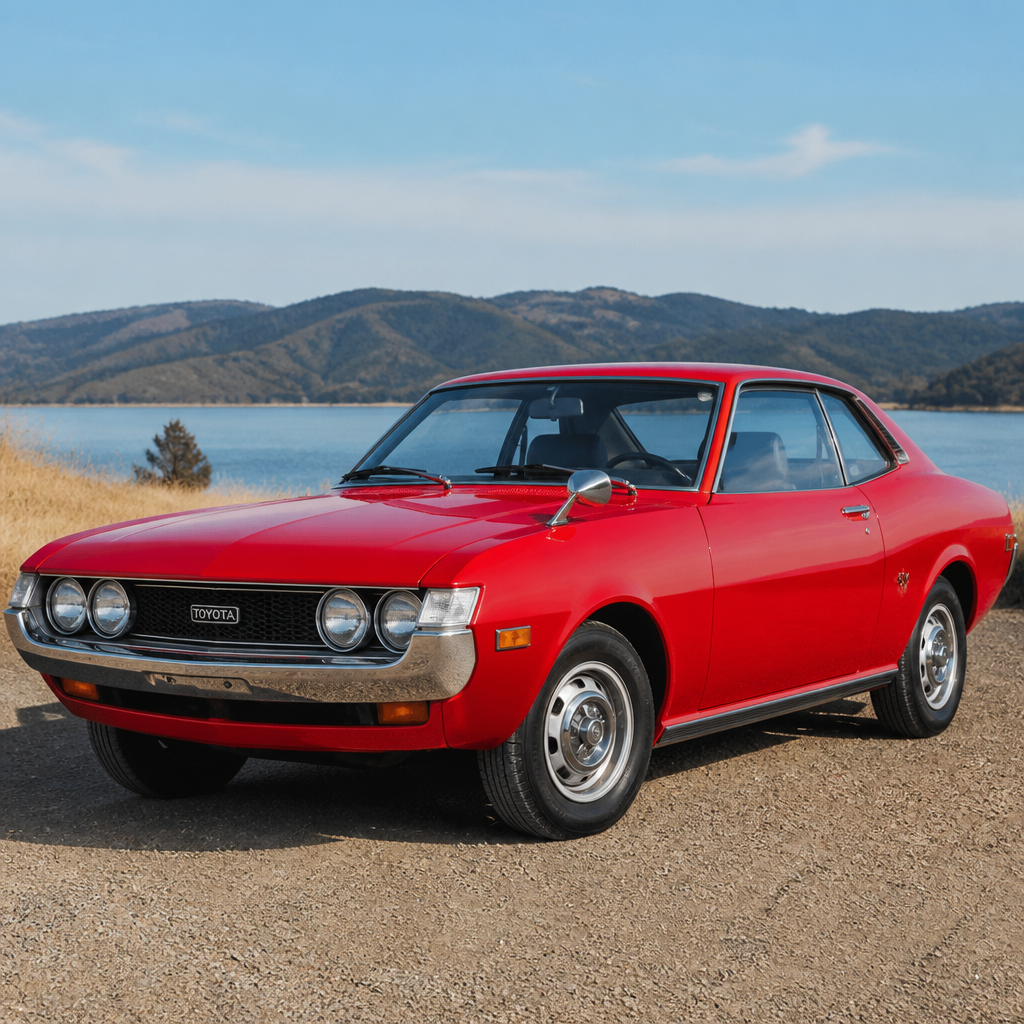
The early Celica is the people’s classic Toyota sports coupe. First introduced in 1970, the Celica gave buyers long-hood styling and engaging rear-wheel-drive dynamics at an attainable price. Variants such as the liftback and GT trims broadened appeal, while later generations tied the name more closely to rally heritage. Clean first- and second-generation Celicas are increasingly desirable because many were modified, rusted, or simply used hard.
The Corolla is equally important, especially the TE27 and AE86 generations. The TE27 delivered light weight and simple, lively performance in the 1970s. The AE86, sold in the 1980s, became a legend through grassroots motorsport, drifting culture, and the high-revving 4A-GE engine. Prices rose sharply as global demand intensified, but the AE86 remains central to Toyota’s collector story because it proves that cultural impact can rival raw rarity.
Then there is the Supra lineage. Early Celica Supra models, especially the A60 and later A70 generations, built Toyota’s performance credibility before the Mk4 reached mythic status. While turbocharged Mk4 examples dominate headlines, earlier Supras can be smarter collector buys because they retain analog character, lower entry prices, and stronger originality rates than heavily modified later cars.
Off-road buyers gravitate toward the Land Cruiser. FJ40s, FJ60s, and FJ62s remain desirable because they pair global expedition credibility with simple mechanicals and unmatched parts support. In many markets, classic Land Cruisers have moved from work vehicles to blue-chip collectibles. Their values reflect not just nostalgia, but a proven record of durability in harsh environments.
What Makes Toyota Classic Cars So Reliable
Toyota classic cars earned their reputation through engineering restraint. The company rarely chased complexity for its own sake in mass-market models. Engines such as the 2T, 18R, 20R, 22R, 2F, and 4A families became respected because they were designed for longevity, not only peak output. Thick castings, forgiving cooling systems, sturdy bottom ends, and manageable compression ratios allowed these engines to tolerate age better than many rivals when maintenance was merely adequate.
Manual transmissions are another strength. Toyota gearboxes from the 1970s through the 1990s are generally precise, durable, and well documented. Differential assemblies, steering components, and brake hardware are also usually straightforward to rebuild. From years of evaluating old Toyotas, I can say their greatest reliability advantage is not indestructibility. It is recoverability. Even after years of poor storage, many Toyota classics return to dependable running with predictable work: fuel system cleaning, rubber replacement, ignition refresh, cooling service, and rust repair where needed.
Electrical systems are often simpler than those found in contemporary luxury cars, which helps. Vacuum routing, carburetor tuning, and emissions equipment can still frustrate inexperienced owners, especially on US-spec cars from the late 1970s and early 1980s, but Toyota generally avoided the kind of overcomplicated packaging that turns routine service into disassembly theater. Reliability also benefits from production volume. Toyota made enough vehicles across related families that enthusiasts can source rebuilt components, reproduction weatherstripping, and donor parts with better success than owners of obscure marques.
Collectibility Drivers: Rarity, Originality, Heritage, and Culture
A Toyota becomes collectible when supply shrinks and significance becomes easier to explain. Rarity alone is not enough. A low-production sedan with no enthusiast base may remain inexpensive, while a widely produced model can become valuable if few unmodified survivors remain. Originality is often the deciding factor. Factory paint codes, matching drivetrains, correct interior trim, market-specific badges, and period wheels matter because they confirm a car’s historical integrity.
Heritage plays a major role. The 2000GT carries national prestige. The Celica draws from coupe design history and rally connections. The Supra traces Toyota’s rise in global performance markets. The AE86 benefits from grassroots motorsport and media exposure. Land Cruisers represent utility, exploration, and international toughness. These narratives create demand because collectors are not only buying machines; they are buying stories with documentation attached.
Market culture also shapes values. Japanese domestic market imports, especially right-hand-drive examples, attract buyers who prioritize authenticity to period Japanese enthusiast culture. Others prefer left-hand-drive domestic-market cars because registration, parts references, and resale can be easier. Both approaches are valid, but they create different value paths.
| Model | Main collector appeal | Reliability strength | Primary ownership risk |
|---|---|---|---|
| Toyota 2000GT | Extreme rarity and historical importance | High build quality | Very high restoration cost |
| Celica RA21/RA28 | Early Japanese coupe style | Simple drivetrains | Rust and trim scarcity |
| Corolla AE86 | Motorsport and cultural icon status | Strong 4A-GE support | Overpricing and heavy modification |
| Supra A60/A70 | Performance heritage with lower entry cost | Robust six-cylinder platforms | Turbo neglect and electronics age |
| Land Cruiser FJ40/FJ60 | Global off-road reputation | Exceptional drivetrain durability | Frame corrosion and rising values |
How Toyota Compares With Other Japanese Classic Brands
Within Japanese classics, Toyota usually offers the best balance between breadth, usability, and support. Nissan competes closely with stronger pure sports-car mythology through the Z and Skyline families, but many Toyota models are easier to source parts for and easier to own without specialist help. Honda excels in engineering sophistication and rev-happy engines, yet older carbureted and front-wheel-drive Hondas can be more sensitive to originality and parts availability. Mazda offers tremendous charm, especially with rotaries, but rotary ownership requires a different maintenance mindset and often a higher tolerance for specialist rebuild costs.
Datsun and Nissan classics may command stronger halo interest in some export markets, especially around the 240Z, Hakosuka, and GT-R lineages. However, Toyota’s strength as a hub brand comes from range. It gives buyers more segments, more price points, and more practical pathways into Japanese classic ownership. That is why a sub-pillar on Japanese classics needs Toyota at its center: the brand connects economy cars, coupes, luxury sedans, and 4x4s better than any peer.
Buying, Restoring, and Preserving a Toyota Classic
The best Toyota classic cars to buy are the most complete ones, not necessarily the cheapest. Rust repair, missing trim, cracked plastics, and incorrect interior pieces can cost more and take longer than rebuilding a durable engine. Always inspect frame rails, floorpans, rocker panels, shock towers, hatch areas, windshield surrounds, and lower fenders. On Land Cruisers, check frame integrity, body mounts, and signs of hard off-road use. On AE86s and Celicas, verify whether the shell began life as the trim level being advertised.
Documentation adds real value. Look for service records, import paperwork, paint-code confirmation, emissions labels, build plates, and original sales literature. For restoration, use factory service manuals wherever possible. Toyota’s manuals are generally excellent, with clear torque specifications and diagnostic flow. Preservation often beats over-restoration. A car with honest paint, tidy mechanicals, and correct finishes can be more desirable than a glossy build assembled from reproduction parts and modern modifications.
Ownership costs remain reasonable on many models, but not all. Consumables for Corollas, Celicas, and some Supras can be manageable. Rare trim, glass, and model-specific hardware can be difficult. The smartest strategy is to buy the most original, rust-free example you can afford, join model-specific clubs, and build relationships with specialist suppliers before a part becomes urgent.
Toyota classic cars matter because they make Japanese classics accessible without making them ordinary. They deliver the analog feel, historical depth, and cultural significance collectors want, while retaining a level of durability that encourages use rather than static display. That combination explains why Toyota remains the default starting point for many enthusiasts entering Japanese classics and a long-term holding choice for experienced collectors.
The key lessons are straightforward. First, not every old Toyota is collectible, but the most important models combine clear heritage with surviving originality. Second, reliability is real, yet age, rust, and neglect still separate good buys from expensive mistakes. Third, Toyota’s greatest advantage is ecosystem strength: parts networks, club knowledge, service documentation, and broad model coverage make ownership easier than many alternatives. For a hub focused on Japanese classics, that ecosystem is exactly what gives Toyota such lasting relevance.
If you want one practical path into this category, start by narrowing your goal. Choose a style of ownership: sporty coupe, lightweight driver’s car, off-road utility, or grand touring performance. Then research the Toyota model that best fits that use case and follow the related articles in this Japanese classics hub to compare generations, common issues, and market trends. A well-bought classic Toyota can still be driven, enjoyed, and preserved with confidence, which is the strongest reason to make it your next collector car.
Frequently Asked Questions
Why are Toyota classic cars considered both reliable and collectible?
Toyota classic cars have earned this reputation because they were engineered with durability in mind from the start, yet many of them also gained strong emotional and historical appeal over time. Unlike some classics that become desirable mainly because they are rare or beautiful, many older Toyotas built their value on a foundation of dependable mechanical design, sensible parts interchangeability, and straightforward maintenance. Models such as the Corolla, Celica, and Land Cruiser were originally bought as usable vehicles, not as fragile weekend toys, and that practical DNA still matters in today’s collector market.
Collectibility enters the picture because these cars now represent key chapters in Toyota’s global rise. Enthusiasts recognize that Toyota helped define the reputation of Japanese cars for quality, longevity, and everyday usability. As a result, surviving examples of important models are increasingly appreciated not just as transportation, but as milestones in automotive history. A first-generation Celica, an early Land Cruiser, or a clean AE86 Corolla carries nostalgia, motorsport heritage, and a reputation for mechanical honesty. That combination is powerful in the collector world.
Another major factor is ownership confidence. Buyers are often more willing to enter the classic market when they believe a vehicle can still be driven and maintained without constant drama. Toyota classics frequently offer that reassurance. While age always brings restoration needs and parts challenges, many older Toyotas remain more approachable than comparable classics from brands known for complexity or inconsistent reliability. In short, Toyota classics appeal to collectors because they deliver something rare: historical significance and enthusiasm value without abandoning the core promise of durability.
Which classic Toyota models are the most desirable for collectors today?
The most desirable classic Toyota models usually fall into a few clear categories: halo cars, sports coupes, enthusiast sedans and hatchbacks, and rugged utility vehicles. At the very top sits the Toyota 2000GT, a true blue-chip collectible that is globally recognized for its rarity, design, and historical importance. It is far beyond the reach of most buyers, but it establishes Toyota’s credibility as a serious collector marque. Beneath that flagship are cars like the early Celica, Supra, and MR2, each of which has developed a strong enthusiast following for different reasons.
The Celica is especially important because it bridges style, affordability, and heritage. Early generations have become increasingly sought after by collectors who want a distinctly Japanese classic with period character and manageable ownership. The Supra, particularly earlier generations and well-kept A80 examples, remains a performance icon with strong market support. The AE86 Corolla is another standout, prized for its lightweight rear-wheel-drive layout, motorsport culture, and deep enthusiast appeal. Even older and less glamorous Corollas are gaining attention because originality and survival rates matter more each year.
Land Cruisers deserve special mention because they occupy a different but equally strong corner of the market. Models such as the FJ40, FJ60, and FJ62 attract collectors who value toughness, off-road heritage, and timeless styling. These vehicles often appeal beyond traditional Toyota fans, which broadens demand. Depending on the buyer’s goals, the “most desirable” Toyota may not be the rarest one, but the model with the strongest balance of condition, originality, usability, and cultural significance. That is why so many different Toyota classics now command serious attention.
Are classic Toyotas a good investment, or should they be bought mainly for enjoyment?
Classic Toyotas can be smart long-term purchases, but they should still be bought primarily with enthusiasm and realistic expectations. The strongest-performing collector cars tend to be the ones with a compelling story, excellent condition, limited production, and broad enthusiast support. Toyota has multiple models that fit that profile, which is why values have risen steadily across everything from vintage Land Cruisers to performance-oriented Corollas, Celicas, and Supras. However, no collector car market moves in a straight line, and not every old Toyota will appreciate meaningfully.
The best way to think about a classic Toyota is as a usable collectible with relatively solid fundamentals. Toyota’s reputation for durability often helps protect demand because buyers are not just paying for nostalgia; they are also paying for the belief that the car can be preserved and enjoyed without extraordinary effort. That said, purchase price is only one part of the equation. Restoration costs, rust repair, paintwork, trim replacement, and sourcing model-specific parts can quickly outpace any short-term gain. A cheaper project car can become more expensive than a well-preserved original example.
From an investment perspective, originality, documentation, and condition matter enormously. Unmodified cars with service history, factory-correct details, and minimal corrosion are usually the safest bets. Desirable specifications and limited-production variants also carry a premium. But the healthiest approach is to buy a Toyota classic you genuinely want to own and drive. If the market strengthens, that is a bonus. If it softens, you still have a car with character, heritage, and practical enjoyment value. In the collector world, that is often a better position than chasing speculation alone.
What should buyers inspect before purchasing a classic Toyota?
Condition should always come before badge, hype, or even model desirability. The first area to inspect is rust, because corrosion is usually the most expensive and difficult problem to correct properly. Check floors, rocker panels, wheel arches, frame sections, suspension mounting points, trunk areas, windshield surrounds, and lower body seams. On trucks and SUVs such as Land Cruisers, frame integrity is critical. Cosmetic rust may be manageable, but structural corrosion can turn an appealing classic into a financially draining restoration.
Mechanical inspection is next, and even Toyota’s reputation for reliability should not encourage complacency. A classic Toyota may have a strong engine design, but age affects seals, fuel systems, cooling components, bushings, wiring, and braking hardware. Look for cold-start behavior, smoke, oil leaks, overheating, transmission operation, differential noise, and evidence of deferred maintenance. Carbureted cars should idle and respond cleanly, while fuel-injected models should show signs of proper upkeep rather than improvised fixes. A compression test and a thorough pre-purchase inspection by a knowledgeable specialist are always wise.
Buyers should also evaluate originality and quality of previous work. Many older Toyotas have been modified, especially enthusiast favorites like the AE86, Supra, and Celica. Modifications are not automatically bad, but poorly executed changes often reduce long-term value and can create reliability problems. Interior trim, badges, factory wheels, glass, and model-specific details can be surprisingly hard to replace, so completeness matters. Finally, review the paperwork. Service records, ownership history, restoration receipts, and matching identification details all add confidence. The best purchase is rarely the cheapest one; it is the example with the fewest hidden compromises.
How can owners preserve the value and reliability of a classic Toyota over time?
Preserving a classic Toyota starts with consistent, preventive care rather than waiting for problems to become major repairs. Regular fluid changes, cooling system service, ignition maintenance, brake inspections, and fuel system upkeep are essential even for cars that are driven infrequently. One of the biggest mistakes owners make is assuming that a reliable brand needs minimal attention. In reality, old rubber, aging electrical connections, stale fuel, and neglected seals can create avoidable failures. Reliability in a classic car is something that must be actively maintained.
Storage and use habits also make a major difference. A dry, covered environment is one of the best protections against rust, interior deterioration, and weather-related damage. If possible, the car should be started and driven often enough to keep systems operating properly rather than left sitting for long periods. Short, infrequent starts are less helpful than full warm-up drives that circulate fluids and charge the battery. Cleanliness matters too, especially on underbodies and in wheel wells where moisture and road grime can accelerate corrosion.
To protect collector value, owners should preserve originality whenever practical. Keep factory parts when making reversible upgrades, avoid unnecessary cosmetic alterations, and document all maintenance and restoration work carefully. Use correct or high-quality replacement components, and choose repairs that respect the car’s long-term character rather than chasing quick fixes. If restoration is necessary, focus on doing it properly instead of doing it cheaply. The Toyota classics that hold value best are usually the ones that remain honest, complete, well-documented, and mechanically sorted. That combination supports both dependable ownership and lasting desirability.