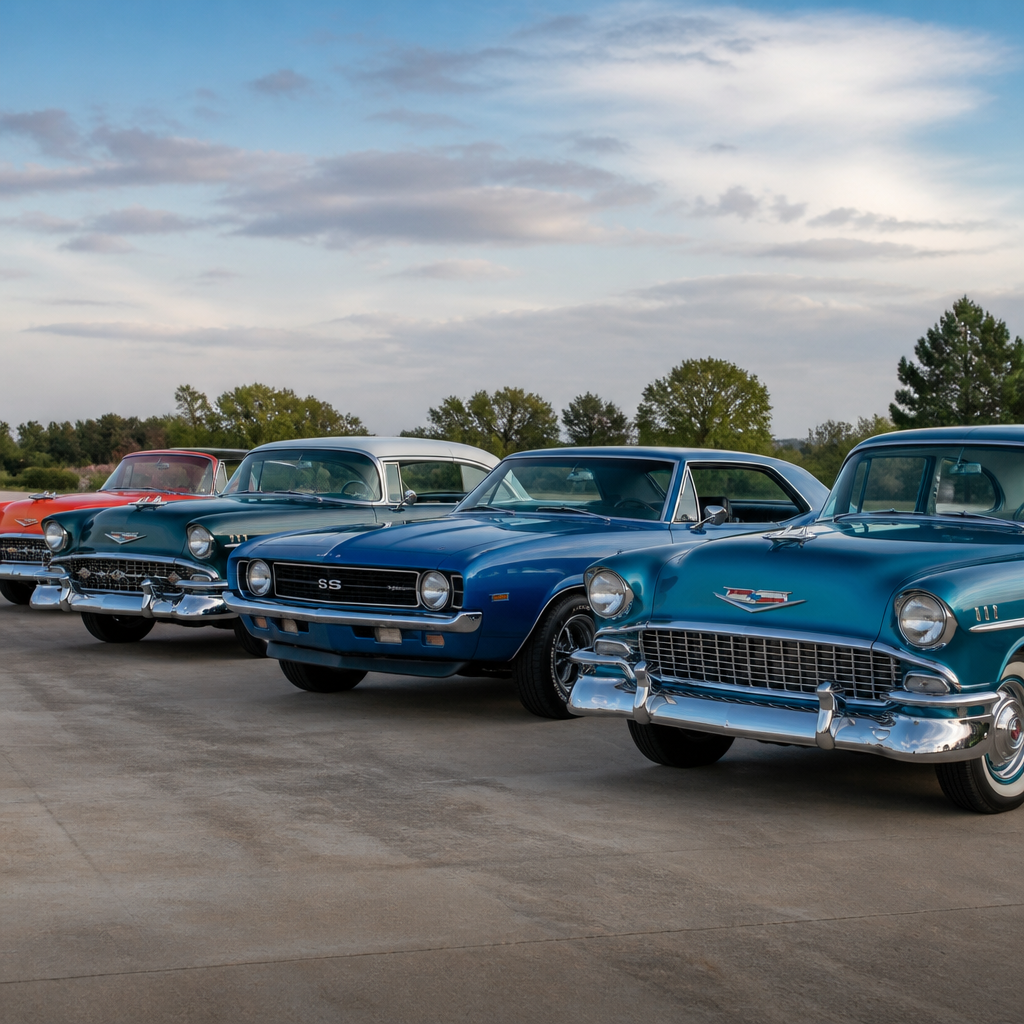
Best affordable American classic cars for beginners combine simple mechanics, strong parts support, and manageable purchase prices, making them the smartest entry point into vintage car ownership. In this guide, American classics means U.S.-built cars generally from the 1950s through the 1980s that deliver recognizable styling, enthusiast appeal, and enough aftermarket availability to keep repairs realistic for a first-time owner. Affordable does not mean cheap to buy and ignore; it means the total cost of acquisition, maintenance, storage, insurance, and restoration stays within reason for someone learning the hobby. Beginners need cars that start a conversation without starting a financial crisis, and that distinction matters more than badge prestige.
I have spent years around entry-level classics at auctions, local meets, and project garages, and the same pattern repeats: newcomers often chase the most famous muscle car they can name, then discover that rarity, parts scarcity, and hidden rust turn the dream into a stalled project. The better path is to buy a model with broad community support, straightforward drivetrains, and values that leave room for inevitable repairs. A beginner-friendly American classic should offer decent documentation, available reproduction trim, and engines that any competent old-school mechanic can diagnose with basic tools. It should also have a clear market, so you know whether you are paying fair money or funding somebody else’s unfinished restoration. As a hub for the American classics category, this article covers the core buying principles, the best starter models, and the tradeoffs that matter before you narrow into specific brands, body styles, or eras.
What makes an American classic affordable and beginner-friendly
An affordable beginner classic has four traits: large production numbers, strong aftermarket support, simple mechanical systems, and predictable ownership costs. High production matters because common cars usually have better parts availability, more salvage interchange, and broader knowledge in owner forums and club archives. Simplicity matters because carbureted small-block V8s, inline-sixes, body-on-frame construction, and three-speed automatics are easier to inspect and repair than low-volume specialty drivetrains or early electronic systems with model-specific failure points. Predictable costs matter because tires, brakes, fuel lines, weatherstripping, and suspension bushings add up quickly even on a running car. If the car is common enough that several suppliers stock these items, your ownership experience improves immediately.
Condition always matters more than trim level. A plain coupe with solid floors, complete trim, and a healthy engine is usually a better beginner purchase than a more desirable performance variant with rust, missing paperwork, and half-finished modifications. Rust repair is where budgets collapse. Replacing quarter panels, trunk floors, cowl sections, or frame rails can cost far more than rebuilding a common small-block V8. That is why experienced buyers inspect lower fenders, rocker panels, trunk drop-offs, windshield channels, and suspension pickup points before admiring paint or chrome. For beginners, originality is helpful but not sacred. A car with sensible upgrades such as front disc brakes, electronic ignition, or radial tires can be safer and easier to live with than a strict factory-spec example, provided the work is documented and competently done.
Best affordable American classic cars for beginners by model
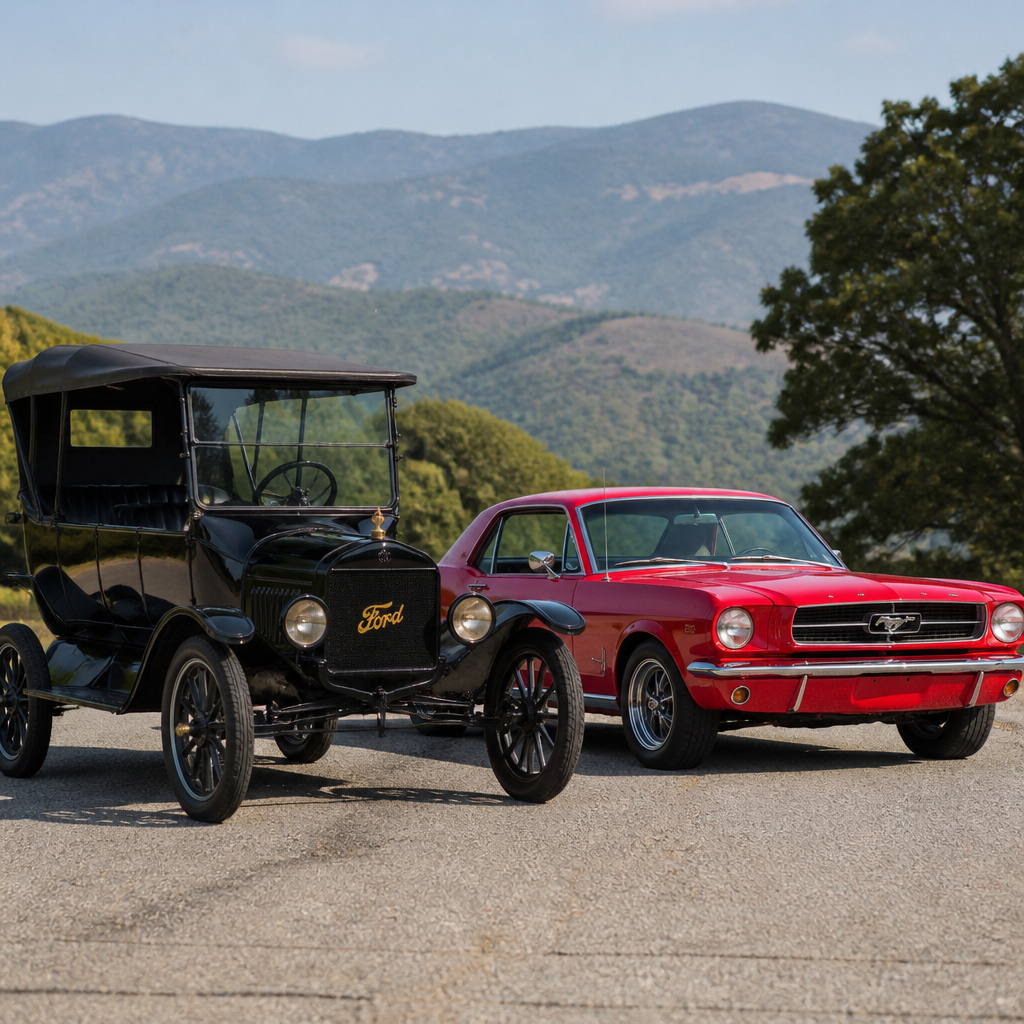
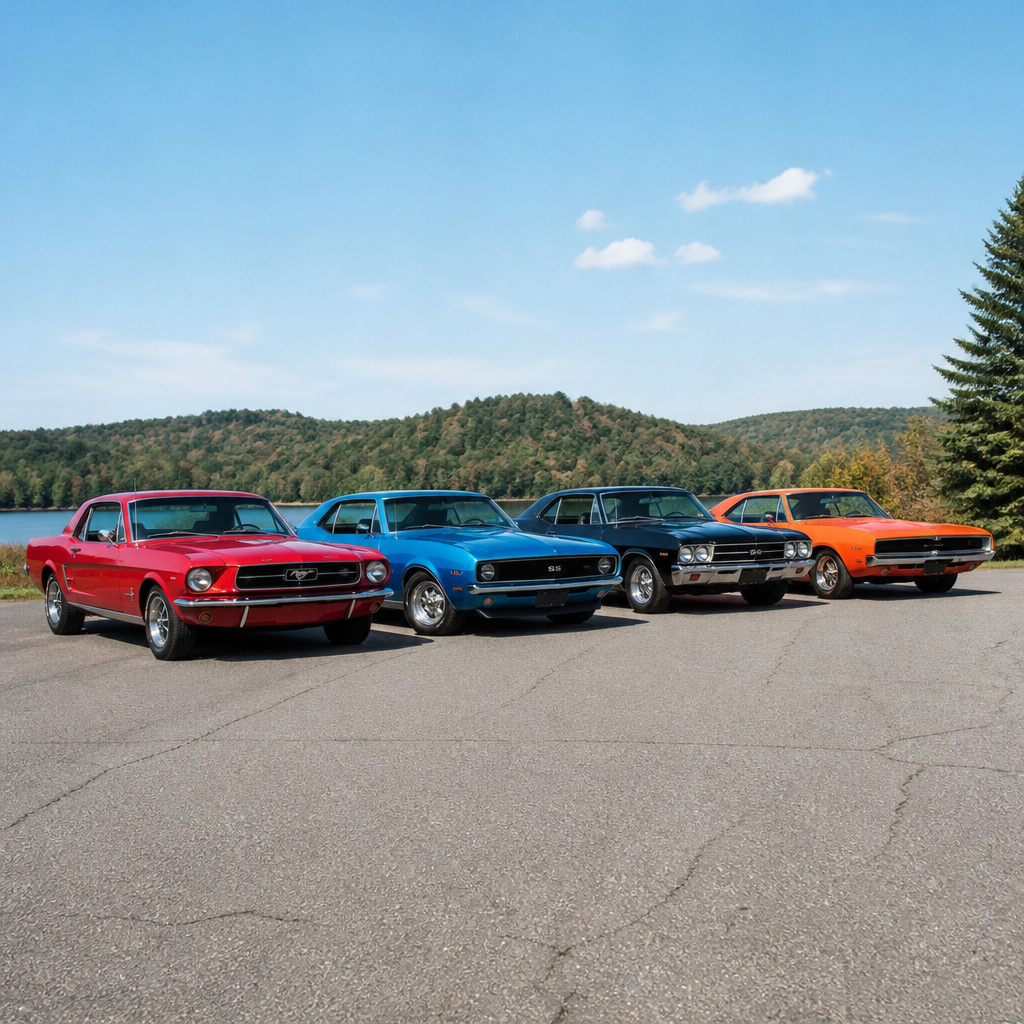
The 1964 to 1973 Ford Mustang remains one of the best first classics because parts are everywhere, trim interchange is well documented, and almost every repair has been solved by thousands of owners before you. Six-cylinder cars and small-block V8 coupes are usually far less expensive than fastbacks or big-block variants, yet they still deliver the styling and driving feel people expect from a classic Mustang. For a beginner, a 1965 or 1966 coupe with a 289 and automatic transmission often makes more sense than a higher-priced performance model. Reproduction body panels, interiors, suspension kits, and wiring harnesses are widely sold by major suppliers, which keeps small problems from becoming long downtimes.
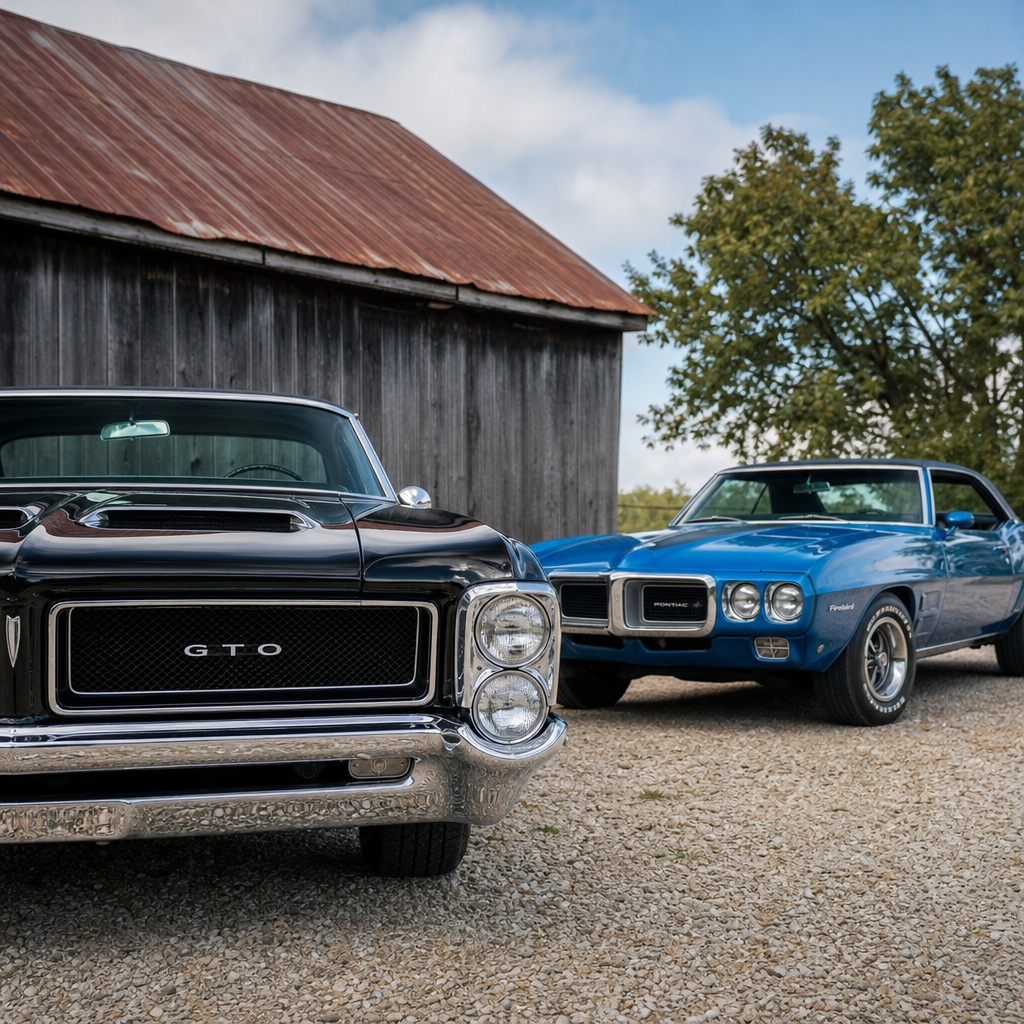
The Chevrolet Nova, especially 1968 to 1974 models, is another smart choice. Novas are compact, mechanically simple, and supported by a huge small-block Chevrolet ecosystem. A base V8 or even a six-cylinder car can be upgraded gradually without cutting the car apart. The same is true for the Chevrolet Camaro and Pontiac Firebird from the late 1960s and 1970s, though those two usually cost more at entry level because demand is stronger. If budget is tight, the Nova often gives you the same drivetrain simplicity for less money. The Chevrolet El Camino and GMC Caballero deserve mention too, especially for buyers who want utility and car-like mechanicals in one package.
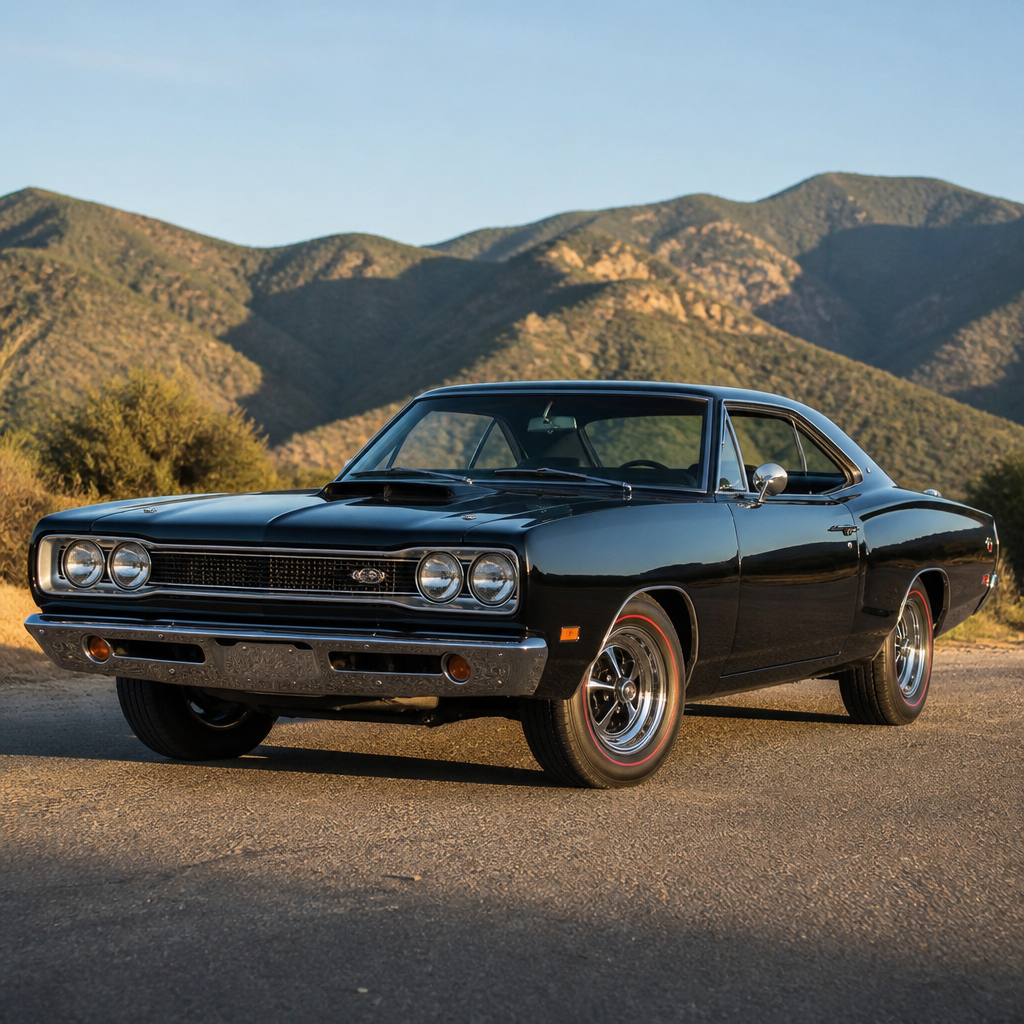
Mopar choices can be excellent, but beginners need to shop carefully because many Dodge and Plymouth muscle-era icons now carry premium pricing. More attainable options include the Dodge Dart, Plymouth Duster, Plymouth Valiant, and Dodge Aspen or Plymouth Volaré in the right condition. Slant Six cars are especially approachable because the Chrysler Slant Six earned a reputation for durability and straightforward service. Small-block 318-powered cars are also practical starter classics. They may not command the attention of a ’Cuda or Challenger R/T, but they teach the same fundamentals of carburetors, drum brakes, leaf springs, and vintage electrical systems at lower risk.
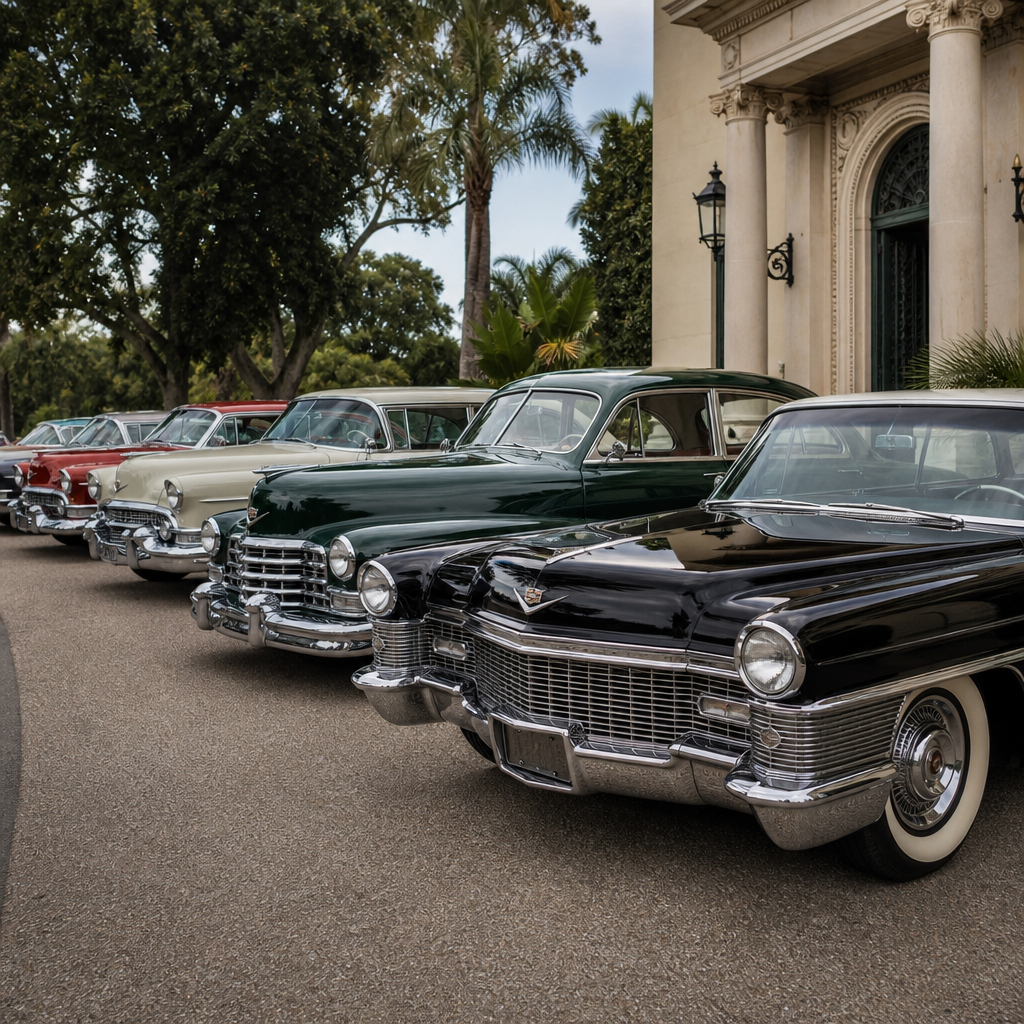
GM intermediates and full-size cars can be overlooked bargains. A Chevrolet Malibu, Pontiac LeMans, Oldsmobile Cutlass Supreme, or Buick Skylark from the 1970s often costs less than the headline performance badges while sharing many serviceable components. Full-size sedans and coupes such as the Chevrolet Impala, Ford LTD, and Mercury Marquis offer comfortable cruising, robust drivetrains, and lower buy-in than sportier nameplates. The tradeoff is storage space and fuel economy, but for beginners who prioritize easy cruising over resale speculation, these cars can be ideal. The same logic applies to 1978 to 1987 GM G-body cars, including the Chevrolet Monte Carlo, Oldsmobile Cutlass, Buick Regal, and Pontiac Grand Prix. These models remain popular because they are simple, parts are abundant, and communities are active.
| Model | Typical beginner appeal | Main advantage | Watch for |
|---|---|---|---|
| 1964–1973 Ford Mustang coupe | Iconic styling with huge support | Excellent reproduction parts availability | Cowl rust, poor past restorations |
| 1968–1974 Chevrolet Nova | Simple compact platform | Affordable access to small-block Chevy parts | Rust in quarters, altered wiring |
| 1967–1976 Dodge Dart/Plymouth Valiant | Durable basic transportation turned classic | Reliable Slant Six and 318 options | Trim scarcity on some versions |
| 1978–1987 GM G-body | Strong club support and easy drivability | Cheap mechanical parts and easy swaps | T-top leaks, frame and floor corrosion |
| 1965–1979 Chevrolet Impala/Ford LTD | Comfortable cruiser value | Lower purchase prices than muscle cars | Large size, fuel consumption |
How to choose between muscle cars, cruisers, and compact classics
Beginners usually imagine a V8 muscle car, but the best first purchase depends on intended use. If you want weekend meets, occasional shows, and broad resale interest, compact pony cars like the Mustang or Camaro make sense, though you will pay a premium for popularity. If you want reliable Sunday cruising and lower entry cost, a full-size sedan or personal luxury coupe often offers better value. If you want to learn maintenance without owning a large car, compact platforms like the Nova, Dart, Duster, or Maverick are easier to store and often cheaper to fix. These categories matter because ownership costs follow usage patterns. A car that sits for months still needs battery maintenance, fuel stabilization, and protection from moisture.
Transmission and engine choices also affect the learning curve. Automatic transmissions such as the Ford C4, GM TH350, and Chrysler Torqueflite are forgiving, durable, and well understood. Manual transmissions can be rewarding, but clutch hydraulics, linkage wear, and driver error create extra variables for new owners. Engines with strong support networks are preferable: Ford small-blocks like the 289 and 302, Chevrolet small-blocks like the 283, 305, and 350, and Mopar’s 318 and Slant Six all meet that test. Big-block cars sound exciting, but higher heat, fuel use, and tighter engine bays can make them less friendly to beginners. In practice, a mild small-block car gets driven more, and a car that gets driven regularly tends to remain healthier.
What to inspect before buying an affordable American classic
The first inspection rule is simple: verify structure before cosmetics. Bring a flashlight, magnet, paper towels, and if possible a borescope and paint-thickness gauge. Check floor pans from underneath, inspect frame rails and suspension mounts, and look for bubbling around vinyl tops, rear glass, and wheel arches. Fresh undercoating can hide terrible metal. Open the trunk and inspect seams, drop-offs, and spare tire wells. Pull carpets where the seller allows it. Rust near windshield or rear window channels often means water intrusion into floors and package trays. On body-on-frame cars, make sure the body mounts are sound and that doors close evenly. Uneven gaps can indicate collision damage or structural sag.
Mechanically, look for cold-start behavior, oil pressure, charging voltage, brake pedal feel, transmission engagement, and cooling system stability. Blue exhaust smoke suggests oil burning; white sweet-smelling smoke after warm-up can indicate coolant issues. A rough idle may be nothing more than carburetor tuning, but mixed vacuum leaks and brittle ignition parts can take time to sort. Inspect fuel hoses, steel lines, and the condition of the wiring harness, especially around the firewall and under the dash. Amateur electrical work is one of the most frustrating beginner problems because poor crimp connectors and undocumented accessory wiring create intermittent faults. Matching VIN tags, data plates, and title information are equally important. Documentation does not make a bad car good, but a title problem can make a good car impossible to register.
Budgeting, ownership costs, and the smartest first upgrades
Set your budget in three parts: purchase price, immediate safety work, and a contingency fund. In my experience, even solid driver-quality cars often need $1,500 to $5,000 soon after purchase for tires, brakes, belts, hoses, fluids, shocks, and deferred maintenance. Insurance through agreed-value classic policies can be affordable, but mileage limits and storage requirements vary by carrier. Fuel cost is not trivial either. Carbureted classics usually get worse mileage than modern cars, and ethanol-blended fuel can accelerate issues with old rubber components if the system has not been updated. Storage matters as much as mileage. A dry garage preserves chrome, interiors, seals, and wiring in ways outdoor parking never will.
The smartest upgrades for a beginner improve safety and reliability without erasing character. Front disc brake conversions on cars that originally used four-wheel drums can shorten stopping distances and simplify parts sourcing. Electronic ignition modules, when installed cleanly, reduce points maintenance and improve starting consistency. Aluminum radiators and shrouded electric fans can help in traffic, but cooling problems are often caused by timing, mixture, fan clutch issues, or clogged original radiators, so diagnose before modifying. Seat belts, modern tires in correct sizes, and fresh fuel and brake lines are nonnegotiable. Keep every original part you remove. That habit protects future resale and helps you reverse changes if a later owner prefers factory specification.
Where beginners should shop and how this hub helps your next step
The best places to find affordable American classic cars for beginners are local classifieds, marque forums, estate sales, regional auctions, and enthusiast Facebook groups with strong moderation. Local buying reduces transport surprises because you can inspect the car in person and often speak directly with the owner who maintained it. Auctions can work, but beginners should treat them as market research unless they know how to read condition quickly. Price guides from Hagerty and recent sales on Bring a Trailer or Mecum provide useful context, but comps only matter when condition, drivetrain, body style, and documentation truly match. Overpaying for the wrong car is the easiest mistake to make when emotion outruns inspection discipline.
As a hub under classic car models and brands, this American classics guide should help you choose the right branch to explore next: Ford pony cars, GM A-bodies and G-bodies, Mopar compacts, full-size cruisers, or beginner project cars by budget. The main takeaway is direct: buy the most complete, rust-free, mechanically honest car you can afford, not the rarest badge you can stretch to own. Beginner success in the classic hobby comes from driving, learning, and maintaining momentum, not from chasing perfect originality on day one. Start with a supported platform, inspect carefully, reserve cash for safety work, and join an owner community early. Do that, and your first American classic is far more likely to become a lasting hobby instead of an expensive lesson.
Frequently Asked Questions
What makes an American classic car a good choice for a beginner?
A good beginner-friendly American classic usually checks a few important boxes: simple mechanical design, wide parts availability, strong community support, and a purchase price that leaves room in the budget for repairs. For most first-time owners, the ideal car is not the rarest, fastest, or most collectible model. It is the one you can understand, maintain, and realistically afford to keep on the road. Many U.S.-built classics from the 1950s through the 1980s are appealing because they were produced in large numbers, use straightforward body-on-frame or simple unibody construction, and often came with durable engines and transmissions that are still well supported today.
Beginner buyers should also think beyond styling and nostalgia. A car can look affordable at the time of purchase but become overwhelming if trim pieces are impossible to find, rust repair is extensive, or the drivetrain has been heavily modified. That is why many experienced enthusiasts recommend popular platforms such as six-cylinder or small-block V8 coupes, sedans, and intermediates over highly optioned performance cars. The best starter classic is one that starts easily, stops safely, has accessible replacement parts, and gives you room to learn basic maintenance without requiring specialist-level restoration skills. In practical terms, affordability means the total ownership experience is manageable, not just the initial sale price.
Which affordable American classic cars are usually the safest bets for first-time buyers?
For most beginners, the safest bets are mainstream models with big production numbers and deep aftermarket support. Cars like the 1964–1973 Ford Mustang, 1967–1981 Chevrolet Camaro, 1968–1979 Chevrolet Nova, 1973–1987 Chevrolet C10 pickup, 1968–1972 Chevrolet Chevelle in non-SS trims, and many 1970s full-size or intermediate American coupes and sedans are often strong entry points. Certain Mopar A-body cars, Fox-body Mustangs from 1979–1993, and later square-body GM trucks are also commonly recommended because parts are available, mechanical layouts are familiar, and there is a huge knowledge base from owners, forums, and restoration suppliers.
What makes these cars attractive for beginners is not just the name recognition. It is the fact that you can still buy wear items, suspension components, brake parts, weatherstripping, and reproduction interior pieces without hunting for months. Many of these vehicles also have plenty of room under the hood, making maintenance easier than on more complex modern cars. If you are shopping with value and simplicity in mind, base or modestly optioned versions are often smarter than big-block or special-edition cars. A six-cylinder Mustang, a small-block Nova, or a driver-grade C10 can deliver the classic American experience without the premium pricing attached to top-tier collector variants. In general, the more common the platform, the easier and cheaper it tends to be to own.
How much should a beginner budget when buying an affordable American classic car?
A realistic budget should include much more than the purchase price. Beginners often focus on the asking number and forget the first-year ownership costs that arrive almost immediately. A smart approach is to divide the budget into three parts: the car itself, immediate repairs and safety work, and a reserve fund for surprises. If, for example, your total budget is limited, it is often better to buy a solid, running, driver-grade car at a moderate price and keep money aside for tires, fluids, belts, hoses, brakes, ignition components, and minor electrical fixes than to spend everything on a flashier car that needs hidden work.
Many first-time classic owners underestimate the cost of deferred maintenance. Even a car that looks clean and runs well may need fuel system attention, cooling system service, suspension bushings, battery cables, or carburetor tuning. Insurance, registration, transport, storage, and tools also matter. If rust repair is involved, costs can rise quickly, especially if floor pans, trunk pans, frame sections, or quarter panels are affected. That is why “affordable” should mean a car you can buy and stabilize without financial stress. As a rule, leave enough room in your budget to make the car safe and reliable before worrying about cosmetic upgrades. The beginner’s goal should be dependable enjoyment, not an immediate show-car restoration.
What problems should beginners watch for before buying a classic American car?
Rust is usually the biggest concern, and in many cases it matters more than paint, upholstery, or even engine condition. Surface rust can be manageable, but structural corrosion in the floors, frame rails, rocker panels, trunk, cowl, lower fenders, or suspension mounting points can turn an affordable purchase into an expensive project. Always inspect the underside carefully, look for signs of patchwork, uneven seams, bubbling paint, fresh undercoating used to hide damage, and water leaks around glass or weatherstripping. A magnet, flashlight, and inspection mirror can be surprisingly useful tools when checking for filler and hidden corrosion.
Mechanical issues are important too, but they are often easier to fix than body problems. Listen for valvetrain noise, smoke, overheating, transmission slipping, rear axle whine, brake pull, and steering looseness. Check whether the wiring has been hacked, whether gauges work, and whether the charging system operates properly. On modified cars, ask who did the work and whether receipts are available. Poorly installed engine swaps, aftermarket ignition systems, or suspension changes can create frustrating reliability issues for a beginner. It is also wise to verify VIN tags, title status, and matching paperwork. If possible, bring along a knowledgeable friend or pay for a pre-purchase inspection from someone familiar with vintage American cars. Spending a little upfront can save a great deal later.
Is it better for a beginner to buy a restored car, a driver-quality car, or a project?
For most beginners, a driver-quality car is the best balance of affordability, usability, and learning opportunity. A fully restored car can be wonderful, but it often costs significantly more, and first-time owners may feel reluctant to drive it, work on it, or make small mistakes while learning. At the other end of the spectrum, a project car may seem cheaper at first, but full restorations almost always take longer, cost more, and require more skill than expected. Unless you already have tools, space, time, and confidence, a non-running or heavily disassembled project can quickly become overwhelming.
A driver-quality classic gives you something you can enjoy immediately while improving it gradually. That is the sweet spot for many new enthusiasts. The paint may not be perfect, the interior may show age, and the engine bay may need tidying, but if the car is structurally sound, mechanically healthy, and safe to operate, it offers the best entry into vintage ownership. You can learn routine maintenance, build familiarity with older systems, and decide over time which upgrades matter most to you. In many cases, the smartest beginner purchase is a well-sorted, honest car with flaws you can live with rather than an ambitious restoration dream. Running and usable almost always beats incomplete and uncertain for a first classic.