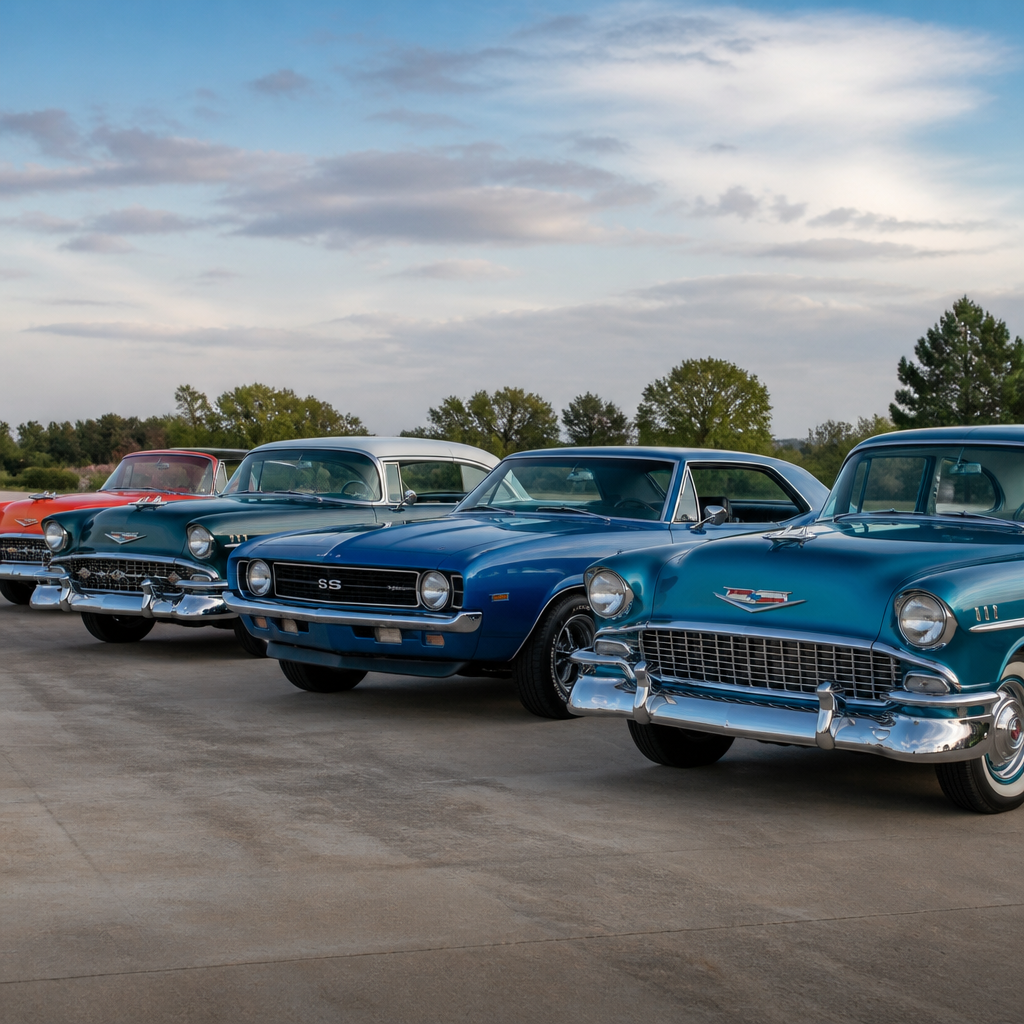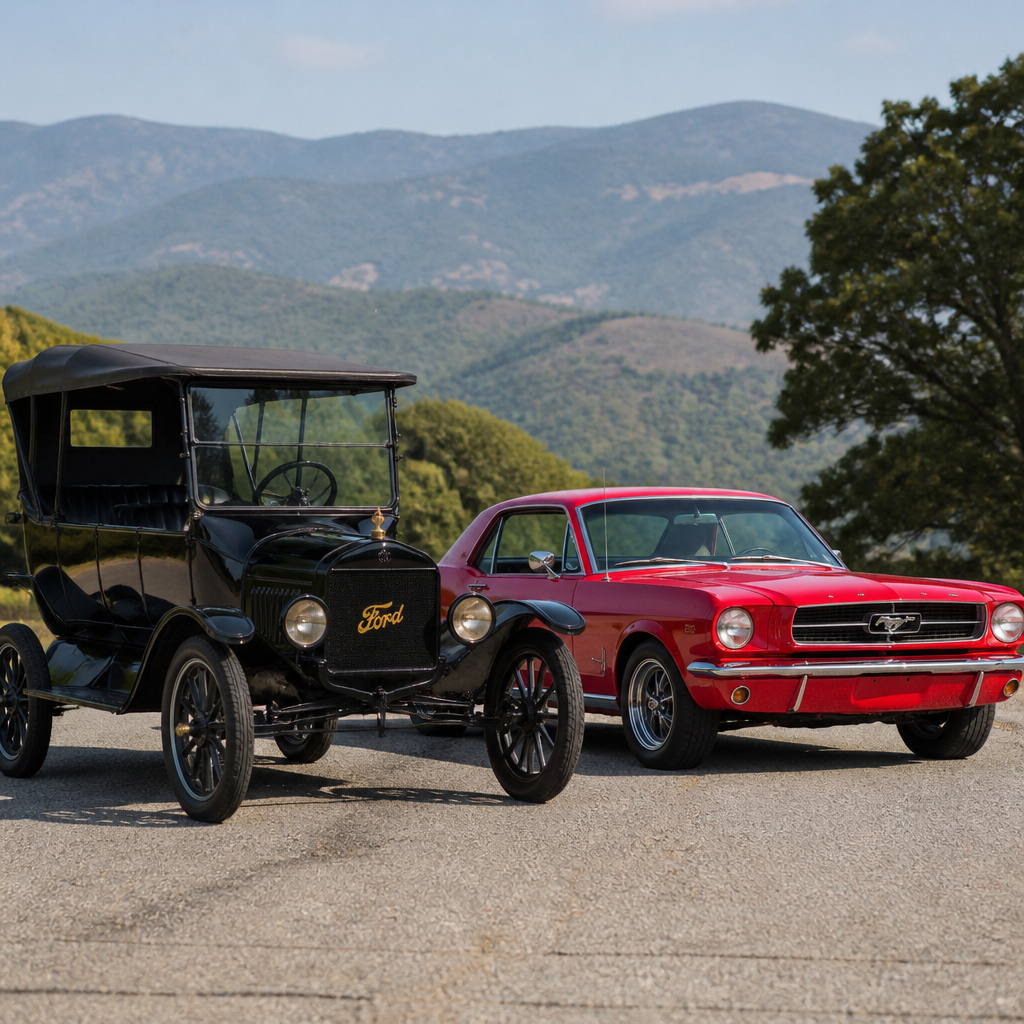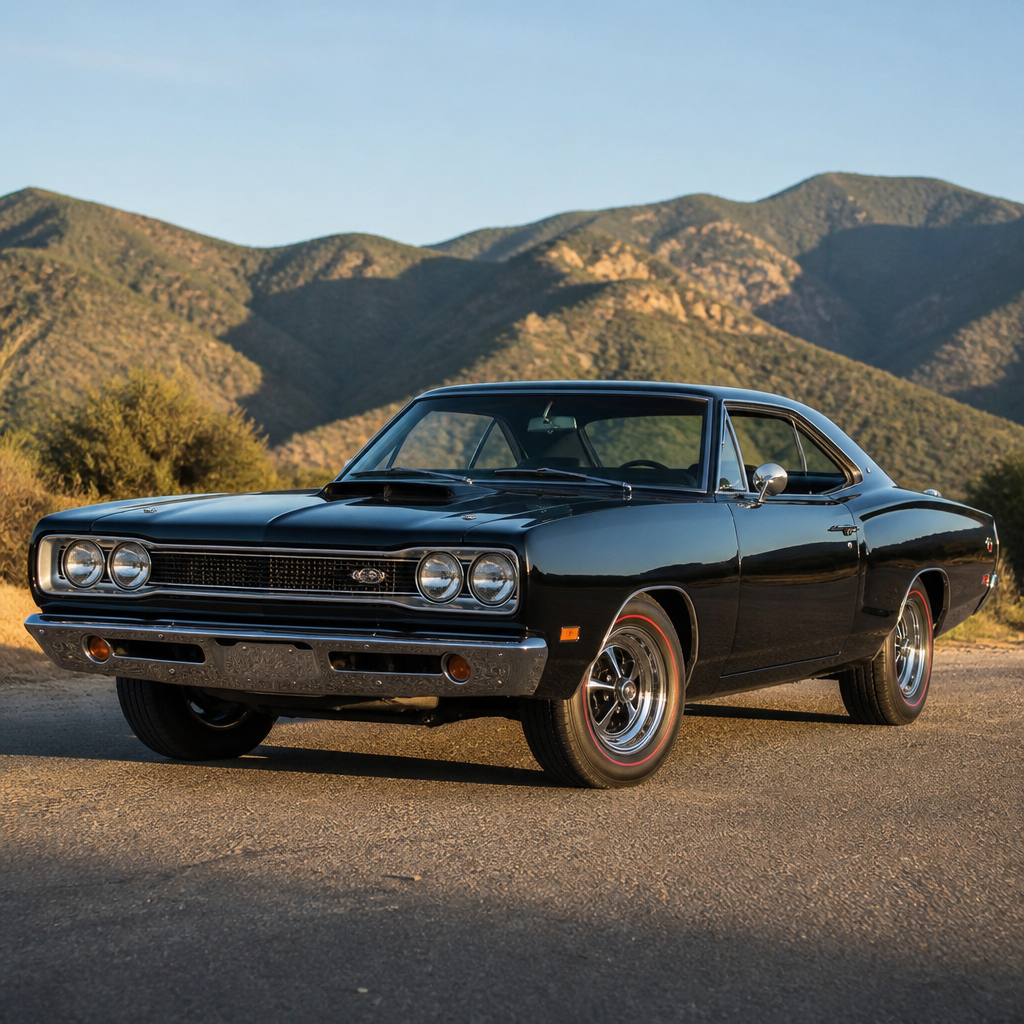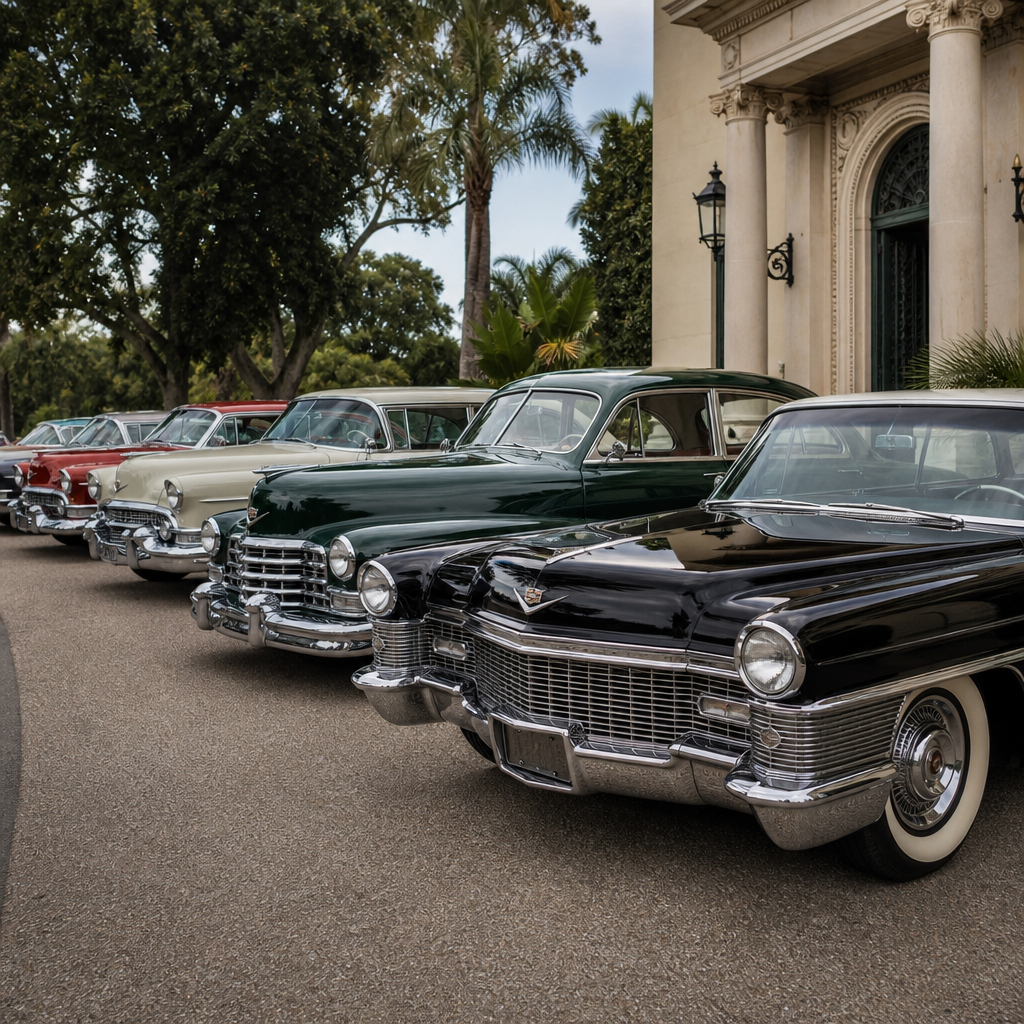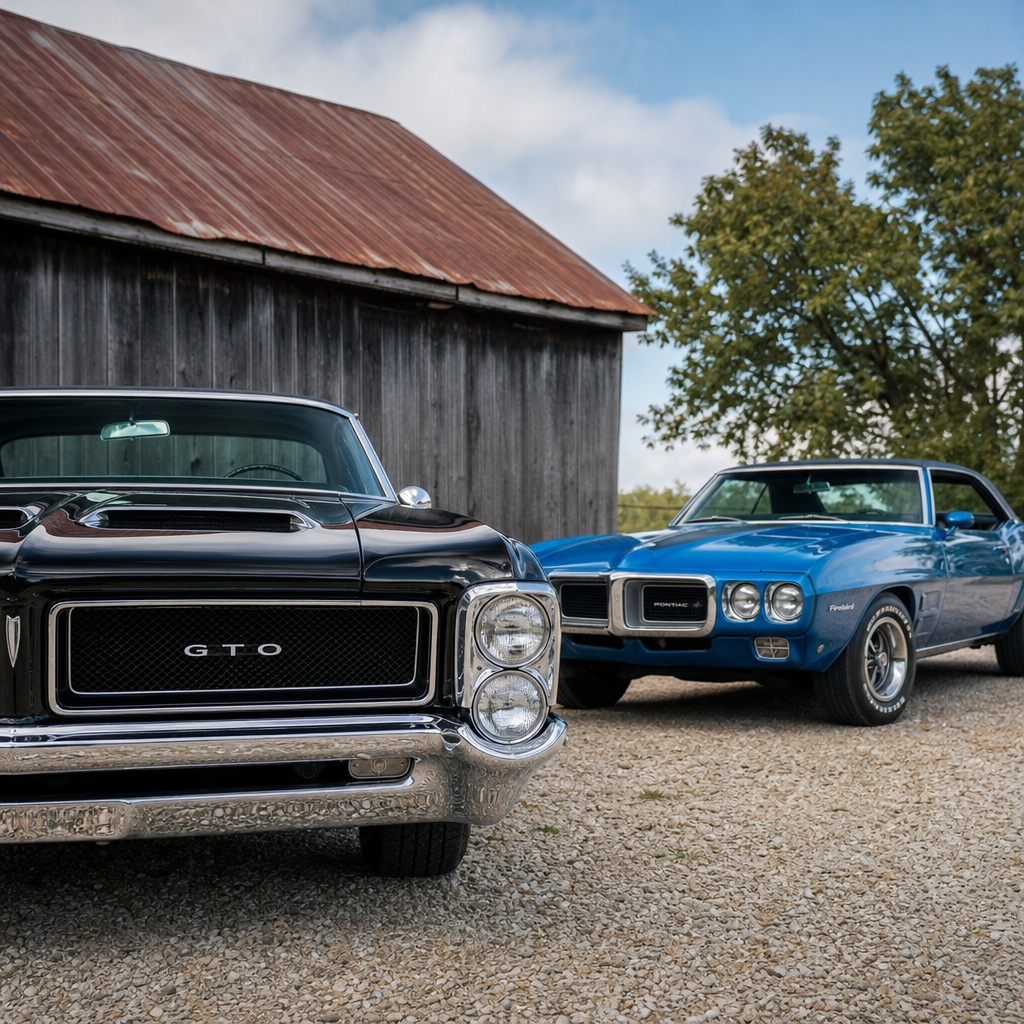
Rare American muscle cars are often overshadowed by household names like the GTO, Charger, and Chevelle, yet the real depth of American classics lives in low-production machines, regional specials, and short-lived performance experiments that even experienced enthusiasts sometimes miss. In this context, a muscle car generally means a mid-size or compact American car fitted with a large-displacement engine and marketed for straight-line performance, while American classics is the broader umbrella covering the brands, design eras, engineering trends, and collector culture that shaped the domestic market from the 1950s through the early 1970s. I have spent years around auctions, marque registries, restoration shops, and factory documentation, and one lesson always stands out: rarity alone does not make a car important. What matters is the combination of production numbers, engineering significance, historical timing, and the way a model captures a turning point for a brand. That is exactly why rare American muscle cars deserve a dedicated hub within any serious guide to classic car models and brands.
These overlooked cars matter because they reveal how fiercely American automakers competed during the horsepower race. They also show how insurance pressure, emissions rules, dealer creativity, and homologation ambitions shaped what reached showrooms. Some were built in tiny numbers because buyers did not understand them at the time. Others were expensive, poorly promoted, or released at the exact moment market conditions turned against high-performance cars. Today, those same factors make them valuable reference points for collectors and historians. Studying them helps readers understand the broader American classics landscape: how Pontiac challenged Chevrolet, how Ford used specialty divisions to build halo cars, how AMC punched above its weight, and how independent performance shops worked around factory limitations. This hub article introduces the rare muscle cars you may never have heard of, explains why each one matters, and provides context that connects obscure badges to the larger story of American performance.
What makes a muscle car rare and truly worth knowing
A rare muscle car is not simply a car with low surviving numbers. In the collector market, rarity can result from low original production, limited engine combinations, special-order equipment, factory-backed conversions, regional dealer programs, or one-year-only engineering packages. The most credible way to evaluate rarity is to pair production records with documentation from marque experts, registries, build sheets, fender tags, and period road tests. A 7,000-unit performance model can be more historically significant than a 500-unit trim-package special if it introduced an engine, transmission, aerodynamic concept, or competition strategy that influenced later cars.
In practical terms, enthusiasts should ask four questions. First, how many were built in the exact specification being discussed? Second, was the performance package factory installed, dealer installed, or converted later? Third, did the car introduce something technically meaningful, such as ram-air induction, fiberglass panels, revised suspension geometry, or a homologation-focused setup? Fourth, how well documented is the car today? These standards are essential when sorting myth from reality, especially in American classics where cloned cars and optimistic auction descriptions are common. If you are building out your own research library on classic car models and brands, this hub pairs well with deeper guides on Mopar muscle cars, AMC performance models, and limited-production Ford and GM special editions.
Forgotten Mopar muscle cars that deserve far more attention
Chrysler products dominate many top-ten lists, but several truly rare Mopars remain strangely under-discussed. One of the best examples is the 1969 Dodge Dart GTS 440. On paper it sounds simple: put Chrysler’s 440 cubic-inch big-block into a compact A-body. In practice it created one of the most unruly factory muscle cars of the era. The engine bay was so tight that power steering and power brakes were not available, and the car was notoriously nose-heavy. Fewer than 700 hardtops and convertibles were produced, depending on source methodology. That tiny total, combined with brutal torque and a one-year window, makes the Dart GTS 440 one of the purest examples of late-sixties excess.
Another overlooked Chrysler product is the 1970 Plymouth AAR ’Cuda, often remembered by serious enthusiasts but still unknown to casual readers compared with the Hemi cars. Built to support Trans Am racing, the AAR used a 340 Six Barrel, side-exit exhaust, fiberglass hood, unique strobe graphics, and suspension tuning distinct from a standard ’Cuda. Production reached just under 2,800 units, which is not microscopic, but its significance is larger than the number suggests. It embodied Chrysler’s attempt to connect road racing credibility with showroom appeal. In my experience, buyers who begin by chasing Hemis often come to appreciate AAR cars because they are more nuanced machines with a clearer competition purpose.
The 1971 Plymouth GTX with the 426 Hemi also belongs in this conversation because the market had already started to collapse. Only a handful were built, and the exact totals vary by body style and transmission. The important point is not just scarcity but timing: by 1971, compression ratios were dropping, insurance surcharges were rising, and the muscle car era’s center of gravity was moving. That makes the last high-spec GTXs historically important artifacts, not merely expensive collectibles. For anyone studying American classics, rare Mopars show how quickly the industry shifted from horsepower optimism to regulatory retreat.
Hidden Ford performance legends beyond Mustang fame
Ford’s performance history is usually filtered through the Mustang, but some of the rarest and most interesting American muscle cars wore different badges or came through specialty channels. The 1969 Ford Torino Talladega is a prime case. Ford streamlined the Torino body with a flush grille, reshaped front clip, and subtle aero work to improve NASCAR competitiveness. Around 750 were built for homologation. The Talladega is significant because it demonstrates that muscle-era performance was not only about cubic inches; aerodynamics and high-speed stability were becoming serious engineering priorities. On the road, these cars felt more mature than many street brawlers of the time, with a purpose linked directly to superspeedway racing.
Equally compelling is the 1970 Mercury Cyclone Spoiler II, Mercury’s sister effort to the Talladega. It was fast, rare, and largely ignored outside dedicated Ford circles for years. Collector interest has grown because the car sits at the intersection of stock-car history and muscle car styling. It also helps explain Mercury’s role within the broader American classics conversation. Mercury was not just a badge-engineered middle child; at its best, it translated Ford performance into a slightly more upscale, often lower-volume package.
No discussion of rare Ford muscle is complete without the 1968 Shelby GT500KR convertible and other low-production Shelby variations. The “King of the Road” name gets attention, but many exact combinations were produced in extremely small numbers, especially when broken down by body style, transmission, color, and option set. Documentation matters enormously here because Shelby values are driven by provenance. I have watched buyers pay large premiums for cars with proper Shelby American records, original driveline components, and known ownership history. Rare Fords teach an essential lesson: in this market, paperwork is part of the car.
AMC, Buick, Oldsmobile, and Pontiac models collectors overlook
Some of the most underrated American classics came from brands that were either smaller players or trapped behind the reputations of their own better-known models. AMC is the clearest example. The 1969 SC/Rambler was a stripped, compact street machine with a 390 V8, four-speed, and wild red-white-blue paint. Only about 1,500 were built. It mattered because AMC understood something its larger rivals often missed: low weight and attitude could outperform a polished image. The follow-up 1970 Rebel Machine pushed the concept further with aggressive branding and serious power, yet it still sits outside mainstream muscle discussions despite being one of the boldest cars of its era.
Buick’s 1970 GSX is not obscure among experts, but the Stage 1 variants remain underappreciated by general audiences who assume all muscle cars were crude. A properly tuned GSX Stage 1 delivered massive torque, strong quarter-mile performance, and a more refined road demeanor than many contemporaries. Buick proved that luxury and brutality could coexist. Oldsmobile did something similar with the 1969 Hurst/Olds, a car born from the partnership between Hurst Performance and Oldsmobile. It blended image, engineering, and limited numbers in a way that now looks like a template for later specialty performance editions.
| Model | Year | Why It Was Rare | Why It Matters Today |
|---|---|---|---|
| Dodge Dart GTS 440 | 1969 | Big-block compact built for one year in low numbers | Extreme factory formula and strong collector interest |
| Ford Torino Talladega | 1969 | Homologation-focused aerodynamic special | Direct link to NASCAR development |
| AMC SC/Rambler | 1969 | Limited production, high-impact performance package | Best example of AMC’s muscle era identity |
| Pontiac 2+2 421 | 1965 | Full-size performance car overshadowed by GTO | Shows Pontiac performance before the peak muscle years |
Pontiac’s forgotten gems extend beyond the GTO and Trans Am. The 1965 Pontiac 2+2 with the 421 engine is especially important because it reflects the transitional period before the mid-size muscle formula became dominant. It was a full-size performance car with real power, heavy-duty components, and unmistakable Pontiac character. Because the market later centered on lighter intermediates, cars like the 2+2 became historical side roads rather than headline acts. That is exactly why they reward study. They show where the muscle car idea came from before it reached its most famous form.
Dealer-built specials and regional cars with cult status
Some rare American muscle cars never existed as conventional factory models at all. They came from dealer networks, outside contractors, or sanctioned conversion programs that added complexity to authentication. The Yenko cars are the most famous example, especially Chevrolet-based models upgraded by Don Yenko to deliver the big-block performance General Motors officially restricted in certain body styles. While Yenko Camaros receive the most attention, the broader Yenko story illustrates how dealers exploited loopholes, racing knowledge, and local reputation to create machines the factory would not openly build.
The same pattern appears with Dana Chevrolet’s COPO cars, Baldwin-Motion conversions, and Royal Pontiac tuning packages. These cars matter because they blur the line between stock and custom without losing historical legitimacy. In restoration work and valuation, they require extra scrutiny. Original invoices, shipping paperwork, dealer correspondence, and period-correct components can make six-figure differences. I have seen exceptional cars lose credibility because a restamp or reproduction dealer decal was treated as sufficient proof. It is not. For obscure dealer-built muscle, authenticity depends on documentation chains, not just parts.
Regional performance culture also shaped rarity. Certain dealers ordered unusual color and option mixes aimed at local drag racers or loyal repeat buyers. Some combinations survive in such small numbers that they effectively function like micro-edition models. These stories are valuable in a hub on classic car models and brands because they remind readers that American classics were not created only in Detroit boardrooms. They were also shaped in showrooms, speed shops, and racing communities from Pennsylvania to California.
How to evaluate, buy, and preserve rare American muscle cars
If you plan to buy a rare muscle car, start with documentation before cosmetics. Request the VIN, trim tag data, engine stampings, transmission codes, rear axle identification, build sheets, protect-o-plate if applicable, and any registry history. Then verify those details with marque specialists. Rare American classics are heavily cloned because the price gap between a standard model and a documented special edition can be enormous. A convincing paint job and reproduction decals do not create authenticity. Numbers, dates, casting codes, and ownership records do.
Condition should be judged through the lens of originality and correctness, not just shine. A car with imperfect paint but a matching drivetrain, original sheet metal, and known history is often more valuable than a heavily restored example assembled from mixed parts. Rust remains the biggest structural threat, especially on lower-body panels, frame rails, trunk floors, cowl sections, and suspension pick-up points. Mechanical parts can usually be rebuilt. Lost identity cannot. Preservation-minded collectors also pay attention to period-correct finishes, chalk marks, hoses, clamps, carburetor tags, and wheel dates because those details separate a nice restoration from a credible one.
Insurance and storage are equally important. Agreed-value coverage through specialty insurers, climate-stable storage, battery maintenance, fluid changes, and regular exercise keep these cars usable and protect long-term value. If you are using this page as your starting point for American classics, continue by researching model-specific buyer’s guides, restoration cost breakdowns, and production-number references for each brand. Rare American muscle cars reward patience. Learn the documentation, understand the market, and buy the best proven example you can afford. That approach delivers the real benefit of this hobby: owning a machine with a story most people have never heard, then preserving it for the next enthusiast.
Frequently Asked Questions
What makes a muscle car “rare” if it was built by a major American automaker?
A rare American muscle car is not necessarily a one-off prototype or a hand-built specialty vehicle. In many cases, rarity comes from a specific combination of factory options, a short production window, limited regional availability, or a performance package that was quietly offered and quickly discontinued. Major automakers like Pontiac, Ford, Dodge, Plymouth, Buick, Oldsmobile, AMC, and Chevrolet all produced cars that looked ordinary on paper but become genuinely uncommon once you narrow the focus to exact engine pairings, transmissions, axle ratios, dealer-installed packages, or special editions. A car might have been part of a well-known model line, yet only a few hundred were built with the high-performance configuration enthusiasts care about today.
That is why some overlooked machines are so intriguing. They may have lived in the shadow of famous nameplates like the GTO, Charger, Road Runner, or Chevelle SS, but they represent the deeper and more unusual side of American performance history. A low-production AMC Rebel Machine, a Buick GSX, a Ford Fairlane Thunderbolt, a Dodge Coronet Super Bee with an unusual drivetrain, or a dealer-modified regional special can all qualify as rare for different reasons. In the muscle car world, rarity is often about specificity, documentation, and historical context rather than simple brand recognition.
Are rare American muscle cars the same thing as American classics?
No, and that distinction matters. “American classics” is a much broader category that can include everything from 1950s cruisers and luxury coupes to pickup trucks, convertibles, and personal luxury cars from later decades. A muscle car is a more specific performance-oriented type of American vehicle, generally associated with a mid-size or compact body, a large-displacement V8, rear-wheel drive, and an emphasis on straight-line acceleration. While every muscle car of a certain age may be considered an American classic, not every American classic is a muscle car.
That difference becomes especially useful when discussing obscure or forgotten models. Some cars are historically significant and collectible because of styling, rarity, or cultural relevance, but they were never built for the same purpose as muscle cars. Rare American muscle cars stand apart because they were marketed or assembled around performance, often with big horsepower, aggressive gearing, heavy-duty suspension, and visual cues that hinted at their intent. So when an article focuses on rare American muscle cars you’ve never heard of, it is digging into a narrower, more specialized corner of the broader American classics world.
Why have so many rare muscle cars been forgotten compared with legends like the GTO or Chevelle?
The biggest reason is simple visibility. The most famous muscle cars earned their reputations through larger production numbers, stronger marketing, racing success, memorable styling, and decades of media exposure. Cars like the GTO, Chevelle SS, Hemi ’Cuda, and Charger R/T became icons because they were heavily promoted, widely recognized, and repeatedly featured in magazines, television, film, and collector culture. By contrast, many rare muscle cars were produced in small batches, sold through limited dealer networks, or introduced too late to make a lasting impact before emissions rules, insurance pressures, and changing buyer tastes reshaped the market.
Another factor is that some of the truly interesting cars were hidden in plain sight. A low-production performance trim might have shared its body with a much more common base model, making it easy for casual observers to overlook. Others were overshadowed even within their own brand lineup by more famous halo cars. Documentation also plays a role. When production records are incomplete, special-order cars are hard to verify, and dealer-installed performance packages vary from region to region, these vehicles are less likely to enter the mainstream collector conversation. As a result, even knowledgeable enthusiasts can miss some of the most unusual and historically rich American performance cars ever built.
How can you tell whether an obscure old American car is a true muscle car or just a sporty trim package?
The key is to look beyond stripes, badges, hood scoops, and marketing language. A true muscle car typically has real performance hardware behind the image: a substantial V8 engine, meaningful horsepower and torque, available manual or performance-calibrated automatic transmissions, upgraded suspension components, stronger rear axles, better braking, and factory or dealer documentation showing that the car was intended to compete on performance rather than appearance alone. In other words, the car should deliver more than cosmetic excitement.
Context matters too. Some cars wore aggressive trim but were essentially appearance packages, while others looked understated yet carried serious mechanical credentials. To evaluate an obscure model properly, enthusiasts usually check production literature, VIN and trim-tag details, engine codes, build sheets, period road tests, and marque-specific registries. A genuine rare muscle car often reveals itself through these details. If the package included a big-displacement engine option, performance gearing, heavy-duty cooling, and a reputation for quarter-mile strength, it likely belongs in the muscle car conversation. If it mostly added decals and bucket seats, it may be collectible, but it is not the same thing.
What should collectors and enthusiasts look for when researching rare American muscle cars today?
Start with authenticity and documentation. Because rare muscle cars can command significant attention and value, verifying that a car is what it claims to be is essential. Build sheets, window stickers, protect-o-plates, dealer invoices, factory order forms, original drivetrain stampings, and ownership history all help establish legitimacy. This is especially important for low-production cars and regional specials, where misinformation can spread easily and lookalike restorations may be mistaken for genuine examples. The rarer the car, the more important the paperwork becomes.
Collectors should also pay attention to historical significance, survivability, and parts support. Some rare muscle cars are desirable because they introduced a unique engine, represented a final-year performance experiment, or captured a short-lived moment before emissions regulations changed the industry. Others are fascinating precisely because so few survived. A car can be rare, but rarity alone does not guarantee long-term enthusiasm if there is little community knowledge or no practical way to restore it correctly. That is why experienced buyers often balance scarcity with documentation quality, originality, enthusiast support, and mechanical completeness. The best rare American muscle cars are not just hard to find; they tell an important story about the hidden depth of American performance history.