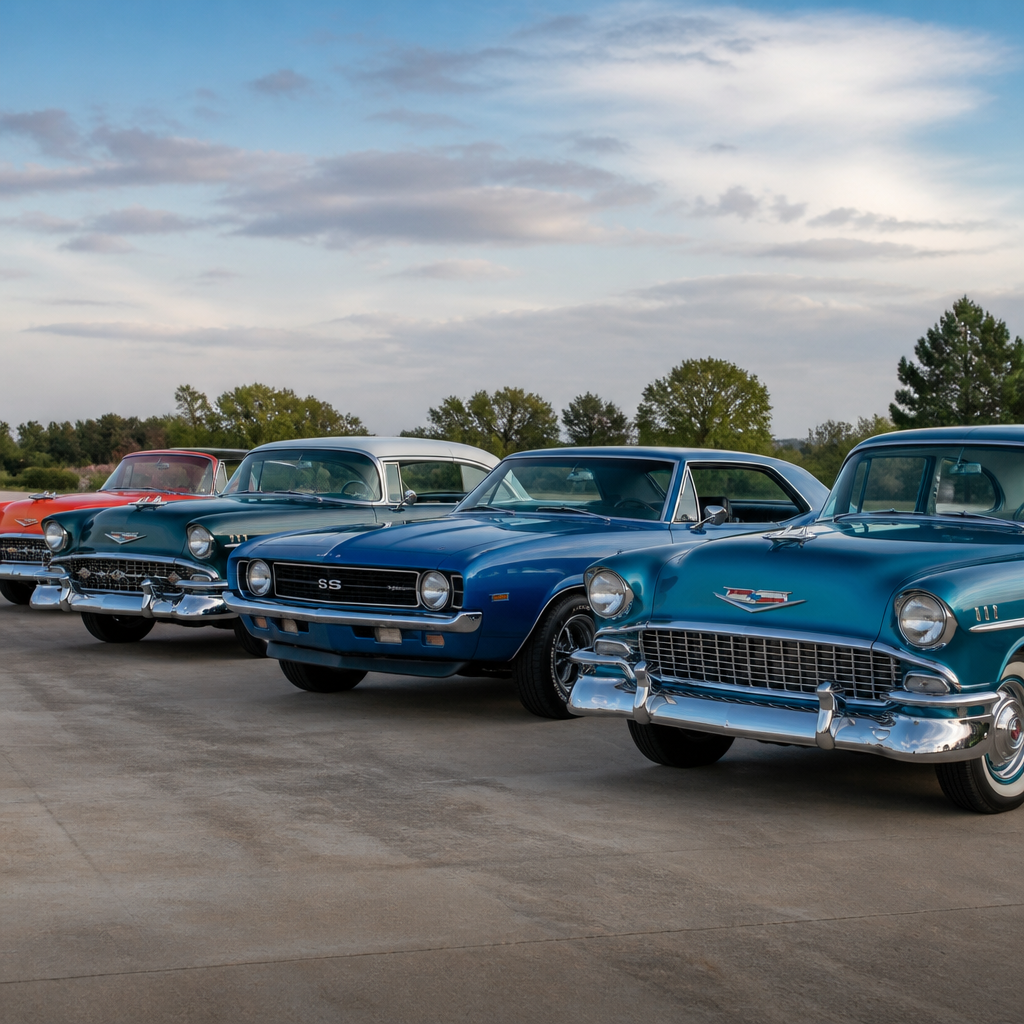
Chrysler classic cars occupy a distinct place in American automotive history because the brand consistently paired engineering innovation with design that reflected changing tastes, technologies, and social ambitions. In the context of American classics, Chrysler refers not only to cars wearing the Chrysler badge, but also to a broader corporate legacy that shaped Plymouth, Dodge, DeSoto, Imperial, and performance divisions that influenced the collector market for decades. A classic car generally means a vehicle valued for historic importance, design character, rarity, and enduring enthusiast appeal, often from the 1920s through the 1970s, though exact definitions vary by insurer, registry, and state law. Chrysler matters in this landscape because it repeatedly introduced practical advances before rivals normalized them, from high-compression engines and floating power engine mounts to unibody construction, torsion-bar suspension, and early aerodynamic experimentation.
I have worked around restored Mopar-era vehicles at auctions, club meets, and shop floors, and Chrysler products are often the cars that spark the longest conversations. Owners admire them for reasons that go beyond badge loyalty. Chrysler classic cars tell the story of how American manufacturers balanced engineering rigor, comfort, style, and affordability. They also show how corporate strategy can create wildly different personalities under one umbrella: a stately Imperial, a forward-looking Airflow, a finned Forward Look sedan, and a Hemi-powered muscle coupe all emerge from the same institutional DNA. For readers exploring American classics, this hub article explains the major eras, key technologies, standout models, and buying considerations that make Chrysler essential. It also points naturally toward deeper reading on individual brands, body styles, and collector segments within the broader classic car models and brands topic.
Why Chrysler Matters in American Classics
Chrysler entered the market in 1925, later than Ford and General Motors as a volume player, but it quickly built a reputation for engineering-first thinking. Walter P. Chrysler emphasized durable construction, powerful engines, and technical differentiation. That formula gave early Chrysler cars features buyers could feel on the road, not just in advertisements. Hydraulic brakes arrived on Chrysler cars in the 1920s before many competitors adopted them widely, improving stopping performance and reinforcing the company’s image for practical innovation. During the 1930s, Chrysler also experimented more boldly with aerodynamics than most Detroit rivals, culminating in the Airflow, a car now recognized as historically important even though it sold poorly when new.
Chrysler’s importance increased after World War II because it developed a clear identity across market segments. Plymouth served entry-level buyers, Dodge targeted the broad middle, DeSoto filled the near-luxury gap, Chrysler itself represented upscale prestige, and Imperial evolved into a serious luxury contender. This layered brand architecture made Chrysler Corporation one of the best windows into postwar American consumer culture. If you want to understand how styling trends, suburbanization, interstate travel, and horsepower competition shaped the American classics market, Chrysler products provide examples in nearly every price class. That diversity also explains why this sub-pillar hub is central to American classics coverage: one corporation produced family sedans, convertibles, luxury hardtops, letter-series performance cars, and later some of the defining muscle-era machines.
Defining Eras of Chrysler Innovation and Design
The prewar period established Chrysler’s technical credentials. Early six-cylinder and straight-eight models emphasized strength and smoothness, while innovations such as floating power reduced vibration by isolating engine movement through strategic mount placement. The Airflow of 1934 remains the boldest symbol of Chrysler experimentation. Developed with wind-tunnel influence and attention to weight distribution, it moved passengers forward within the wheelbase, improving ride quality and interior packaging. Buyers considered it too radical, yet historians now view it as one of the first mass-market attempts to integrate aerodynamics, structure, and passenger comfort into a unified design philosophy.
The postwar years brought conservatism at first, then a dramatic shift in the 1950s. Virgil Exner’s Forward Look transformed Chrysler styling with lower bodies, sweeping lines, and tailfins that gave the corporation one of Detroit’s strongest visual identities. Engineering kept pace. Chrysler’s torsion-bar front suspension improved ride and handling, while the FirePower Hemi V8 helped establish a performance legend rooted in hemispherical combustion chamber efficiency. By the 1960s and early 1970s, Chrysler and its divisions blended refined luxury with aggressive performance, from Imperial and 300 letter cars to Dodge and Plymouth muscle models built on shared corporate engineering. Even during periods of uneven quality control, the company’s best cars were unmistakable in personality and mechanical ambition.
| Era | Key Chrysler Traits | Representative Models | Why Collectors Care |
|---|---|---|---|
| 1920s–1930s | Engineering focus, hydraulic brakes, aerodynamic experimentation | Chrysler Six, Imperial, Airflow | Technical milestones and distinctive prewar styling |
| 1940s–1950s | Postwar expansion, Hemi power, Forward Look design | New Yorker, C-300, DeSoto Firedome | Iconic styling and early high-performance credibility |
| 1960s–1970s | Luxury-performance blend, unibody platforms, muscle-era engines | Chrysler 300, Imperial LeBaron, Plymouth ’Cuda | Strong drivetrains, high parts interest, broad enthusiast base |
Signature Models That Define the Chrysler Legacy
No discussion of Chrysler classic cars is complete without the Airflow, even though it was a commercial disappointment. Its significance lies in what it attempted: system-level automotive design before that idea was standard practice. A more commercially successful landmark arrived with the 1955 Chrysler C-300, often cited among America’s first true high-performance luxury cars. Powered by a 331 cubic-inch Hemi V8 and engineered for sustained speed, the C-300 won NASCAR races and gave Chrysler prestige that reached beyond the showroom. The subsequent letter-series cars reinforced the formula by combining upscale interiors, strong braking, automatic transmission refinement, and engines that could dominate on highways and at sanctioned competition events.
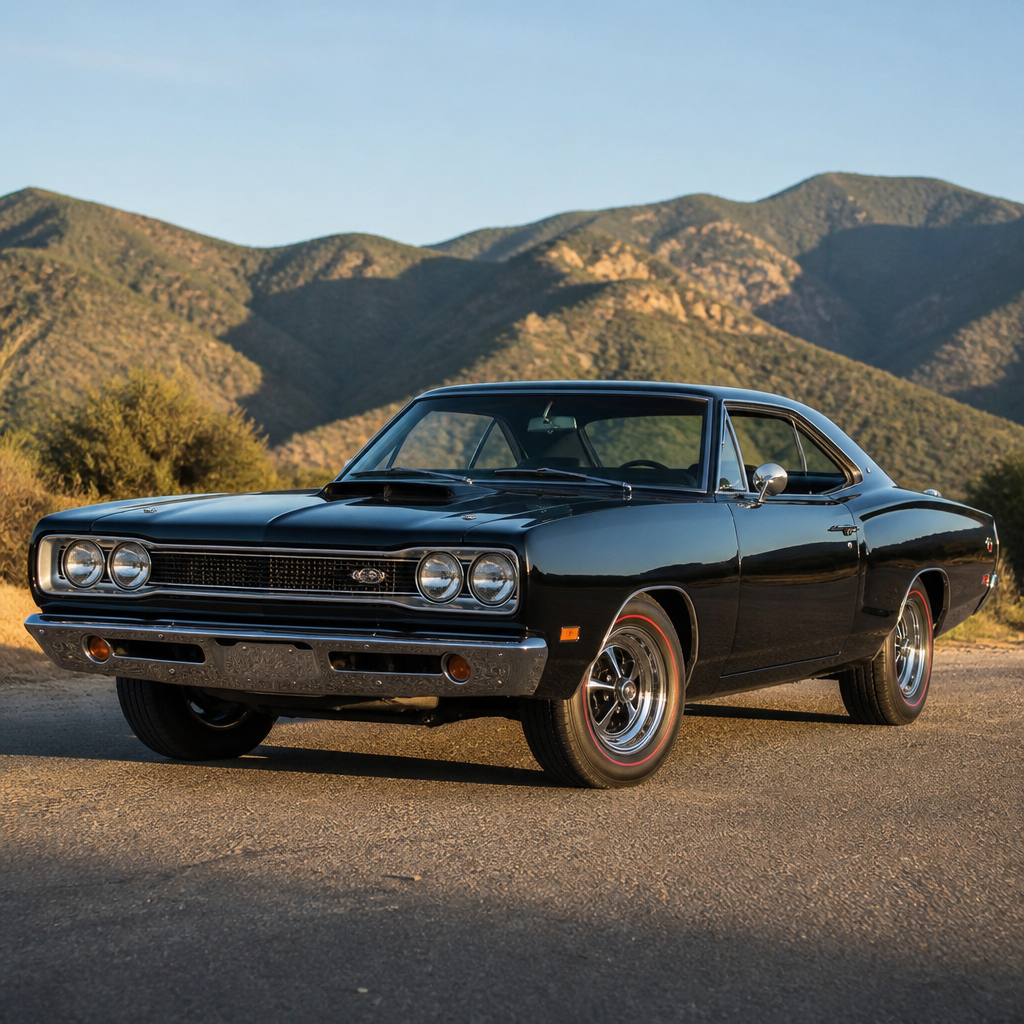
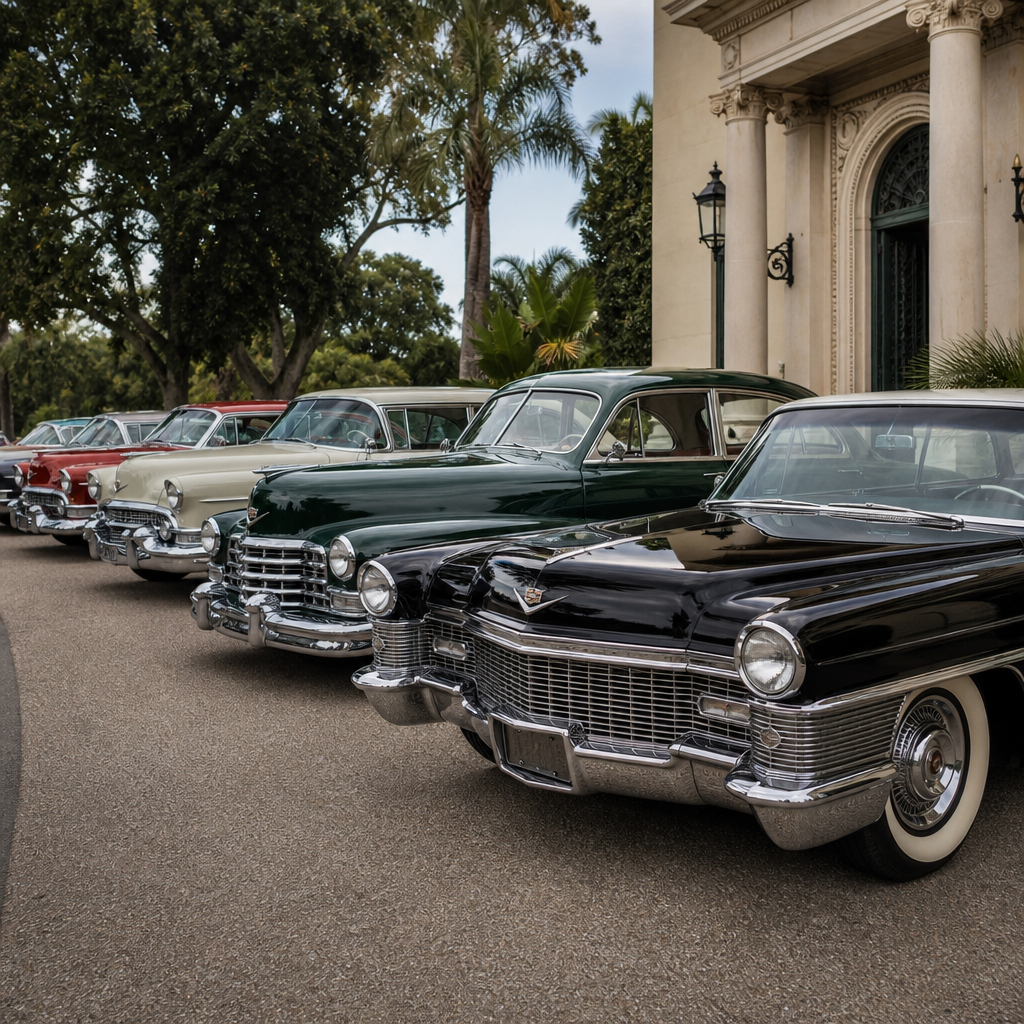
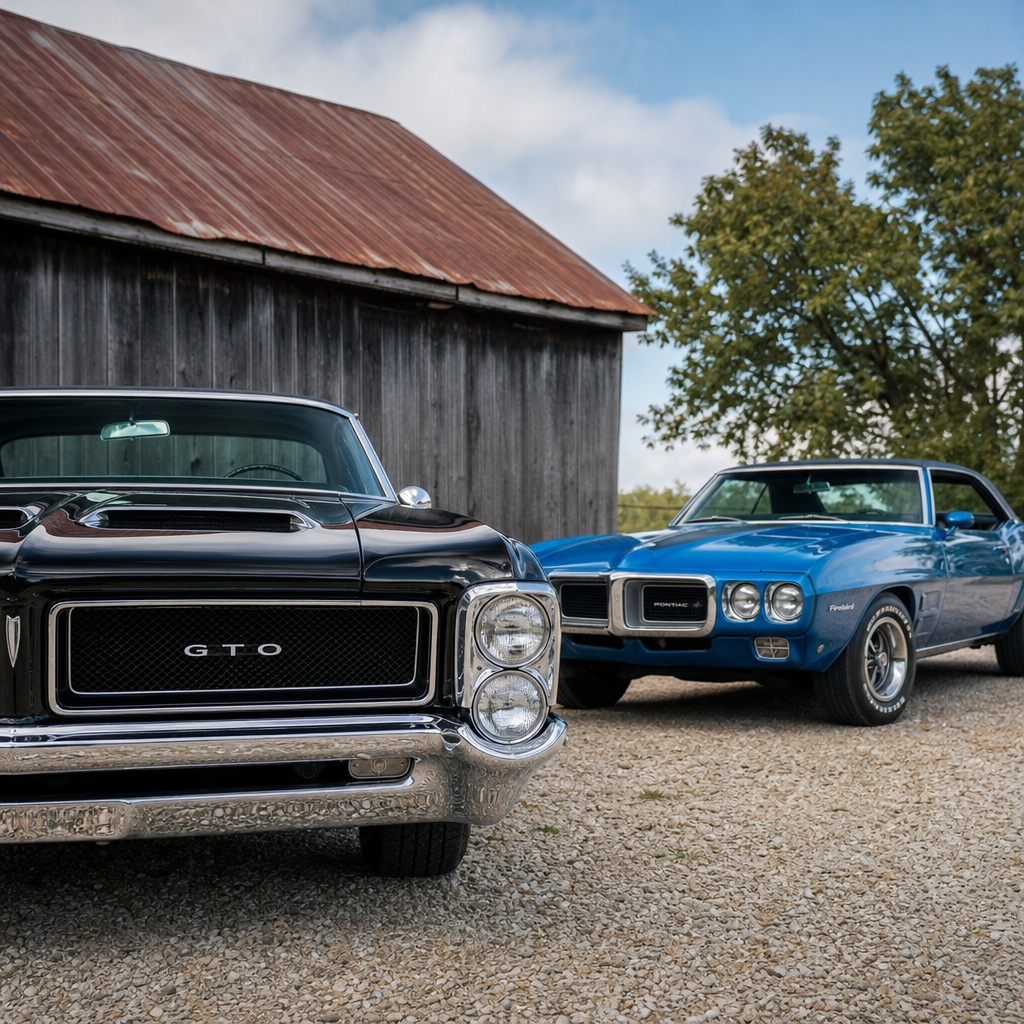
The New Yorker became another cornerstone of the brand, representing upper-tier comfort without stepping fully into Imperial territory. Across several generations it showcased Chrysler’s strengths: substantial road presence, advanced drivetrains for the time, and interiors aimed at long-distance travel. Imperial, especially after becoming a separate marque in the mid-1950s, demonstrated Chrysler’s ability to challenge Cadillac and Lincoln with distinctive styling and engineering details such as push-button transmissions and later highly formal design language. At the corporation level, collectors also connect Chrysler’s legacy to Plymouth and Dodge halo models including the Road Runner, Charger, and Barracuda. They belong in an American classics hub because they show how Chrysler engineering and design values extended far beyond the flagship badge.
Engineering First: The Technologies Behind the Appeal
Chrysler earned respect by introducing technology that improved the driving experience in measurable ways. Hydraulic brakes reduced pedal effort and improved consistency compared with mechanical systems. Floating power mounts isolated engine vibration, making six-cylinder cars feel smoother and more expensive than their price suggested. Torsion-Aire suspension, launched for the 1957 model year on many Chrysler products, used longitudinal torsion bars instead of traditional coil springs at the front. In real driving, that often meant flatter cornering, better wheel control, and an unusually composed ride for large American cars. When maintained correctly, these systems still impress modern drivers accustomed to assuming all 1950s cars handled loosely.
The Hemi V8 deserves special attention because it became shorthand for Chrysler performance, but its value was not marketing mythology alone. Hemispherical combustion chambers allow large valves and efficient airflow, supporting power at higher engine speeds. Chrysler’s first-generation FirePower Hemi, introduced in 1951, gave the corporation a technical and competitive edge. Later high-performance big-blocks and second-generation Hemis powered muscle-era icons that now dominate auction headlines, yet the engineering culture behind them matters just as much. Chrysler also adopted unibody construction on many models, saving weight and improving rigidity when executed well. For restorers and buyers, this means evaluating structure carefully, because rust in a unibody shell can be more consequential than on a body-on-frame car. The reward is a car that often feels tighter and more modern than its age suggests.
Design Language: From Airflow to Forward Look to Formal Luxury
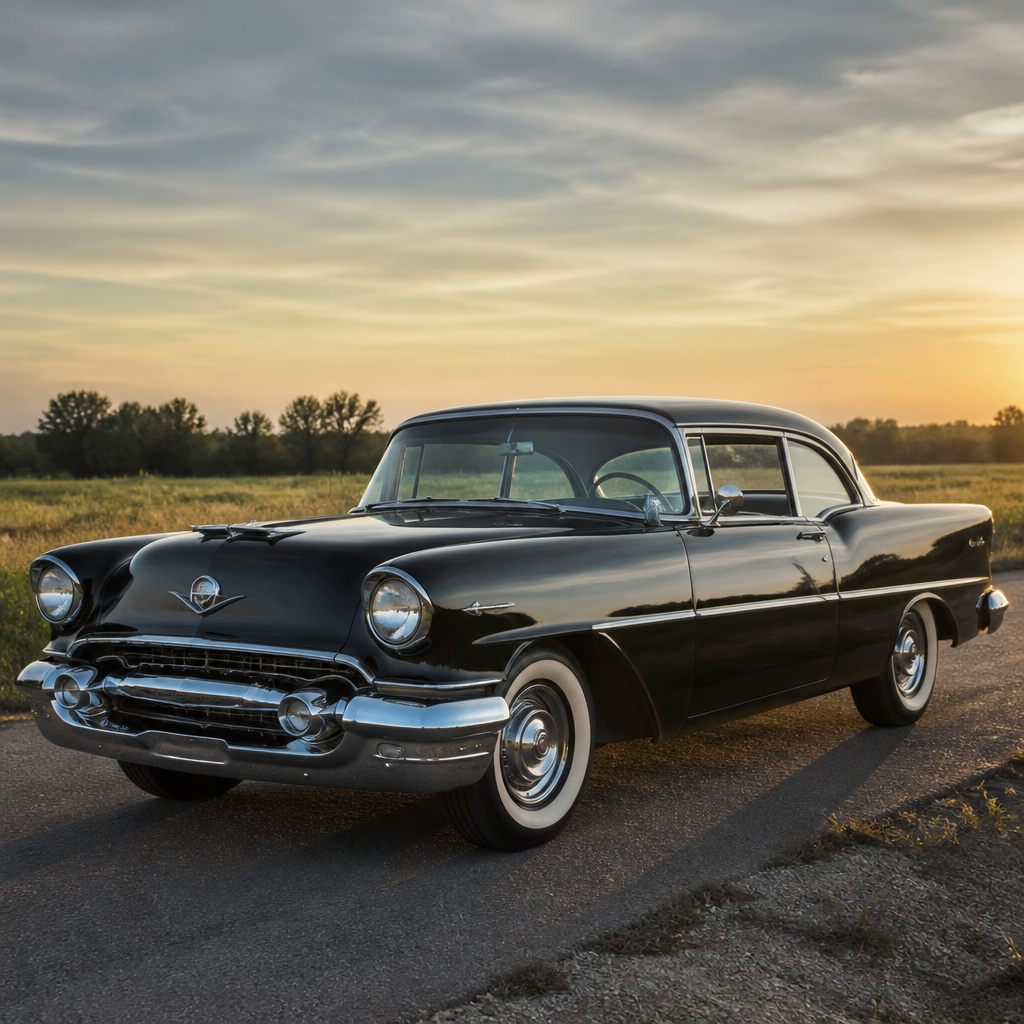
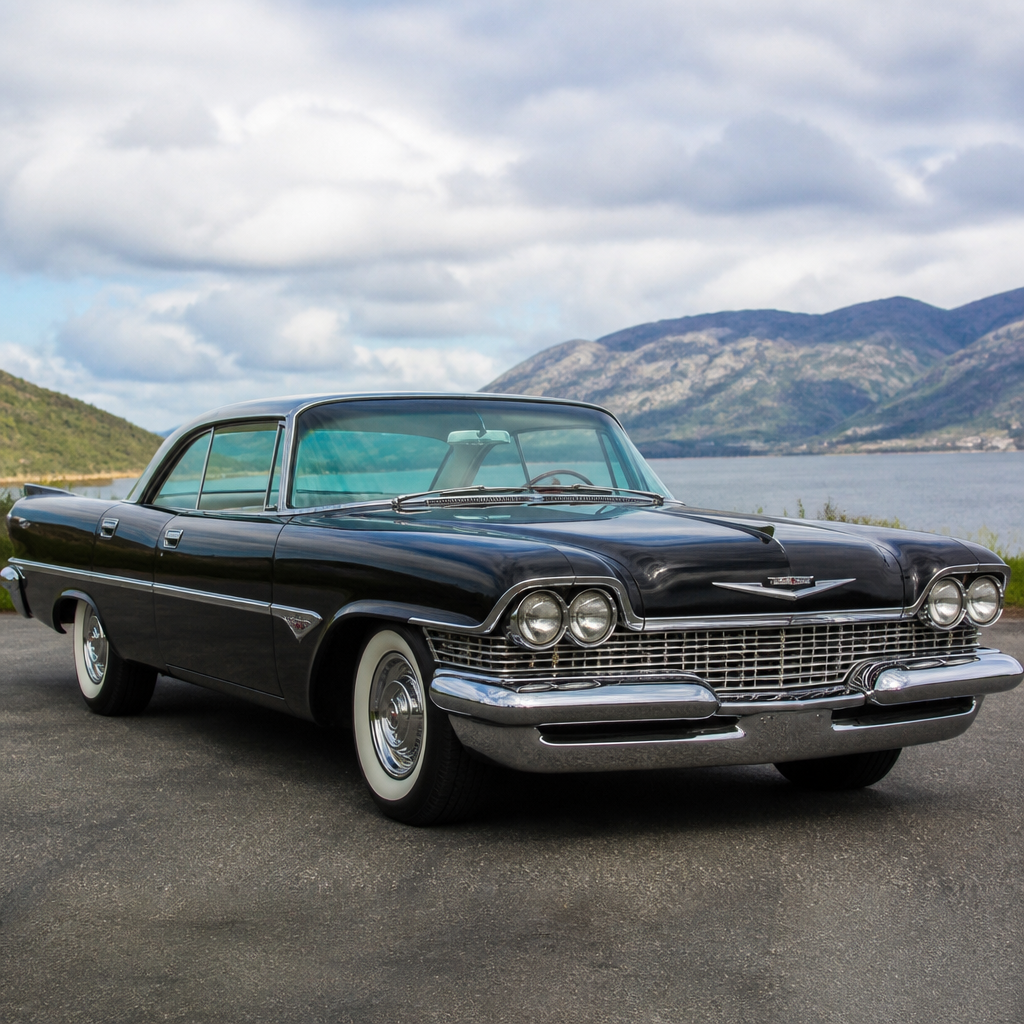
Chrysler design evolved through clear visual chapters. The Airflow represented integrated industrial design, with fenders and cabin volume treated as one aerodynamic form rather than separate elements. It was too advanced for many 1930s buyers, but in retrospect it forecast later streamlining trends. After the war, Chrysler styling initially lagged some competitors, then changed decisively under Virgil Exner. His Forward Look era brought canted headlamps, dramatic fins, lower rooflines, and a sense of motion even when parked. The 1957 Chryslers, DeSotos, Dodges, and Plymouths looked years ahead of many rivals and remain among the most instantly recognizable American classics.
By the 1960s, Chrysler design split into multiple directions to serve different audiences. Performance models gained cleaner, more aggressive lines, while luxury cars adopted formal roofs, expansive grilles, and carefully controlled ornamentation. Imperial’s freestanding headlamps in earlier years and later slab-sided elegance made it visually independent from mainstream Chrysler products. Interiors also deserve attention. Chrysler frequently emphasized instrument visibility, seat comfort, and upscale materials in higher trims. Even details such as dashboard architecture, push-button gear selectors, and center-console layouts reveal how the corporation framed modernity in different decades. For collectors, design value is not only about beauty. It is about recognizing whether a given Chrysler expresses a meaningful point in American styling history, and many of them do.
Collecting, Restoring, and Buying Chrysler Classics Today
Buying a Chrysler classic requires a different mindset than buying the most obvious blue-chip Ford or Chevrolet. The upside is value. Many important Chrysler models remain comparatively affordable relative to their historical significance, especially full-size sedans, hardtops, and non-halo luxury cars. The challenge is parts sourcing and model-specific expertise. Mechanical parts for popular V8s and shared Mopar components are generally obtainable through specialists, but trim, interior pieces, unique glass, and year-specific electrical items can be difficult. Before purchase, inspect rust-prone areas thoroughly, especially floors, rocker panels, torsion-bar mounting areas, trunk pans, lower fenders, and rear window channels. On unibody cars, poor prior repairs can compromise alignment and drivability.
Documentation matters. I always advise buyers to verify the VIN, fender tag, engine codes, and broadcast sheet when available, especially on performance-era cars where clones and tribute builds are common. Join the Chrysler, DeSoto, Dodge, Plymouth, or Imperial owners clubs relevant to your target model; those communities often know production changes, paint codes, and interchange details that general price guides miss. Use valuation references such as Hagerty Price Guide and auction archives from Mecum, Barrett-Jackson, and Bring a Trailer, but treat headline sales cautiously. Condition, originality, driveline authenticity, and body style influence value far more than badge alone. For a practical starting point within American classics, a solid New Yorker, Newport, or later C-body Mopar can deliver genuine Chrysler character without the entry price of a letter-series 300 or Hemi coupe.
How Chrysler Fits the Broader American Classics Hub
As a sub-pillar under classic car models and brands, Chrysler connects to nearly every major theme in American classics. It links luxury history through Imperial and New Yorker, engineering history through Airflow and Hemi development, family-car history through Plymouth and Dodge volume models, and performance history through 300 letter cars and muscle-era derivatives. That makes Chrysler an ideal hub topic for readers who want structured pathways into deeper articles on body styles, engines, design eras, and collector strategy. Someone interested in tailfin cars can move naturally from Forward Look Chryslers to comparable GM and Ford products. A buyer researching muscle cars can branch into Mopar B-body and E-body guides. A restoration-focused reader can dive into trim decoding, factory options, and period-correct driveline specifications.
The main benefit of understanding Chrysler classic cars is perspective. These cars prove that American automotive history was never only about the biggest seller or the most famous race winner. Chrysler repeatedly influenced how cars were built, how they looked, and how drivers experienced them on real roads. From the Airflow’s audacity to the C-300’s authority and Imperial’s luxury ambition, the corporation left a record of innovation tied directly to design. For collectors, that means opportunity: significant cars, rich stories, and in many cases better value than more predictable alternatives. If you are building knowledge around American classics, start with Chrysler, then explore the related brand, model, and era guides that expand from this hub into the full landscape of classic car models and brands.
Frequently Asked Questions
What makes Chrysler classic cars so important in American automotive history?
Chrysler classic cars are important because they represent a powerful mix of engineering progress, bold styling, and broad market influence across multiple brands. From its early years, Chrysler built a reputation for producing vehicles that were more than just attractive transportation. The company emphasized advanced engineering features, better performance, and practical innovations that helped shape expectations for the American automobile. That legacy extends well beyond the Chrysler name itself and includes Plymouth, Dodge, DeSoto, and Imperial, all of which contributed to the company’s standing in the collector world.
What makes Chrysler especially significant is the way it consistently connected technology with consumer taste. Its cars reflected major cultural changes, from the streamlined elegance of prewar luxury models to the dramatic fins and chrome of the 1950s, and later to the muscular, high-performance machines of the 1960s and early 1970s. Chrysler was rarely static. It adapted to changing trends while continuing to push engineering ideas such as improved suspension systems, powerful V8 engines, and advanced automatic transmissions. For collectors and historians, that combination of innovation and style gives Chrysler classics a distinct identity in American automotive history.
Which Chrysler-related brands are considered part of the classic car legacy?
When enthusiasts talk about Chrysler classic cars, they are usually referring to a much larger corporate family rather than only vehicles wearing a Chrysler badge. The Chrysler legacy includes Plymouth, Dodge, DeSoto, and Imperial, along with high-performance divisions and special packages that became central to the muscle car era. This broad reach is one reason Chrysler’s place in automotive history is so influential. The corporation built everything from practical entry-level cars to luxury flagships and high-horsepower performance models, giving collectors a wide variety of vehicles to appreciate.
Plymouth is often remembered for affordable models that brought Chrysler engineering to a broader audience, while Dodge developed a strong identity around both family transportation and performance. DeSoto occupies a special niche with its distinctive styling and now-limited surviving examples, making it especially interesting to collectors. Imperial stood apart as Chrysler’s luxury standard-bearer, competing with top American prestige cars through high-end design, comfort, and craftsmanship. Together, these brands create a full picture of Chrysler’s classic era, showing how one company influenced multiple segments of the market while building a lasting collector legacy.
What innovations are most closely associated with classic Chrysler cars?
Classic Chrysler cars are closely associated with a long list of engineering and design innovations that helped the company stand out in competitive decades of American auto production. Early on, Chrysler earned respect for precision engineering and durable construction. As the years went on, the company became known for important technical developments such as advanced overhead-valve engines, strong and sophisticated V8 powerplants, torsion-bar front suspension, push-button automatic transmissions in certain eras, and performance-oriented engine families that became icons among enthusiasts. These innovations were not just technical talking points; they often improved ride quality, drivability, power delivery, and owner confidence.
Just as important was Chrysler’s ability to turn innovation into a visible design statement. The company’s Forward Look styling in the 1950s is a great example of this balance. It gave Chrysler products a sleek, modern image that matched the optimism of the era, while the underlying engineering reinforced the idea that these cars were genuinely advanced. Later, Chrysler performance models carried that same mindset into the muscle car period, combining dramatic appearance with serious mechanical credibility. For collectors today, these innovations matter because they help explain why Chrysler classics are not only beautiful artifacts, but also milestones in automotive development.
Why are Chrysler classic cars appealing to collectors today?
Chrysler classic cars appeal to collectors because they offer a compelling blend of historical significance, distinctive styling, mechanical substance, and market variety. Some collectors are drawn to the dramatic design language of the 1950s, with sweeping lines, prominent fins, and upscale interiors. Others focus on the muscle era, when Chrysler and its related brands produced some of the most memorable performance cars in America. Still others appreciate the luxury side of the company through Imperial and premium Chrysler models, which often delivered impressive craftsmanship and presence. This wide spectrum means there is no single entry point into Chrysler collecting, which helps keep interest strong.
Another major reason for their appeal is that Chrysler classics often have a personality that feels different from their competitors. Many models combine understated engineering excellence with unmistakable visual character. In the collector market, rarity also plays a role. Certain DeSoto, Imperial, letter-series Chrysler, and high-performance Mopar models are especially sought after because production numbers were limited or survival rates are low. At the same time, there are still approachable models for enthusiasts who want to own a piece of history without entering the highest price tiers. That balance of accessibility, rarity, performance, and design helps explain why Chrysler classic cars continue to attract dedicated fans and serious collectors.
How should someone evaluate a Chrysler classic car before buying one?
Evaluating a Chrysler classic car starts with understanding exactly what the vehicle is and where it fits within the company’s broader history. Because Chrysler’s legacy spans multiple brands and many overlapping platforms, buyers should confirm the car’s model designation, engine, trim level, production year, and originality. Documentation matters. Build sheets, fender tags, ownership records, restoration receipts, and matching-numbers verification can significantly affect both value and authenticity, especially for performance models and rare luxury versions. A buyer should also learn whether the vehicle has been restored, modified, or preserved in original condition, since each category appeals to different parts of the market.
Condition is equally important. Prospective buyers should inspect bodywork, rust-prone areas, trim, glass, interior materials, drivetrain components, suspension, and electrical systems. Chrysler classics can be very rewarding to own, but some parts are easier to source than others depending on the model and year. It is wise to consider parts availability, club support, and the strength of the aftermarket before making a purchase. Finally, buyers should think beyond price and focus on long-term ownership goals. A rare Imperial or DeSoto may offer prestige and uniqueness, while a Plymouth or Dodge counterpart may provide easier maintenance and broader parts access. The best purchase is usually the one that combines authenticity, solid condition, and a model history that genuinely matches the buyer’s interests.