Buying a classic car should be exciting, but when a deal turns fraudulent the experience quickly turns into a financial, legal, and emotional mess. Knowing what to do if you get scammed buying a classic car is essential because collector vehicles often involve long-distance transactions, large wire payments, handwritten histories, title irregularities, and values that can swing dramatically based on originality. In practical terms, a scam can mean a fake title, a car that never existed, undisclosed rust or collision damage, odometer fraud, VIN tampering, cloned identities, forged provenance, escrow fraud, or a seller who vanishes after receiving funds. I have worked through these cases with buyers, auction specialists, insurers, and transport brokers, and the pattern is consistent: fast action preserves options, while delay gives scammers time to erase digital traces and move money.
Classic car fraud matters because the stakes are unusually high. A buyer may send a five-figure deposit based on photos, inspection summaries, and a persuasive backstory about a rare numbers-matching car. Unlike a modern used vehicle, a classic often lacks standardized documentation, and condition can be hard to judge remotely. Terms such as matching numbers, build sheet, provenance, restomod, and title branding all affect value. Scammers exploit that complexity. They know buyers chase rarity, fear missing out, and sometimes accept gaps in paperwork that would be unacceptable in an ordinary retail transaction. The result is a market where enthusiasm can override verification.
If you have already been scammed, your priorities are straightforward: stop further loss, preserve evidence, report the fraud to the right entities, and assess whether recovery is realistic. This article serves as a hub for avoiding scams and pitfalls across the classic car buying process. It explains the immediate steps to take, the agencies and institutions that matter, the legal and insurance angles, and the prevention methods serious buyers use before wiring money. The goal is not only to limit damage after a bad transaction, but to build a repeatable process that protects you on your next purchase.
Act Immediately to Stop Further Loss and Secure the Record
The first 24 hours matter most. If you sent money by bank wire, contact your bank’s fraud department immediately and request a wire recall or SWIFT trace. Wire transfers are difficult to reverse, but fast notification can still help if the receiving funds have not fully cleared or moved onward. If you paid through a marketplace, credit card, PayPal Goods and Services, or an escrow platform, open a dispute at once and state clearly that the transaction involved vehicle fraud or misrepresentation. If you mailed a cashier’s check, contact the issuing bank and ask what stop-payment or fraud procedures remain available. Do not assume nothing can be done. Financial institutions respond better when you provide exact dates, amounts, account details, invoice copies, and written communications in a single organized package.
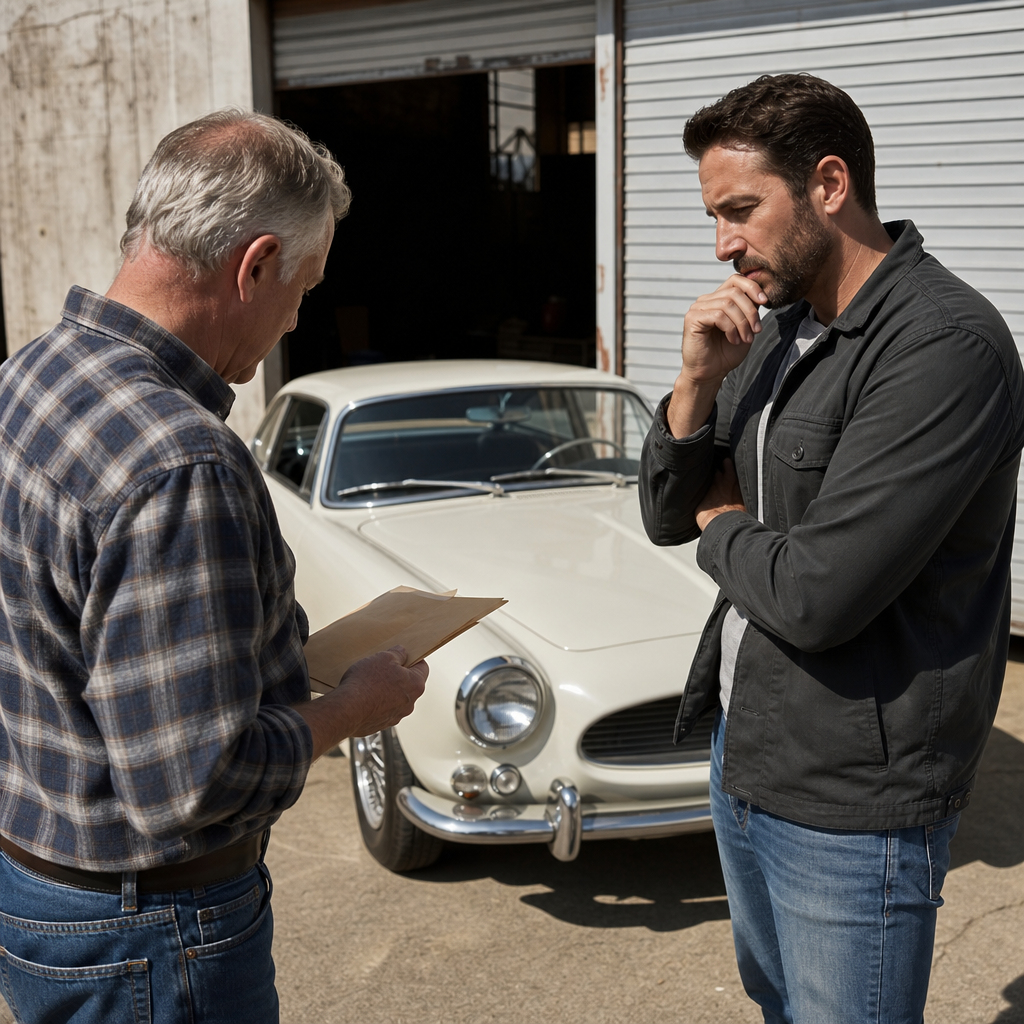
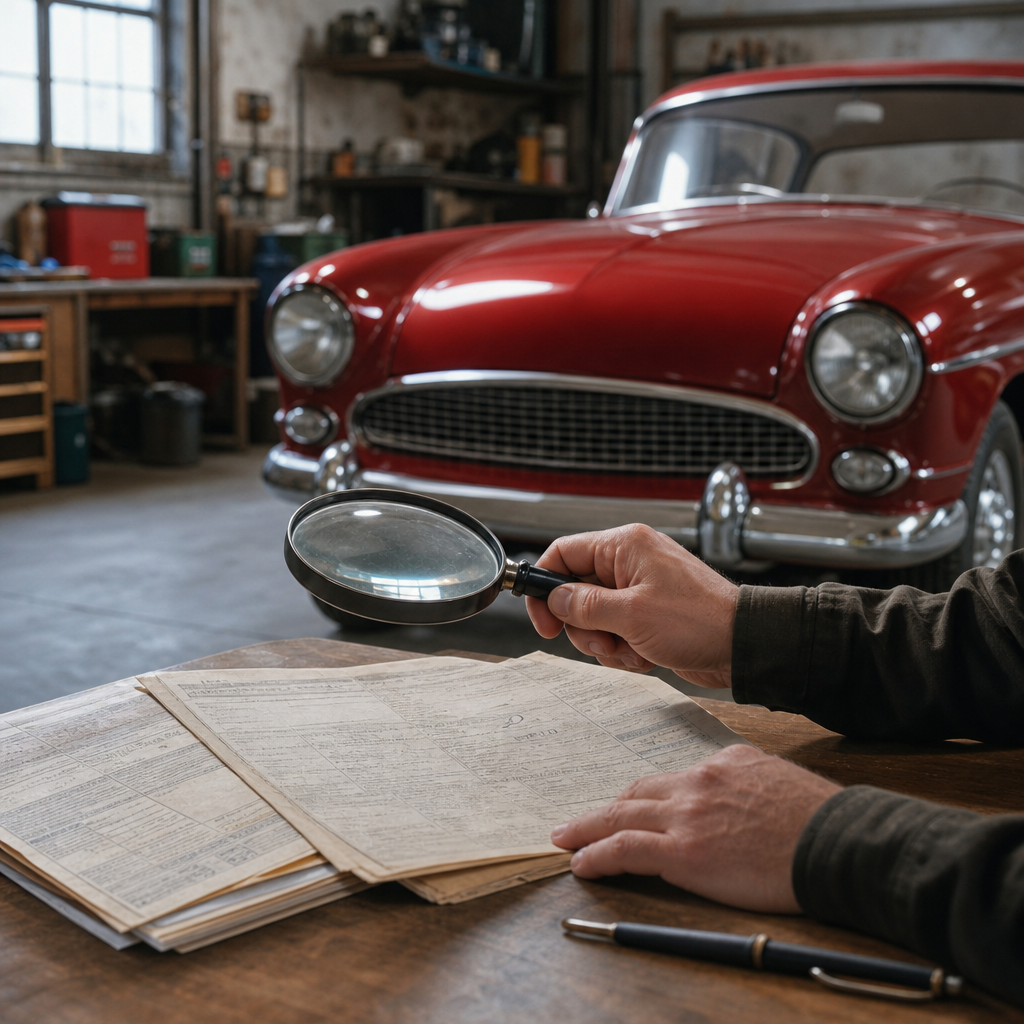
At the same time, preserve every piece of evidence. Save the listing, screenshots of the ad, VIN photos, email headers, text messages, social media profiles, auction descriptions, payment confirmations, shipping records, inspection reports, and the seller’s phone numbers. Download images before listings disappear. If the seller used a dealership name or broker identity, capture the website, business registration, and any licensing claims. Create a timeline beginning with first contact and ending with the suspected fraud. I advise buyers to store a read-only evidence folder in cloud storage plus a local backup, because deleted listings and expired links are common within hours of confrontation.
If the car was delivered, stop altering it. Do not begin disassembly, repainting, or repairs until the facts are documented. Take high-resolution photos of the VIN plate, stamping locations, trim tags, title documents, odometer, underbody, rust areas, engine pad, transmission case, and any defects that contradict the seller’s description. If authenticity is in question, arrange a marque expert or forensic inspection before changing anything. In one case involving a supposed 1969 big-block muscle car, the buyer nearly destroyed critical evidence by removing a questionable cowl tag before law enforcement and the insurer had reviewed it.
Identify the Type of Classic Car Scam Before You Choose a Remedy
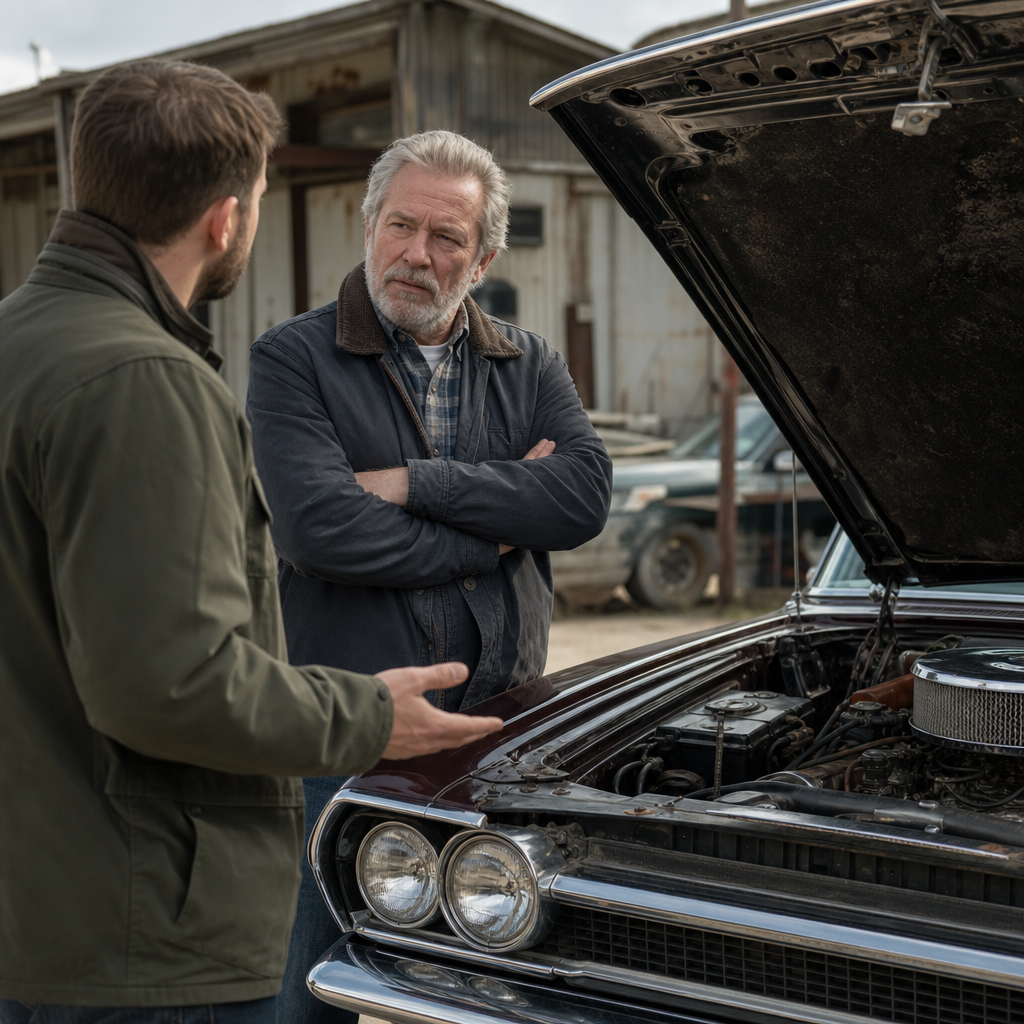
Not every bad deal is the same, and your response should match the fraud pattern. A phantom vehicle scam means the car never existed or was never owned by the seller. Recovery focuses on payment tracing, platform reporting, and criminal complaints. A title and VIN fraud case involves a real vehicle paired with false identity documents, cloned numbers, or a salvage history hidden behind out-of-state paperwork. That usually requires DMV investigators, state police auto theft units, and expert verification. Misrepresentation sits in the middle: the seller shipped a real classic car, but it was materially different from what was promised. Examples include a non-matching engine sold as matching numbers, severe filler and rust hidden under fresh paint, fake factory options, or a tribute car represented as an original high-performance model.
The distinction matters because civil and criminal remedies differ. A misdescribed project car may support a breach of contract, fraud, or deceptive trade practices claim, but law enforcement may view it as a civil dispute unless the evidence shows deliberate deception. By contrast, altered VIN tags, forged titles, and interstate wire fraud often trigger criminal interest much faster. Buyers waste time when they report a forged-document case as simple dissatisfaction with condition. Be precise in your wording. Say, for example, “Seller represented the car as a documented SS model with original VIN plate and clean title; inspection after delivery found replacement VIN rivets, hidden salvage branding, and an engine from a different model year.” Specific statements move cases forward.
A practical triage method is to ask four questions: Did the seller have the legal right to sell the vehicle? Is the vehicle identity authentic? Was the condition materially misrepresented? Where did the money travel? Those answers determine whether you should prioritize the bank, the platform, the DMV, the police, a private attorney, or all of them at once.
Report the Fraud to the Right Institutions in the Right Order
After securing payment records and evidence, start reporting. Begin with the selling platform or marketplace if the car was advertised through an auction site, classifieds portal, social platform, or online forum. Many marketplaces will not mediate value disputes, but they will preserve account data, suspend a fraudulent seller, and sometimes respond to subpoenas or law-enforcement requests faster when a formal complaint already exists. Next, file a police report with your local department and, if known, the seller’s local jurisdiction. Because classic car fraud often crosses state lines, also consider state attorney general consumer protection offices, DMV enforcement, and auto theft investigators.
Federal reporting may also apply. The FBI’s Internet Crime Complaint Center is appropriate when the transaction involved online communication, interstate conduct, and electronic payment. The FTC accepts fraud reports that help establish patterns even if it does not resolve individual cases. If the title, odometer statement, mail service, or financing documents were falsified, additional state or federal agencies may have jurisdiction. When transport was part of the fraud, report the issue to the broker, carrier, and insurer. A carrier may not be liable for preexisting misrepresentation, but delivery records, condition reports, and pickup contacts can become important evidence.
| Issue | Primary Contact | What to Provide | Why It Matters |
|---|---|---|---|
| Wire payment sent | Your bank fraud department | Wire receipt, amount, date, recipient account | May allow recall, trace, or freezing action |
| Fake online listing | Marketplace or auction platform | Listing URL, screenshots, messages | Preserves seller account data and ad evidence |
| Forged title or VIN concern | DMV investigators, state police | Title copy, VIN photos, inspection findings | Supports identity verification and theft checks |
| Interstate online fraud | IC3 and local police | Timeline, payments, communications | Creates formal complaint trail for criminal review |
| Material misrepresentation | Consumer attorney | Ad copy, contract, expert report, damages | Frames civil recovery and settlement options |
When you report, keep emotion out of the first summary. Use a concise factual statement, attach documents, and identify the dollar amount at issue. Agencies and institutions act faster when the complaint is structured and easy to verify.
Understand Your Legal, Insurance, and Recovery Options
Can you get your money back after a classic car scam? Sometimes, but recovery depends on payment method, jurisdiction, the seller’s solvency, and whether the vehicle can be seized or title defects corrected. If you paid by credit card for a deposit or inspection, chargeback rights may help. Wire transfers are harder, but not always hopeless. If the seller is identifiable and assets exist, a civil claim may lead to settlement, judgment, or rescission. Buyers often underestimate the value of a demand letter written by a lawyer who understands collector car transactions. A credible legal letter that cites fraudulent inducement, title defects, odometer violations, or deceptive trade practices can change the seller’s calculus quickly.
Insurance is more limited than many buyers expect. Standard collector car policies generally insure agreed value, theft, transit damage, and physical loss, not pre-sale fraud by a seller. However, if a stolen vehicle was unknowingly purchased and later seized, the exact policy language matters, and your carrier should still be notified. If a transport claim overlaps with concealed damage or a bait-and-switch pickup, the cargo insurer’s records may help separate shipping damage from preexisting defects. Title insurance for vehicles is uncommon, so documentation and due diligence remain the main defenses.
Expert reports often decide the outcome. A recognized appraiser, marque historian, body specialist, or forensic document examiner can establish whether a car is a rebody, clone, counterfeit high-performance variant, or heavily concealed rust repair. In disputes over six-figure cars, courts and insurers rely on objective evidence: factory stamp formats, casting dates, weld patterns, hidden VIN locations, paint meter readings, and documentary gaps. I have seen buyers win concessions simply because an expert tied every discrepancy back to the seller’s exact ad language and sales representations.
Be realistic about costs. Pursuing a $12,000 cross-country scam through private litigation may not make financial sense unless the defendant is easy to locate and collectible. On a $90,000 fraudulent sale involving forged provenance, legal action is often justified. The key is to evaluate likely recovery, not just moral outrage.
Use the Scam as a Blueprint for Better Due Diligence Next Time
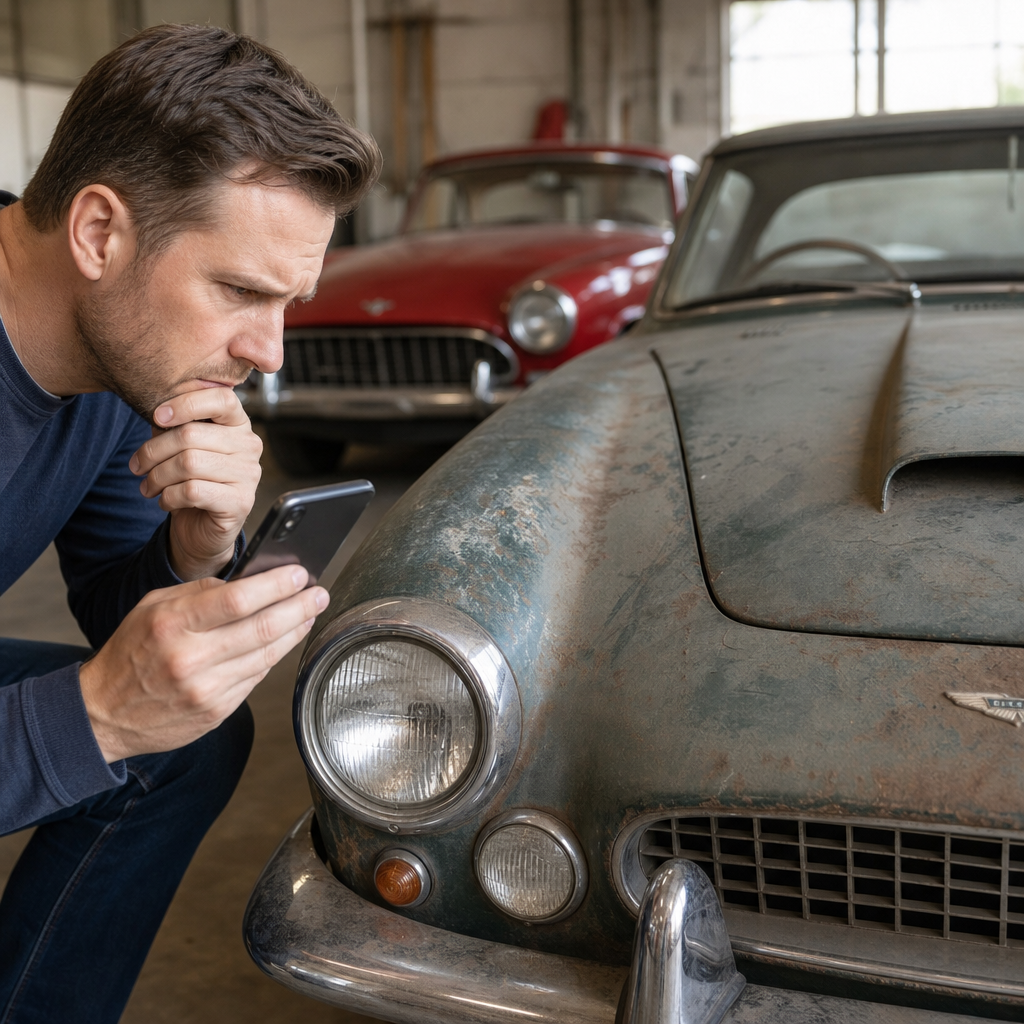
The best response to classic car fraud is to build a buying process that makes scams harder to execute. Start with seller verification. Confirm the legal name, address, phone number, and ownership status. Ask for a photo of the seller holding the title and a current image of the car with a dated note. Search business registrations, forum history, and prior sale listings. Verify that the VIN on the title matches the VIN on the car and the listing. For high-value purchases, insist on a live video walkaround that includes cold start, underside views, trim tags, and problem areas such as lower fenders, floor pans, frame rails, cowl, battery tray, and trunk drops.
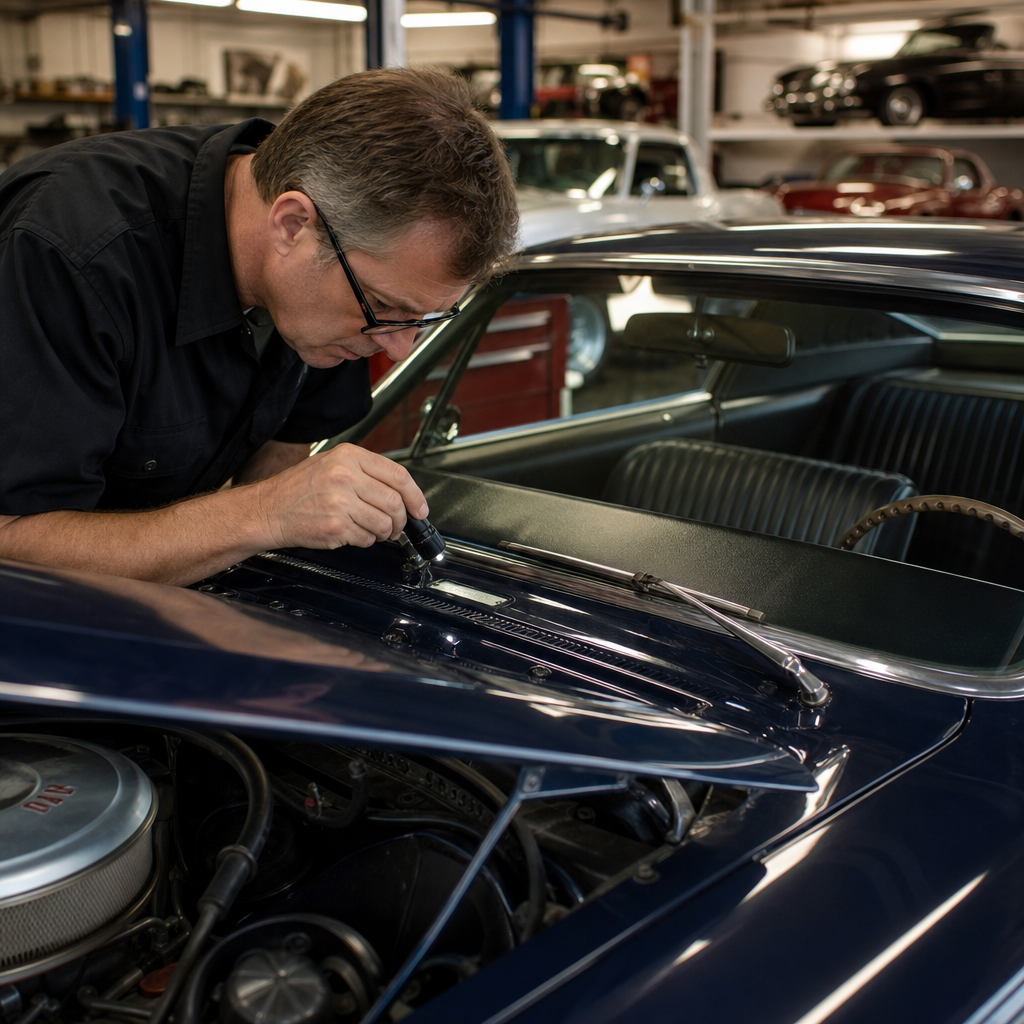
Independent inspections are nonnegotiable for remote purchases. Use a specialist familiar with the specific make and model, not just a generic pre-purchase inspector. A Corvette expert knows where birdcage corrosion hides; an early 911 expert checks panel gaps, suspension pan repairs, and engine type numbers; a vintage truck specialist looks for frame rust, replacement cabs, and title mismatches. Ask the inspector to verify identity, drivability, compression where appropriate, and whether claims such as matching numbers or original color are supported by documentation. Services like CARFAX are helpful for newer classics, but they are not sufficient for older collector cars with incomplete digital history.
Payment controls reduce risk dramatically. Avoid paying by wire until identity, title, and inspection are complete. Use reputable escrow only after independently verifying the escrow company through a known phone number and website, because fake escrow sites are common. Split payments into deposit and final disbursement tied to specific conditions. Put every representation in writing, including VIN, title status, originality claims, included parts, and delivery terms. If a seller refuses written confirmation and pressures you with another supposed buyer, walk away. In the classic car market, urgency is often manufactured.
Build a Safe Buying Framework for the Entire Buying and Selling Journey
Because this article is the hub for avoiding scams and pitfalls, the larger lesson is that fraud prevention is not one step; it is a framework that spans research, inspection, negotiation, payment, paperwork, shipping, and post-delivery verification. During research, compare the car against known production details, factory options, and value guides from sources such as Hagerty, marque clubs, auction archives, and factory registries. During inspection, confirm identity and condition independently. During negotiation, narrow vague promises into written statements. During payment, use traceable methods with documented conditions. During delivery, inspect before signing transport paperwork. After arrival, reconcile the title, VIN locations, and the car itself before making changes or investing more money.
That framework also helps buyers recognize the red flags that repeat across classic car scams: prices far below market, sellers who claim they are “listing for a friend,” titles that will “come later,” refusal to show hidden VINs, blurry photos of documentation, pressure for wire payment, and stories that explain away every inconsistency. A genuine seller may have imperfect records; an honest seller does not punish verification. The safest buyers are not cynical, just methodical.
If you have been scammed buying a classic car, move fast, document everything, report strategically, and get qualified legal and technical help early. Then use the experience to tighten your process for the next purchase. A classic car can still be a rewarding investment and hobby, but only when the transaction is verified as carefully as the vehicle is admired. Review your evidence, make the key reports today, and treat every future deal like it needs to withstand expert scrutiny.
Frequently Asked Questions
1. What should I do first if I realize I was scammed buying a classic car?
The first priority is to stop any further loss and preserve every piece of evidence. If you have not yet completed the full payment, contact your bank, wire service, credit card company, escrow provider, or payment platform immediately and ask whether the transaction can be frozen, recalled, disputed, or flagged as fraud. Time matters. In many classic car scams, funds move quickly through multiple accounts, so acting within hours or days can make a real difference.
Next, gather and organize all documentation connected to the deal. That includes the bill of sale, title documents, VIN photos, vehicle listings, emails, text messages, call logs, shipping records, inspection reports, bank transfer confirmations, screenshots of the advertisement, and any social media or website profiles used by the seller. If the scam involves a car that was misrepresented rather than completely fictitious, document the car’s current condition with detailed photos and video right away. Preserve envelopes, shipping labels, and even handwritten notes if you have them.
After that, create a timeline of events. Write down when you first saw the car, when you communicated with the seller, what representations were made, what you paid, what was delivered, and when you discovered the problem. This timeline will be useful for police, your insurer, your bank, your attorney, and any civil claim you bring later. Keep your summary factual and organized. Avoid emotional language and focus on verifiable details.
Finally, begin formal reporting as soon as possible. Depending on the situation, that may include local law enforcement, the law enforcement agency where the seller is located, your state motor vehicle agency, the state attorney general’s office, the Federal Trade Commission, the FBI’s Internet Crime Complaint Center if the deal involved online fraud, and any marketplace where the vehicle was advertised. If the amount is significant, consulting an attorney experienced in auto fraud, consumer protection, title disputes, or interstate transactions is often one of the smartest early steps you can take.
2. Who should I report a classic car scam to, and does reporting actually help?
Yes, reporting helps, even if it does not lead to an immediate recovery. In a classic car fraud case, there is rarely one single agency that handles everything, so the best approach is usually layered reporting. Start with your local police department and also report the matter to police in the seller’s jurisdiction. If the scam crossed state lines, involved online communications, wire transfers, mailed documents, or fake identities, that expands the potential for state and federal involvement.
You should also file reports with agencies tied to the type of fraud involved. If the issue involves a fake, altered, or improperly assigned title, contact the department of motor vehicles or equivalent title agency in the relevant state. If odometer fraud, VIN tampering, or false vehicle identity is involved, those are serious issues that may trigger additional enforcement attention. If the transaction happened online, file a complaint with the platform where the car was listed and with the FBI’s Internet Crime Complaint Center. If deceptive sales practices are involved, your state attorney general and the Federal Trade Commission may also be appropriate. If the seller posed as a dealer, check whether that business is licensed and report them to the licensing authority as well.
Reporting helps in several ways. First, it creates an official record of the fraud, which can strengthen your bank dispute, insurance claim, civil lawsuit, or negotiation with the other side. Second, it may connect your complaint to other complaints against the same person, dealer, transporter, or website. A pattern of misconduct often carries more weight than a single report. Third, it can help prevent the same seller from victimizing more buyers, especially in the classic car world where scams often target enthusiasts who are buying remotely and moving fast on a rare vehicle.
Keep your expectations realistic, though. Criminal investigations can be slow, and law enforcement may prioritize cases differently depending on the amount lost, the available evidence, and whether the suspect can be identified. Still, filing complete, well-documented reports is worthwhile. It improves your credibility, preserves your options, and may become important later if a court, insurer, or financial institution asks what steps you took after discovering the scam.
3. Can I get my money back after being scammed in a classic car purchase?
Sometimes, but recovery depends heavily on how you paid, how quickly you act, and whether the scammer can be located or still has assets. If you paid by credit card for a deposit, you may have chargeback rights depending on the circumstances and your card issuer’s rules. If you sent a wire transfer, recovery is more difficult, but it is still worth contacting your bank immediately to request a recall or fraud intervention. Wire transfers are often treated as final, but in some cases funds can still be intercepted if they have not yet fully cleared or if the receiving bank flags suspicious activity. If you used an escrow company, payment platform, or financing service, notify them right away and ask about their fraud procedures.
If you actually received a vehicle but it was materially misrepresented, your path to financial recovery may involve a civil claim rather than a payment reversal. For example, if the seller represented the car as numbers-matching, rust-free, fully restored, or backed by a clean title and those statements were false, you may have claims for fraud, breach of contract, negligent misrepresentation, unfair trade practices, or rescission. In some cases, you may be able to force the sale to be unwound or recover the difference between what you paid and what the car is really worth.
Insurance is sometimes relevant, but many buyers assume too much here. Your standard auto policy may not cover fraud losses, and collector car policies often focus on physical damage, theft, and agreed value rather than purchase deception. Even so, if the scam involved theft, forged title transfer, identity fraud, or non-delivery by a transporter, there may be coverage questions worth exploring. It is also possible that a bonded dealer, auction house, or licensed business gives you access to additional claims mechanisms.
The best practical move is to consult an attorney quickly if the dollar amount is substantial. A lawyer can determine whether you should pursue pre-suit demand letters, title remedies, civil litigation, asset tracing, injunctions, or claims against third parties such as a dealer, broker, auction platform, escrow service, or transporter. Recovery is never guaranteed, but quick action, good records, and a clear legal strategy can significantly improve your chances.
4. What legal issues are common in classic car scams, and when should I talk to a lawyer?
Classic car transactions have legal risks that are far more complicated than ordinary used car purchases. One of the biggest problems is title trouble. A car may have a forged title, an improperly transferred title, a title that does not match the VIN on the vehicle, a state-issued paperwork trail that is incomplete, or a history involving liens, salvage branding, theft, or probate issues. Older vehicles may also have inconsistent records because title procedures varied over time and by state, which creates opportunities for fraud and confusion.
Misrepresentation is another major issue. In the collector market, value can rise or collapse based on authenticity and provenance. A seller may falsely claim the car is numbers-matching, factory-original, restored to concours standards, documented by original build sheets, or associated with a rare trim package, celebrity ownership, or important racing history. Even details that sound small to an outsider can dramatically affect value. Engine stampings, body tags, trim codes, date codes, replacement panels, and prior accident damage all matter.
You should strongly consider speaking with a lawyer if the loss is significant, if the seller is refusing to communicate, if the car was never delivered, if the title is invalid or cannot be transferred, if the VIN appears altered, or if the vehicle’s identity and originality were materially misstated. Legal help is also important when the transaction crossed state lines, involved a dealer or broker, or included written representations you relied on. An attorney can evaluate whether you have criminal fraud issues, civil claims, or both, and can advise you on preserving evidence without damaging your case.
Do not wait too long. Delay can make recovery harder, especially if records disappear, funds move, or the vehicle changes hands again. A lawyer can also help you avoid common mistakes, such as making accusations without evidence, agreeing to a bad refund arrangement, signing releases too early, or trying to register a problematic vehicle in a way that creates additional legal complications. In high-value collector car disputes, early legal guidance is often cheaper than trying to fix a badly handled case later.
5. How can I protect myself from being scammed when buying another classic car in the future?
The best protection is a disciplined buying process that slows the transaction down before money changes hands. Start by verifying the seller’s identity. Get a full legal name, business name if applicable, physical address, phone number, email, and a copy of identification when appropriate. If the seller claims to be a dealer, verify the license. If the car is supposedly in storage, at a restoration shop, or being sold for someone else, independently confirm those facts. Be skeptical of urgency, especially when a seller insists there are multiple buyers waiting and you must wire funds immediately.
Always verify the vehicle independently. Run the VIN through