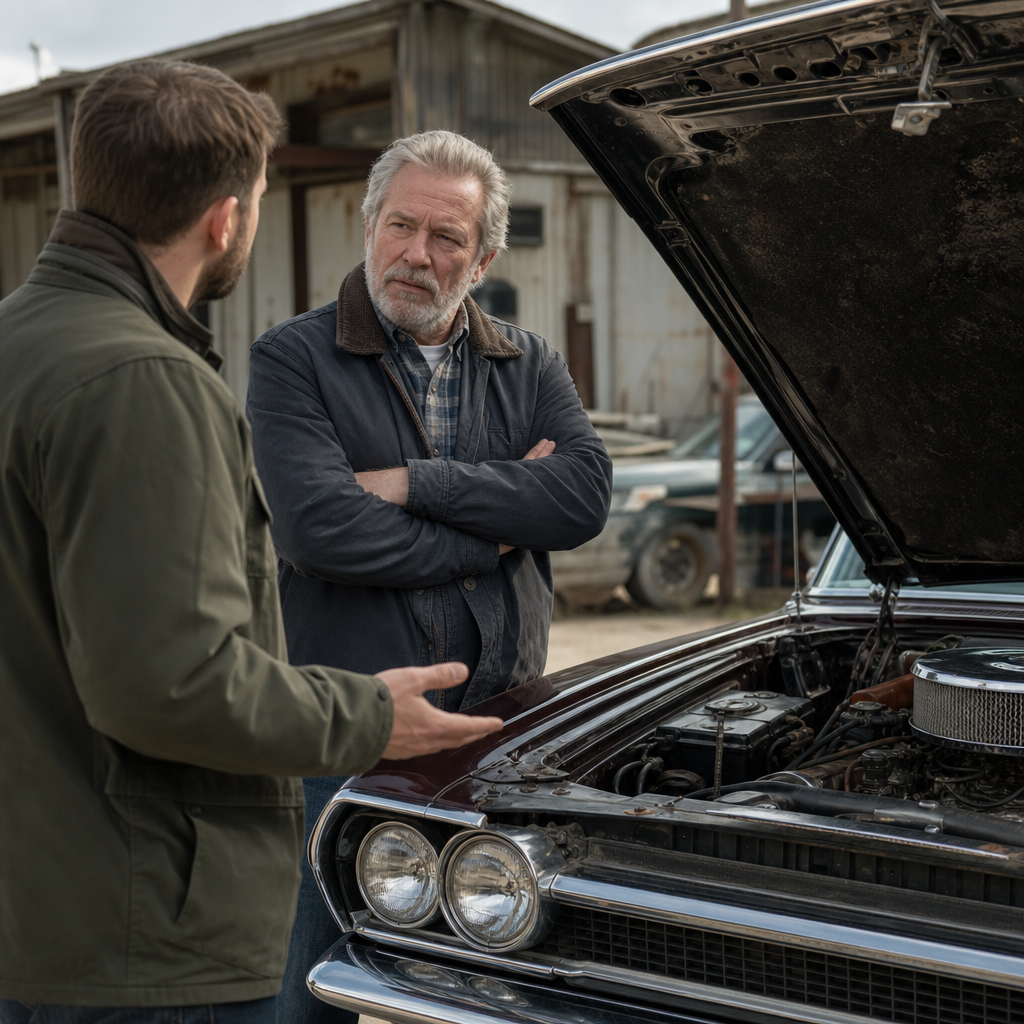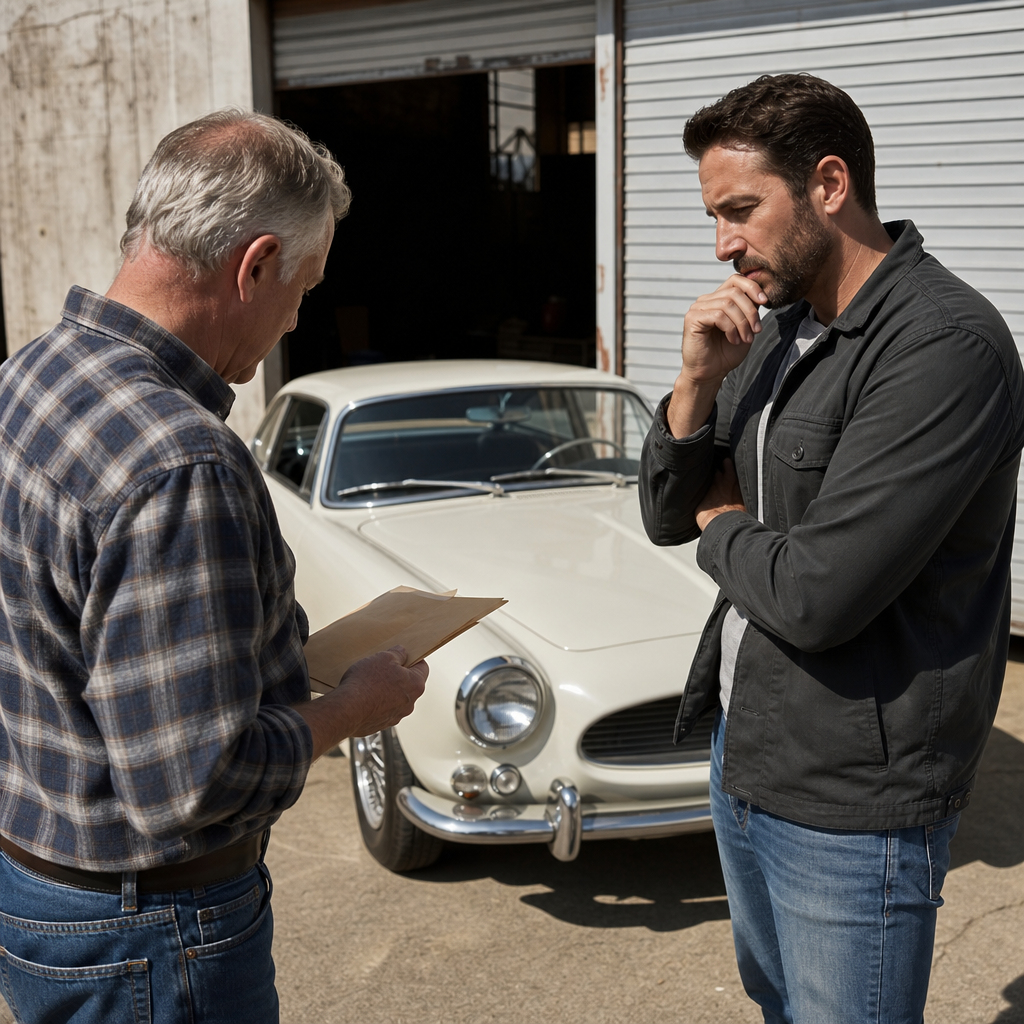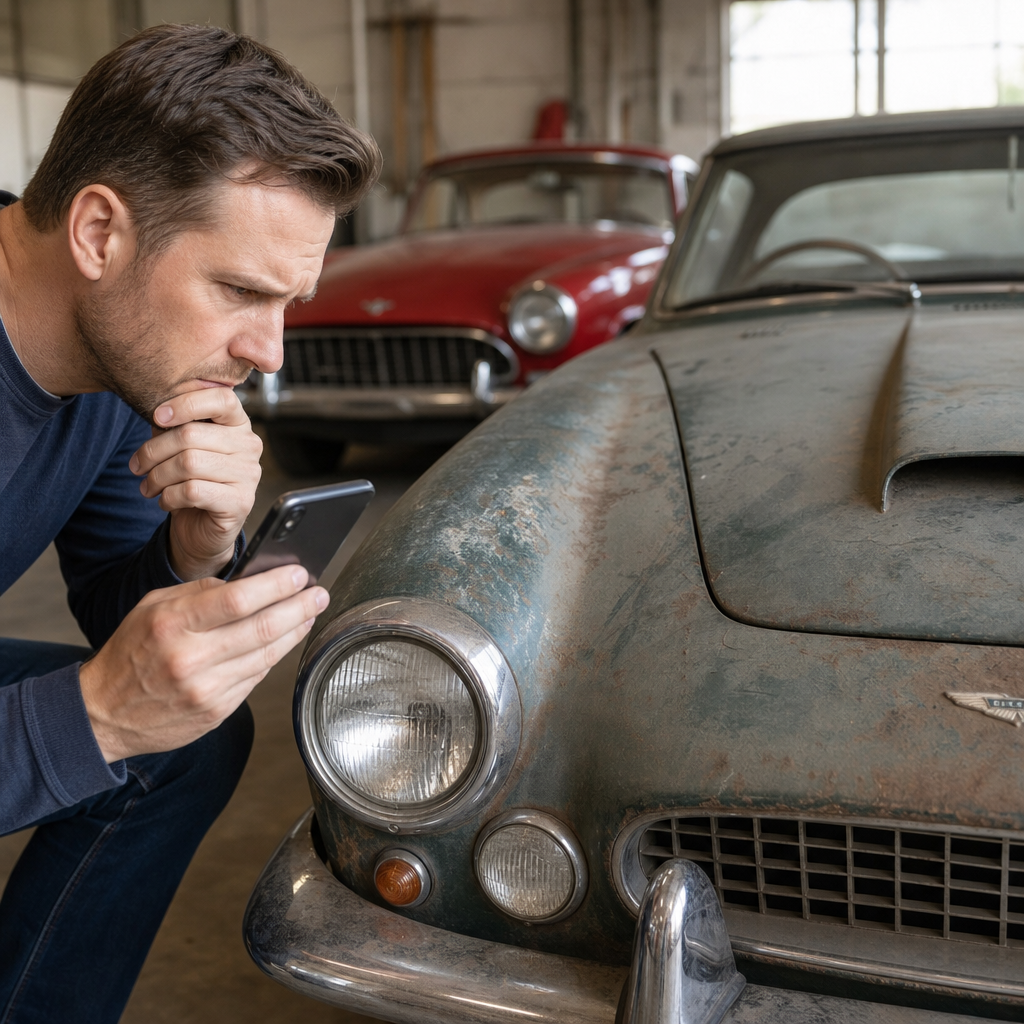
Buying a vintage vehicle can be one of the most rewarding ways to enter the collector market, but learning how to avoid buying a stolen classic car is essential before you exchange money, sign a title, or arrange transport. A stolen classic car is any collectible vehicle obtained and resold without the legal owner’s consent, often with altered identification numbers, forged paperwork, or a fabricated ownership story. Unlike late-model daily drivers, classic cars frequently have incomplete records, older titles, nonstandard chassis tags, and decades of repairs, which makes verification harder and creates room for fraud. I have inspected cars at estate sales, auctions, and private garages where the paint and chrome looked right, yet the paperwork, VIN plate, or seller timeline did not survive basic scrutiny.
This matters because the consequences are severe. If law enforcement later identifies the car as stolen, the vehicle can be seized even if you bought it in good faith. You may lose the car, the purchase price, shipping costs, restoration expenses, and any parts installed after the sale. Insurance companies may also deny coverage when the ownership chain is defective. The risk is higher in the classic market because desirable models such as early Porsche 911s, Chevrolet Camaros, Ford Mustangs, Mercedes-Benz SLs, Land Rovers, and air-cooled Volkswagens can be disassembled, retagged, or exported quickly. A smart buyer treats provenance, identity, and title status with the same seriousness as rust, compression, and matching numbers.
The safest approach is to verify three things before purchase: the seller’s legal right to sell, the car’s true identity, and the consistency of its historical records. That means checking VINs and body tags, reviewing title history, comparing documents with the physical vehicle, and asking direct questions that a legitimate owner should answer easily. It also means recognizing common scam patterns, from pressure tactics and bargain pricing to vague stories about inherited cars or lost paperwork. As the hub for avoiding scams and pitfalls in classic car transactions, this guide explains the practical steps, red flags, records, and tools that reduce risk and help you buy with confidence rather than hope.
Why classic cars are especially vulnerable to theft and fraudulent resale
Classic cars attract thieves and dishonest resellers for simple economic reasons: scarcity, rising values, and inconsistent recordkeeping. Many vehicles built before the standardized 17-digit VIN system used shorter serial numbers, separate body plates, engine stampings, or frame numbers that vary by manufacturer and production year. Some states also titled older cars by engine number rather than chassis number. Over decades, titles were lost, cars moved across state lines, and restorations replaced body panels, dashboards, and even entire frames. Those gaps make it easier for a stolen car to be disguised as a legitimate project or assembled from multiple identities.
Another factor is buyer psychology. Enthusiasts often chase hard-to-find specifications such as rare colors, factory big-block drivetrains, limited-production convertibles, or original rally packages. When a supposedly perfect car appears, people rush. That urgency is exactly what scammers exploit. I have seen sellers lean on phrases like “three people are coming tonight” or “I can only hold it if you wire a deposit now.” In the classic market, haste is expensive. A proper theft check takes far less time than recovering funds after a fraudulent purchase, and reputable sellers usually welcome due diligence because it validates their car and supports the asking price.
The online marketplace compounds the problem. Social media listings, classified sites, auction platforms, and messaging apps allow sellers to present polished photos while hiding the vehicle’s location, title condition, or ownership status. A car can be listed in one state, stored in another, and shipped from a third. Photos may be recycled from older auction listings. Descriptions may borrow details from registry posts or enthusiast forums. Because collector cars often trade nationally, buyers cannot rely on local reputation alone. They need a repeatable verification process that works whether the car is in the next county or across the country.
The documents and identity checks every buyer should complete
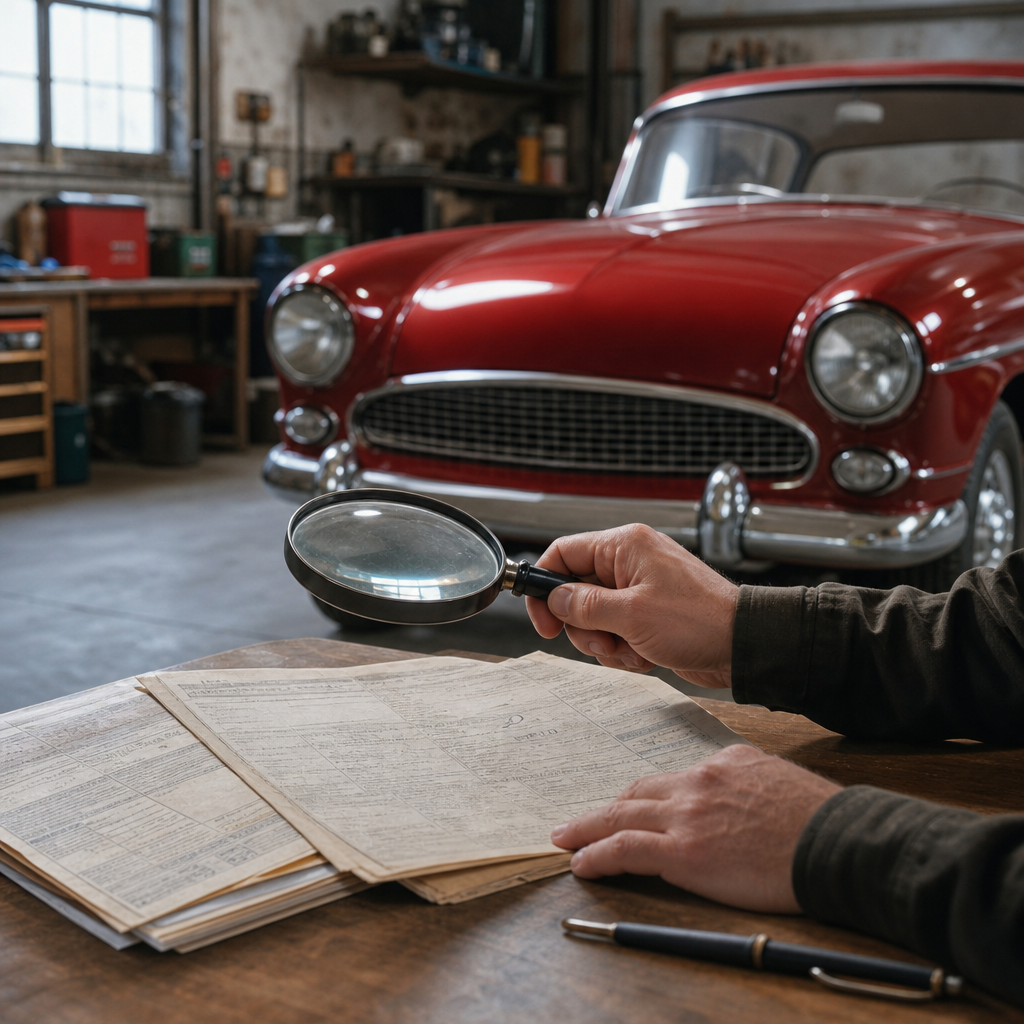
Start with the title. The name on the title should match the seller’s government-issued identification, or there should be a clear legal basis for the sale, such as dealership assignment, probate documentation, power of attorney, or corporate authorization. Check that the title status is clean and that there are no unreleased liens. Read the VIN or serial number exactly as shown, including prefixes and suffixes. A single incorrect character can signal either a harmless clerical problem or a deliberate identity issue. If the state offers title and registration history, request it. Consistent historical records matter more than verbal assurances.
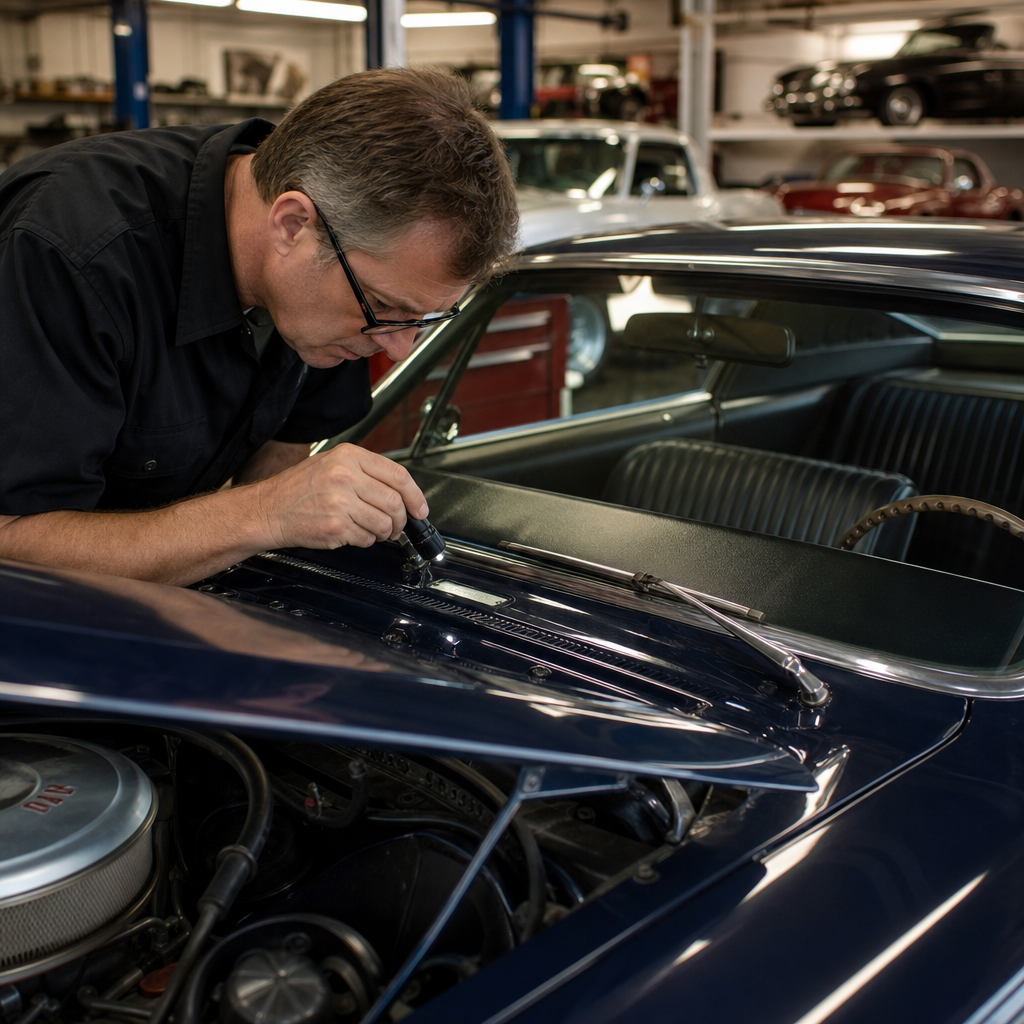
Then inspect the vehicle’s identification points. On many classics, the primary chassis number is not the only identifier. There may also be dashboard VIN plates, firewall tags, cowl tags, body-number plates, frame stampings, engine stampings, and transmission codes. These should align with the make, model year, body style, and production sequence expected for that car. If the rivets on a VIN plate look wrong, the plate sits unevenly, the surrounding paint is disturbed, or the stamping depth changes mid-number, stop and investigate. Honest restoration work can explain some irregularities, but good explanations come with invoices, photos, and prior records.
A paid history report can help, though it is not enough on its own. Services such as Carfax and AutoCheck are useful for later classics with modern VIN structures, but many pre-1981 cars have thin or incomplete data. For theft risk, also check the National Insurance Crime Bureau VINCheck where applicable, ask your insurer to review the number, and contact the state motor vehicle agency that issued the title if anything seems inconsistent. For high-value cars, I strongly recommend hiring a marque specialist or pre-purchase inspector who knows where original stampings belong and how factory tags should look.
| Check | What to verify | Why it matters | Useful sources |
|---|---|---|---|
| Title review | Name, VIN, lien status, state issue date | Confirms legal right to sell | DMV, title copy, seller ID |
| VIN and tags | Chassis plate, cowl tag, frame stampings, rivets | Detects retagging or altered identity | Factory guides, marque experts |
| History search | Registration events, theft flags, salvage brands | Reveals gaps and contradictions | NICB, Carfax, AutoCheck |
| Seller validation | Address, phone, ownership timeline, bill of sale | Tests whether the story is credible | Public records, video walkaround |
Seller red flags that often point to a stolen car or broader scam
Most problem deals show warning signs before money changes hands. The first is reluctance to provide basic documentation. If a seller will not send a photo of the title, a close-up of the VIN plate, and an image of their identification with sensitive details obscured, assume there is a reason. The second is inconsistency. In one message the car is “my late father’s,” in another it was “bought at auction last year.” The third is unusual urgency tied to discounted pricing. A rare car offered well below market with pressure to wire funds immediately deserves extreme skepticism.
Location games are another major warning. If the title shows one state, the car is stored elsewhere, and the seller wants payment sent to a different name or account, pause the transaction. Fraudsters also avoid live interaction. They may refuse phone calls, dodge video walkarounds, or claim military deployment, offshore work, divorce, illness, or shipping-agent control as reasons they cannot meet. Some of those stories can be true, but in aggregate they mirror established scam patterns. A legitimate seller with a six-figure collector car should be able to answer direct questions about how long they have owned it, where it was serviced, and why they are selling now.
Watch for paperwork shortcuts. Open titles, unsigned titles, recent duplicate titles, handwritten VIN corrections, and bills of sale that do not match the title holder all raise risk. So do offers to “fix the paperwork later” or suggestions that titling is easy because the car is old. In reality, unresolved paperwork often becomes your problem. I have seen buyers discover after transport that a supposedly harmless title mismatch prevented registration for months. Even if the car is not stolen, weak documentation can trap you in a dispute over ownership, taxes, import status, or prior liens.
How to verify provenance, restoration history, and ownership chain
Provenance is the documented history that connects the physical car to real people, dates, places, and events over time. In practice, that means old registrations, service invoices, restoration receipts, insurance cards, emission slips, auction listings, photos, heritage certificates, registry entries, and correspondence from previous owners. A credible ownership chain does not have to be perfect, but it should make sense. If a seller claims twenty years of ownership, there should usually be dated records from that period. If the car underwent a major restoration, there should be invoices from body shops, engine builders, trim suppliers, or parts vendors.
Ask for documents in sequence and compare them against the car. Does a 2008 invoice show the same VIN, engine number, color, and mileage listed today? Do old photos match current distinguishing features such as bumper overriders, wheel type, radio delete plates, or interior trim? Does the story align with known production data? For example, if a seller advertises a “numbers-matching 1967 big-block car,” verify whether the block casting dates and suffix codes fit that build period. Marque clubs and factory reference books are invaluable here because they reveal what combinations are possible and what details are often faked.
Ownership chain review is especially important for imported classics. Check customs forms, foreign registration documents, EPA and DOT exemptions where relevant, and port paperwork. Make sure the imported VIN format matches the title exactly. For cars sold through auction houses, ask for previous lot numbers and catalog descriptions, then compare those archived listings with the current presentation. If the current seller avoids sharing prior sale information, ask why. A hidden history can conceal theft, flood damage, title branding, or a disputed identity that surfaced in an earlier transaction and was never fully resolved.
Best practices for payment, inspection, transport, and closing the deal
Once the car and documents pass initial review, structure the transaction to preserve leverage. Use a written purchase agreement that states the seller is the lawful owner, has the right to sell, and is transferring clear title free of undisclosed liens or claims. Include the VIN, purchase price, deposit amount, delivery terms, included parts, and any promises about records or accessories. For substantial transactions, use escrow rather than a direct wire. Escrow does not eliminate fraud, but it creates a controlled process tied to document review and delivery milestones. Avoid friends-and-family transfers, gift payments, or cash sent before verification.
Always arrange an independent pre-purchase inspection. The inspector should photograph VIN locations, title documents, odometer reading, and any areas where tampering might be visible. For body-on-frame vehicles, ask specifically for frame stamping photos. For unibody cars, ask for hidden serial locations identified by factory literature or marque specialists. If the seller refuses inspection, end the discussion. After inspection, confirm that the title is physically present before the transporter loads the vehicle, unless your escrow instructions clearly control title release. Shipping a car without title possession adds unnecessary risk if the seller disappears or substitutes documents later.
Finally, keep a complete deal file. Save the listing, seller messages, title images, inspection report, bill of sale, wire confirmation, shipping contract, and copies of identification. Verify insurance coverage from the moment you acquire insurable interest, and contact your DMV promptly about title transfer requirements. If anything turns questionable before closing, walk away. There will always be another classic car. The best outcome in avoiding scams and pitfalls is not winning a dubious deal; it is declining one before it becomes expensive. Apply the same rigor to every transaction, and you will dramatically reduce the odds of buying a stolen classic car.
The core lesson is simple: a beautiful classic car is never enough on its own. To avoid buying a stolen classic car, you must verify the seller, confirm the vehicle’s identity, and build a believable ownership story from documents, tags, and independent inspection. Short serial numbers, old titles, restorations, and interstate sales create legitimate complexity, but they also create opportunity for thieves and scammers. That is why careful buyers slow the process down. They compare every number, question every inconsistency, and treat missing paperwork as a material issue rather than an inconvenience.
The practical benefits are substantial. A disciplined process protects your money, preserves insurability, supports smooth registration, and helps ensure that future buyers will trust the car when you eventually sell it. It also strengthens your broader buying strategy across the entire scams-and-pitfalls category, from title washing and odometer issues to fake rarity claims and escrow fraud. In the collector market, confidence comes from verification, not optimism. If a seller resists transparency, if the history does not hold together, or if the price seems too good for the story presented, the safest move is to walk away.
Use this hub as your starting point each time you evaluate a car. Create a checklist, involve a marque expert when values justify it, and document every step before funds are released. The extra effort is minor compared with the cost of a seized vehicle or an unregistrable purchase. Buy carefully, inspect thoroughly, and insist on proof before passion takes over.
Frequently Asked Questions
What are the biggest warning signs that a classic car might be stolen?
The biggest red flags usually involve inconsistencies between the car, the paperwork, and the seller’s story. Start with the vehicle identification number, or VIN. If the VIN plate looks tampered with, uses unusual rivets, appears recently attached, has mismatched fonts, or does not align with factory placement for that make and year, stop and investigate further. On many vintage vehicles, serial numbers may also appear on the frame, engine, firewall, cowl tag, or body stampings, so a buyer should compare every available identification point rather than relying on a single plate. A stolen classic car may also come with a title that looks freshly issued without a clear explanation, a seller who insists the title is “lost but easy to replace,” or ownership documents that do not match the seller’s identification.
Behavioral signs matter too. Be cautious if the price is far below market value, the seller rushes the sale, refuses an inspection, avoids answering questions about ownership history, or cannot explain where the vehicle came from. Another common warning sign is a car being sold with a vague backstory such as “from an estate” or “from a friend” but with no names, dates, receipts, registrations, insurance cards, restoration invoices, or photos showing a legitimate chain of possession. Since many classic cars have changed hands multiple times over decades, some gaps in history are normal, but a total absence of supporting records should raise concern. A legitimate seller may not know everything about the vehicle, but they should be willing to share what they do know and allow you time to verify it before money changes hands.
How can I verify the VIN and ownership history on a vintage vehicle with incomplete records?
Verification starts with understanding that older collector vehicles often do not have the same clean digital trail as newer cars, so you need a layered approach. First, locate the VIN or serial number and confirm that it matches the title exactly, including every digit, letter, prefix, and suffix. Then check whether the number format is correct for that manufacturer and production year. Many marques have well-documented VIN decoding guides, factory manuals, club registries, and expert forums that can help you determine whether the number is plausible. If the car has additional serial stampings on the chassis, body, engine, or transmission, compare those as well. Matching numbers do not prove legal ownership by themselves, but they can help you spot obvious fraud or a re-tagged vehicle.
Next, review the paper trail. Ask for the current title, prior registrations, old bills of sale, restoration receipts, insurance documents, emission or inspection records, import paperwork if applicable, and any historical photos showing the vehicle in the seller’s possession. Even a thin history can still be useful if the details line up consistently over time. You should also run the VIN through available databases, including your state motor vehicle agency if permitted, title history services, and theft databases such as the National Insurance Crime Bureau’s VINCheck for eligible vehicles. Keep in mind that not every classic car will appear in every database, especially if records are old, incomplete, or state-specific. For valuable purchases, it is wise to hire a qualified marque specialist, appraiser, or classic car inspector who knows where identification numbers should be located and what factory details should look like. The goal is not just to confirm that the number exists, but to confirm that the number belongs on that exact vehicle and that the ownership story makes sense.
What documents should a legitimate seller be able to provide before I buy a classic car?
At minimum, a legitimate seller should be able to provide a valid title or other ownership document recognized in the state where the sale is taking place. The title should be in the seller’s name unless they are a licensed dealer or can clearly document why they are selling on behalf of the owner. The seller should also be willing to provide government-issued identification that matches the name on the title, along with a bill of sale that includes the vehicle’s year, make, model, VIN, sale price, date, and both parties’ information. If the state uses transferable registrations for older vehicles instead of titles, the seller should know that process and produce the correct paperwork without hesitation. Any liens should be disclosed and formally released before the transaction is completed.
Beyond the core title paperwork, supporting documentation can make a major difference in proving legitimacy. Look for prior titles or registrations, maintenance and restoration receipts, appraisal reports, auction listings, shipping records, old insurance cards, correspondence with prior owners, and photographs from earlier stages of ownership or restoration. If the vehicle came from an estate, there should be legal estate documents showing who has authority to sell it. If it was imported, there should be customs and import compliance paperwork. If the seller says the title is pending, being corrected, or has been lost, do not treat that as a minor inconvenience. In classic car transactions, paperwork problems are often where stolen or improperly transferred vehicles hide. A serious seller will understand why you are asking and should not pressure you to overlook missing documents in exchange for a “great deal.”
Should I involve law enforcement, the DMV, or a professional inspector before completing the purchase?
Yes, especially if the car is valuable, the paperwork is unusual, or anything about the transaction feels off. Your state department of motor vehicles, motor vehicle agency, or equivalent title office can often explain what documents are required for that specific year and type of vehicle and may be able to identify title irregularities, branding issues, or transfer problems. In some jurisdictions, they can also guide you through VIN verification procedures or inspection requirements for older vehicles. If the seller resists a DMV check or says you do not need to worry about title issues until after the sale, that resistance alone is a reason to slow down.
A professional pre-purchase inspector who specializes in classic cars is often one of the smartest investments you can make. A knowledgeable inspector can examine VIN tags, hidden stampings, body panels, rivets, welds, trim tags, and restoration work for signs that the vehicle’s identity has been altered. They can also evaluate whether the car is authentically what the seller claims it to be, which matters because fraud in the collector market is not limited to theft. In situations where you discover a suspicious VIN, conflicting documents, or evidence of tampering, you should contact the appropriate law enforcement agency or auto theft unit before proceeding. Do not confront the seller aggressively or try to “work it out” with informal promises. If a car is stolen, buying it can expose you to major financial loss, title cancellation, seizure of the vehicle, and difficulty recovering your money. A cautious verification process is far cheaper than dealing with the consequences of a bad purchase.
What is the safest way to complete payment and transfer ownership so I do not end up with legal problems later?
The safest approach is to complete the deal only after the title, VIN, seller identity, and ownership history have been reasonably verified. Meet in person whenever possible, preferably at the seller’s home, place of business, bank, or DMV office rather than in a parking lot or other neutral location chosen for convenience. Confirm that the seller’s identification matches the ownership documents, review the original title carefully, and make sure the VIN on the vehicle matches the VIN on every document. Use a detailed bill of sale that records the full terms of the transaction, including representations made by the seller about ownership and the absence of liens to the best of their knowledge. If the transaction involves substantial money, consider using escrow or a bank-assisted transfer so there is a documented financial trail.
Avoid cash-heavy deals with minimal paperwork, and never accept promises that missing title issues can be fixed after the sale. If the title requires notarization, complete that properly. If your state allows title transfer at a DMV office, doing the transaction there can add another layer of protection because any obvious title defects may be flagged immediately. Keep copies of all documents, messages, listings, wire instructions, inspection reports, and identification exchanged during the deal. If you are buying remotely, be even more careful: use a reputable escrow service, require extensive photos and videos of VIN locations and paperwork, and verify shipping details only after funds and title procedures are secure. In collector car purchases, the safest buyer is the one who is willing to slow the process down. A legitimate seller will usually respect careful due diligence, while a dishonest seller will often try to create urgency before the facts can be checked.