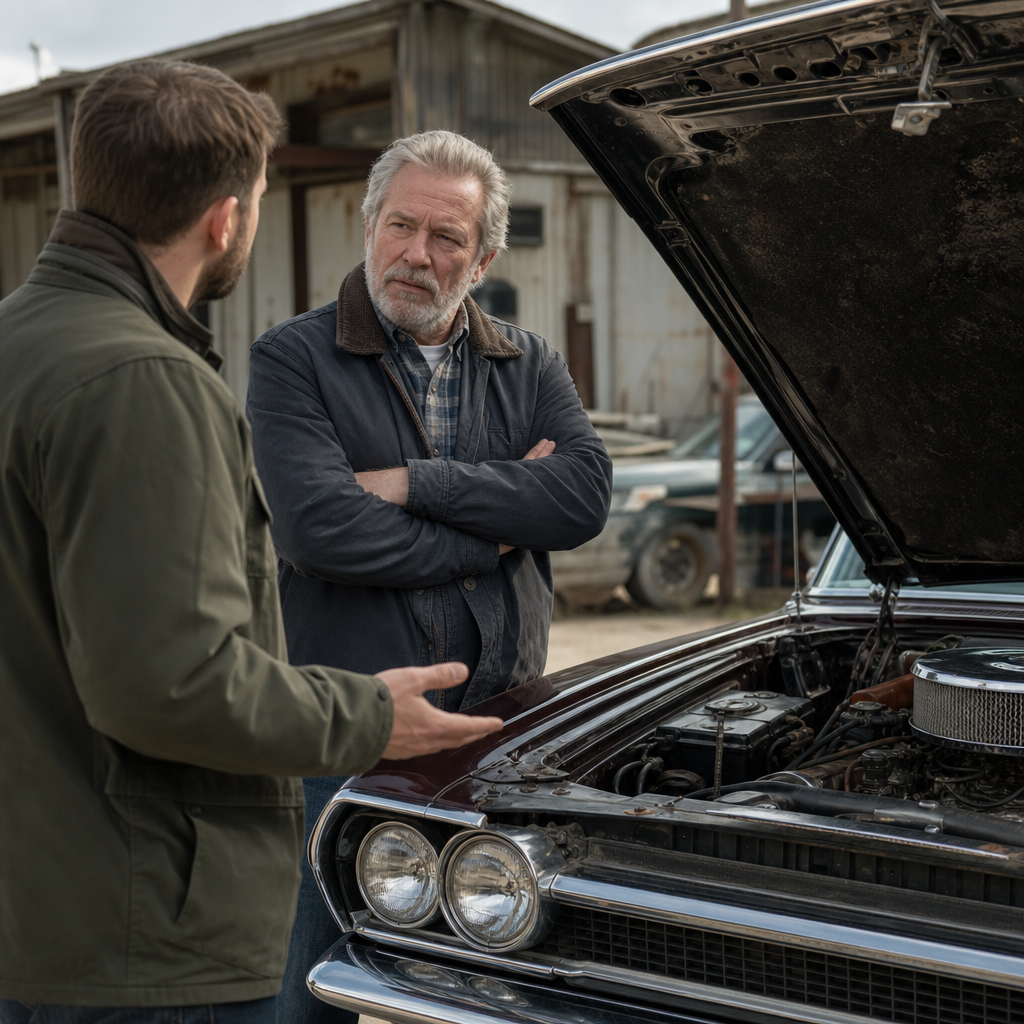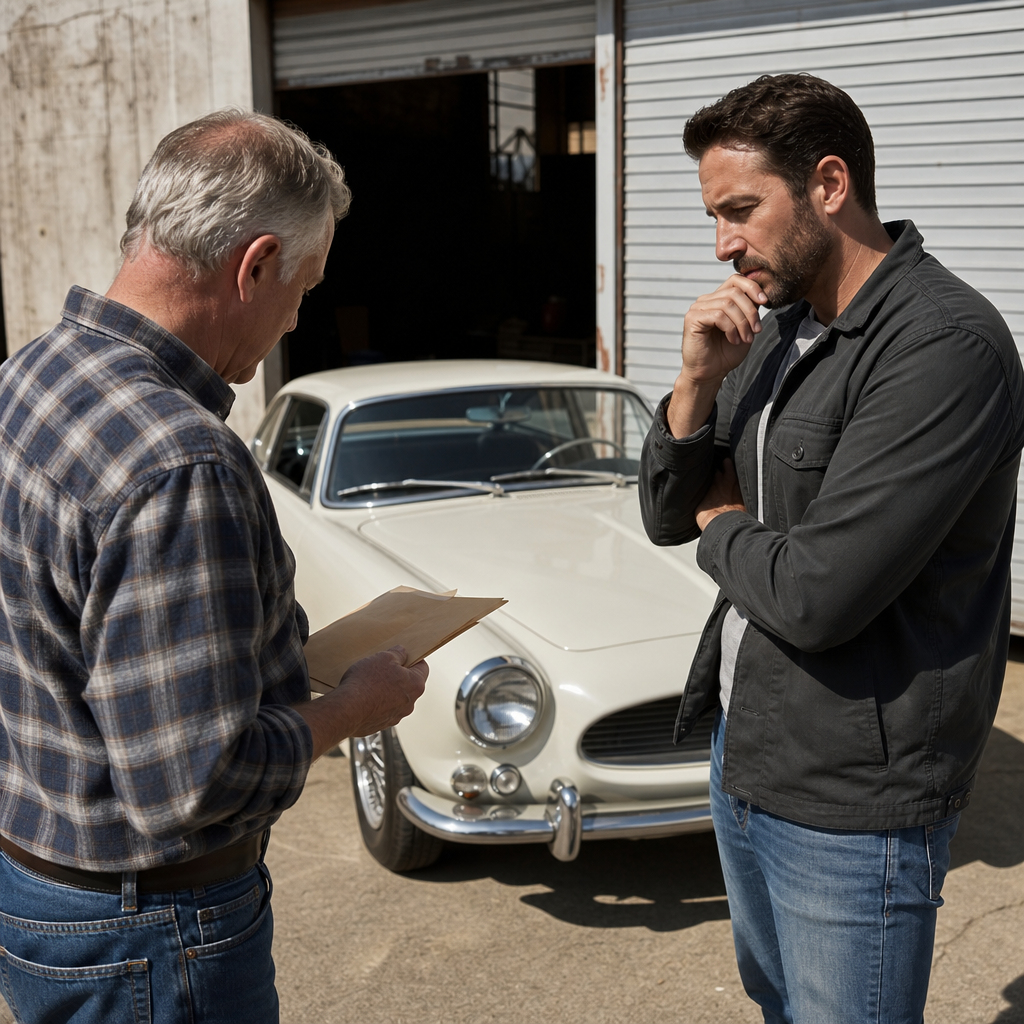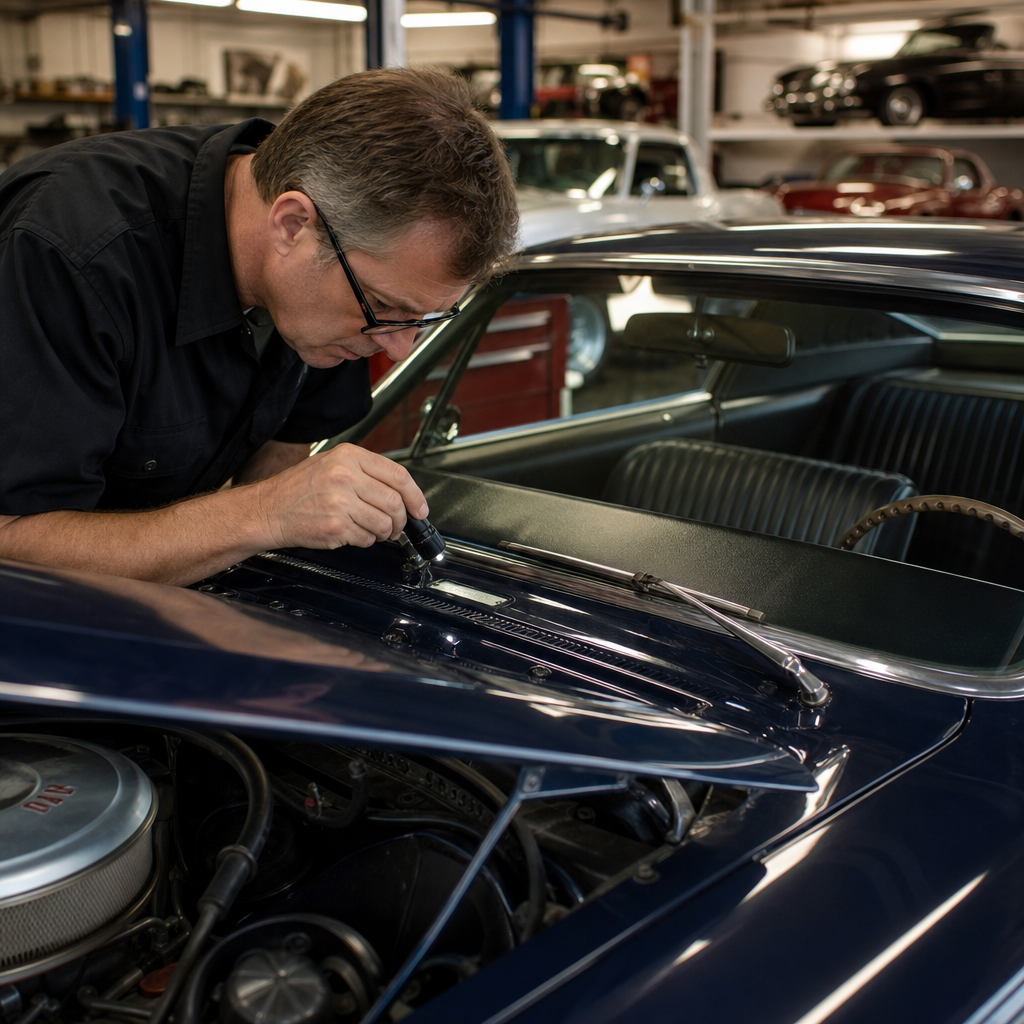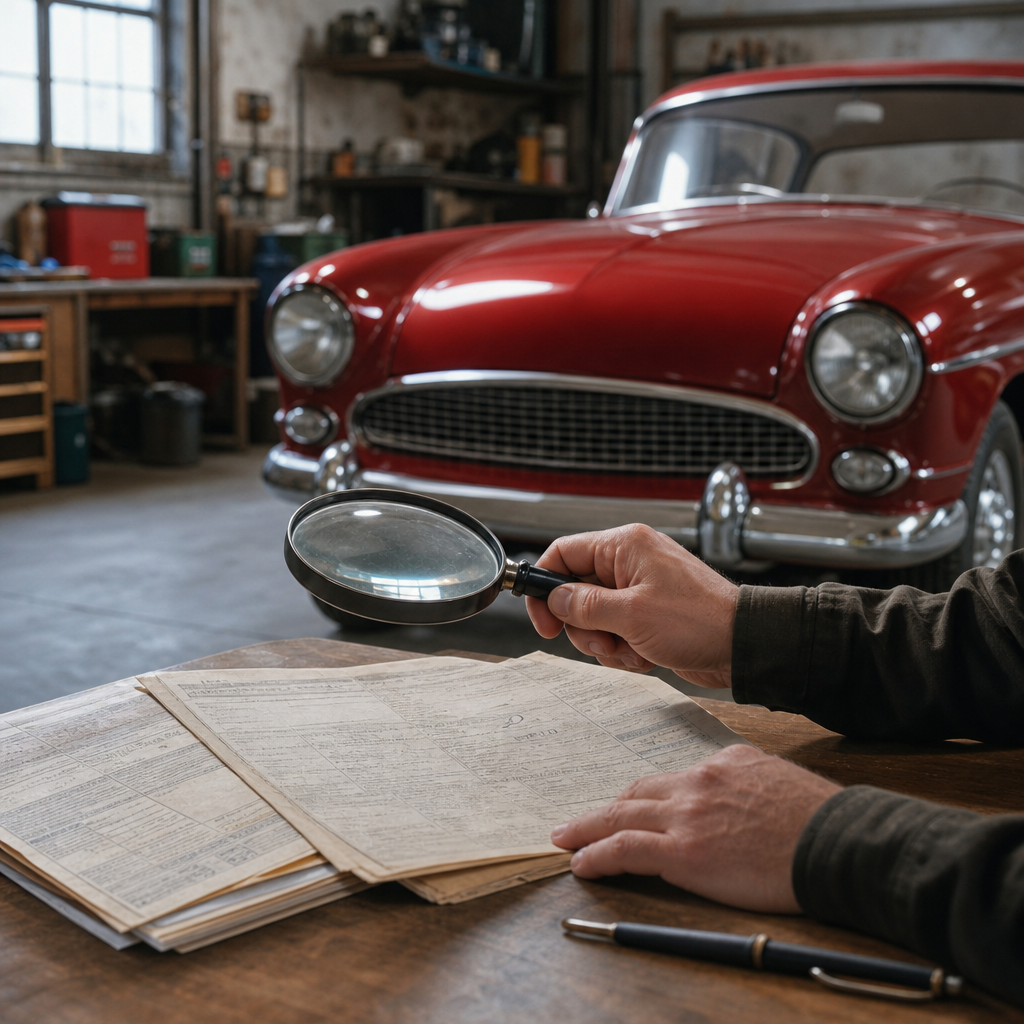
Buying a vintage vehicle online can be rewarding, but fake classic car listings have become sophisticated enough to fool experienced enthusiasts. A fake listing is any advertisement that misrepresents a car’s existence, condition, ownership, history, or sale terms to steal money, personal information, or deposits. In the classic market, where rarity, nostalgia, and imperfect records are common, scammers exploit emotion and urgency. I have reviewed listings for collectors, inspected cars after failed deals, and seen the same warning patterns repeat across marketplaces, social groups, auction sites, and dealer pages. Knowing how to spot a fake classic car listing protects your money and helps you buy with confidence.
This topic matters because classic cars often trade at higher values than ordinary used vehicles, yet buyers may be purchasing across state lines, relying on photos, old paperwork, and seller promises. A buyer looking at a 1967 Mustang fastback, an air-cooled Porsche 911, or a C10 pickup may be dealing with a car that has changed hands many times. Documentation may be partial. VIN formats may differ by era. Title practices vary by state and country. Those realities create room for both innocent confusion and deliberate fraud. The goal is not to become paranoid. The goal is to build a repeatable verification process that separates legitimate opportunities from scams before money moves.
Most fake classic car listings fall into a few categories. Some use stolen photos of a real car and invent a seller identity. Some advertise a real car but hide major problems such as rust, title defects, swapped VIN tags, or flood damage. Others imitate escrow services, shipping companies, or military deployment stories to pressure buyers into wiring funds. There are also cloned dealer sites, copied auction descriptions, and social media listings that disappear the moment a deposit lands. If you understand the patterns, ask the right questions, and verify each claim against independent records, you can avoid the most common scams and pitfalls that trap first-time buyers and rushed collectors.
Start With the Listing Itself: Language, Photos, Price, and Plausibility
The first screen happens before you contact the seller. Read the listing like an investigator, not a fan. Scammers often combine an attractive price with vague claims and borrowed enthusiasm. If a numbers-matching 1970 Chevelle SS 454 is listed far below comparable sales, the price is not a gift until evidence proves it. Compare the asking price against recent Bring a Trailer sales, Hagerty Price Guide ranges, Hemmings listings, and marque-specific forums. A bargain can exist, especially in estate sales or unfinished restorations, but a price that sits dramatically below market without a credible reason deserves immediate skepticism.
Listing language is equally revealing. Fake ads often avoid concrete details that real owners know instinctively: engine code, trim tag data, body style designation, restoration date, rust-prone areas, gearbox type, rear axle ratio, or known flaws. Instead, they rely on generic phrases such as “runs great,” “all original,” “stored inside,” and “must sell fast.” Watch for descriptions that conflict with the photos. If the ad claims original paint but the images show overspray on weatherstripping, non-factory panel gaps, or modern fasteners, the seller may be hiding repairs or simply repeating copied text. Either way, accuracy is already compromised.
Photos often expose fake listings faster than words. Scammers commonly steal images from old auction archives, dealer pages, enthusiast forums, or previous marketplace posts. Reverse image search each photo using Google Images and TinEye. Check whether the same car appears under another seller’s name, in another city, or in a completed auction from six months ago. Examine backgrounds too. I once traced a fraudulent Camaro listing because the seller claimed the car was in Arizona while the photos clearly showed a UK-spec transit van and damp stone buildings typical of northern Europe. Background clues, reflections, license plates, and inspection stickers can tell you where and when the images were taken.
Ask whether the overall story makes sense. A one-owner survivor with complete documentation can exist, but not every seller with a “too busy to talk” excuse and a perfect-looking GTO is legitimate. Plausibility comes from consistency. The price, condition, location, photos, paperwork, and seller behavior should fit together. If they do not, pause the process.
Verify the Seller, Ownership, and Vehicle Identity Before Discussing Payment
The most reliable way to avoid a fake classic car listing is to verify that the seller is real, authorized to sell the car, and tied to the vehicle’s identity. Start with a phone or video call. A legitimate private seller should be able to speak naturally about the car’s history, cold-start behavior, repairs, and flaws. Ask how long they have owned it, where they bought it, what work they have done, and why they are selling now. Scammers often resist live conversation, rely on text only, or answer technical questions with evasive generalities. A real owner may not know everything, but their answers usually contain specific lived details.
Next, confirm legal ownership. Ask for a photo of the title, but do not stop there. Names and addresses can be partially redacted for privacy, yet the seller’s name should align with the title or with a verifiable dealership entity. If the seller claims to be listing the car for a relative, estate, or friend, require documented authority. Estate sales should involve executor paperwork. Consignment dealers should provide business information and explain title status clearly. In many failed transactions I have reviewed, the “seller” was neither the titled owner nor an authorized representative, which made recovery of funds far harder.
Vehicle identity is especially important with classics because VIN practices changed over time and many cars have body tags, engine stamps, transmission stamps, and casting dates that matter to value. Ask for clear photos of the VIN plate, title, trim tag, engine stamping, and any hidden or secondary identifiers relevant to the model. Then compare them against factory references and marque registries. A 1969 Camaro, for example, has model-year-specific VIN structure and cowl tag formats. A Porsche 356, early Bronco, or split-window Corvette has well-documented identity markers known to clubs and registries. If a seller refuses to provide identification photos before deposit discussions, treat that as a major warning sign.
| Checkpoint | What to Ask For | Why It Matters | Red Flag |
|---|---|---|---|
| Seller identity | Phone call, video call, full name, business details | Confirms a real person or dealership exists | Text only, changing names, no traceable history |
| Ownership proof | Title photo, registration, executor or consignment documents | Shows legal right to sell the car | Name mismatch or vague third-party story |
| Vehicle identity | VIN plate, trim tag, engine and gearbox numbers | Validates model, originality, and value claims | Refusal to share or numbers that do not align |
| Photo authenticity | Fresh walkaround, today’s date, custom requested angles | Proves the seller has the car now | Only polished old photos from one shoot |
| Location proof | Live video, shop signage, transport-accessible address | Confirms where the car physically sits | Storage-site excuse or shifting locations |
Use Fresh Evidence: Custom Photos, Video, Records, and Independent Inspection
One of the best anti-scam tools is to request evidence the scammer cannot easily fake on short notice. Ask for a walkaround video that starts with the seller saying your name and the date, then showing the VIN, exterior, interior, engine bay, undercarriage, and a cold start. Request specific angles: lower fender corners, trunk drops, frame rails, cowl, floor pans, battery tray, door bottoms, and known rust zones for that model. Ask the seller to operate lights, gauges, wipers, horn, and windows on camera. A legitimate seller might need a day to arrange it, but a scammer using stolen photos usually disappears or sends edited clips that avoid your requested details.
Maintenance and provenance records help in two ways. They support the vehicle’s story and they create names, dates, and locations you can verify independently. Receipts from reputable shops, restoration invoices, old registrations, inspection reports, judging sheets, and ownership history all strengthen legitimacy. Review them critically. Do dates make sense with odometer claims? Do shop names exist? Does the paint invoice align with the seller’s statement that the car wears original finish? I have caught fraudulent listings where copied restoration binders belonged to a different car entirely because body color codes and option descriptions did not match the advertised vehicle.
An independent pre-purchase inspection remains one of the strongest defenses against hidden problems and fake listings. Use a qualified appraiser, marque specialist, or local shop with documented classic-car experience, not a random general mechanic unfamiliar with carburetors, drum brakes, body filler detection, or non-standard VIN locations. Services such as Lemon Squad or local specialty inspectors can be useful starting points, but for high-value cars, a model-specific expert is worth the money. In-person inspection can confirm whether the car exists, whether the seller has access to it, and whether the condition matches the ad. If the seller blocks any outside inspection, walk away.
Shipping and storage claims deserve extra care. A common scam says the car is already with a transport company, held in a warehouse, or part of a buyer-protection program requiring wire payment to release it. Real transporters do not sell cars, and legitimate escrow arrangements are transparent, documented, and independently verifiable. Always choose services yourself rather than using links or contacts supplied solely by the seller.
Watch the Financial Red Flags: Deposits, Wire Transfers, Escrow Tricks, and Time Pressure
Most classic car scams become obvious once money enters the conversation. The safest rule is simple: never send funds until you have independently verified the seller, the car, the title, and the payment path. Deposits are normal in private-party and dealer transactions, but they should be modest, documented, and tied to clear conditions. A seller demanding a large non-refundable deposit before sharing VIN details or allowing inspection is not following standard practice. Neither is a seller who insists on immediate wire transfer because several other buyers are “ready right now.” Pressure is part of the scam design.
Wire transfers are not inherently fraudulent; many legitimate classic car transactions use them. The problem is that wires are fast, difficult to reverse, and favored by criminals. Before sending one, call the receiving bank account holder using independently sourced contact information, not the phone number in a suspicious email. Confirm account name, dealership entity, invoice details, and whether wiring instructions were changed. Business email compromise scams often intercept real deals and substitute fraudulent bank details late in the process. I have seen buyers do everything right on the car itself and still lose money because they failed to verify a last-minute “updated wire instruction” message by phone.
Be cautious with escrow. Real escrow services exist, but fake ones are everywhere, often built as cloned websites with copied logos and reassuring language. If escrow is proposed, choose a provider with an established reputation and find its website yourself. Read the fee structure, call the published customer service number, and confirm the transaction reference directly. The same rule applies to shipping insurance, title services, and payment protection offers. If the seller sends you to a website you have never heard of and urges immediate action, assume nothing until independent verification proves otherwise.
Payment method should match transaction size and risk. For lower-value cars, in-person exchange at a bank with cashier’s check verification may be appropriate. For higher-value purchases, documented escrow, attorney-managed trust accounts, or direct bank-to-bank transfer after inspection and title confirmation can work well. Whatever method you use, insist on a bill of sale that identifies the car by VIN, sale price, deposit terms, included parts, title status, and both parties’ legal names. Good paperwork will not fix a scam, but scammers usually avoid precise paperwork because precision creates accountability.
Build a Repeatable Fraud-Check Process for Every Classic Car Deal
The best defense against avoiding scams and pitfalls is a checklist you use every time, whether you are buying a driver-quality Triumph or a six-figure muscle car. Start with market validation: compare price, condition, and claims against trusted comps. Move to seller validation: confirm identity, phone presence, address, and ownership authority. Then verify vehicle identity with VIN photos, tags, and records matched against model-specific references. Request fresh custom media. Order an independent inspection. Confirm payment details verbally using independent contact information. Slow down whenever a seller creates urgency. Fraud thrives in emotional buying, especially when the car seems rare or freshly listed.
This article is the hub for the broader topic because every related issue connects back to due diligence. Title problems, odometer fraud, hidden rust, cloned VINs, fake escrow, online marketplace impersonation, and cross-border shipping scams are not separate concerns; they are parts of one decision chain. If any link breaks, the deal becomes risky. Experienced buyers do not rely on instinct alone. They gather proof in layers until the story is coherent from listing to title transfer. That method saves money, protects enthusiasm, and prevents the kind of mistake that turns a dream purchase into a legal fight.
When in doubt, walk away. Another classic car will appear, and a legitimate seller will respect reasonable verification. Use this page as your starting framework before sending deposits, booking transport, or signing papers. Careful buyers do not miss opportunities; they filter noise, avoid fraud, and close better deals with confidence.
Frequently Asked Questions
What are the biggest red flags that a classic car listing might be fake?
The biggest warning signs usually appear in clusters, not one by one. Start with the price. If a supposedly desirable classic is listed well below market value, especially with a vague explanation like “must sell today” or “family emergency,” treat it with caution. Scammers know that bargain pricing lowers a buyer’s defenses and creates urgency. Another major red flag is a listing that uses unusually polished language but provides very little real substance about the car. Genuine sellers can usually discuss engine codes, trim details, restoration history, title status, rust areas, and recent work without hesitation. Fake listings often stay generic, relying on emotional phrases like “runs great” or “rare opportunity” while avoiding specifics.
Photos are another critical clue. If the images look inconsistent, such as different backgrounds, mismatched license plates, conflicting weather conditions, or varying paint shades, the seller may have copied them from multiple sources. Reverse image searching can often reveal whether the same photos appeared in an old auction, forum post, or dealership listing. Also pay attention to contact behavior. A seller who refuses phone calls, avoids video chats, pushes email-only communication, or claims to be out of the country is raising serious concerns. In the classic car market, a legitimate seller may be busy, but they should still be able to answer direct questions and provide fresh, specific proof that they possess the vehicle.
Watch for suspicious sale terms as well. Requests for wire transfers, gift cards, cryptocurrency, or deposits before you verify the car are common scam tactics. So are stories involving military deployment, third-party shipping agents, or “protected” transactions outside established platforms. Finally, trust your instincts when the details do not add up. If the VIN is missing, the title story keeps changing, the ownership timeline sounds vague, or the seller becomes defensive when asked for simple documentation, step back. Fake classic car listings often rely on buyers ignoring small inconsistencies because they do not want to lose a dream car. That emotional pressure is exactly what scammers count on.
How can I verify that the classic car in the listing actually exists and is owned by the seller?
The best approach is to verify the car from multiple angles before any money changes hands. First, ask for the full VIN if the vehicle has one in the modern sense, or the chassis, serial, or body number if it is an older model with era-specific identification. Once you have that number, compare it with the make, year, engine type, trim, and production details in the listing. For many classics, enthusiast clubs, marque registries, factory references, and specialty decoding resources can help confirm whether the number matches the vehicle being advertised. If a seller refuses to share identifying numbers early in the conversation, that is a major problem unless they have a very specific and reasonable privacy concern, and even then, they should provide enough information for verification.
Next, ask for fresh, custom photos and video. Do not settle for the listing gallery alone. Request images of the VIN plate, title, engine bay, trunk, undercarriage, odometer, current day newspaper or handwritten note with the seller’s name and date, and a few oddly specific angles that are hard to fake, such as the left rear quarter panel with the trunk open or the dashboard while the ignition is on. A legitimate seller with possession of the car should be able to provide these within a reasonable timeframe. A walkaround video is even better, especially if you ask them to start the car, show the gauges, operate the lights, and move the camera continuously from exterior to interior to engine bay. That type of proof makes stolen photos much harder to use.
You should also verify ownership, not just existence. Ask whether the title is in the seller’s name, whether there is a lien, and where the car is physically located. If possible, compare the seller’s name with the title and with publicly available registration or business information when relevant. If the vehicle is supposedly being sold by a dealer, confirm that the dealership is real, active, and actually represents that inventory. If it is a private seller, request a phone call or video chat and ask practical ownership questions that only someone familiar with the car would know, such as when they bought it, what repairs they have done, where the car has been stored, and what flaws are not visible in the photos. If anything feels rehearsed, evasive, or inconsistent, slow down and verify further. In the collector world, the honest seller usually appreciates a careful buyer because serious due diligence protects both sides.
What documents and records should I ask for before trusting a vintage vehicle listing?
At a minimum, ask for the title or equivalent ownership document, the VIN or serial number, and recent photos of the identifying plates or stampings on the car itself. Beyond that, the more valuable or rare the vehicle, the more documentation matters. Service records, restoration invoices, engine rebuild receipts, paintwork documentation, parts orders, and inspection reports can all help establish whether the car’s story is credible. If the listing claims matching numbers, factory originality, documented mileage, award history, or celebrity ownership, ask for proof. In the classic car market, claims add value only when they can be backed by records. A seller who makes big assertions but cannot produce paperwork deserves extra scrutiny.
For restored vehicles, ask for before, during, and after restoration photos along with invoices from shops or parts suppliers. This can help you understand whether the work was cosmetic or structural and whether the restoration really occurred at the time and level claimed. For survivor cars or unrestored originals, ask for historical registration records, old photos, prior titles, ownership history, and any documentation showing continuity over time. For certain marques, build sheets, heritage certificates, factory records, or club-authenticated paperwork can be especially useful. You do not need every piece of paper ever created, but you do need enough documentation to support the seller’s main value claims.
Also pay close attention to whether the records look internally consistent. Dates, names, mileage entries, addresses, and vehicle identifiers should align. A receipt for an engine rebuild on a date when the seller says the car was in long-term storage may indicate a problem. A title showing one VIN digit while the cowl plate shows another should trigger immediate concern. Sloppy or missing paperwork does not automatically mean fraud, because many classics have incomplete histories, but it does mean you should lower your confidence and increase your verification steps. In short, documents should not just exist; they should fit the car’s story logically and support the seller’s claims without forcing you to fill in too many gaps.
Is it safe to send a deposit for a classic car before seeing it in person?
It can be safe in limited circumstances, but only after meaningful verification and only with strong protections in place. In the real classic car market, small refundable or clearly documented deposits are sometimes used to hold a vehicle for inspection or finalize logistics. The problem is that scammers imitate that perfectly normal process. The difference is that a legitimate deposit follows proof of existence, proof of ownership, direct communication, and clear written terms. You should never send money simply because the seller says there is “another buyer waiting” or because they promise a shipping company will handle everything later. Urgency is one of the oldest scam tools in the collector world.
If you are considering a deposit, first verify the car, the seller, and the title situation. Then make sure the agreement is in writing and spells out the amount, whether it is refundable, under what conditions it can be returned, how long the hold period lasts, and what happens if the car fails inspection or if the title cannot be transferred. Ideally, use a payment method with some level of protection or use an escrow service that you independently verify, not one suggested through a suspicious link. Be extremely cautious with wire transfers, peer-to-peer apps, cryptocurrency, or any method that is difficult to reverse. Those payment channels are favorites of scammers because once the money is sent, recovery is often unlikely.
A safer alternative is to make any deposit contingent on an independent pre-purchase inspection by a reputable specialist near the vehicle. For high-value classics, this step is not optional in practice. An inspector can confirm the car exists, assess condition, compare numbers and paperwork, and sometimes identify whether the listing overstates originality or hides major rust, accident damage, or poor restoration work. If the seller resists independent inspection, that alone may tell you what you need to know. Deposits are not inherently dangerous, but sending one too early, with weak documentation and no verification, is one of the fastest ways buyers lose money on fake classic car listings.
What is the safest process for buying a classic car online without getting scammed?
The safest process is a layered one that assumes nothing and verifies everything. Start by researching the market value for the exact year, make, model, body style, drivetrain, and condition level. Knowing the realistic price range helps you spot listings designed to bait impulsive buyers. Then evaluate the listing itself: read it closely, review the photos for inconsistencies, reverse search the images, and note whether the seller provides meaningful details about flaws, history, and documentation. A real seller usually knows that serious buyers expect transparency, especially with older vehicles where condition can vary wildly.
Once the listing passes that first screen, move to direct verification. Speak with the seller by phone or video, request fresh