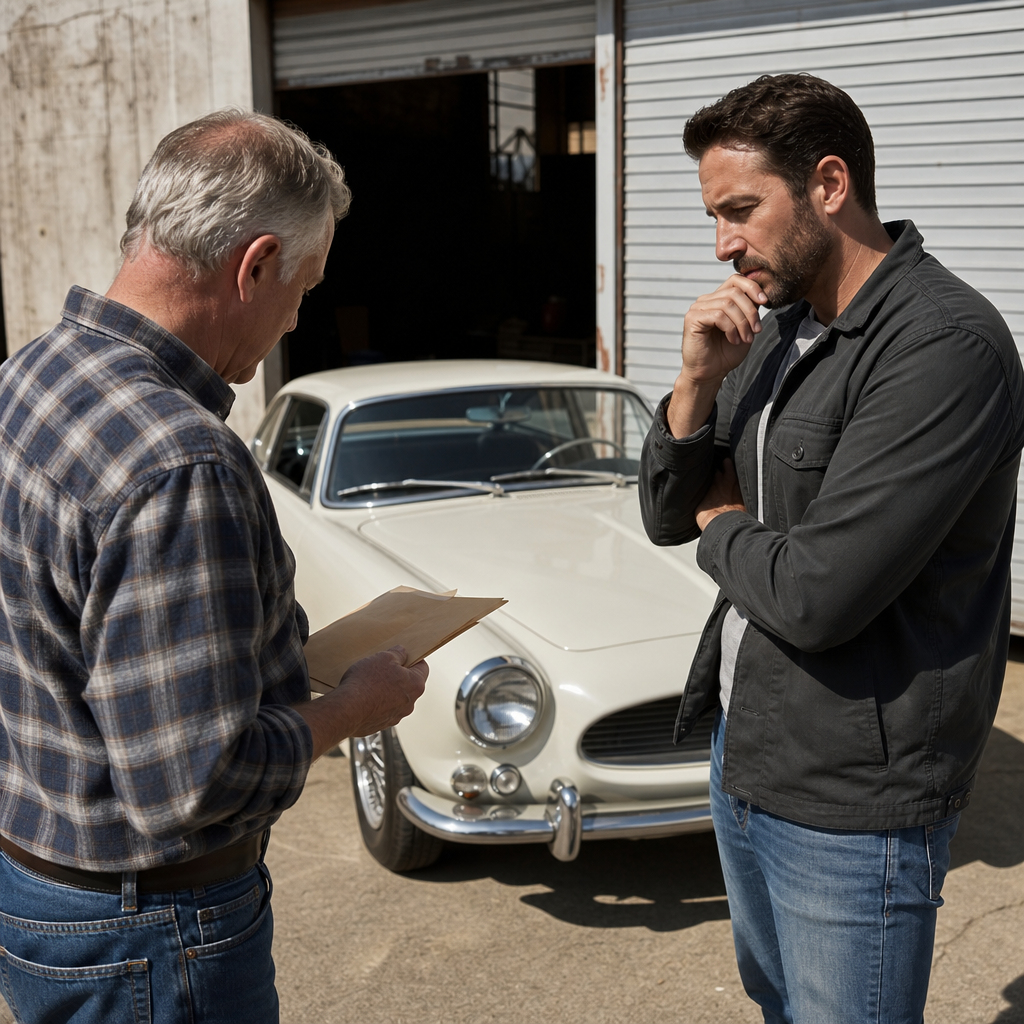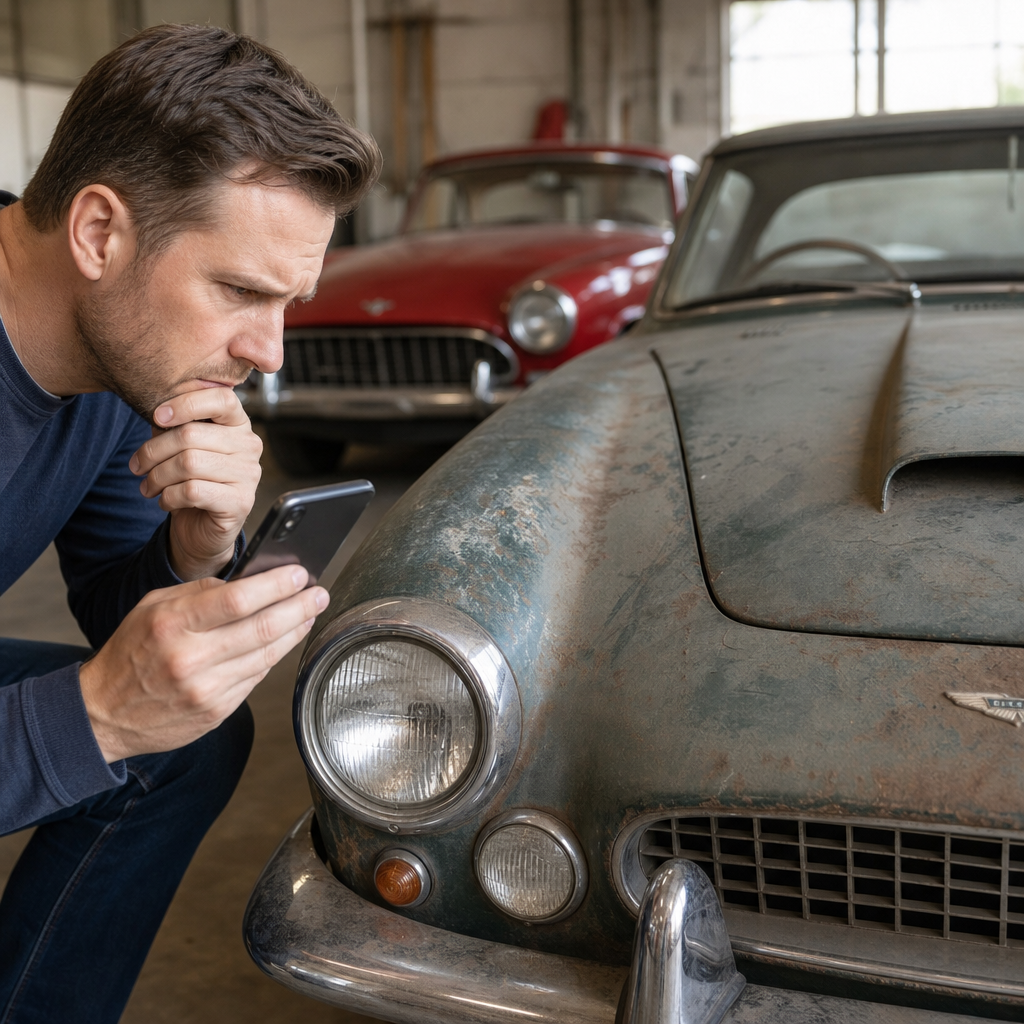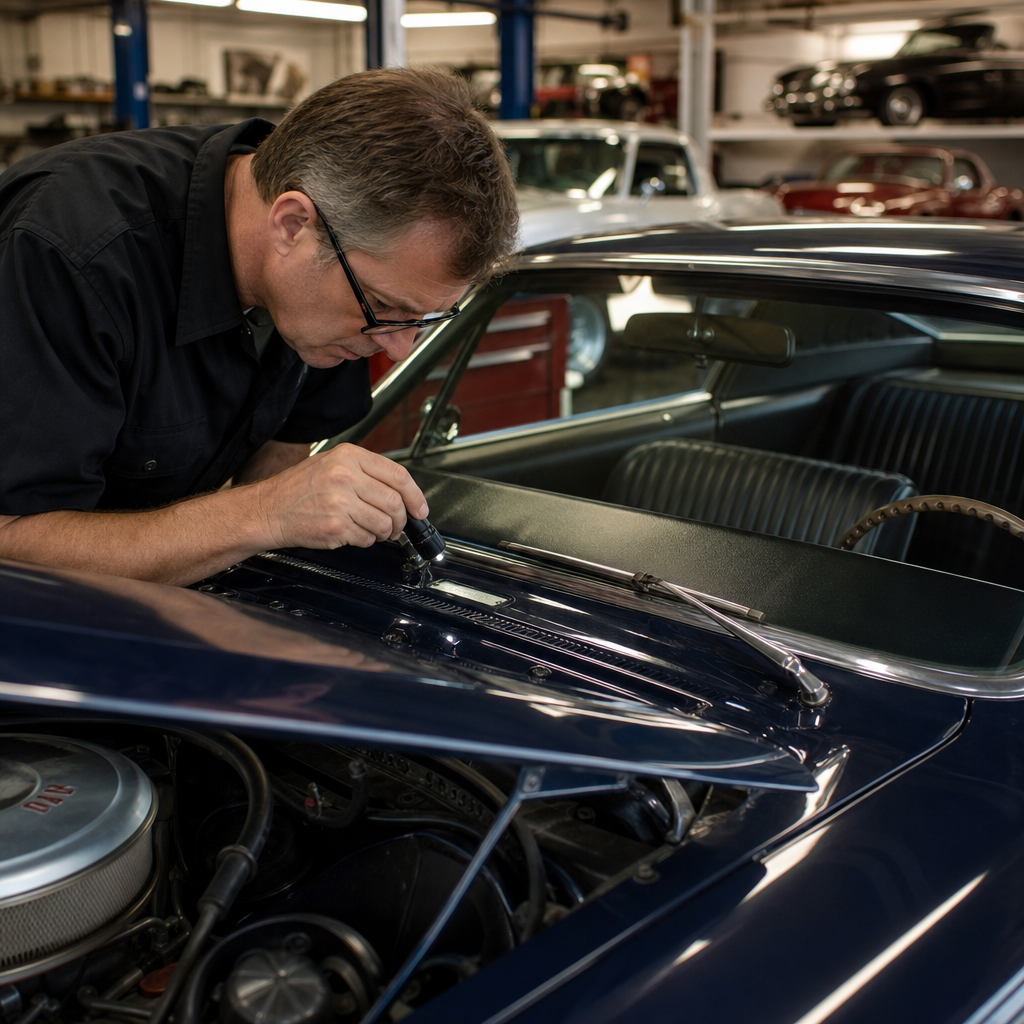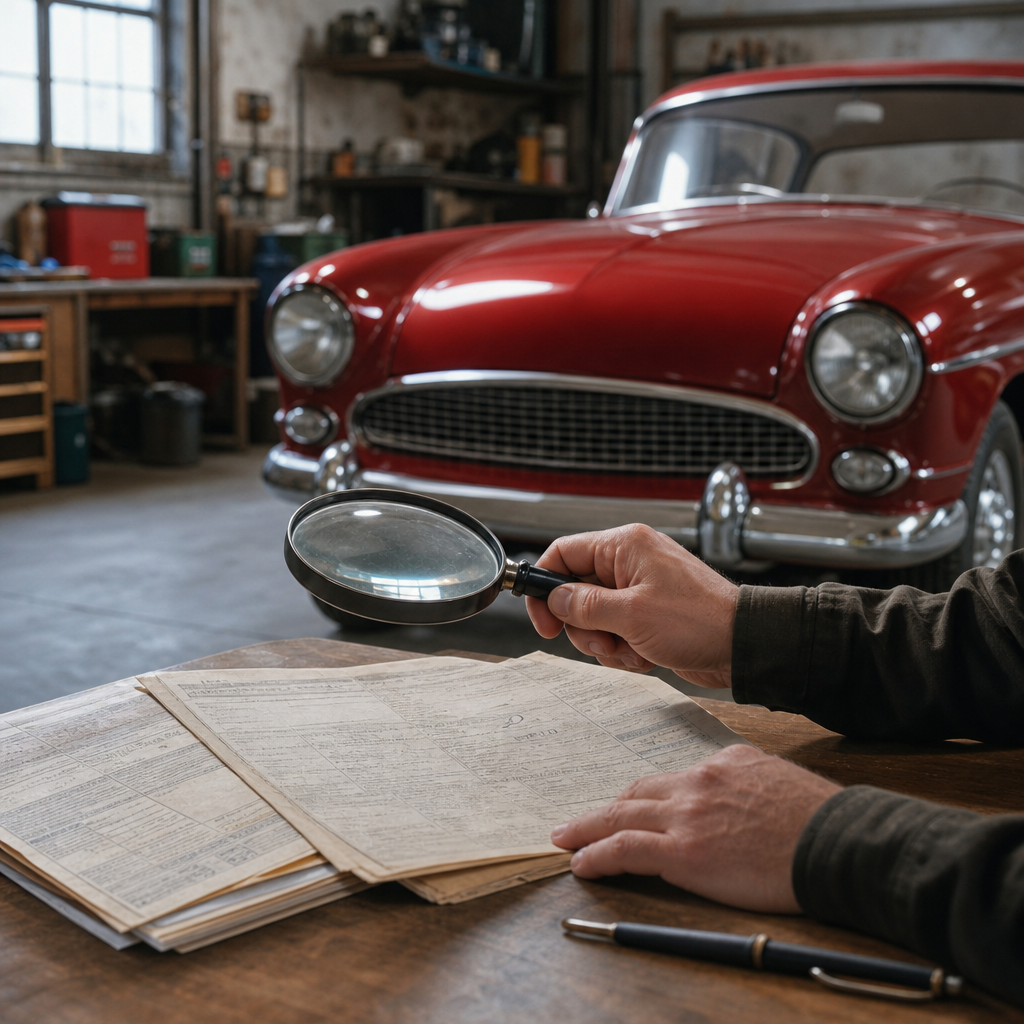
Classic car scams cost buyers money, time, and trust because the market runs on emotion as much as evidence. A first-time buyer may see a gleaming Mustang, Corvette, or Porsche and focus on paint, chrome, and a seller’s story, while the real value sits in documents, metal condition, drivetrain originality, and legal title status. In the classic car world, a scam is any deliberate act that hides material facts to inflate price or steal funds outright. That includes fake listings, title washing, cloned VINs, odometer fraud, counterfeit restorations, forged build sheets, and consignments that never deliver the car. Buyers need to know how these schemes work because classic vehicles are often sold privately, values can vary wildly, and many transactions happen across state lines with limited consumer protection. I have inspected collector cars where a fresh interior distracted from severe frame corrosion, and I have seen online listings reuse old auction photos to bait wire transfers. The lesson is consistent: excitement is expensive when verification is weak. This hub explains the most common classic car scams, the warning signs before payment, the documents and inspections that matter, and the practical process that protects a buyer from costly mistakes.
Why classic cars attract scams
Classic cars create ideal conditions for fraud because pricing is subjective, originality is difficult to judge, and buyers often chase rare specifications. Unlike late-model used cars, collector vehicles may have incomplete service history, nonstandard repairs, replacement engines, and decades of ownership gaps. Two similar cars can differ in value by tens of thousands of dollars based on matching numbers, body integrity, trim codes, options, and restoration quality. Scammers exploit that complexity. They know many buyers are shopping from another state, relying on photos, short videos, and a seller who seems knowledgeable. They also know nostalgia lowers skepticism. A buyer who has wanted a 1969 Camaro since high school may overlook obvious inconsistencies if the car appears to be “the one.” Market momentum makes the problem worse. When prices spike for air-cooled 911s, Broncos, or square-body trucks, fraudulent listings multiply because demand outruns careful supply. The same pattern shows up around major auctions and spring buying season.
Another reason scams thrive is that legitimate classic car sales already involve imperfect information. Even honest sellers may not know every detail about a fifty-year-old vehicle. That uncertainty gives dishonest sellers cover. They describe rust repair as “solid driver quality,” a replacement block as “believed original,” or a patched title issue as “easy to sort out.” In practice, those phrases can conceal major loss. The buyer’s defense is not cynicism; it is process. You need independent verification of identity, ownership, condition, provenance, and payment terms before funds move.
The most common classic car scams buyers face
The most common scam is the fake listing. A fraudster copies photos from a past auction, dealer site, or enthusiast forum, posts the car at an attractive price, then pressures the buyer to wire a deposit quickly. These scams often include a believable reason for urgency, such as military deployment, divorce, estate liquidation, or a recent move. If the “seller” refuses a live video walkaround with today’s date, cannot show the VIN in real time, or claims an escrow service you cannot independently verify, assume the car does not exist. Reverse image search and archive tools quickly expose many of these listings.
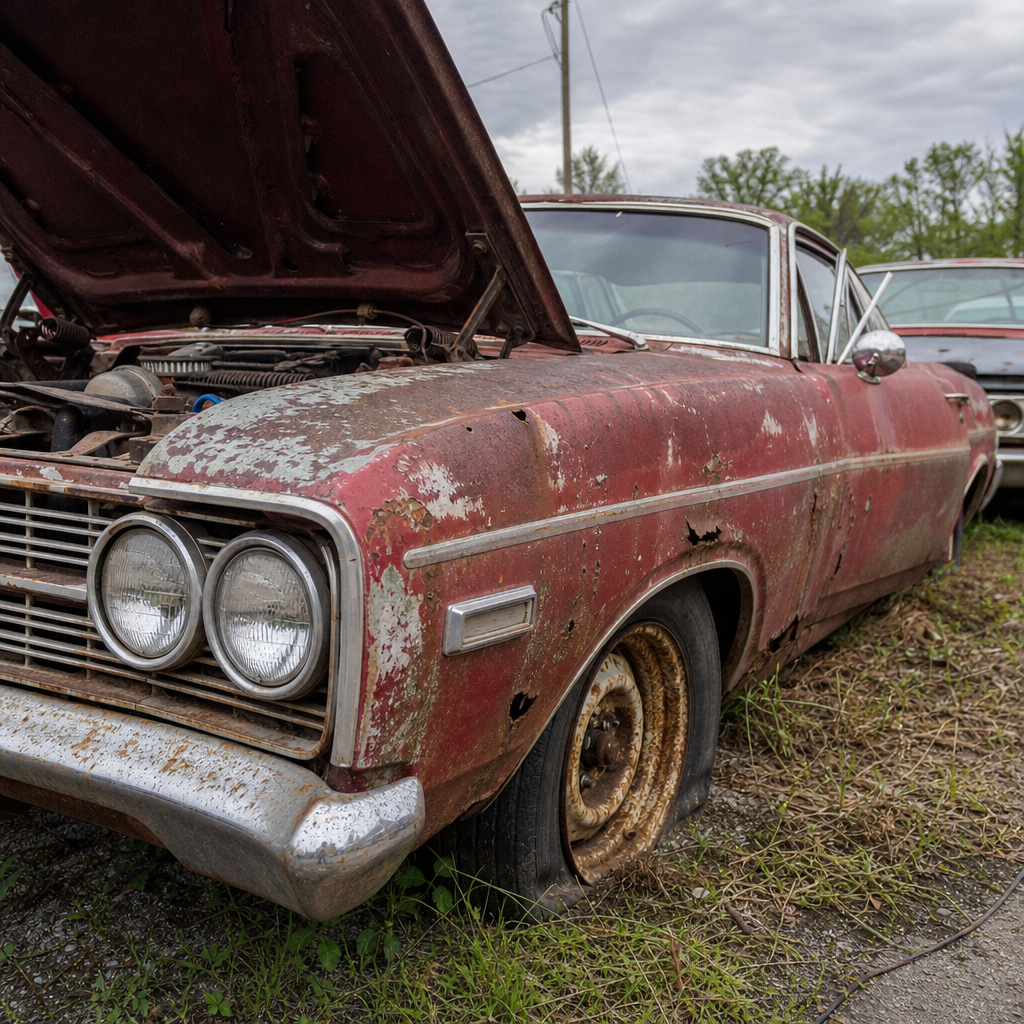
A second major scam involves misrepresented condition. Fresh paint can hide filler, accident damage, and corrosion in floors, trunk pans, rockers, cowl sections, or frame rails. Sellers may photograph the car wet, avoid underside shots, or use dim lighting that conceals waviness and panel mismatch. Mechanical misrepresentation is just as common. A car advertised as “fully restored” may have a cosmetic refresh but worn suspension bushings, old brake hoses, poor wiring splices, and a smoking engine once fully warmed. In my experience, the phrase “needs nothing” almost always means “needs inspection.”
Title fraud is especially dangerous because it can leave a buyer with a car that cannot be registered. Title washing hides salvage, flood, theft recovery, or branding history by moving the vehicle through jurisdictions with different disclosure rules. VIN cloning is worse: a stolen vehicle may carry the identity of a legitimate car from another state. Buyers also encounter forged tags, restamped engine pads, replacement cowl tags presented as original, and counterfeit documentation such as Protect-O-Plate cards, window stickers, Marti reports, and build sheets. Documentation should support the car, not substitute for it.
Consignment fraud and dealer misconduct also deserve attention. Some operators take cars on consignment, spend the proceeds elsewhere, or sell inventory they do not legally control. Others collect deposits on incoming cars that never arrive. A reputable dealer will clearly disclose whether it owns the vehicle, holds title, or is brokering the sale for a consignor. If ownership is unclear, risk rises sharply.
Red flags in listings, conversations, and paperwork
Most scams reveal themselves before inspection if you know where to look. The first red flag is a price that sits well below market without a documented reason. Every buyer wants a deal, but truly underpriced desirable classics are usually sold inside known networks before the public sees them. The second red flag is avoidance of specifics. A real seller can state whether the engine stamp matches, where rust repair was done, when the transmission was rebuilt, and what is not working today. Vague language protects deception.
The third red flag is friction around verification. If a seller refuses a pre-purchase inspection, limits phone contact, will only communicate by text, or dodges requests for cold-start video, underside photos, and title images, stop. Honest sellers sometimes have limited time; they do not have limited facts. Watch for inconsistent names across the title, bill of sale, wire instructions, and email signature. That mismatch can signal curbstoning, title jumping, or outright fraud. A seller who asks you to wire money to a third party “shipper” or “agent” is creating distance between you and recovery options.
Documents can also betray a scam. Compare the VIN on the title, windshield tag, door tag, frame stamp, fender tag, and any factory paperwork. Check whether rivets, fonts, stamp depth, and surrounding paint look disturbed. Review dates on service receipts and restoration photos for continuity. A car described as frame-off restored three years ago should not have invoices that end fifteen years earlier. Pay attention to state-specific title rules, lien releases, emissions exemptions, and bonded title requirements. Small paperwork defects become expensive after purchase.
How to verify a classic car before sending money
Verification starts with identity. Ask for a live video call where the seller shows the full car, starts it from cold, displays the VIN, title, engine bay, trunk, underbody, and known flaws in one continuous session. Then confirm the VIN format for that make and year using marque references, club databases, and factory decoding guides. For many American classics, trim tags and drivetrain suffix codes matter almost as much as the VIN because the market prices special engines, body styles, and options aggressively. On European classics, chassis numbers, gearbox numbers, Kardex or heritage certificates, and coachbuilder details can be critical.
Next, verify market positioning. Use Hagerty Price Guide, dealer comps, Bring a Trailer results, Hemmings listings, Mecum and Barrett-Jackson archives, and marque-specific forums to estimate realistic value. Your goal is not a single number but a range adjusted for originality, rust history, color, options, and documentation. Then order reports where available. Services like AutoCheck and CARFAX are limited on older vehicles, but they can still reveal title brands, mileage inconsistencies, and registration patterns on some classics. The National Insurance Crime Bureau VINCheck can identify certain theft and salvage records.
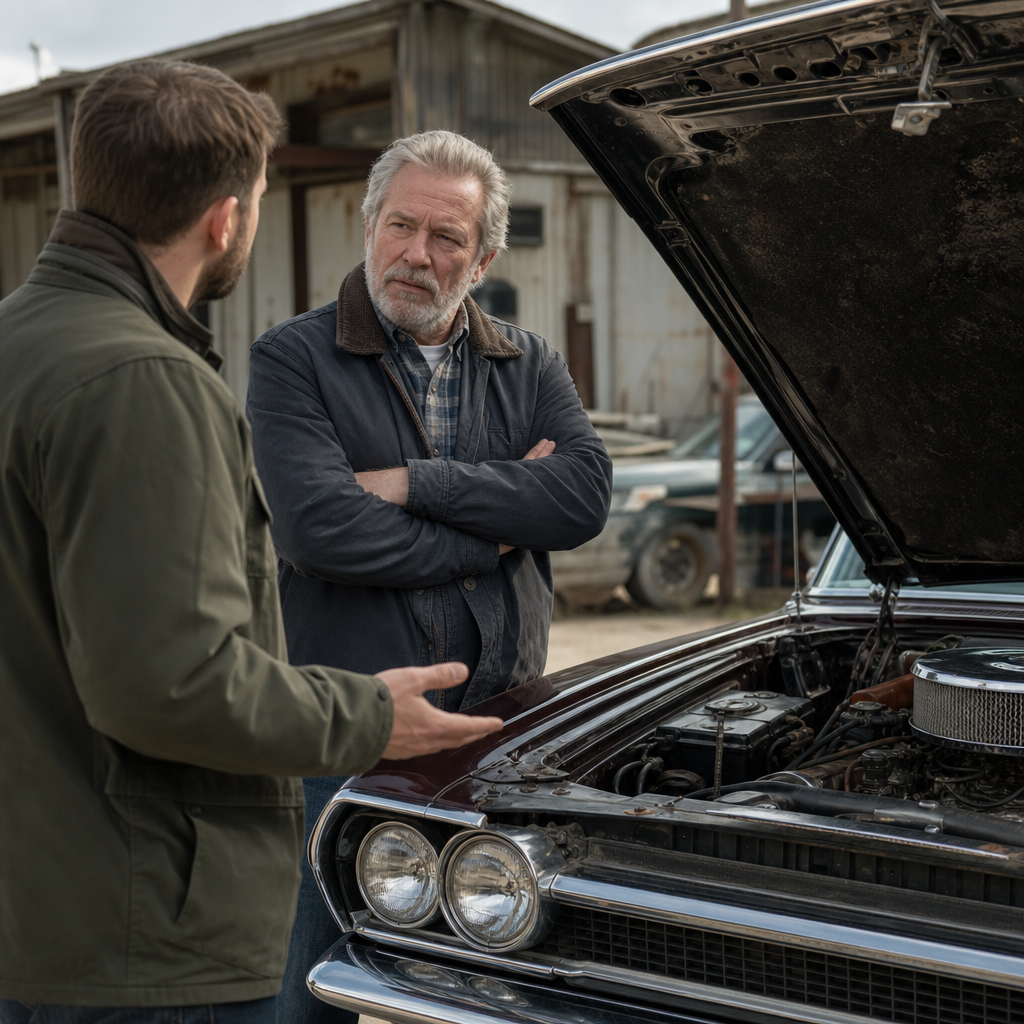
The most important step is an independent pre-purchase inspection by a specialist who knows the model. General mechanics miss model-specific trouble spots. A Mopar expert will know where hidden corrosion forms in torsion bar crossmembers. An air-cooled Porsche specialist will inspect head studs, case leaks, and evidence of crash repair around the front pan. A C3 Corvette expert will evaluate birdcage rust and bonding strip integrity. If the seller says an inspection is unnecessary because the car was “just serviced,” insist anyway. Service is not verification.
| Verification step | What to request | Why it matters |
|---|---|---|
| Seller identity | Government-issued name match, phone call, address, title image | Reduces fake seller and title-jumping risk |
| Vehicle identity | Live VIN video, tag photos, stampings, factory documents | Confirms the car matches the story and paperwork |
| Condition check | Independent specialist inspection with compression and road test | Finds rust, accident repair, and mechanical issues |
| Market check | Recent comparable sales and price guide review | Flags listings priced to trigger rushed decisions |
| Funds protection | Verified escrow or bank-mediated process | Limits loss if the transaction changes or fails |
Payment, shipping, and escrow traps
Payment fraud often succeeds after a buyer has convinced himself the car is real. Wire transfers are common in collector car transactions, but they are difficult to reverse. That makes them appropriate only after identity, title, and inspection checks are complete. If the seller pushes immediate wiring to hold the car before basic verification, treat that urgency as a tactic, not a necessity. Deposits should be modest, documented in writing, and contingent on clear terms such as inspection results, title review, and delivery conditions.
Escrow can protect both parties, but only if the service is legitimate and independently verified. Scammers create lookalike escrow websites or send invoices that mimic known brands. Never use a link provided only by the seller. Find the company yourself, confirm the domain, call the published phone number, and verify the transaction reference with a real employee. Shipping scams follow a similar pattern. A fake transporter may request separate payment, claim the car is already picked up, or send fabricated tracking updates. Use licensed carriers, verify USDOT and MC numbers through the Federal Motor Carrier Safety Administration, and confirm insurance limits in writing.
International purchases add complexity. Customs paperwork, export titles, port fees, and value-added tax can create openings for fraud or misunderstanding. If you are buying abroad, use a customs broker and a local inspector with marque knowledge. I have seen buyers pay for cars that existed but could not legally leave the country because export documents were incomplete. A legitimate cross-border deal is possible, but it requires more documentation, not more trust.
Building a safer buying process from first contact to delivery
The safest classic car purchase follows a repeatable sequence. Start by screening the listing: save the ad, run reverse image searches, compare price to the market, and confirm the seller’s identity. Move next to document review: title, registration, lien release, VIN photos, trim tags, restoration receipts, and any provenance files. Then schedule a live video walkaround and ask direct questions about flaws, rust, modifications, and drivability. After that, hire a qualified inspector, preferably one with model-specific experience and access to a lift. Review the report against the seller’s claims and renegotiate only after facts are established.
Before payment, create a purchase agreement stating the exact vehicle identification number, included parts, price, deposit terms, title status, delivery method, and remedies if material misrepresentation appears before release. Confirm where the title will be at closing and whether the seller is the legal owner or acting on behalf of a consignor. Use secure payment methods appropriate to the size of the transaction, and do not let a shipping deadline compress your due diligence. Once the car arrives, inspect it before the carrier leaves, photograph all sides, note any transit damage on the bill of lading, and verify that spare parts and documents match the agreement.
This hub exists to support every article under avoiding scams and pitfalls, but the main principle is simple: slow the transaction until evidence catches up with excitement. Classic cars reward patience. The buyer who verifies VINs, studies market comps, uses specialist inspections, and controls payment risk is far more likely to end up with a car that is authentic, legal, and worth what was paid. If you are shopping now, build a checklist before you browse listings, and use it on every car without exception.
Frequently Asked Questions
What are the most common classic car scams buyers should watch for?
The most common classic car scams usually fall into a few predictable categories, and the danger is that many of them look believable at first glance. Fake listings are one of the biggest problems. A scammer copies photos and details from a real auction, dealer site, or old classified ad, then reposts the car at an attractive price to create urgency and collect deposits or full payment. If the seller refuses a live video walkaround, avoids specific questions, or pushes wire transfer before you verify the car exists, that is a major warning sign.
Another frequent scam is misrepresentation of condition. A car may look excellent in photos because of fresh paint, flattering lighting, and carefully chosen camera angles, while serious rust, poor bodywork, frame damage, or hidden filler sits underneath. In the classic market, shiny cosmetics can distract buyers from what actually matters: metal integrity, originality, mechanical health, and documentation. Odometer fraud, fake restoration claims, and undisclosed accident history also fit this category.
Buyers should also watch for title fraud, including title washing. That happens when a vehicle’s branded, salvage, flood, or otherwise problematic history is hidden by moving the title through another state or manipulating paperwork. VIN tampering is another serious issue. A car may wear badges and parts from a desirable model while its identification numbers tell a different story. In high-value cars, cloning and rebodying can dramatically inflate asking price. The safest approach is to assume nothing, verify everything, and treat documents, numbers, and independent inspections as more important than the seller’s story.
How can I tell if a classic car listing is fake or too risky to pursue?
A fake or high-risk listing usually reveals itself when you slow the process down and test the details. Start with the price. If a highly desirable classic is listed far below market value with a vague explanation such as “need to sell today,” “selling for a relative,” or “moving overseas,” be careful. Scammers use bargain pricing to override common sense and create emotional pressure. In the classic car world, a low price does not automatically mean fraud, but it always means you need stronger proof.
Look closely at the listing quality. Stolen or recycled photos are common, so reverse image search them and compare the text to older listings or auction results. If the description is generic, contradictory, or avoids specifics about VIN, engine codes, title state, rust areas, or restoration records, that is a problem. Ask for current photos with something time-specific in the frame, such as a handwritten note with the date, your name, and the VIN. A legitimate seller should be able to provide this easily.
You should also pay attention to communication patterns. Scammers often avoid phone calls, refuse video chat, push messaging apps, and give scripted answers that do not match the car. Ask direct questions about cold starts, compression numbers, ownership history, title status, and known flaws. Real sellers may not know everything, but they can usually speak naturally and consistently about the vehicle. Never rely solely on email promises. Before sending any money, confirm the seller’s identity, verify the VIN, order a vehicle history report when available, and arrange an independent inspection. If the seller blocks inspection, refuses to share title details, or demands a deposit immediately to “hold” the car, walk away.
Why are title problems and VIN issues such a big deal with classic cars?
Title and VIN problems are a big deal because they affect legality, ownership rights, insurability, resale value, and, in some cases, whether the car can be registered at all. A beautiful classic with a bad title can become an expensive garage ornament. If the title is missing, branded, signed incorrectly, issued in a different name than the seller’s, or inconsistent with the VIN on the car, you may be stepping into a legal and financial mess. These issues are not minor paperwork annoyances. They can indicate theft, salvage history, flood damage, lien problems, or deliberate fraud.
VIN concerns are especially important in the classic market because originality drives value. On many collectible models, the difference between a base car and a rare performance version can be enormous, so scammers may clone cars using badges, trim, reproduction tags, or even altered stampings. That means a buyer who skips verification can pay premium money for a car that is not what the seller claims. Matching-numbers claims should also be supported by casting dates, stampings, factory records, and marque-specific documentation where possible.
To protect yourself, compare the VIN on the title to all VIN locations on the vehicle and check whether those locations and rivets look factory-correct. Review body tags, engine numbers, transmission codes, and any supporting paperwork relevant to that make and year. If anything looks tampered with, inconsistent, or freshly altered, involve a marque expert or inspection specialist before proceeding. In classic cars, documentation is part of the asset. If the identity of the car is uncertain, the value is uncertain too.
Is an inspection really necessary if the car looks restored and the seller seems honest?
Yes, an independent inspection is necessary, even when the car looks excellent and the seller appears trustworthy. Classic cars are emotional purchases, and that is exactly why inspections matter. A gleaming exterior, polished chrome, and a confident seller can make a car feel “right,” but restoration quality varies widely, and cosmetic work can hide very expensive problems. Fresh paint may conceal rust, filler, prior collision damage, or poor panel alignment. Clean undercoating may be covering corrosion rather than protecting against it. A car can also idle nicely for a short video while still having major drivetrain, cooling, brake, electrical, or suspension issues.
An inspection helps move the decision from emotion to evidence. A qualified inspector can evaluate structural rust, frame integrity, bodywork quality, engine health, transmission operation, fluid leaks, brake condition, steering play, wiring safety, and signs of incorrect or non-original components. On higher-value classics, the inspector can also assess whether the car’s features, castings, tags, and date codes are consistent with the seller’s claims. That matters because originality often affects value as much as mechanical condition.
The key is independence. Do not rely on the seller’s friend, shop, or “recent service report” as your only source. Hire someone who works for you and knows the specific make or type of vehicle when possible. The cost of an inspection is small compared with the cost of hidden rust repair, engine rebuilding, title disputes, or buying a cloned car at genuine-car money. A good inspection may not guarantee perfection, but it dramatically reduces the chances of paying for someone else’s deception.
What is the safest way to pay for a classic car and complete the transaction?
The safest way to pay for a classic car is to combine verified identity, verified vehicle documents, a clear written agreement, and a payment method that matches the level of risk. Before money changes hands, confirm the seller is the legal owner or has documented authority to sell. Review the title carefully, check the VIN against the car, and make sure any liens are addressed in writing. Use a detailed bill of sale that includes the VIN, purchase price, date, names and addresses of both parties, odometer disclosure if required, any promises about included parts or documents, and the exact conditions of the sale.
For payment, avoid unsecured methods that offer little recourse, especially for long-distance purchases. Wire transfers are common in vehicle deals, but they are also a favorite tool of scammers because they are difficult to reverse. If you use one, do it only after you have independently verified the seller, the car, and the title. For higher-value transactions, an escrow service can add protection by holding funds until agreed conditions are met, though you must verify that the escrow company itself is legitimate and not a fake website created by the scammer. Some buyers also choose in-person bank transactions, where title signing, identity confirmation, and payment can happen together.
Do not send a deposit just because a seller says there are “three other buyers waiting.” Pressure is part of many scams. If shipping is involved, separate the purchase agreement from the transport arrangement and verify each company independently. Keep copies of every message, invoice, photo, inspection report, title image, and receipt. In classic car deals, the safest transactions are the ones built on patience and documentation. If anything feels rushed, inconsistent, or harder than it should be, pause the deal. Losing a car is disappointing; losing your money to a scam is much worse.