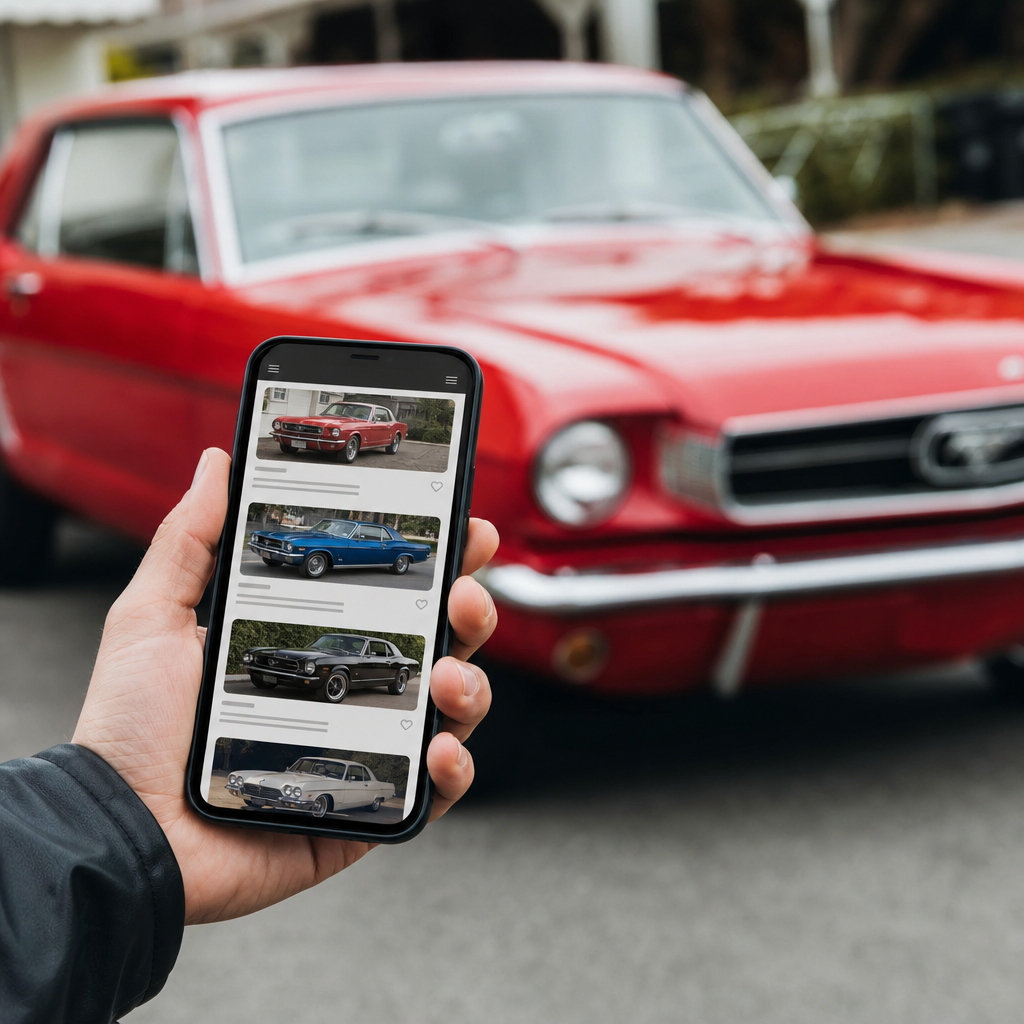
Finding the best apps for finding classic cars for sale has become one of the smartest ways to navigate today’s fragmented collector market. In the past, buyers depended on local newspapers, swap meets, specialty dealers, and word of mouth. Those channels still matter, but serious shoppers now use mobile apps and app-based marketplaces to compare prices, verify vehicle history, watch auctions, and contact sellers in minutes. When people ask where to buy classic cars, they usually mean more than a location. They want to know which platforms list quality inventory, which apps attract trustworthy sellers, which tools help avoid scams, and how to spot fair market value before making an offer.
A classic car generally refers to an older vehicle with collector appeal, historical significance, distinctive styling, or enthusiast demand. Depending on insurer, state registration rules, and club standards, that can mean prewar automobiles, muscle cars from the 1960s and 1970s, analog sports cars from the 1980s and 1990s, or limited-production modern classics. In practice, buyers care less about the label than about condition, originality, provenance, and future parts support. I have worked with buyers searching everything from C10 pickups and air-cooled 911s to Tri-Five Chevrolets and square-body Suburbans, and the same lesson repeats: the app you choose shapes the quality of leads you see.
This matters because the classic car market is inefficient. Two vehicles that look similar in photos can differ by tens of thousands of dollars once you inspect rust, matching numbers, paint quality, trim completeness, and documentation. Good apps reduce that uncertainty by aggregating listings, preserving auction archives, enabling direct messaging, and surfacing comparable sales. Great apps also help buyers narrow by year, make, model, drivetrain, transmission, body style, and location. For a sub-pillar hub on where to buy classic cars, the goal is not simply to list marketplaces. It is to explain how each app fits a buying strategy, what type of inventory it attracts, and how to use these tools together for better outcomes.
What Makes a Classic Car App Worth Using
The best classic car apps do four jobs well: discovery, evaluation, communication, and decision support. Discovery means strong search filters, saved alerts, and enough inventory volume to justify daily use. Evaluation means clear photos, VIN details, seller disclosures, auction histories, and room for third-party inspection reports. Communication means responsive messaging, easy sharing with a mechanic or spouse, and transparent seller identity. Decision support means access to comps, fee visibility, transport options, financing, or at least enough information to calculate total landed cost.
When I evaluate where to buy classic cars online, I separate broad marketplaces from specialist enthusiast platforms. Broad apps such as Facebook Marketplace, eBay Motors, and Craigslist-style tools deliver reach and local opportunities, but they demand more buyer caution. Specialist platforms such as Hemmings, Bring a Trailer, Cars & Bids, and marque-specific forums usually offer better-informed sellers and richer listing details. Neither category is universally better. If you want a driver-quality 1967 Mustang coupe near home, local marketplaces may produce the best value. If you want a documented, collector-grade BMW E30 M3, a specialist auction platform is usually the stronger starting point.
The strongest apps also reflect market reality. A seller with excellent documentation, paint-meter readings, cold-start video, underbody photos, and a recent compression test will command more trust than a seller posting six blurry exterior shots. In collector cars, transparency is value. Apps that encourage detailed listings tend to attract better cars and more serious buyers. That matters because buying the wrong classic is almost always more expensive than missing one good deal.
Best Apps for Finding Classic Cars for Sale
Several apps consistently stand out for buyers asking where to buy classic cars. Hemmings remains one of the most established names in the space and is especially useful for traditional American classics, restored vehicles, project cars, and dealer inventory. Bring a Trailer is highly influential for enthusiast-grade and well-documented cars, with comments that often reveal model-specific issues before bidding closes. Cars & Bids focuses on modern enthusiast vehicles, but many 1980s, 1990s, and early 2000s cars now qualify as classics in the real market. eBay Motors still matters because of its inventory breadth and nationwide reach. Facebook Marketplace is indispensable for local discovery, especially for trucks, unfinished projects, and lower-priced drivers. ClassicCars.com and AutoHunter add another large pool of dealer and private-party listings.
| App or Platform | Best For | Main Advantage | Main Caution |
|---|---|---|---|
| Hemmings | Traditional classics and restorations | Established audience and detailed collector listings | Pricing can skew optimistic |
| Bring a Trailer | Documented enthusiast and collector cars | Strong photos, comments, and auction transparency | Competitive bidding and buyer fees |
| Cars & Bids | Modern classics and analog performance cars | Focused audience for 1980s–2000s vehicles | Less useful for pre-1970 inventory |
| eBay Motors | Nationwide search across all price levels | Huge selection and saved-search flexibility | Quality varies widely by seller |
| Facebook Marketplace | Local deals, trucks, projects, affordable drivers | Fast contact and strong local inventory | Higher scam risk and inconsistent listing detail |
| ClassicCars.com | Dealer listings and broad classic coverage | Large inventory and easy browsing | Some duplicate or stale listings |
If I were advising a first-time buyer, I would not tell them to pick just one. I would combine a specialist platform for price discovery with a broad platform for deal flow. For example, use Bring a Trailer sold listings to understand a Porsche 356 market range, then set alerts on Hemmings, Facebook Marketplace, and eBay Motors for nearby opportunities. That approach blends accurate comps with broader inventory and usually leads to better timing.
How to Choose the Right App for the Car You Want
The app should match the segment. American muscle, chrome-era cruisers, classic trucks, and hot rods often show up heavily on Hemmings, Facebook Marketplace, ClassicCars.com, and dealer-backed apps. European sports cars with documented history tend to perform better on Bring a Trailer because bidders reward originality, maintenance records, and expert photography. Japanese modern classics such as the Acura Integra Type R, Toyota Supra, Nissan 300ZX Twin Turbo, and Honda S2000 are often strongest on Cars & Bids, Bring a Trailer, and enthusiast forum classifieds.
Budget also changes the answer to where to buy classic cars. Under about $15,000, local apps often produce the most interesting inventory because sellers want quick, uncomplicated transactions. Between roughly $15,000 and $50,000, both local and specialist platforms become viable, depending on rarity and condition. Above that, provenance becomes critical, and auction-oriented platforms with stronger documentation usually deserve priority. At six-figure levels, buyers should assume that no app replaces due diligence, escrow, transport planning, and a specialist pre-purchase inspection.
Geography matters more than many buyers expect. Dry-climate states such as Arizona, Nevada, inland California, New Mexico, and parts of Texas often produce cars with stronger sheet metal. Midwest and Northeast listings can still be excellent, but underbody photos become nonnegotiable. I have seen many enthusiastic buyers focus on odometer mileage while missing frame rust, poor prior repairs, or hidden corrosion around cowl seams, floor pans, and lower fenders. The best app is the one that helps you filter aggressively and ask the right follow-up questions quickly.
How to Evaluate Listings and Avoid Costly Mistakes
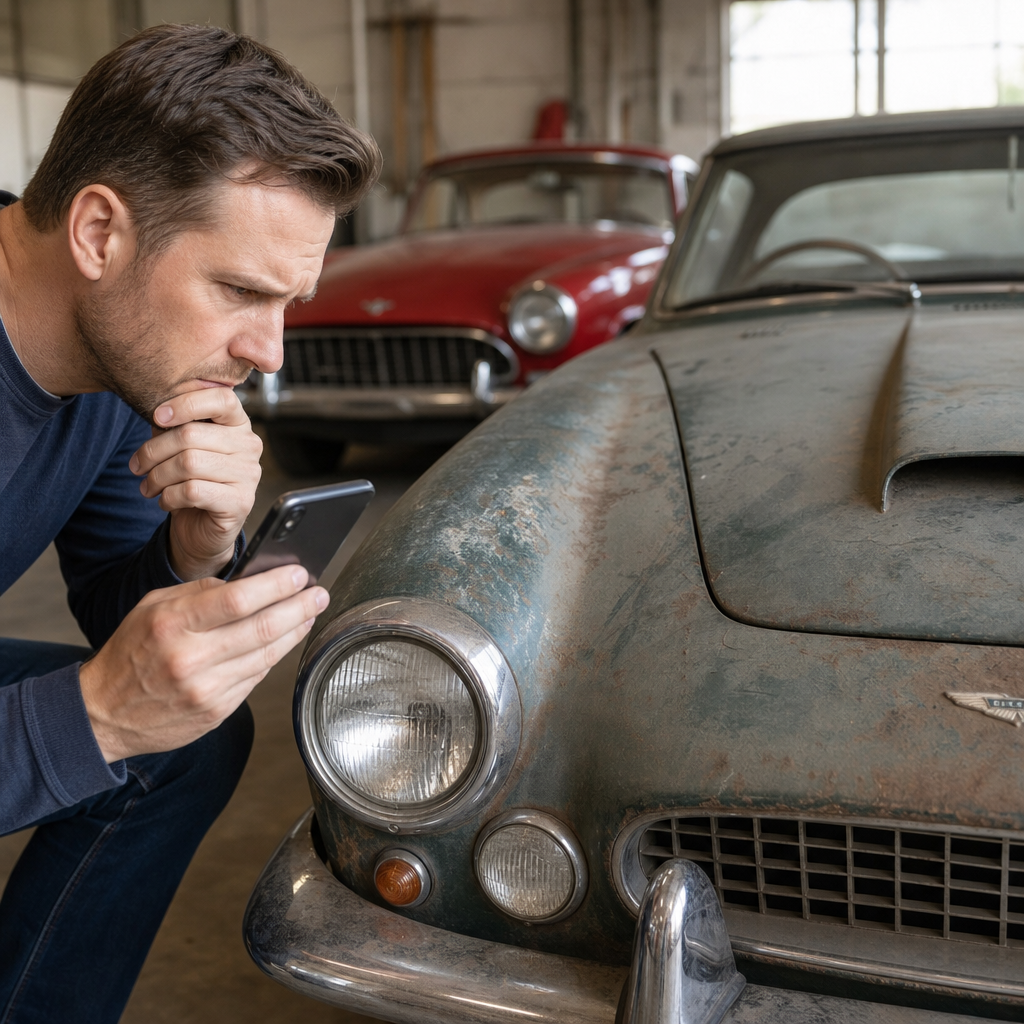
Every good classic car app helps you find listings, but smart buying starts after the click. First, assess photo quality and completeness. You want exterior angles, interior close-ups, engine bay, trunk, glass, VIN plate, data tags, wheels, tires, and undercarriage. Missing underbody images are a warning sign, not a minor omission. Second, read the description for specifics. Strong listings mention ownership length, known defects, recent maintenance, modifications, title status, and whether components are original, date-coded, rebuilt, or replaced. Vague terms like “runs great” or “fully restored” mean very little without invoices and detailed images.
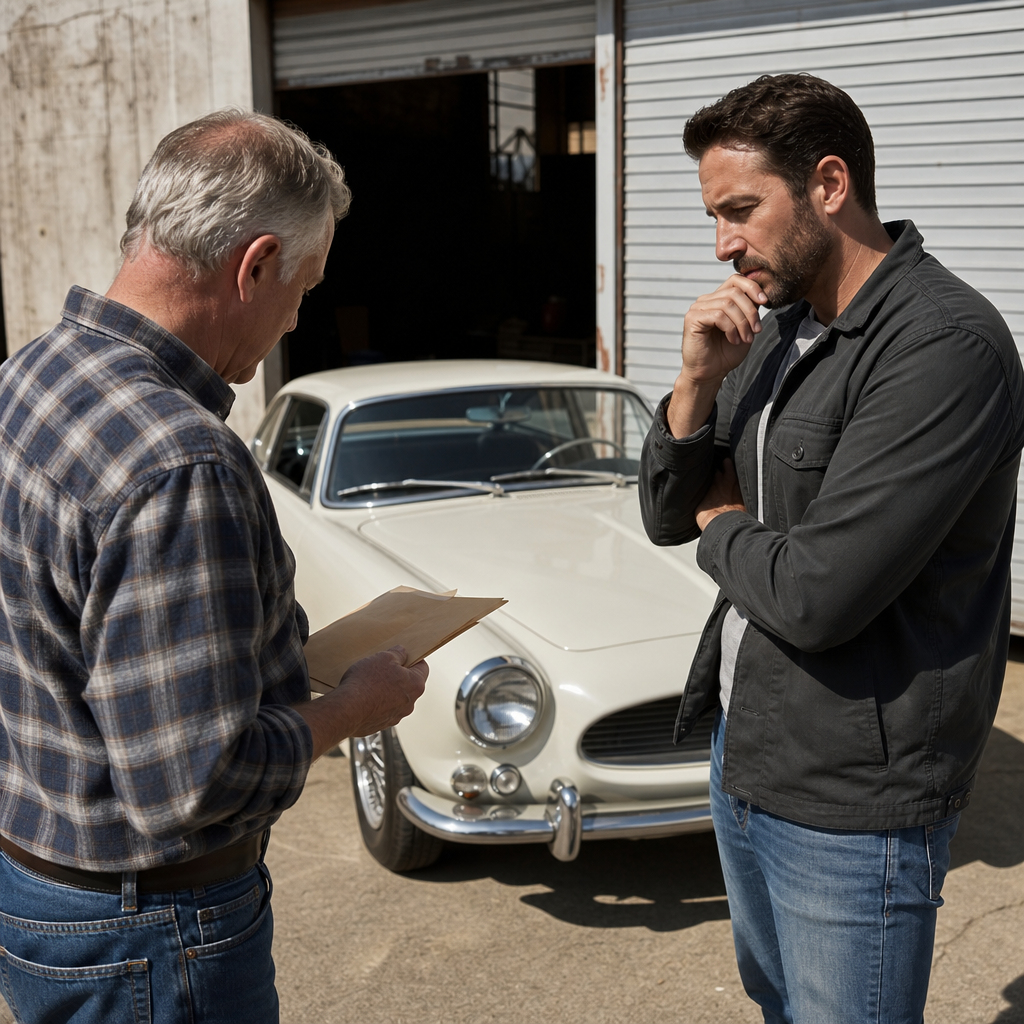
Third, verify the seller’s story. Ask for a cold-start video, walkaround video, and photos of problem areas known for that model. On a first-generation Camaro, that includes trunk drop-offs, cowl area, front subframe mounts, and quarter panels. On an air-cooled Volkswagen, look at heater channels and floor pans. On a W113 Pagoda Mercedes, inspect floors, rocker structures, and panel fit. On classic trucks, look hard at cab corners, bed floors, drip rails, and firewall areas. Honest sellers who know their cars usually respond well to precise questions.
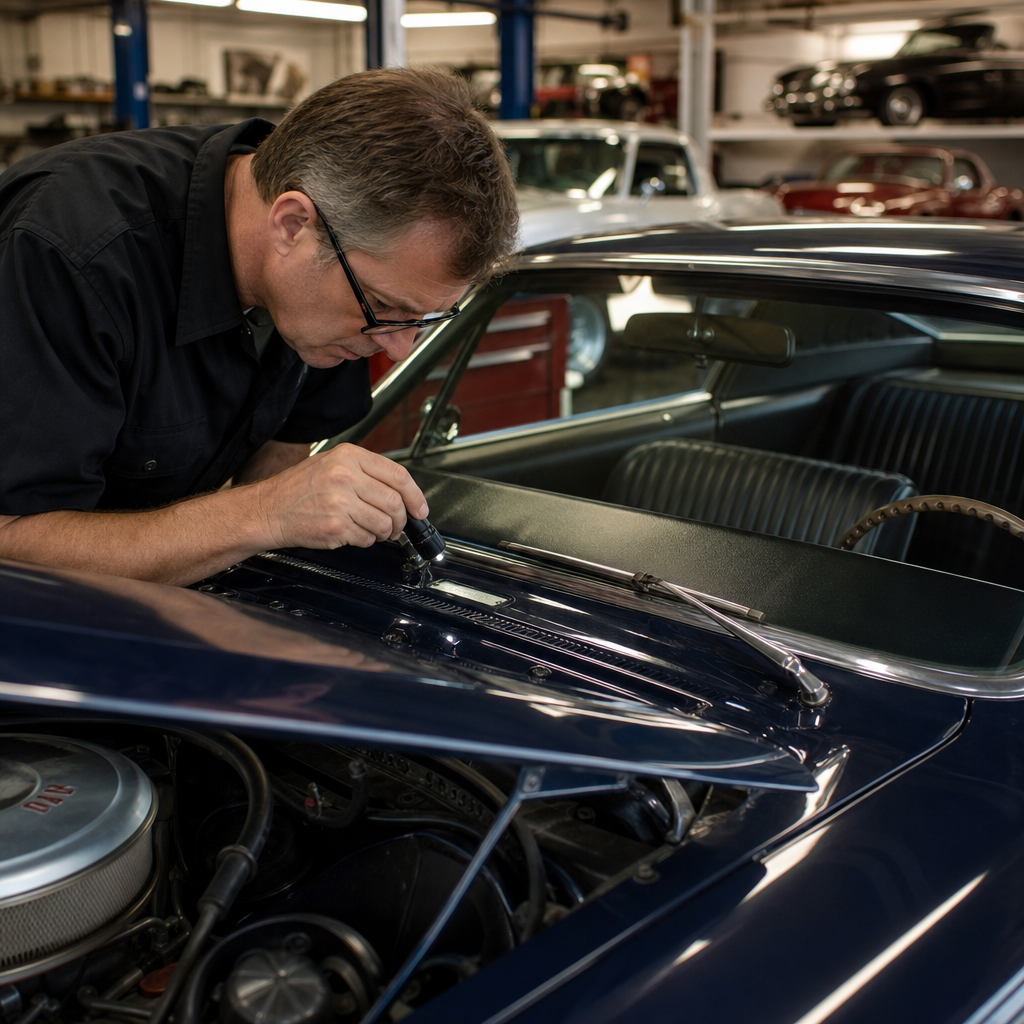
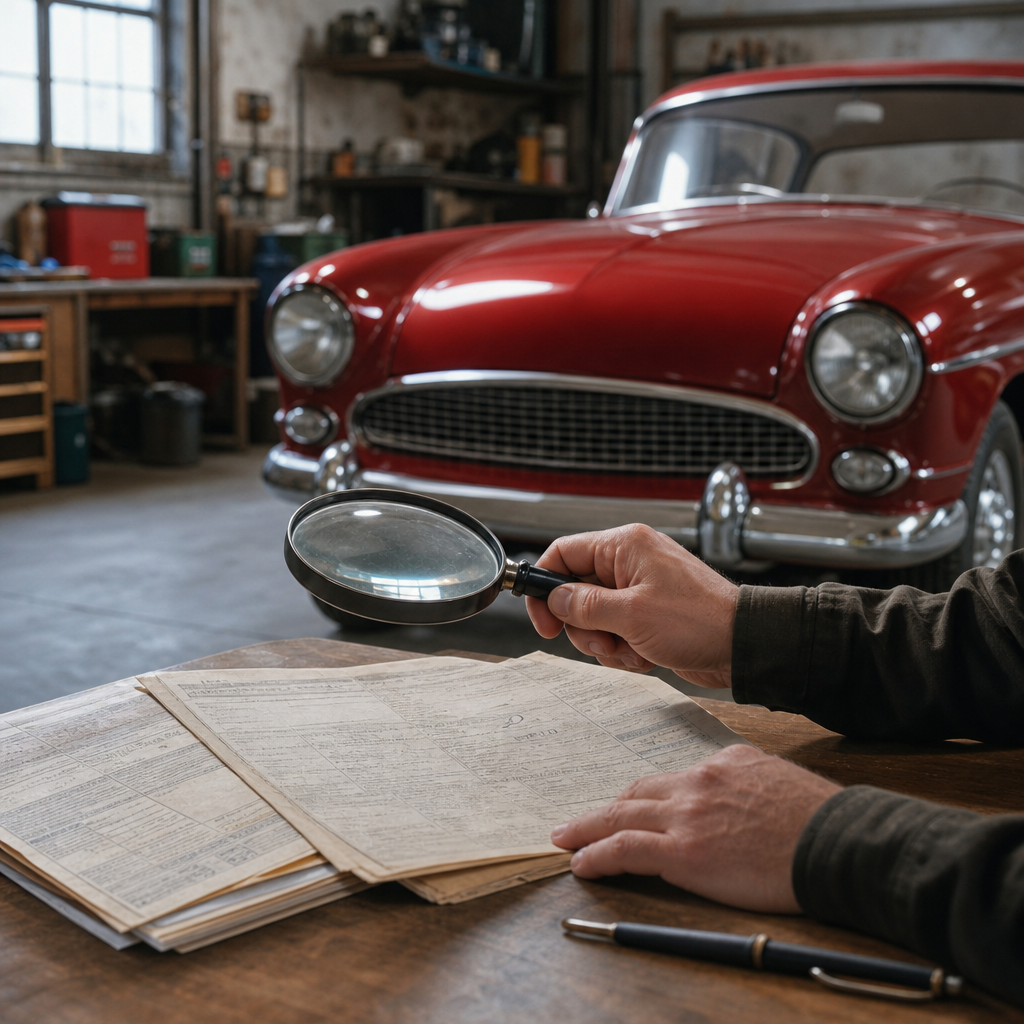
Fourth, compare the asking price with actual sold results, not hopeful listings. Bring a Trailer auction archives, Hagerty Valuation Tools, and insurer-grade market guides can help establish range, but condition still drives the final number. A #2-condition car with excellent paint, sorted mechanicals, and records may be worth dramatically more than a tired driver. Fifth, use a pre-purchase inspection. Services vary by region, but a knowledgeable inspector with a magnet, paint meter, compression tester, and lift access can save thousands. I have watched inspections uncover filler-heavy quarter panels, weak compression, brake leaks, and VIN inconsistencies that looked invisible in app photos.
Building a Smart Buying Workflow Across Apps
The most effective buyers treat apps as a workflow, not a one-time search. Start with a clear target list: ideal model, acceptable alternatives, budget ceiling, preferred condition level, and nonnegotiables such as manual transmission, factory colors, or matching-numbers drivetrain. Next, create saved searches across at least three platforms. Use broad search terms and precise ones. For example, a Chevrolet C10 buyer should save “C10,” “C-10,” “Chevy truck,” “pickup,” and “1967 1972 Chevrolet.” Sellers often mislabel listings, and broad searches catch inventory narrow filters miss.
Then build a simple comparison sheet outside the apps. Track asking price, location, VIN availability, title status, claimed restoration level, known rust, modifications, and seller responsiveness. This makes patterns obvious. You may notice that one app has lower prices but weaker descriptions, while another has premium pricing but better transparency. That information improves negotiation. When a seller knows you understand the market and have comparable examples, the conversation becomes more productive.
Timing matters too. New listings often attract the strongest attention in the first 24 to 72 hours. Auction listings require a different rhythm: watchlist early, review comments daily, request extra photos before the close, and factor buyer premium into your top bid. If transport is needed, get shipping quotes in advance. A seemingly good deal can change quickly when enclosed transport, inspection, taxes, registration, and immediate repairs are added. The best apps for finding classic cars for sale help you source inventory, but disciplined process is what turns listings into successful purchases.
Where to Buy Classic Cars Beyond the Major Apps
Apps are the center of the search today, but they are not the entire market. Dealer apps and dealer websites remain important for buyers who value convenience, financing access, and curated inventory. Reputable specialty dealers usually perform some level of reconditioning and can provide more structured paperwork, though pricing often reflects that service. Auction house apps from Mecum and Barrett-Jackson matter when highly visible inventory and televised sales shape market sentiment, but buyers must understand reserve structures, fees, and the temptation of auction momentum.
Enthusiast forums and club classifieds are still among the best places to buy model-specific cars because community reputation creates accountability. A Porsche Club of America classified, marque Facebook group, Corvette forum, or vintage truck community often surfaces cars before they hit the open market. These listings may have fewer polished photos, but the seller frequently knows the platform’s audience will ask informed questions. For rare trims, special editions, or difficult-to-find original parts, that environment can be more valuable than a giant general marketplace.
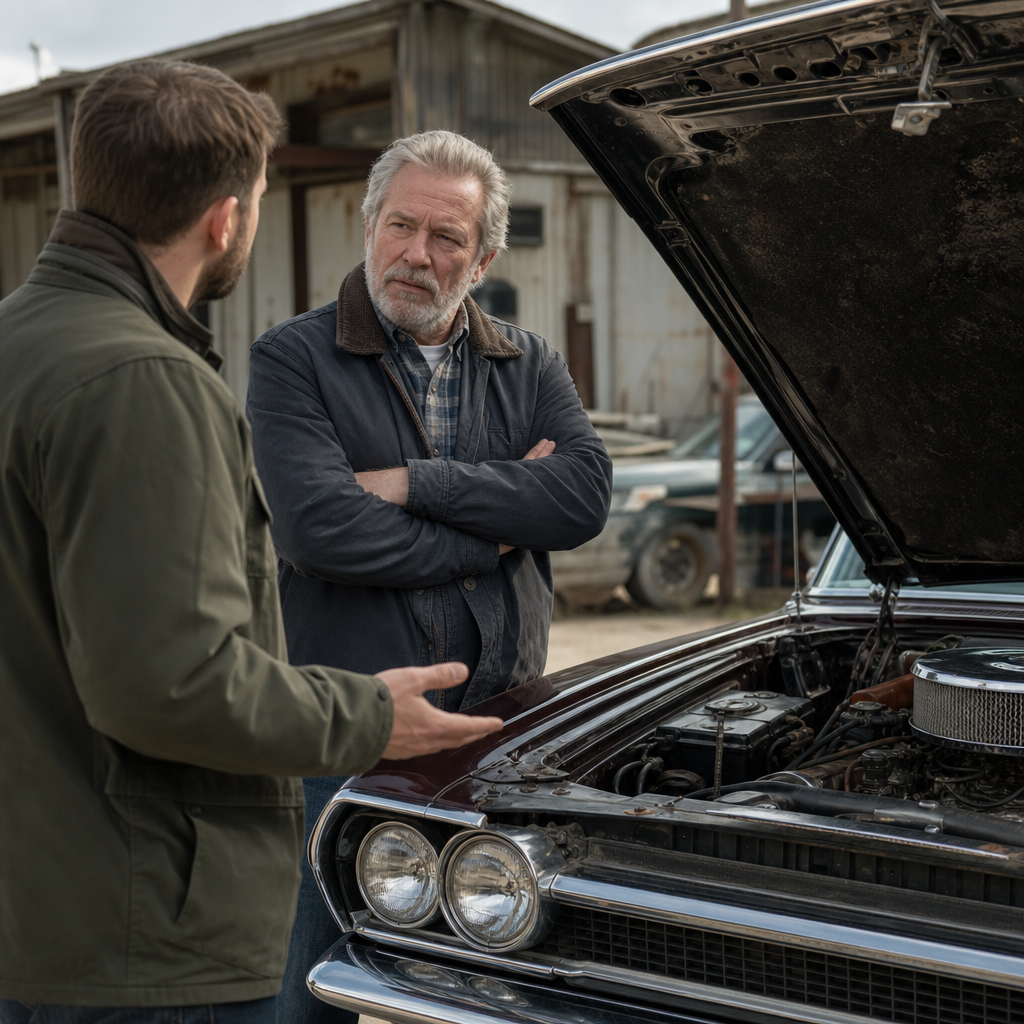
Offline sourcing still supports online buying. Car shows, local cruise nights, restoration shops, storage facilities, and word-of-mouth referrals regularly produce opportunities that never appear in an app. Many of the best purchases happen because a buyer leaves contact information with a shop owner or asks the right person whether an older project is available. Use apps as the hub, but keep your sourcing network wide. That combination gives you better odds of finding the right car rather than settling for the most visible one.
The best apps for finding classic cars for sale do more than display inventory. They help you understand market value, compare condition, communicate with sellers, and reduce the risk that comes with buying older vehicles. If you want a clear answer to where to buy classic cars, the practical answer is this: use specialist platforms for documentation and pricing discipline, use broad marketplaces for local reach and hidden opportunities, and use forums, dealers, and community sources to widen your funnel. No single app owns the entire collector market.
The biggest advantage goes to buyers who prepare before they search. Define the exact vehicle you want, set realistic condition standards, study sold results, and insist on underbody photos, documentation, and an independent inspection. Match the app to the segment, not just the brand name. Hemmings, Bring a Trailer, Cars & Bids, eBay Motors, Facebook Marketplace, and ClassicCars.com each serve a purpose, but your process determines whether a listing becomes a good purchase or an expensive lesson.
Start by choosing three platforms today, setting saved alerts, and building a comparison sheet for the models on your shortlist. That simple step will make your search faster, sharper, and far more likely to end with a classic car you will be glad to own.
Frequently Asked Questions
What are the best apps for finding classic cars for sale?
The best apps for finding classic cars for sale usually fall into a few categories: dedicated collector-car marketplaces, large general automotive listing platforms, auction apps, and enthusiast community apps. Dedicated classic car apps and marketplaces are often the most useful because they focus on vintage, antique, muscle, and collector vehicles rather than everyday used cars. These platforms typically offer more detailed listings, better photo galleries, seller profiles, auction history, and filters for year, make, model, body style, mileage, and originality. General car shopping apps can still be valuable, especially if you are searching for less-publicized local listings, but they often require more effort to filter out modern vehicles and dealer inventory that does not match a collector buyer’s goals.
Auction-based apps are especially helpful for buyers who want access to a national market and real-time bidding activity. They can reveal what similar vehicles are actually selling for, which is often more useful than relying only on asking prices. Meanwhile, enthusiast forum apps, social platforms, and club-based marketplaces can uncover off-market or lightly marketed cars before they appear on major listing sites. In practice, serious buyers rarely rely on just one app. The smartest approach is to use a mix of platforms so you can compare inventory, pricing, seller responsiveness, and documentation quality. That combination gives you a much clearer view of the market and improves your chances of finding the right classic car at a fair price.
How do classic car apps help buyers verify that a vehicle is legitimate and accurately represented?
Good classic car apps do much more than display photos and a price. They help buyers evaluate legitimacy by making it easier to review detailed listing information, compare similar vehicles, communicate directly with sellers, and sometimes access vehicle history tools or auction archives. A strong listing should include the VIN or partial VIN when appropriate, engine and transmission details, ownership history, restoration records, title status, and clear images of the exterior, interior, engine bay, undercarriage, and known problem areas. The more complete and transparent the listing, the more confidence a buyer can have that the seller understands the vehicle and is presenting it honestly.
That said, no app can replace due diligence. Buyers should still verify the VIN, request cold-start videos, ask for walkaround footage, review restoration receipts, and confirm whether the car is matching numbers, period-correct, modified, or a tribute build. It is also wise to compare the listing with recent sales of similar cars to see whether the description and price make sense. If a vehicle appears promising, arrange a pre-purchase inspection by a knowledgeable third party who understands the specific make and model. Many of the best buying decisions happen when an app helps you discover the car quickly, but your own verification process confirms whether it is truly worth pursuing.
Are auction apps better than classified listing apps for buying a classic car?
Auction apps are not automatically better than classified listing apps, but they do serve a different purpose, and for many buyers they are an essential part of the search process. Auction apps excel at showing real-time market activity. You can watch bidding behavior, review prior sales, compare reserve and no-reserve results, and understand how presentation quality affects final prices. This can be incredibly valuable if you are trying to buy in a competitive segment such as vintage trucks, first-generation pony cars, European sports cars, or highly original survivor vehicles. Auction apps also tend to encourage more detailed listings because sellers know buyers are making decisions quickly and often from a distance.
Classified listing apps, however, can offer more room for negotiation and less time pressure. They are often better for buyers who want to ask questions, arrange inspections before committing, and avoid bidding wars. Classified platforms can also surface private-party opportunities that have not been fully marketed to national audiences yet. In many cases, the best strategy is to use auction apps to learn pricing trends and use classified apps to shop more patiently. Each format has strengths, and the right choice depends on your budget, comfort level, and how quickly you need to act when the right classic car becomes available.
What should I look for in an app when shopping for a classic car?
When evaluating an app for classic car shopping, start with search quality and inventory relevance. A useful app should let you filter by production year, make, model, trim, body style, mileage, transmission, engine type, location, and price range. It should also make it easy to save searches, receive alerts, and compare listings over time. For classic cars, details matter more than volume. An app that offers fewer listings but much better photos, documentation, and seller transparency can be far more valuable than one with thousands of incomplete posts.
You should also pay attention to seller communication features, listing standards, and trust signals. The best apps make it easy to message sellers, request more photos, and review prior listings or seller ratings when available. Mobile usability matters too, especially if you want to monitor new listings quickly before other buyers see them. Features like vehicle history integration, auction result archives, favorites lists, and instant notifications can give you a real advantage in a competitive market. Ultimately, the best app is the one that helps you move from browsing to informed decision-making without wasting time on vague, incomplete, or suspicious listings.
Can I find good deals on classic cars through apps, or are the best cars still sold offline?
Yes, you can absolutely find good deals on classic cars through apps, but the definition of a good deal has changed. In today’s connected market, truly underpriced collector cars are discovered quickly, and attractive listings often generate immediate interest. Apps have made pricing more transparent, which means buyers are less likely to stumble into a hidden bargain simply because no one else saw the listing. However, that same transparency can work in your favor by helping you identify fair-value cars, overpriced examples, and listings that deserve a closer look because of strong documentation, honest presentation, or unusual originality.
Offline channels still matter, especially through marque clubs, restoration shops, estate sales, private referrals, and local collector networks. Some of the best cars never reach a public marketplace. Still, apps are often the fastest and most efficient starting point because they let you monitor a wide geographic area, compare cars side by side, and react quickly when something promising appears. The strongest buyers usually combine both worlds: they use apps to follow the broader market and build pricing knowledge, while also networking offline to hear about cars before they are broadly advertised. That hybrid approach gives you the best chance of finding a quality classic car with fewer surprises and a better sense of what it is truly worth.