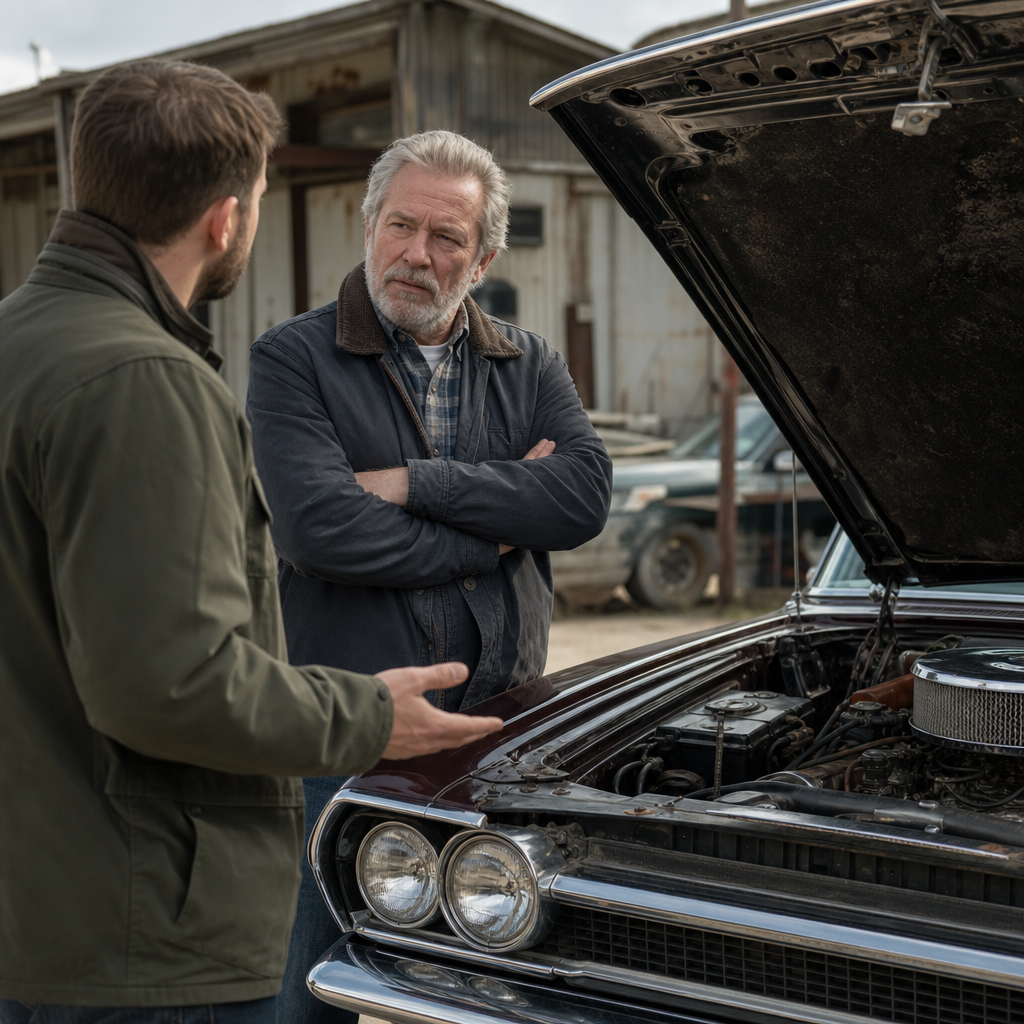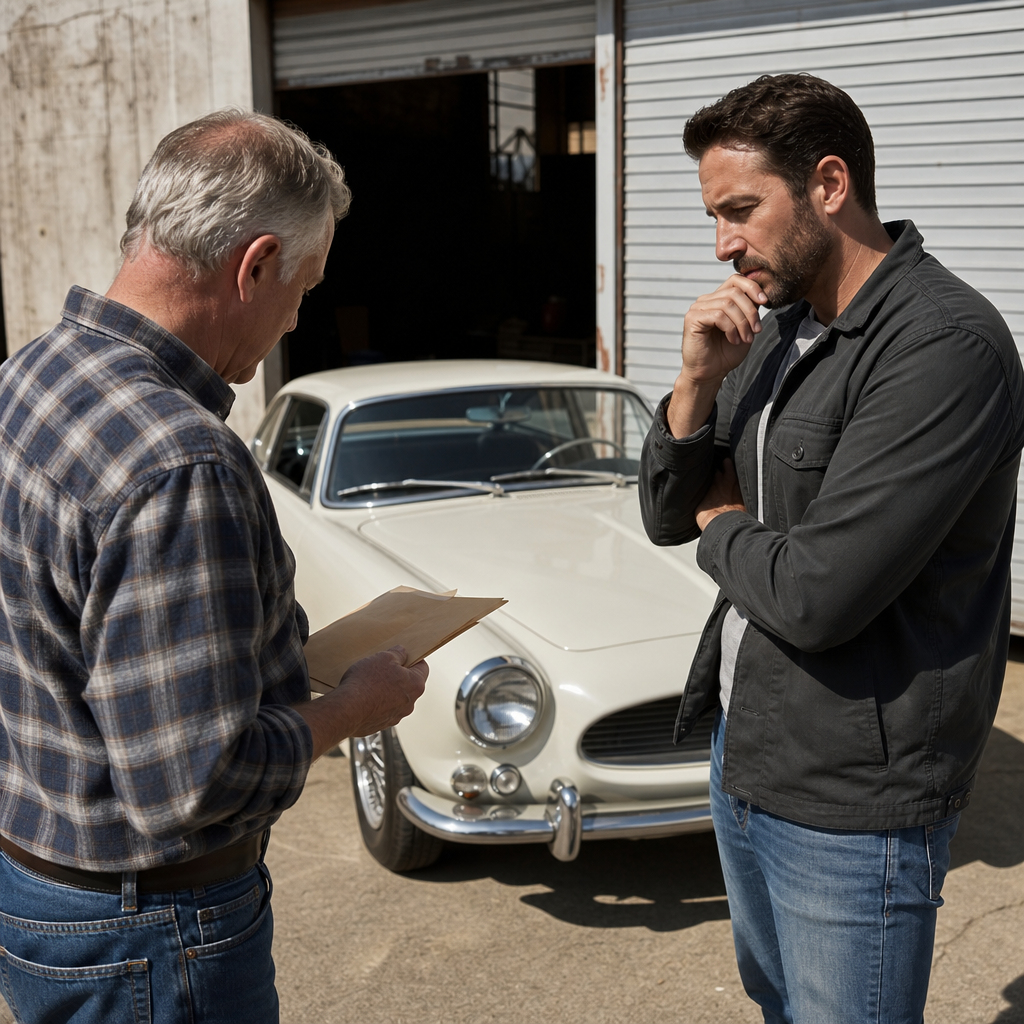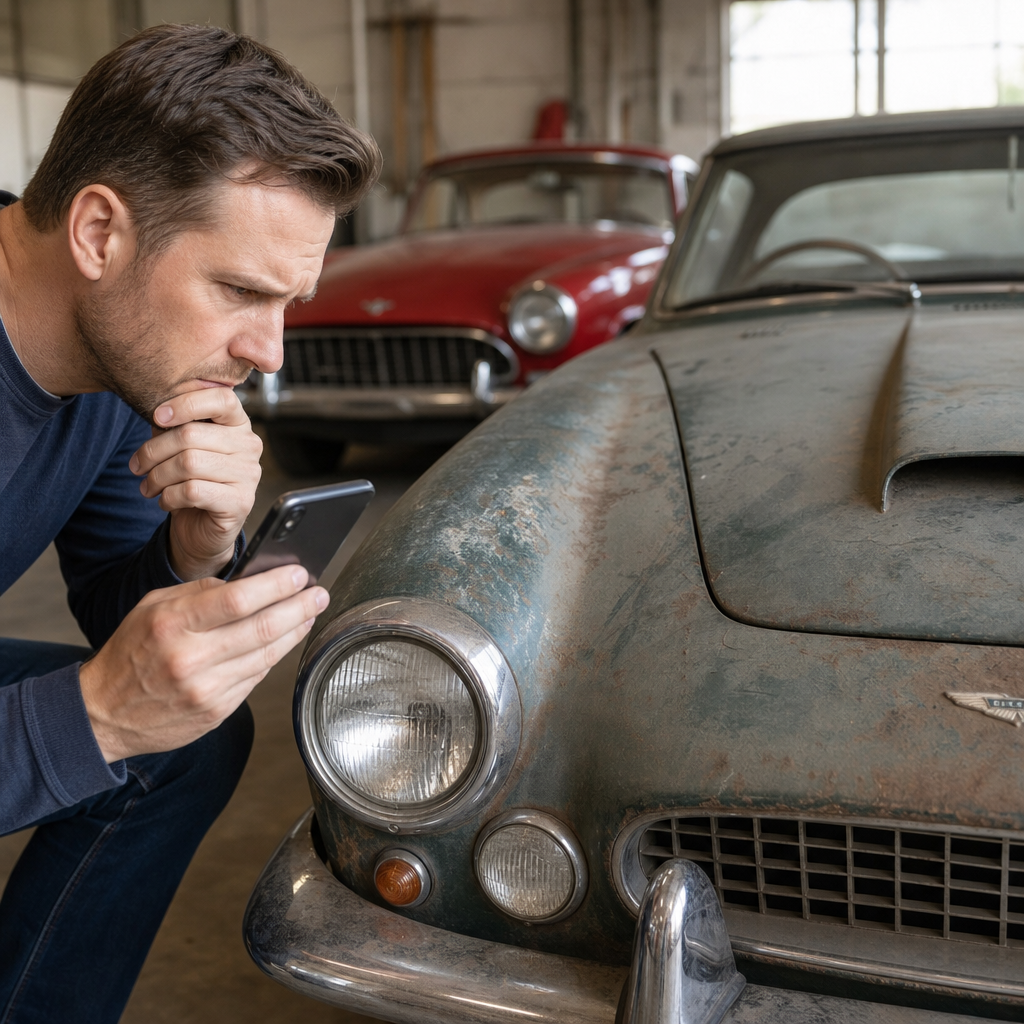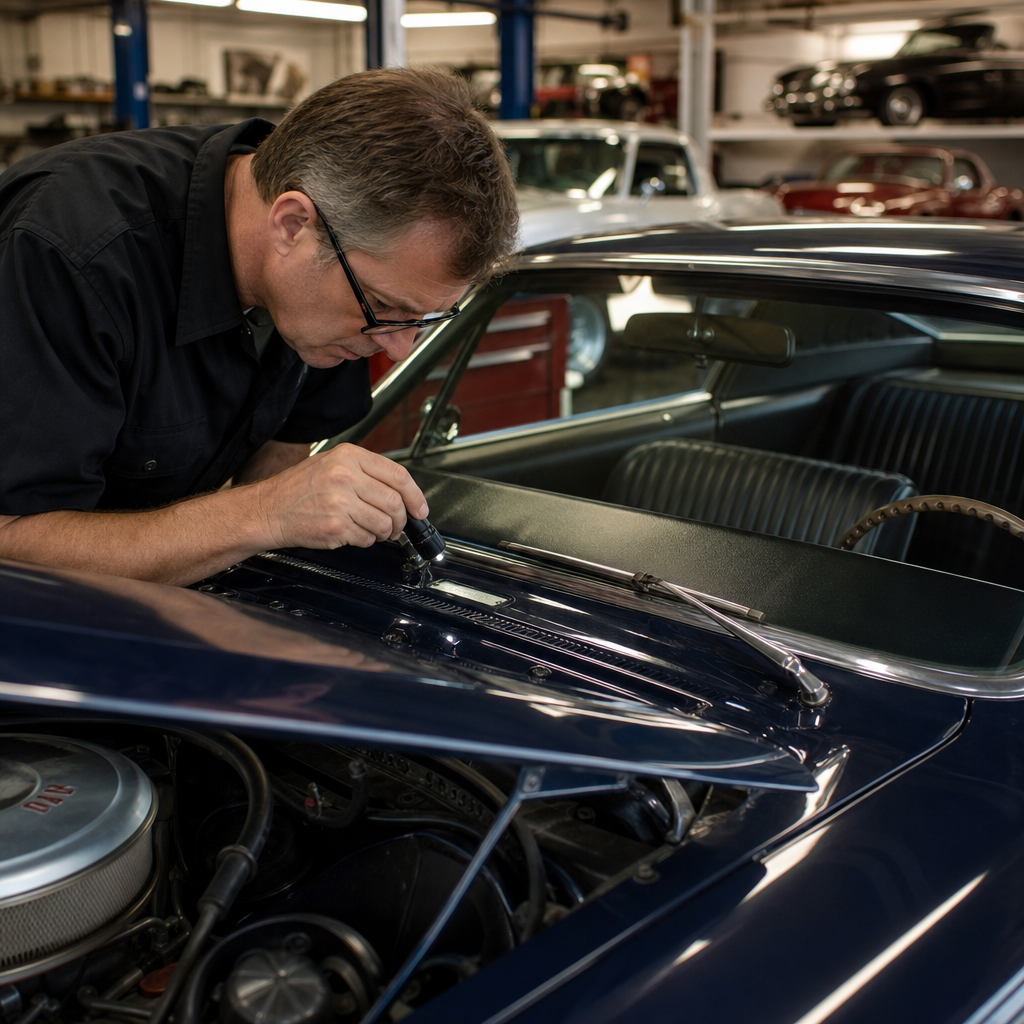
Finding good deals on classic car listings takes more than spotting a low asking price. It requires understanding where to buy classic cars, how different marketplaces shape pricing, and which details in a listing reveal value or risk. In the classic car world, a “good deal” is not simply the cheapest vehicle available. It is a car priced appropriately for its condition, documentation, originality, mechanical health, and market demand, with enough transparency to let a buyer verify what they are getting.
I have evaluated listings across dealer inventories, estate sales, marque forums, online auctions, local classifieds, and major marketplaces, and the same pattern appears repeatedly: the best opportunities usually come from disciplined comparison, not luck. Buyers who know how to read a listing, validate seller claims, and compare similar cars across channels routinely avoid overpriced examples and identify underappreciated ones. This matters because classic cars carry emotional appeal, but the purchase decision still rests on objective factors such as rust, provenance, matching numbers, restoration quality, trim correctness, and maintenance history.
This guide explains where to buy classic cars and how to judge listings with enough rigor to separate genuine value from expensive mistakes. It covers the major buying channels, the signs of a strong listing, the red flags that signal trouble, and the pricing methods serious buyers use before making an offer. If you want a hub page for the classic car buying process, start here: these principles apply whether you are chasing an entry-level MGB, a driver-grade C10, a Porsche 911 project, or a blue-chip muscle car with judging documentation.
Where to Buy Classic Cars: Major Sources and How Pricing Differs
Where to buy classic cars depends on your budget, risk tolerance, and willingness to inspect. Franchised and specialty dealers usually ask the highest prices because they incur reconditioning, storage, transport, marketing, and warranty costs. In return, they may offer better photography, financing options, title support, and a more orderly transaction. A dealer price can still be fair if the car has recent service, compression data, paint meter readings, or documented restoration invoices, but many listings include a retail premium without the paperwork to justify it.
Online auction platforms create urgency and broad visibility, which can push desirable cars above private-sale pricing. They are excellent for price discovery because comment sections, bid histories, and archived results reveal what informed buyers noticed. A well-presented car on Bring a Trailer, Cars & Bids, or marque-specific auctions can outperform dealer pricing if bidders trust the seller and documentation is strong. The downside is that auction momentum can hide flaws until after the sale, so disciplined pre-bid due diligence is essential.
Private sellers, enthusiast forums, Facebook groups, Craigslist, Hemmings, AutoHunter, and local car club networks often produce the best value. These channels include owners who know the car intimately, have folders of receipts, and priced it based on local comparisons rather than national retail averages. Estate sales and long-term ownership situations can also yield attractive pricing, especially when heirs want a straightforward transaction. However, private listings vary widely in quality, and buyer protection is limited. That means your process must become more rigorous as seller support decreases.
How to Read a Classic Car Listing Like a Buyer, Not a Browser
A good classic car listing answers the questions an experienced buyer would ask before calling. It identifies the exact year, model, trim, engine, transmission, VIN, mileage or odometer reading status, title status, ownership duration, recent maintenance, known faults, and modifications. It should also show the car from all critical angles: exterior in natural light, interior, dash, engine bay, trunk, undercarriage, wheel arches, door bottoms, frame rails, floor pans, and any rust-prone areas specific to the model. Sellers who omit those basics are not always dishonest, but they are asking you to assume facts not in evidence.
Language matters. Terms like “survivor,” “frame-off restoration,” “numbers matching,” “fully restored,” and “rust free” have specific implications. A true survivor should retain substantial original finishes and components. A frame-off restoration should be supported by photographs and invoices, not just fresh paint and undercoating. “Numbers matching” should mean the car retains the original engine and, where relevant, transmission or rear axle according to factory records and stampings. “Rust free” is almost never literally true on an unrestored car; the credible version is “no visible rust perforation” with close-up underside photos.
When I review listings, I pay attention to what the seller volunteers unprompted. A listing that says the fuel tank was cleaned, brake hydraulics rebuilt, hoses replaced, and carburetors synchronized is more persuasive than one that simply says “runs great.” Specificity demonstrates familiarity. Generic superlatives do not. A seller who names the machine shop that rebuilt the cylinder head or includes a recent alignment report is signaling confidence because those claims are verifiable.
Pricing a Listing: How to Tell Whether the Ask Is Actually a Deal
The fastest way to misjudge a classic car listing is to compare only top-line asking prices. Instead, compare condition tiers. A concours-level 1967 Corvette, a clean driver, and a project shell exist in entirely different markets even if all three are “1967 Corvettes.” Use sold listings, not just active ads, and compare the same body style, engine, transmission, originality level, and restoration quality. Hagerty Price Guide, Collector Car Market Review, auction archives, marque forums, and insurer valuation tools provide useful baselines, but they are starting points rather than final answers.
Then account for deferred costs. A car priced $8,000 below market may need $12,000 in metal work, trim sourcing, and brake or cooling-system repairs. Paint and bodywork often create the biggest gap between apparent value and true cost. Mechanical repairs are usually more predictable than rust repair, interior restoration, or missing model-specific parts. On some cars, correct brightwork, date-coded glass, or rare trim can cost more than an engine overhaul. A bargain listing becomes expensive quickly when it lacks hard-to-find components.
| Buying Source | Typical Pricing | Main Advantage | Main Risk | Best For |
|---|---|---|---|---|
| Specialty dealer | Highest retail | Convenience and presentation | Premium not always backed by substance | Buyers wanting smoother transactions |
| Online auction | Market-driven, sometimes strong | Price transparency and broad exposure | Bidding emotion and limited inspection time | Buyers comfortable with fast due diligence |
| Private seller | Often best value | Direct history from owner | Less buyer protection | Hands-on buyers who can inspect carefully |
| Enthusiast forum or club | Usually fair | Knowledgeable seller community | Condition can still be overstated | Model-specific shoppers |
| Estate or local sale | Potentially below market | Motivated sellers | Limited documentation and unknown mechanical state | Experienced bargain hunters |
A strong deal sits at the intersection of fair pricing and manageable downside. If the seller has complete records, clear photos, a clean title, and realistic disclosure of needs, you may pay slightly more and still come out ahead. Certainty has value. In the classic market, the cheapest entry price is rarely the cheapest ownership path.
Red Flags That Turn “Cheap” Into Expensive
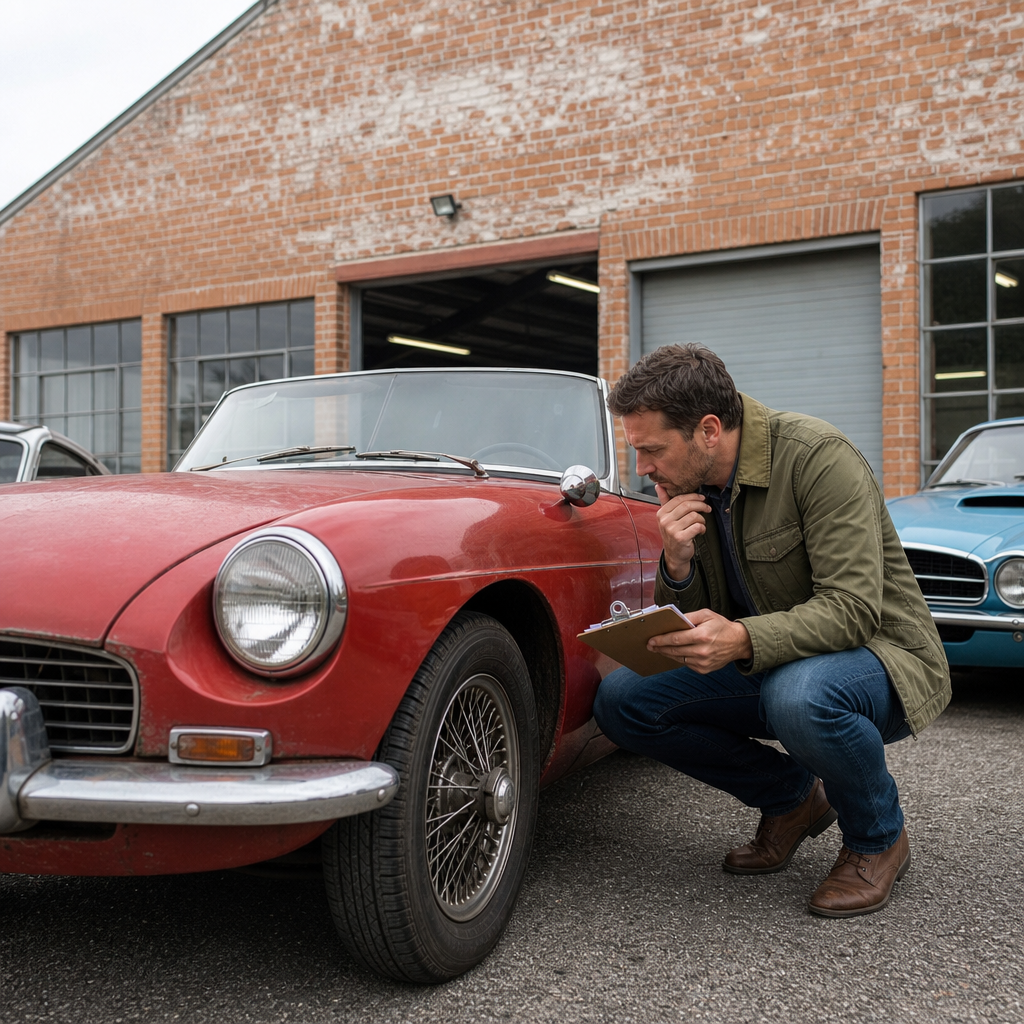
Some warning signs should immediately slow you down. Fresh undercoating on an otherwise unrestored underside can hide rust, poor metal work, or leaks. New paint with no restoration photos can conceal filler, patch panels, or corrosion around glass channels and lower fenders. Inconsistent panel gaps, overspray on weatherstrips, and shiny engine bays paired with dirty chassis components often indicate cosmetic preparation rather than comprehensive restoration. If a seller avoids close photos of floors, trunk wells, frame rails, torque boxes, or rocker panels, assume those areas need scrutiny.
Documentation gaps matter too. A missing title may be solvable in some states, but title complications can derail registration and resale. VIN tags that look disturbed, cowl tags that do not match trim claims, or engine stampings that are difficult to verify deserve careful inspection. Odometer readings on older cars are often exempt, so mileage claims should be treated as representations, not facts, unless supported by service records and ownership history. If the story sounds unusually convenient, ask for proof.
Seller behavior can be as revealing as the car itself. Pressure to send a deposit before receiving requested photos, reluctance to permit a pre-purchase inspection, refusal to provide cold-start video, or vague answers about how long the car has been sitting are all signs to proceed cautiously. Honest sellers do not need to know every bolt size, but they should be able to explain what works, what does not, and why they are selling.
How to Verify Condition Before You Travel or Wire Money
The smartest buyers verify remotely before they verify in person. Ask for a cold-start video showing the exhaust, gauges, choke behavior, idle quality, and hot restart. Request undercarriage photos taken without dramatic shadows and close-ups of known trouble areas for that model. For example, first-generation Mustangs need scrutiny around cowl vents, frame rails, torque boxes, and trunk drop-offs. Air-cooled 911 buyers should ask about head studs, case leaks, rust around torsion tube areas, and evidence of past crash repair. On vintage trucks, inspect cab mounts, bed floors, lower doors, and frame integrity.
Then order independent checks. A pre-purchase inspection by a marque specialist is one of the highest-return expenses in this process. Good inspectors perform compression or leak-down tests when appropriate, identify casting dates, photograph rust, note non-original components, and estimate immediate repair needs. For higher-value cars, paint meter readings and borescope inspection can be worthwhile. If the listing claims a famous restoration shop or documented provenance, contact the shop, registry, or prior owner when possible. Verification is not distrust; it is standard practice.
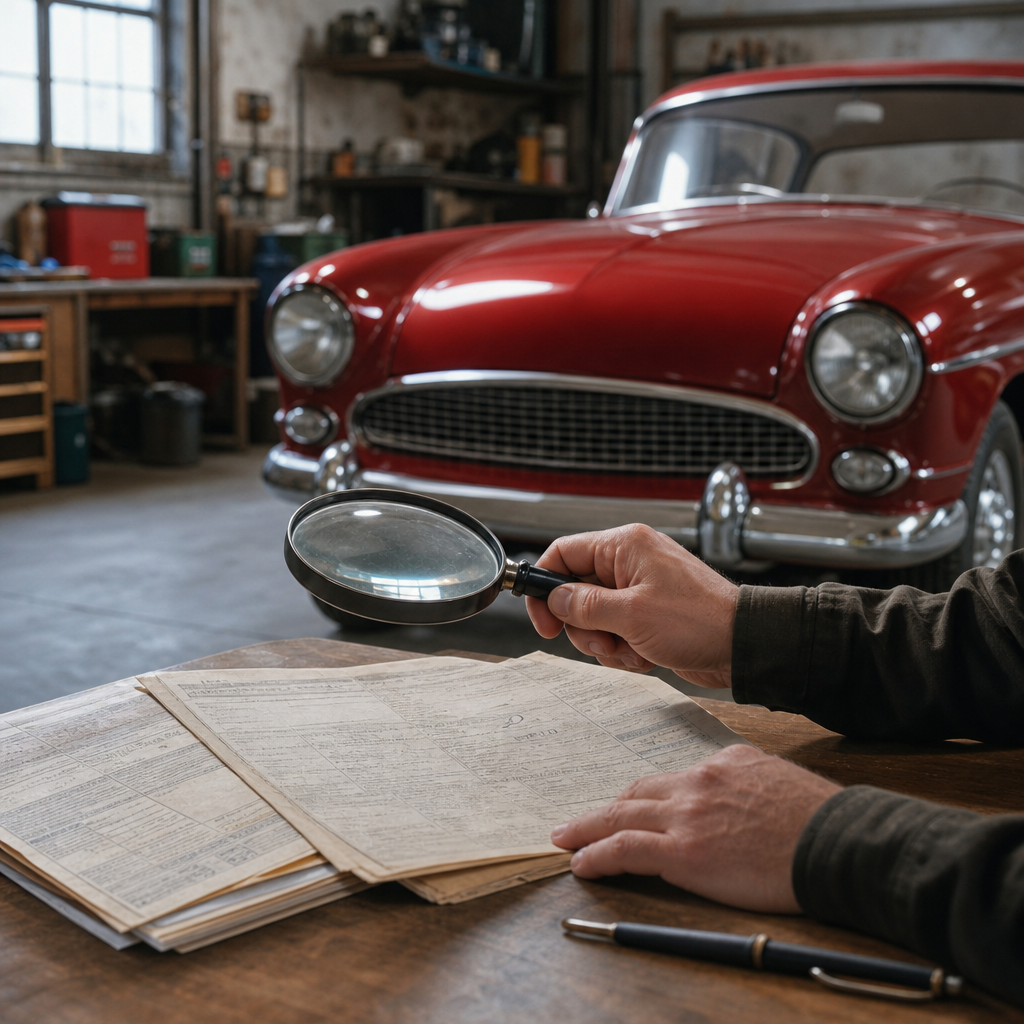
I also recommend checking the paper trail in sequence. Review the title, registration, service invoices, restoration receipts, judging sheets, owner correspondence, and any factory documentation such as a Porsche COA, Pontiac Historical Services packet, or GM Heritage materials where available. The goal is consistency. When the chronology aligns with the physical car, confidence rises sharply.
Negotiation Strategy: Turning Research Into a Better Buy
Negotiating a classic car deal works best when it is rooted in evidence, not opinion. Build a concise valuation case: comparable sold examples, cost estimates for visible needs, missing parts, non-original features, and near-term mechanical work. If the car needs tires, front suspension bushings, brake service, weatherstrips, and seat upholstery, put numbers beside each item. Sellers respond better to specific deductions than to broad claims that the car is “worth less.”
Cash alone is not the only leverage. Flexibility on pickup timing, readiness to close after inspection, and a respectful tone can matter just as much. Many owners care where the car goes, especially if they have had it for decades. I have seen buyers win deals at slightly lower prices because they were organized, credible, and easy to transact with. Conversely, aggressive lowballing often shuts down useful dialogue and costs buyers access to honest disclosures.
Know when not to negotiate too hard. If a listing is well documented, correctly priced, and attached to a desirable specification, hesitation can be more expensive than a firm offer. Good cars trade fast because experienced buyers recognize complete stories. The goal is not to “win” the negotiation. The goal is to buy the right car at a price that still makes sense after transport, taxes, registration, and initial service.
Building a Smarter Buying Process Across the Entire Market
Because this page serves as a hub for where to buy classic cars, the most useful takeaway is process. Start by choosing the channel that fits your confidence level. Track sold results for the exact models you want. Learn the model-specific rust zones, drivetrain weak points, and authenticity markers. Save listings, compare photos, and notice how strong sellers describe their cars. Use dealer inventory for benchmarking, auctions for price discovery, and private or enthusiast channels for value. Then verify the car with independent inspection before money changes hands.
The best deals on classic car listings are rarely accidents. They come from patience, comparison, and a clear understanding of total cost. Buy the car with the best combination of condition, transparency, and documentation you can afford, even if the asking price is not the lowest one on your screen. That approach reduces surprises, protects resale value, and makes ownership more enjoyable from day one. If you are shopping now, build a shortlist, ask sharper questions, and evaluate every listing like an investor who also happens to love cars.
Frequently Asked Questions
What actually makes a classic car listing a “good deal”?
A good deal on a classic car listing is not just a low price. In most cases, it is a vehicle offered at a price that accurately reflects its overall condition, originality, documentation, mechanical health, and current market demand. A cheap listing can quickly become an expensive mistake if the car has rust, missing paperwork, poor-quality restoration work, incorrect parts, or hidden mechanical problems. By contrast, a car with a slightly higher asking price may be the better value if it has strong maintenance records, matching numbers where relevant, documented ownership history, solid bodywork, and fewer immediate needs.
Smart buyers look at the full value picture. That includes the cost of transportation, inspection, repairs, title work, sourcing rare parts, and correcting prior shortcuts. A truly good deal is one where the buyer has enough information to verify what the seller is offering and where the vehicle’s condition aligns with the asking price. Transparency matters. Listings with detailed photos, clear descriptions, service history, VIN information, and honest disclosures are usually much easier to evaluate than vague ads with little supporting evidence. In the classic car market, value comes from confidence as much as price.
Which details in a listing help reveal whether the car is priced fairly or hiding problems?
The strongest listings usually answer important questions before you have to ask them. Look for detailed photographs of the exterior, interior, engine bay, trunk, undercarriage, VIN plates, trim tags, and any common rust areas for that model. A fair and transparent seller will usually show both the highlights and the flaws. If a listing uses only a few glamour shots, avoids close-ups, or fails to show the areas buyers care about most, that is often a sign that more investigation is needed.
The wording of the description also matters. Strong listings typically include information about ownership history, mileage claims, restoration dates, mechanical work performed, originality of major components, and known issues. Phrases like “believed to be,” “odometer shows,” “older restoration,” or “runs great” are not necessarily red flags by themselves, but they should prompt follow-up questions. Buyers should also pay attention to whether the seller explains what has been replaced, whether the car retains its original engine or transmission, whether modifications were done professionally, and whether documentation supports any claims. A listing that is specific, consistent, and backed by records is much more likely to represent a fair asking price than one built on assumptions and broad sales language.
Where are the best places to find good deals on classic cars?
Good deals can appear in many places, but each marketplace tends to shape pricing in different ways. Online auction platforms often bring strong visibility and competitive bidding, which can push prices up on desirable, well-presented cars. Classified listing sites may offer more room for negotiation, especially when sellers are pricing based on local demand or personal expectations rather than auction momentum. Dealer inventory is often priced higher because it includes reconditioning, marketing, overhead, and convenience, but dealers may also offer more consistent paperwork and easier transaction handling. Private-party listings can sometimes provide better value, especially when the seller has owned the car for years and can speak clearly about its history.
Local clubs, estate sales, enthusiast forums, and word-of-mouth networks can also produce strong opportunities. These sources sometimes surface cars before they are exposed to a national audience, which can help buyers avoid the premium that comes with broad-market competition. That said, a lower-visibility source does not automatically mean a better deal. The key is understanding the marketplace context. Some venues attract highly informed sellers, while others are full of optimistic pricing or poorly documented cars. The best place to buy is often the one where you can gather enough information to compare price, condition, and risk accurately. Buyers who monitor several marketplaces over time usually develop the clearest sense of what fair pricing looks like.
How can I compare classic car listing prices without overpaying?
The best way to compare listing prices is to evaluate comparable cars, not just the same make and model. Two classic cars that look similar in photos can differ dramatically in value based on body condition, drivetrain originality, documentation, restoration quality, color combination, options, provenance, and current mechanical needs. Start by looking at recent asking prices and, even more importantly, actual sale prices when available. Auction results, enthusiast forums, valuation guides, and model-specific communities can help establish a realistic market range. Then adjust that range based on the specific car in front of you.
It is especially important to compare condition honestly. A driver-quality car, a partially restored car, and a show-quality example should not be priced the same. Buyers should also account for hidden costs that do not show up in the asking price, such as rust repair, paint correction, interior work, brake and fuel system sorting, tires, suspension rebuilding, and deferred maintenance. If a cheaper listing needs significant work, it may not actually be less expensive than a more complete car priced higher. Overpaying often happens when buyers focus too much on the entry price and not enough on the true cost to get the car where they want it. Strong comparisons come from matching the listing to real-world condition and ownership costs, not from chasing the lowest number.
What steps should I take before deciding a classic car listing is worth pursuing?
Before treating any listing as a real opportunity, verify as much as possible. Start by asking the seller for additional photos, cold-start video, walkaround video, underside images, VIN and tag photos, service records, title details, and receipts for recent work. Confirm whether the car has a clean title, whether the mileage is documented or exempt, and whether major claims such as matching numbers or recent restoration can be supported. If the seller hesitates to provide basic information, that should influence how you view the deal. A worthwhile listing should stand up to reasonable scrutiny.
The next step is to arrange an independent pre-purchase inspection, especially for any higher-value car or any listing located far from you. An experienced inspector or marque specialist can identify rust, accident damage, poor repairs, mechanical weaknesses, and authenticity issues that are easy to miss in photos. You should also research common trouble spots for that specific model so you can ask better questions and interpret the answers correctly. Finally, calculate your full budget, including transport, taxes, registration, immediate repairs, and a reserve for unexpected issues. A classic car listing is worth pursuing when the seller is transparent, the condition checks out, and the total cost still makes sense in relation to market value. That is how buyers separate genuinely good deals from listings that only look attractive at first glance.